A Simple, Repeatable Routine for Managing Spurge in Arizona Yards
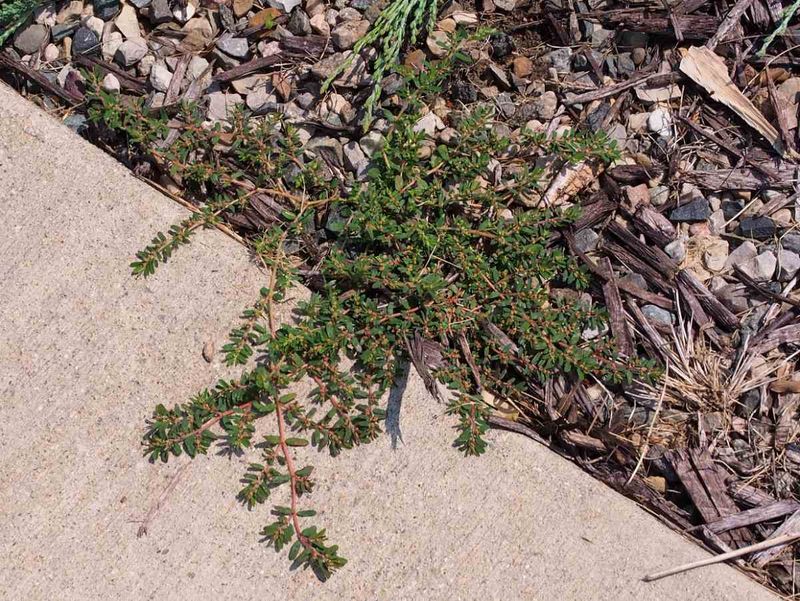
Spurge pops up fast in Arizona yards once the weather warms, and it can seem to come back no matter what you do. The good news is that a simple routine can keep it under control without a lot of fuss or extra chemicals.
A quick look at which spurge you have, when to pull it, and how to keep new seedlings from sprouting goes a long way. Here is how to build a plan that fits your yard.
Spurge is a group of weeds, not one uniform problem
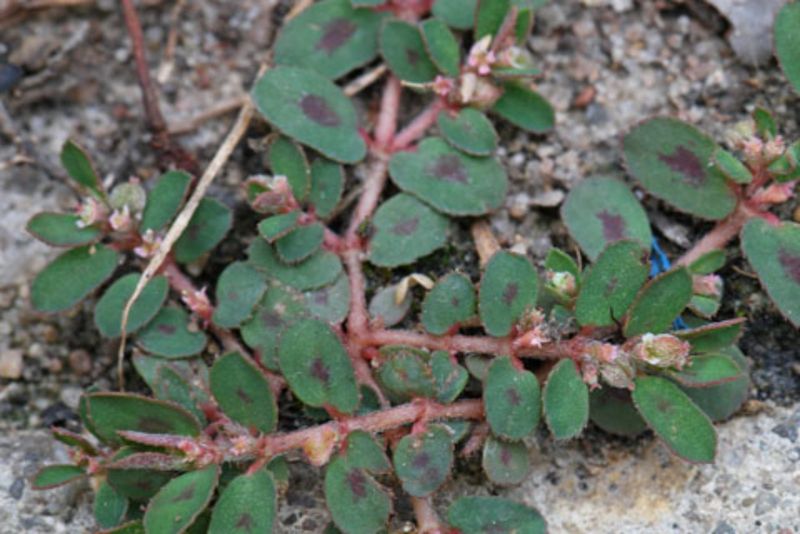
Walk around a Phoenix or Tucson yard in summer and you may spot several different spurges without realizing it. Arizona has more than one weedy species, including annual spotted spurge, annual prostrate spurge, and perennial white-margin spurge, according to Arizona Cooperative Extension’s spurge guide.
Why does that matter? Annual spurges grow from seed each warm season, so stopping them before seed forms makes a real difference.
White-margin spurge lives for years and can send out extra roots at its stem nodes, which makes pulling it by hand harder.
That is the reason a single trick, like pulling a patch once, cannot clear every yard. A bed with a steady seed supply or a mix of species may keep producing new plants.
A clue to look for: a flat mat with small spotted leaves points toward an annual, while a sprawling plant with white-edged leaves hints at the perennial. Knowing which one you have simply helps you pick a realistic next step.
Remove young plants before they set seed
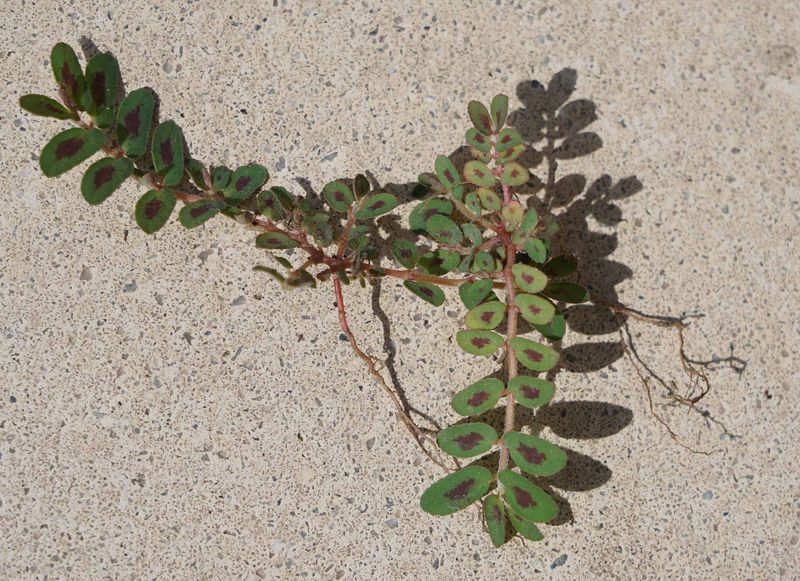
Early in the warm season, a ten-minute walk with a bucket can save hours later. Spurge grows quickly once temperatures climb, and small seedlings pull out far more easily than sprawling mats.
Check sunny, moist spots first, like the edges of drip lines, gravel paths, and bed borders.
Pull plants while they are young, and lift them out with their roots instead of snapping off the tops. Drop them straight into a bucket or bag rather than carrying them loose across the yard.
As Arizona Extension advises, avoid walking through mats and avoid dragging mature uprooted plants across soil, since seeds can travel on shoes, tools, wind, and ants.
Rinse your tools afterward. One cleanup will not end the story, because seeds already in the soil may sprout later, so plan to look again every week or two.
Handle spurge with care
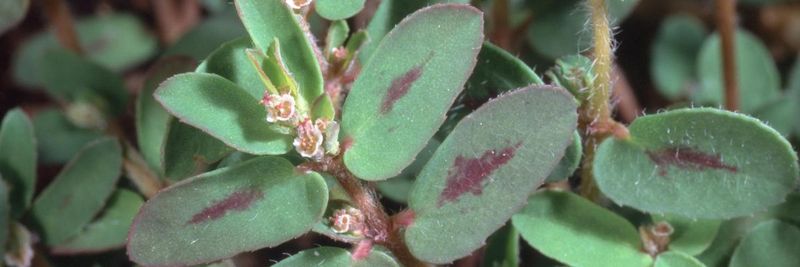
Spurge has a few tricks that catch people off guard. Snap a stem and milky sap beads up, and that sap is something to keep away from your face.
Eye irritation is possible, and some sensitive people develop a skin rash called contact dermatitis, as the Arizona spurge guide notes.
Put on sturdy gloves before you start, and skip rubbing your eyes or forehead until you have washed your hands. Long sleeves and eye protection are sensible extras if you are working on a big patch.
Another surprise lives below the surface. Disturbed spurge can hide stinging ants, so move slowly and look before you reach into thick growth.
Your Arizona Garden Changes Every Week. Your Plan Should Too.
Gardening in Arizona changes quickly throughout the season. Every Friday you’ll receive a simple weekly plan showing exactly what to plant, prune, fertilize, harvest, and protect so you never miss the right timing.
If you see ants swarming, step back and let them settle. Wash tools and gloves when you finish, and keep kids and pets away from the area while you work.
Make the yard less favorable to new seedlings
Seedlings love bare, sunny, damp soil, so a few site tweaks can make your yard less inviting. In turf, thick healthy grass shades the ground and can hold back spurge germination.
Fix irrigation leaks and avoid keeping soil wet all the time, since Arizona Extension links these conditions with more spurge.
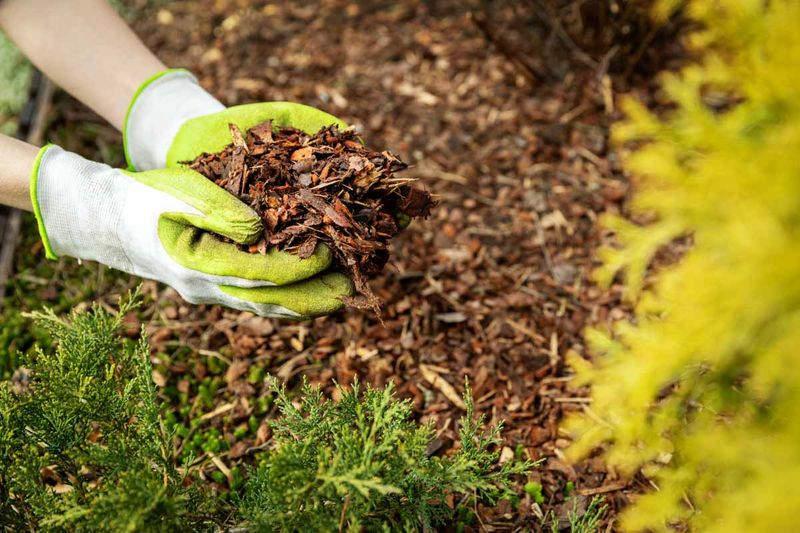
In landscape beds, mulch can help hold back annual weeds, but it is no force field. Weeds can still take root in soil that builds up on top of landscape fabric, and mulch breaks down over time, so it needs topping off, as noted in the Backyard Gardener weed guide.
You may hear that a thick layer of coarse mulch stops spurge. That result came from plant containers at a nursery, so treat it as a hopeful hint, not a yard-wide cure.
Use pre-emergent only where it fits
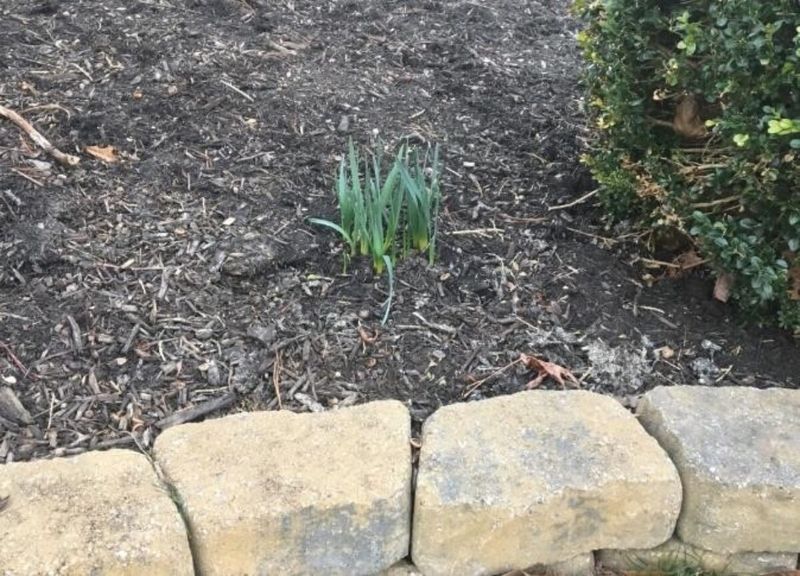
A pre-emergent works before seeds sprout. It does nothing to spurge that is already growing, so pull or remove existing plants first.
Arizona Extension mentions spring and midsummer as possible application periods, and says these products need watering in, but your product label sets the real timing and directions.
Where you use one matters just as much. Skip vegetable gardens, and avoid beds where you want wildflower or other desirable seeds to sprout, since a pre-emergent can block those too.
The EPA’s advice on reading labels is a good reminder that the label lists approved sites and safe use.
Skip the kitchen-cabinet shortcuts. Homemade vinegar, salt, or dish-soap mixes are not dependable or lasting, and stronger vinegar solutions can burn skin and harm eyes.
Natural does not mean harmless. Broad-spectrum sprays can also drift onto plants you want to keep, so read the label before you buy or spray anything.
Build a repeatable routine, not a one-time cure
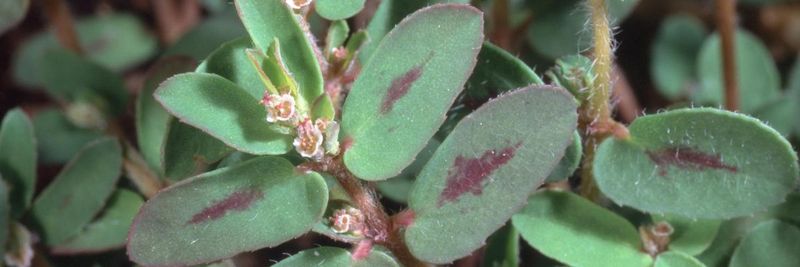
Think of spurge control like watering or pruning: a small habit that repeats. Start by working out which spurge you have.
Then pull young plants before seed forms, bag them carefully, and wash your tools. Tweak the yard where it makes sense by fixing leaks and keeping turf healthy, and consider a labeled pre-emergent only if your site suits it.
Plan on walk-throughs every week or two through the warm season. Species and site conditions differ, so what works in a shady, damp corner may not suit a hot gravel strip, as Arizona Extension’s guidance makes clear.
Some spots may need extra attention each year. Spurge is patient, but a steady routine usually wins over time.