The Illinois Perennials You Should Divide Before August Ends And What Not To Touch
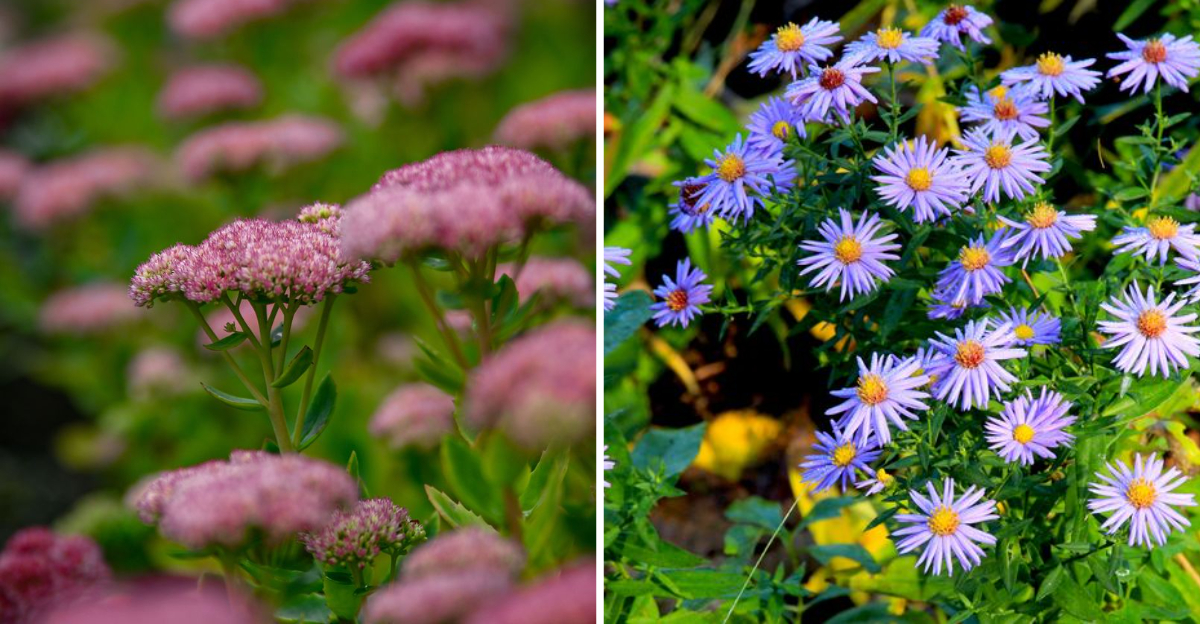
Illinois gardens have a way of telling you exactly what they need, if you know how to read the signs. Clumps that flowered thin this summer or crowded their neighbors out are waving a red flag right now.
August heat is fading just enough to give roots room to recover, but the ground hasn’t gone cold yet. That narrow stretch is exactly why timing matters more than enthusiasm here.
Some perennials will thank you for the disruption and come back twice as full next spring. Others hold a grudge against anyone who disturbs them this late, and they won’t let you forget it.
Sort the two groups wrong, and you’ll spend next season wondering where half your border went.
Bearded Iris
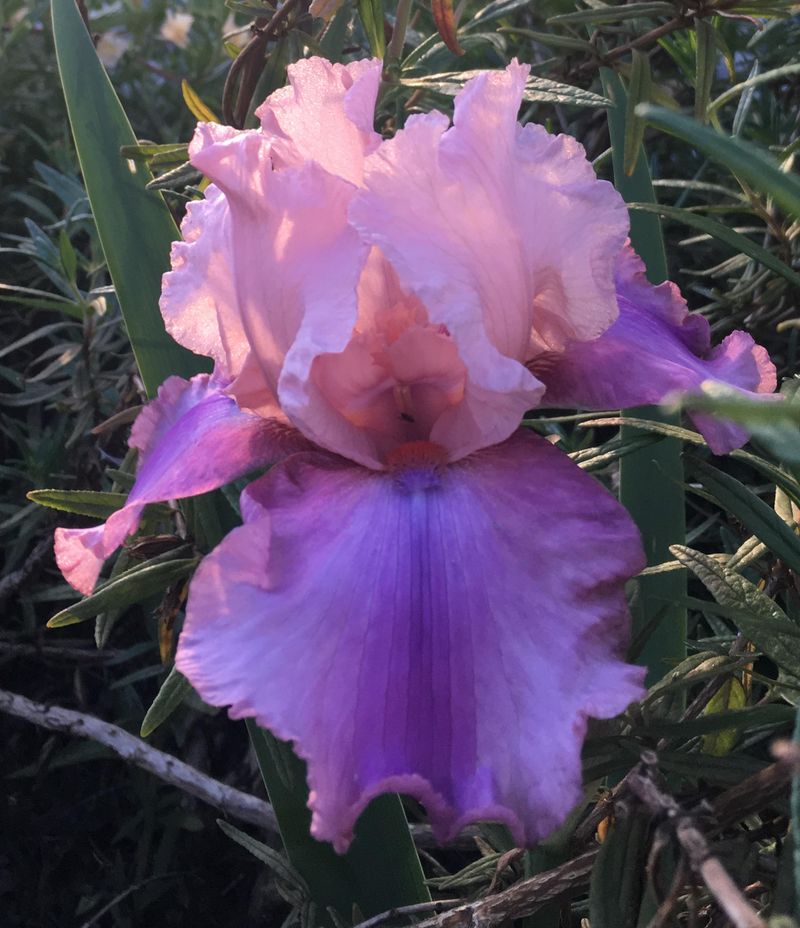
Bearded iris might look delicate, but they are tough enough to handle a late-summer split. August is actually the sweet spot for dividing these beauties in the Midwest.
When your iris clumps get too crowded, blooming slows down noticeably. You might even see fewer flowers each spring, which is the plant’s way of asking for space.
Dig up the entire clump with a garden fork and shake off the loose soil. You want to see the rhizomes clearly before you start cutting.
Use a clean, sharp knife to separate healthy rhizomes from the old, mushy center sections. Each division should have at least one healthy fan of leaves attached.
Trim the leaves down to about six inches tall before replanting. This reduces water loss while the roots settle into their new location.
Replant the divisions just at soil level, barely covered, with the rhizome almost visible. Burying them too deep causes rot and dramatically reduces next year’s blooms.
Space new divisions about twelve to eighteen inches apart to give them room to spread. Water them in well and let nature do the rest from there.
One thing worth knowing: bearded iris divisions planted in August will root before frost arrives. They will reward you with a stunning display the following May, making all that digging worth it.
Daylilies
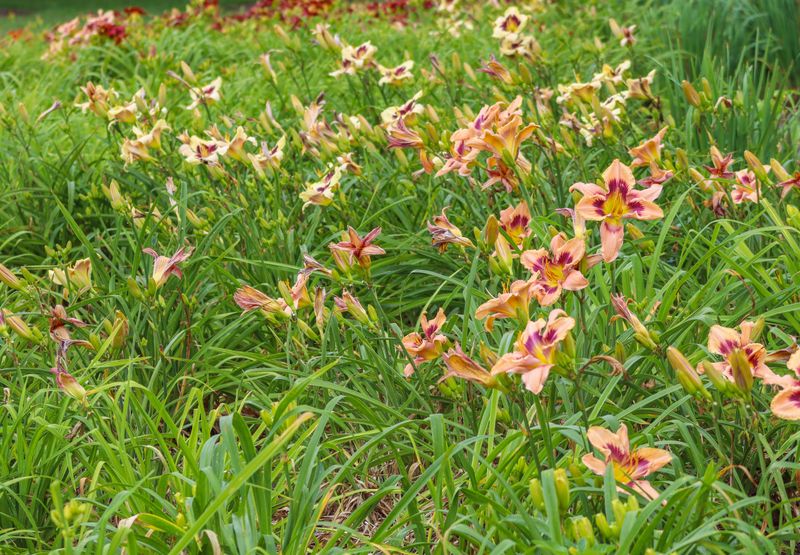
Daylilies are the workhorses of the Illinois perennial garden, and they multiply fast. If you have not divided yours in three or four years, they are probably overcrowded.
Overcrowded daylilies produce fewer blooms and develop a bare center where nothing grows. That hollow middle is your clearest sign that division is overdue.
August is a great time to tackle this job because the soil is still warm and workable. Roots will establish quickly before the ground hardens in late fall.
Push a garden fork around the outside edge of the clump and pry the whole mass upward. Daylily roots are dense, so you may need two forks to pull the clump apart.
Work from the outside of the clump inward, pulling away healthy sections with several fans of foliage. Toss out any sections that look dried out or rotten.
Each division needs at least three to five fans to establish well and bloom the following season. Smaller divisions may survive but will take an extra year to flower.
Your Illinois Garden Changes Every Week. Your Plan Should Too.
Gardening in Illinois changes quickly throughout the season. Every Friday you’ll receive a simple weekly plan showing exactly what to plant, prune, fertilize, harvest, and protect so you never miss the right timing.
Cut the foliage back to about eight inches before replanting to reduce stress on the new root system. Plant divisions at the same depth they were growing before.
Water thoroughly after planting and keep the soil consistently moist for the first two weeks. Daylilies are forgiving plants, and they bounce back from division with impressive speed, making them perfect for beginner gardeners tackling perennials for the first time.
Sedum
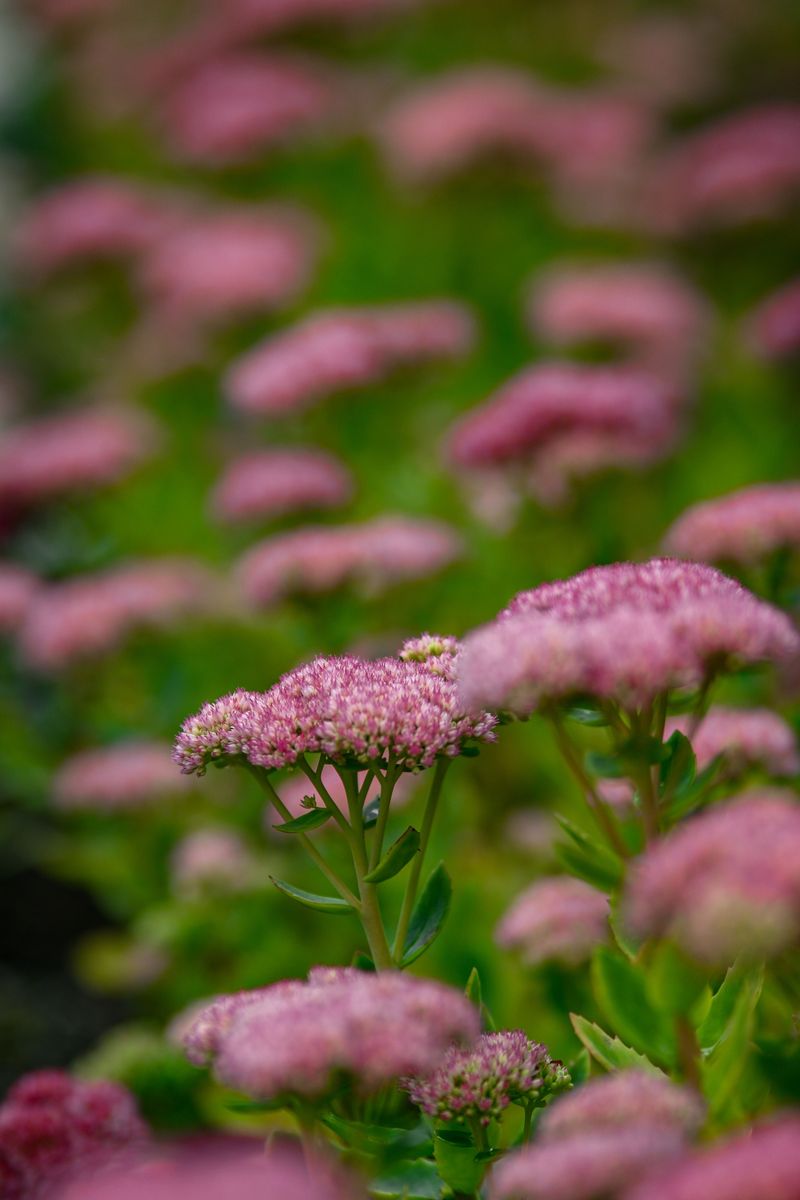
Autumn Joy sedum is one of the most satisfying plants to divide because it practically falls apart into perfect sections on its own. This drought-tough perennial actually prefers being split every few years.
When a sedum clump gets too large, the center collapses outward and the plant loses its tidy, upright shape. That floppy sprawl is your signal to grab a shovel.
August is an ideal time to divide sedum in Illinois gardens because the plants are still actively growing but not yet in bloom. Dividing during bloom disrupts pollinator feeding and stresses the plant unnecessarily.
Dig up the clump and pull it apart into sections, each with several healthy stems and roots. Sedum stems are succulent, so handle them gently to avoid snapping them off at the base.
Each division should have at least three to five sturdy stems to establish quickly after replanting. Tiny single-stem divisions are fragile and may not survive the transition well.
Plant divisions in a sunny spot with well-draining soil, since sedum struggles badly with wet feet.
Water new divisions once after planting and then step back and let them do their thing. Overwatering sedum is more dangerous than underwatering, especially while roots are getting settled.
Autumn Joy divisions planted in August will still produce their signature dusty-pink flower heads by September. Watching those rosy clusters appear on your newly planted divisions feels like a small, satisfying garden victory.
Hostas
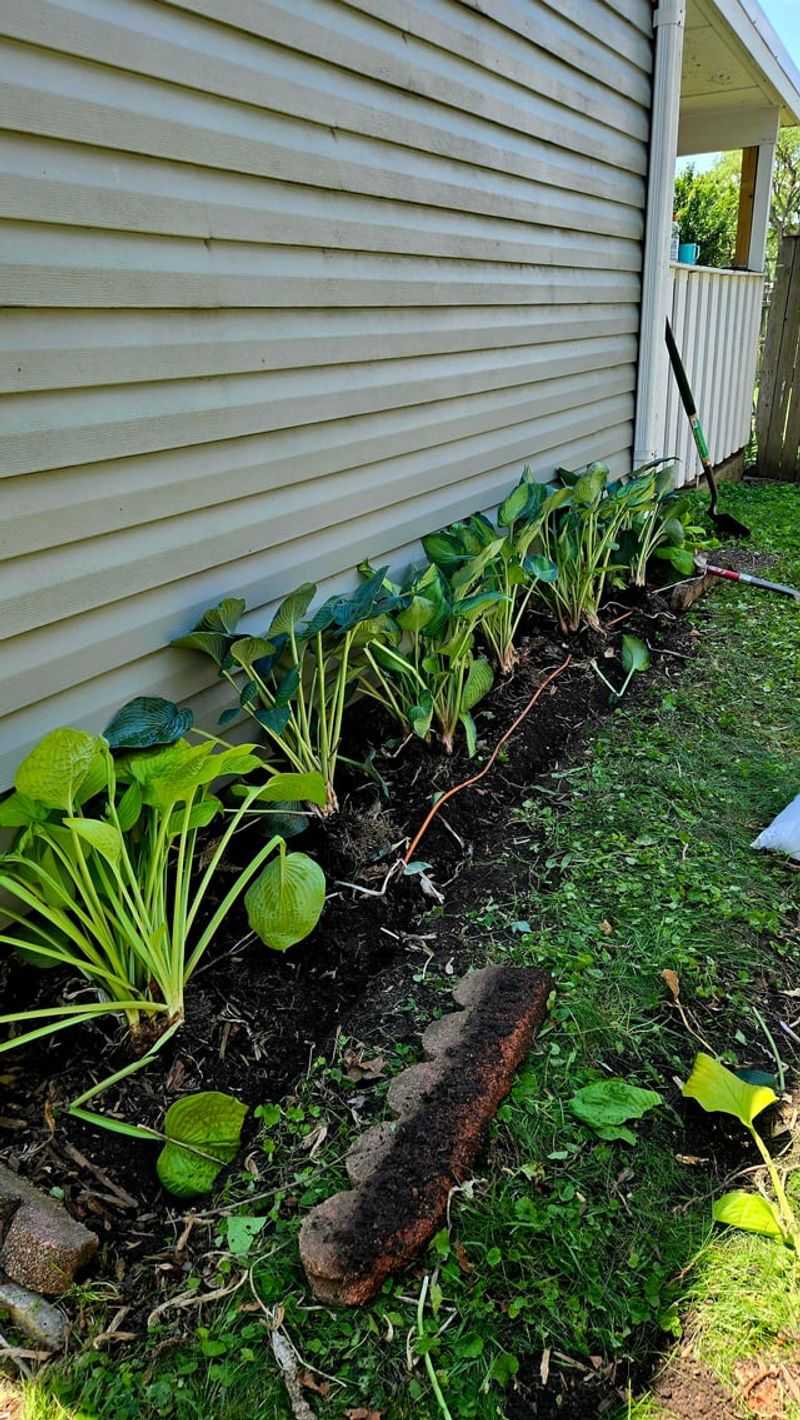
Hostas are shade garden royalty, and they grow bigger with each passing year. Eventually, even the most beloved hosta will outgrow its spot and need to be split.
The good news is that hostas are incredibly tough and tolerate division well in late summer. August works because the worst heat has usually passed but Illinois soil stays warm.
Wait until late afternoon on a cooler day to minimize stress on the plant. Hostas wilt quickly when disturbed in full sun or during peak heat hours.
Dig around the entire clump and lift it as one piece using a sturdy spade. You will likely be surprised by how large and tangled the root ball has become.
Slice the clump into sections using a sharp spade or a serrated bread knife. Each section should have several healthy eyes, which are the small growth buds near the base.
Avoid dividing into sections that are too small, as tiny divisions struggle in the heat of late summer. Aim for sections that are at least the size of a softball.
Replant divisions at the same depth and water them deeply right away. Mulch around the base to help retain moisture during the adjustment period.
Keep divisions shaded and consistently watered for at least two weeks after replanting. Hostas divided in August will settle in quietly and emerge with full force the following spring, giving you more plants without spending a single dollar at the nursery.
Peonies
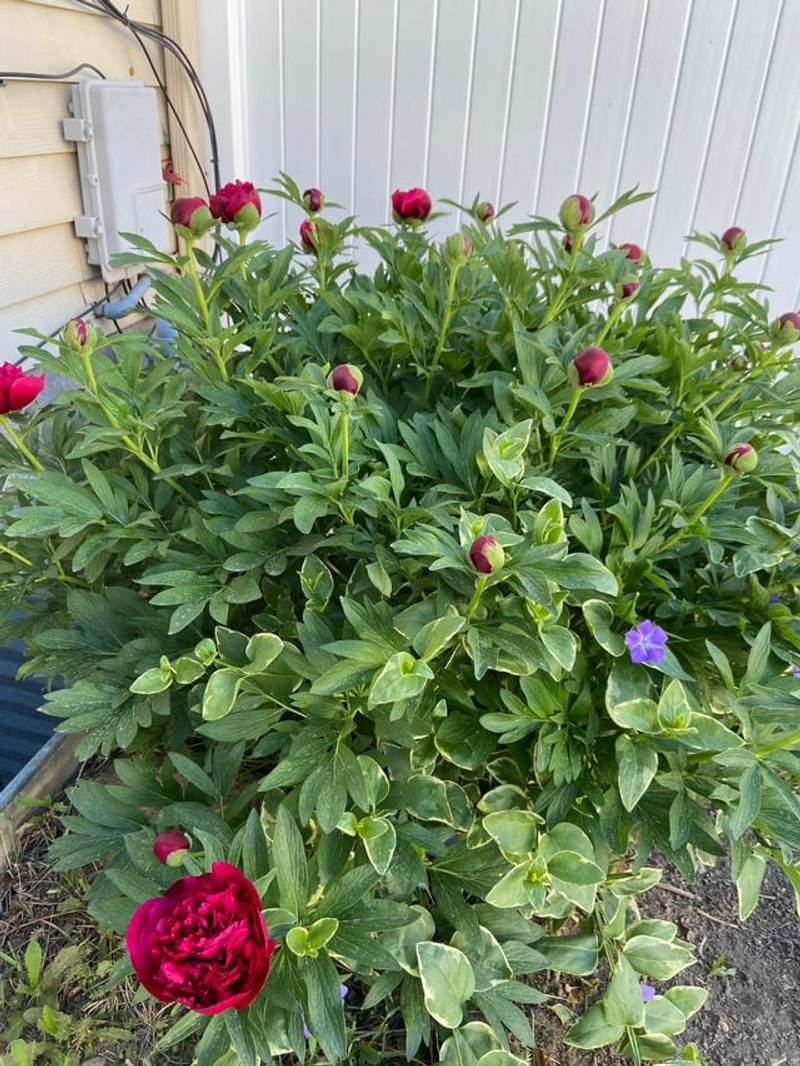
Peonies are the diva of this list, demanding patience instead of a shovel. Rushing them now is a setback that lingers for years.
These plants are incredibly sensitive to root disturbance during the wrong season. Moving them too early in late summer can set them back by several years of bloom time.
Peonies should only be divided in early fall, typically late September through October in the Chicago area. That timing allows roots to settle before frost without the stress of summer heat.
If you disturb them now, they may not bloom for two or even three seasons afterward. That is a painful price to pay for impatience in the garden.
The eyes, which are the reddish buds on the root, need to be planted no deeper than two inches below soil level. Planting too deep is a leading reason peonies fail to bloom.
If your peony is already blooming well and has not been touched in years, leave it completely alone. Peonies are famously long-lived plants that thrive on neglect.
Some established plants have been growing in the same spot for over fifty years without division. Disturbing a happy, productive peony is never a good idea.
Resist the urge to dig, even if the clump looks large and crowded. Mark your calendar for late September instead, and your peonies will reward your patience with spectacular blooms next spring.
Asters
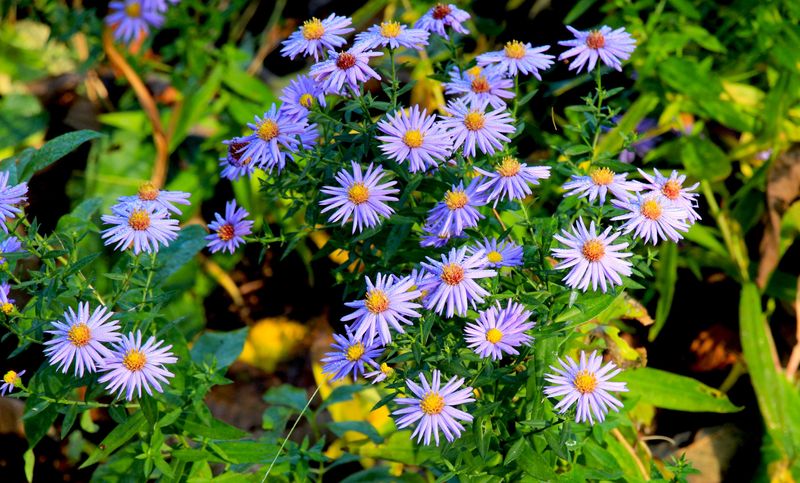
Asters are the confetti of the fall garden, bursting into purple and pink just when everything else is winding down. But if you’re eyeing that overgrown clump right now, put the shovel back in the shed.
Dividing asters in late summer, right as they’re gearing up to bloom, pulls energy away from flower production and toward root recovery instead. That trade-off usually means a thinner, less colorful display just when you wanted the payoff.
The right window is early spring, just as new shoots break through the soil but before they’ve started stretching upward. Roots re-establish quickly in that cool, moist ground, and the plant still has a full season to recover before its fall performance.
If your clump looks tired, sparse in the center, or prone to flopping over, that’s a sign division is coming, not a reason to act today. Mark it, wait it out, and let spring do the heavy lifting.
Come next spring, dig up the clump and pull it apart by hand or with two garden forks pushed back to back. Replant the vigorous outer sections about eighteen inches apart, discard the woody center, and water thoroughly to help new roots settle in.
Patience now means a fuller, sturdier plant covered in blooms that pollinators can’t resist by the time fall rolls around again.
Chrysanthemums
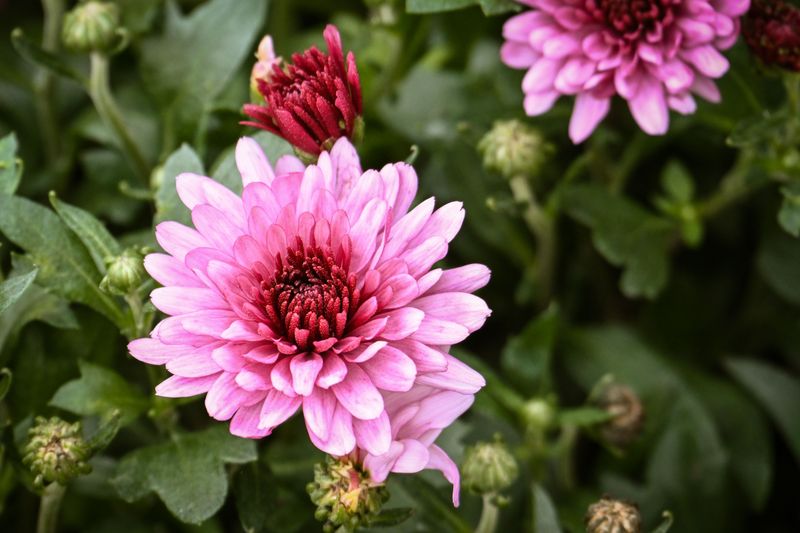
Garden mums are the rock stars of autumn, but this is one plant you don’t want to disturb while it’s prepping for its big moment. Dividing mums in August interrupts bud formation right when the plant needs every bit of energy for its fall show.
Mums that haven’t been divided in a few years often develop a woody, hollow center with thinner growth and fewer blooms around the edges. That’s a clear signal division is overdue, but the timing still matters more than the urge to act.
Early spring, just as new shoots start pushing up from the base, is the correct window. Dividing then gives the plant an entire growing season to establish roots before it’s asked to bloom again.
If you divide now instead, you risk a mum that survives but skips its fall display altogether, exactly the opposite of what you’re going for.
When spring arrives, lift the clump with a garden fork and shake away the loose soil until you can see the roots clearly. Discard the tired, woody middle and separate the healthy outer sections, each with several strong shoots and a decent root system attached.
Replant divisions about twelve inches apart in full sun, water consistently while they settle in, and keep pinching back new growth through late spring to encourage compact, bushy shape.
Wait for spring, and your Illinois mums will reward the patience with a full, vibrant display when autumn finally arrives.
Miscanthus
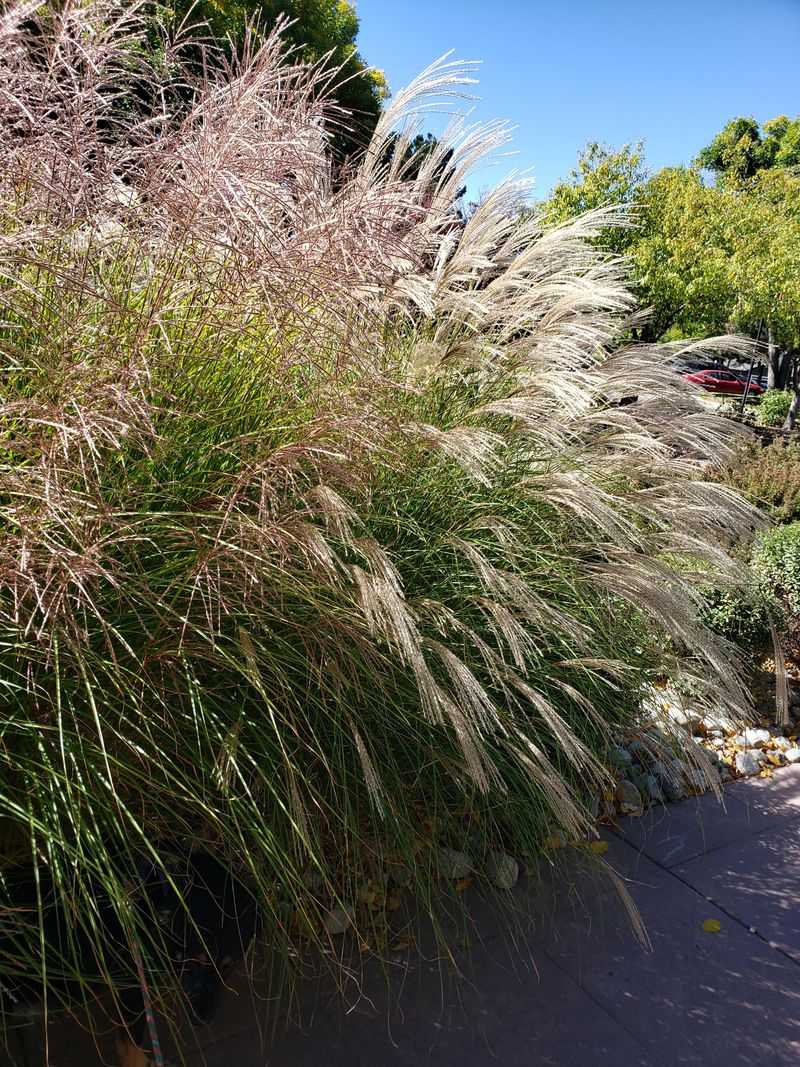
Miscanthus is gorgeous, architectural, and stubbornly attached to its spring calendar. This is one of those plants where timing is everything, and late summer is the worst possible moment to dig.
Ornamental grasses like Miscanthus are warm-season plants that are actively growing and storing energy right now. Disturbing the roots in August interrupts that process and weakens the plant heading into winter.
The right time to divide Miscanthus is early spring, just as the new growth begins to emerge from the base. Those small green shoots are your green light to grab the shovel.
Spring division allows the plant to establish new roots during the entire growing season ahead. That long runway of warm weather gives divisions the best possible chance of thriving.
Miscanthus clumps are also notoriously tough to dig up, requiring a sharp spade, a saw, or even an axe for older plants. Attempting this in August when the ground is dry and hard makes the job far more difficult.
If your grass clump looks overgrown or dry in the center right now, resist the urge to act. Simply cut it back hard in early spring and divide at the same time.
Mark the clump with a garden stake so you remember to address it when spring arrives. A little reminder goes a long way when the garden is overflowing with tasks in April.
Patience with Miscanthus pays off beautifully. Spring-divided clumps grow into full, dramatic specimens by fall, making the wait for the right moment completely worthwhile for any Illinois perennial gardener.