This Native Grass Could Make Your Alabama Play Area Less Inviting To Fire Ants

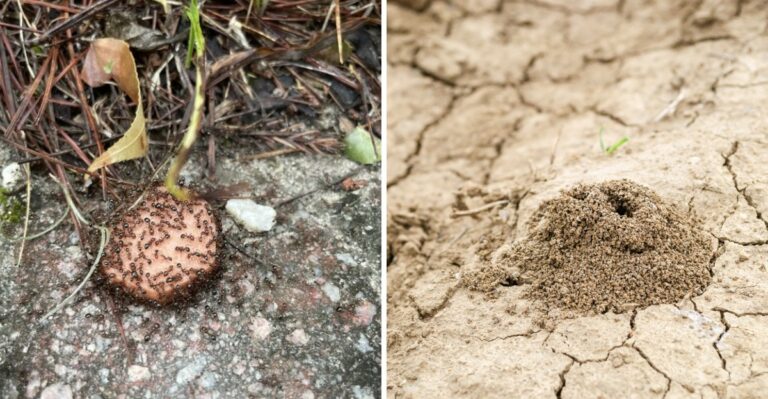
Fire ants don’t ask for permission before they move in, and once a mound takes hold near a swing set or sandbox, every barefoot dash across the yard becomes a gamble.
Alabama homeowners have tried mulch swaps, chemical baits, even relocating play areas entirely, only to watch new mounds rise within weeks. The ants simply find another patch of loose, sunbaked soil to claim.
That’s where one overlooked native grass quietly changes the equation. It thrives in the same dry, sandy conditions fire ants favor, and pairing it with the right lawn habits can turn bare, vulnerable ground into something colonies tend to avoid.
Stick around, because the way this plant reshapes your yard’s ecosystem might be the simplest fix you haven’t tried yet.
Dense Turf Makes Mounds Easier To Spot
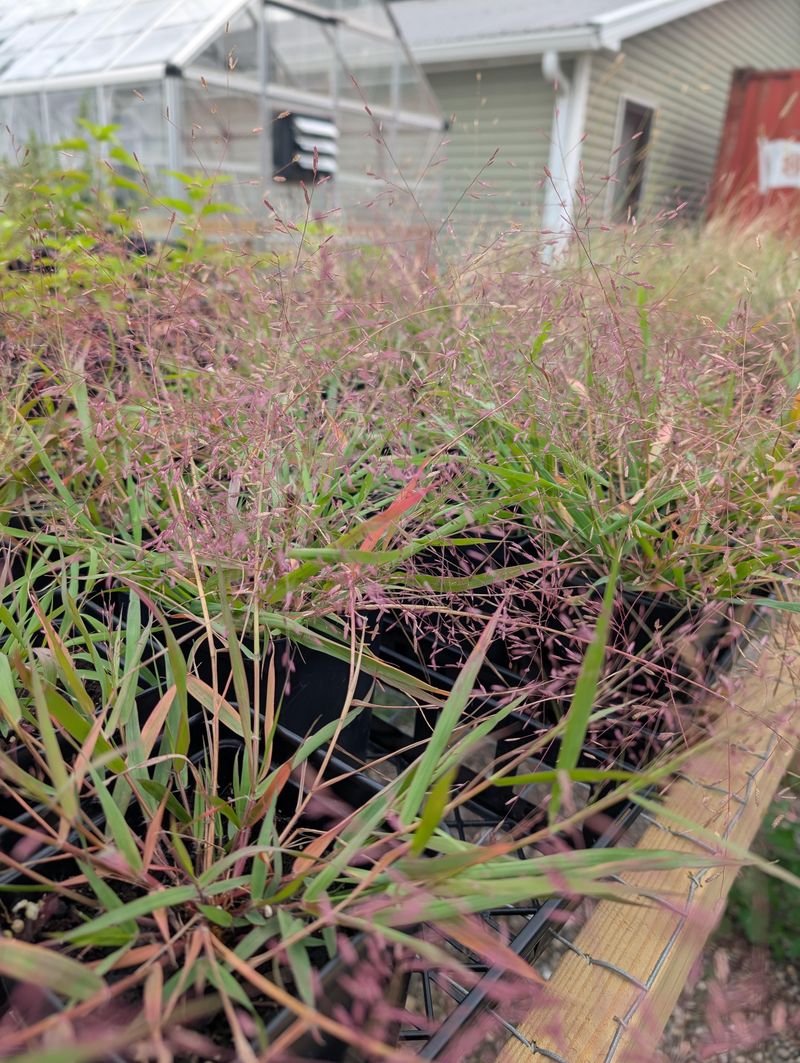
Spotting a fire ant mound early can save a child from a painful experience. Purple lovegrass grows in low, bunching clumps that keep the soil surface visible, making fresh mounds easier to spot against the surrounding ground.
Well-established plantings fill in bare patches over time, which can leave fewer open spots where mounds tend to appear. Thick turf coverage acts like a natural alarm system for Alabama homeowners.
Any disturbance in the grass signals that something is happening below the surface. Purple lovegrass spreads by rhizomes and self-seeding during warm months, gradually filling in open patches of ground.
A lawn with consistent coverage gives you a cleaner visual baseline. You notice changes faster, and faster detection means faster treatment before kids encounter the colony.
Many parents in the Southeast have switched to denser native grasses for this reason alone. The visual contrast between healthy turf and a disturbed mound makes inspection much simpler during morning or evening walks.
Mound detection is not just about eyesight. It is about having the right turf conditions that make abnormalities obvious. Purple lovegrass creates exactly that kind of backdrop.
With this native grass in your yard, you gain a cleaner canvas that turns every new mound into an easy-to-spot warning sign worth acting on immediately.
Purple Lovegrass Brings Alabama Roots To Your Lawn
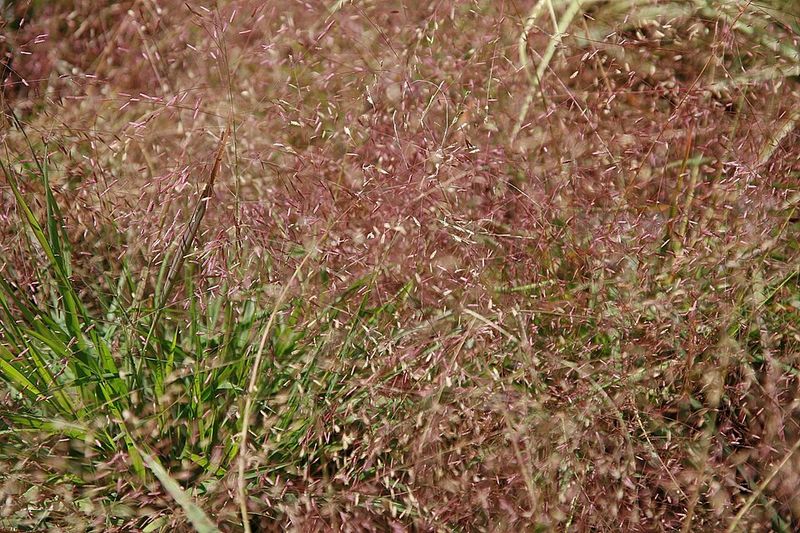
Purple lovegrass has been growing wild across the Southeast for centuries. It thrives in sandy, well-drained soils that are common across central and southern parts of the state.
Choosing a plant native to your region is a smart move for any homeowner. Native species are already adapted to local rainfall patterns, heat, and soil conditions without needing extra help from you.
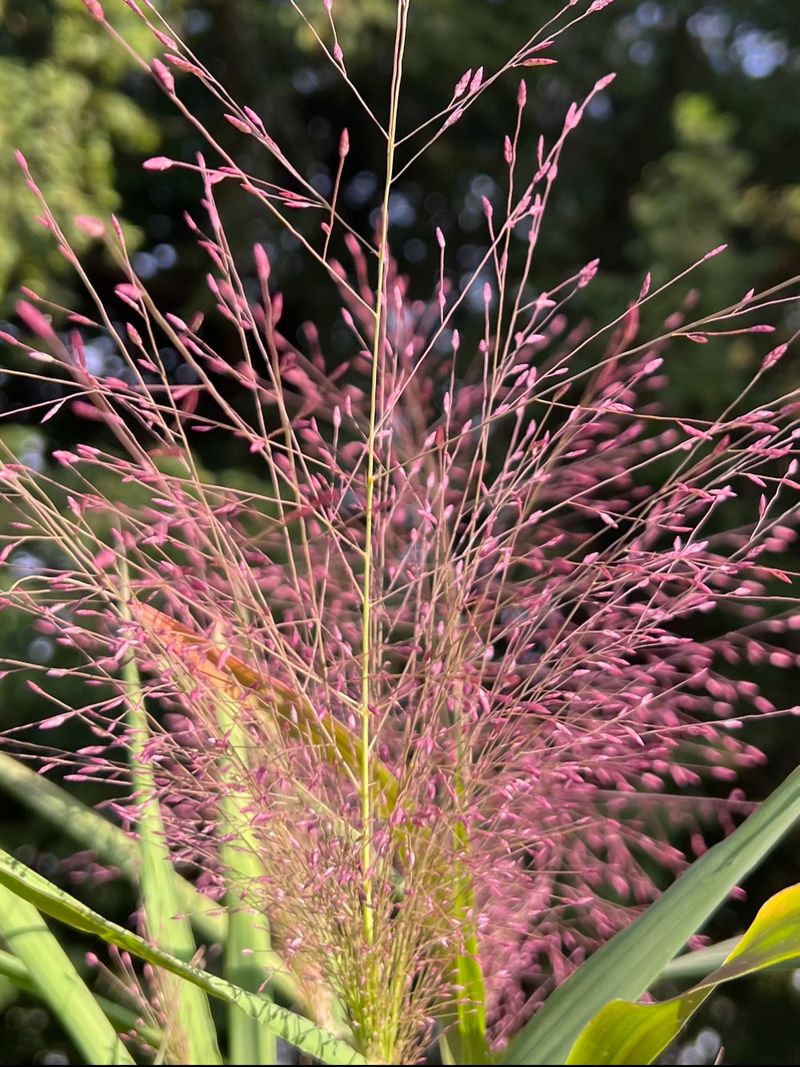
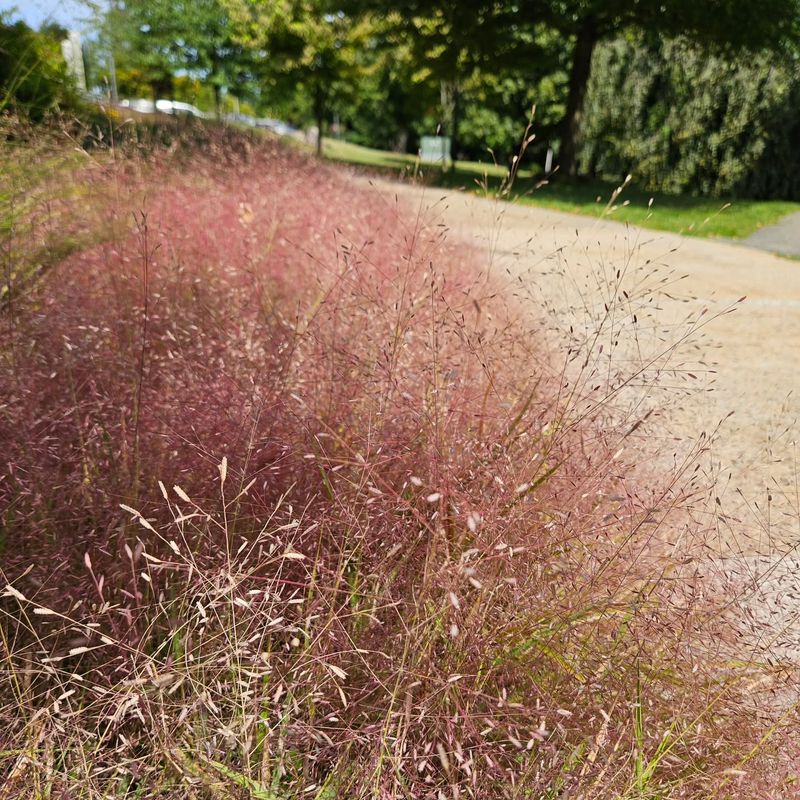
In late summer, this grass puts on its signature show: soft, airy purple seed heads that catch the afternoon light and give your yard a relaxed, natural beauty that ornamental grasses simply cannot match.
Because purple lovegrass evolved here, it supports local insects and birds in ways that imported turf grasses do not. That ecological connection matters when you are trying to build a yard that works with nature instead of against it.
Your Alabama Garden Changes Every Week. Your Plan Should Too.
Gardening in Alabama changes quickly throughout the season. Every Friday you’ll receive a simple weekly plan showing exactly what to plant, prune, fertilize, harvest, and protect so you never miss the right timing.
Nurseries across the state are stocking it more often as demand grows. Alabama homeowners are catching on to the idea that native plants reduce maintenance while improving yard health over time.
Planting a grass that belongs here also reduces the risk of introducing invasive species. You get a lawn that fits the landscape naturally, without unintended consequences down the road.
Purple lovegrass is not just a practical choice. It is a piece of regional identity growing right outside your back door, connecting your family to the land in a way that feels grounded and genuinely local.
Drought Tolerance Reduces Excess Soil Moisture
Fire ants are drawn to warm, sunny spots with workable soil, and consistently damp ground from overwatering can make an area more appealing to them.
Overwatered lawns can create the kind of soft, moist ground that colonies often settle into. Reducing unnecessary soil moisture is one of the most underrated steps in fire ant management.
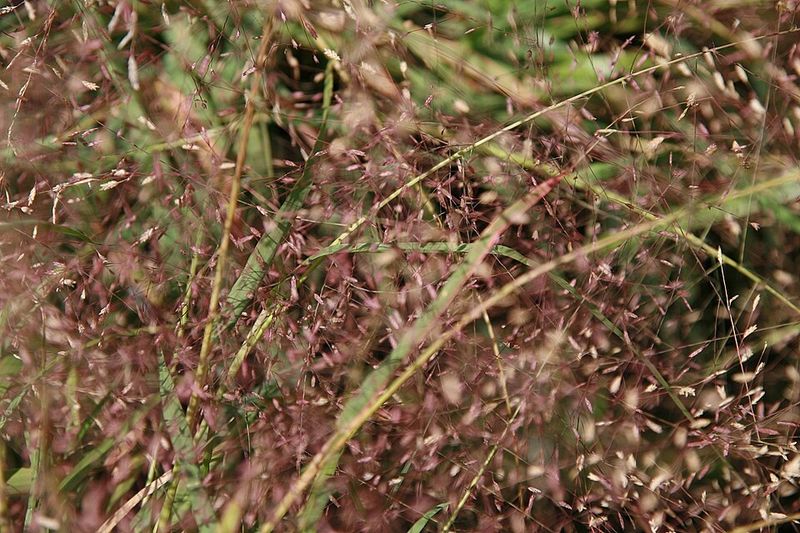
Purple lovegrass is built for dry conditions. It survives Alabama summers with minimal irrigation, pulling just enough water from the soil to stay healthy without creating soggy ground beneath the surface.
Because purple lovegrass needs so little irrigation, the soil around it tends to dry out faster between rain events. Most traditional turf grasses need consistent irrigation to survive peak summer heat.
That extra water creates the moist soil conditions that fire ant colonies exploit season after season. Switching to a drought-tolerant native grass means less irrigation and a lower water bill, while keeping your yard green through the summer.
Reduced irrigation and faster-draining soil are two small changes that can work alongside other fire ant prevention steps.
Drought tolerance is not just about saving water. It is a quiet but powerful strategy for making your Alabama yard less appealing to fire ants looking for their next address.
Low Growth Habit Suits Play Areas
Play areas need grass that stays manageable without constant mowing. Tall, unruly grass hides mounds and makes it nearly impossible to spot ant activity before a child steps right into it.
Purple lovegrass stays relatively low and open for much of the season, though it can reach one to three feet once it flowers in late summer. Its airy structure keeps the ground visible and easy to inspect, so new activity is easier to catch early.
Parents appreciate a yard where they can actually see what is happening at ground level. Low-growing turf removes the guesswork from daily yard checks before kids head outside to play.
Purple lovegrass works best planted along borders or the edges of a play area rather than as a walkable lawn substitute, since it’s better suited to light landscaping use than heavy foot traffic.
Planted around the perimeter of a play area, it can serve as an easy-to-monitor border that’s simpler to keep an eye on than taller, denser plantings.
Mowing schedules become less stressful when your grass does not race toward overgrowth. You spend less time cutting and more time actually enjoying the yard with your family on warm evenings.
A grass that suits your lifestyle and your kids is worth its weight in gold. Purple lovegrass earns that trust every single season it grows.
Deep Roots Discourage New Colonies
What happens underground matters just as much as what you see on the surface. Colonies depend on loose, workable soil to build their tunnel networks and protect their queens.
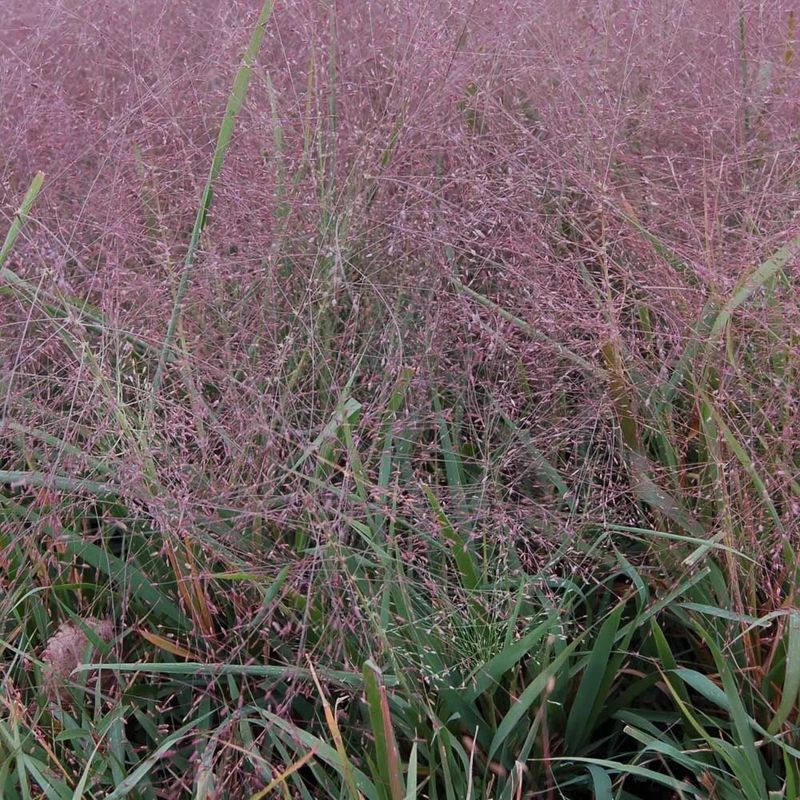
Purple lovegrass develops a fibrous root system that helps anchor loose, sandy soil and improve its structure over time. Healthier, more established soil structure is generally easier to maintain and can support other prevention efforts in your yard.
Deep roots also improve soil structure over time. Well-rooted soil tends to hold its structure better over time, which can make it less appealing to colonies looking for loose, easy-to-tunnel ground.
Established native grasses create a healthy root zone, or rhizosphere, that supports beneficial soil organisms and better drainage. Fire ants favor loose, easily workable ground, so healthier soil structure tends to be less inviting to new colonies.
Planting purple lovegrass a season before problems arise gives the roots time to establish fully. Early planting is the key to getting ahead of fire ant activity before the next spring season kicks off.
Patience pays off when you are working with native plants. The first season builds the foundation, and by the second year, those roots are doing serious underground work on your behalf.
Strong roots work quietly in the background, helping keep your soil healthy and well-structured season after season.
Pairing Smart Planting With Bait Treatments
No single strategy eliminates fire ants completely on its own. Combining purple lovegrass with targeted bait treatments gives you a two-layer defense that is far more effective than either approach alone.
Bait treatments work by exploiting the natural foraging behavior of worker ants. Workers carry the bait back to the colony, where it spreads through the population and disrupts the queen’s ability to reproduce.
Purple lovegrass supports bait treatments by keeping the lawn open and accessible. Sparse, patchy turf creates hiding spots where bait granules get lost, but a well-maintained native grass lawn keeps the ground visible and workable.
Apply bait on warm, dry afternoons when ant activity is highest. Workers are actively foraging during those hours, which dramatically increases the chances that bait reaches the colony before rain washes it away.
Broadcast bait across the entire yard rather than targeting individual mounds. Fire ant colonies spread underground far beyond what you can see at the surface level.
Reapply bait according to the product label, usually two to three times per season. Consistent treatment paired with healthy native turf keeps pressure on colonies throughout the warmest months of the year.
Native landscaping paired with targeted bait treatments gives Alabama families a more complete approach to managing fire ants around play areas. Purple lovegrass sets the stage, and targeted treatments finish the job.
Protecting the kids in your yard starts with smart choices at ground level. That choice begins with the right native grass working alongside the right treatment plan.