Why North Carolina Trees Are Dropping Their Leaves Early During The Summer Drought
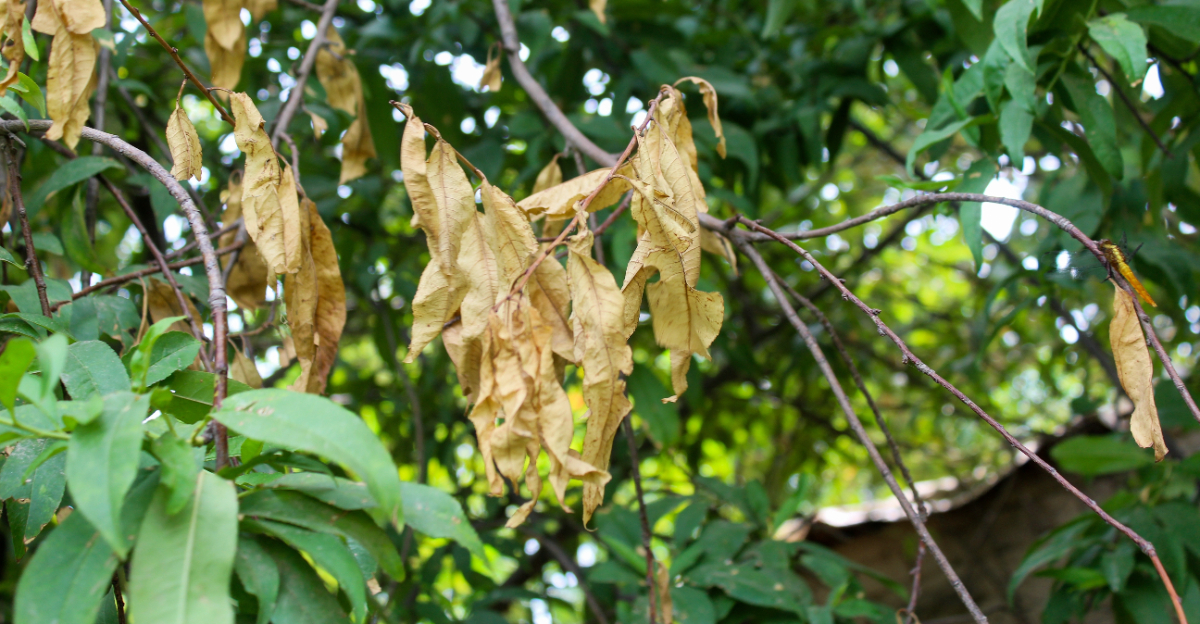
Early leaf drop during a drought is often a tree’s natural way of conserving water rather than a sign of serious decline. Reducing overall leaf surface area allows the tree to limit how much moisture it loses through transpiration during extended dry stretches.
This response, while visually alarming, actually helps protect the tree’s roots and trunk from more severe drought related stress.
Checking which leaves are dropping helps clarify the situation, since older, lower leaves usually fall first as a conservation strategy.
Trees showing widespread leaf drop across the entire canopy may be experiencing more significant stress requiring closer attention.
Deep, infrequent watering during drought supports root health better than frequent shallow watering sessions.
Mulching around the base helps retain whatever soil moisture remains available during dry periods. Recognizing this natural response helps gardeners avoid unnecessary worry while still watching for signs of more serious ongoing stress.
1. Trees Are Conserving Water
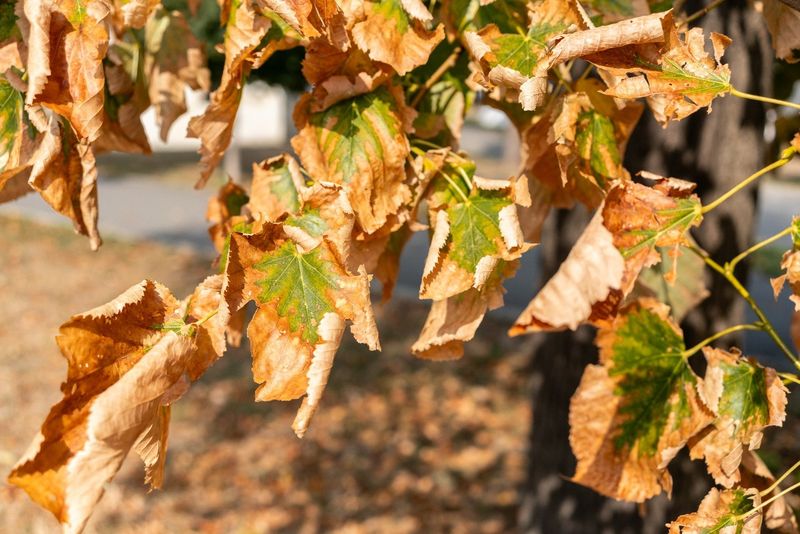
When water becomes scarce, trees do something surprisingly smart. They begin dropping their leaves on purpose to protect themselves.
Leaves are the biggest users of water in a tree, constantly releasing moisture into the air through tiny pores called stomata.
When the soil dries out and the roots can no longer pull up enough water, the tree starts shutting down non-essential parts to keep its core alive.
This process is called drought-induced early leaf drop, and it is actually a built-in survival strategy. The tree is essentially choosing to sacrifice its leaves rather than risk permanent damage to its branches and trunk.
Think of it like a ship throwing cargo overboard during a storm to stay afloat.
In North Carolina, summer droughts can be especially harsh, with weeks passing without meaningful rainfall. Soils dry out quickly in sandy or clay-heavy areas, leaving roots with almost nothing to absorb.
The tree responds by sending a chemical signal that triggers leaves to detach and fall.
Gardeners often panic when they see this happening, assuming the worst. But in many cases, the tree is doing exactly what it should.
The best thing you can do is water deeply and slowly at the base of the tree, ideally using a soaker hose or drip system. Applying a thick layer of mulch around the base, about three to four inches deep, can also help the soil hold onto moisture much longer.
Avoid watering the trunk directly. Focus on the area beneath the outer edge of the canopy, where most of the absorbing roots are located.
2. August Heat Increases Water Demand
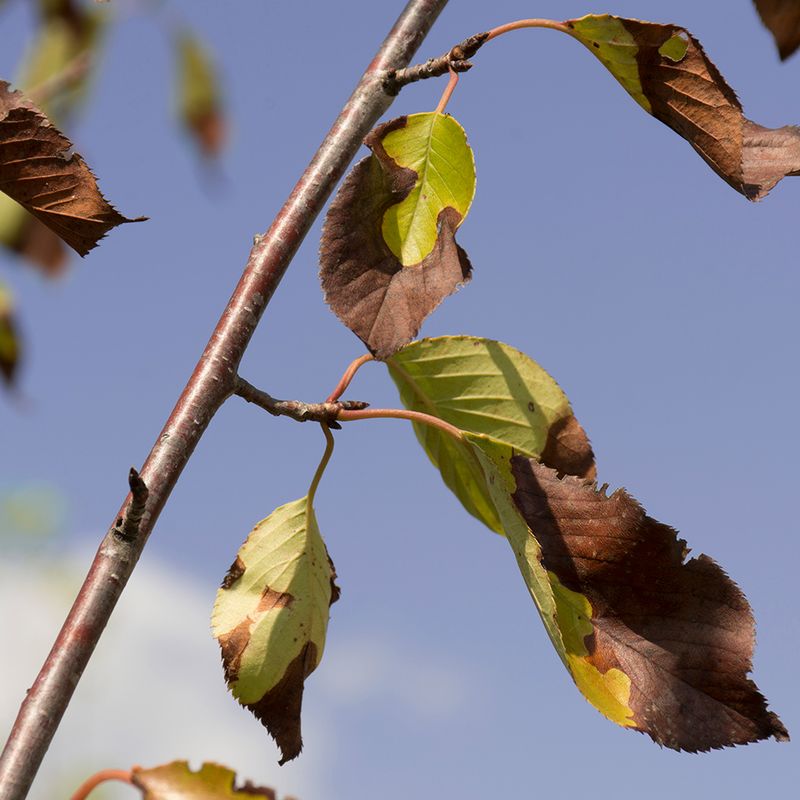
August in North Carolina is not for the faint of heart. Temperatures regularly climb into the upper 90s, humidity swings wildly, and the sun beats down with relentless intensity.
All of that heat puts enormous pressure on trees, which need to move water from their roots all the way up through their trunks and out through their leaves at a much faster rate than usual.
Wind makes the situation even tougher. A warm, dry breeze pulls moisture out of leaves faster than most people realize.
Your North Carolina Garden Changes Every Week. Your Plan Should Too.
Gardening in North Carolina changes quickly throughout the season. Every Friday you’ll receive a simple weekly plan showing exactly what to plant, prune, fertilize, harvest, and protect so you never miss the right timing.
Even on days when temperatures seem manageable, wind and low humidity can combine to dry out a tree’s leaves before the roots can replace the lost water. This imbalance triggers stress almost immediately.
What makes August especially dangerous for trees is that it often arrives after a stretch of already dry weather. The soil is depleted, the tree is already working overtime, and then the hottest weeks of the year hit all at once.
The tree simply cannot keep up, and leaf drop becomes the pressure valve it uses to cope.
Homeowners can help by giving trees a deep, slow watering session two to three times per week during heat waves rather than a quick daily sprinkle.
Short, shallow watering actually encourages roots to stay near the surface, making drought stress worse over time. If you water deeply, roots follow moisture downward and become more resilient.
A good layer of organic mulch, like shredded hardwood or pine bark, dramatically reduces soil temperature and helps lock in moisture throughout those brutal August afternoons.
3. Shallow-Rooted Trees Feel Drought First
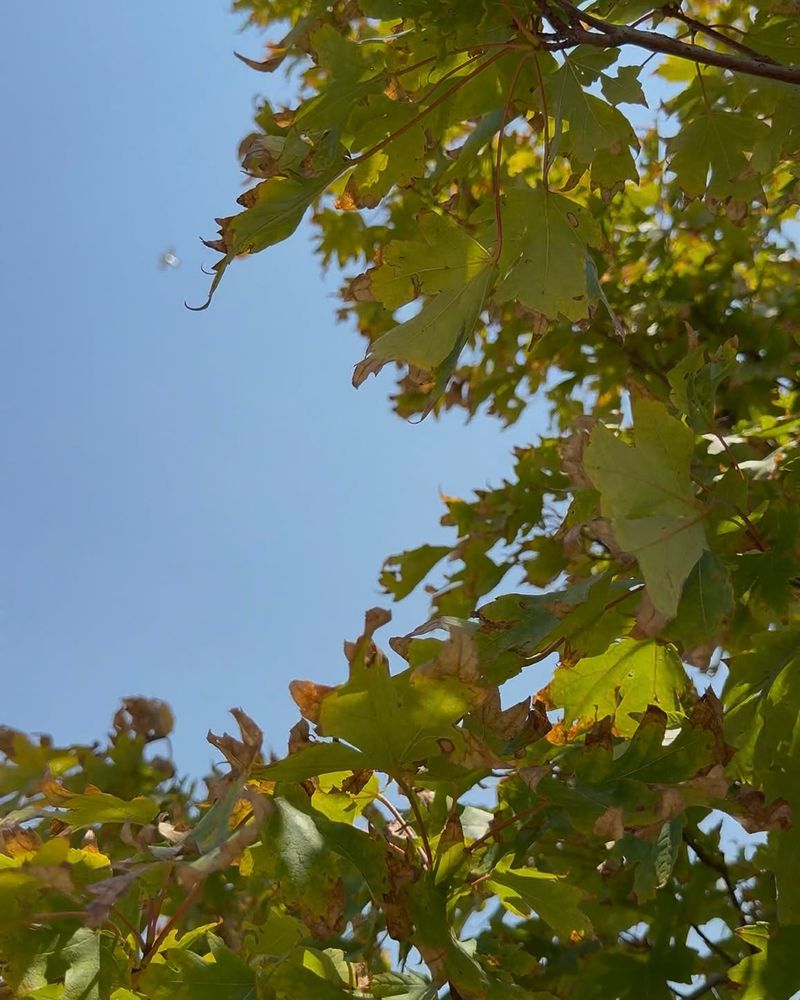
Not every tree handles drought the same way, and a lot of that comes down to how deep their roots actually grow.
Shallow-rooted trees, like dogwoods, redbuds, and Japanese maples, are the first to show signs of drought stress because their roots simply do not reach the deeper, cooler, moister layers of soil where water tends to hide during dry spells.
Dogwoods are especially well-known for this in North Carolina. They naturally grow as understory trees in forests, where they are sheltered by taller trees and benefit from consistent shade and leaf litter that keeps the ground moist.
When planted in open yards with full sun and no natural mulch layer, they are working against their own biology every single summer.
Shallow roots also heat up faster. When the top few inches of soil bake in the summer sun, those roots are right there in the middle of it.
The tree reacts quickly, pulling back resources and dropping leaves to reduce the strain on its water supply. Yellowing, curling, or scorched-looking leaves followed by early drop are classic signs.
If you have shallow-rooted trees in your yard, the most effective thing you can do is mulch generously and water deeply.
A three-to-four-inch layer of organic mulch spread from just beyond the trunk all the way to the drip line can drop soil temperature by several degrees. That single step can make a measurable difference for stressed trees.
Avoid planting shallow-rooted species in spots with poor shade or reflected heat from pavement, fences, or walls, since those conditions make summer drought even harder for them to handle.
4. Recently Planted Trees Have Fewer Established Roots
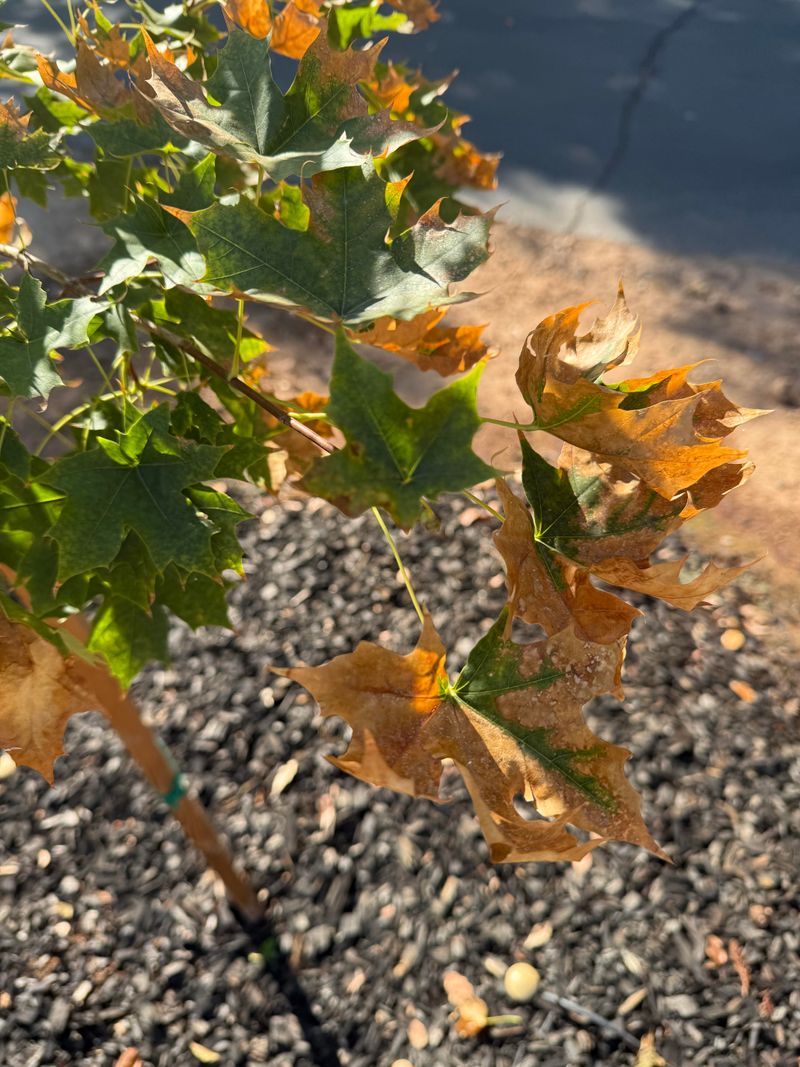
Planting a new tree is exciting, but the first few years after planting are the most critical and the most vulnerable. A newly planted tree has a root system that is still confined mostly to the area of the original root ball.
It has not yet spread out into the surrounding soil, which means it has access to a much smaller water supply than an established tree of the same size.
During a drought, that limited root zone dries out fast. The tree is trying to support a full canopy of leaves with a fraction of the root system it actually needs.
The result is predictable: stress sets in quickly, and the tree starts shedding leaves to reduce its water demand.
Some people mistake this for a sign that the tree was planted incorrectly, but the real issue is simply that the roots have not had enough time to spread out and anchor into the broader soil.
Most experts recommend watering newly planted trees every two to three days during hot, dry weather, especially during the first two summers after planting. The goal is to keep the root ball consistently moist without waterlogging it.
Checking the soil a few inches down before watering is a great habit. If it still feels damp, you can wait another day.
Choosing the right planting time also matters. Trees planted in fall or early spring have more time to establish roots before facing summer heat.
If you planted a tree this past spring and it is already showing early leaf drop, increase your watering schedule now and add mulch immediately. A little extra attention during the first couple of summers pays off significantly in the long run.
5. Compacted Or Damaged Roots Make Drought Worse
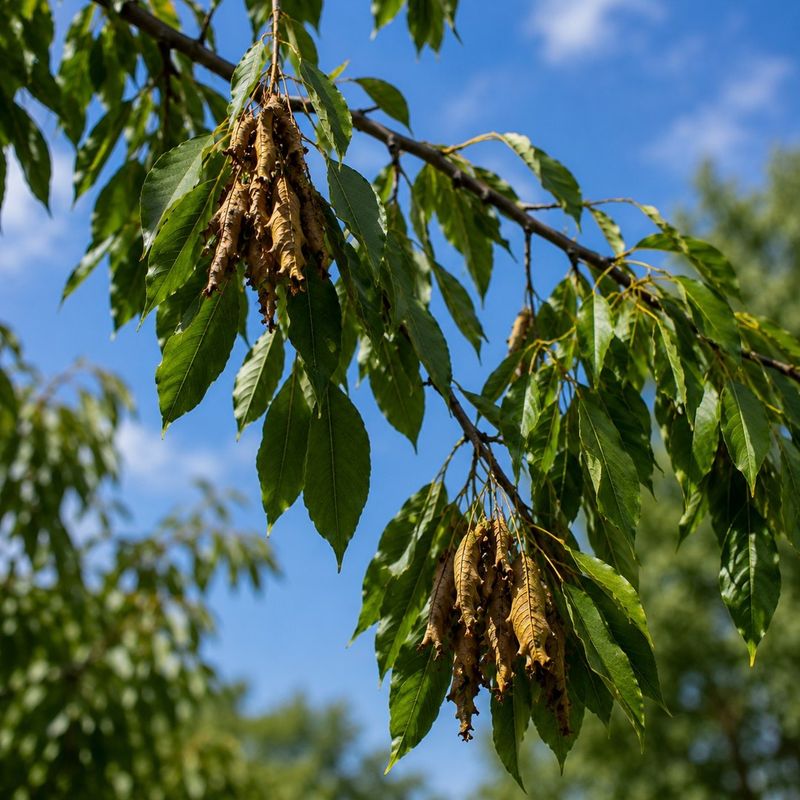
Healthy roots need more than just water. They need oxygen, loose soil, and room to grow.
When soil becomes compacted, whether from foot traffic, heavy equipment, parking vehicles nearby, or construction work, the tiny air pockets in the soil collapse.
Roots struggle to breathe, water cannot soak in properly, and the tree starts to suffer even when rainfall seems adequate.
Construction activity is one of the most common causes of hidden root damage in residential areas. Even work done several years ago can show up as drought stress today.
Trenching for utilities, grading soil, adding fill dirt over existing roots, or simply running heavy machinery over a root zone can damage or sever roots in ways that are not immediately visible.
The tree may look fine for a season or two before the stress becomes obvious. Compacted soil also repels water more than most people expect. Instead of soaking in, water runs off to the side and never reaches the root zone at all.
During a drought, this means the tree is stuck in a dry pocket of soil no matter how much rain falls nearby. The combination of root damage and water-repelling soil puts the tree in a very difficult position.
Aerating the soil around the root zone can help significantly. A certified arborist can use an air spade tool to loosen compacted soil without damaging roots further. Adding compost to the loosened soil improves its ability to hold moisture.
If you are planning any landscaping or construction work near a mature tree, always mark the root zone first and keep all activity at least ten feet beyond the drip line to protect it.
6. Previous Stress Can Show Up During Drought
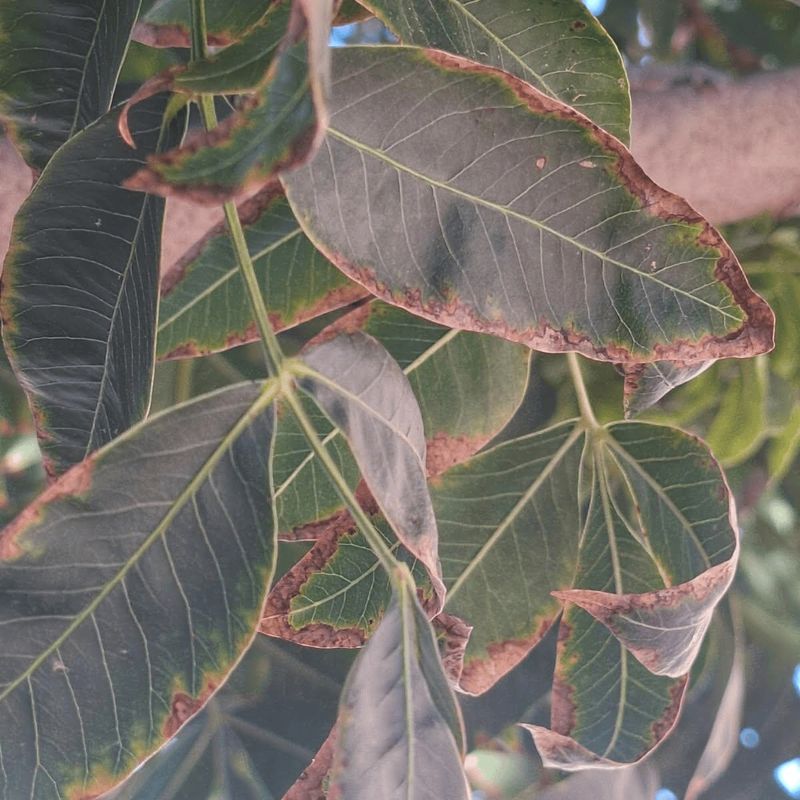
Trees have a memory of sorts. A rough spring, an unusually late frost, a pest infestation, or a stretch of poor soil conditions earlier in the year can leave a tree in a weakened state long before summer drought arrives.
When drought hits, those earlier wounds become impossible to ignore, and the tree responds by dropping leaves sooner than a healthy, well-rested tree would. Root problems from previous seasons are especially sneaky.
If a tree had root rot last spring due to overly wet soil, or if it struggled through a late freeze that damaged emerging buds, its internal systems are already running at a reduced capacity.
Add summer drought on top of that, and the tree has almost no buffer left. Leaf drop can happen rapidly once that tipping point is reached. Gardeners often assume drought is the only issue because that is what is most visible.
But a tree that drops leaves far more dramatically than its neighbors, especially if those neighbors are the same species, may be carrying baggage from earlier in the season. Looking back at the tree’s history can provide useful clues.
Keeping a simple garden journal is genuinely helpful here. Noting when you watered, when you noticed discoloration, and what the weather was like over the past several months gives you a clearer picture of what your tree has been through.
Soil testing is another smart move, since nutrient deficiencies or pH imbalances can quietly weaken a tree over time.
Addressing those underlying issues, not just the drought symptoms, is what gives the tree the best chance to bounce back strong next growing season.
7. Drought May Not Be The Only Problem
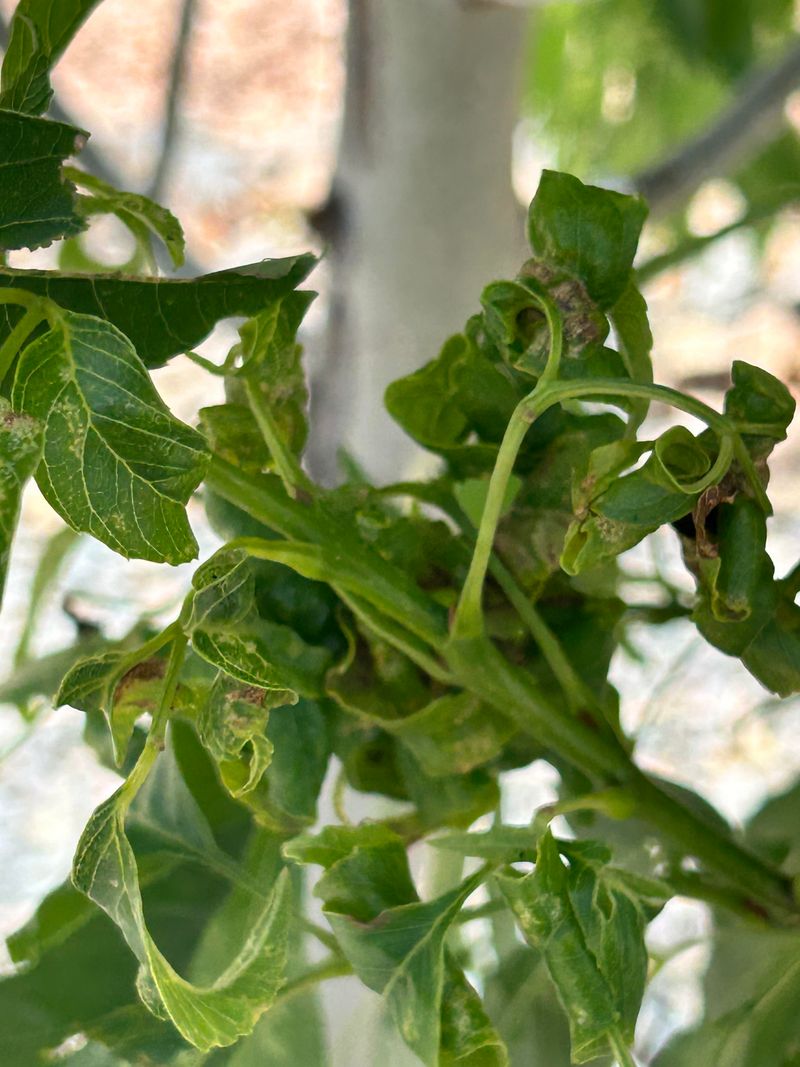
Blaming drought for everything going on with your tree is tempting, especially when the weather has been as dry as it has across North Carolina this summer.
But sometimes, other problems are quietly working alongside the drought to make things worse.
Insects and fungal diseases can cause premature leaf drop that looks almost identical to drought stress, and treating the wrong issue means the real problem keeps growing. Spider mites, for example, thrive in hot and dry conditions.
They are tiny enough to be nearly invisible to the naked eye, but the damage they cause, pale stippling on leaves followed by yellowing and drop, is very easy to spot.
Aphids, scale insects, and borers can also weaken a tree’s ability to move water and nutrients efficiently, making it far more vulnerable when drought conditions arrive.
Fungal diseases like anthracnose or powdery mildew can cause leaf spots, curling, and early drop that mimics drought symptoms closely.
Some of these diseases actually spread more aggressively during periods of temperature stress, even without wet conditions.
A quick inspection of the leaves can reveal clues. Look for spots, webbing, sticky residue, or unusual discoloration patterns that do not fit the typical drought look.
Before reaching for any treatment, take a close look at several leaves from different parts of the tree. If you see patterns that suggest insects or disease rather than simple dryness, contact your local North Carolina Cooperative Extension office for guidance.
They offer free plant diagnostic help and can point you toward the right solution. Treating the actual cause, rather than guessing, saves time, money, and most importantly, your tree.