The Most Underrated North Carolina Native Perennial That Blooms Into Fall
Aromatic aster deserves far more recognition for how reliably it blooms well into fall, long after many other North Carolina perennials have finished for the season.
This native plant produces abundant purple flowers that provide crucial late season nectar for pollinators preparing for the colder months ahead.
Unlike many fall bloomers, aromatic aster tolerates poor, dry soil exceptionally well, making it a strong choice for challenging garden spots.
Its compact, mounding growth habit works nicely along border edges without overwhelming smaller nearby plants.
Once established, this perennial requires very little maintenance, returning reliably each year with minimal additional care.
Its fragrant foliage, which gives the plant its name, adds another subtle sensory layer beyond the visible blooms.
Pairing it with other native fall bloomers creates a cohesive, pollinator friendly display right through the season’s end. This underrated plant offers dependable color exactly when most gardens are starting to fade.
Aromatic Aster Is The Fall Standout
Walk through a North Carolina garden in October, and you might notice something surprising: a mounding shrub absolutely covered in purple flowers while everything else around it is winding down.
That plant is aromatic aster, Symphyotrichum oblongifolium, and it is genuinely one of the most rewarding native perennials you can grow in the Southeast.
While spring and summer get all the attention, this plant quietly waits for its moment.
Aromatic aster starts flowering in late summer, usually around August or September, and keeps going strong until the first hard frost arrives.
That flowering window can stretch for six to eight weeks, which is impressive for any perennial. Gardeners who plant it once quickly realize how reliable it is year after year.
The name “aromatic” comes from the pleasant, slightly spicy scent released when you brush against the leaves. It is a small detail, but it makes walking past this plant a genuinely enjoyable experience.
Native to the eastern and central United States, it has been thriving in North Carolina’s varied climate for thousands of years without any human help.
Unlike many showy perennials that need constant care, aromatic aster is refreshingly low maintenance.
It comes back reliably every season, spreads gradually to fill a space, and rarely causes problems.
For gardeners who want dependable color in the fall without a lot of fuss, this plant is honestly hard to beat. It earns its spot in any garden with very little effort required from you.
Purple Flowers Keep Coming Into Fall
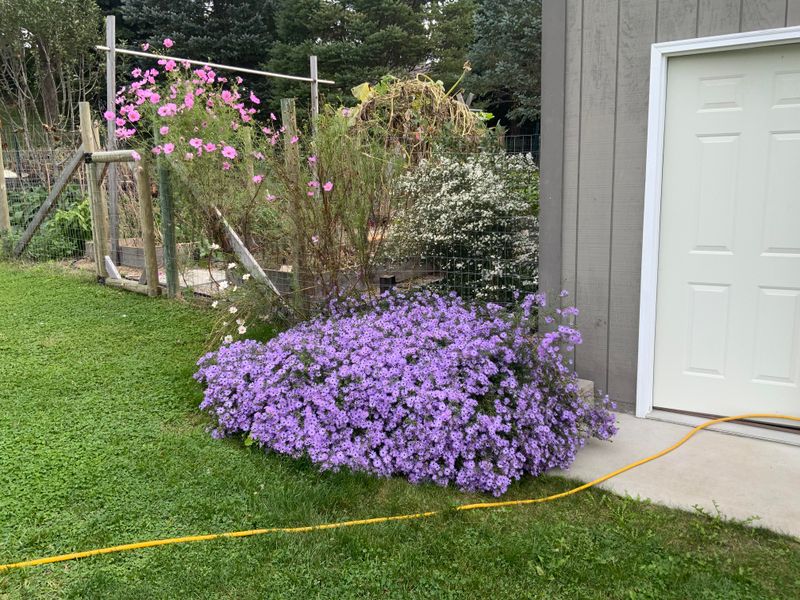
Autumn gardens often look tired. By September, many summer perennials have finished blooming, annuals are struggling, and the whole yard can start to feel a little uninspiring. Aromatic aster completely changes that story.
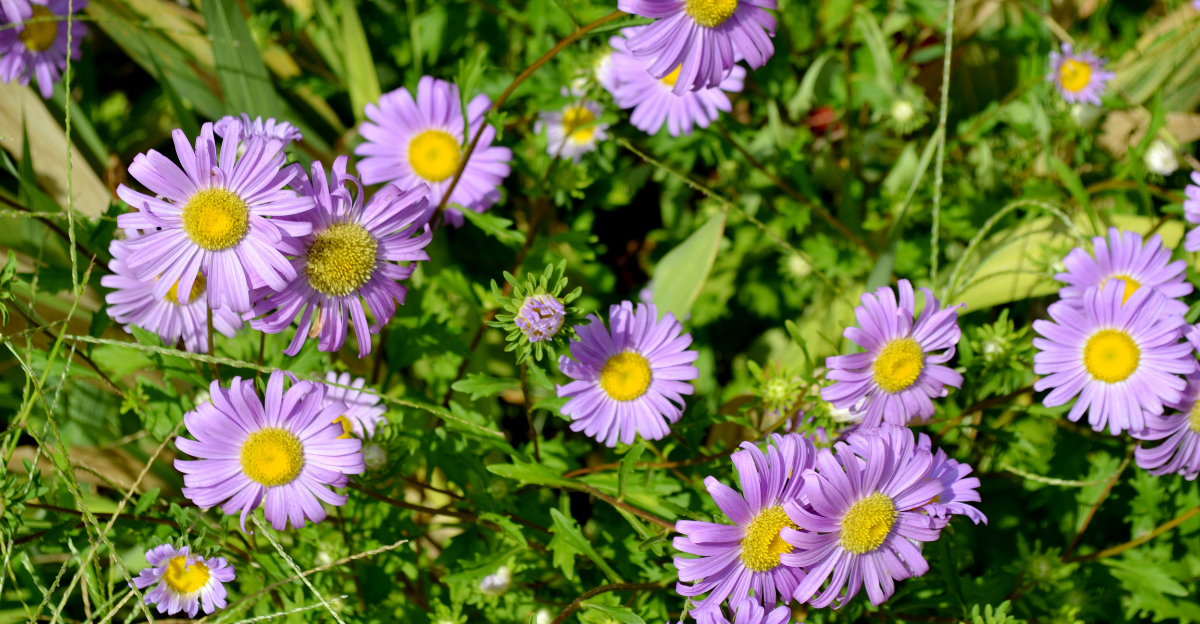
When the rest of the garden slows down, this plant is just getting started, pushing out hundreds of small, daisy-like purple flowers that cover the entire mound from top to bottom.
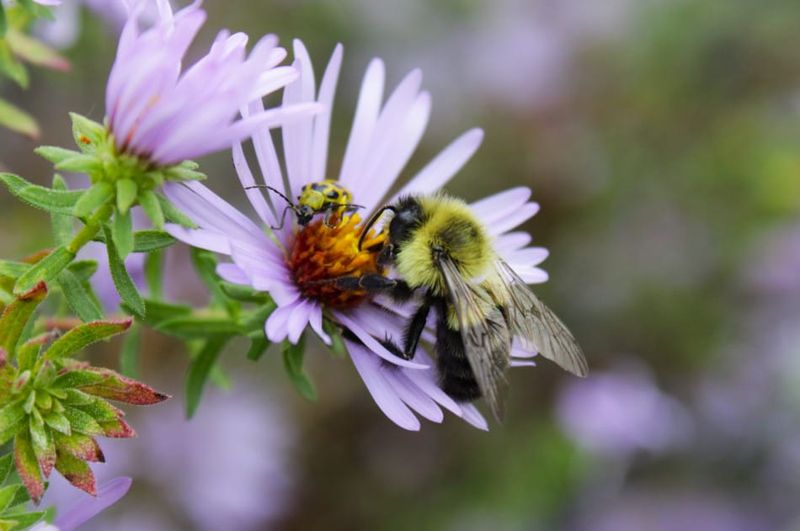
Each individual flower is about an inch wide, with slender purple petals radiating outward from a warm yellow center.
They are not large and dramatic, but the sheer quantity of blooms creates a bold, eye-catching display that is hard to miss.
Your North Carolina Garden Changes Every Week. Your Plan Should Too.
Gardening in North Carolina changes quickly throughout the season. Every Friday you’ll receive a simple weekly plan showing exactly what to plant, prune, fertilize, harvest, and protect so you never miss the right timing.
Planted in groups, aromatic aster creates sweeping waves of purple color that look stunning against fall foliage. The color itself holds up beautifully in cooler temperatures.
Many flowering plants fade or look washed out as nights get chilly, but aromatic aster seems to thrive in that cooler fall air.
The purple stays rich and vibrant right up until frost, giving you weeks of reliable color when you need it most.
Gardeners in North Carolina often pair it with ornamental grasses, goldenrod, or black-eyed Susans to create a full fall display that celebrates native plants. The combination of textures and colors is genuinely beautiful.
If you have ever felt frustrated that your garden loses its energy by late summer, aromatic aster is the straightforward solution you have been looking for all along. It fills that gap with confidence and color.
Give It Plenty Of Sun

Sunshine is non-negotiable for aromatic aster. Give it a spot that receives at least six hours of direct sun each day, and it will reward you with a full, compact mound loaded with flowers. Shade is where this plant runs into trouble.
In low-light conditions, the stems stretch and flop, the plant loses its tidy shape, and flowering drops off significantly. Full sun keeps everything in check.
North Carolina offers plenty of sunny garden spots, and aromatic aster is perfectly suited to take advantage of them.
South-facing beds, open borders, roadside plantings, and sunny meadow gardens are all ideal locations.
The more direct sunlight it receives, the better the plant performs, plain and simple. Sun also plays a role in disease prevention.
Aromatic aster can be susceptible to powdery mildew in humid conditions, which is something North Carolina gardeners know well. Good air circulation combined with full sun exposure significantly reduces that risk.
A plant grown in open, sunny ground stays healthier and looks better all season long compared to one tucked into a shadier corner.
If your yard leans toward partial shade, you can still try aromatic aster in the sunniest spot available.
Four to five hours of direct sun will produce decent results, though the plant may not be quite as full or floriferous.
For truly outstanding performance, though, full sun is where this perennial shines its brightest.
Think of it as a plant that genuinely loves soaking up every bit of light the sky offers, and plan your planting spot accordingly.
Well-Drained Soil Keeps It Happy
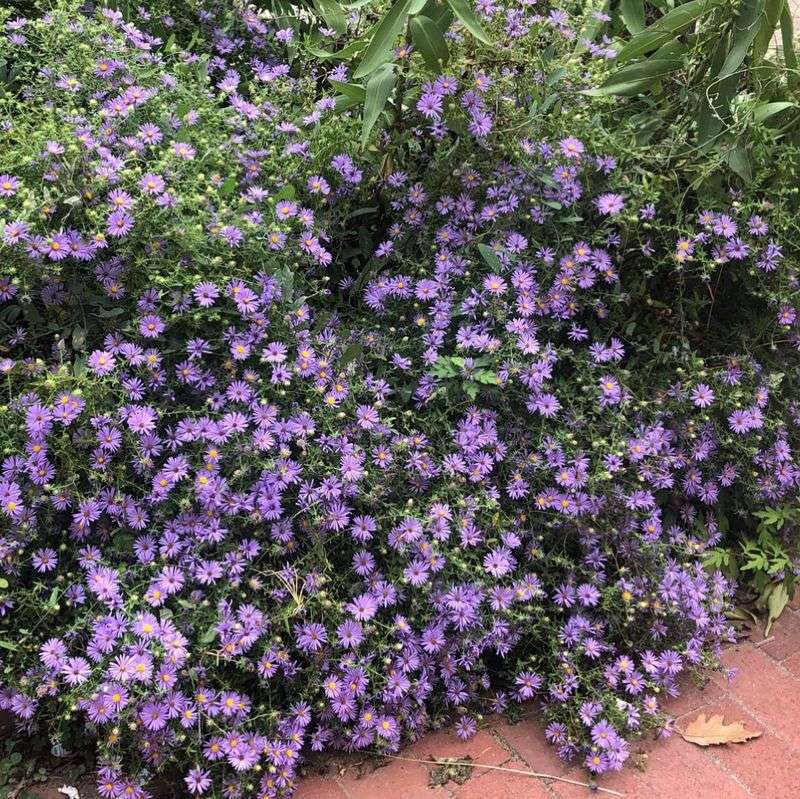
Soil drainage might not sound like the most exciting gardening topic, but for aromatic aster, it genuinely matters.
This plant evolved on rocky slopes, open woodlands, and dry hillsides across the eastern United States, meaning its roots are built for soil that does not hold excess water.
Plant it in heavy clay that stays wet after rain, and you will likely run into root problems before long. Well-drained soil does not have to mean sandy or nutrient-poor ground.
Aromatic aster actually performs well in average garden soil as long as water moves through it reasonably quickly.
If your beds tend to stay soggy after heavy rain, mixing in compost and coarse sand before planting can make a real difference.
Raised beds are another excellent option for gardeners dealing with drainage challenges. One of the nice things about this plant is that it does not need rich, heavily amended soil to thrive.
In fact, overly fertile soil can cause problems by encouraging too much leafy growth at the expense of flowers. Lean, well-drained soil often produces the most compact, floriferous plants.
North Carolina’s natural soil types, from the sandy coastal plain to the rocky Piedmont, can all work well with minimal preparation. Testing your soil drainage before planting is simple.
Dig a hole about a foot deep, fill it with water, and watch how quickly it drains. If the water disappears within an hour or so, you are in good shape.
Aromatic aster is forgiving in many ways, but good drainage gives it the foundation it needs to truly flourish season after season.
It Handles Dry Conditions Surprisingly Well
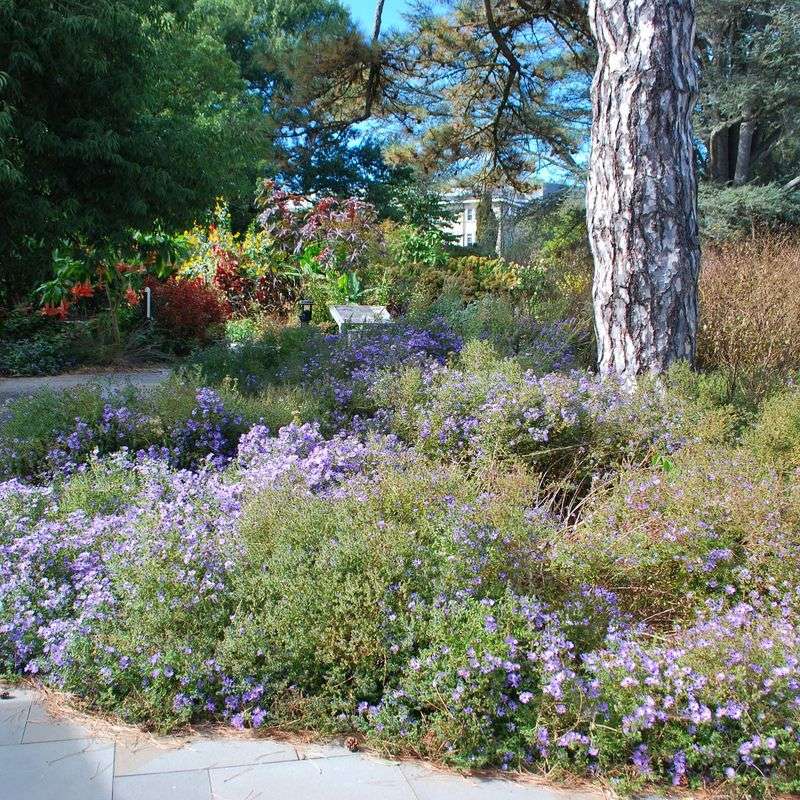
Here is something that surprises a lot of gardeners: aromatic aster can handle drought far better than most flowering perennials.
Once it gets established in your garden, usually after its first full growing season, it becomes remarkably self-sufficient.
Long stretches without rain that would stress or damage other plants barely slow this one down. North Carolina summers can be brutal.
July and August often bring stretches of intense heat with little rainfall, and that is exactly when many garden plants start looking rough. Aromatic aster stays relatively unfazed.
Its root system digs deep to find moisture, and its leaves are designed to minimize water loss during hot, dry spells.
The result is a plant that keeps growing and preparing to bloom even when conditions are tough.
For gardeners trying to reduce irrigation and lower their water bills, drought-tolerant plants are incredibly valuable.
Aromatic aster fits perfectly into low-water garden designs, sometimes called xeriscape plantings, that prioritize plants naturally suited to local rainfall patterns.
Pairing it with other drought-tolerant natives like black-eyed Susan, purple coneflower, and little bluestem grass creates a garden that looks beautiful with very little supplemental watering.
During the first year after planting, some watering during dry spells helps the root system get established.
After that, most gardeners find they rarely need to water it at all. There is something genuinely satisfying about a plant that takes care of itself.
Aromatic aster asks very little from you and gives back an enormous amount of beauty and resilience in return every single fall.
Its Mounding Shape Fits Garden Borders
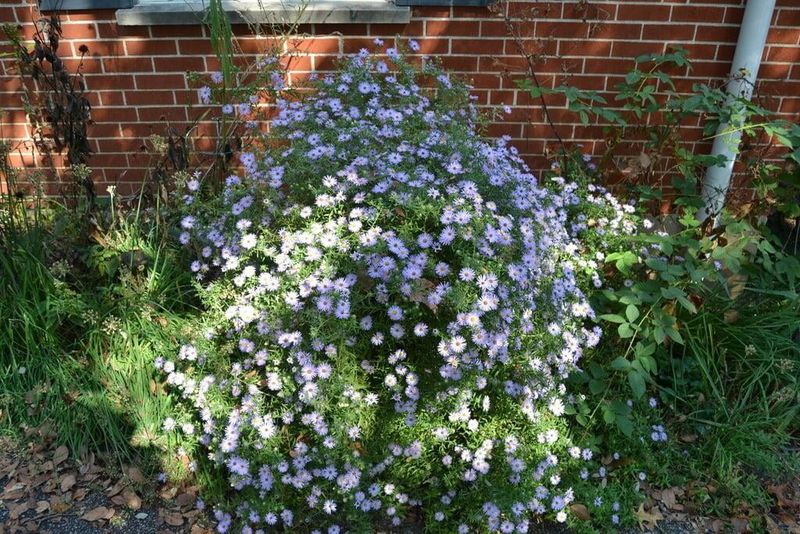
One of the most underappreciated qualities of aromatic aster is its natural shape.
Without any pruning or staking, it grows into a tidy, rounded mound that typically reaches two to three feet tall and about as wide.
That compact, self-contained form makes it incredibly versatile in the garden, fitting neatly into spots where larger or floppier plants would cause problems.
Along garden borders, aromatic aster works beautifully as a mid-height plant. It is tall enough to make an impression but short enough not to crowd out shorter plants in front of it.
Walkway edges are another great location, where its mounding form creates a soft, welcoming feel without spilling aggressively onto the path.
The plant defines spaces naturally without needing much management from you. Naturalized beds and meadow-style gardens are also perfect settings for this aster.
Planted in loose groupings of three or five plants, it creates a flowing, relaxed look that feels right at home in an informal North Carolina landscape.
It blends seamlessly with ornamental grasses, goldenrod, and other native perennials to create a cohesive, layered planting.
One tip worth knowing: if you cut the plant back by about half in late spring or early June, it will grow back even more compact and bushy.
This simple technique, sometimes called the Chelsea chop, encourages more branching and ultimately more flowers. You do not have to do it, but gardeners who try it often love the results.
Aromatic aster is genuinely one of the easiest plants to work with in a garden design, no matter your skill level.
Late Flowers Feed Pollinators

Few things in a garden are more satisfying than watching bees and butterflies cover a plant in motion.
Aromatic aster is one of those plants that absolutely buzzes with pollinator activity from the moment it starts blooming.
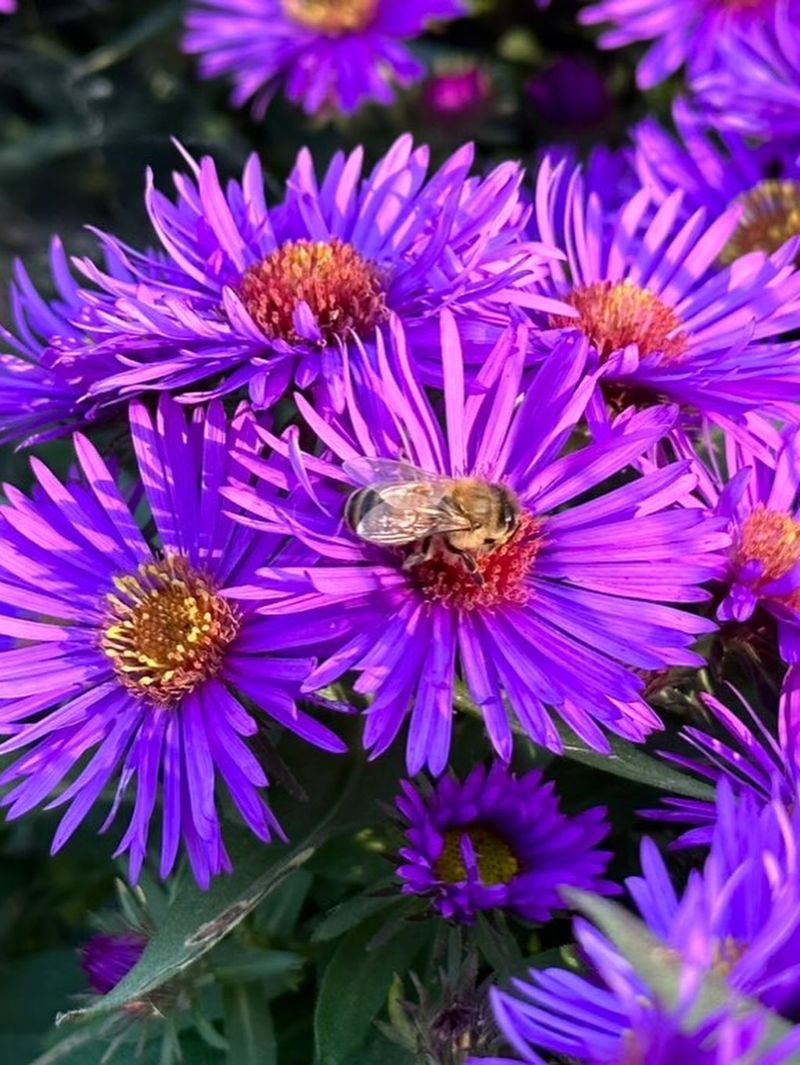
Bumblebees, honeybees, native sweat bees, and migrating monarch butterflies all visit the flowers regularly, and the scene can be genuinely spectacular on a warm fall afternoon.
The timing of those blooms is what makes this plant so valuable from an ecological standpoint. By September and October, most flowering plants have finished for the season.
Pollinators, especially migrating monarchs and native bees preparing for winter, are actively searching for nectar and pollen sources.
Aromatic aster steps in at exactly the right moment to fill that critical gap in the food supply.
Research on native plants consistently shows that late-blooming asters are among the most important plants for supporting pollinator populations through autumn.
Bumble bee queens, for example, need to build up fat reserves before they overwinter, and late-season nectar sources like aromatic aster play a real role in their survival.
Planting this aster is a concrete, meaningful action you can take to support local wildlife. Beyond the ecological benefits, watching pollinators work a plant in full bloom is simply entertaining.
Kids especially love seeing the variety of bees and butterflies that show up. If you want a garden that feels alive and connected to the natural world around it, aromatic aster delivers that experience every single fall without any extra effort on your part.
It is one of those rare plants that is good for you and good for nature at the same time.
Leave Some Stems For Native Bees
Most gardeners have a strong urge to clean up the garden completely once the growing season wraps up.
Everything gets cut back to the ground, tidied away, and the beds look neat and bare heading into winter.
With aromatic aster, resisting that urge at least partially can make a meaningful difference for native bees in your neighborhood.
Aromatic aster produces stems with a soft, pithy center, and that structure is exactly what many species of native solitary bees look for when they search for nesting sites.
Small bees like sweat bees and mason bees will lay their eggs inside hollow or pithy stems, sealing them up with mud or leaf material to protect the developing larvae through winter.
Those stems become tiny nurseries right in your garden. You do not need to leave every stem standing to make a difference.
Cutting back most of the plant while leaving a section of stems about twelve to eighteen inches tall provides nesting habitat without making the garden look completely unkempt.
A small brush pile or bundle of cut stems laid in a sheltered corner of the yard works just as well if you prefer a tidier look.
Come spring, wait until temperatures have warmed consistently before doing your final cleanup. That patience gives overwintering bees time to complete their development and emerge safely.
It is a small shift in routine that costs you nothing but delivers real benefits to the native bee populations that pollinate your garden all season long.
Aromatic aster keeps giving back even after the last flower has faded, and that is a pretty remarkable quality for any plant to have.