The Fall Pruning Mistake That Can Cost North Carolina Fig Trees Their Winter Survival
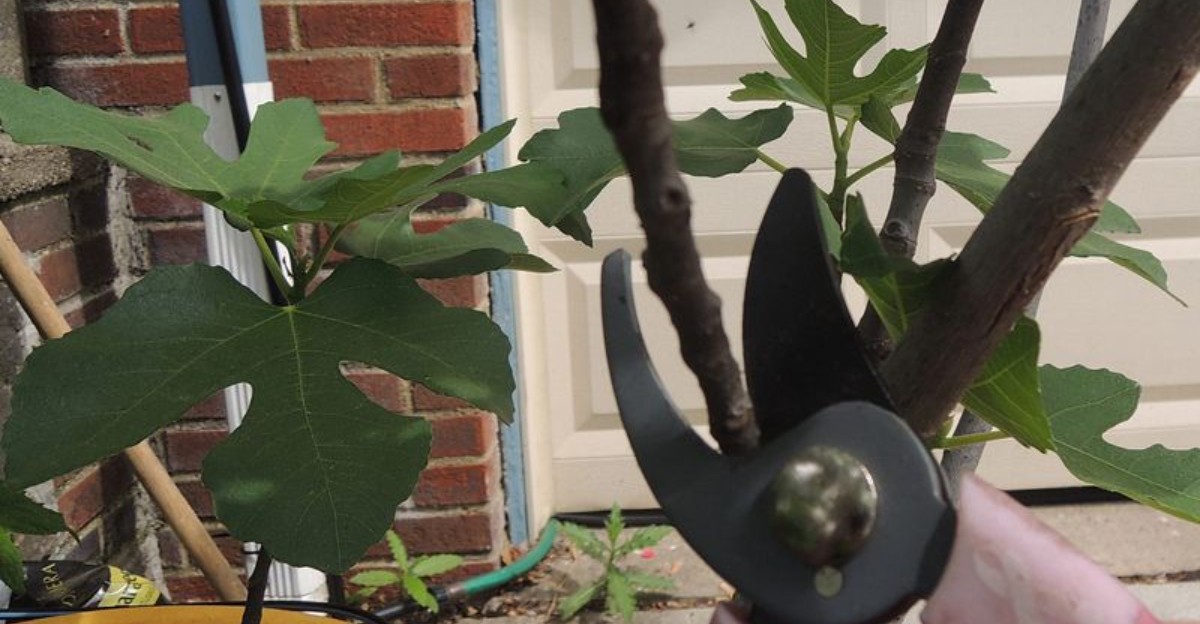
A well-meaning pruning session in fall can quietly set a fig tree up to fail once real cold arrives.
Figs heal slowly compared to many other trees, and fresh cuts made too late in the season don’t have enough time to callous over before temperatures drop, leaving the wood exposed to cold injury right at its most vulnerable points.
Gardeners eager to tidy up before winter often make this cut at exactly the wrong moment, not realizing the damage won’t show up until spring, when branches that should have leafed out stay bare instead.
Because fig wood is already less cold-hardy than most fruit trees grown in North Carolina, this one timing mistake can undo an entire season’s growth.
Knowing when pruning actually helps versus when it hurts makes all the difference in whether a fig tree survives winter intact.
1. Hold Off On Heavy Fall Pruning
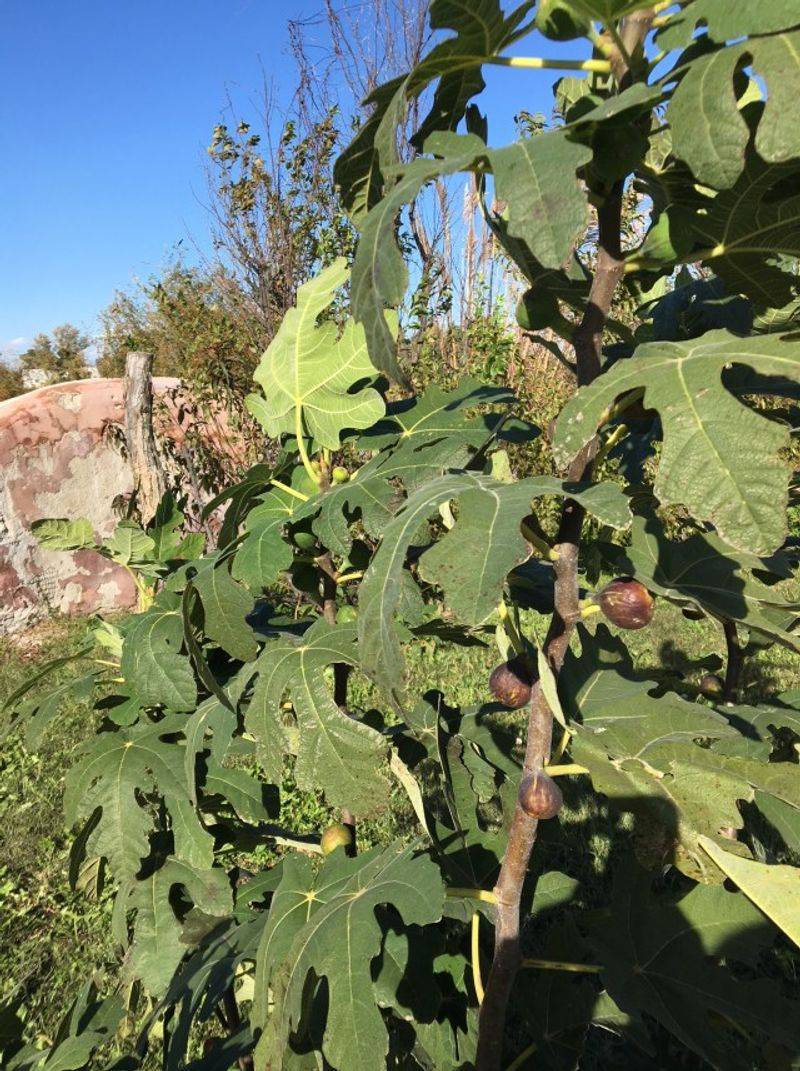
It’s a crisp October afternoon, you’ve got pruning shears in hand, and your fig tree looks wild and overgrown.
The urge to tidy it up before winter feels natural, but that quick trim can leave your tree in real trouble. Fall is simply the wrong season for big cuts on figs in North Carolina.
NC State Extension recommends doing routine fig pruning in late winter, just before new growth begins.
Waiting gives the tree a full season to store energy in its branches and roots. Every leafy stem you leave in place keeps feeding the plant as the days grow shorter.
Heavy fall cuts also open fresh wounds right when cold weather is on the way. Those exposed ends have little time to seal over, and winter winds can dry them out.
On top of that, removing a lot of wood can wake up buds that should stay asleep until spring.
So what can you do in fall? Light jobs are fine, like snipping off a branch that snapped in a storm or one that blocks a walkway. Keep the work small and save the real shaping for later.
A good rule of thumb is to put the loppers away once late summer ends. Use the fall months to watch your tree instead. Notice which branches cross, which lean too far, and which grow from the base, then jot a few notes in a notebook or on your phone.
By late winter, you will have a clear plan ready to go. Your fig will thank you with healthier growth and, with luck, a sweeter summer harvest.
2. Late Cuts Can Wake Up Tender New Shoots
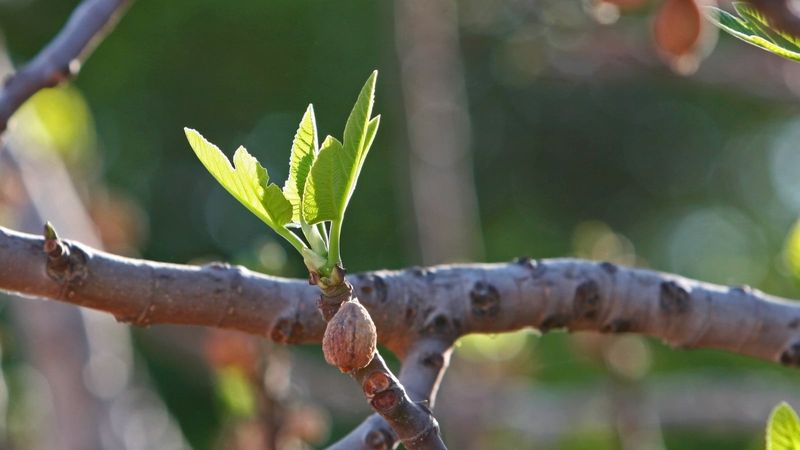
Plants have a funny way of responding to a haircut. Snip a branch, and the buds below the cut often burst into action, pushing out fresh green shoots. In spring, that response is exactly what you want, but in fall it creates a hidden problem.
According to NC State Extension, pruning late in the season can stimulate new shoot growth. Those young stems are soft, full of water, and not ready for cold weather.
Your North Carolina Garden Changes Every Week. Your Plan Should Too.
Gardening in North Carolina changes quickly throughout the season. Every Friday you’ll receive a simple weekly plan showing exactly what to plant, prune, fertilize, harvest, and protect so you never miss the right timing.
Before winter, woody plants need time to harden off, a slow process where tissues toughen and prepare for freezing temperatures.
Hardening happens gradually as days shorten and nights cool. A branch that sprouts in late September or October may not finish that process before the first hard freeze arrives.
When temperatures plunge, the tender tissue can crack, turn black, and wither back.
The trouble does not always stop at the new shoot, either. Damage can creep back into the older stem, leaving you with more lost wood than you started with. It is a bit like planting seeds in December and hoping for tomatoes.
You can help your fig slow down naturally. Stop pruning by midsummer, keep watering steady but not excessive, and let the tree settle into its seasonal rhythm. Falling leaves are a great sign that the plant is heading toward rest.
Keep an eye out for surprise growth spurts after a warm spell in fall. Leave those shoots alone rather than cutting them, since another cut could trigger even more growth. Patience now means a sturdier tree when spring finally rolls around.
3. Figs Are Tougher Than They Look, But Not Winter Proof
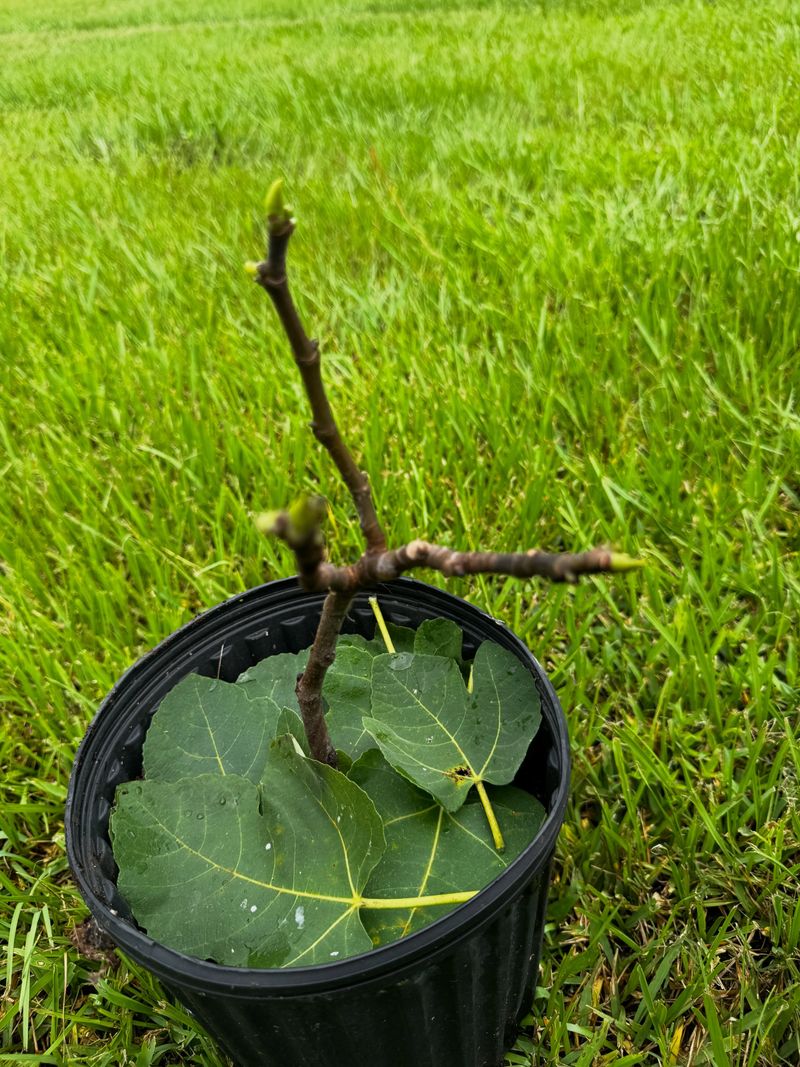
Figs have roots in warm Mediterranean and western Asian lands, so it is no shock that a North Carolina winter can test them. NC State Extension notes that figs are not completely cold hardy in the state.
When temperatures drop low enough, the parts above ground can freeze back, sometimes all the way to the soil line.
Location matters a lot here. Gardeners along the coast and in the eastern Coastal Plain usually enjoy the best success, while the Piedmont sees more cold snaps.
In the western mountains, figs face the roughest ride and often need extra shelter to make it through.
Temperatures in the low teens or single digits can seriously injure unprotected branches. Sudden drops after a mild spell tend to hurt the most, since the tree has not fully settled into winter mode. Wind and wet soil can make the stress even worse.
Here is the hopeful part. Figs are remarkably good at bouncing back, and roots that survive a harsh winter will often send up vigorous new shoots in spring. Some varieties, like Brown Turkey, can even produce fruit on that fresh growth the same year.
Picking the right variety helps a great deal. Celeste, Brown Turkey, and Brunswick are common choices in North Carolina, and each handles cold a little differently.
A planting spot near a south-facing wall or building can add a few precious degrees of warmth.
Knowing your local risk turns winter from a guessing game into a plan. Once you understand how cold your yard gets, every fall decision, including pruning, becomes easier to make.
4. Give Young Figs Extra Care Before Shaping
Think of a first-year fig as a toddler in a snowsuit. It has plenty of energy but not much built-in protection, and NC State Extension points out that young fig trees and bushes are especially susceptible to winter injury.
Their thin stems and small root systems simply have less to fall back on. Older figs have thick trunks, woody bark, and deep roots packed with stored food.
A young plant is still building all of that. When a cold snap hits, a baby fig can lose much of its top growth, and a weak root system makes the comeback slower.
That is why the first few winters are about protection, not perfection. Trimming a young fig into a tidy shape in fall removes the very stems and leaves that help it store energy.
It also creates fresh wounds at a time when the plant has little extra strength to spare. Instead, focus on simple comfort steps.
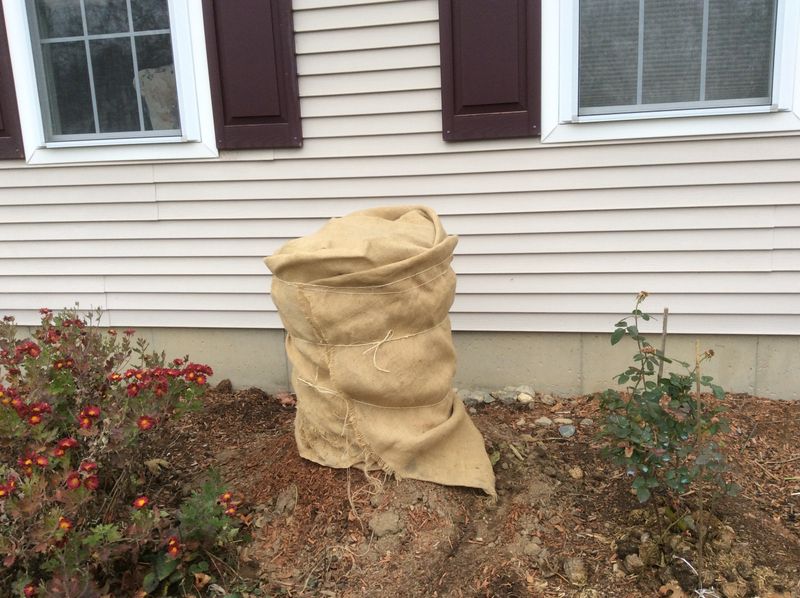
Mulch the root zone, water during dry fall weeks, and plan to pile soil or mulch around the base before severe cold arrives. Some gardeners also wrap small plants loosely with burlap or frost cloth during extreme freezes.
Potted figs need their own plan. Containers expose roots to cold from every side, so moving pots into an unheated garage or shed for winter works wonders. Just remember to water lightly every few weeks so the soil never goes bone dry.
Shaping can wait until the tree has a few seasons under its belt. A sturdy, well-rooted fig handles pruning far better and rewards you with years of sweet fruit.
5. Wait For Spring Before Removing Damaged Wood
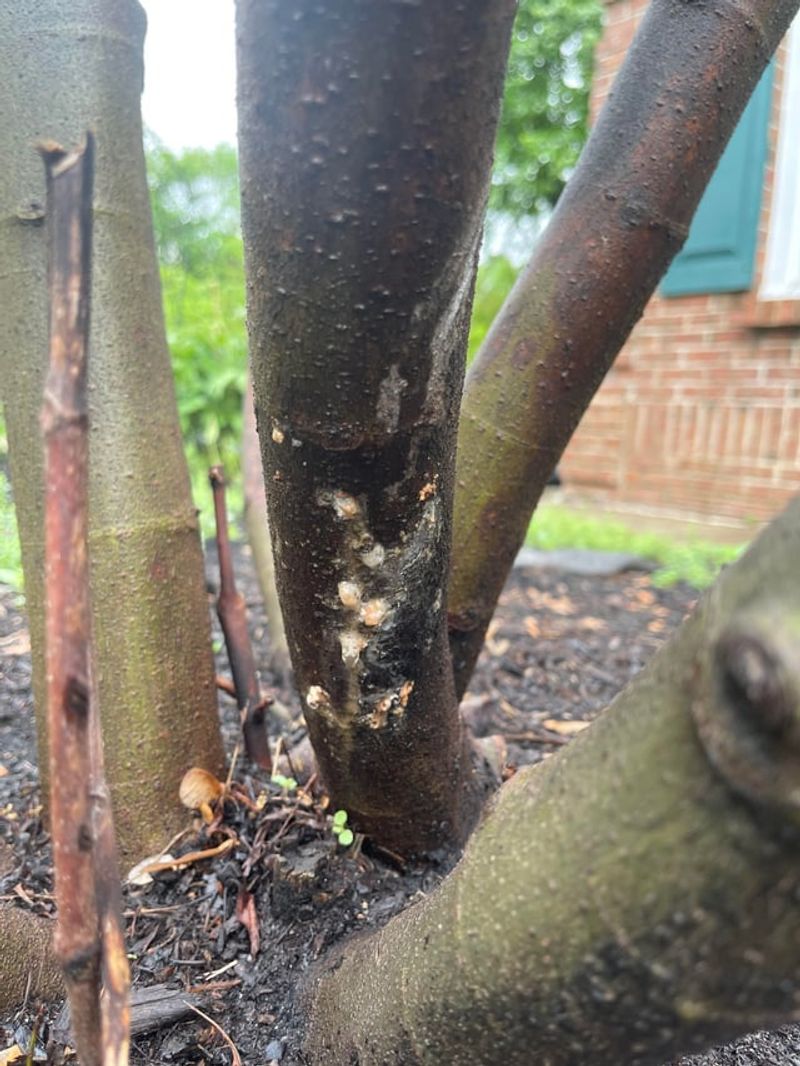
Few sights worry a fig lover more than bare, gray branches in February. It is tempting to grab the saw and clear away anything that looks lifeless, but those branches may be fooling you.
NC State Extension advises waiting until spring growth begins to judge which wood is truly lost.
Fig stems can look rough after winter and still be alive inside. Buds often wake up later than you expect, especially after a long, chilly spring. Cutting too soon can remove healthy wood that would have leafed out in a few more weeks.
A quick scratch test gives you a clue while you wait. Gently scrape a small patch of bark with your thumbnail or a pocketknife. Green, moist tissue underneath means the branch is still living, while brown, dry tissue suggests damage.
Still, the clearest answer comes from the tree itself. Once buds swell and new leaves appear, you can easily see where healthy growth stops. Make your cut just above that point, or back to a strong side branch.
Waiting also protects the tree from extra stress. If you wait until spring, it makes it easier to identify which wood actually survived the winter and avoids removing branches that may still produce new growth
Keep your tools clean and sharp when the time comes. Clean cuts heal faster and help keep disease away. Some gardeners wipe their pruners with rubbing alcohol between branches, a small habit that pays off.
6. Protect The Base Instead Of Cutting Back
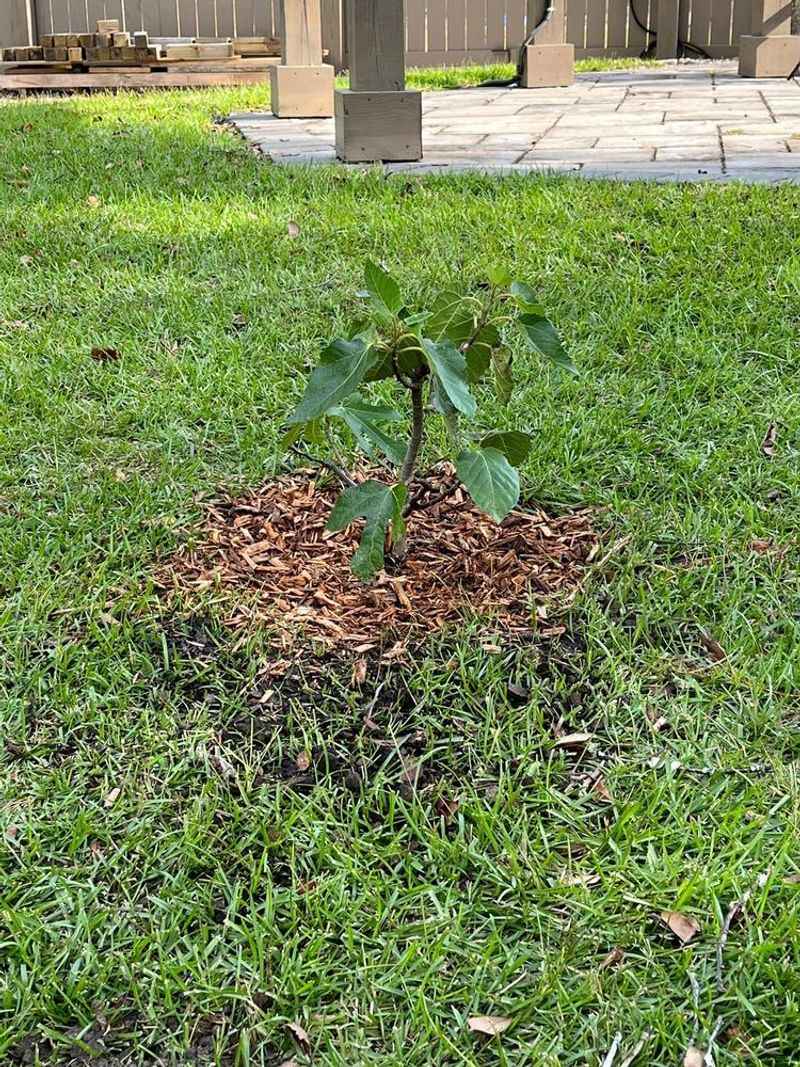
Here is a trick North Carolina gardeners have used for generations, and it costs almost nothing. Rather than chopping a fig back to fit under a cover, protect the part that matters most, the base.
NC State Extension recommends piling loose soil or mulch around the base of the trunk in late fall to guard against severe cold.
Why the base? Even if the upper branches freeze back, buds near the ground can survive under that insulating blanket. In spring, those protected buds and roots can push out fresh shoots and rebuild the plant much faster.
Timing makes a difference. Add the pile in late fall, after the tree has lost most of its leaves and before the hardest freezes arrive. Aim for a mound that covers the lower portion of the trunk, using loose material that lets air and water move through.
Good choices include shredded leaves, pine straw, wood chips, or loose garden soil. Pine straw is easy to find in North Carolina and stays fluffy through the winter. Avoid heavy, soggy materials that trap moisture against the bark for months.
Removal matters just as much as placement. Once the danger of frost has passed in spring, pull the soil or mulch away from the trunk. Leaving it too long can keep the bark damp and invite rot or pests.
Mark your calendar with a reminder for both jobs. In much of central and eastern North Carolina, the last frost usually falls somewhere between late March and mid April. Your fig gets cozy protection all winter and a full, healthy canopy come summer.
7. Skip The Late Nitrogen Boost
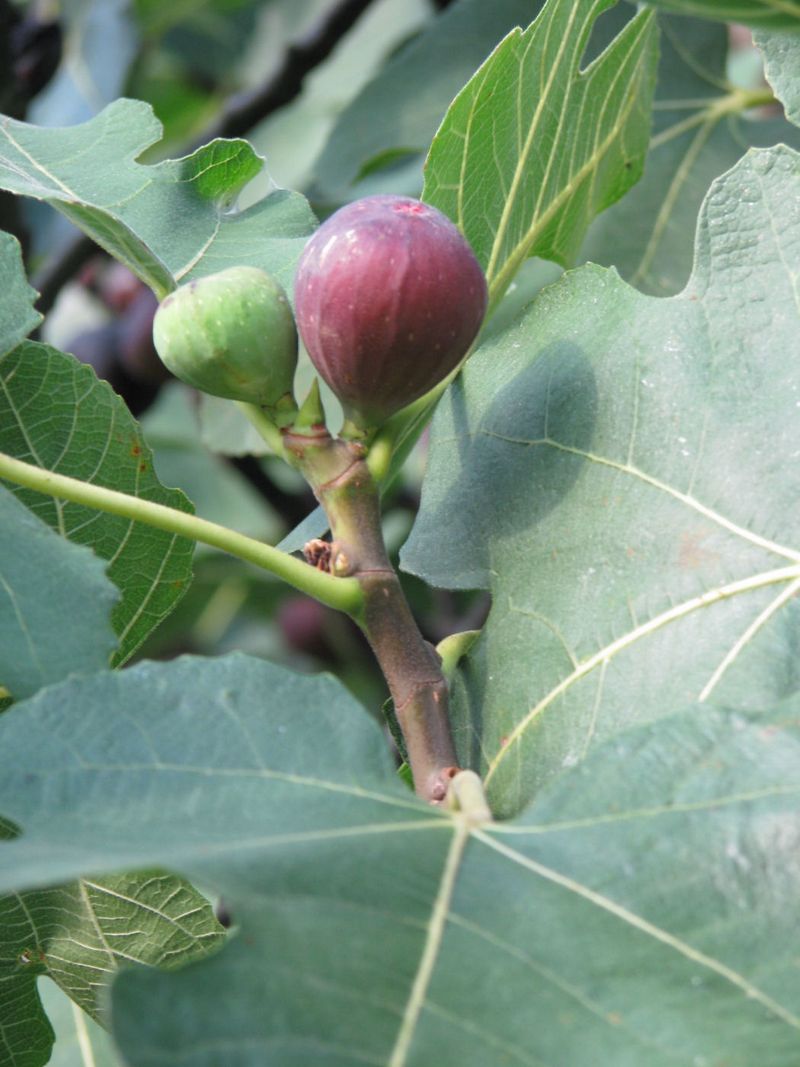
Fertilizer feels like a gift, but for figs, too much of a good thing can backfire. Nitrogen is the nutrient that fuels leafy, green growth, and extra doses late in the year push figs into growth mode at the worst possible time.
NC State Extension warns that excessive nitrogen can promote soft, succulent growth that is more likely to suffer winter injury.
Picture a branch full of water and tender tissue heading into a December freeze. It simply cannot handle the cold as well as firm, mature wood. Late feeding creates exactly that kind of vulnerable growth.
Figs are actually light feeders compared to many fruit plants. Too much nitrogen can also lead to lots of leaves with fewer figs, and fruit that splits more easily. A lean, balanced approach usually gives better results in both harvest and hardiness.
Timing is the secret. Many gardeners apply a small amount of balanced fertilizer in early spring as growth begins, and sometimes a light second feeding by early summer. After midsummer, it is best to put the fertilizer bag away so the tree can slow down and toughen up.
Watch for clues from the tree itself. If your fig grows several feet each year and looks lush, it probably needs little or no extra fertilizer.
Pale leaves and weak growth may point to a need, but a soil test through the North Carolina Department of Agriculture can tell you for sure.
Those soil tests are a great deal for home gardeners. Results arrive with clear advice, so you feed only what your fig truly needs.
8. Save Major Shaping For Late Winter
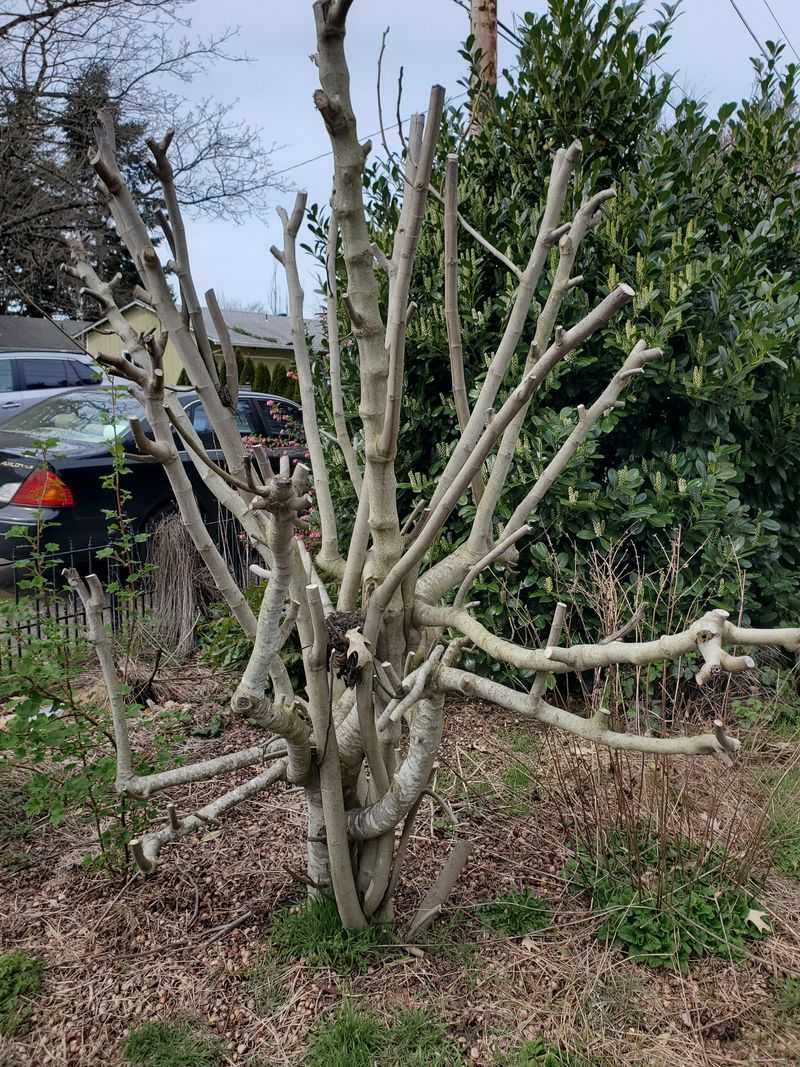
Late winter is the sweet spot every fig grower waits for. The worst cold has usually passed, buds have not yet opened, and the bare branches reveal the tree’s full shape.
NC State Extension names this window, just before growth begins, as the best time to prune figs in North Carolina.
With no leaves in the way, you can see every crossing limb and crowded spot. Start by removing any wood that clearly failed to survive the winter, along with broken or diseased branches.
Next, look for suckers, the shoots that pop up from the roots or base, and remove those you do not want.
Then turn to shaping. Thin out branches that rub together, cut low limbs that droop toward the ground, and open the center so sunlight can reach inside.
Figs can be grown as a small tree with one trunk or as a bushy plant with several stems, so shape yours to fit your space.
Keep variety in mind as you work. Some figs, like Celeste, bear mainly on the previous year’s wood, so heavy cutting can reduce the summer crop. Others, like Brown Turkey, fruit well on new growth and handle harder pruning.
A light touch usually works best on established trees. Removing no more than about a quarter of the canopy in one year keeps the plant balanced and productive. Clean, sharp tools make smooth cuts that close quickly.
Pruning at this moment sets the stage for the whole season. Your fig wakes up with a fresh shape, plenty of energy, and every chance at a bountiful harvest.