The Real Reason Your Indiana Tomato Plants Are Wilting Overnight
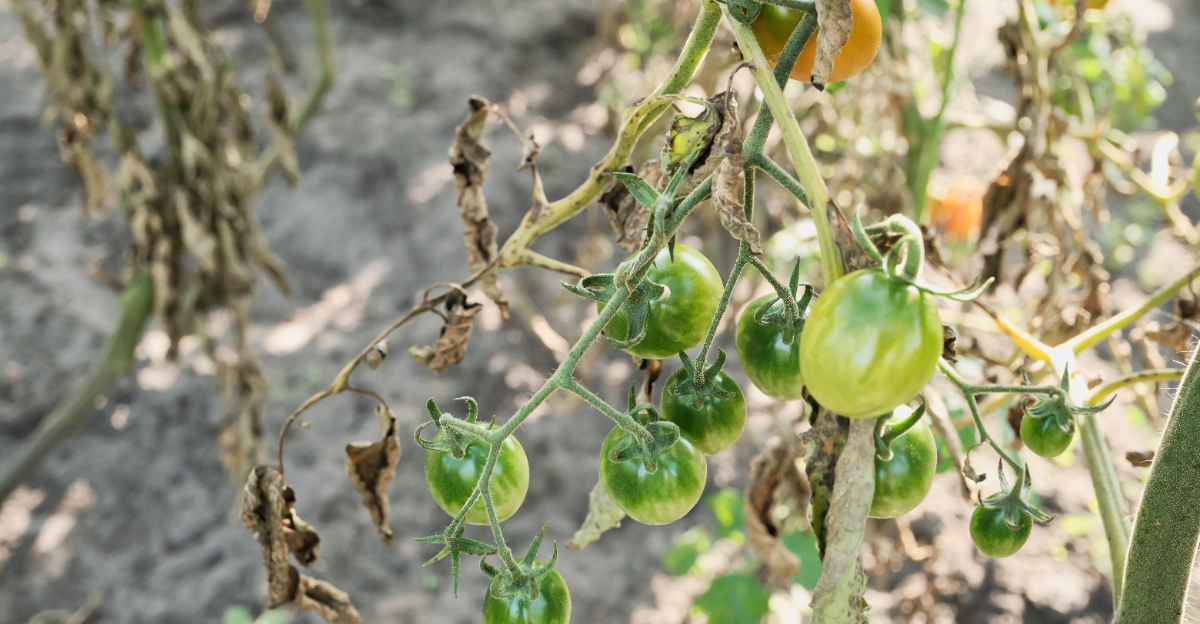
Wilted tomato plants overnight signal a problem you cannot ignore. Confusion sets in fast when healthy vines collapse before breakfast. Indiana heat waves create stress most gardeners never see coming.
Humidity swings overnight place real pressure on plant tissue quickly. Nothing about this feels random once you look closer. Answers hide beneath the surface, staying invisible until you know exactly where.
Multiple forces could be working against your plants right now. Every possibility deserves attention before you rule anything out. Timing matters more than most gardeners realize during summer stress.
Summers here create conditions that confuse even seasoned growers, especially in Indiana. Patterns exist, but they rarely reveal themselves immediately.
Deeper forces connect the wilting to causes you cannot yet see. Clues exist everywhere, waiting for you to notice them.
Your plants are trying to tell you an urgent story. You need answers now, because your plants will not wait.
Why Tomato Plants Wilt Suddenly In Indiana
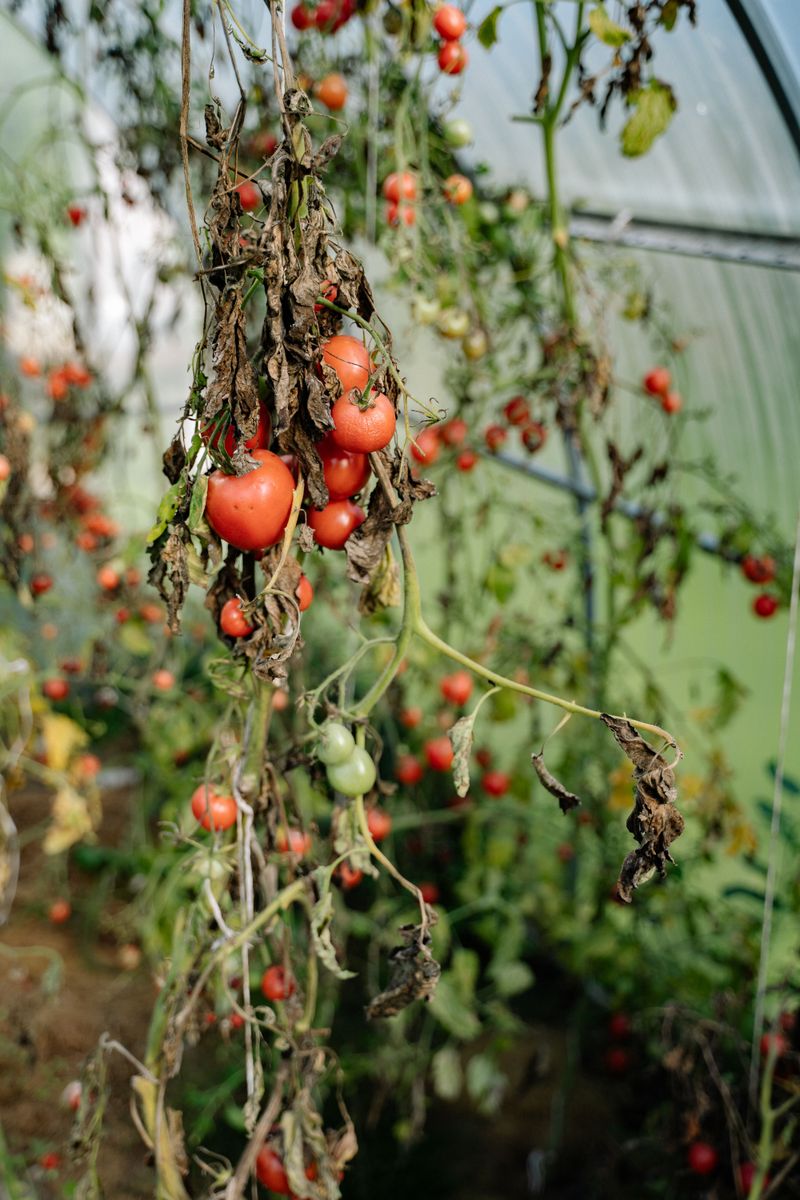
Your tomatoes looked fine yesterday. Now they show clear signs of distress. Sudden wilting in Indiana gardens catches most growers completely off guard.
The state’s humid summers, clay-heavy soils, and unpredictable temperature swings create the perfect storm for stressed plants.
Tomatoes are sensitive to both overwatering and underwatering. When the roots cannot move water to the leaves fast enough, the whole plant droops.
Indiana nights can stay warm and muggy well into August. That trapped heat prevents plants from recovering the way they would in cooler climates.
Root damage is another sneaky cause. Digging too close to the base, compacted soil, or shallow planting can all limit how well roots absorb moisture.
Pests like cutworms work underground and at night. They chew through stems near the soil line, and by morning, the damage looks like a mystery wilt.
Fungal problems also love Indiana’s wet, warm conditions. Some fungal infections block the plant’s water-conducting tissue without showing obvious leaf spots right away.
The key is not to panic and start pulling plants. Take a slow, careful look at the stem, soil, and roots before making any moves.
Check whether just one plant is wilting or several. A single wilting plant usually points to a disease or pest. Multiple wilting plants often signal a soil or watering problem.
Catching the cause early makes all the difference. Your garden can bounce back if you act with clear eyes and a steady hand.
Bacterial Wilt Versus Simple Heat Stress
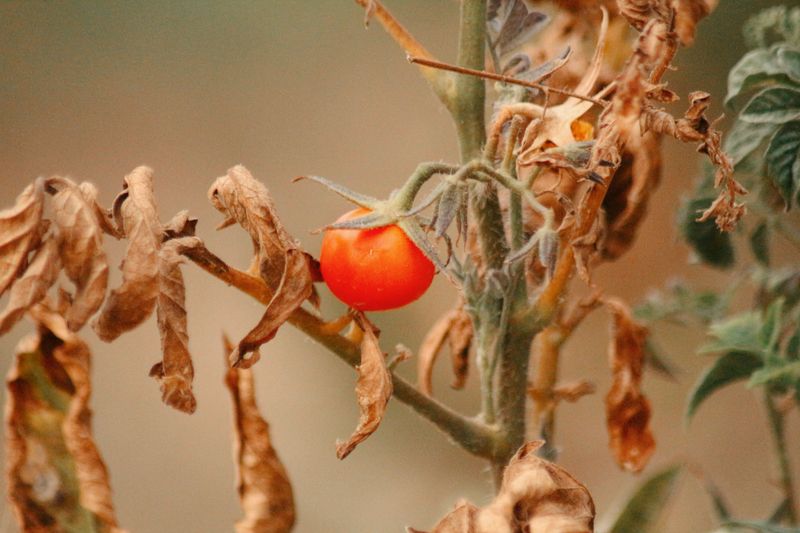
Not all wilting looks the same. Knowing the difference can save your whole garden. Heat stress wilting usually happens in the afternoon when temperatures peak. The plant perks back up once the sun drops and the air cools down after sunset.
Bacterial wilt caused by Ralstonia solanacearum behaves very differently. The plant collapses fast, often overnight, and does not recover even when given plenty of water.
Indiana’s warm, moist soil creates a favorable environment for this bacteria. It spreads through contaminated soil, infected transplants, and even dirty garden tools.
Your Indiana Garden Changes Every Week. Your Plan Should Too.
Gardening in Indiana changes quickly throughout the season. Every Friday you’ll receive a simple weekly plan showing exactly what to plant, prune, fertilize, harvest, and protect so you never miss the right timing.
A simple test can help you figure out which problem you are dealing with. Cut a wilted stem near the base and dip it in a glass of water.
If you see thin, cloudy strings slowly drifting from the cut end, bacterial wilt is likely present. That stringy stuff is bacterial ooze, and it is a clear warning sign.
Heat-stressed plants will not produce that ooze. Their stems look clean and healthy inside even when the leaves are drooping.
Soil temperature matters a lot here. Bacterial wilt thrives in warm soil, a condition common in central Indiana by mid-summer.
Mulching your beds with straw or wood chips helps keep soil temperatures lower. A cooler root zone gives your tomatoes a fighting chance against both stress and disease.
Identifying the right cause is the first step toward a solution. Once you know what you are up against, the path forward becomes much clearer.
How Soil-Borne Diseases Spread Undetected
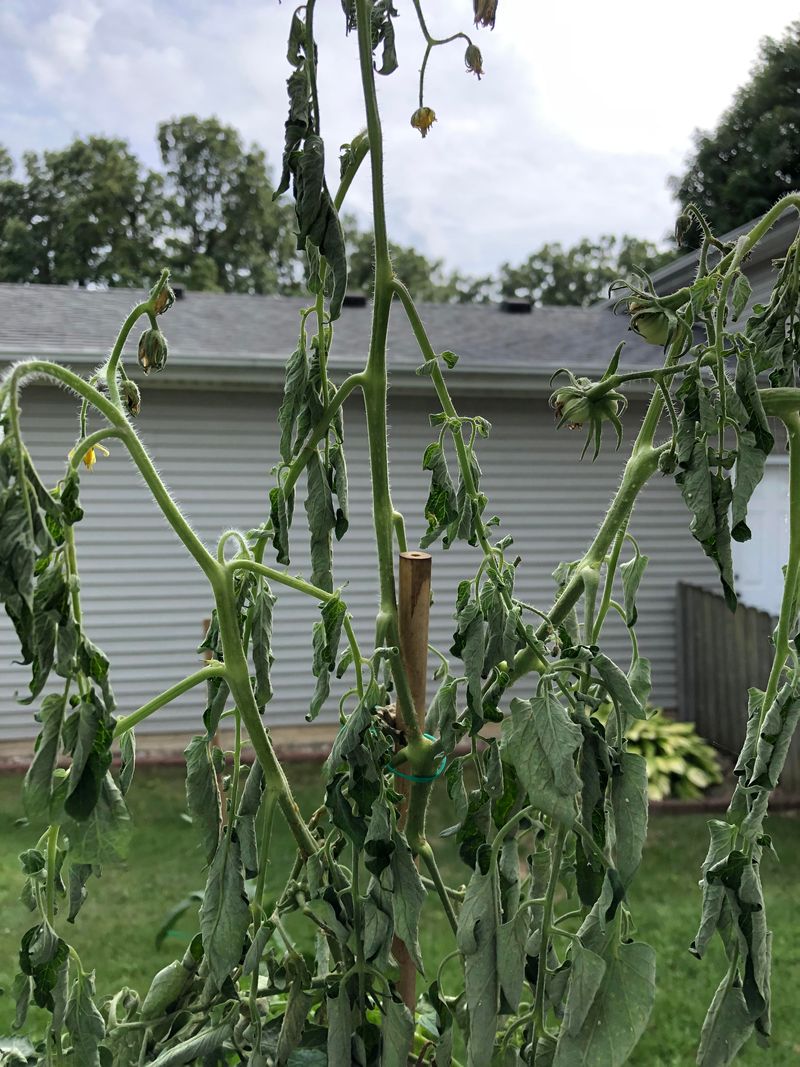
The ground beneath your feet is full of life, and not all of it is friendly. Soil-borne diseases are masters at hiding until it is almost too late.
Fusarium wilt and Verticillium wilt are two common culprits in Indiana vegetable gardens. Both are fungal diseases that live in the soil for years, waiting for a host plant to arrive.
Once a tomato plant is in the ground, these fungi invade through the roots. They travel up through the plant’s vascular system and block the flow of water and nutrients.
The tricky part is that the leaves do not always show spots or discoloration at first. The plant just starts to droop, and many gardeners assume it needs more water.
Watering more actually makes things worse. Extra moisture encourages fungal growth and can spread spores to nearby plants through splashing soil.
Crop rotation is one of the best defenses against these hidden invaders. Avoid planting tomatoes or other nightshade family crops in the same spot for at least three years.
Infected plant debris left in the garden over winter keeps the cycle going. Always remove and bag diseased plants rather than composting them.
Buying certified disease-resistant tomato varieties is a smart move for Indiana growers. Look for labels with the letters F, V, or N after the variety name.
Those letters stand for resistance to Fusarium, Verticillium, and nematodes. Choosing resistant varieties gives your garden a head start before a single seed hits the soil.
Prevention is far easier than treatment when soil-borne diseases are involved. A little planning now can prevent bigger problems later in the season.
Warning Signs You Shouldn’t Ignore
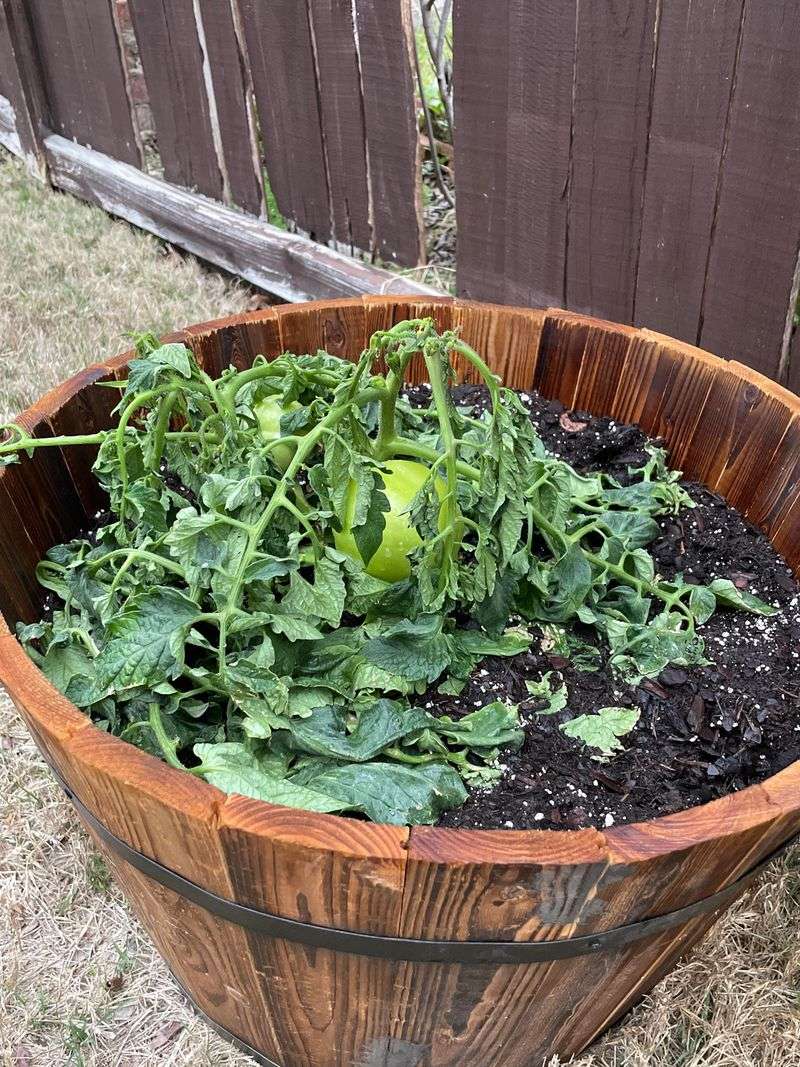
Your plants show early signs before problems become severe. Yellowing lower leaves that move upward over several days are a classic early warning. This pattern often signals a fungal infection working its way through the plant’s system.
Brown or dark streaking inside the stem is another red flag. Slice a stem lengthwise near the base and look for discoloration in the center tissue.
Healthy stems are creamy white or pale green inside. Dark brown or reddish streaking means something is blocking the vascular system, and it is not going to fix itself.
Wilting that starts on one side of the plant before spreading is typical of Fusarium wilt. It rarely affects the whole plant evenly in the early stages.
Slimy or mushy areas at the base of the stem suggest crown rot. This condition is caused by a different set of fungi that thrive in waterlogged soil.
Stunted new growth combined with overnight wilting points to possible root damage or nematode activity underground. Nematodes are tiny worm-like organisms that damage root systems.
Tiny, dark lesions on the stem near the soil line may indicate a pest issue. Cutworm damage often looks like a clean cut or a soft, collapsed section of stem.
Do not wait for multiple symptoms before taking action. One clear warning sign is enough reason to investigate further and make a plan.
Catching problems at this stage can improve your chances of saving the plant, depending on the cause. Delaying action can allow a manageable issue to spread further.
Testing Your Soil And Water Habits
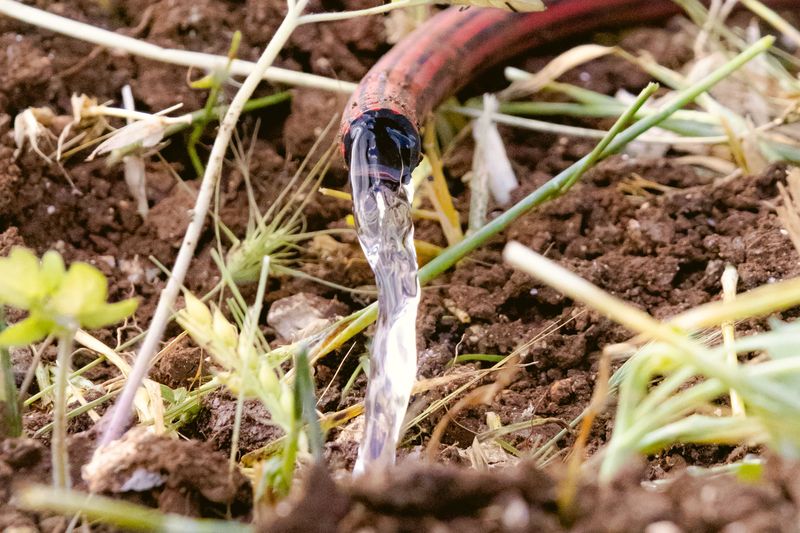
Before you change anything in your garden, get the facts. Guessing is how small problems become big ones.
A basic soil test from your local Purdue Extension office is affordable and tells you a lot. You will learn your soil’s pH, nutrient levels, and organic matter content all at once.
Tomatoes prefer a soil pH between 6.0 and 6.8. Outside that range, plants struggle to absorb nutrients even when the soil is full of them.
Indiana’s native soils tend to be clay-heavy and can hold water too long. That excess moisture around the roots creates the oxygen-deprived conditions that disease organisms thrive in.
Check how often and how deeply you are watering. Shallow, frequent watering encourages roots to stay near the surface where they are vulnerable to heat and disease.
Deep, infrequent watering pushes roots downward toward cooler, more stable soil. Aim to water slowly and thoroughly on a consistent schedule, adjusting for rainfall.
Water in the morning whenever possible. Evening watering leaves foliage wet overnight, which creates an ideal environment for fungal spores to germinate.
A drip irrigation system or soaker hose keeps moisture at the root zone. Keeping water off the leaves reduces fungal pressure significantly over a full growing season.
Soil compaction is worth checking too. Push a screwdriver into the ground near your plants and see how easily it penetrates six inches deep.
If it takes real effort, your roots are struggling too. Loosening compacted soil with compost or aeration can dramatically improve plant health almost immediately.
Steps To Save Or Replace Affected Plants
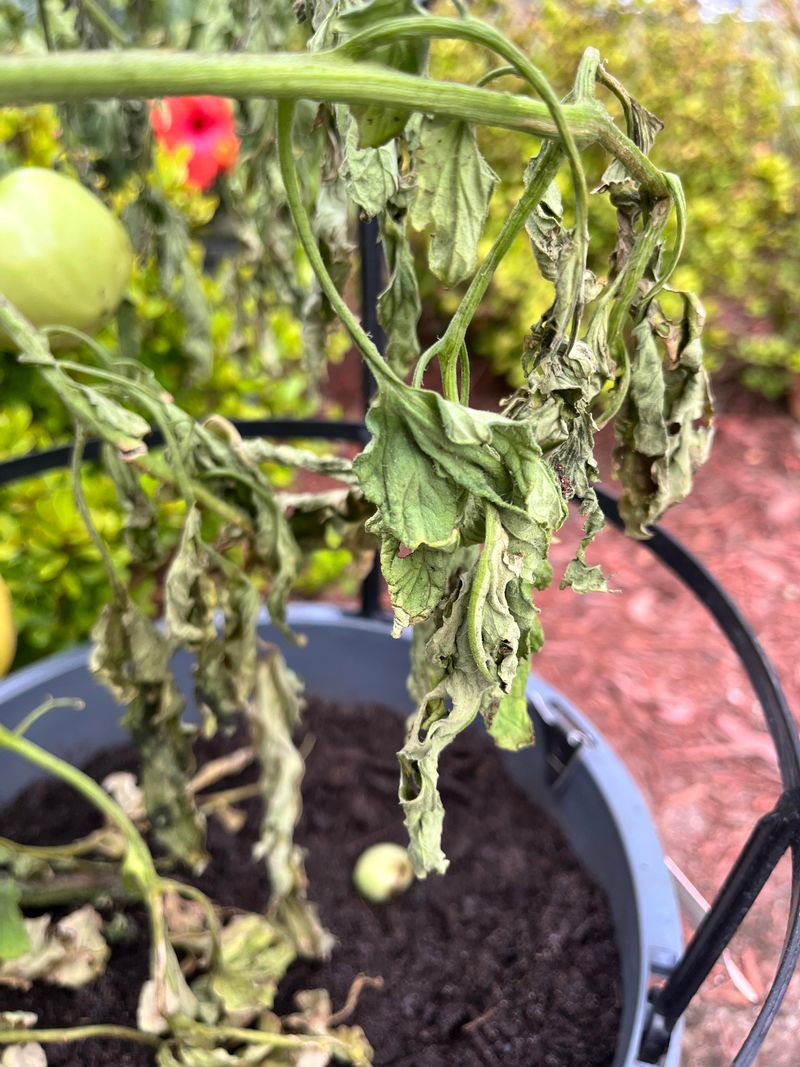
Finding out your tomato plants are sick is disappointing, but the season is not over yet. There are real steps you can take right now.
Start by removing any plant that shows clear signs of bacterial wilt or severe fungal infection. Leaving it in the ground puts every neighboring plant at risk.
Place removed plants in a sealed bag and put them in the trash. Do not toss them in the compost pile, because disease organisms survive the composting process.
Clean your pruning shears, stakes, and any tools that touched infected plants. A quick soak in a diluted bleach solution stops you from spreading problems to healthy areas.
For plants showing mild stress or early-stage issues, improve drainage around the base first. Adding a few inches of compost to the soil helps break up clay and boost beneficial microbes.
Applying a copper-based fungicide according to label directions can slow fungal spread. It works best as a preventive measure or at the very first sign of trouble.
If you need to replant, choose certified disease-resistant varieties suited to Indiana’s climate. Celebrity, Mountain Merit, and Defiant are disease-resistant varieties well suited to Midwest gardens.
Amend the planting hole with fresh compost before setting in new transplants. Healthy soil biology is your strongest long-term defense against wilting issues.
Mark which beds had problems this season and plan your crop rotation for next year now. Extra planning now will benefit your tomato plants next season.
A setback in the garden is just a lesson in disguise. Use what you learned this season to grow stronger, smarter, and more confident next year.