The Georgia Native Plant To Try Where Heavy Clay Stays Wet
That soggy patch where other plants struggle does not have to stay empty. Instead of fighting the conditions, you can choose a native plant that actually handles them well.
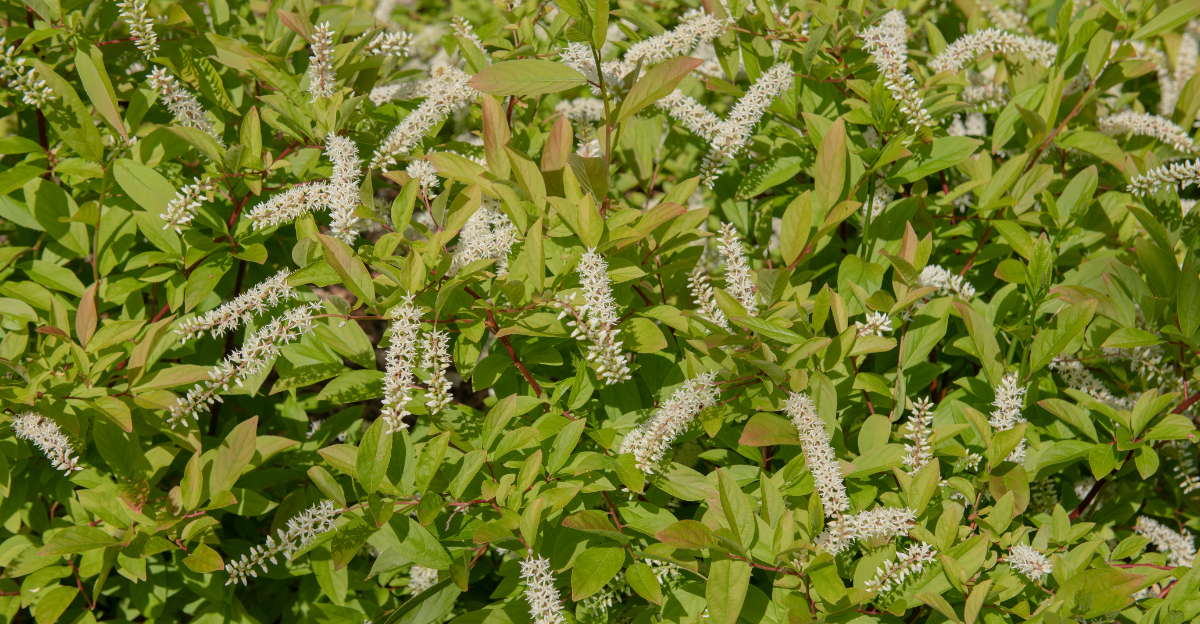
Georgia yards with heavy clay can hold moisture longer after rain. Virginia sweetspire is one native shrub worth considering for those damp areas where drainage stays slow.
Its ability to tolerate moist soil is only part of the appeal. The plant also brings fragrant flowers and attractive foliage that changes with the seasons.
Before planting, look at how long water remains in the area after a storm. Wet soil and constantly standing water are not exactly the same growing condition.
Give this shrub enough space to develop its natural shape.
The right plant can turn a difficult damp corner into a far more attractive garden feature.
1. Wet Clay Calls For A Plant That Can Handle Both
Most shrubs planted in heavy clay and constant moisture struggle within a season or two. Roots rot, stems weaken, and the plant never really takes hold.
Virginia Sweetspire is built differently.
Native to the southeastern United States, this shrub evolved in floodplain edges and stream banks where clay soils stay saturated for long stretches. It does not just tolerate wet conditions.
It is genuinely adapted to them.
Heavy clay creates two problems for most plants. Water sits on top and takes too long to drain.
Oxygen has a hard time reaching the root zone. Virginia Sweetspire handles both because its root system is naturally suited to low-oxygen, high-moisture environments.
Wet spots in home gardens are often treated as lost causes. Gardeners fill them with gravel, install drainage pipes, or just leave them bare.
A smarter move is matching the right plant to the conditions already there.
Virginia Sweetspire does not need amended soil or raised beds to perform well. Plant it where the water actually goes, and let it do what it naturally does.
Clay soil also holds nutrients well, which benefits this shrub over time.
Choosing a plant that fits your actual conditions saves effort and money. Virginia Sweetspire makes wet clay a starting point, not a setback.
2. Virginia Sweetspire Fits These Difficult Garden Spots
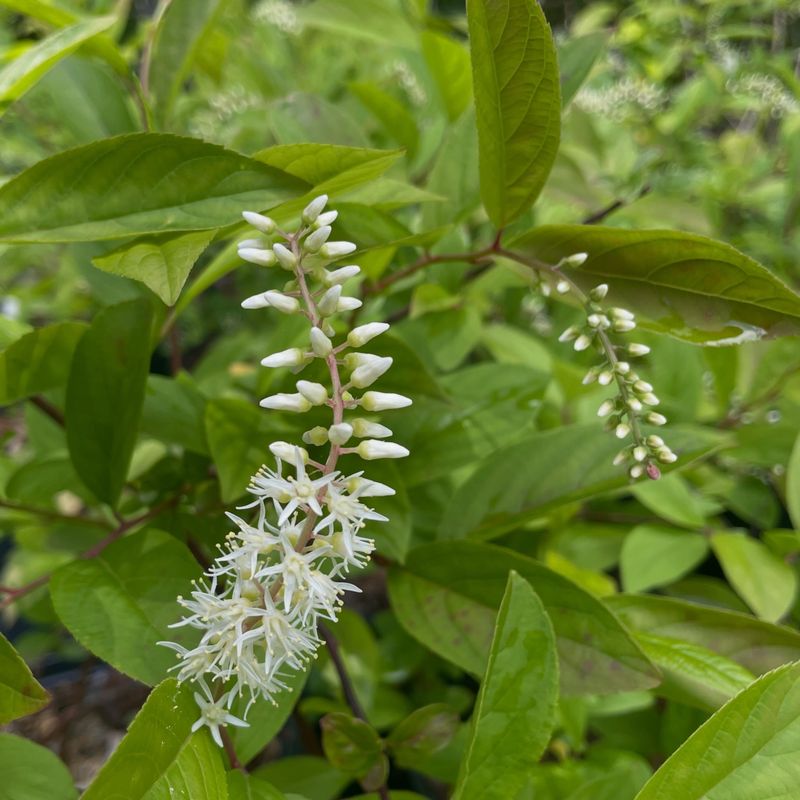
Wet corners, low-lying beds, and spots near downspouts often go unplanted for years. Nothing seems to work there.
Virginia Sweetspire fits those spaces better than most ornamental shrubs available at garden centers.
Itea virginica, its botanical name, is native to the eastern and southeastern United States. It grows naturally along stream edges, in woodland margins, and in low areas where water collects seasonally.
Those are the exact conditions that make other shrubs fail.
Mature plants typically reach three to five feet tall and spread to a similar width, though size can vary depending on soil richness and sunlight. Compact cultivars like “Henry’s Garnet” tend to stay on the smaller end and suit tighter garden spaces well.
Partial shade suits it fine, which helps in spots under trees where clay soil stays wet and little else grows. Full sun works too, as long as moisture stays consistent.
Your Georgia Garden Changes Every Week. Your Plan Should Too.
Gardening in Georgia changes quickly throughout the season. Every Friday you’ll receive a simple weekly plan showing exactly what to plant, prune, fertilize, harvest, and protect so you never miss the right timing.
Dry shade is the one condition it handles poorly.
Difficult garden spots do not have to stay empty or patchy. Matching a plant to actual site conditions, rather than forcing a plant to adapt, leads to better results with less ongoing effort.
Virginia Sweetspire fills those overlooked areas with structure, seasonal interest, and a root system that actually benefits from the wet clay it grows in.
3. Moist Ground Suits Its Natural Growing Habits
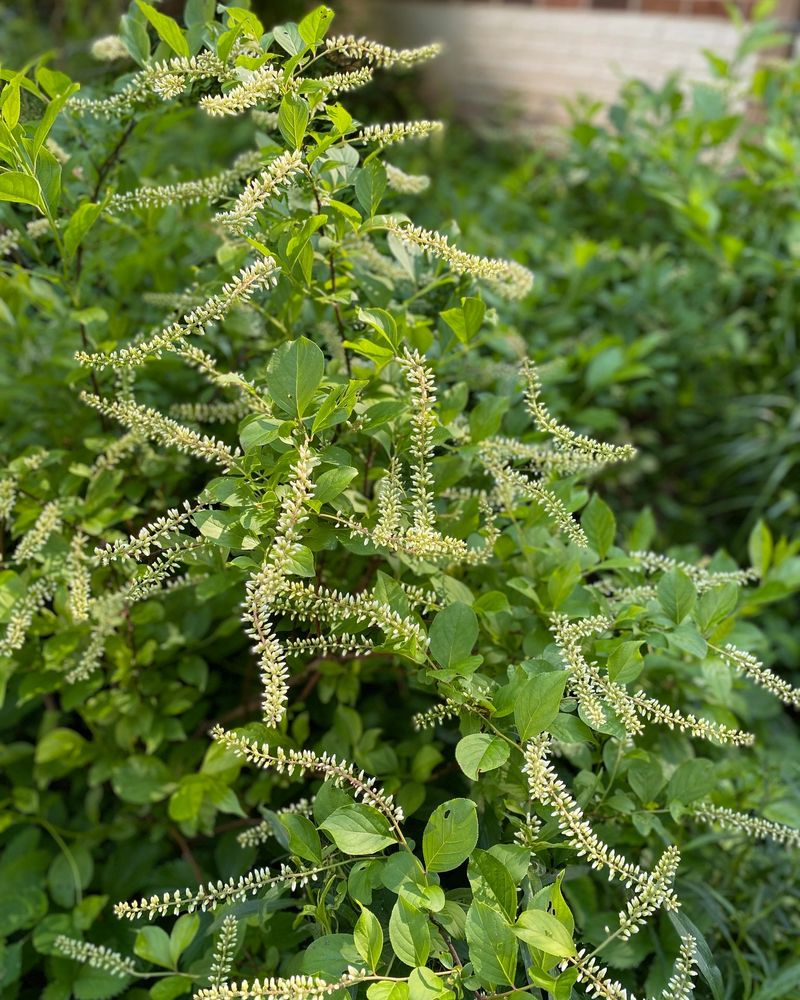
Wet ground is not a problem for Virginia Sweetspire. It is the environment this plant grew up in.
Understanding that shift in thinking changes how you approach planting it.
In the wild, this shrub grows along creek banks and in low woods where soil stays moist through much of the growing season. Seasonal flooding does not set it back significantly.
That natural toughness carries over into home gardens planted in similar conditions.
Moisture consistency matters more than constant saturation. Virginia Sweetspire prefers ground that stays reliably damp rather than soil that swings between flooding and drought.
Extended dry spells during summer can stress new plantings, especially in the first season.
Mulching around the base helps hold soil moisture between rain events. A two to three inch layer of shredded bark or wood chips keeps roots cooler and reduces surface evaporation without smothering the crown.
Established plants develop a deeper, more resilient root system that handles seasonal dry stretches better than young transplants. Getting through the first year with consistent moisture gives the shrub a strong foundation.
Soil pH in the moderately acidic range, around 5.5 to 6.5, suits it well. Georgia clay in many areas already falls within or near that range, which reduces the need for soil amendments in most situations.
4. Spreading Roots Can Form A Full Shrub Over Time
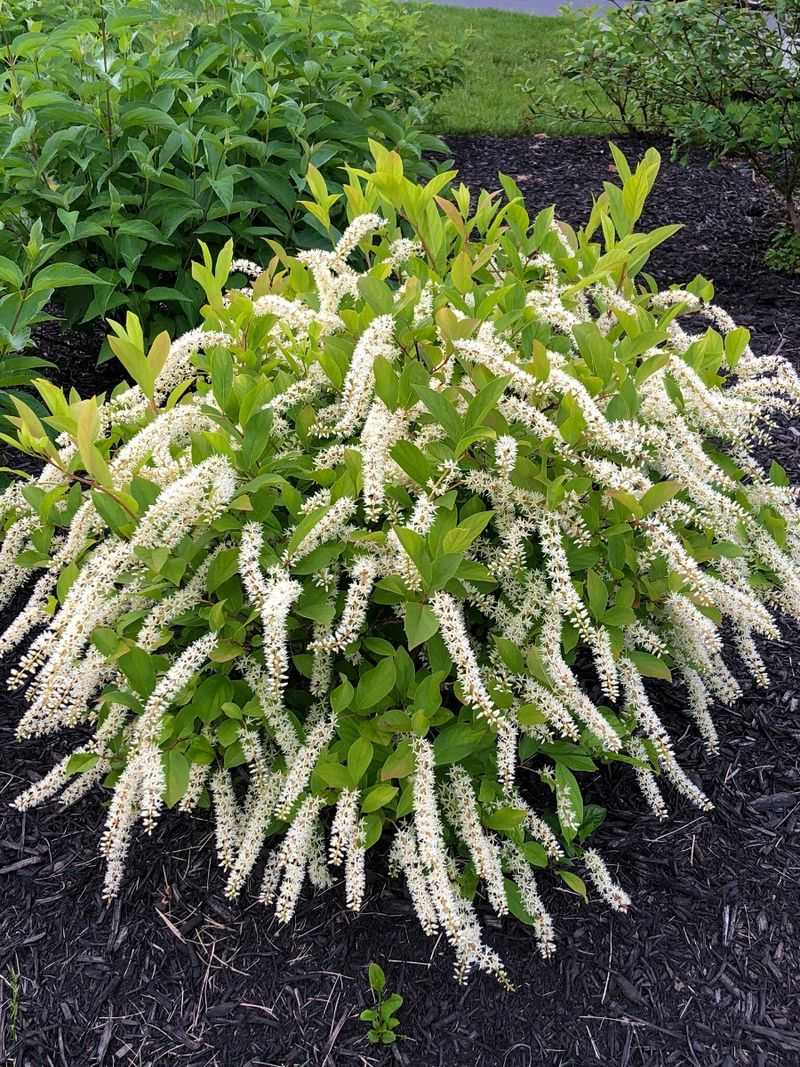
Virginia Sweetspire spreads slowly through underground stems called stolons. Over several years, a single plant fills in and forms a wider, denser clump.
That growth habit is actually useful in wet spots where you want solid coverage.
New shoots emerge from the base and around the outer edges of the plant. In open areas with good moisture, spreading can be noticeable over time.
In tighter spaces, light pruning after bloom keeps the size manageable without stressing the plant.
Arching branches give the shrub a relaxed, natural shape. Stems lean outward slightly rather than growing straight up, which creates a layered look that fits well in naturalistic garden designs.
Formal pruning into a tight shape generally works against its natural form.
Suckering growth can be removed if spreading becomes an issue. Cutting suckers at soil level in early spring before growth resumes keeps the plant contained without harming the main structure.
This works reasonably well for most gardeners managing smaller spaces.
Over several seasons, a well-placed Virginia Sweetspire becomes a dependable anchor plant in wet areas. Its spreading habit helps stabilize soil along slopes or low edges where erosion is a concern after heavy rain.
Patience matters with this shrub. Growth in the first year or two may seem slow, but once roots are established, the plant fills in steadily and holds its ground through Georgia summers.
5. Spring Flowers Add Interest To Damp Areas
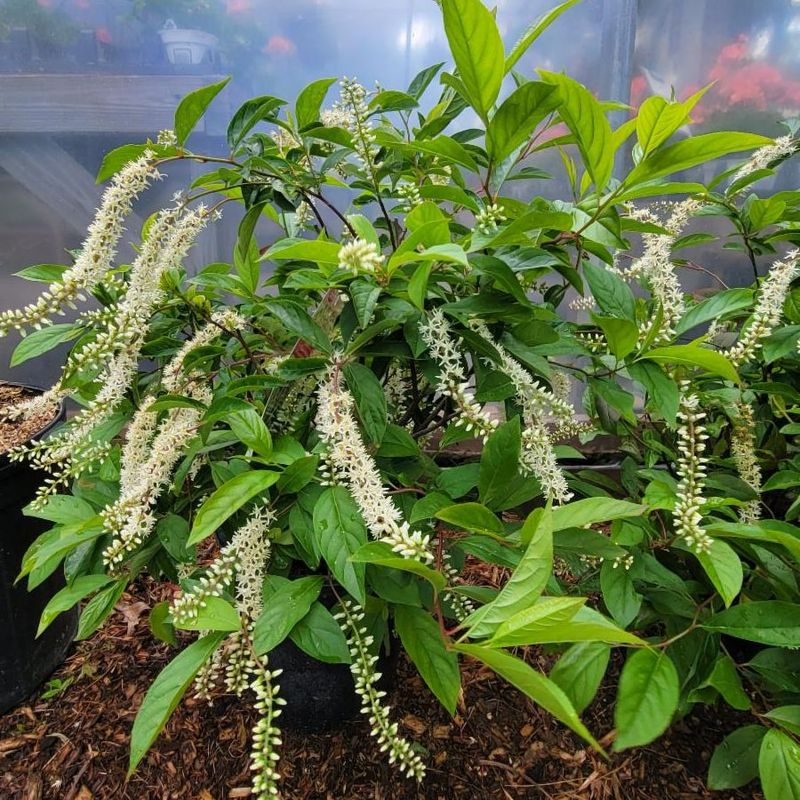
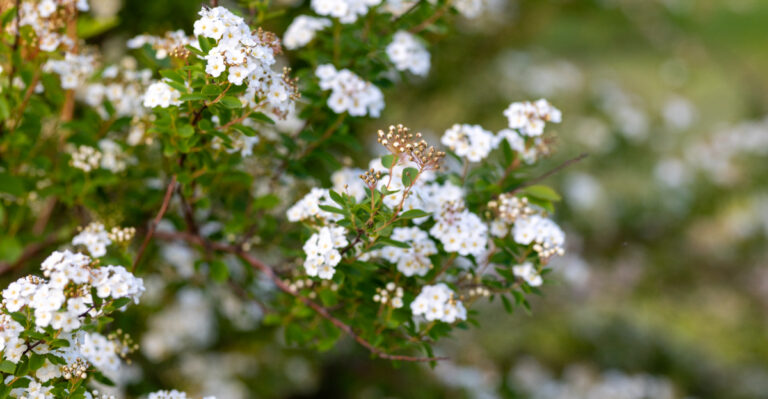
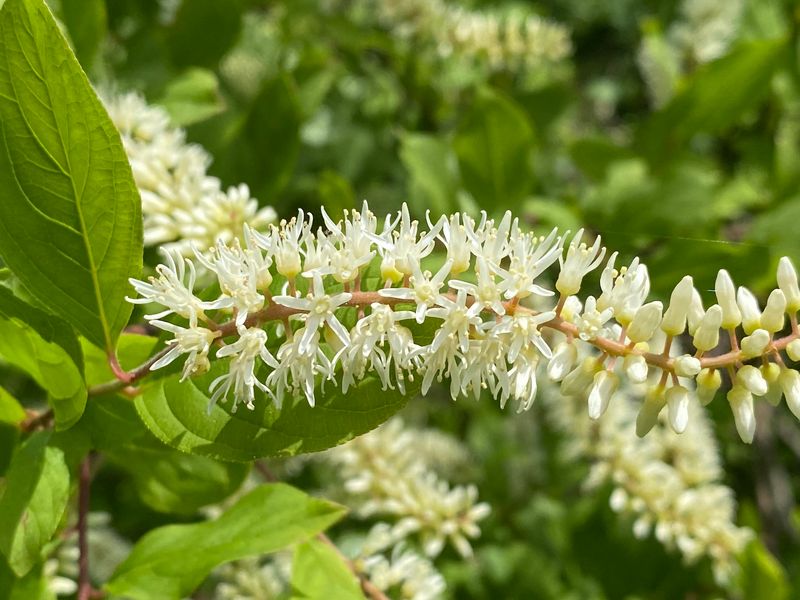
White flower spikes appear on Virginia Sweetspire in late spring to early summer, depending on location and weather. Each spike is slender and slightly curved, giving the plant a soft, airy look during bloom time.
Blooms typically last two to four weeks. The flowers carry a light, sweet fragrance that draws in native bees and other pollinators.
Planting near a patio or garden path puts that fragrance within easy reach during the season.
Flower spikes emerge at the tips of the previous year’s growth, so avoiding heavy pruning in late fall or early spring protects next season’s bloom.
Pruning right after flowering finishes gives the plant time to set new growth before the following bloom cycle.
Wet, low areas in Georgia gardens often lack visual interest in late spring when other flowering plants are winding down. Virginia Sweetspire fills that gap with reliable blooms that require no deadheading or special care to look good.
Pairing it with plants that bloom at different times extends seasonal interest in damp borders. Swamp rose, buttonbush, and native ferns all share similar moisture preferences and complement the sweetspire’s soft white blooms well.
Fragrance is easy to overlook when choosing plants for difficult spots. Virginia Sweetspire delivers both function and sensory appeal, making it more than just a practical solution for wet clay areas.
6. Fall Foliage Extends The Seasonal Display
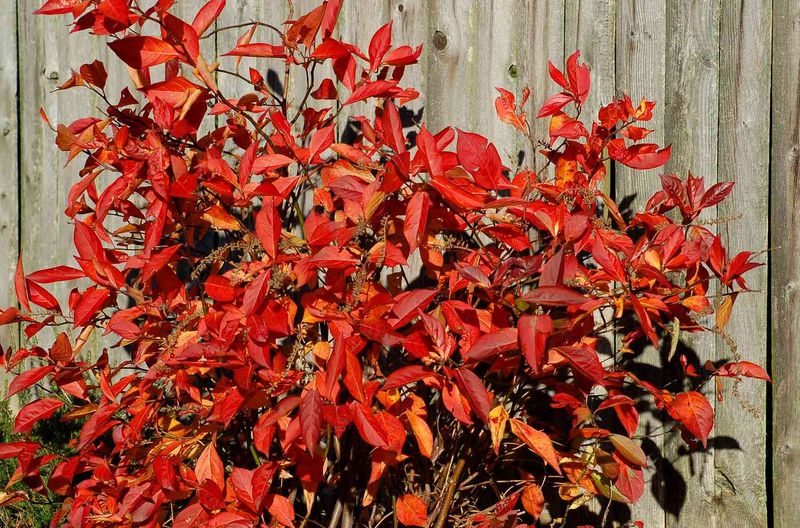
Few shrubs native to wet, shady spots put on a fall color show worth noticing. Virginia Sweetspire is one of the exceptions.
Leaves shift from green to shades of orange, red, and deep burgundy as temperatures cool in autumn.
Color intensity can vary depending on sun exposure, soil conditions, and the specific cultivar planted. Plants in more sunlight tend to develop richer reds.
Those in heavier shade may lean toward orange or yellow tones, which still add warmth to a fall garden.
Foliage often holds on the plant longer than many deciduous shrubs. Some years the leaves persist well into November before dropping.
That extended display adds weeks of color to spots that would otherwise go quiet after summer.
“Henry’s Garnet” is one of the most widely planted cultivars and is known for strong, reliable fall color. It stays compact enough for most residential gardens while still delivering the seasonal display the species is known for.
Fall color in wet, low areas of a yard is hard to create without choosing plants specifically suited to those conditions. Virginia Sweetspire solves that problem without requiring any special soil prep or seasonal treatments.
Leaves drop cleanly and break down quickly in moist soil, which reduces cleanup and adds organic matter back to the planting area. It is a low-effort plant that earns its keep across multiple seasons.
7. The Right Placement Helps It Settle In Successfully
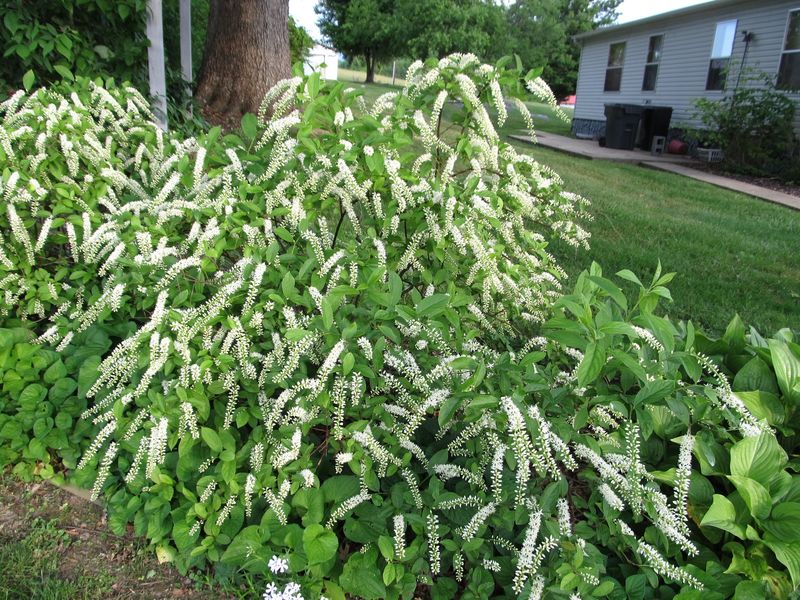
Placement makes a real difference with Virginia Sweetspire. Getting it into the right spot from the start reduces problems and speeds up establishment.
Putting it where the ground stays naturally moist is the most important step.
Avoid planting it on raised berms or in beds with fast-draining amended soil. Those conditions work against what this shrub is built for.
Low spots, rain garden edges, and areas near downspout drainage all suit it well.
Fall planting gives roots time to settle before summer heat arrives. Spring planting works too, but new transplants need consistent watering through their first warm season to get established.
Either timing can work depending on your schedule and local conditions.
Spacing matters when planting multiple shrubs. Allowing four to five feet between plants gives each one room to spread naturally without crowding.
Tighter spacing fills in faster but may require more pruning over time.
Fertilizing is rarely needed in clay soils, which hold nutrients well. Overfeeding with nitrogen can push excessive leafy growth at the expense of flowers and fall color.
Letting the soil do its job usually produces better results.
Virginia Sweetspire is a strong fit for Georgia gardeners dealing with spots that stay wet and heavy. Give it the right location, keep it watered through its first season, and it tends to settle in and perform well for years.