Signs Your Florida Turf Is Struggling With Chinch Bugs And How To Recover Naturally
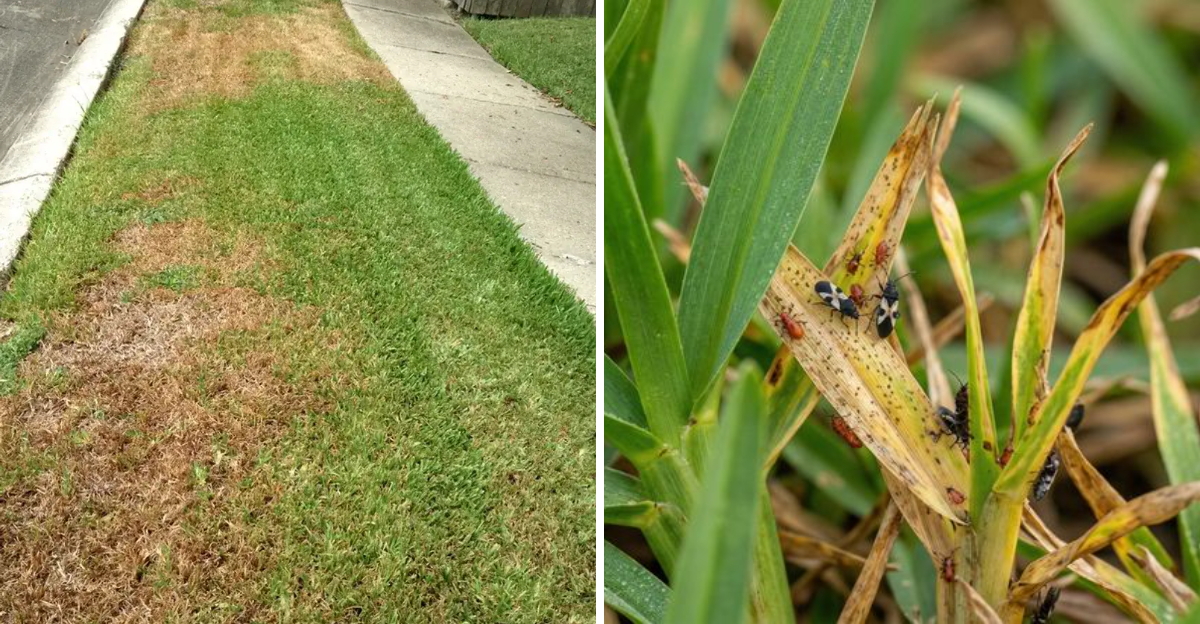
Florida lawns have a way of looking stressed in summer, and most homeowners assume drought, heat, or irrigation gaps are to blame when a patch starts fading.
That assumption is reasonable, and it is also exactly why southern chinch bug damage catches so many people off guard.
These insects are sneaky in the best possible way, producing feeding injury that looks almost identical to drought stress, disease, or nematode trouble, and by the time the real culprit gets identified, the damage has usually had weeks to spread.
St. Augustinegrass is their turf of choice here, and if that is what is growing in your yard, chinch bugs are worth knowing about.
Confirming the insects are actually present before reaching for any product is the most important first step, and smart cultural care can help reduce turf stress while you figure out the right approach.
1. Watch For Yellow, Brown, Or Burnt-Reddish Patches
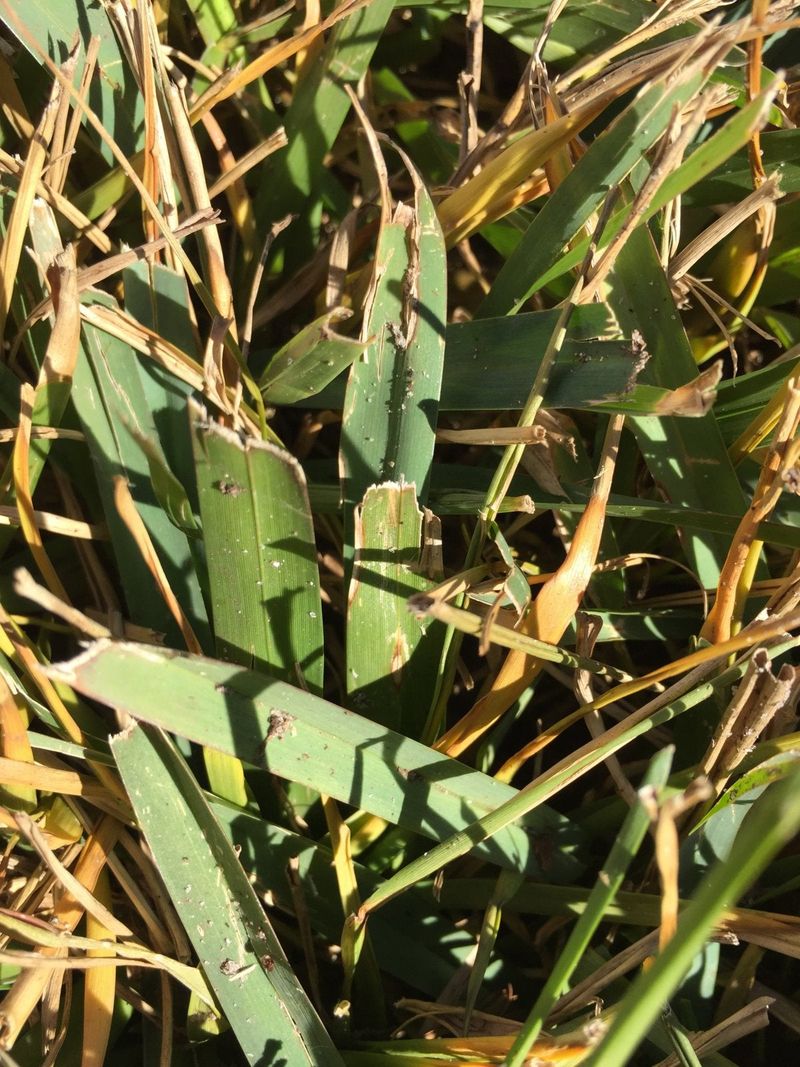
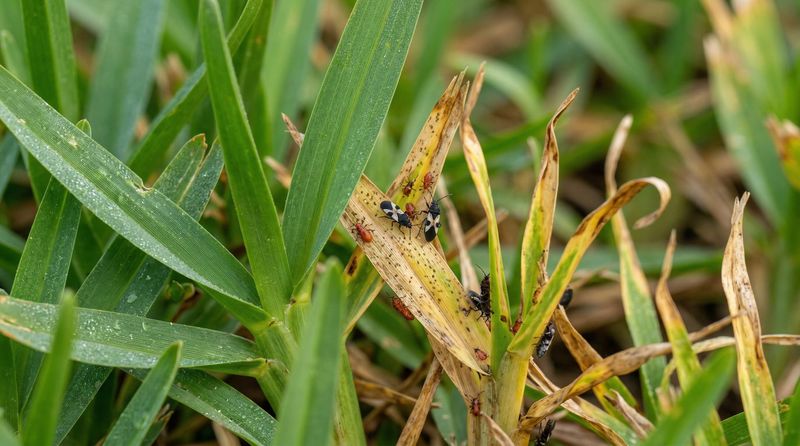
Color is usually the first thing that catches your eye. As southern chinch bugs feed on St. Augustinegrass, affected turf often turns yellowish, then browns out, and in some cases takes on a burnt-reddish cast as the injury progresses.
The feeding happens down at the base of the plant, where these small insects pierce the stems and stolons and remove plant fluids.
Grass in the middle of an injured area may look completely dried out and beyond recovery, while blades along the edges are just starting to lose their green color.
Here is the catch that trips up a lot of Florida homeowners. Yellow and brown grass is one of the least specific symptoms in the whole lawn world.
Drought stress, fungal disease, nematode damage, root rot, fertilizer burn, and even a shallow irrigation zone can produce discoloration that looks remarkably similar.
So treat a discolored patch as a signal to investigate, not as a verdict. Walk the area, feel whether the soil is dry or damp, and check whether nearby zones with the same watering schedule look healthier.
Pull gently on a handful of the browning grass. Turf lifting easily with rotted roots points toward a different problem, while grass that stays anchored but keeps declining is worth a closer insect inspection.
Making that distinction early can save you money and keep you from stressing your lawn with a response it did not need in the first place.
2. Look For Damaged Patches That Keep Expanding
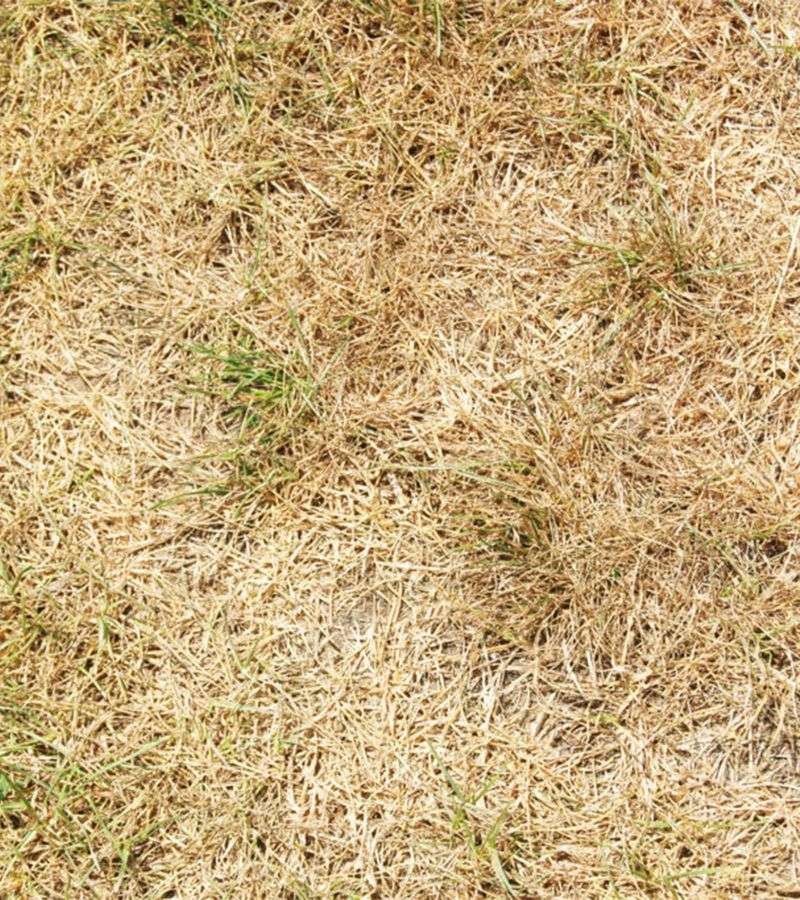
Growth is the giveaway. A dry spot from a broken sprinkler head tends to stay about the same size, but injury caused by southern chinch bugs often creeps outward week after week as the insects keep feeding and move into fresh grass nearby.
Chinch bugs cluster together rather than spreading evenly across a Florida yard. As the grass in one spot gives out, they shift to neighboring healthy turf, which is why the damaged area gradually enlarges around the edges.
Descriptions of these areas vary. Some appear roughly circular, others look irregular or blotchy, and a few merge together into larger declining zones.
Your Florida Garden Changes Every Week. Your Plan Should Too.
Gardening in Florida changes quickly throughout the season. Every Friday you’ll receive a simple weekly plan showing exactly what to plant, prune, fertilize, harvest, and protect so you never miss the right timing.
Do not get stuck waiting for one textbook shape to appear before you take the problem seriously.
A simple trick helps here. Take a phone photo of the patch from the same standing spot every few days, using a sidewalk edge, fence post, or planting bed as a reference point.
Comparing those pictures over a week or two shows expansion far better than memory does. If the boundary is clearly pushing outward while the rest of the lawn stays green, that pattern deserves an insect check.
Keep in mind that some diseases also spread outward, so expansion alone does not confirm anything. Pair what you see with a hands-on inspection at the border of the damage, and you will be working from evidence instead of guesswork.
3. Check Sunny And Water-Stressed Areas First
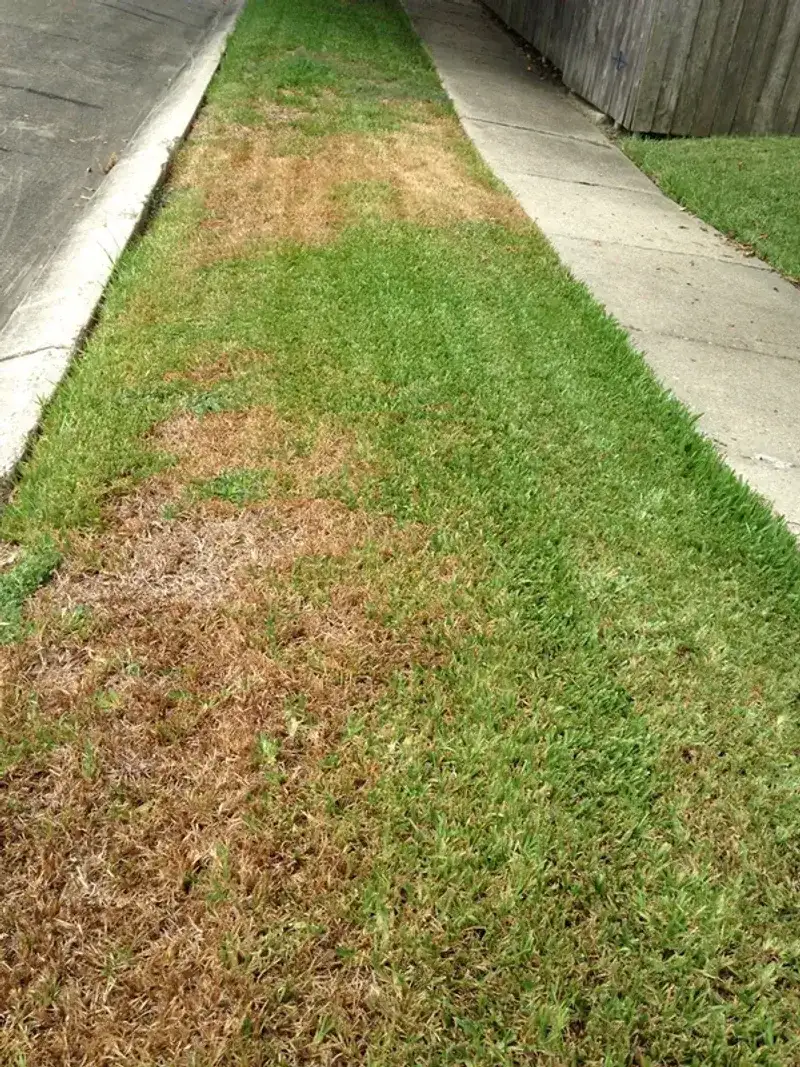
Start your search where the sun hits hardest. Southern chinch bug injury in Florida is commonly noticed in open, sunny stretches of St. Augustinegrass and in spots already dealing with moisture stress.
Turf along sidewalks, driveways, curbs, and south-facing house walls tends to run hotter and dry out faster than the rest of the yard. Reflected heat from concrete and pavement adds to the load, and grass growing there is often the first to show trouble.
Soil matters too. Plenty of Florida properties have high, sandy, or shell-based ground that drains quickly and holds very little water, creating stressful growing conditions long before an insect ever shows up.
Slopes and mounded areas behave the same way. Water runs off or moves down through the profile fast, leaving the crown of the hill thirsty while the low spots stay comfortable.
That said, do not assume these insects stay politely in the hot zones. Damage can turn up in other parts of a lawn as well, so sunny and dry areas are simply the smartest place to begin looking, not the only place worth checking.
While you are out there, note whether sprinkler heads reach those hot edges properly. Chronic dry corners near pavement often trace back to blocked or misaimed heads, and fixing coverage removes one layer of stress your grass has been carrying all season.
4. Confirm Chinch Bugs At The Edge Of The Damage
Get down on your hands and knees before you decide anything.
The most useful place to inspect is the border between browning grass and the greener turf beside it, because active insects tend to be feeding right there rather than in the most severely damaged center.
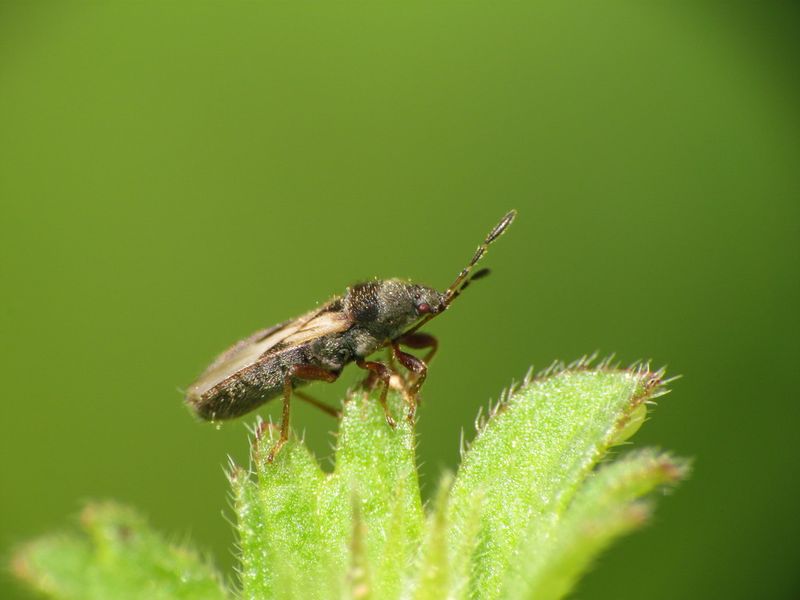
Part the grass with your fingers and look at the soil line and the runners. Adult southern chinch bugs are small, roughly a fifth of an inch long, black with whitish wings that often show a dark marking.
Young nymphs look different. They are much smaller, reddish or orange with a pale band across the back, and they darken as they mature through their growth stages.
For a better count, try flotation sampling. Push a coffee can or metal cylinder with both ends removed a few inches into the turf at the damage edge, fill it with water, keep it topped off for several minutes, and watch for bugs floating up.
A handheld vacuum run over the grass at the margin is another practical way to collect samples for a closer look.
Repeat the check in two or three spots around the patch. Finding a few insects in one sample means more than a single glance ever could.
Skipping this step and treating a brown area in your Florida yard on appearance alone often wastes time and money, and it may leave the real problem untouched while the lawn keeps declining.
5. Correct Irrigation Problems Without Keeping Turf Constantly Wet
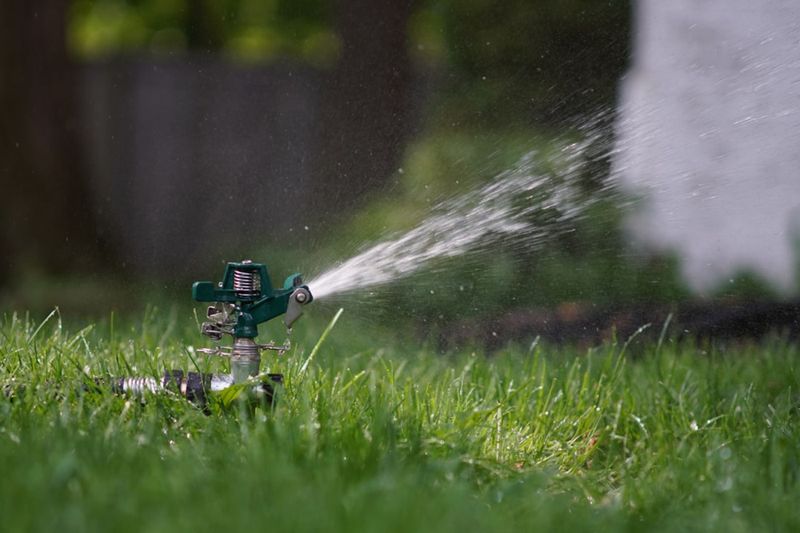
Uneven watering quietly sets the stage for trouble. Turf under moisture stress can be more vulnerable to chinch bug injury, and patchy sprinkler coverage leaves dry pockets where grass struggles while the rest of the yard looks fine.
Run a quick catch-can test to see what is really happening. Set several straight-sided containers around a zone, run it for a set time, then compare how much water collected in each one.
Big differences between containers point to clogged nozzles, blocked heads, tilted risers, or pressure problems worth fixing before you blame anything else.
Timing counts as much as coverage. Watering when grass shows actual signs of needing it works better than short, frequent sprinklings that only wet the surface.
Look for folded or wilting blades, a bluish-gray tint, and footprints that stay visible after you walk across the lawn. Those clues tell you the grass is ready for a deeper soak that reaches the root zone.
Soaking the yard daily is not the answer either. Constantly wet turf can encourage disease, shallow roots, and thatch buildup, and it can conflict with local Florida watering restrictions that many counties and water management districts enforce.
Aim for a balanced approach: fix the dry spots, water thoroughly but less often, and shut the system off after good rainfall. Healthier roots can help grass tolerate feeding pressure while you sort out the rest of your plan.
6. Mow St. Augustinegrass At The Recommended Height
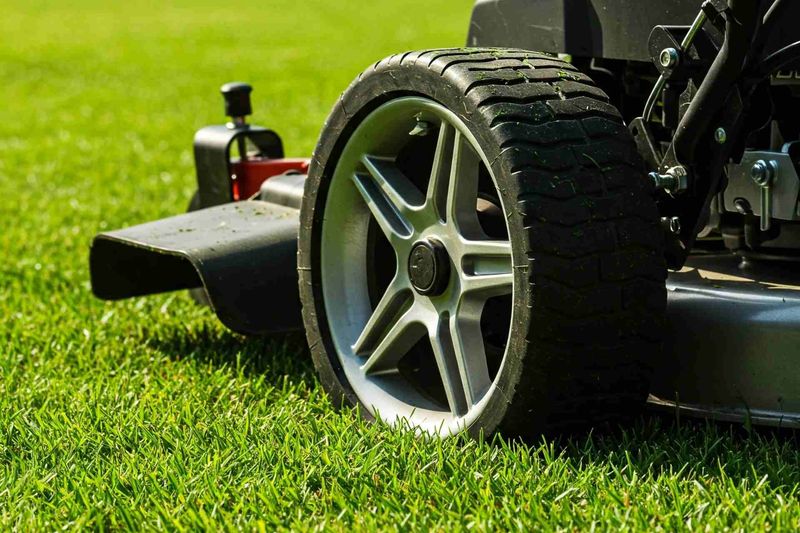
Scalping a Florida lawn is one of the fastest ways to weaken it. St. Augustinegrass grows best when it is kept tall, and cutting it too short strips away leaf area the plant needs to make food and shade its own root zone.
Standard cultivars generally do well at roughly three and a half to four inches. Dwarf types are usually maintained lower, around two and a half inches, so know which grass you actually have before setting the deck.
Stick to the one-third rule. Removing more than about a third of the leaf blade in a single pass shocks the plant and can leave it thin, pale, and slower to recover from any kind of stress.
That means mowing more often during the warm, rainy months when growth takes off, and easing back when the grass slows down.
Blade condition matters more than most people think. A dull mower tears the leaf tips instead of slicing them, leaving ragged, frayed ends that brown out and give the whole lawn a washed-out look.
Sharpening a couple of times per season makes a visible difference.
Taller grass with a deeper root system can better tolerate the heat and dry spells common across Florida.
Mowing correctly will not remove chinch bugs from your yard, but it reduces the stress load your turf is carrying, and less-stressed grass has a better chance of recovering.
7. Reduce Excess Nitrogen And Manage Heavy Thatch
More fertilizer is not the fix people hope it will be. Heavy nitrogen pushes soft, fast, lush growth in St. Augustinegrass, and that kind of tender tissue has been linked with greater susceptibility to southern chinch bug problems.
Follow the label rates, spread applications out over the season, and pay attention to your local rules.
Many Florida counties and cities have fertilizer ordinances that restrict nitrogen use during the summer rainy months, and those dates are worth checking before you buy a bag.
Overfeeding paired with overwatering also builds thatch. Thatch is the spongy layer of stems, runners, and partly broken-down material sitting between the green blades and the soil surface.
A thin layer is normal and even useful. Once it gets thick, though, it can hold moisture at the surface, keep water and nutrients from reaching roots, and provide sheltered habitat where chinch bugs settle in comfortably.
Check yours by slicing out a small wedge of turf with a trowel and measuring the brown spongy band. If it is running well over half an inch, easing back on nitrogen and irrigation is the sensible starting point.
Aggressive dethatching of St. Augustinegrass can injure the runners, so it is not something to do casually or on healthy turf.
Feeding a damaged lawn heavily to force a green-up tends to backfire and may make conditions more favorable for the insects you are trying to discourage.
8. Protect Beneficial Predators As Part Of Your Management Plan
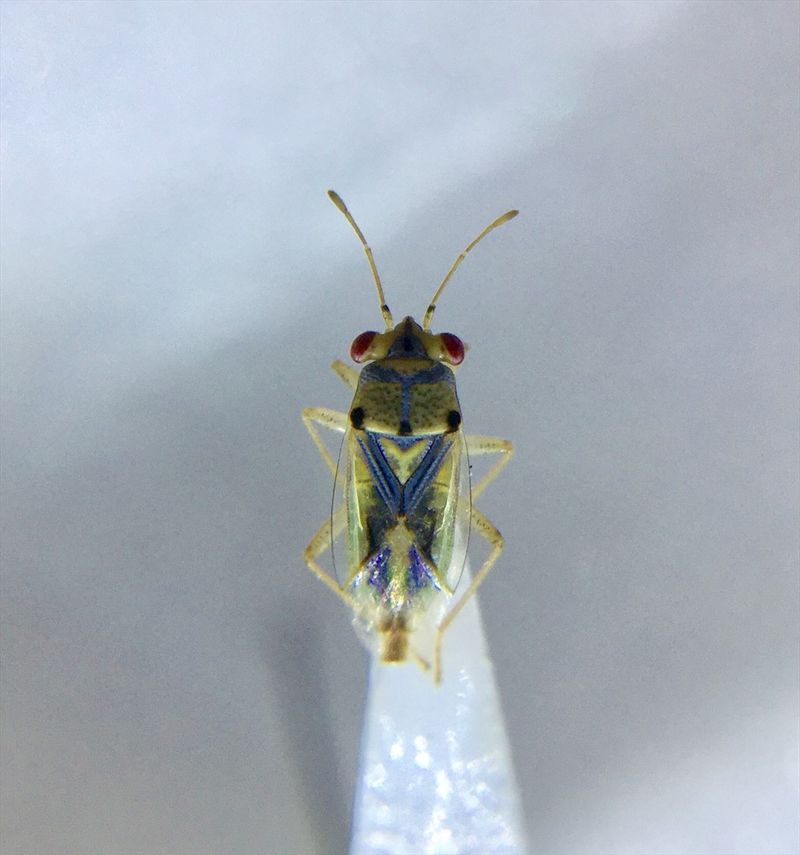
Your lawn already has help working the night shift. Big-eyed bugs, tiny predatory wasps, spiders, ants, earwigs, and other natural enemies feed on southern chinch bugs and quietly keep some populations in check.
Big-eyed bugs deserve special attention because they resemble chinch bugs at a glance. Look closely and you will notice their wide, bulging eyes and broader, stockier body, and knowing the difference keeps you from panicking over a beneficial insect.
Blanket pesticide sprays across an entire yard can knock out these helpers along with the pests. When predators disappear, pest numbers can rebound with less resistance than before, which is why routine calendar spraying is not a smart maintenance habit.
Supporting beneficials is fairly simple. Flowering plants and shrubs in nearby beds provide shelter and food sources, and skipping unnecessary treatments lets those populations build up over time.
Being realistic matters here too. Predators can contribute to natural control, but they may not be enough on their own once a heavy infestation is actively tearing up a section of St. Augustinegrass.
Think of it as one piece of a larger integrated approach that also includes accurate identification, sensible watering, correct mowing, and moderate fertilizing.
When damage has been confirmed and keeps spreading despite good cultural care, targeted treatment of the affected area may be appropriate, and your county Extension office can point you toward current, Florida-specific recommendations.