What To Check In Your Georgia Yard After This Week’s Thunderstorms
Georgia can rearrange a yard in twenty noisy minutes.
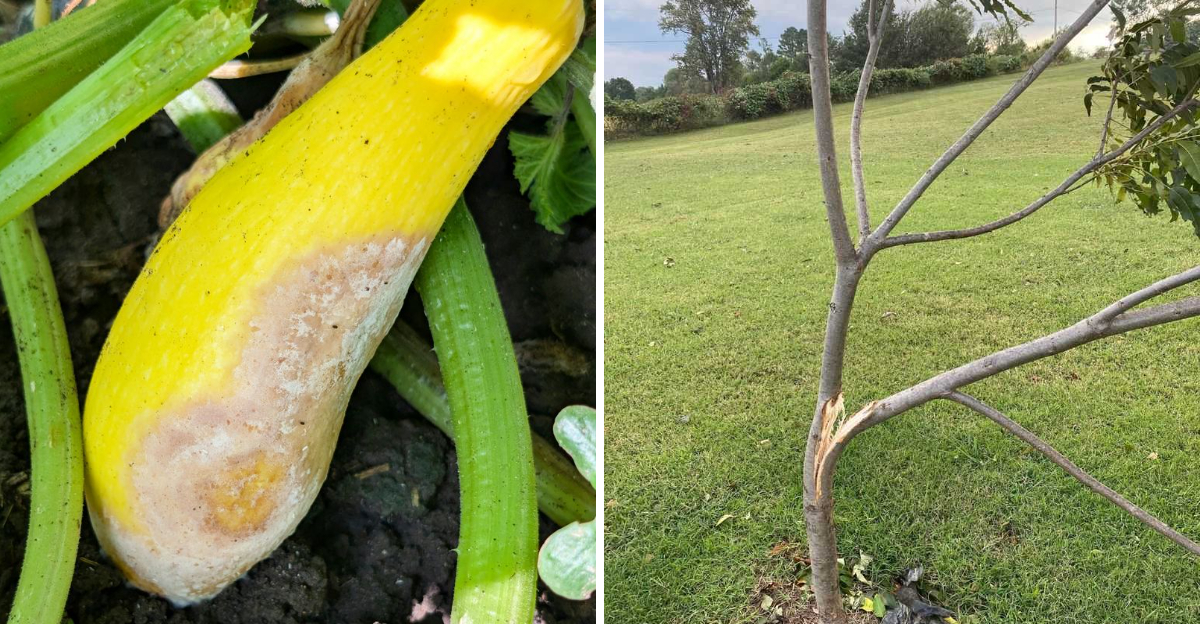
One thunderstorm rolls through. The porch pots fill to the rim. Tomato vines sag under split fruit. A young tree that stood straight at lunch suddenly leans toward the driveway.
Then the clouds move on, and everything looks calm again.
That quiet is when the useful work starts.
Parts of Georgia still face thunderstorm chances this week, with some storms capable of strong wind, frequent lightning, and locally heavy rain.
The damage afterward may be obvious, but the sneakiest problems often sit at soil level or hide above your head.
So where should your first walk through the yard begin?
Not every drooping plant needs water. Not every broken stem deserves a rescue attempt. And one flooded saucer can cause more trouble than a pile of fallen leaves.
Grab your shoes, wait for lightning to clear the area, and start with the spots where storm damage can turn expensive fastest before tomorrow afternoon arrives in the heat and humidity that follow.
1. Check Tomatoes For Cracks And Saturated Roots
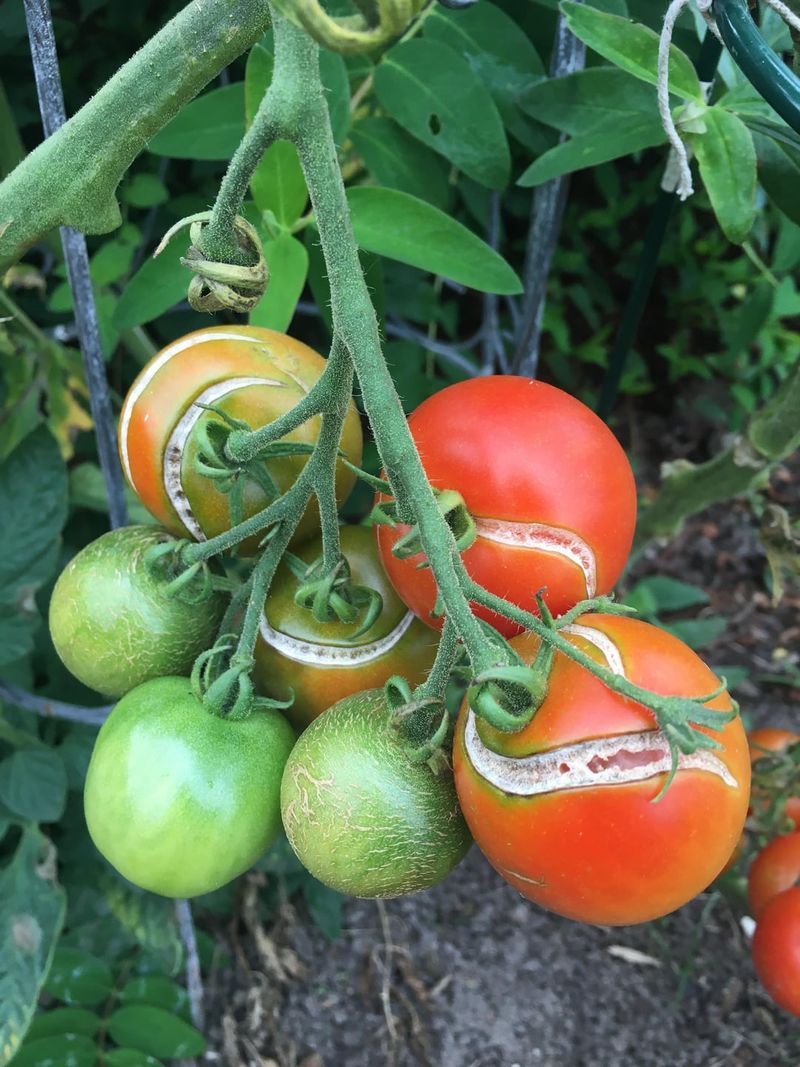
A cracked tomato after a hard rain tells you the fruit took up water faster than its skin could stretch.
That is common after dry soil gets a sudden soak. Uneven moisture is a major cause of cracks in tomatoes, so a thunderstorm can expose the problem fast.
Start with the fruit itself.
Pick tomatoes with deep splits or open cracks before insects, microbes, or another storm make the damage worse.
Fruit with shallow surface cracks may still be usable after a careful inspection, but anything soft, wet with juice, or marked by a foul odor belongs in the discard pile.
Then check the root zone.
Do not dig or churn wet soil around the plant. Saturated soil compacts easily, and tomato roots still need oxygen.
Skip irrigation until the soil actually begins to dry. A rain gauge can help you see how much water the storm already supplied.
Pull mulch back only when it has piled against the stem or formed a dense, soggy layer. Otherwise, a normal mulch layer can help soften the next swing from wet soil back to summer heat.
Watch the plant over the next few mornings rather than judge it during a hot afternoon.
A tomato can look dramatic after a storm and still recover well.
The split fruit needs quick attention.
The wet roots need something much harder for gardeners to give them: a little peace.
2. Inspect Peppers For Split Or Leaning Branches
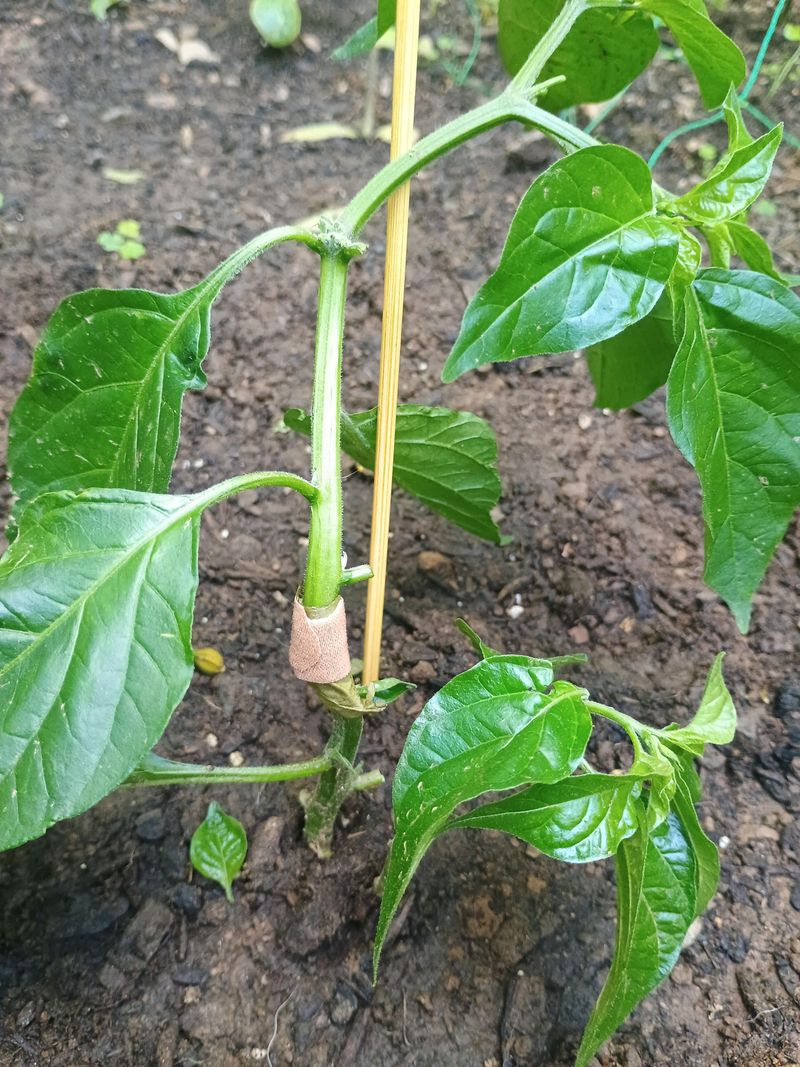
Pepper branches can look fine from the kitchen window and still hide a split where fruit weight met a strong gust.
Walk around the plant slowly before you touch anything.
A stem that only bent may need support, not removal. Use a stake and a soft tie, then secure the branch loosely in a natural position. Do not force a sharp bend back into a perfect line. That can turn a partial injury into a full break.
Remove stems that snapped through or hang by a narrow strip of tissue.
Your Georgia Garden Changes Every Week. Your Plan Should Too.
Gardening in Georgia changes quickly throughout the season. Every Friday you’ll receive a simple weekly plan showing exactly what to plant, prune, fertilize, harvest, and protect so you never miss the right timing.
Use clean pruners and make a tidy cut back to healthy growth. Keep the rest of the canopy intact so the plant does not lose more leaf area than necessary.
Next, look at the base.
Wet soil can let a loaded pepper plant lean, but avoid firm pressure with your boot around saturated roots.
Compaction creates another problem when the soil already has too little air. Add a stake for temporary support and let the ground dry before any major soil work.
Over the next several days, watch for dark lesions near the crown, sudden wilt, or decline that does not improve as the bed dries. Excess moisture and poor drainage can favor root and crown diseases.
One storm can leave peppers as though the wind won the first round.
A soft tie, one clean cut, and restraint usually make a better referee than a frantic rush with pruners.
3. Look Under Squash For Wet Fruit Trouble
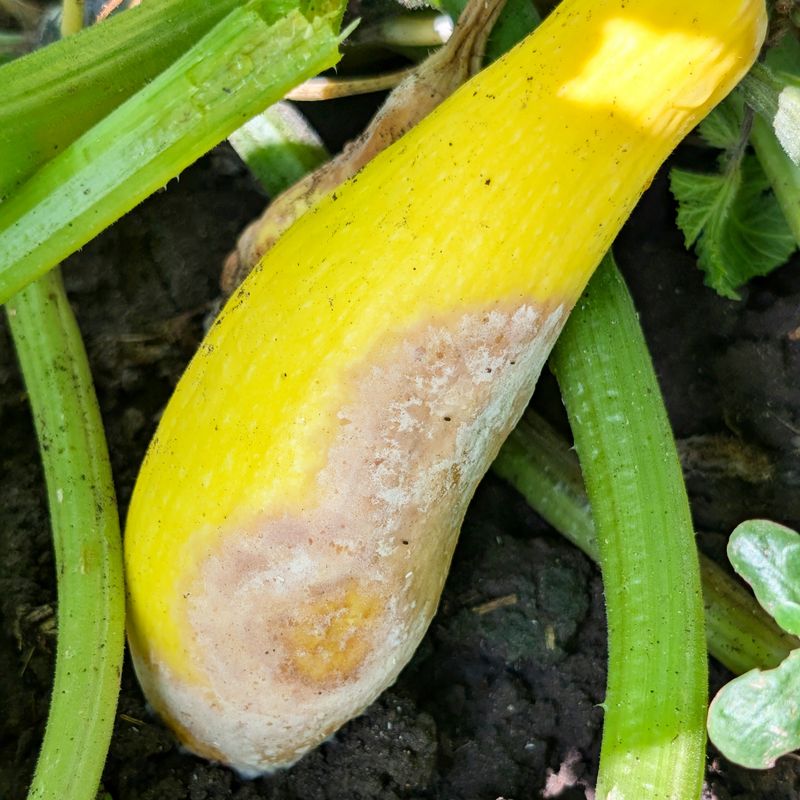
A squash that spent the storm pressed against wet soil deserves a quick inspection once the leaves dry.
Slide a hand beneath each fruit and check the side that touched the ground.
Soft spots, dark sunken areas, cracked skin, or a sour odor can signal that the fruit has begun to break down. Remove badly damaged fruit so the plant can put resources toward healthy squash instead.
Firm fruit can stay.
Place a small board, tile, or other clean support beneath it to keep the skin off muddy soil. That little lift improves air movement and keeps the next splash of rain from another coat of mud on the same spot.
Then look at the foliage without entering the patch while it is wet.
Work among wet vegetable leaves can move disease organisms from one plant to another, so let the canopy dry before you remove damaged leaves or inspect suspicious spots closely.
Do not strip the plant for extra airflow after one storm.
Take only leaves that are badly damaged or clearly diseased. Squash still needs a healthy canopy to support fruit.
Extended wet conditions can favor root problems and several cucurbit diseases, so keep irrigation off until the soil needs it again.
Your squash does not need a spa day after a thunderstorm.
It needs dry feet, clean fruit, and fewer muddy hugs from the garden bed.
4. Check Cucumbers For Storm Damaged Vines
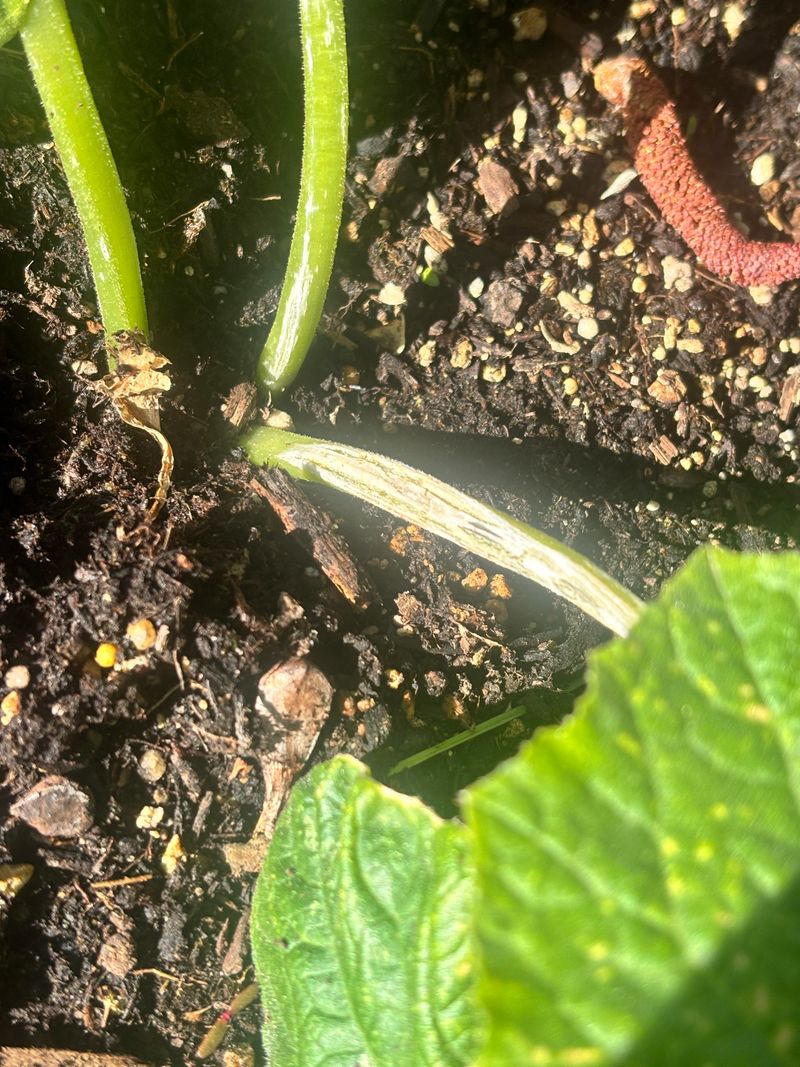
A cucumber trellis may tell the storm story before the vines do.
Start with the support.
A frame that leans or twists keeps fresh pressure on every stem attached to it. Brace or straighten the structure first, then deal with loose vines after the foliage dries.
Wet cucumber stems can be tender.
Use soft clips or cloth ties to place an intact vine back near the trellis without a hard bend. A stem that snapped completely should come off with clean pruners at a sensible point near healthy growth.
Leave minor scrapes alone.
Extra cuts create more wounds, and a storm already gave the plant enough repair work.
Next, inspect leaves for spots, torn sections, and sudden yellow patches. Do that after the canopy dries because work among wet foliage can move disease organisms from one plant to another.
Skip a major trim just to make the vine look tidy.
Cucumbers need healthy leaves to keep fruit development on track. Remove only tissue that has severe storm damage or clear disease symptoms.
Check fallen fruit too. Firm, clean cucumbers may still be usable after a wash and inspection. Soft or badly bruised fruit should leave the bed.
Wet and humid conditions can also favor common cucurbit diseases, so keep a closer eye on leaves over the next several days.
The trellis does not need to look perfect by sunset.
Get the structure steady, give the vines gentle support, and let tomorrow handle the cosmetic repairs.
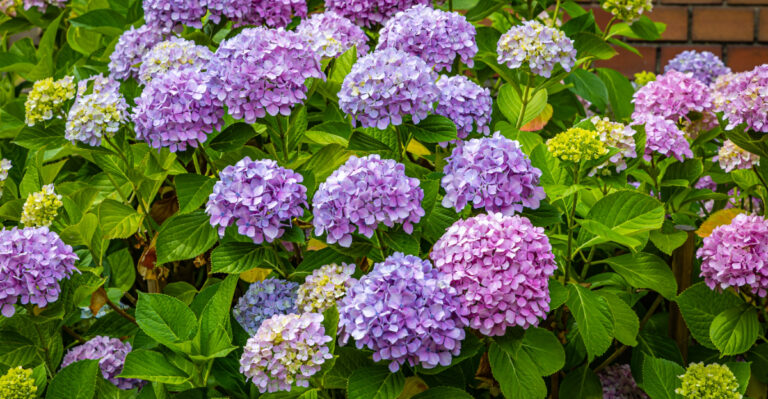
5. Inspect Hydrangeas For Waterlogged Soil
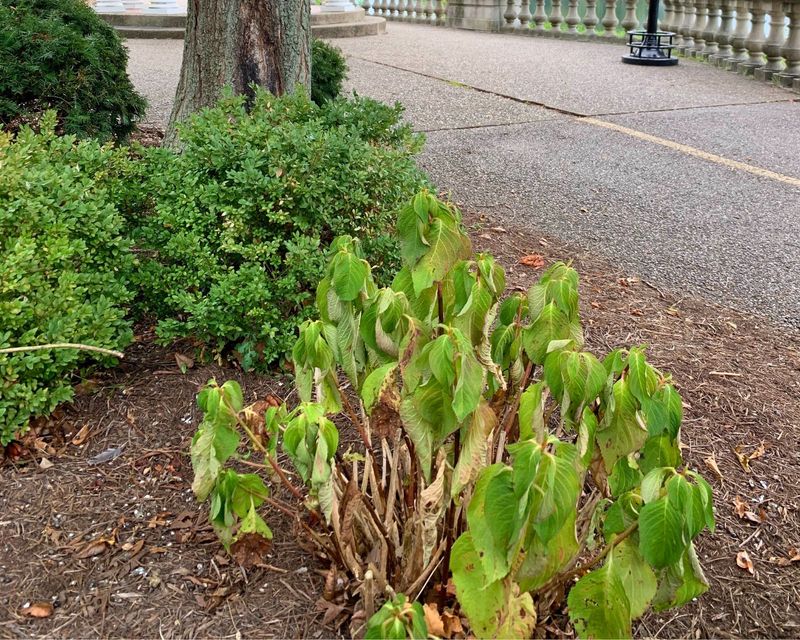
Rain-heavy hydrangea blooms can pull stems toward the ground and make a healthy shrub look suddenly miserable.
Do not answer that droop with the hose.
Give the flowers time to shed water, then check the plant again. Many stems rise as the blooms dry and lose some of that extra weight.
The soil deserves more attention than the flowers.
Georgia clay can hold water for a long time, especially in low spots or beds that collect roof and driveway runoff. Roots need oxygen, and prolonged saturation can lead to decline even while the surface still looks soaked.
Push mulch back from the crown when it has washed into a thick mound around the stems. Keep a normal layer over the wider root zone, but leave the base clear.
Do not dig through wet clay.
A shovel can smear and compact saturated soil rather than improve it. Save drainage corrections for a drier day. Later, check the grade, downspouts, and nearby hardscape to see where excess storm water travels.
Persistent yellow leaves, a soft crown, or repeated puddles after every storm deserve a closer look.
One soggy afternoon does not automatically mean a hydrangea in decline.
The shrub may simply hold a bouquet that gained several pounds in the rain.
Let the blooms dry first.
Then let the soil show where the real problem sits below them.
6. Check Young Trees For Leaning Roots
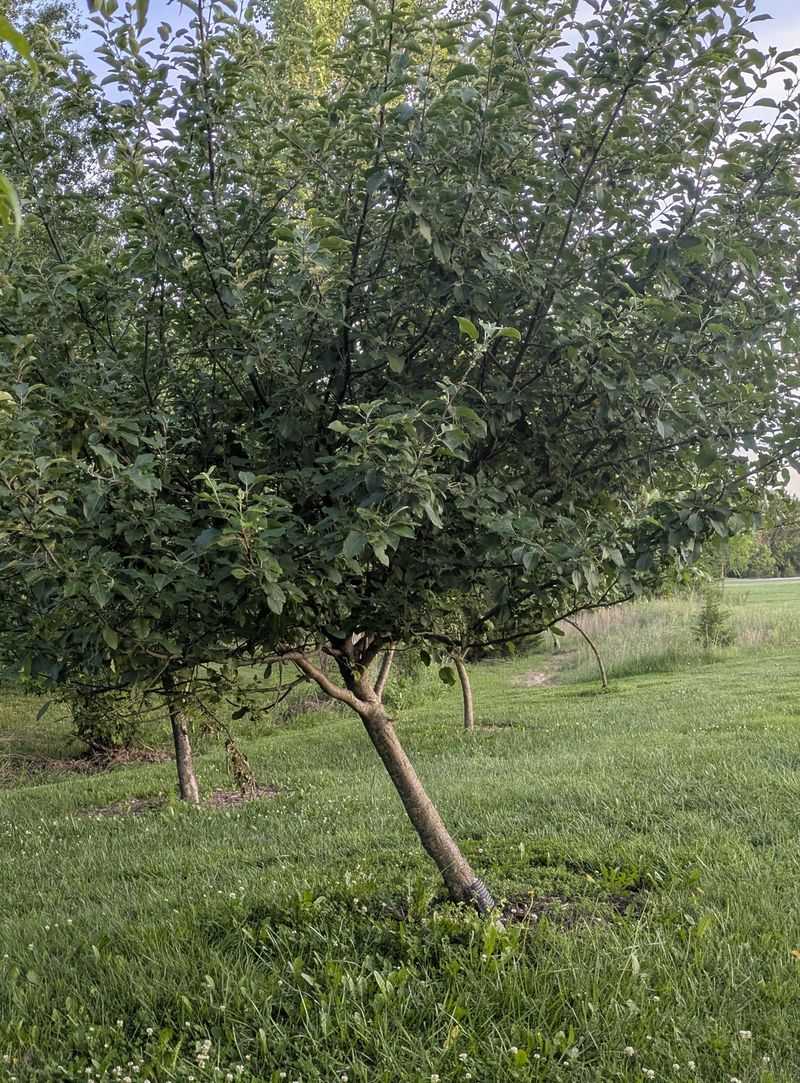
Young trees deserve a slow walk-around after wind and saturated soil.
Stand several feet back first.
A new lean, lifted root ball, cracked soil on one side, or exposed roots can signal that the tree shifted during the storm. High wind plus soft, wet ground can reduce stability, especially before a young tree develops a broad root system.
Do not stomp the soil back into place.
Heavy pressure on saturated ground can compact it around roots. Do not add more water just to “settle” soil that is already soaked either.
A very slight lean with no root lift may only need observation until the site dries.
A small tree that cannot stay upright may need temporary support with wide, flexible straps. Keep ties loose enough for some trunk movement, and remove the support once the tree can hold itself securely.
A large lean changes the situation.
Root plates that rise from the ground, major trunk cracks, or trees tilted toward a house, driveway, or power line deserve professional assessment. Storm-damaged trees can shift again without much warning.
Keep people and pets out from under suspicious crowns while you check.
The tiny maple by the mailbox may look easy to push straight.
Its roots get a vote.
Let the soil dry, protect the root zone, and make stability the goal rather than a perfectly vertical trunk before dinner.
7. Look Up At Pecans For Broken Limbs
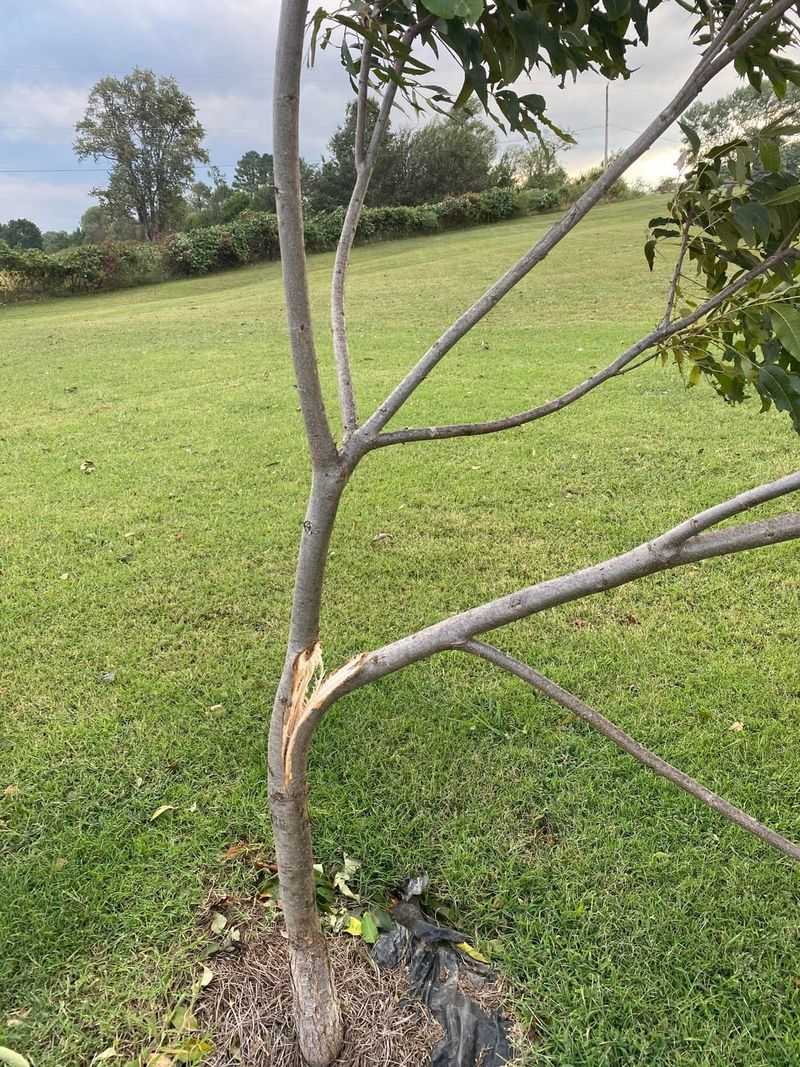
Before you walk beneath a pecan after a hard thunderstorm, stop at the edge of the canopy and look up.
Broken limbs do not always reach the ground.
A branch can hang in another limb, split near a major union, or stay suspended by torn wood fibers. Saturated soil can also reduce whole-tree stability after strong wind.
Treat anything overhead as the first priority.
Keep children, pets, vehicles, and yard work away from the drop zone. Do not stand beneath a damaged limb for a better photo.
Small branches that lie on the ground are easy cleanup.
A broken branch still attached above your head is different. Large limbs, high cuts, branches under tension, and damage near utility lines belong with a qualified tree professional.
Storm-damaged wood can shift in ways that are hard to predict from below.
For a small branch you can safely reach from the ground, make a proper cut just outside the branch collar with the right hand tool. Skip flush cuts against the trunk and do not leave a long torn stub.
Never climb a ladder with a saw to reach storm damage.
The pecan can wait behind a safety boundary until help arrives.
Georgia storms leave plenty of chores on the lawn.
The branch over your head is the one chore that should never become a do-it-yourself adventure.
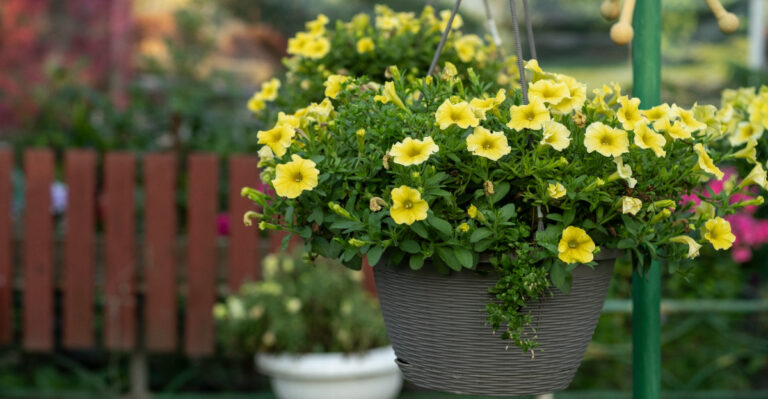
8. Inspect Container Plants For Standing Water
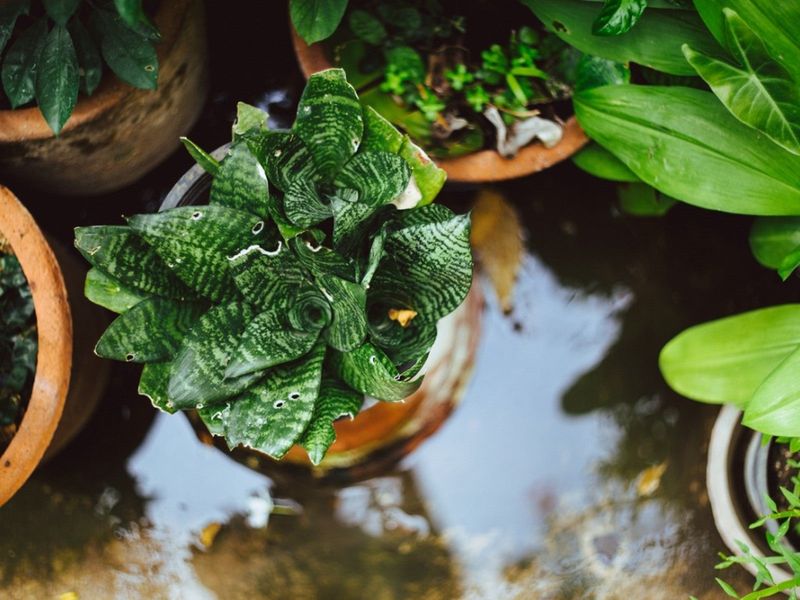
Containers can hide storm trouble in plain sight.
The flowers still look upright, but the saucer underneath may hold an inch of water. A decorative outer pot can trap even more around the root ball.
Start at the bottom.
Dump water from saucers and cachepots, then confirm that every drainage hole is open. Containers need a clear route for excess water, and roots can decline when the container mix stays saturated for too long.
Do not water again on your normal schedule.
Check the mix first. A storm may have supplied several days of moisture, especially in large pots or containers that sit in afternoon shade.
Look for wind damage next.
Straighten pots that shifted, replace washed-out container mix, and support stems that bent but did not snap. Remove badly broken growth with clean pruners after the plant has had time to dry.
Skip a fertilizer dose right after the storm.
A stressed root system does not need another variable while the container drains and regains air. Resume the normal fertilizer routine only after the plant settles back into its usual moisture cycle.
A pot that never drains may need a better container or fresh, porous mix later.
For today, keep the fix simple.
Empty the saucer, open the holes, and put the hose somewhere out of reach.
After a Georgia downpour, your container garden has already had seconds.