What Oregon Gardeners Should Move Or Transplant As Fall Weather Arrives
September changes the garden before Oregon gets truly cold.
Mornings turn crisp. Shadows stretch farther across the beds. The soil still holds summer warmth, but the air finally gives plants a break from the hardest heat.
That short window can tempt you to grab a shovel.
Some crowded clumps suddenly look movable. A shrub in the wrong corner starts to seem negotiable. That peony you have wanted beside the fence begins to look suspiciously portable.
But fall favors some moves far more than others.
The date matters. So does soil moisture. Western Oregon rain can close the window fast, while colder inland and eastern gardens may run out of mild days first.
So what deserves a new address before winter settles in?
A few familiar garden favorites handle an autumn move surprisingly well when roots get time to settle and the soil still behaves.
Grab the shovel, but not everything in sight.
The smartest fall garden shuffle starts with the plants that appreciate the season before the rains take over.
1. Divide Peonies As Fall Approaches
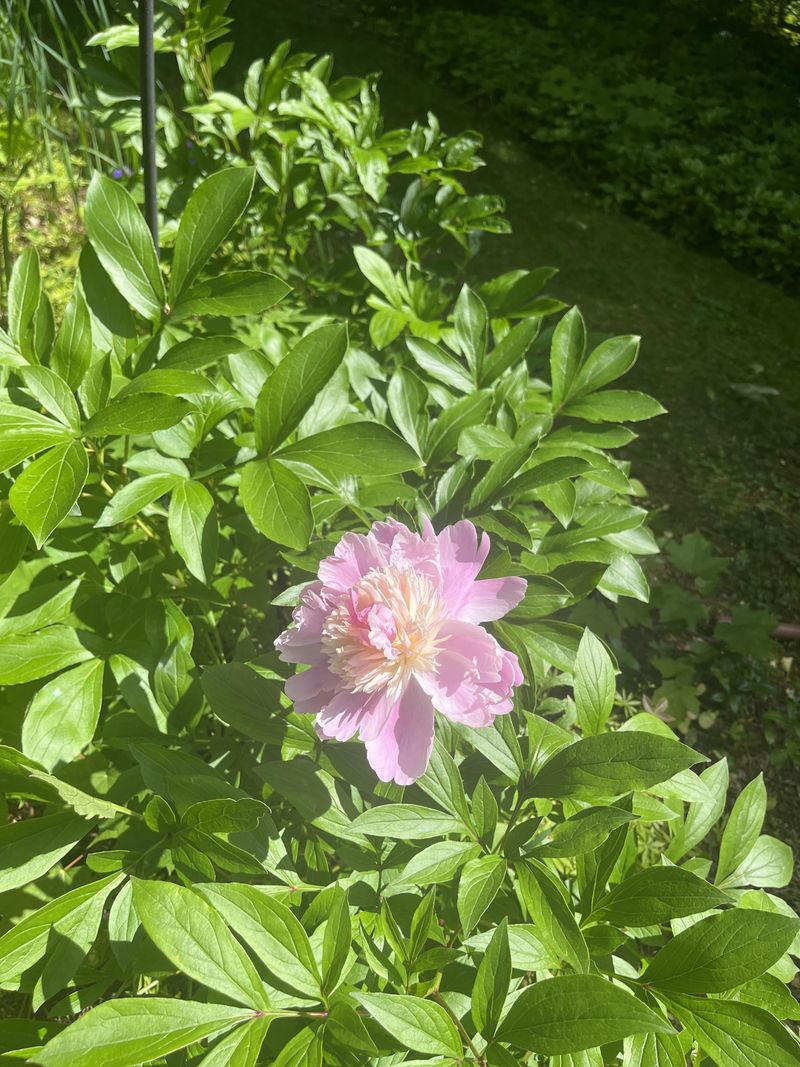
Peonies prefer long leases, so a healthy clump does not need a yearly relocation.
Fall becomes useful when the plant has grown crowded, the center looks tired, or flower production has slipped.
September suits the job well in much of Oregon, with cool air above and workable soil below. September also suits peony division well.
Lift the clump with as much root as you can manage. Shake or rinse away enough soil to expose the crown. Look for the small reddish or pink buds known as eyes.
Each new piece should carry several healthy eyes plus a solid section of fleshy root. Three to five eyes gives a division a strong start.
Now pay attention to depth.
Set those eyes only about one to two inches below the soil surface. A peony placed too deep may grow plenty of leaves while flowers remain mysteriously absent.
Choose a sunny site with soil that drains well. Water after the move so soil settles around the roots. Keep mulch light around the crown.
Western Oregon gardeners should finish before repeated rain turns the bed soggy. Colder parts of the state need enough mild weather for roots to settle before hard frost.
Peonies hate unnecessary drama.
Give them one thoughtful move, get the depth right, then let them unpack for the next decade or three.
2. Move Bearded Iris Into Better Ground
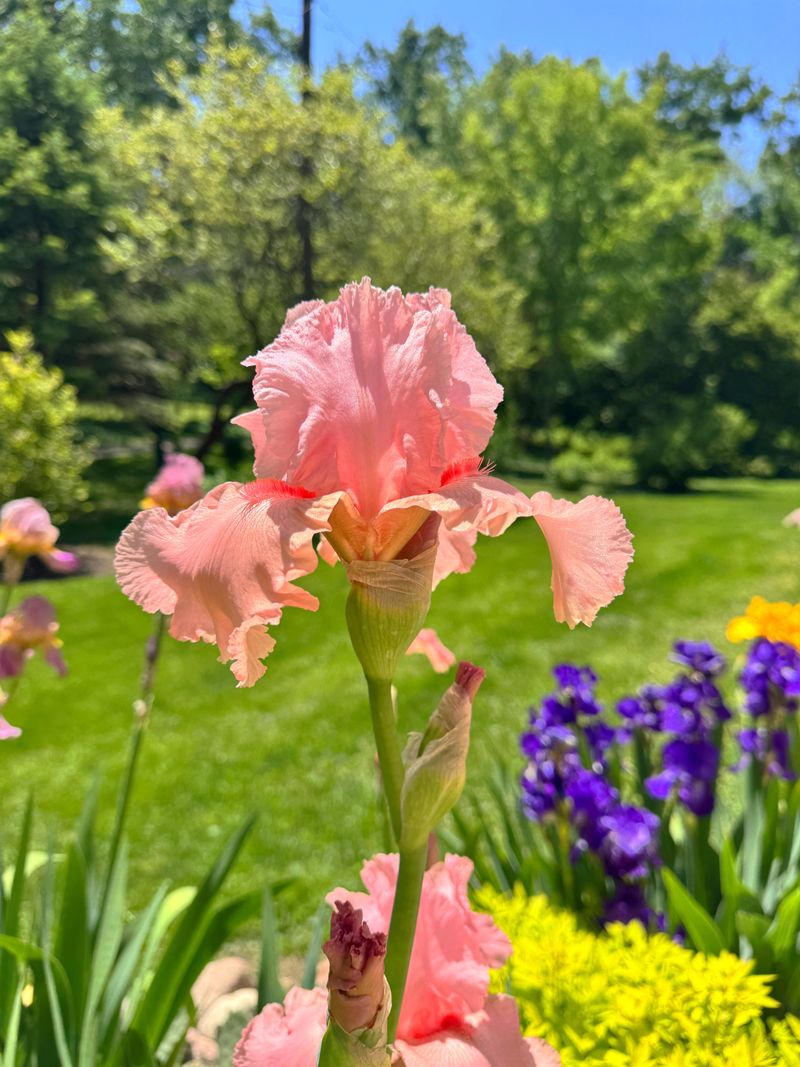
Bearded iris can turn a tidy clump into a rhizome traffic jam.
Crowded plants often produce fewer flowers, and the center may thin while newer growth circles the outside. Late summer into early fall gives you a useful chance to sort out the mess before Oregon rain becomes the main character.
Lift the clump with a fork and brush away loose soil. Keep the firm outer rhizomes with healthy leaf fans. Toss soft, badly scarred, or weak sections rather than give poor material premium garden space.
A clean knife makes large clumps easier to separate.
Now comes the part iris gardeners love to debate: depth.
Your Oregon Garden Changes Every Week. Your Plan Should Too.
Gardening in Oregon changes quickly throughout the season. Every Friday you’ll receive a simple weekly plan showing exactly what to plant, prune, fertilize, harvest, and protect so you never miss the right timing.
Bearded iris rhizomes belong very close to the surface. Set the roots into the soil, then leave the upper part of the rhizome exposed or only lightly covered. Deep burial can encourage poor bloom and trouble in wet soil.
Give each division about 12 to 18 inches of room. Full sun helps future flowers, and sharp drainage becomes especially valuable once western Oregon enters its wetter months.
Water after the move to settle the soil around the roots. Then let local weather guide the next drink.
Do not bury the crown under a thick blanket of mulch.
Bearded iris likes a little sun on its shoulders.
Give those rhizomes space, light, and a shallow seat. They may reward your restraint with a much less crowded flower show next season.
3. Rehome Mature Hostas Before Heavy Rain
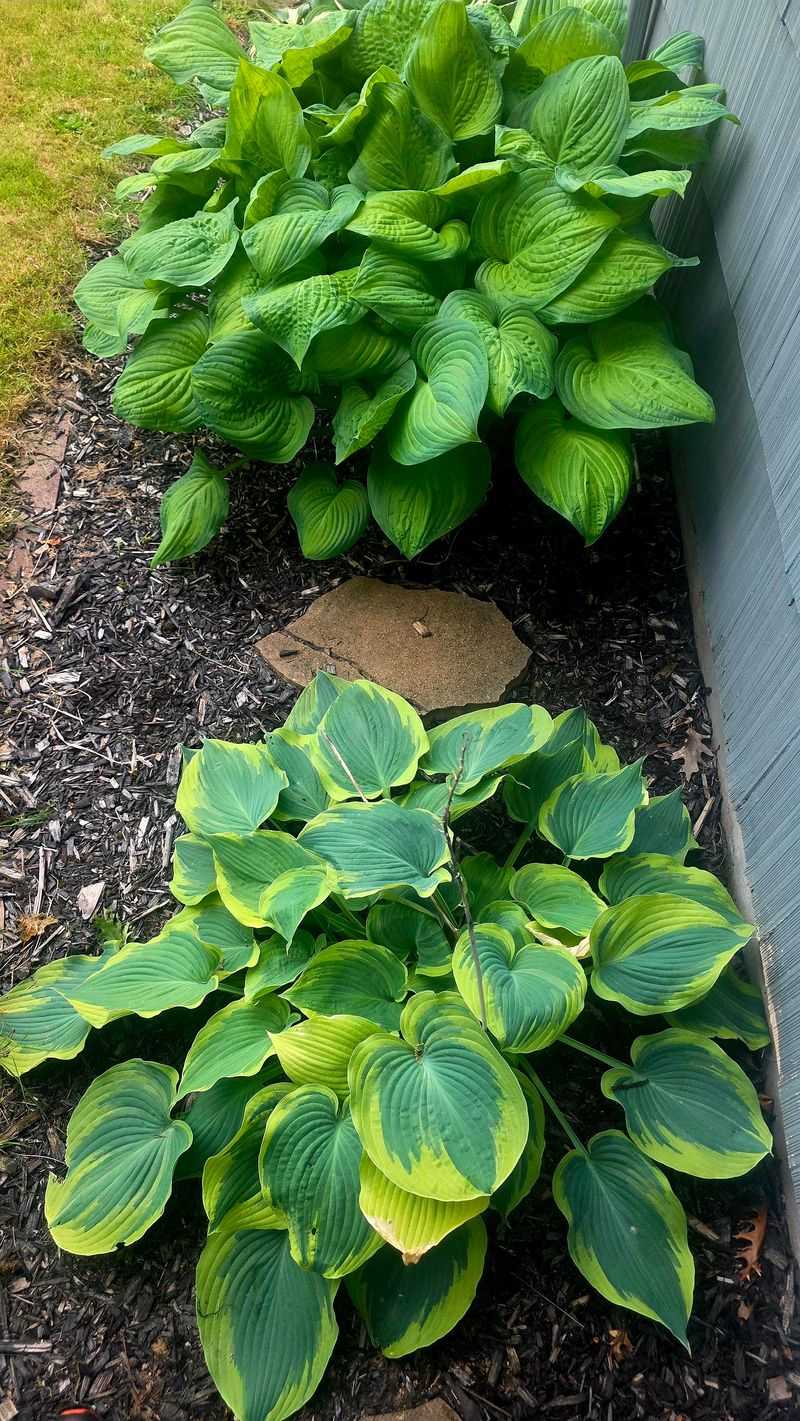
A hosta can spend years as the polite plant in a shady corner, then quietly swallow half the bed.
That is a good sign to consider a move.
Hostas can handle division late in the season, but give the new pieces enough time to settle before hard frost. In much of western Oregon, early fall can work well while soil stays workable. Colder inland gardens need an earlier start.
Dig around the clump rather than cut straight through the crown.
Lift as much of the root system as practical. Then separate the plant into sections with healthy roots and at least one solid crown. A sharp spade or knife can help with a large, stubborn clump.
Replant each piece at roughly the same depth as before.
Choose a site with good drainage and the light level that suits the variety. Many hostas appreciate shade or filtered sun, but a bright site can increase water needs.
Give the transplant a deep drink after the move.
Do not assume October rain will handle everything from day one. Oregon can still deliver dry stretches before the wetter pattern settles in, especially east of the Cascades.
Keep mulch away from the crown and avoid a soggy low spot.
Hostas are forgiving, but they do not need a winter bathtub.
Give the clump more elbow room now, and next spring it can return rather than annex the entire shade garden.
4. Shift Daylilies While Soil Stays Workable
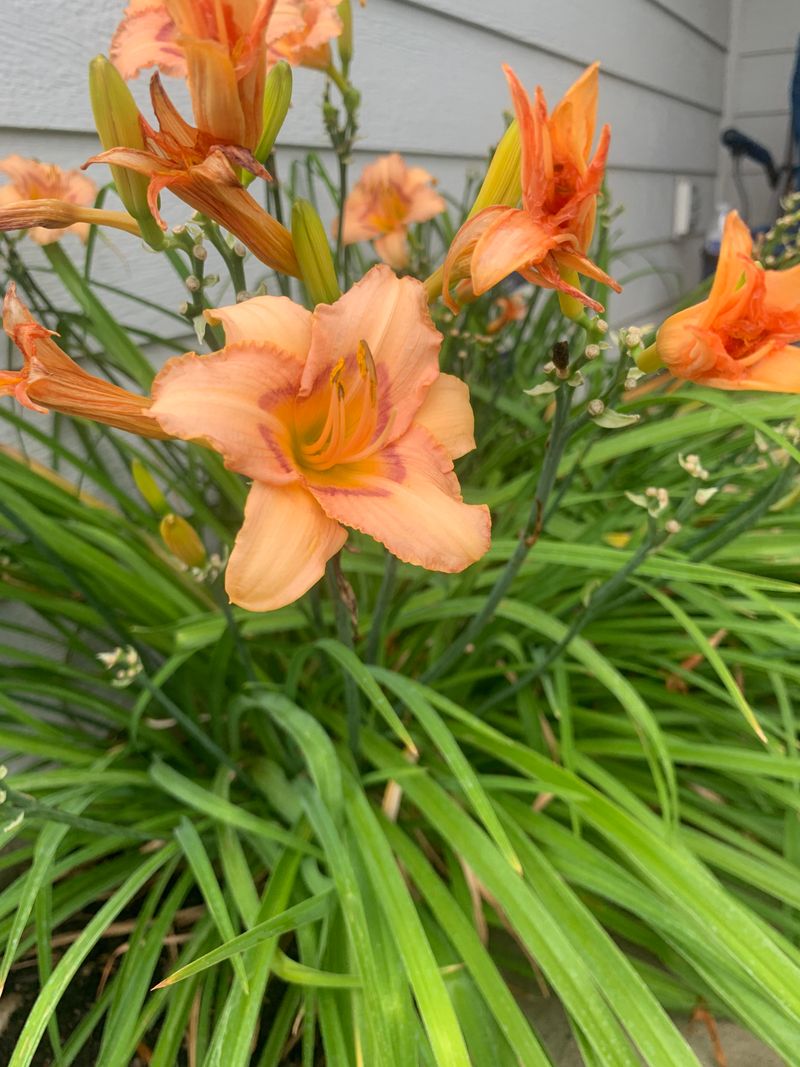
Daylilies can handle a lot, but even they get crowded.
An old clump may produce fewer flowers, leave a thin center, or press hard against nearby plants. Late summer into early fall gives you a good chance to reset the bed before winter.
Lift the whole clump with a spade or garden fork.
Shake away loose soil, then pull sections apart by hand. Two forks placed back to back can help with a dense mass. A clean knife also works when the roots refuse to cooperate.
Keep a healthy fan of leaves and a solid root section with each piece.
Trim the foliage back to about six to eight inches when the plant feels bulky. That makes the move easier and leaves less top growth for the roots to support.
Set each division at the same depth it held before.
Leave about 12 to 18 inches between plants for many common types. Larger cultivars may appreciate extra room.
Water well after the move.
Western Oregon rain may cover much of the follow-up care once the wet season starts. Eastern Oregon gardens often need more attention until the soil cools and regular moisture arrives.
Skip low spots that stay soggy after storms.
Daylilies are tough, not amphibious.
Give them room now, and the bed may look less like a crowded bus stop when flower season returns.
5. Move Established Hydrangeas With Care
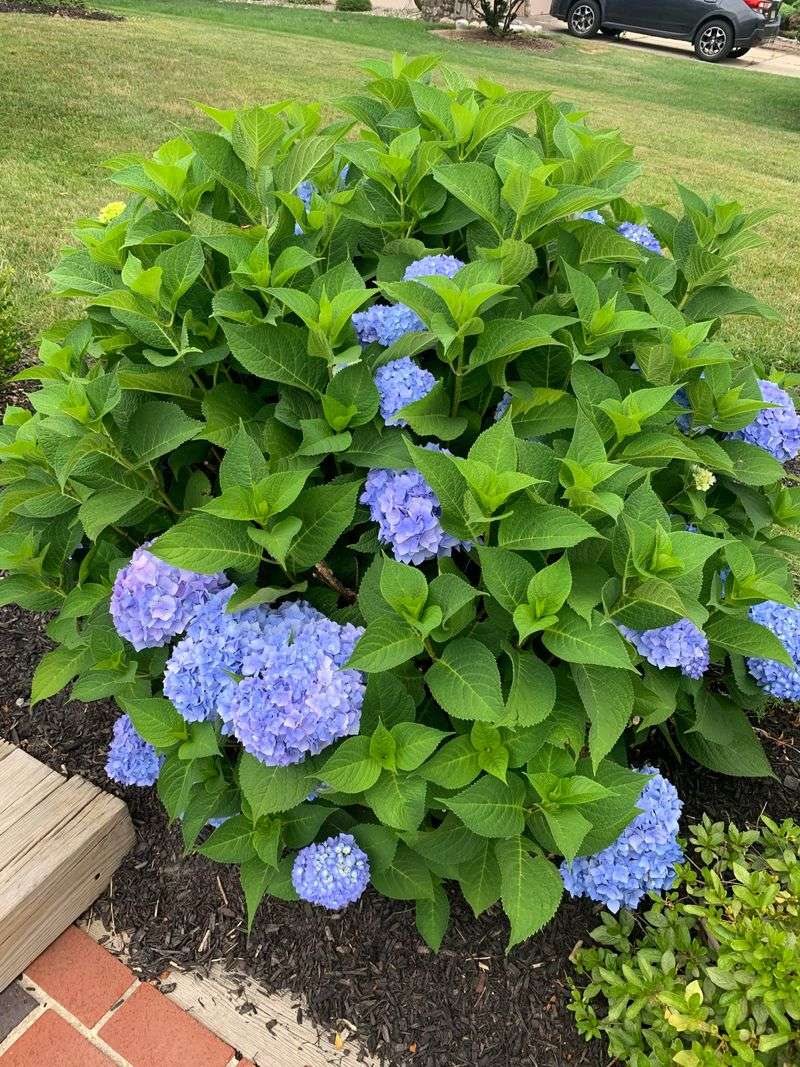
A mature hydrangea can make a move look easy from across the yard.
Then the shovel goes in.
Those shrubs can carry a broad root system, so fall works best when you preserve as much of that root mass as practical. Cool air reduces stress on the leaves, and fall can suit the move well for established hydrangeas.
Prepare the new spot before you lift the shrub.
Choose soil with good drainage and enough room for the mature plant. Many hydrangeas appreciate afternoon protection from strong inland sun, especially in hotter valleys.
Dig wide around the shrub.
Keep a generous root ball and make clean cuts through roots rather than tear them. Set the plant at the same depth it held before. A hole that is wider than the root ball gives nearby roots easier soil to enter.
Water deeply after the move.
Keep an eye on moisture through fall rather than assume every cloudy week brought enough rain. A layer of mulch can help conserve moisture, but leave space around the stems.
A large hydrangea may need extra hands, a tarp, and a realistic plan before the first shovel goes in.
Your back deserves a vote too.
Move the shrub with care, not heroics. A calmer relocation can help both gardener and hydrangea arrive at the new address in better shape.
6. Reposition Rhododendrons Into Better Sites
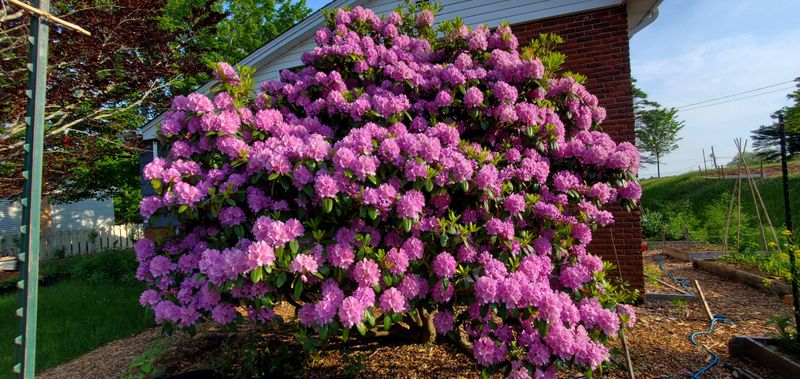
A rhododendron can spend years with one complaint: it hates its address.
Scorched leaves, weak growth, or a soggy root zone may keep the message subtle at first. Fall gives Oregon gardeners a chance to correct a poor site before the soil becomes saturated.
Rhododendrons have shallow, fibrous roots.
That root shape can make a moderate-size plant less awkward to move than a shrub with deep anchor roots. Dig wide around the plant and keep the root ball intact as much as practical.
Prepare the new site first.
Look for partial shade, good drainage, and acidic soil. Hot afternoon sun can be rough on many rhododendrons, while water that sits around the roots creates another set of problems.
Set the root ball at or slightly above the nearby soil level.
A rhododendron placed too deep can struggle. Keep the upper root area close to the surface, then add mulch over the soil and keep it off the stems.
Water well after the move.
Skip a heavy fall fertilizer dose. The plant needs root recovery more than a burst of soft new top growth before cold weather.
Western Oregon gardeners should watch the rain forecast closely.
The shovel works much better before clay turns sticky and saturated.
Rhododendrons may be dramatic, but they are not mysterious.
Give the roots air, the leaves some shelter, and the crown a proper seat. That new address may finally stop the complaints.
7. Transplant Azaleas Before Winter Root Growth
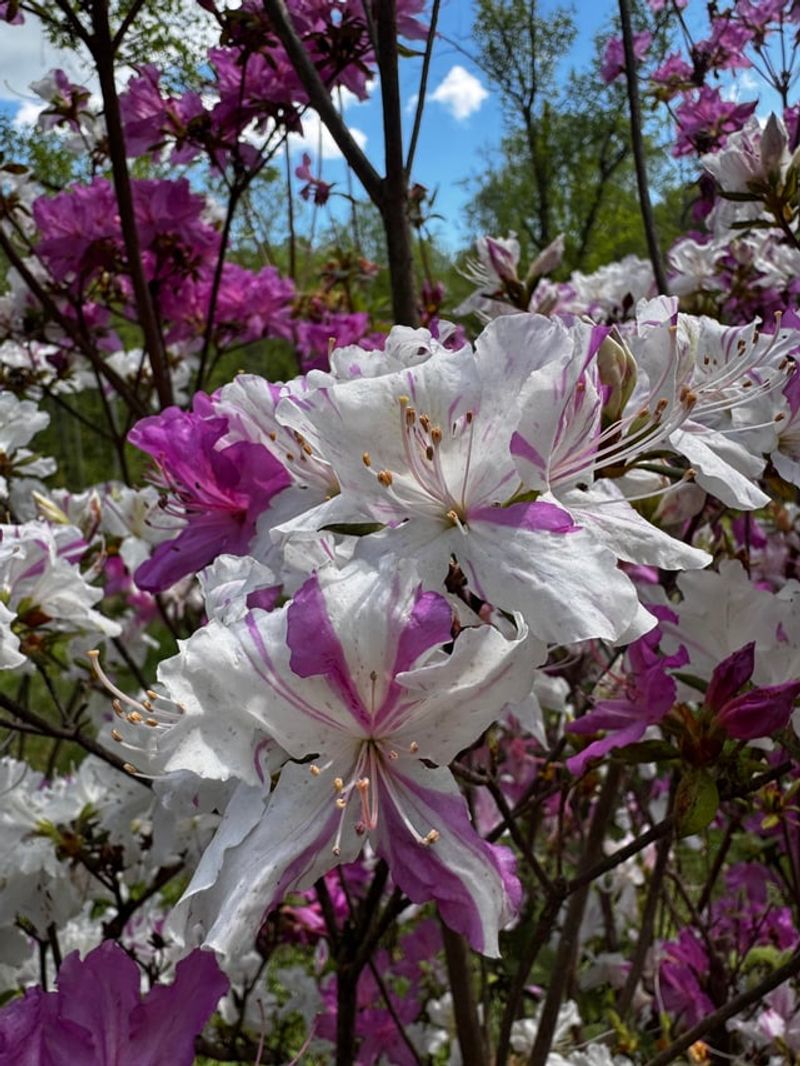
Azaleas bring plenty of spring color, but their fall needs are much quieter.
A small or medium plant can be a good candidate for relocation once hot weather backs off. The compact root system on many azaleas can make the job manageable, especially compared with a large woody shrub.
Pick the new site before you dig.
Azaleas prefer acidic soil, good drainage, and light that avoids the harshest afternoon sun. A low spot that collects winter water can cause far more trouble than a little extra shade.
Lift the plant with a broad root ball.
Keep roots protected from dry air while you move it. Set the shrub at the same depth as before, or slightly high where soil tends to settle.
Water thoroughly after the move.
Add two to three inches of mulch over the root zone, but leave a clear ring around the stems. That helps hold moisture and keeps damp material off the crown.
Fall dates vary across Oregon.
Western valleys may offer a longer mild window. Eastern and higher-elevation gardens can face frost much sooner, so an earlier move gives roots more time before cold weather settles in.
Fall also gives many shrubs a useful establishment window before winter.
Hold the fertilizer until spring. A soil test can point to any specific need sooner.
Azaleas do not need a farewell feast before winter.
Give them a better seat, a careful drink, and some open space. Spring can handle the fireworks later.
8. Move Small Woody Ornamentals Before Saturation
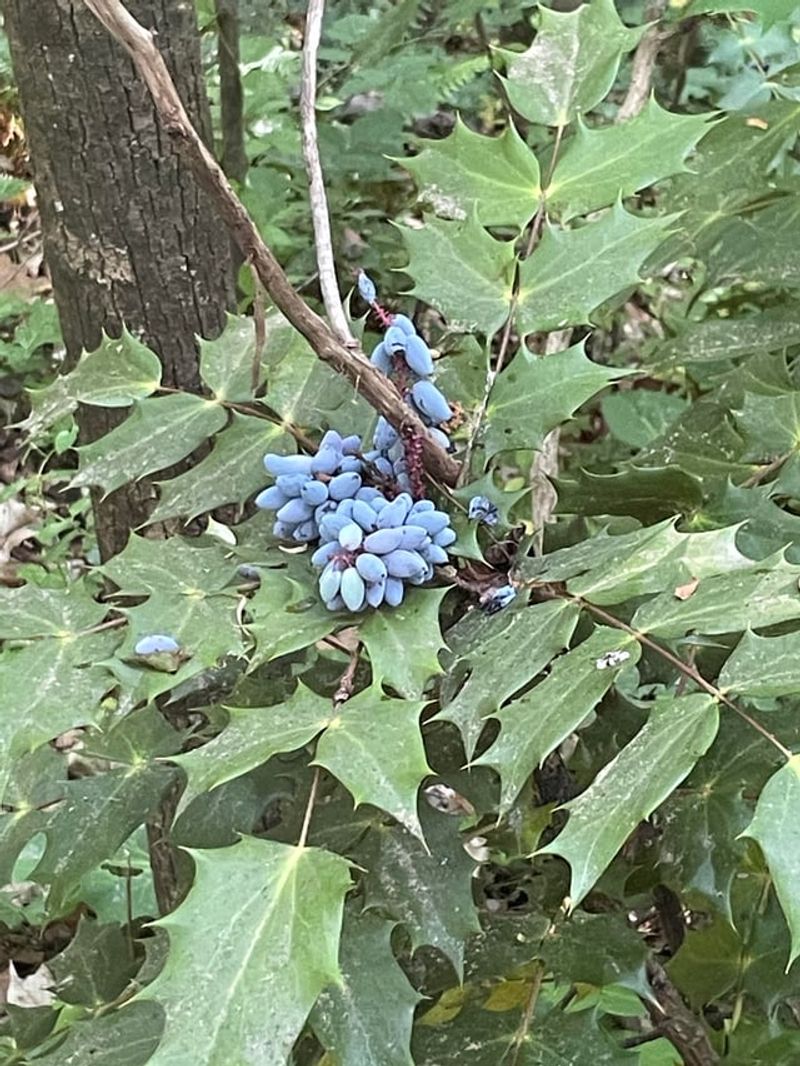
Fall can make a small shrub look surprisingly portable.
Spirea, compact viburnum, and other modest woody ornamentals often suit the season. Cool air reduces stress while workable soil can still support new roots. Small woody ornamentals can also handle a fall move well.
The soil gets the final say.
Grab a handful before you dig. Soil that forms a workable clump and breaks apart with light pressure is easier to handle. Slick, saturated clay deserves another day.
Wet soil can compact around roots and turn a simple move into a rough start. Roots also need air, so saturated soil can slow establishment.
Dig the new hole first.
That keeps the shrub out of the ground for less time. Make the hole wide enough for the root ball, but keep the plant at the same depth it held in the old spot.
Lift as much root mass as practical.
Move the shrub on a tarp when the root ball feels awkward. That little trick can save roots, soil, and your lower back.
Water deeply after the move, even with rain in the forecast.
Western Oregon may need little extra water once steady rain arrives. Eastern gardens can stay dry enough to require follow-up water until cold weather takes over.
Skip a heavy fertilizer dose.
The shrub has enough paperwork after a change of address.
Move it before the soil turns to pudding, give the roots good contact, and let autumn handle the rest of the welcome committee.