More Green Anoles In Your Texas Garden, Fewer Grasshoppers (Here’s How To Attract Them)
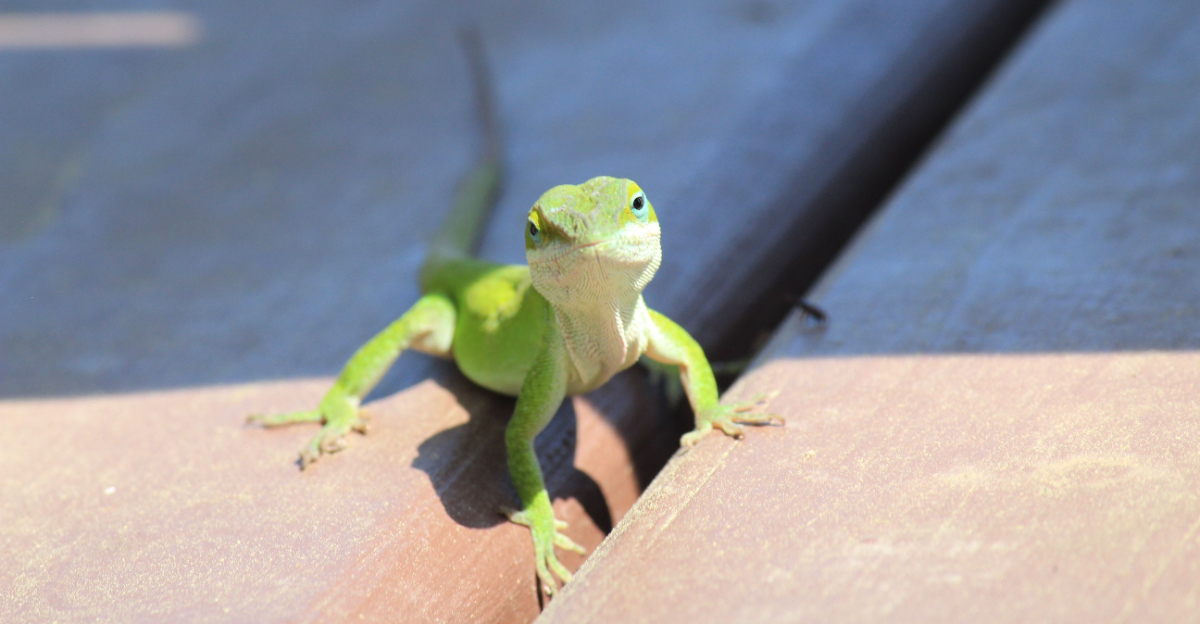
A streak of green shoots along your fence rail, freezes, then snaps its tongue at a grasshopper twice its size. Blink and the pest is already gone.
Green anoles turn a Texas backyard into their personal hunting ground, and grasshoppers, moths, and beetles rarely see them coming. Native, silent, and endlessly hungry, these lizards work for free.
Forget the checklist. An anole just wants one fence post it can call its own, a puddle that lingers after rain, a low branch perfect for ambush.
Let that brush pile sit a season too long. Ignore the corner where the shrub got wild. That so-called mess is prime real estate, and it’s exactly why the grasshoppers should be nervous.
1. Native Plants And Shrubs Set The Table
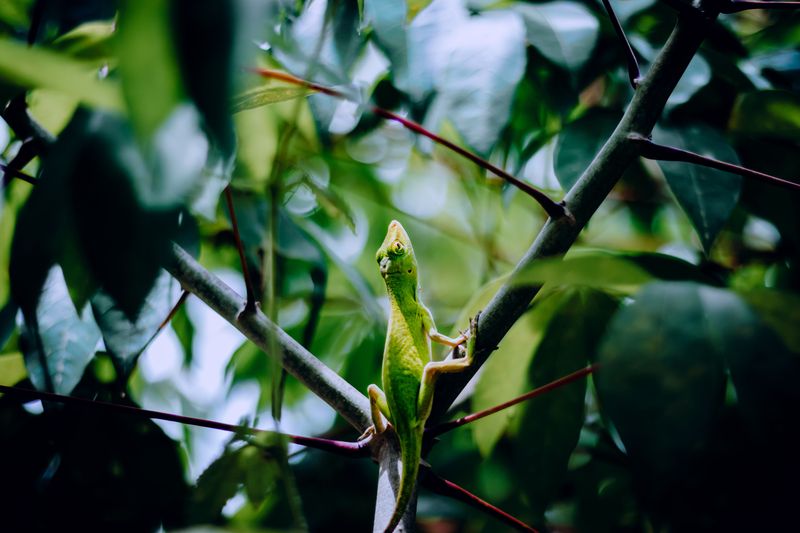
Your yard is either a buffet or a wasteland for green anoles. Native plants are the difference between a thriving lizard habitat and a place they pass right through.
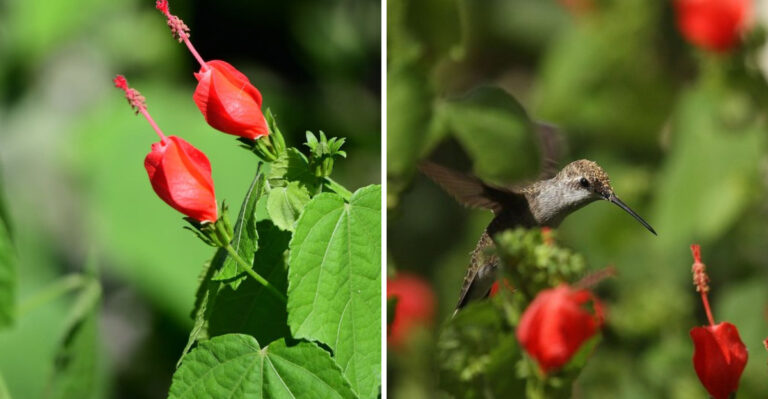
Plants like yaupon holly, Texas lantana, and turk’s cap grow thick and layered. That structure gives anoles places to hunt, hide, and move around safely.
Native shrubs also attract native insects, which are exactly what green anoles eat. Grasshoppers, beetles, moths, and caterpillars all show up where native plants grow.
A yard full of ornamental grasses and non-native hedges offers almost nothing for a hungry anole. The insect diversity just is not there to support them.
Start by adding at least two or three native shrubs along a fence or garden border. Evergreen species work best because they provide shelter even in cooler months.
Planting in clusters matters more than planting in rows. Grouped shrubs create a layered canopy that anoles can navigate from ground to branch without feeling exposed.
Cedar elm, Mexican plum, and beautyberry are excellent choices for central and south Texas yards. Each one supports a web of insects that feeds directly up the food chain.
Think of native plants as the foundation of the whole system. Get that right, and green anoles will find your Texas garden on their own.
Swap one tired boxwood for a beautyberry and watch the difference by August. The insects show up first, then the anoles follow, drawn by dinner already waiting.
2. Water Features Keep Them Coming Back
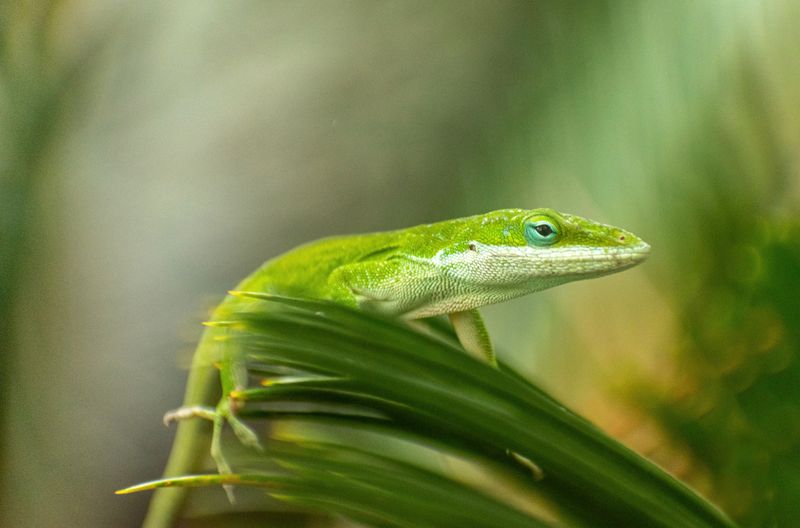
Anoles need water, but they drink it in a very specific way. They lap droplets off leaves, not from a bowl sitting on the ground.
A standard birdbath does not do much on its own. Add a small dripper or mister, and suddenly you have something that works like magic for these lizards.
The sound of moving water draws anoles from a surprising distance. They follow the sound, find the moisture on nearby leaves, and settle into the area quickly.
Misters are inexpensive and easy to attach to a garden hose or drip line. Set one near a shrub or vine and run it for a few minutes each morning.
That faint drip you barely notice is a dinner bell to an anole. Skip the fountain, skip the fuss, just let the water move and the leaves stay damp.
Your Texas Garden Changes Every Week. Your Plan Should Too.
Gardening in Texas changes quickly throughout the season. Every Friday you’ll receive a simple weekly plan showing exactly what to plant, prune, fertilize, harvest, and protect so you never miss the right timing.
Moisture also keeps the surrounding plants lush, which supports more insect activity. More insects mean more food, and more food means more green anoles sticking around.
Avoid deep water features without escape ramps. Small lizards can struggle to climb out of smooth-sided containers, so always add a few stones or sticks as exit points.
A rain chain or a slow-dripping spigot near dense vegetation works just as well as a fancy fountain. The key is consistent, light moisture in a shaded spot.
Once anoles discover a reliable water source, they return to the same spots daily. Consistency is what turns a casual visitor into a permanent garden resident.
3. Sunny Perches Give Them A Place To Bask
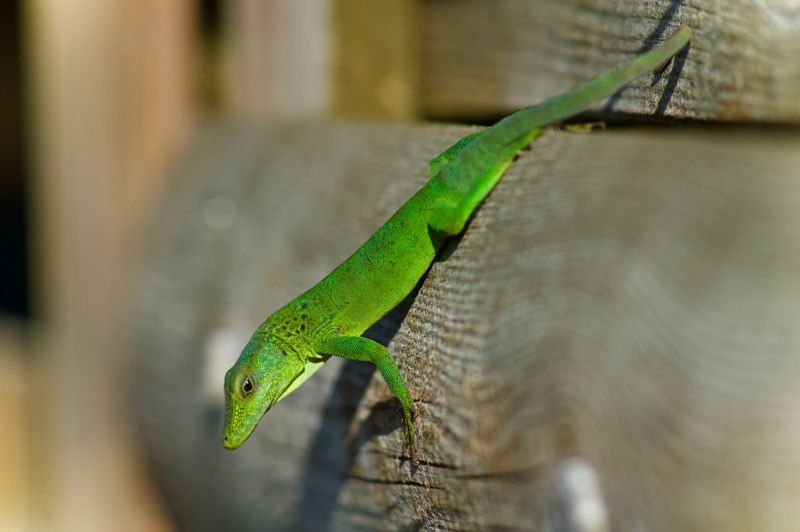
Anoles are cold-blooded, which means the sun is basically their morning coffee. Without warm basking spots, they move slowly and hunt even slower.
A yard with full shade all day is not going to hold many anoles. They need open, sunny surfaces where they can raise their body temperature quickly each morning.
Wooden fence rails, flat garden stones, and brick walls are all perfect basking platforms. South-facing surfaces heat up fastest and stay warm the longest during cooler months.
The ideal setup pairs a sunny perch with nearby dense vegetation. Anoles want to warm up fast and then retreat to cover when a predator appears.
Garden stakes, bamboo poles, and trellis frames also serve as favorite perching spots. Male anoles especially love elevated positions where they can display their red dewlap to rivals.
That dewlap display is actually a sign your yard is healthy enough to support territorial behavior. Seeing it means a male has claimed your garden as his home range.
Catch one mid-display on a warm fence rail, dewlap flashing red in the morning light, and you’ll understand why gardeners start rooting for lizards over roses.
Scatter a few flat stones throughout garden beds to create micro-basking zones. Space them in areas that receive at least four hours of direct sun each day.
Warm anoles are active anoles, and active anoles are hunting anoles. Give them the heat they need, and your grasshopper population will start shrinking fast.
4. Brush Piles And Leaf Litter Offer Safe Cover
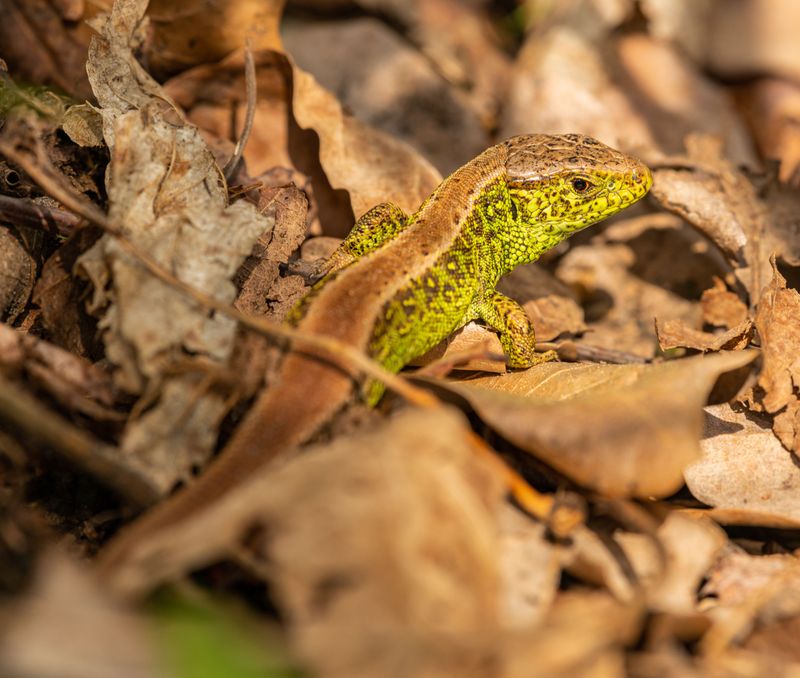
Most Texas gardeners rake everything up and call it clean. But that leaf litter on the ground is basically a five-star hotel for green anoles.
Fallen leaves trap moisture, shelter insects, and create a soft layer where small lizards can hide from hawks, cats, and other threats. Removing it all strips away their safety net.
A brush pile does not have to be messy or large. Even a small stack of trimmed branches in a back corner gives anoles a refuge when danger approaches.
Insects breed in decomposing leaf matter, which creates a steady food source right at ground level. Anoles patrol these zones regularly, especially in the early morning hours.
Placing a brush pile near a sunny fence or wall gives them the best of both worlds. They can bask nearby and then retreat into the pile within seconds.
Skip the leaf blower in areas near shrubs and garden borders. Leave a two-to-three inch layer of natural debris and let it do its job quietly.
Log sections and bark chunks add another layer of shelter. Anoles tuck under loose bark and use hollow spaces as overnight resting spots when temperatures drop.
A little organized messiness goes a long way. Embrace the natural look in at least one corner of your yard, and the anoles will do the rest.
5. Fences And Trellises Become Favorite Highways
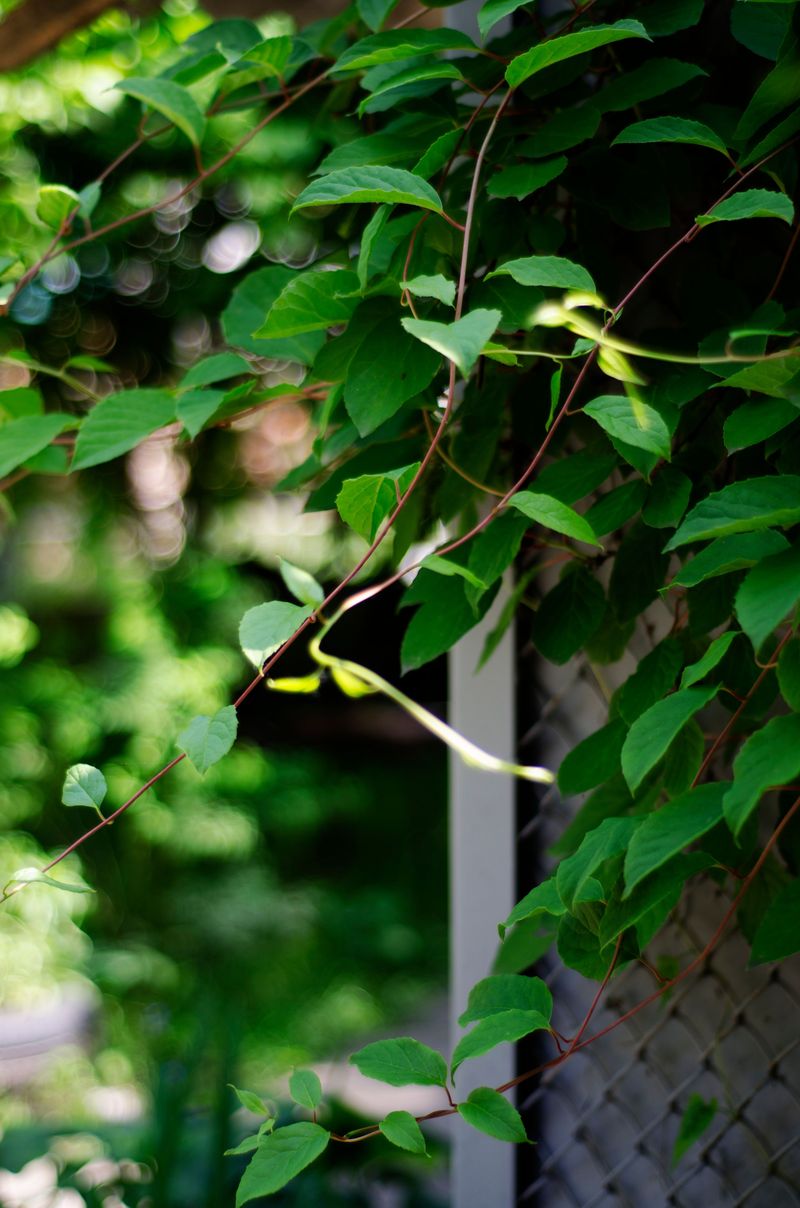
Watch a green anole for five minutes and you will notice something. These lizards do not walk across open ground if they can help it.
They prefer elevated routes: fences, trellises, vines, and stems. Anything that keeps them off the ground and out of reach of ground-level predators is a preferred travel path.
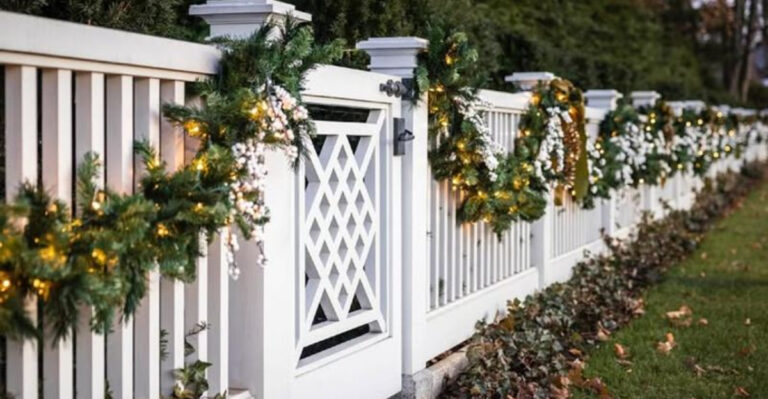
A wooden privacy fence covered in climbing plants becomes an entire ecosystem. Anoles hunt along it, sleep on it, and use it to move from one part of the yard to another.
Coral honeysuckle, crossvine, and Carolina jessamine are all native climbers that work beautifully on fences and trellises. They attract insects and create dense cover at the same time.
Even bare wooden fences provide enough texture for anoles to grip and run. Adding a vine simply makes the fence more attractive and more productive as a hunting corridor.
Metal fences heat up fast in the Texas sun, which anoles love for basking. But metal with no vegetation attached offers little cover, so pairing it with a climbing plant helps.
A trellis near a vegetable garden is especially valuable. Anoles will patrol it constantly, picking off the grasshoppers and caterpillars that would otherwise strip your crops bare.
Connect your garden zones with vine-covered structures, and you create a network that anoles navigate like a highway system built just for them.
6. Skipping Pesticides Protects The Food Supply
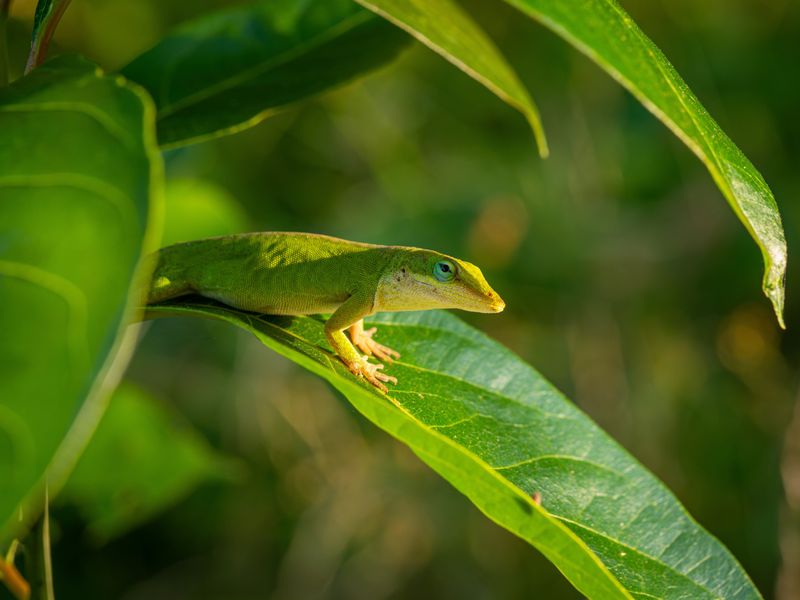
Pesticides do not just affect the bugs you want gone. They clear out the entire insect community that green anoles depend on for food.
A yard sprayed with broad-spectrum insecticides becomes a food desert for lizards. Anoles will leave within days once their prey disappears from the area.
Even organic sprays like neem oil can reduce insect populations enough to make a yard less attractive. Use targeted treatments only, and only when truly necessary.
The grasshopper problem many Texas gardeners face is often made worse by pesticide use. Removing insects that eat grasshopper eggs removes a natural check on their numbers.
Green anoles eat grasshoppers directly, but they also eat the smaller insects that compete with grasshopper populations. The whole food web works together when chemicals stay out of the picture.
Switching to physical pest controls helps. Row covers, hand-picking, and companion planting handle most garden pest problems without touching the insect food chain anoles rely on.
If you must treat a specific plant, use a targeted product applied only to that plant. Keep applications away from shrubs and ground cover where anoles spend most of their time.
Protecting the insect population is protecting the anoles. And protecting the anoles is the most effective long-term strategy for keeping grasshoppers out of your garden beds.
7. Dense Groundcover Creates Hiding Spots From Predators
Life is risky when you are five inches long and bright green. Cats, birds, and larger lizards all see anoles as a meal worth chasing.
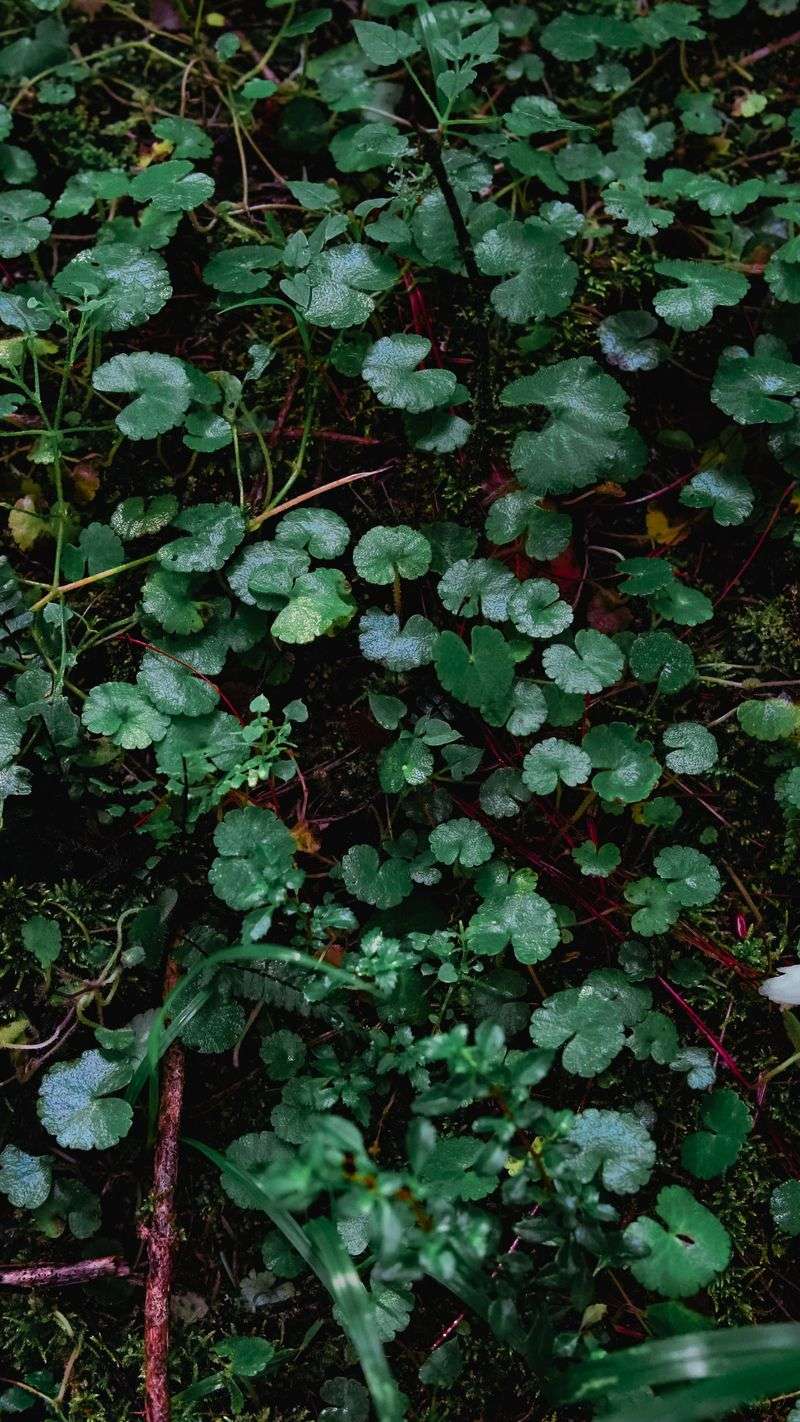
Dense groundcover gives them the split-second escape route that keeps them alive. Without it, open yards feel too dangerous to occupy for long.
Spreading plants like frogfruit, horseherb, and inland sea oats create low canopies just above ground level. Anoles slip under them instantly when something scary moves nearby.
Horseherb is especially useful because it thrives in both sun and shade. It spreads naturally under trees where grass struggles, filling in gaps that would otherwise be bare and exposed.
Dense groundcover also stays cooler and more humid than bare soil. That microclimate supports the soft-bodied insects and spiders that round out an anole’s varied diet.
Spacing matters when planting groundcover for wildlife habitat. Aim for full coverage with no large gaps, since open patches reduce the sense of safety that keeps anoles in an area.
Mixing groundcover heights adds even more value. Low spreaders at ground level combined with mid-height perennials create a layered refuge that suits anoles at every stage of the day.
A yard with thick, varied groundcover sends a clear signal to any passing anole. This place is safe, this place has food, and this place is worth staying in.
8. Overly Tidy Yards Send Them Elsewhere
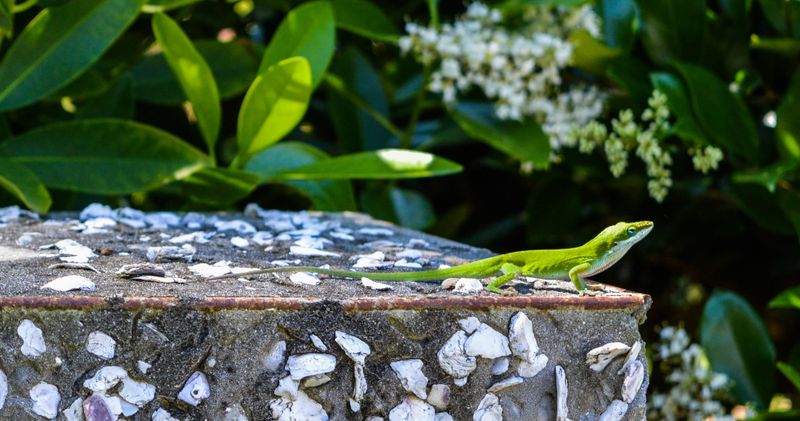
A perfectly manicured yard looks great on a home improvement show. For a green anole, it looks like a parking lot with no food and nowhere to hide.
Bare mulch, trimmed-to-the-ground shrubs, and weed-free flower beds eliminate almost everything these lizards need. The cleaner the yard, the fewer green anoles you will ever see in it.
Grass cut too short removes the insect diversity that lives in taller vegetation. Anoles hunting in a golf-course-style lawn are exposed, cold, and working much harder for far less reward.
Letting a section of your yard go a little wild is not laziness. It is a deliberate choice to create habitat, and it pays off in natural pest control you never have to pay for.
Leave the seed heads on spent perennials through winter. Let the fallen branches sit for a season before hauling them away. Allow leaf piles to accumulate under trees.
Each of these small decisions compounds into a yard that supports a real food web. More insects, more anoles, and far fewer grasshoppers stripping your garden plants bare.
Talk to your neighbors if you can. A connected stretch of naturalistic yards across multiple properties creates a corridor that supports a much larger anole population than any single yard alone.
Perfection is the enemy of a lizard-friendly yard. Let one corner go wild, and the anoles will take care of the rest.