The Tansy Ragwort Mistake Oregon Property Owners Should Avoid In Late Summer
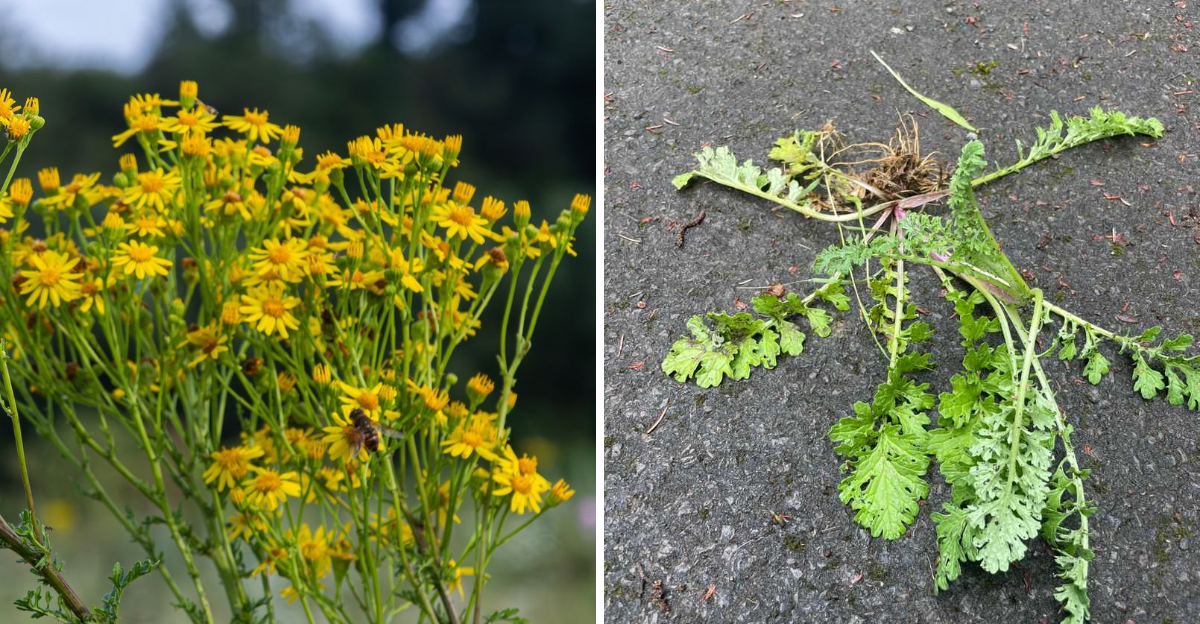
Late summer can make one yellow weed look far more cooperative than it really is.
You roll the mower across the pasture. The flowers vanish. The fence line looks cleaner. For ten glorious minutes, the problem seems handled.
Then tansy ragwort pulls its favorite trick.
What happened above ground may not match what happens next.
August puts this Oregon weed at an awkward stage. Bright flowers make it easy to spot, but that visibility can tempt property owners into the wrong kind of cleanup.
A quick pass can leave behind a plant that still has unfinished business, plus a seed problem you may not notice until much later.
So what should happen after those yellow blooms appear?
The answer involves timing, bags, roots, pasture cover, and one follow-up habit that matters more than a perfectly neat field.
Before the mower gets another victory lap, take a closer look.
With tansy ragwort, the mess you can see is rarely the whole story after one summer cut across your Oregon property tomorrow.
Do Not Let One Mower Pass Fool You
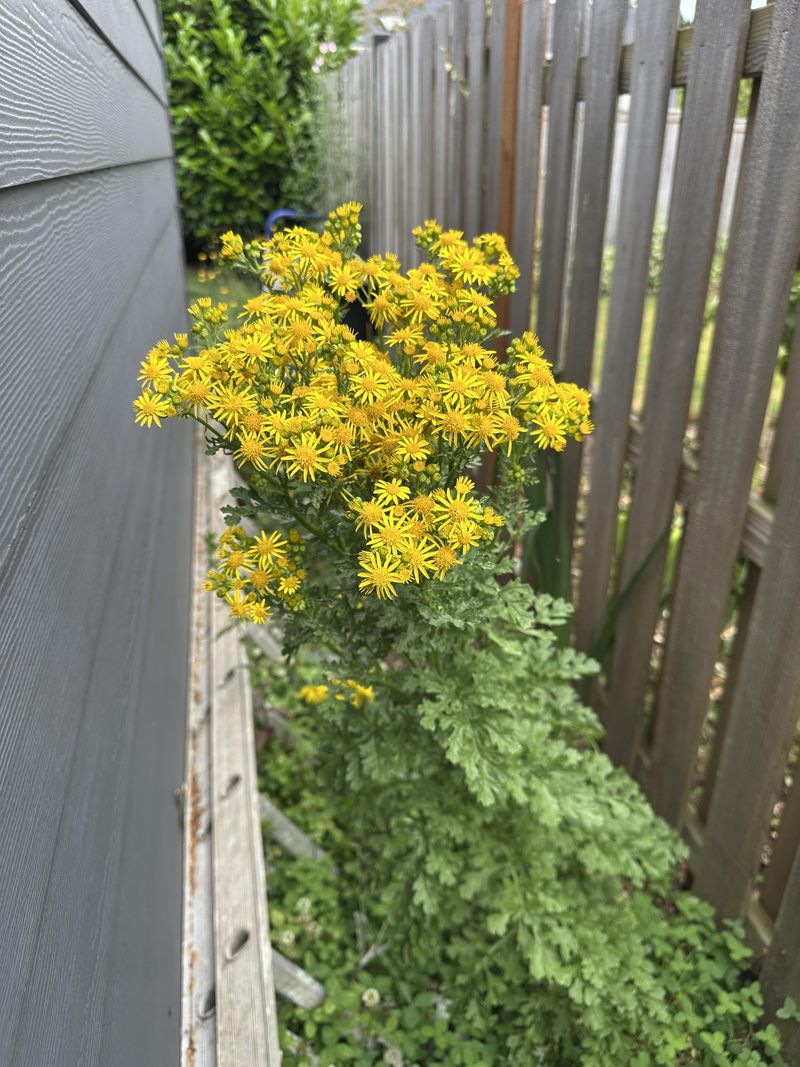
A mower pass across tansy ragwort in August can feel wonderfully decisive.
The yellow tops disappear. The field looks calmer. Your mower gets all the credit.
Unfortunately, the roots never signed the agreement.
A mature plant can respond after a cut, and a late-summer pass can also spread mature or nearly mature seed. That makes one trip a poor finish line for a patch already in bloom.
July and August rank among the harder times to tackle mature tansy ragwort. A cut at this stage can spread seed and encourage another round of growth.
Treat the first cut as a cleanup step, not the entire plan.
Return to the area and look close to the ground. New stems can stay short, which makes them easy to miss from a tractor seat or during a quick walk past the fence.
Remove plants that still carry flower heads. Bag the material rather than leave it in the pasture.
A cut plant can remain toxic, and wilted material may become more attractive to livestock.
You do not need to make the field look perfect in one afternoon.
You do need to keep the plant from finishing its summer agenda.
The mower can start the conversation.
It should not get the last word.
Get Yellow Flower Heads Into A Bag Fast
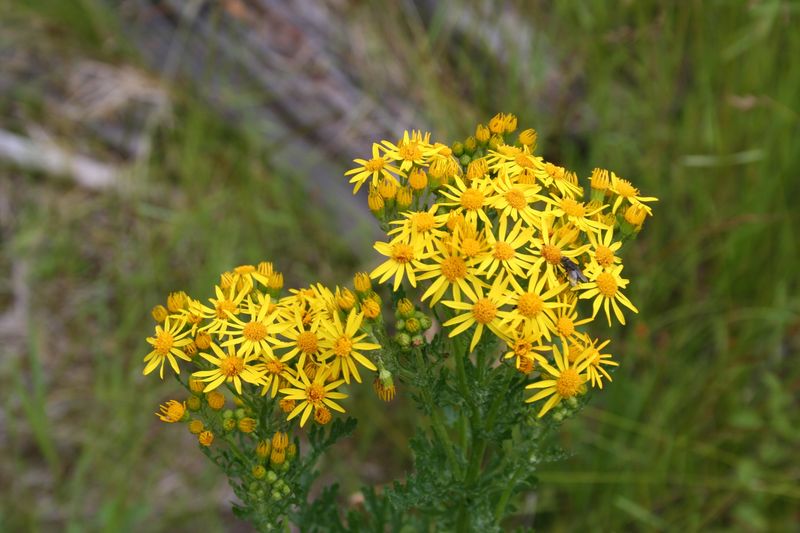
A yellow flower head can look harmless right up to the moment it turns into a seed delivery service.
That is why late-summer cleanup needs a bag nearby.
Tansy ragwort can produce an enormous number of seeds, and mature plants spread mainly through seed. Once flower heads reach the later stages of development, every extra day gives the patch another chance to stock the soil for future seasons.
Focus first on plants with flowers or seed heads.
Cut or pull them carefully, then place the entire plant in a sturdy plastic bag. Do not toss the heads onto a brush pile or leave them beside the fence for later.
Your Oregon Garden Changes Every Week. Your Plan Should Too.
Gardening in Oregon changes quickly throughout the season. Every Friday you’ll receive a simple weekly plan showing exactly what to plant, prune, fertilize, harvest, and protect so you never miss the right timing.
Current Oregon guidance recommends trash disposal or a sanitary landfill for removed plants.
Keep the bag close while you work.
That saves you from carrying loose stems across the property and turning one weed patch into a very unfortunate parade route.
Skip the backyard compost pile too. Your compost deserves vegetable peels, coffee grounds, and far less complicated company.
After the obvious yellow heads are gone, walk the patch again from the opposite direction. Short plants can hide behind grass and posts.
A second look often catches what the first pass missed.
With tansy ragwort, the bag may be the least glamorous tool in the shed.
It may also be the one that keeps next year from becoming much more yellow.
Pull The Crown After The Soil Softens
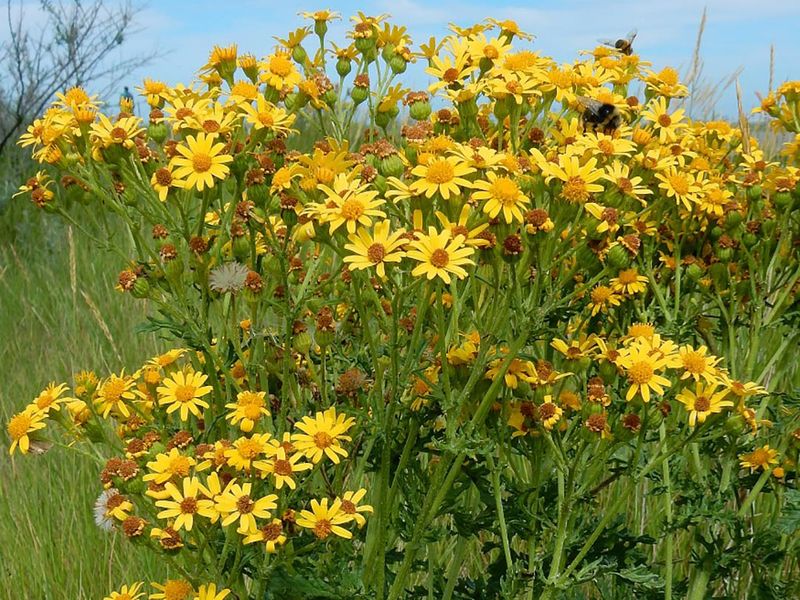
Moist soil can turn tansy ragwort removal from a wrestling match into a much cleaner job.
That matters because the root crown needs your attention.
Small patches and scattered plants can often be pulled or dug out by hand. Grab the plant close to the base and work as much of the root system free as practical.
Tansy ragwort comes out more easily when the soil has moisture, and roots left behind can support regrowth.
Use a fork or narrow spade when the crown refuses to cooperate.
You want a clean removal, not a giant crater. Too much soil disturbance creates open ground, and open ground gives new weeds fewer competitors.
Keep a sturdy bag beside you.
Roots, stems, and flowers all belong in it after removal. That matters even more in pasture areas because every part of tansy ragwort can pose a livestock concern.
Wear gloves and long sleeves for the job. Wash your hands after the work, especially before food or drinks.
Then press loose soil back into place around the hole.
A tiny bare patch can seem like nothing, but dozens of bare patches add up fast.
Hand removal works best when the infestation is still small enough to count without losing your patience.
Catch those plants early, take the crown with you, and leave the soil looking boring.
For once, boring is exactly what you want.
Look Low For The Sneaky Comeback
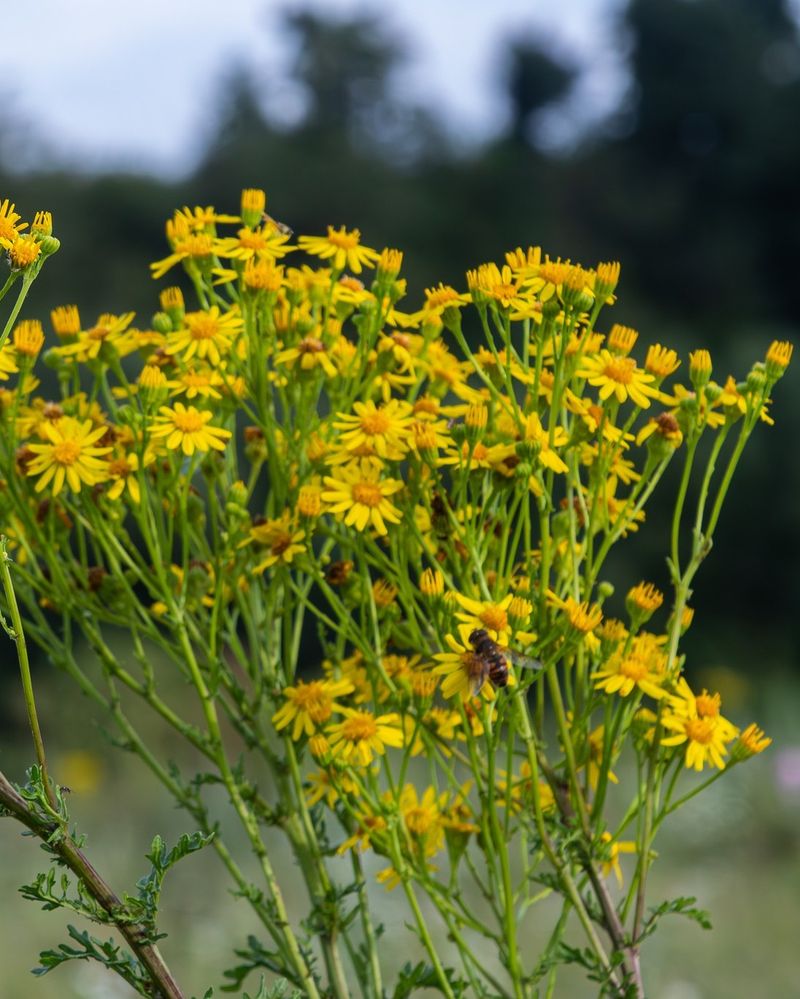
The sneakiest tansy ragwort after a summer cut may be the plant you have to crouch down to see.
A tall yellow stalk is obvious from across the field.
Fresh regrowth can be much less theatrical.
A cut plant may push new growth from the crown, and flowers can return later in summer. That means the clean look after a mower pass can be temporary.
Mature summer plants can also require repeated follow-up rather than one quick treatment.
Walk the treated patch again after the first cleanup.
Look beside clumps of grass, at the base of old stems, and along tire tracks where short shoots can hide. Do not rely on the view from the road.
A low flower head can still contribute seed.
Pull or dig out the plant, then bag it. For larger sites, mark trouble spots on your phone or a simple property map so the next check takes less time.
This is where consistency beats enthusiasm.
One heroic Saturday with a mower feels productive. Several short checks across the season can do more for long-term control.
Return visits matter because seedlings and regrowth can appear later.
Tansy ragwort does not need to be tall to be troublesome.
Sometimes the comeback tour happens four inches above the soil.
Keep your eyes low, and do not buy a ticket.
Keep Every Cut Plant Away From Hay
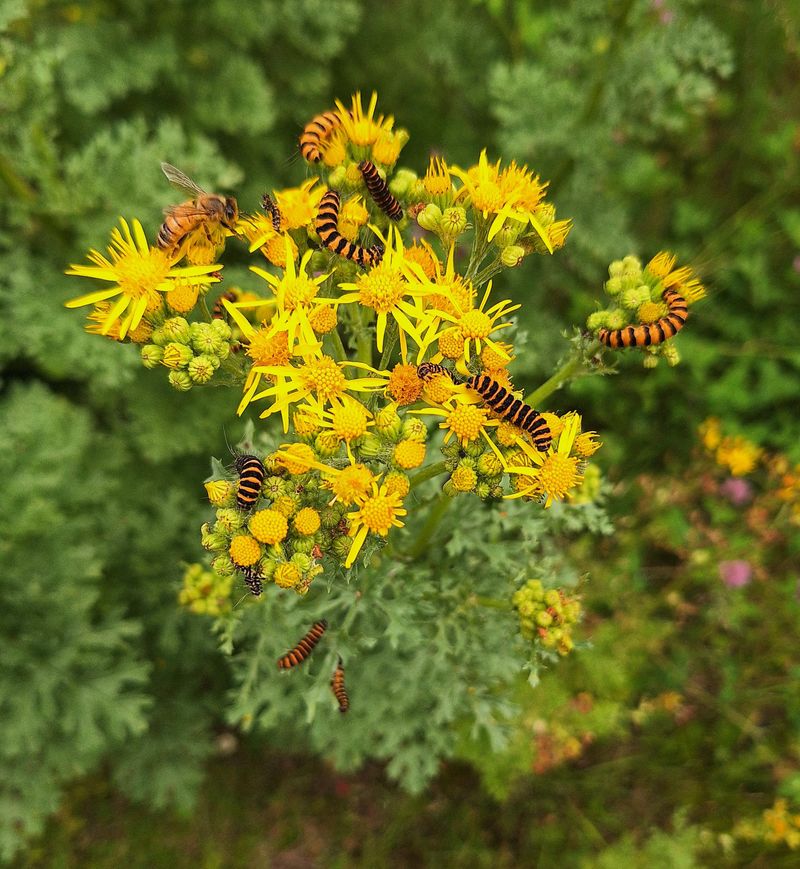
A cut tansy ragwort plant can look finished.
To a horse or cow, the story may become more dangerous after the plant wilts.
Fresh tansy ragwort often gets avoided by grazing animals, but cut or treated plants can lose some of the qualities that discourage livestock from eating them.
The toxic compounds remain, and dried tansy ragwort in hay still poses a serious risk.
That makes pasture cleanup more than a weed-control chore.
Do not leave cut plants scattered where livestock can reach them. Bag removed material and take it out of the grazing area.
Hay fields need even more attention.
Scout before the cut date and remove tansy ragwort from any area destined for bales. Do not count on dry weather, curing, or storage to make contaminated forage safe.
The plant retains its toxic properties after it dries.
Keep livestock on good forage too.
A dense, well-managed pasture gives animals better food choices and leaves less open ground for tansy ragwort to claim.
Your mower may see one more broadleaf weed.
Your hay bale does not get to be that casual.
A yellow stem mixed into green forage can become hard to notice once everything dries together.
Remove the problem before the baler arrives.
Hay should come with dinner, not a botanical guessing game.
Target Low Rosettes After Fall Rain Returns
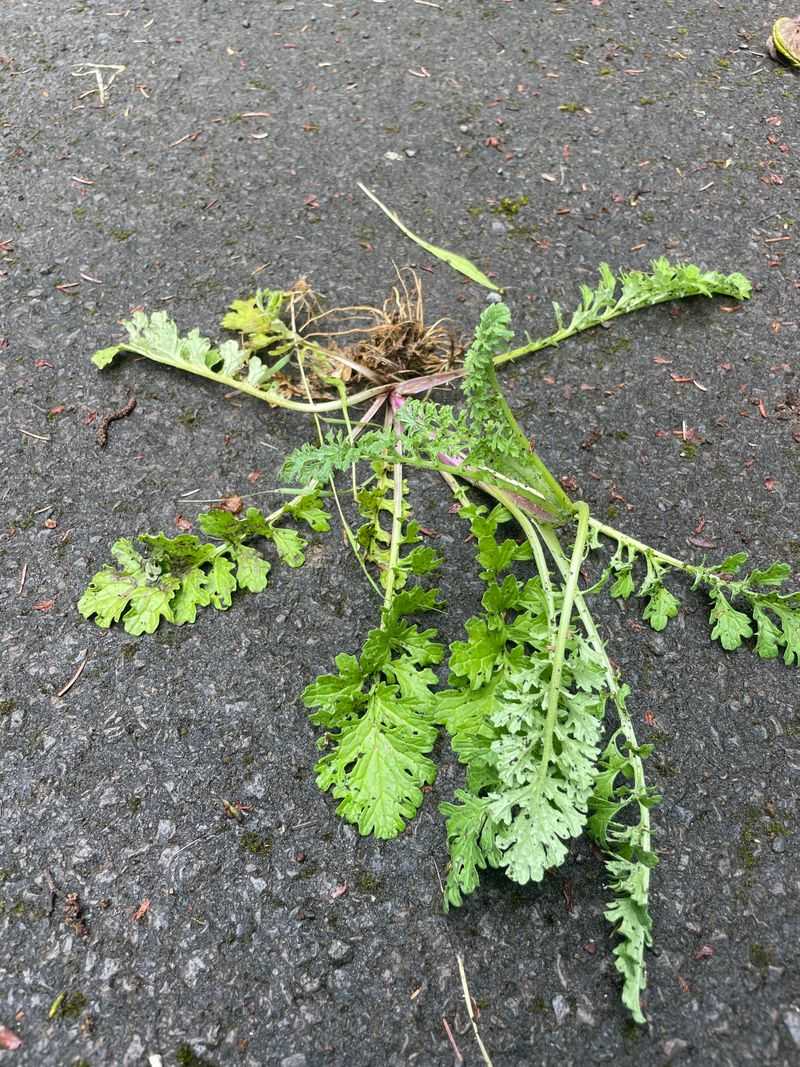
Late summer shows you the yellow problem.
Fall can give you a better shot at the green one.
After rain returns, tansy ragwort seedlings and low rosettes can start active growth. That stage is generally more suitable for herbicide treatment than a mature plant already in flower.
Current Oregon guidance favors treatment on active seedlings and rosettes rather than plants that already have flower stalks.
So watch the ground after the first wet stretch.
The rosette sits low, with deeply cut leaves spread around the center. It lacks the tall yellow signal that makes summer plants easy to spot.
That is precisely why a fall walk matters.
For herbicide use, choose a product whose label includes tansy ragwort and your exact site type. Pasture, right-of-way, and other land uses can carry different instructions and restrictions.
Read the entire label before you mix or spray.
Rates, timing, livestock restrictions, weather limits, and protective gear can differ by product. More product does not improve the plan.
You can also dig small numbers of rosettes instead of spraying.
Either way, mark the patch and check it again later.
Fall control is not about chasing the bright yellow plants you already noticed.
It is about catching next season while it still fits close to the ground.
That is a much easier argument to win.
Fill The Bare Ground Before Tansy Does
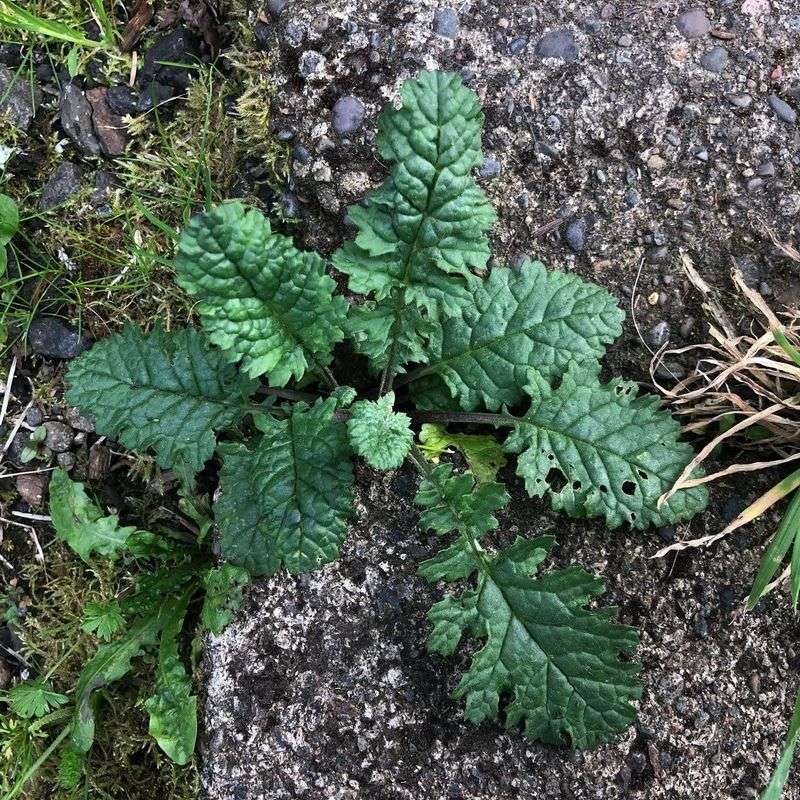
Pull a patch of tansy ragwort and the soil can look wonderfully clean.
Do not celebrate the empty space for too long.
Bare soil gives future weeds room, light, and less competition. Tansy ragwort does well on disturbed sites, so a patch left open after removal can invite another round.
A strong pasture or dense plant cover helps resist new plants.
Repair the spot with plants suited to the site.
In pasture, that may mean a forage mix chosen for your soil, moisture, livestock, and part of Oregon. Around non-grazed property edges, another durable groundcover may make more sense.
Avoid a random seed mix just because the bag says “pasture.”
Your field deserves a better blind date.
Keep soil disturbance modest. Rake only enough to create good seed contact where that fits the chosen mix. Deep cultivation can create a much larger open patch than the original weed left behind.
Then protect the new cover while it establishes.
Do not graze a fresh repair too hard or too soon. Give roots and leaves a chance to fill the gap.
Long-term tansy ragwort control can require several years of attention, and revegetation forms part of that plan.
The goal is not merely to remove yellow flowers.
You want something useful to claim the space afterward.
Nature hates a vacancy.
Make sure tansy ragwort is not the applicant who gets the lease.