Why Oregon Rosemary Turns Woody And How To Keep It Full
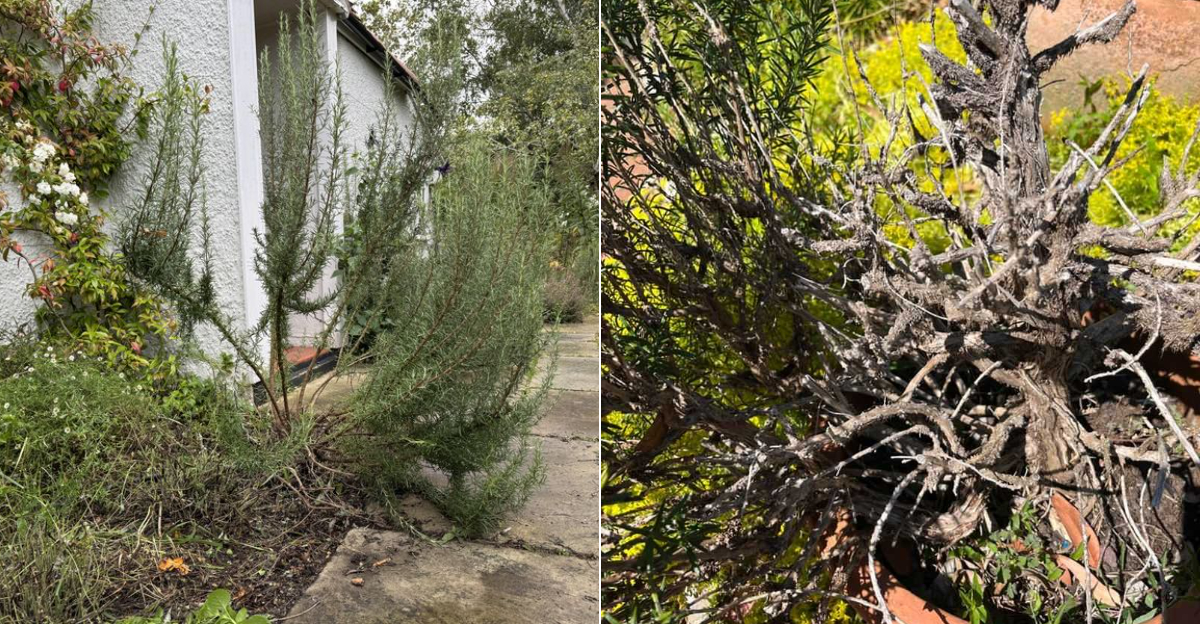
Rosemary can look effortlessly lush for years, then slowly start changing its personality. Soft green growth gives way to bare-looking stems, the center opens up, and that once-bushy plant starts looking more like a tiny shrub with commitment issues.
In Oregon gardens, this shift can be easy to miss because it happens gradually. The plant may still smell wonderful and keep producing fresh tips, even while older sections become harder, leggier, and less attractive.
That does not mean the rosemary is automatically finished. Growth habit, age, pruning, light, and seasonal conditions can all shape how full the plant stays over time.
The key is catching those changes before the shrub gets too far ahead of you. A little attention to how rosemary grows can make a big difference in how dense, tidy, and productive it looks.
That familiar woody center is not just a cosmetic quirk. It is a clue that the plant’s structure is changing, and the right care can help keep it looking fuller for much longer.
Older Stems Naturally Get Woody Over Time
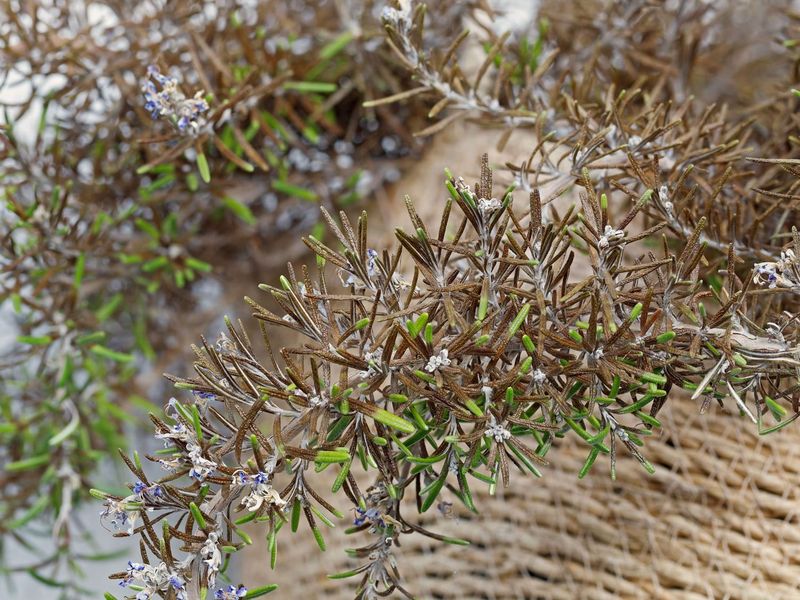
Most people are surprised to learn that woodiness in rosemary is not a sign of neglect. Every rosemary plant does this naturally as it ages.
The lower stems slowly harden and turn brown, almost like tree bark, while the tips stay green and leafy.
This process is called lignification. Over months and years, the plant shifts its energy upward and outward.
The base becomes more like a woody shrub than a soft herb. In wetter climates, this can happen faster because the plant pushes growth quickly in mild seasons.
The woody base is actually the plant’s support system. Those thick stems hold the whole plant up.
But when too much of the plant becomes wood, you lose the lush, full look that makes rosemary so appealing in the first place.
Knowing this is a natural process helps you respond calmly and wisely. You do not need to panic when you see bark forming at the base.
What you do need is a plan to encourage new green growth from the upper stems before the woodiness takes over too much of the plant.
Start paying attention to how much of your rosemary is green versus brown. A healthy balance means the top two-thirds of the plant should still have soft, leafy stems.
If the woody part is creeping higher, that is your cue to start managing it with regular light trimming.
Skipping Regular Trimming Makes The Center Thin Out
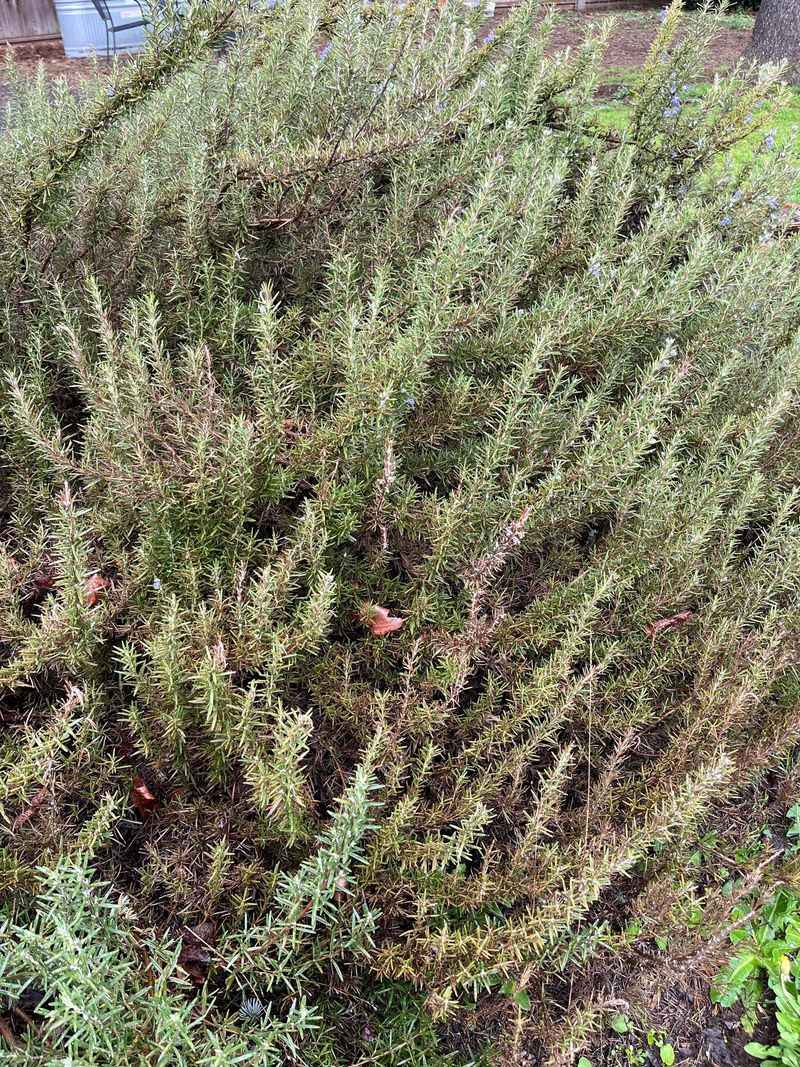
One of the most common mistakes Oregon gardeners make is letting rosemary grow without any trimming for a full season or longer.
When pruning gets skipped, the plant puts all its energy into the outer tips. The center slowly stops getting light and air.
Without enough light reaching the inside of the plant, those inner stems stop producing leaves. They go bare.
Over time, the center becomes a hollow tangle of old wood with no green growth at all. From the outside, the plant may look okay, but up close it tells a different story.
Your Oregon Garden Changes Every Week. Your Plan Should Too.
Gardening in Oregon changes quickly throughout the season. Every Friday you’ll receive a simple weekly plan showing exactly what to plant, prune, fertilize, harvest, and protect so you never miss the right timing.
Regular trimming solves this problem before it starts. When you trim the outer stems back a little, light can filter into the middle of the plant.
New side shoots begin to sprout. The center fills back in with fresh, green growth.
Think of it like giving the plant a haircut rather than a total overhaul. You are not removing huge amounts at once.
You are just keeping things neat and open enough for light to do its job. Even trimming every six to eight weeks during the growing season can make a big difference.
Gardeners who skip this step often end up with a plant that looks full from far away but is actually quite sparse and woody inside.
Staying consistent with light trimming is one of the easiest ways to keep the whole plant looking healthy and dense.
Long Branches Start Opening Up The Plant
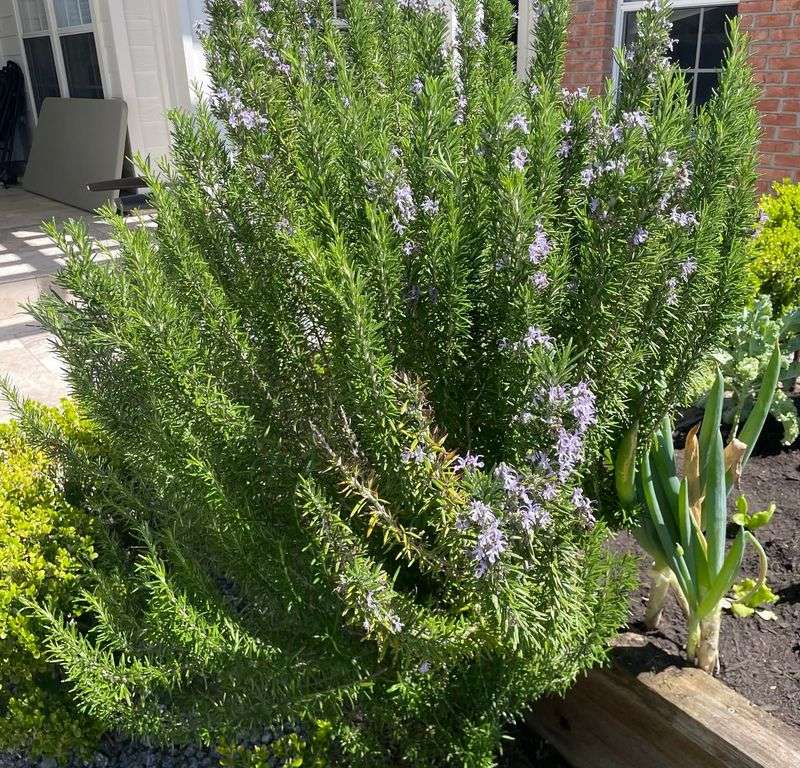
Long branches on rosemary might look lush at first glance, but they can actually work against the plant’s fullness over time. When branches get too long, they start to droop or spread outward.
That outward spread opens up the center of the plant. Once the center opens, it gets exposed to more wind and less protected from cold. In Oregon’s rainy climate, moisture can collect in that open space.
This creates conditions where the inner stems struggle to produce new leaves. The plant starts looking hollow in the middle.
Long branches also get heavy. Their weight pulls them down and away from the main plant.
Sometimes they even touch the soil, which can lead to rot or pest problems at the stem base. Keeping branches at a manageable length prevents all of this.
A good rule of thumb is to not let any single branch grow longer than about twelve inches from the main stem without trimming it back.
This keeps the plant compact and rounded. A compact shape holds its form better and looks fuller from every angle.
Trimming long branches back to a healthy side shoot is the best approach. Do not just snip the very tip.
Cut back to a spot where you can see a small green leaf or bud. That bud will become the new growing point, and the branch will fill out from there rather than continuing to stretch outward.
Light Pruning Helps Keep New Growth Coming
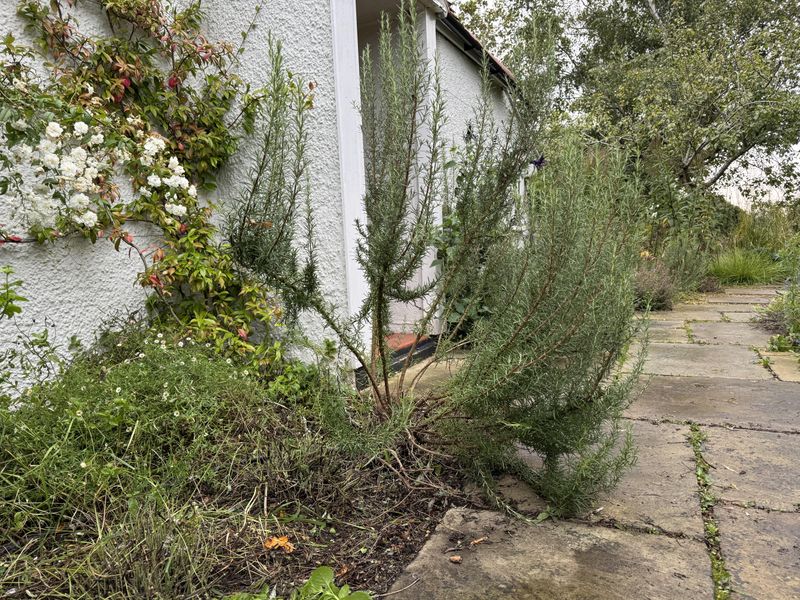
There is something almost counterintuitive about pruning. Cutting a plant back actually encourages it to grow more.
When you remove the tip of a stem, the plant responds by pushing out two or more new shoots from just below the cut. More shoots mean more fullness.
Light pruning works best when done consistently throughout the growing season. You do not need to wait until the plant looks overgrown.
In fact, trimming a little at a time is far more effective than one big cutback every year. Small, frequent trims keep the plant actively growing.
For rosemary, focus on the soft, green tips of the stems. Use clean, sharp scissors or small pruning shears.
Cut just above a set of leaves, leaving at least a few inches of green stem below your cut. This gives the plant plenty of material to work with as it regrows.
In Oregon’s mild growing seasons, rosemary can be trimmed lightly from spring through early fall. Avoid heavy pruning in late fall when the plant is preparing to slow down for winter.
A light touch in the cooler months is fine, but save the real shaping for spring.
Over time, this habit of regular light pruning builds a plant that is naturally denser and more compact. The stems branch out more, the leaves stay thick, and the plant holds a pleasing rounded shape without much extra effort from you.
Trim After Flowering Instead Of Waiting For A Big Cutback
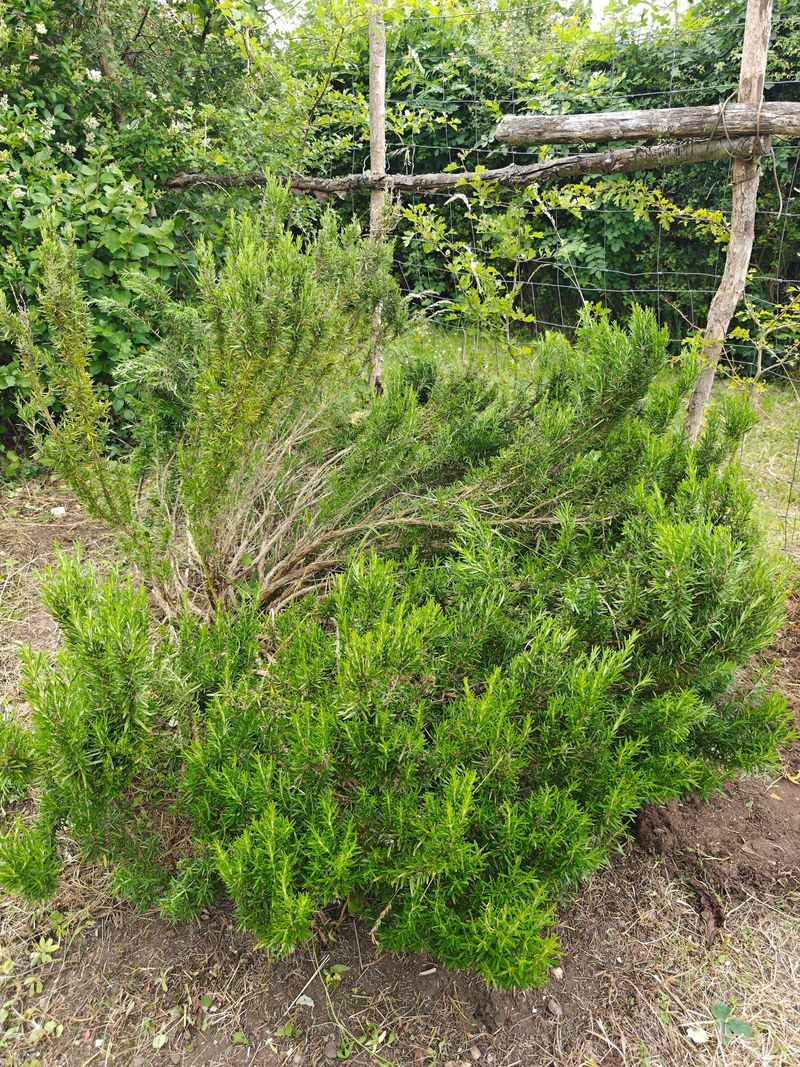
Rosemary flowers are beautiful, and it can be tempting to just let the plant bloom without touching it.
But the period right after flowering is actually one of the best times to do some light shaping. Trimming then takes advantage of the plant’s natural growth cycle.
After rosemary finishes blooming, it naturally shifts its energy back into producing leafy stems. If you trim at this point, you are working with the plant rather than against it.
The new growth that follows a post-bloom trim tends to be especially vigorous and full.
This timing also helps prevent the plant from putting energy into forming seeds. When a plant goes to seed, it slows down leafy growth.
By trimming after the flowers fade, you redirect that energy back into the stems and leaves where you want it.
The trim does not need to be dramatic. Just go over the plant and cut back the flowered tips by a few inches.
Shape it lightly into a rounded or mounded form. This keeps it tidy and signals the plant to push out fresh side shoots.
Many gardeners in Oregon find that rosemary blooms in late winter or early spring. That makes post-bloom trimming a great early-season task.
Getting it done before the main growing season kicks in sets the plant up for a full, productive summer. Consistent attention at this stage pays off for months afterward.
Avoid Cutting Deep Into Bare Old Wood
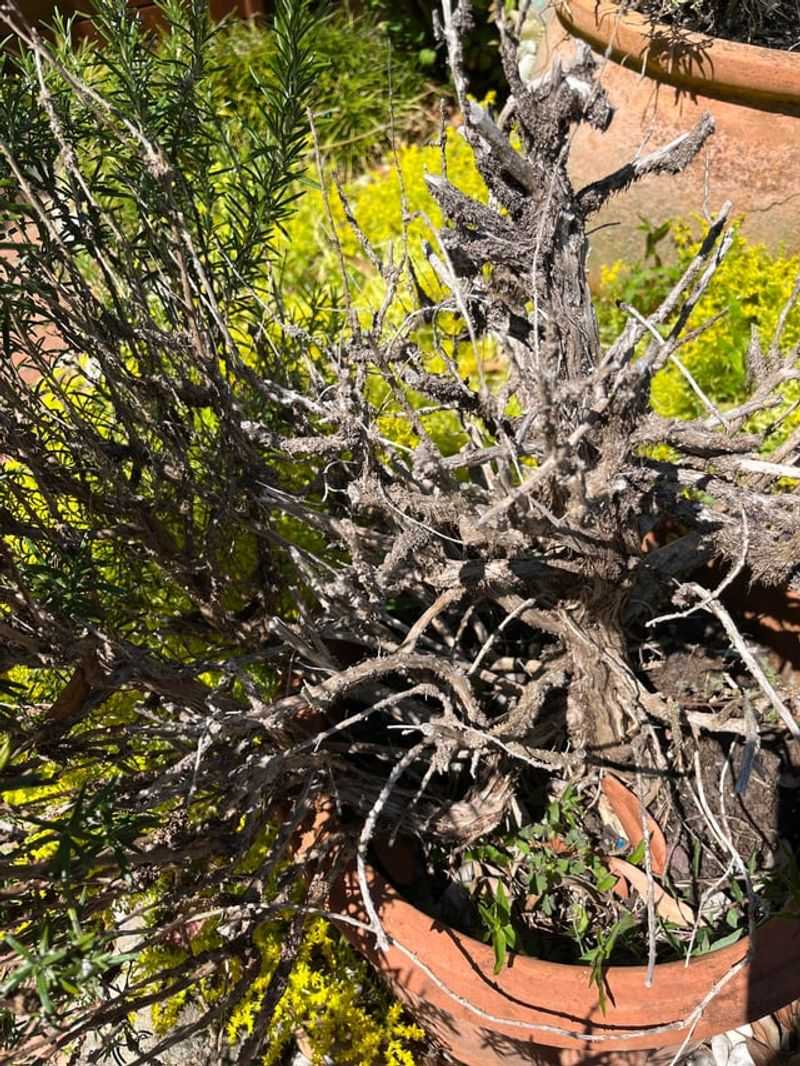
One of the most important rules for pruning rosemary is knowing where not to cut. The bare, brown, woody stems at the base of the plant look like they should be cut back hard, but doing so can cause serious problems.
Old bare wood rarely sprouts new growth. Unlike some shrubs that can regenerate from old wood, rosemary is different.
If you cut into a section of stem that has no leaves or green growth at all, that stem often cannot recover. It just sits there, and the plant cannot push new buds from that spot.
This is why it is so important to always cut above a point where you can see at least some green leaves or a visible bud. That green is your safety zone.
As long as you stay in the green zone, the plant has what it needs to send out new shoots after pruning.
When people try to rejuvenate a very woody rosemary by cutting it back hard to the base, they are taking a big risk.
Sometimes it works, but often the plant simply cannot bounce back from such an aggressive cut. The better approach is gradual reduction over multiple seasons.
Each time you prune, take off a bit more of the woody section from above, always leaving green growth below your cut.
Over one or two growing seasons, you can steadily reduce the woody base while keeping the plant alive and actively growing throughout the process.
Take A Little Off The Tips To Keep It Bushy
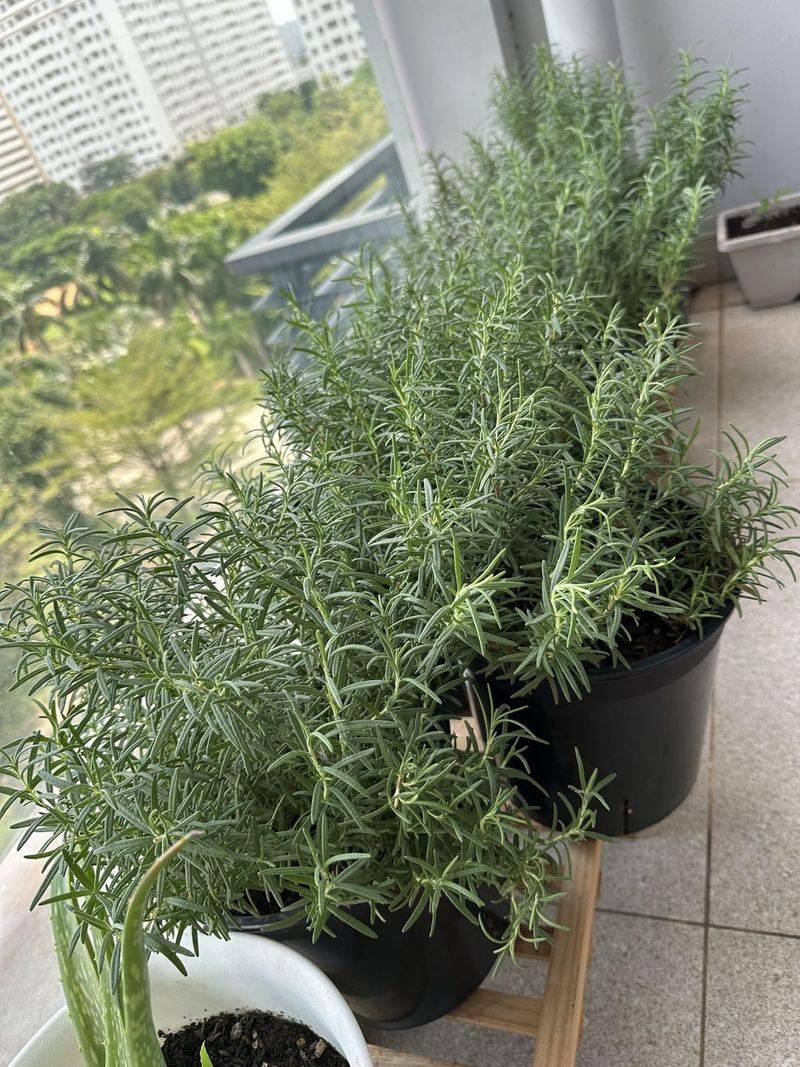
Pinching or snipping the very tips of rosemary stems is one of the simplest things you can do to keep the plant full.
It takes almost no time, requires no special tools, and the results are noticeable within just a few weeks. It is a small action with a big payoff.
When you remove the tip of a stem, the growth hormone that was concentrated at that tip spreads to the side buds just below the cut. Those buds wake up and start growing.
Instead of one long stem, you soon have two or three shorter, bushier ones branching out.
Do this regularly across all the outer stems of your rosemary, and you will build a plant that branches more and more over time. The more it branches, the fuller it looks.
A well-branched rosemary has that classic thick, mounded shape that looks great in any garden setting.
You can even do this by hand. Just pinch off the soft tip of each stem between your fingers.
It is best to do this when the new growth is still young and tender. Older, tougher stems need scissors or shears, but young tips snap off cleanly with just a pinch.
Try making this part of your routine whenever you harvest rosemary for cooking. Each time you snip a sprig for the kitchen, you are also giving the plant a small trim.
Over a whole season, those little harvests add up to a noticeably bushier and more productive plant.
Too Much Shade Can Make Growth Loose And Leggy
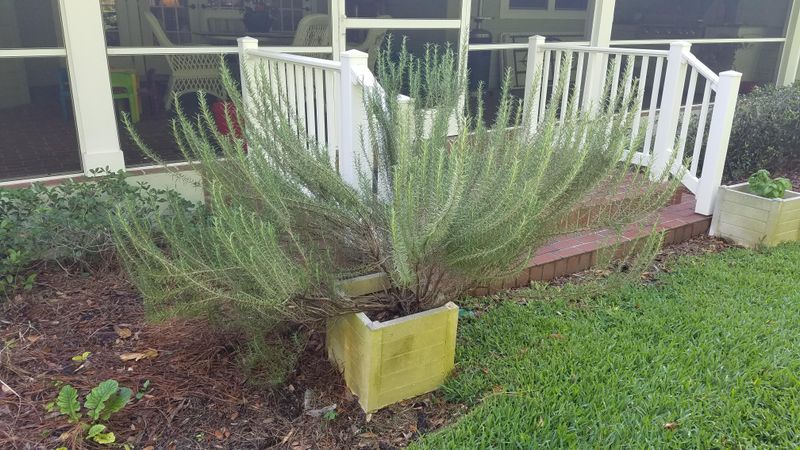
Sunlight is one of rosemary’s most basic needs, and without enough of it, the plant starts to stretch.
When rosemary does not get enough direct sun, it grows long, thin stems with widely spaced leaves. Gardeners call this legginess, and it makes the plant look sparse and floppy.
Leggy growth happens because the plant is reaching toward light. Every stem grows as long as it can to find the sun it needs.
This stretching uses up energy that would otherwise go into producing dense, leafy side growth. The result is a plant that looks tall but thin.
Rosemary does best with at least six hours of direct sunlight each day. In cloudier climates where overcast days are common, even a few hours of filtered sun can help.
But deep shade, like the kind found under large trees or on the north side of a building, is too limiting for this plant.
If your rosemary is in a shady spot and looking leggy, consider moving it. Container-grown plants are easy to relocate to a sunnier location.
In-ground plants can sometimes be transplanted in early spring before the growing season picks up.
Even trimming a leggy plant will not fix the problem long-term if the light issue is not addressed first.
Pruning helps shape the plant, but only sunlight can fuel the dense, compact growth that makes rosemary look its best. Getting the light right is the foundation of everything else.