The Oregon Fruit Trees That Need Summer Pruning For Better Harvests Next Year
Your fruit trees may need a haircut, but not the kind most Oregon gardeners expect.
The strange part? The best moment may arrive while leaves still cover the branches and summer fruit has barely left the kitchen counter.
Most people save the pruners for winter. That habit makes sense. Bare branches show their structure clearly, and the orchard feels easier to read.
Yet summer can quietly open a useful second window. A few careful cuts can change light, airflow, height, and next season’s potential while the tree avoids a weekend construction project. The catch sits in the details.
Some trees welcome a trim after harvest. Others need a much softer touch. Weather matters too, especially when Oregon flips from dry heat to damp spells faster than your plans can keep up.
So which trees deserve your attention before fall arrives? Keep the pruners nearby, but do not make a cut yet. The curious part comes next, and one wrong cut can turn a tidy afternoon into extra work later on.
1. Prune Sweet Cherries After Harvest
Sweet cherries can turn a modest backyard into a ladder convention faster than you expect.
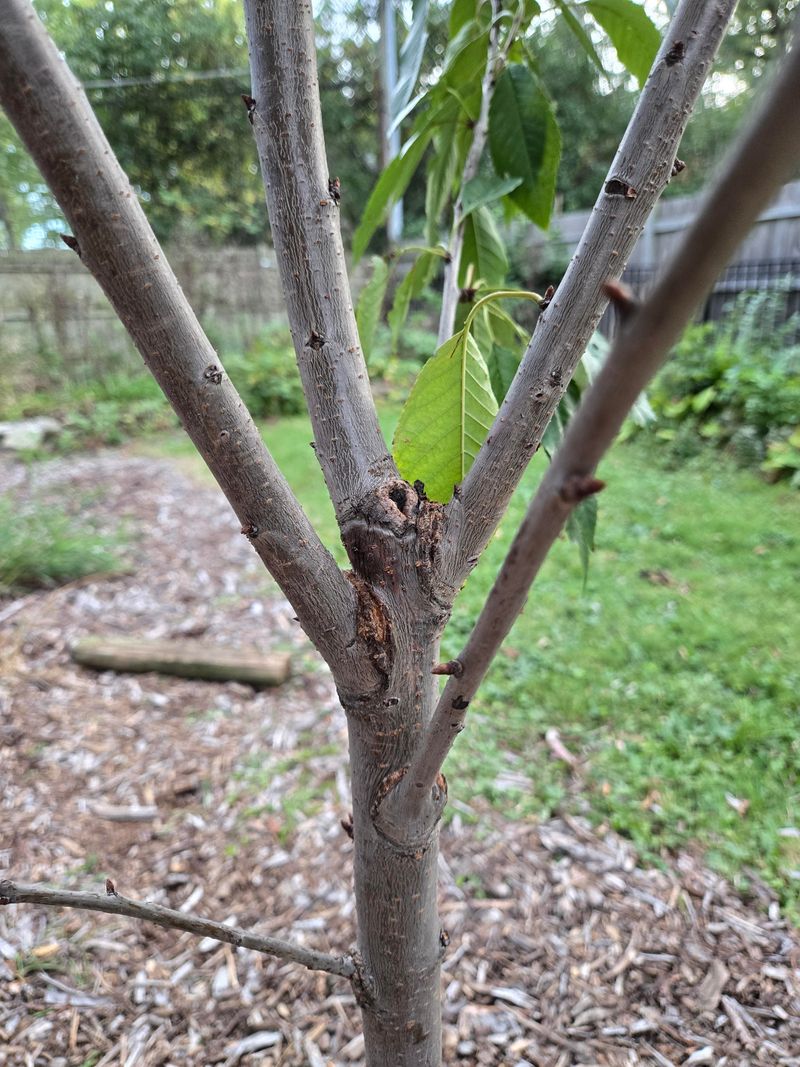
Their vigorous shoots reach upward fast, so summer gives you a useful chance to keep that ambition under control. The best window comes after harvest, once the fruit is off the tree and a dry spell settles over the orchard.
Do not treat this as a major makeover.
Focus on branches that rub, crowd the center, or shoot straight up from larger limbs. Those upright water sprouts can steal space and block light from the interior buds.
Take a lap around the tree before the first cut. You will often spot one or two obvious troublemakers from a new angle. Your pruners do not need to audition for an action movie.
Light cuts help more sun reach the inner canopy. That can support the flower buds that matter next season. Small cuts also place less stress on the tree than a full summer overhaul.
Save large scaffold work for the dormant season. Summer leaf loss can reduce the energy the tree stores for the next crop.
Keep cuts clean and, when practical, under about an inch across. Western Oregon gardeners should pay close attention to the forecast. A dry stretch gives fresh cuts time to dry before rain returns.
Sweet cherries may love to reach for the sky, but your ladder does not need the same career plan.
2. Shape Sour Cherries During Dry Weather
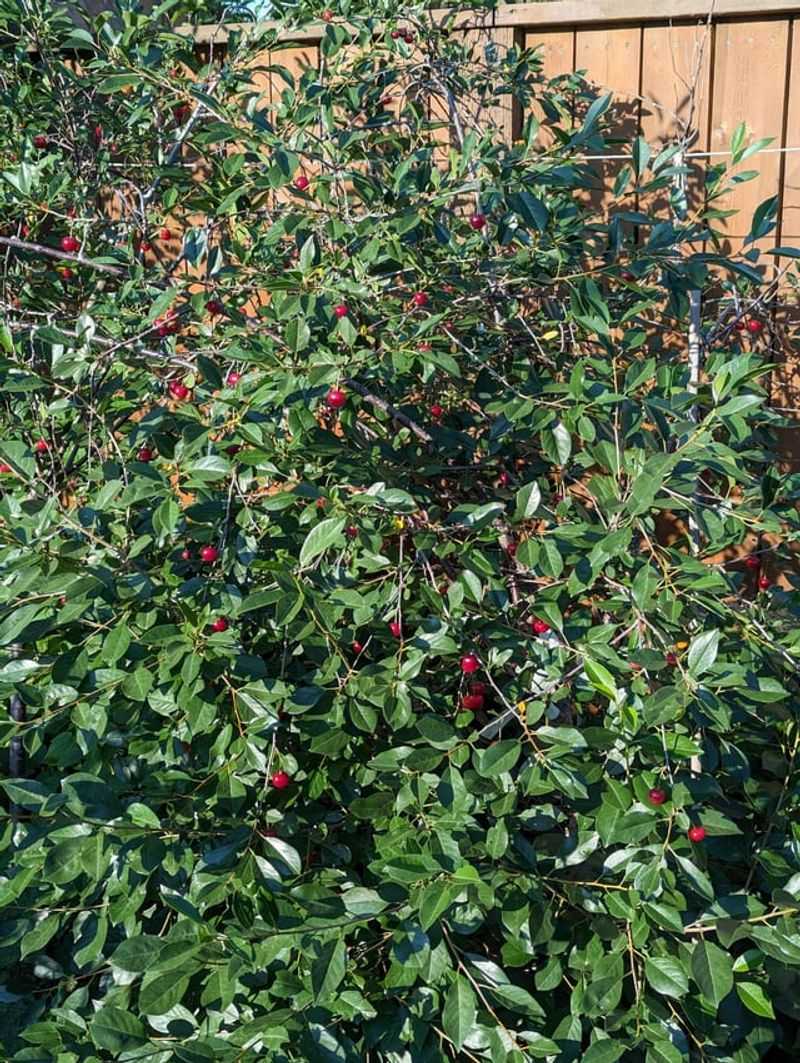
Sour cherries play by a slightly different set of orchard rules, and that little detail can save you from an overenthusiastic trim.
Varieties such as Montmorency produce fruit on spurs along older wood and at the tips of one-year-old shoots. Those younger shoots matter, so a hard cut can remove wood you actually want to keep.
Post-harvest care works well here too.
Once the tart crop comes off, check the canopy for branches that crowd the center, rub against neighbors, or show clear damage. Remove only the pieces that create a real problem.
Your Oregon Garden Changes Every Week. Your Plan Should Too.
Gardening in Oregon changes quickly throughout the season. Every Friday you’ll receive a simple weekly plan showing exactly what to plant, prune, fertilize, harvest, and protect so you never miss the right timing.
Give the tree a slow walk-around before you reach for the pruners. It is easy to spot one branch from the front that looks useless, then discover from the side that it fills an important gap. Trees love to make gardeners second-guess themselves.
More open space can improve air movement through the canopy. That matters in humid parts of western Oregon, where brown rot and bacterial canker can become a concern.
Choose a dry weather window for the work. Keep productive lateral shoots whenever possible, and make clean cuts with a slight angle so water can leave the surface.
Clean your tools between trees with diluted bleach or 70 percent isopropyl alcohol.
Sour cherries stay more compact than their sweet cousins, so the job often feels less dramatic. That is good news for you, your tree, and the ladder that hoped for a quiet afternoon.
3. Thin Peach Canopies Without Overcutting
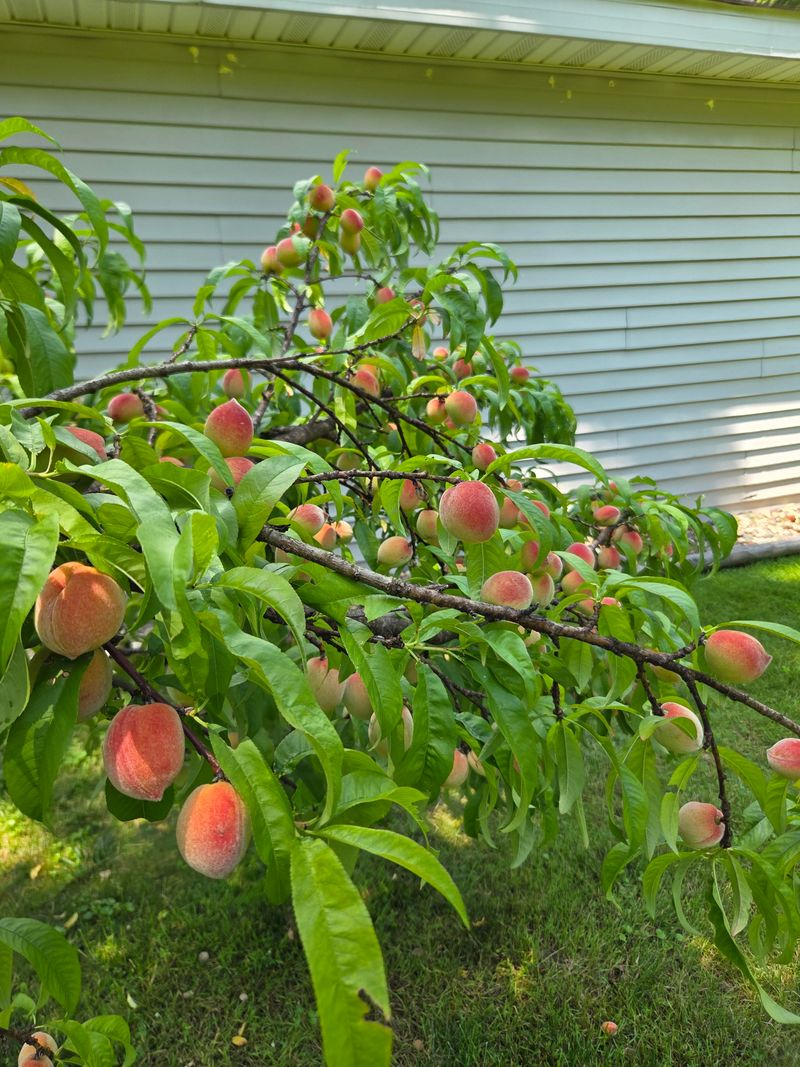
Peach trees do not waste much time on subtlety.
They can push out long shoots in a single season, and next year’s fruit depends heavily on wood from the previous year. That puts sunlight near the top of the priority list.
Late summer can help tidy the canopy after the main crop comes off.
Look first for water sprouts. These fast, upright shoots rise from major limbs and can turn the center of the tree into a leafy traffic jam. Remove the clearest offenders so more light can reach productive wood inside the canopy.
Stop often and look at the whole tree.
That small pause matters. One cut can reveal enough light to make the next three cuts unnecessary. Your peach tree does not need a buzz cut just because the pruners feel energetic.
Keep the center open, but leave plenty of healthy foliage in place. Too much summer leaf loss can reduce the energy the tree stores for the next season.
Extra exposure can also leave bark or late fruit more vulnerable to sunscald during hot spells. That deserves extra attention in Oregon’s inland valleys and eastern areas.
Use small, selective cuts and favor shoots that clearly crowd or shade useful wood. The goal is better access to light, not a stripped canopy.
Peaches already bring enough drama with their rapid growth. Your summer prune should feel more like crowd control than a full orchard renovation.
4. Open Nectarines After The Crop Comes Off
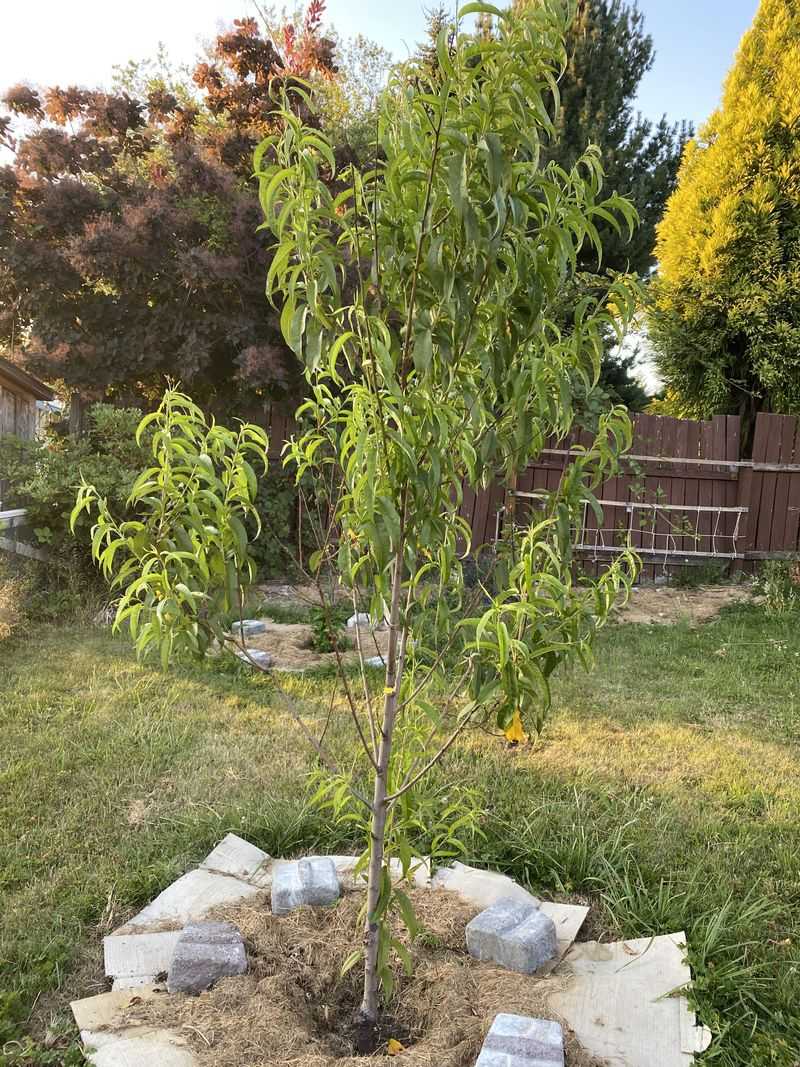
Nectarines may look polished, but their summer habits are nearly identical to those of peaches.
They fruit on one-year-old wood, so next season’s crop benefits from a canopy that lets sunlight reach the right shoots. After harvest, that makes a light cleanup worth a close look.
Start from a few steps away.
Scan the center for deep shade and for vertical shoots that compete with the main framework. Water sprouts often stand out at once. They rise almost straight up and tend to have smoother, greener bark than older wood.
Now move closer and choose only the obvious targets.
A little restraint helps here. Nectarine skin lacks the fuzz found on peaches, so too much sudden leaf removal can expose late fruit or surface buds to strong sun. Oregon heat east of the Cascades can make that concern more important late in summer.
You do not need to finish every correction in one round. Spread the work across a few sessions when the canopy feels dense. Keep plenty of healthy leaf area and avoid large, aggressive cuts.
A useful limit is about 20 to 25 percent of the canopy in one summer visit. Less may be enough for a tree that already has decent light and airflow.
Walk around again after the cuts. The center should feel more open, not bare.
Nectarines appreciate a little extra elbow room. Your goal is a trim, not an accidental invitation for every sunbeam in Oregon to move in at once.
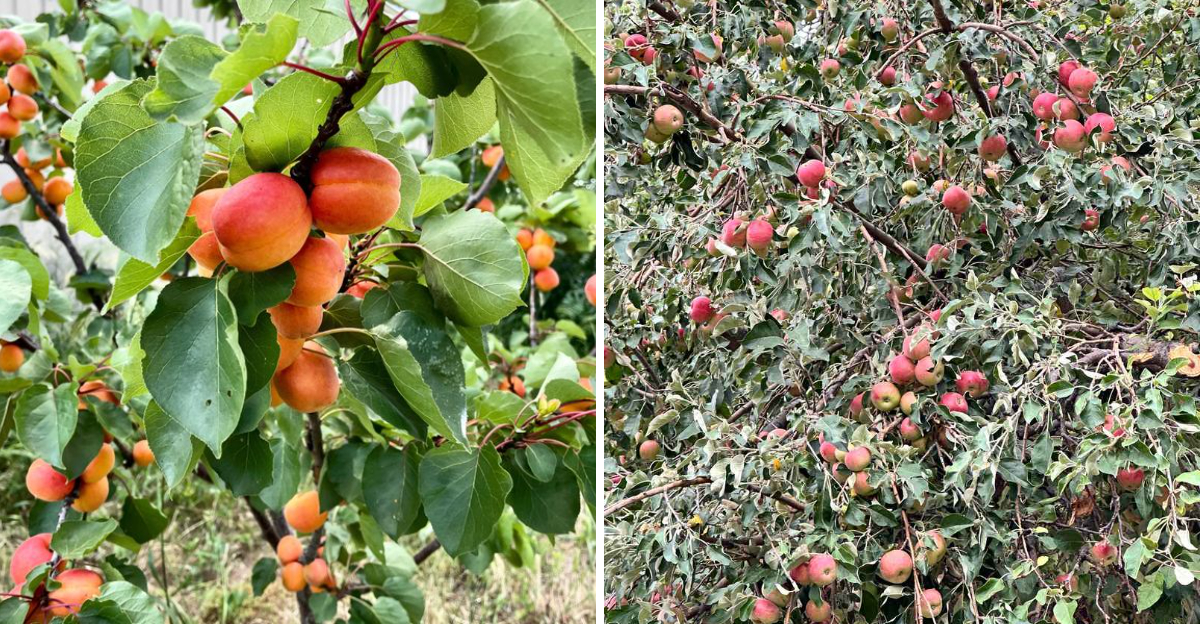
5. Handle Apricots During A Dry Spell
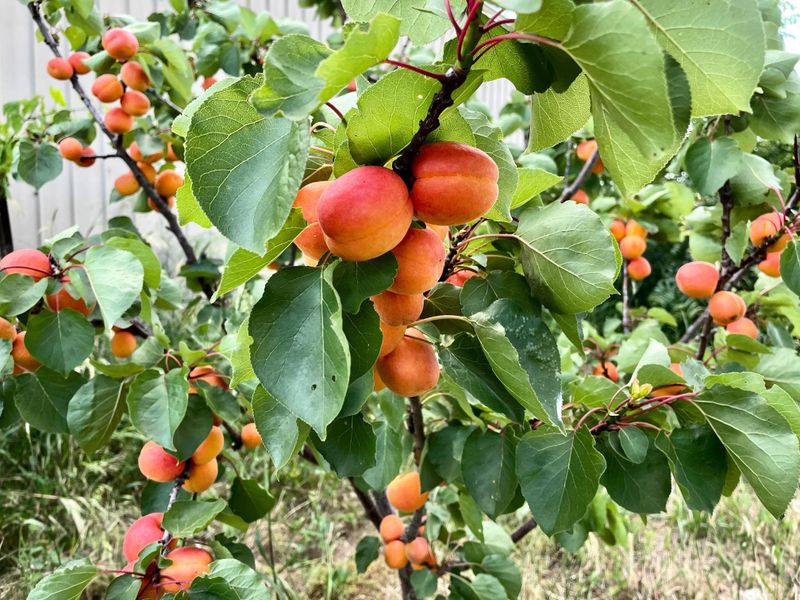
Apricots can make an Oregon gardener watch the weather forecast with unusual devotion.
They bloom very early, and wetter regions can bring extra disease pressure. That makes dry summer weather a valuable chance for careful cuts, especially on the west side of the state.
The date deserves your attention here.
A fresh cut stays vulnerable when moisture hangs around. In western Oregon, a dry August stretch can offer a safer window than the wetter dormant months. East of the Cascades, drier summers and different winter conditions can give gardeners more flexibility.
Once the weather cooperates, keep the job modest.
Start with wood that shows clear damage or disease. Then look for branches that rub, crowd the center, or press into nearby limbs. Mature apricots can collect plenty of interior clutter, so a few precise cuts can make the canopy easier to manage.
Step back after each small round. You want more order, not a tree that looks as though it lost a bet with a barber.
Sharp tools matter. Clean cuts help the tree close wounds more neatly, and small cuts reduce the size of each exposed surface.
Skip cool, humid periods, even in summer. Those conditions can favor fungal problems.
Wound sealants are not necessary for most cuts. Dry air can handle the next part without extra paint or paste.
Apricots reward patience more than enthusiasm. Choose the weather, choose the branch, make the cut, then put the pruners down before they develop opinions.
6. Control Plum And Prune Vigor Lightly
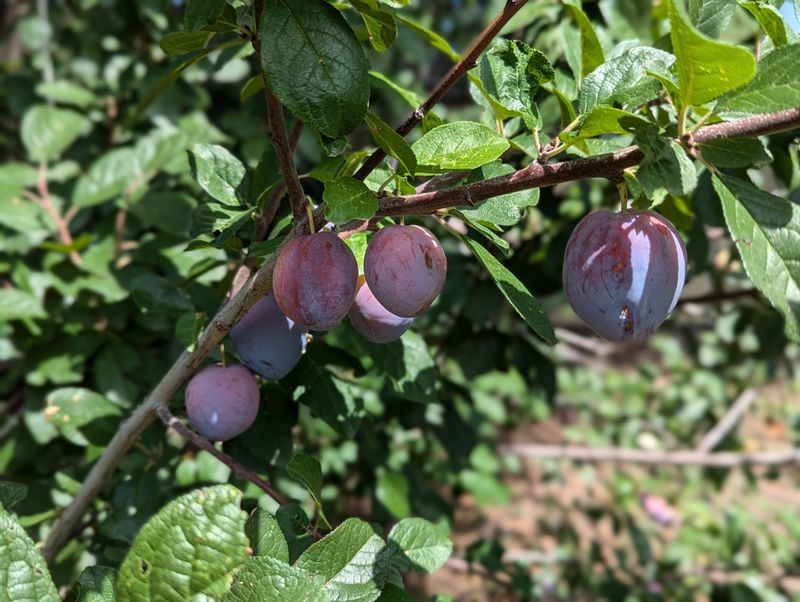
Plums can look calm from a distance, then you step closer and discover a branch conference that nobody scheduled.
The first detail to sort out is the type. European plums, such as Italian prune plums, often grow with a more upright and moderate habit. Japanese plums can push harder and create a dense web of shoots after a few seasons.
Summer work should stay light for both.
Look for water sprouts that rise straight from major limbs, branches that rub, and wood with clear damage or disease. Remove the obvious problems first. That can reduce the winter workload and let more light reach fruit spurs for next year.
Give yourself a simple rule: fix the traffic jam, do not redesign the highway.
Heavy summer cuts can prompt a fresh rush of vigorous shoots. That new growth uses reserves the tree needs before cold weather arrives. A small cleanup usually makes more sense than a bold reshape.
Western Oregon gardeners should also watch for brown rot during warm, humid stretches while fruit remains on the tree. Shriveled fruit left in the canopy can carry trouble into the next season.
Remove affected fruit and dispose of it away from the orchard. That bit of sanitation may help more than another round with the pruners.
Then stop and admire your restraint.
Plums do not need you to solve every branch dispute before dinner. Clear the obvious mess, save major structure work for dormancy, and let the tree keep a little mystery.
7. Tame Overgrown Apples And Pears Sparingly
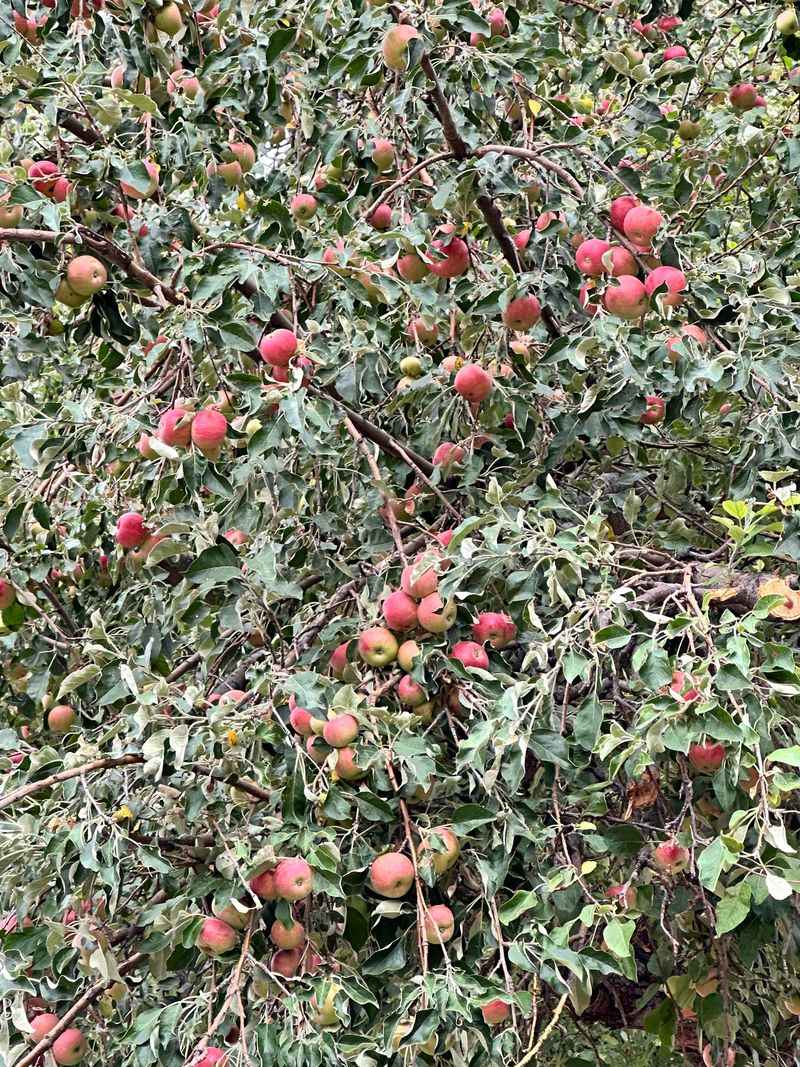
Apples and pears usually prefer summer pruners to mind their own business.
Most major structural work belongs in the dormant season, when bare branches make the framework easier to read. Summer cuts serve a narrower purpose, so this is one job where restraint can save you effort later.
Look for the true overachievers.
Exceptionally vigorous upright shoots can shade fruit spurs and throw the canopy out of balance. Late summer, often August or early September, can be a useful time to remove selected shoots. An earlier cut may prompt a stronger rebound.
Formal trees need a bit more attention.
Espaliers and cordons rely on careful summer cuts to keep their shape and guide energy where you want it. Even then, the goal stays precise. Remove what disrupts the form rather than trim every branch within reach.
Stand back after a few cuts and check the tree from several angles. Apples and pears can make one branch look guilty from one side and perfectly useful from another. Give it a fair trial before the verdict.
Overgrown trees need extra patience. Major correction should stretch across three or more years rather than happen in one summer.
Start with the worst problems, such as damaged wood, branches that rub, and shoots that block useful light. Let the tree respond before the next round.
There is no prize for a renovation done before lunch. A gradual comeback keeps the tree more balanced, and your shoulders may appreciate the schedule too.