More Toads Near Your Texas Home Means Fewer Grasshoppers (Here’s How To Attract Them)
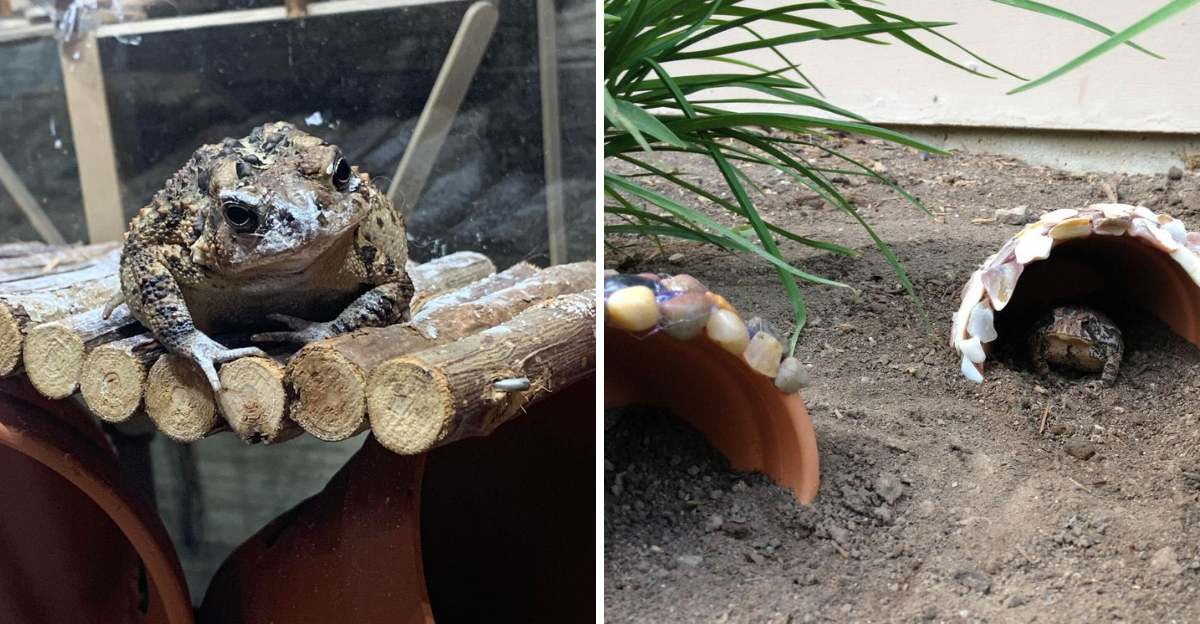
A Texas porch light can turn into a night shift after sunset.
One chunky visitor sits beneath it. A grasshopper lands nearby. The toad barely moves, then the bug suddenly disappears.
That little scene raises a question. Could one quiet backyard guest help take some pressure off your garden?
The answer gets more curious after dark.
Texas toads do not arrive with a pest-control contract. They eat many kinds of prey, and grasshoppers can be part of that menu. A yard with shade, moisture, cover, and fewer chemical hazards gives them more reasons to stay nearby.
The trick is not to trap them or move toads into your beds.
You make the yard worth a return trip.
A shallow water stop can help. So can one cool hideout, a softer patch of mulch, and enough low cover to cross the yard without a spotlight overhead.
Ready to turn one nighttime visitor into a garden ally?
Your easiest pest patrol may already have four legs and very little interest in overtime.
1. Let Toads Hunt Grasshoppers Around The Garden
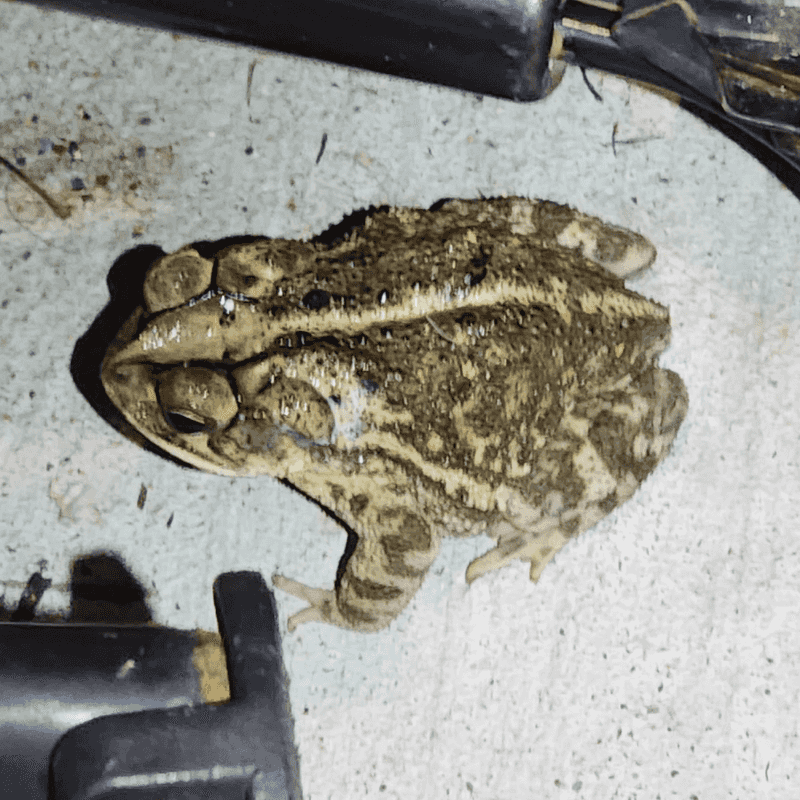
A toad under the porch light may be closer to pest patrol than it looks.
Texas toads eat a broad mix of insects and other small invertebrates. Grasshoppers can land on that menu, along with beetles, crickets, caterpillars, ants, and plenty of other backyard prey. The exact meal depends on what wanders close enough.
That makes a toad useful, but not magical.
One visitor will not erase a heavy grasshopper outbreak. Toads hunt by chance and opportunity, so they add natural pressure rather than target one pest on command.
You can still make that help count.
Keep a sheltered route between flower beds, vegetable beds, and the places where toads rest during the day. Low plants, mulch, and patches of shade give them cover close to the insects that show up after sunset.
Texas also supports several native toad species, such as the Gulf Coast Toad and Texas Toad. The species near your home depends on your part of the state.
Leave wild toads where they choose to live. Do not collect one from another property and drop it beside the tomatoes.
The best garden helper is the one that picked your yard on its own.
Give it cover, water, and a reason to stay nearby.
Your grasshoppers may not pack their bags, but the night shift just gained one very patient employee.
2. Give Them A Shallow Water Source
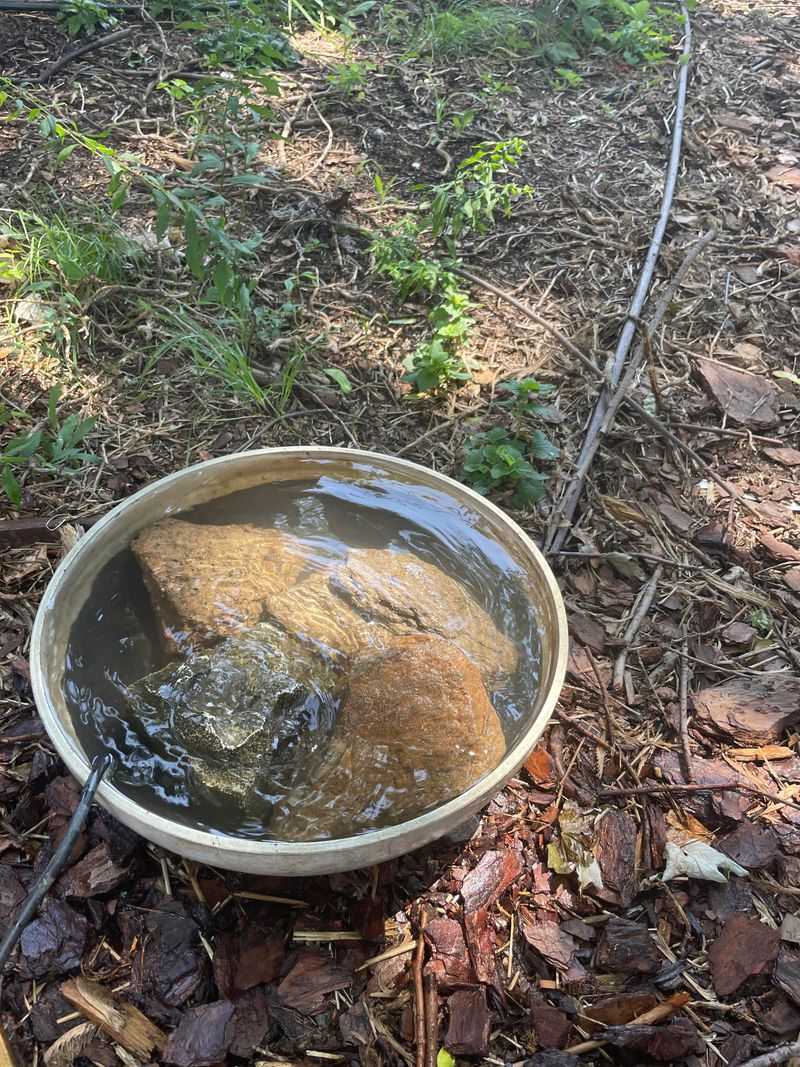
A Texas summer can turn a dry yard into a rough place for an amphibian.
Toads absorb water through their skin, so access to fresh, shallow water can make a backyard more useful to them. You do not need a pond beside the tomatoes. A low plant saucer or shallow dish can do the job.
Keep the setup simple.
Set the dish at ground level in shade. Add a flat stone that reaches above the water so a small visitor has an easy route out. Keep the water shallow enough for a toad to sit without a deep drop around it.
Your Texas Garden Changes Every Week. Your Plan Should Too.
Gardening in Texas changes quickly throughout the season. Every Friday you’ll receive a simple weekly plan showing exactly what to plant, prune, fertilize, harvest, and protect so you never miss the right timing.
Refresh the dish often.
Texas heat can warm and evaporate a small water source fast. Regular water changes also keep the container cleaner and make it less useful to mosquito larvae.
Skip soap, bleach, and household cleaners on the dish. A firm rinse and fresh water are a safer routine for a wildlife water stop.
Rainwater can work well when you have a clean source. Tap-water treatment varies by city, so avoid homemade guesses about chlorine or chloramine.
Place the dish near cover rather than in the middle of an exposed lawn.
A toad should be able to move from water to shade without a long trip across hot ground.
No fountain is required.
Your smallest backyard water feature can be a saucer, one rock, and a very satisfied night visitor.
3. Add A Cool Shaded Toad Shelter
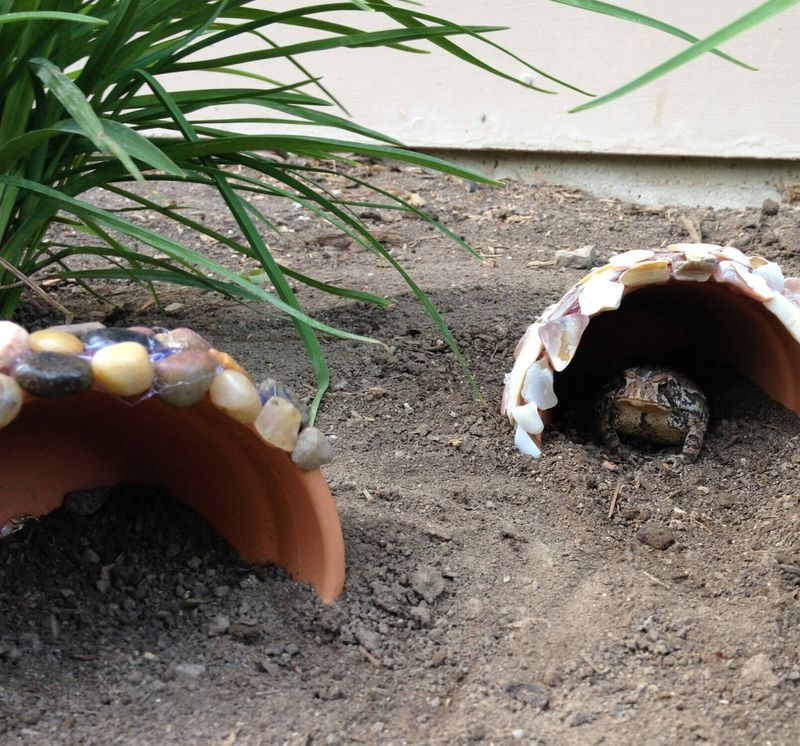
Your toad may work nights, but it still needs somewhere decent to spend the afternoon.
Texas sun can make bare soil, stone, and patio edges brutally hot. A shaded hideout gives a toad a cooler place to rest before insects become active again after sunset.
An upside-down clay pot makes an easy shelter.
Use a pot with a side gap large enough for a toad to enter without a squeeze. A broken rim can provide the doorway when the edge is smooth and stable. Set the pot on bare soil beneath a shrub or beside dense plants.
Natural shelter works too.
A flat rock with a safe gap beneath it, a hollow log, or a loose stack of untreated stones can create the same dark retreat. Habitat gardens work best when they provide water, shelter, food, and native plant cover in the same general area.
Keep the shelter out of hard afternoon sun.
A north or east side of a bed can offer a cooler microclimate. Nearby mulch can help the soil hold moisture longer, but leave the entrance clear.
Do not seal a wild toad inside or try to assign one to the house.
Build the vacancy and let the tenant decide.
That little clay pot may look like leftover garden clutter to everyone else.
To a toad after a Texas afternoon, it can look suspiciously close to luxury real estate.
4. Leave A Quiet Mulched Corner
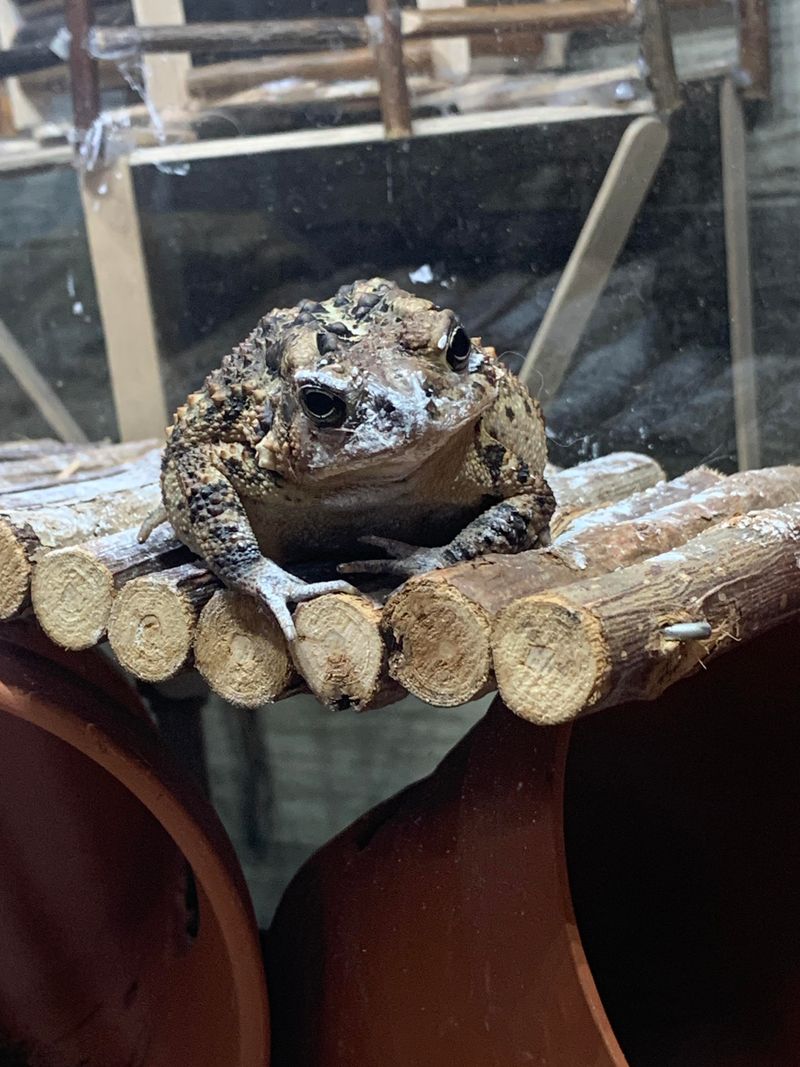
A spotless yard can be surprisingly unfriendly to a toad.
Leaf litter, loose mulch, and low plant debris create shade close to the soil. They also support many of the small invertebrates that make up a toad’s menu.
You do not need to surrender the whole landscape.
Pick one quiet corner beneath shrubs or along a garden edge. Add a moderate layer of leaves or untreated wood mulch. Keep it several feet from doors and the house foundation when you want a cleaner buffer near the structure.
That patch can stay cooler than exposed soil during the day.
It also gives a toad more cover between its shelter and nearby beds. Habitat gardens benefit from plant layers and sheltered spaces rather than one open lawn from fence to fence.
Skip constant rakes and leaf blowers in that small zone.
A little natural debris gives beetles, crickets, and other tiny animals somewhere to hide. Those animals may later become part of a toad’s supper.
Keep the mulch reasonable.
A huge wet pile can create its own problems, especially beside trunks, stems, or foundations. A loose layer across the soil is enough.
The goal is not backyard chaos.
It is one quiet patch with shade, moisture, and snacks close together.
Your neighbors may call it a casual garden corner.
The toad may call it room service with excellent climate control.
5. Keep Groundcover For Daytime Protection
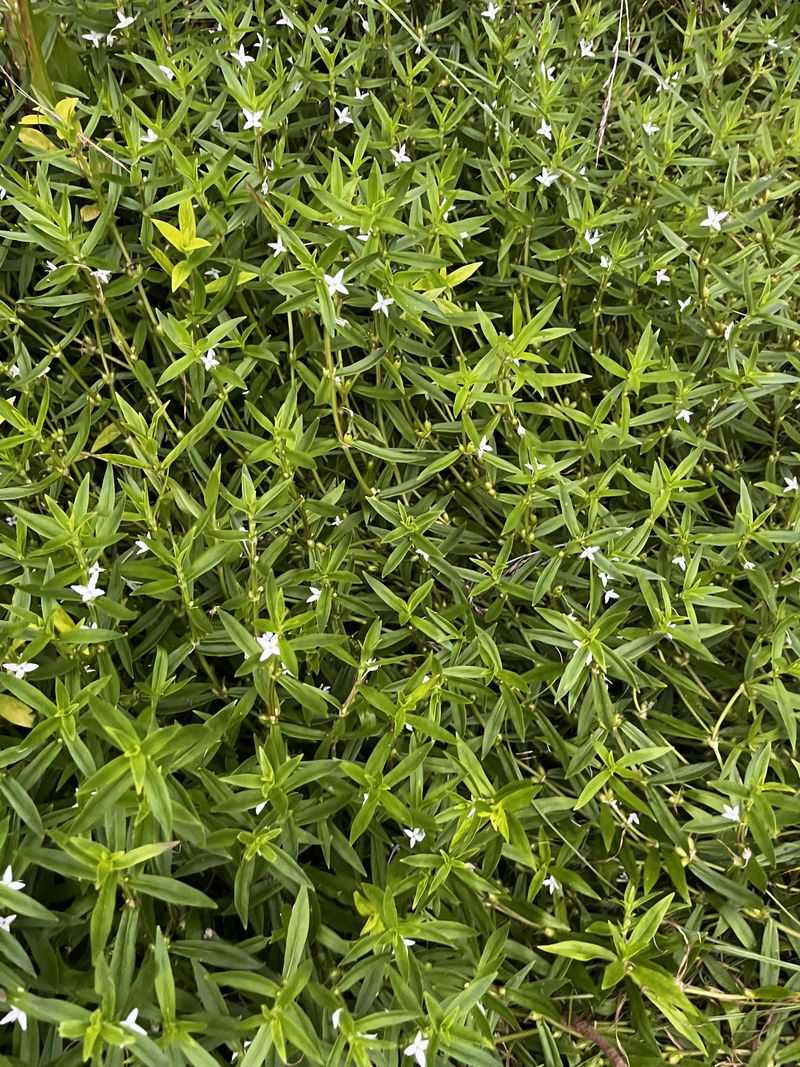
Open lawn can feel like a long, bright hallway to a small toad.
Low plants break that trip into safer pieces.
A patch of native groundcover or sedges can shade the soil and give toads cover near garden beds. Texas frogfruit is one useful native option in suitable sites, and it tolerates a broad range of conditions across its native habitat.
Match the plant to your part of Texas.
The state covers several climate zones, so one groundcover will not suit every yard. Sun, soil, drainage, and local rainfall still get the final vote.
Place low cover near a shelter or shallow water dish.
That creates a short route from daytime refuge to the areas where insects become active after dark. A narrow strip of plants can help more than one isolated pot in the middle of open turf.
Avoid a wall of dense growth beside the foundation.
Keep the habitat where it supports the garden without a hidden strip against the house.
Native plants can add another bonus.
They support local insects and broader food webs, which gives a backyard more ecological value than a bare patch of soil alone.
You do not need to carpet every square foot.
A few connected pockets can make the yard feel less exposed to a small amphibian.
Consider it a toad-sized commute.
No traffic lights. No toll road. Just shade from the bedroom to the buffet.
6. Reduce Broad Spectrum Insecticide Use
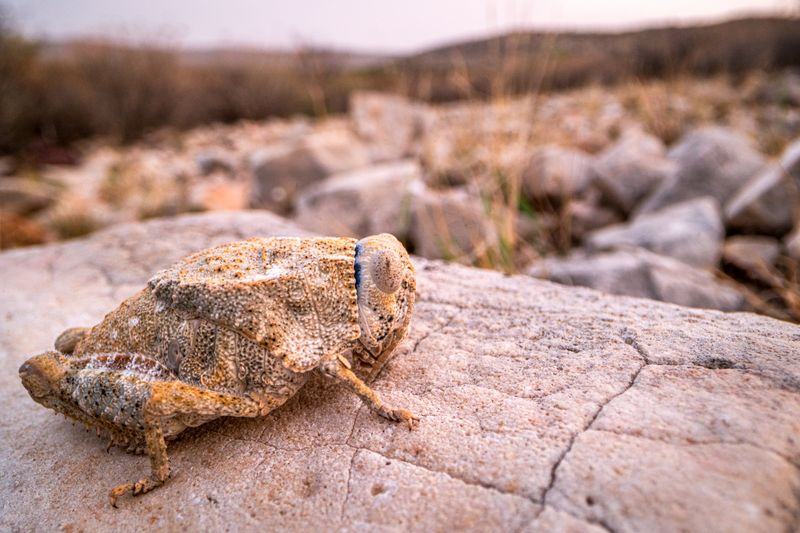
A toad-friendly yard needs insects.
That sounds obvious until a broad-spectrum spray removes far more than the grasshoppers that started the problem.
Toads eat a varied mix of small prey. A yard with very few insects gives them little reason to patrol the beds. Pesticide exposure can also pose a concern for amphibians through contact with soil, plants, and water.
Use pest control with a narrower goal.
Start with the actual pest and the actual damage. Row covers, hand removal, habitat changes, and other nonchemical tools can handle some garden problems before a pesticide enters the plan.
For serious grasshopper pressure, use an integrated approach rather than expect toads to solve the whole outbreak. Texas programs promote integrated pest management for landscape and garden pests.
Choose any pesticide only after the pest is clear, and follow the label exactly. Keep products away from wildlife water dishes and known toad shelters. Do not add extra product for a stronger result.
A broad spray can also reduce beetles, moths, crickets, and other potential prey.
That leaves your toad with a strange job description and an empty cafeteria.
The goal is not a yard with every insect intact.
It is a yard where pest control stays precise enough to protect plants without damage across the food web that useful predators depend on.
Let the toad handle some night work.
You can handle the paperwork and keep the spray bottle on a much shorter leash.
7. Protect Toad Hideouts From Pets
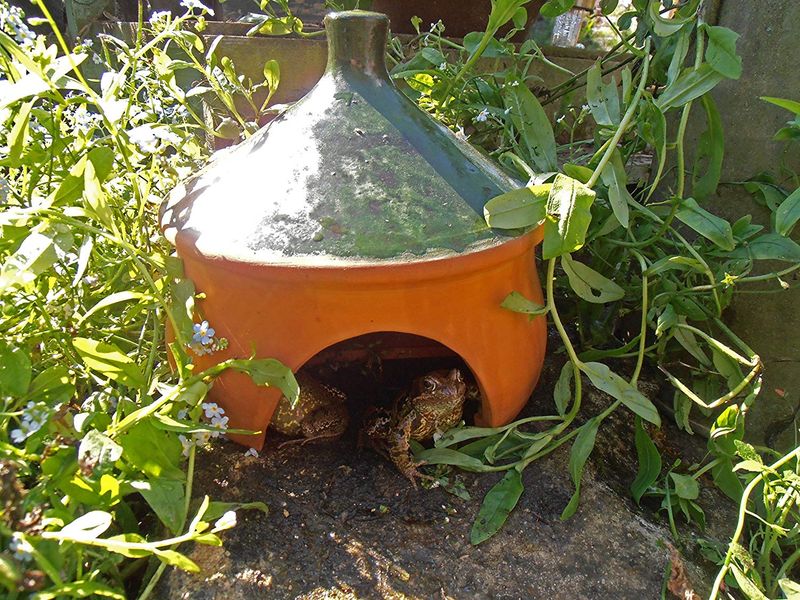
A curious dog can undo your perfect toad habitat in about five seconds.
The water dish becomes a toy. The clay shelter gets a nose shoved inside. The toad suddenly decides your neighbor has better manners.
Set the habitat outside the main pet route.
A fenced vegetable bed, a quiet side border, or a space behind sturdy plants can create enough separation for a toad to rest without constant attention from paws.
Supervise pets after dark near active toad areas.
Texas has many frog and toad species, and a pet should not mouth or harass any wild amphibian. The safest habit protects both animals and saves you from a backyard chase with a flashlight.
Keep food bowls away from the toad corner too.
Pet food can attract other wildlife and change the whole character of the space. The shelter should stay a refuge, not become the busiest snack counter in the yard.
A toad does not need a huge private preserve.
It needs a few feet of calm around its daytime cover and a clear route toward the garden after sunset.
That little boundary can make repeat visits more likely without any fence worthy of a national park.
Your dog can keep the patio.
Your toad can have the shady corner.
Every successful roommate arrangement starts with separate bedrooms.
8. Keep Shelter Close To Garden Prey
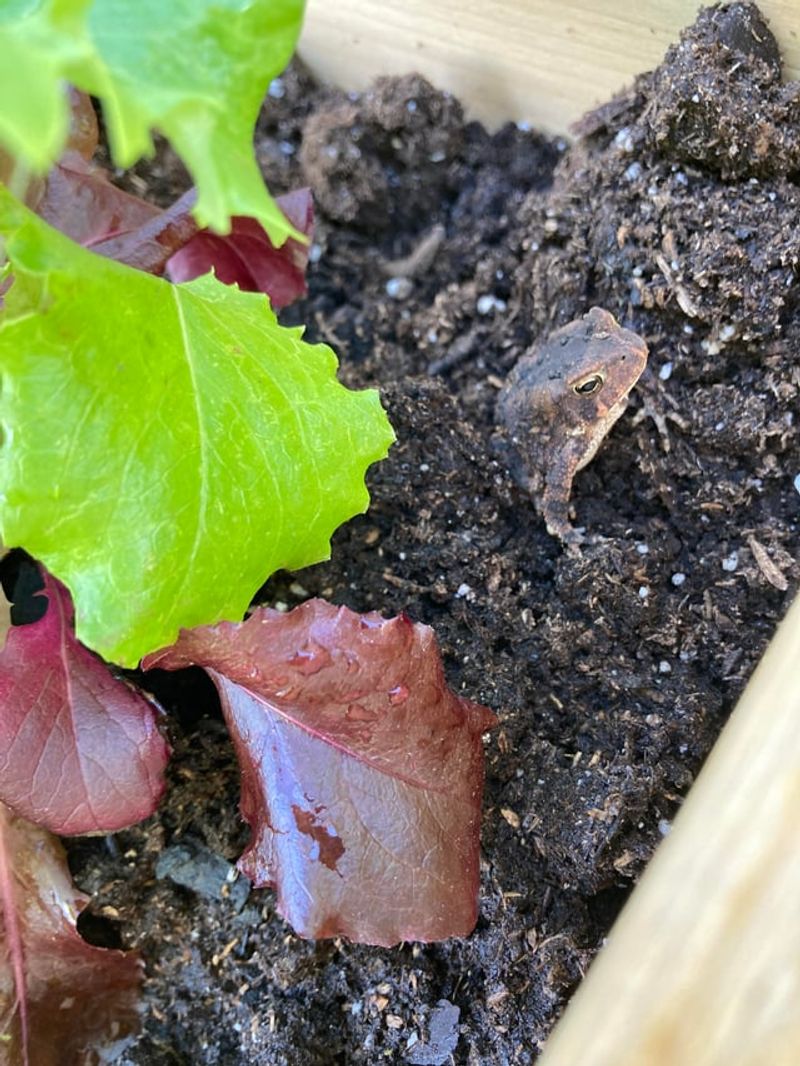
A perfect toad shelter at the far end of the property may help less than a simple one beside your vegetables.
Location matters.
Place shade, water, and low cover close to the beds where grasshoppers and other insects cause the most trouble. That gives a resident toad a shorter route between daytime refuge and nighttime prey.
Keep the shelter out of direct afternoon sun.
A spot beneath a shrub, beside a raised bed, or near an east-side fence can provide shade and keep the toad house close to the action. Set the shallow water dish nearby, not across a wide stretch of hot lawn.
Then leave the route open but covered.
Low plants or mulch can connect the shelter to the bed without a broad bare gap.
Do not expect a toad to patrol every corner of an acre.
The animal chooses its own movements, prey, and rest spots. Your job is to stack useful habitat features near the place where you want more natural insect pressure.
That approach fits a broader wildlife garden too.
Food, water, shelter, and native plants can support far more than one backyard species.
The whole setup can stay surprisingly small.
One shady pot. One shallow saucer. One mulched route. One garden bed full of potential supper.
You are not a security company.
The break room simply sits next to the work site, which feels like good management in any species.