The Texas Perennials To Prune At The End Of August
The end of August in Texas feels like standing at a threshold. The worst of the summer heat is finally beginning to lose its grip, and the garden, which has been in pure survival mode for weeks, is starting to feel like it might have something left in it after all.
This transition period is one of the most important windows in the Texas gardening calendar, and the pruning decisions you make right now will directly shape what your garden looks like through fall.
End of August pruning is not the same as any other seasonal pruning. The timing matters, the approach matters, and which plants you cut and which you leave completely alone makes a significant difference in fall performance.
Make the right cuts now and you’re setting up a fresh flush of growth and bloom that carries you through October and November.
Make the wrong ones and you risk removing the very growth that would have made your fall garden worth looking at. Here’s exactly which Texas perennials to prune at the end of August and how to do it right.
1. Salvia Greggii (Autumn Sage)
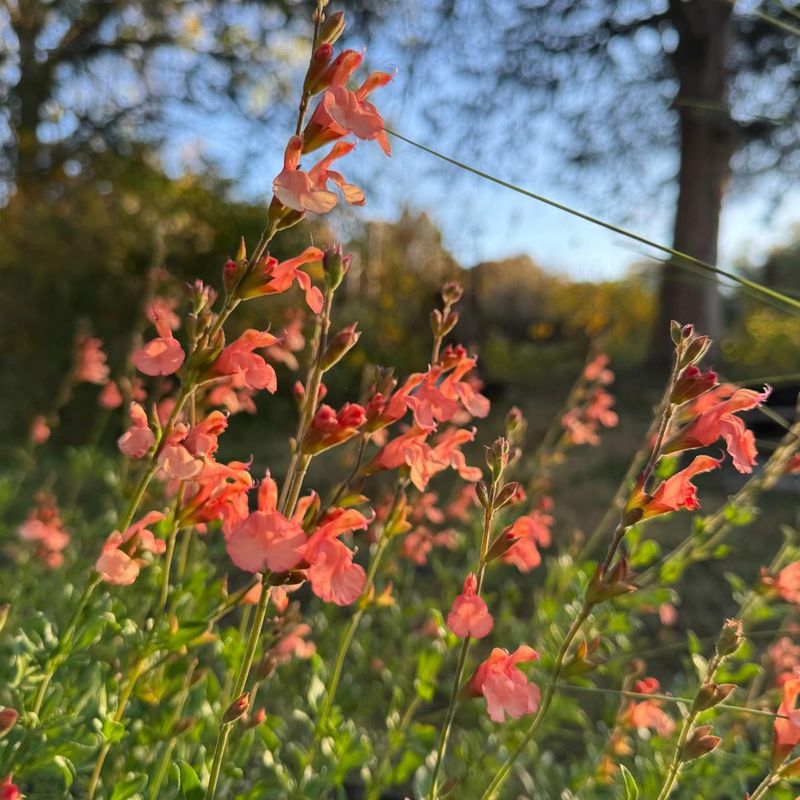
Autumn Sage has one of the most fitting names in the plant world. It practically tells you when it wants to shine, and late August is your cue to help it get ready for its big fall performance.
After months of intense Texas heat, Salvia greggii can start to look stretched out and sparse, with fewer blooms and leggy stems that flop around in the garden.
The key with Autumn Sage is to keep the pruning light. Remove no more than one-third of the plant’s total growth.
A light shearing with clean garden scissors or handheld pruners is all it takes to tidy up the shape and encourage fresh branching. Avoid cutting into the woody base of the plant, since new growth emerges from softer, greener stem sections.
After shearing, apply an organic fertilizer to give the plant a nutritional boost. Salvia greggii responds quickly to this combination of trimming and feeding.
You can often see noticeable new growth within just a week or two after treatment. The plant channels its energy into producing fresh stems and flower buds rather than maintaining tired, overgrown growth.
By September and October, your Autumn Sage should be covered in cheerful red, pink, coral, or white blooms depending on the variety you are growing.
Hummingbirds and butterflies absolutely love this plant, so a healthy fall flush means more wildlife activity in your garden too.
Salvia greggii is also drought-tolerant and incredibly tough, making it a staple in Texas landscapes. Giving it this one late-August refresh is a small effort with a very big payoff come fall.
2. Shrub Roses
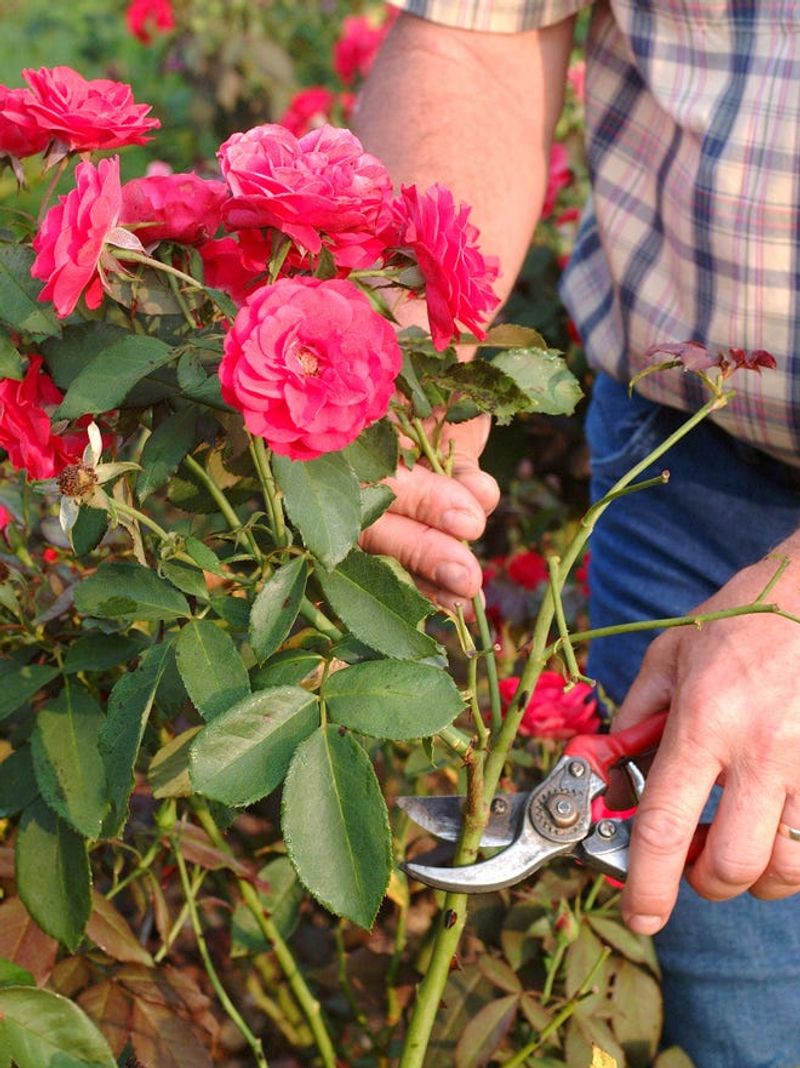
If your shrub roses look like they have been through a tough summer, you are not imagining things. Texas heat is brutal on roses, and by late August, many bushes are covered in faded blooms, yellowing leaves, and weak stems.
The good news is that roses are incredibly resilient, and a well-timed prune can bring them back to life beautifully.
Your Texas Garden Changes Every Week. Your Plan Should Too.
Gardening in Texas changes quickly throughout the season. Every Friday you’ll receive a simple weekly plan showing exactly what to plant, prune, fertilize, harvest, and protect so you never miss the right timing.
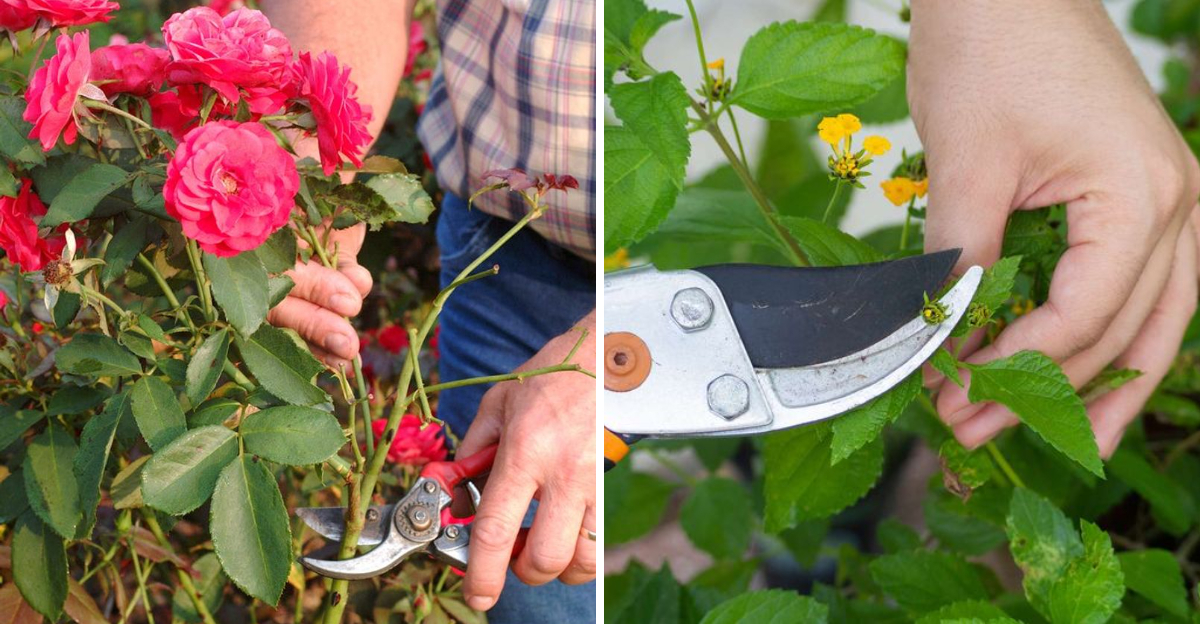
Cut your shrub roses back by about one-third of their total height. Use clean, sharp pruning shears to make smooth cuts just above an outward-facing bud.
This helps the plant direct its energy into new, healthy growth rather than trying to maintain damaged or weak branches. Remove any dry wood, crossing branches, and spent flower heads at the same time.
After pruning, feed your roses with an organic rose fertilizer. Organic options release nutrients slowly and steadily, which is much gentler on plant roots than synthetic fertilizers, especially after the stress of summer.
Water deeply after fertilizing to help nutrients reach the root zone. Within a few weeks, you should start seeing fresh new growth pushing out from the cut points. By October, many Texas shrub roses are putting on some of their best blooms of the entire year.
Fall roses often have richer color and stronger fragrance than summer ones because the cooler temperatures slow down bloom development, allowing petals to form more fully. It is one of the most rewarding moments in Texas gardening.
A little effort at the end of August pays off with a stunning fall rose display that makes all that summer heat feel worth it.
3. Lantana
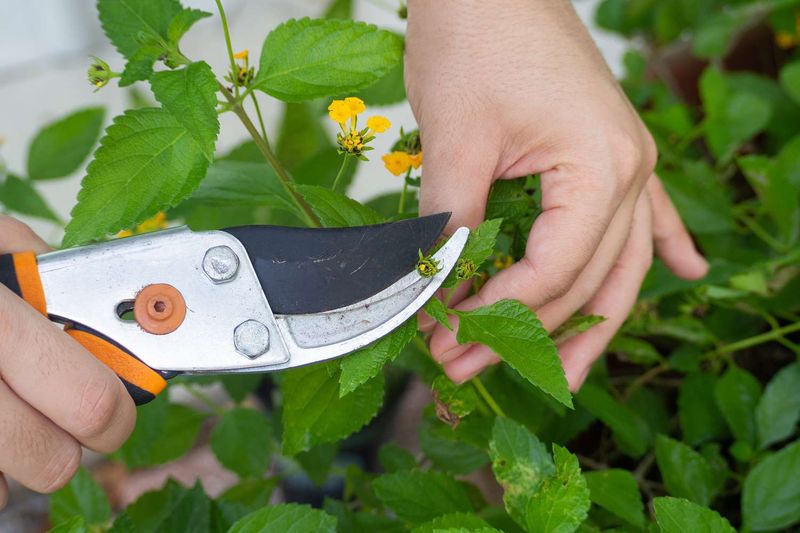
Walk past a lantana plant in late August and you might notice it looking a little rough around the edges. The stems are long and sprawling, the blooms have slowed down, and the whole plant has a tired, overgrown look after months of blazing Texas summer.
Do not write it off yet, because lantana is one of the toughest and most rewarding plants in the Texas garden.
A light shearing is all lantana needs at this time of year. Trim the plant back by about one-third, cutting stems just above a leaf node to encourage branching.
Avoid cutting all the way down to the woody base unless the plant is severely overgrown. The goal is a tidy shape with plenty of green growth remaining so the plant can bounce back quickly.
Pair that trim with a dose of organic fertilizer, and you are setting lantana up for a fantastic fall show. Organic fertilizers feed the soil microbes that support healthy root systems, which in turn helps the plant take up nutrients more efficiently.
Water well after fertilizing, especially if your soil has been dry from the summer heat. Lantana is a powerhouse for pollinators. Bees, butterflies, and even hummingbirds are drawn to its colorful flower clusters.
A fresh fall flush of blooms means your garden stays buzzing with life well into October and even November in warmer parts of Texas.
The plant also handles heat and drought like a champ, so once it recovers from its late-August haircut, it tends to grow back with impressive speed and energy. Few plants deliver this much color for so little effort.
4. Butterfly Bush
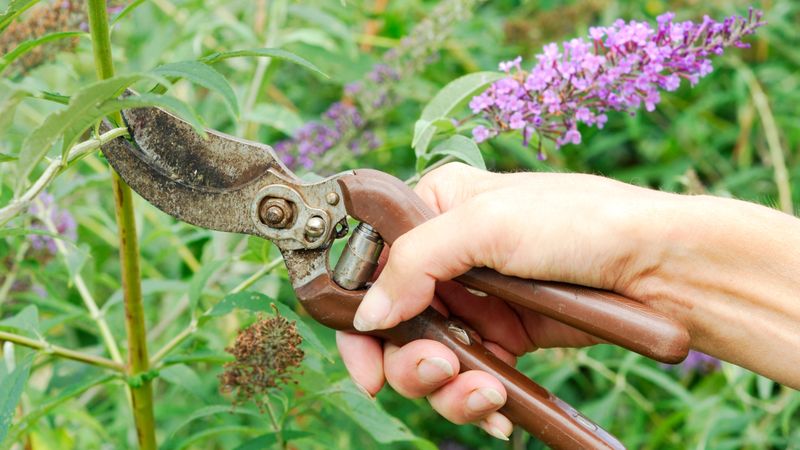
There is something almost magical about watching butterflies swarm a healthy butterfly bush in full fall bloom. But to get that spectacular display, you need to give the plant a little tough love at the end of August.
By this point in the summer, butterfly bush stems are often long and floppy, the flower spikes have faded, and the plant looks more like a tangled mess than a garden showpiece.
Give it the same treatment as lantana and salvia: a light trim of about one-third of its total growth. Cut back the long, arching stems to a manageable height and remove all spent flower spikes.
This signals the plant to redirect its energy into producing new side shoots and fresh flower buds. Sharp, clean pruning tools make a real difference here since clean cuts heal faster and reduce the risk of disease.
Feed the plant with an organic fertilizer right after pruning. Butterfly bush is a fast grower and responds enthusiastically to a nutrient boost at this time of year.
Within a few weeks, you will see vigorous new growth pushing out from the cut points. The plant can add several inches of fresh stem length quite quickly when conditions are right.
By October, those new stems should be topped with long, fragrant flower spikes in shades of purple, white, pink, or deep red depending on your variety.
Monarchs, swallowtails, and skippers all flock to butterfly bush blooms, making your garden feel like a living nature exhibit.
Keeping up with this late-August trim every year helps the plant stay healthy, shapely, and productive for many seasons to come.
5. Tropical Milkweed
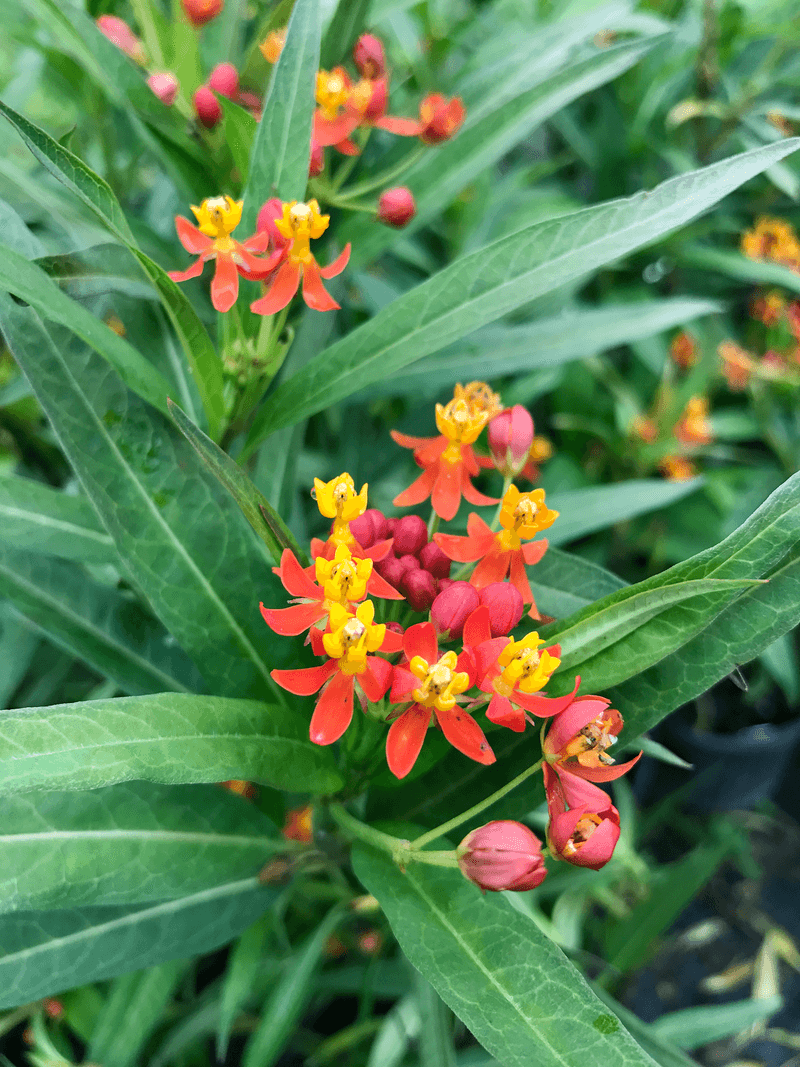
Tropical milkweed plays a starring role in supporting monarch butterfly populations, and Texas gardeners who grow it have a real responsibility to keep it healthy through the fall migration season.
By late August, the plant has usually been blooming and growing hard since spring, and it starts to show signs of fatigue. Stems get long and floppy, leaves turn pale, and bloom production slows down noticeably.
A light shearing at the end of August helps the plant recover its shape and get ready for the fall monarch migration, which peaks in Texas between late September and early November.
Trim back stems by about one-third, cutting just above a leaf node to encourage bushy regrowth.
Do not cut all the way to the ground since the plant needs some existing foliage to fuel its recovery.
Follow up the trim with an organic fertilizer application. Tropical milkweed responds well to a balanced fertilizer that provides nitrogen for leafy growth along with phosphorus for strong root and flower development.
Water the plant deeply after fertilizing to help the nutrients move into the root zone. One important note for Texas gardeners: in areas with mild winters, tropical milkweed can sometimes host a protozoan parasite called Ophryocystis elektroscirrha, or OE, which affects monarchs.
Cutting the plant back in late August helps reduce any OE spore buildup on older leaves and stems, which is actually good for the butterflies visiting your garden.
Keeping tropical milkweed healthy, trimmed, and fresh is one of the best things you can do to support monarch populations during their incredible fall journey south.
6. Mexican Bush Sage
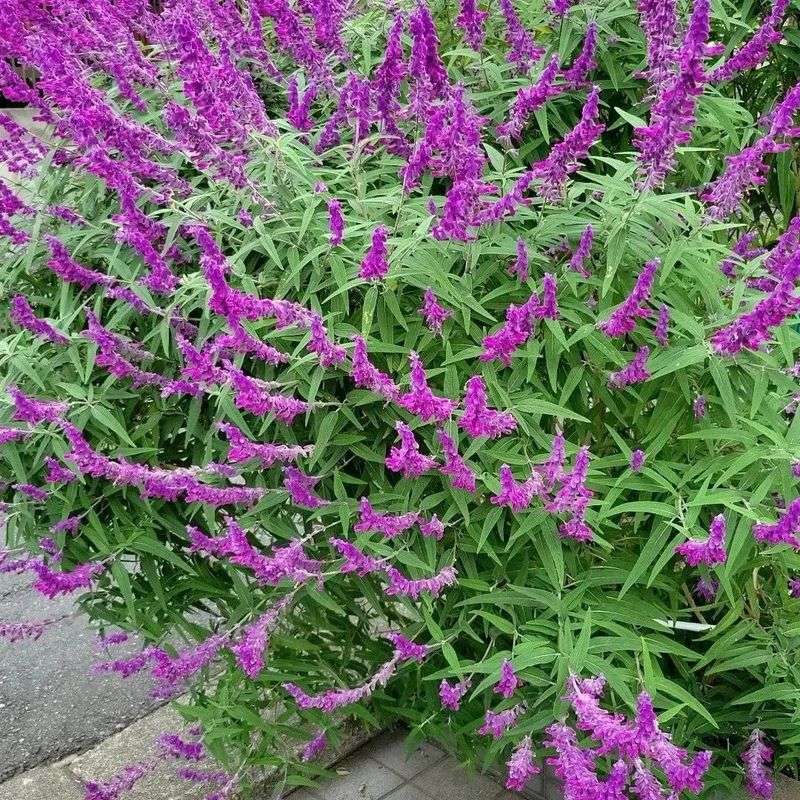
Mexican Bush Sage is one of those plants that looks almost architectural when it is at its best. The tall, arching stems topped with velvety purple and white flower spikes create a dramatic effect in the fall garden.
But to get that stunning autumn display, the plant needs a little attention at the end of August, before it starts its big seasonal push.
By late August, Mexican Bush Sage has been growing all summer and can become quite tall and leggy. The woody base of the plant gets larger each year, and without regular trimming, the stems tend to fall over and sprawl outward rather than standing upright.
A trim now helps reshape the plant and encourages a more compact, upright growth habit heading into fall.
Cut back the stems by about one-third, removing any weak or crossing branches at the same time. Mexican Bush Sage has a semi-woody base, so be careful not to cut too far down into the old wood since new growth emerges from the greener, softer stem sections.
After pruning, apply an organic fertilizer to give the plant the nutrients it needs to fuel fresh growth.
The payoff arrives in October and November when Mexican Bush Sage puts on one of the most impressive floral displays in the Texas fall garden.
The long, fuzzy flower spikes in deep purple and white are absolutely irresistible to hummingbirds, which are actively migrating through Texas during those months.
Planting this sage near a window or seating area means you get a front-row seat to all that hummingbird activity. Few plants deliver that kind of wildlife drama so reliably every single fall.
7. Coneflower (Echinacea)
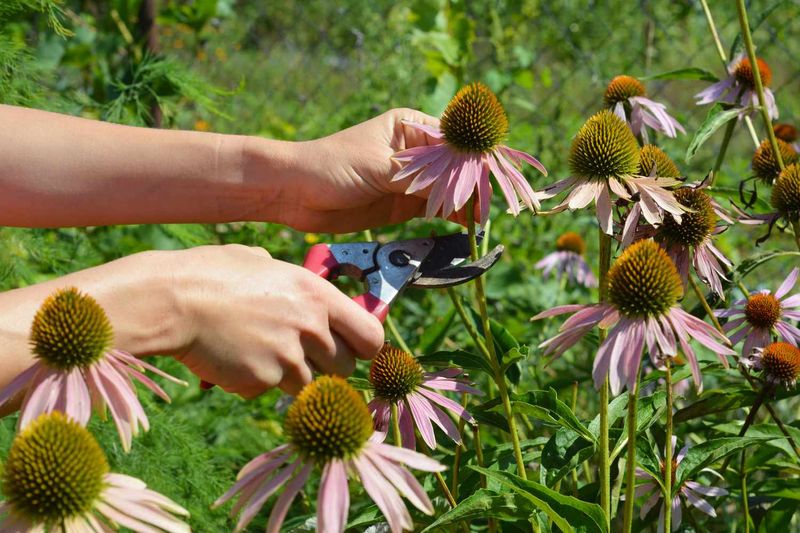
Coneflowers are a Texas garden favorite, and for good reason. They are tough, drought-tolerant, and produce cheerful daisy-like blooms that pollinators cannot resist.
By late August, most of the flower stalks have finished blooming and are starting to look dried out and brown. This is the perfect time to step in with a specific type of pruning that sets the plant up for a healthy fall season.
Unlike the general shearing you would do on lantana or salvia, coneflowers need a more targeted approach. Cut the spent flower stalks all the way down to the basal rosette, which is the cluster of low-growing leaves at the base of the plant.
These basal leaves are where the plant stores energy and from where new growth will emerge. Removing the tall, spent stalks cleans up the plant’s appearance and redirects energy away from seed production and toward root and leaf development.
You can leave a few seed heads in place if you want to attract goldfinches and other seed-eating birds to your garden. They are remarkably fond of coneflower seeds and will visit repeatedly through the fall and winter.
Just remove any stalks that look diseased or are lying on the ground where they could harbor fungal issues.
After cleaning up the spent stalks, give the plant a light application of organic fertilizer to support healthy root growth as it heads into fall. Coneflowers are perennials, which means a well-maintained plant will come back stronger each spring.
Taking care of the basal rosette now protects the growing point of the plant through winter and gives you a more vigorous, floriferous coneflower next year.