What Those Overnight Mushrooms In Your Virginia Lawn Really Mean
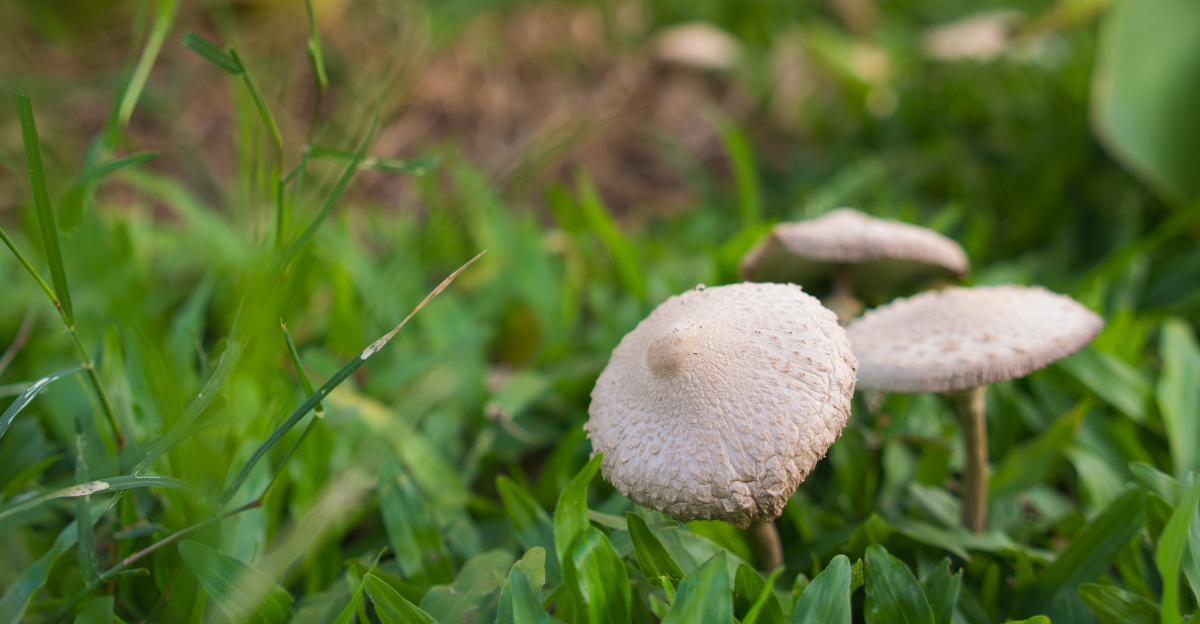
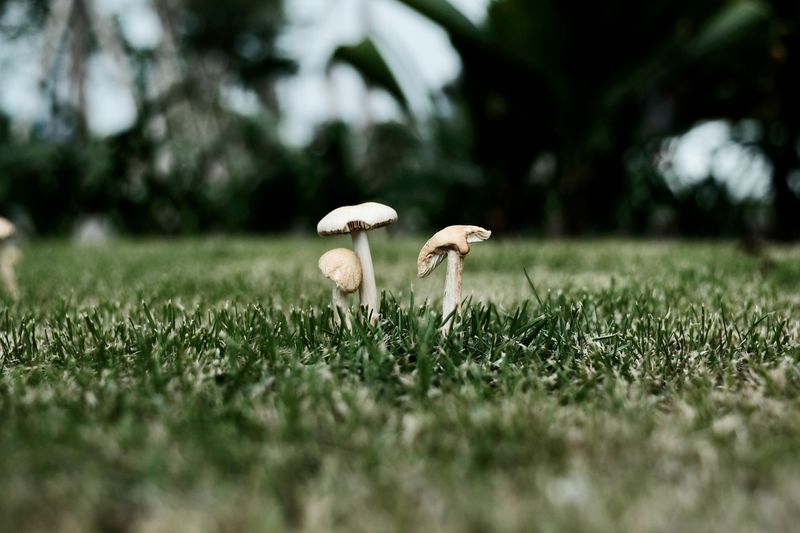
Mushrooms don’t ask your permission before they show up overnight. Something curious pushed up through your quiet lawn while you slept peacefully. Fungi have been working beneath your grass for weeks already.
Your Virginia yard reveals this pattern after warm, wet nights. Spores wait patiently in your soil, then burst upward fast. Homeowners across Virginia often misread this as trouble.
Nothing about that sudden cluster actually affects your lawn’s health. Actually, those small mushrooms reveal a rich, thriving network beneath your soil. Roots, moisture, and decomposing matter in your rich soil feed that hidden system.
They quietly break down debris your grass could never process alone. Overlooking that clear signal means missing what your soil truly needs. Understanding it means finally learning exactly how your yard functions.
Calm thinking fixes nothing, but real knowledge changes what you do next. What grows beneath that cluster will decide everything you do next.
Why Rain Triggers A Sudden Mushroom Bloom In Your Lawn
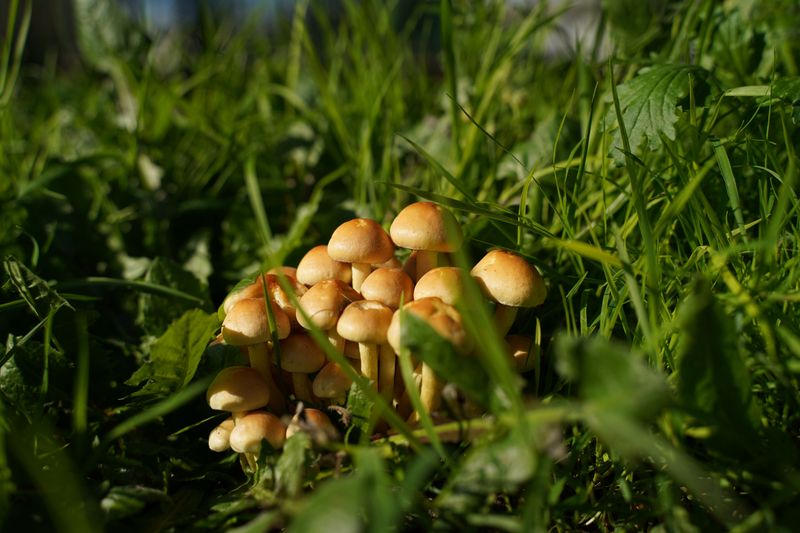
One day your lawn looks perfectly normal, and the next it is dotted with mushrooms. Rain is almost always the trigger, and understanding why can save you a lot of confusion.
Mushrooms are the fruiting bodies of underground fungi. The actual organism lives below your grass as a network of thread-like roots called mycelium.
When moisture levels spike after a good rain, the fungus gets a signal to reproduce. It pushes a mushroom up fast, sometimes within just a few hours of rainfall.
Warm temperatures combined with wet soil create the perfect launch conditions. Overnight mushrooms in your lawn are a natural response to changing moisture and temperature.
The speed of mushroom growth is notably fast. Some species can push through soil and reach full size remarkably fast.
Humidity matters just as much as direct rainfall. A string of foggy mornings or heavy dew can trigger the same bloom without a single drop of rain.
Seasonal patterns play a role too. Late summer and early fall tend to bring the most dramatic flushes because soil temperatures stay warm even as rain increases.
Knowing this pattern helps you predict when mushrooms might appear. Once you spot the weather conditions lining up, you can prepare your lawn management routine in advance.
Rain is not the enemy here. Your lawn is simply responding to its environment the way nature intended it to.
The Science Behind Soil Moisture, Temperature, And Decaying Matter
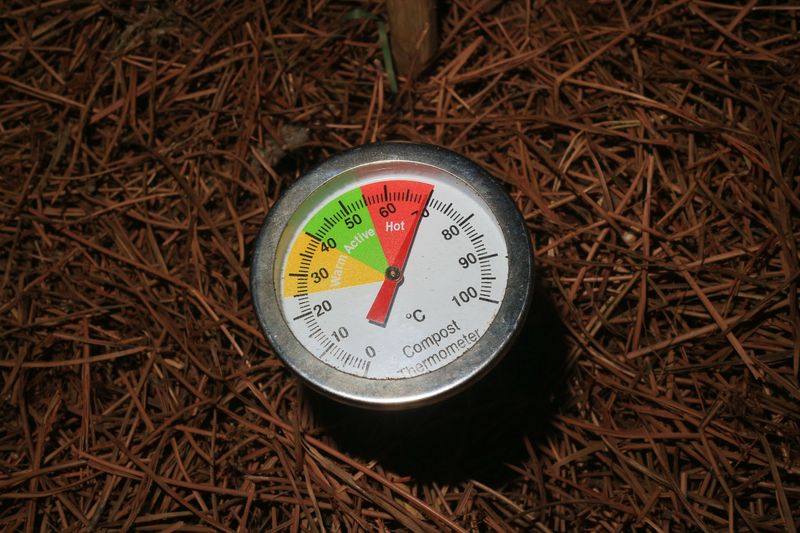
Beneath your grass is a hidden world most homeowners never think about. Soil moisture, temperature, and decaying organic matter work together like a recipe for fungal growth.
Fungi feed on decomposing material in the soil. Old tree roots, buried wood chips, and even discarded grass clippings are all fuel sources.
When soil moisture rises to an optimal range, fungi become extremely active. Below that range, they stay dormant and invisible.
Soil temperature in a moderate, mild range is the prime zone for fungal fruiting. Outside that range, mushroom production slows dramatically.
Your Virginia Garden Changes Every Week. Your Plan Should Too.
Gardening in Virginia changes quickly throughout the season. Every Friday you’ll receive a simple weekly plan showing exactly what to plant, prune, fertilize, harvest, and protect so you never miss the right timing.
Decaying matter is the real key ingredient here. A buried stump from a tree removed years ago can feed fungal colonies for a decade or longer.
Lawn thatch, that spongy layer between grass and soil, also holds moisture and organic debris. Thick thatch creates an ideal microenvironment for fungi to thrive year after year.
Clay-heavy soils tend to hold water longer than sandy ones. This means clay-based lawns often see more persistent mushroom activity after rain events.
Understanding this science gives you real power over your lawn. When you control moisture and remove decaying matter, you directly limit the conditions fungi need to fruit.
Overnight mushrooms in your lawn are not random accidents. They are the predictable result of specific underground conditions coming together at exactly the right moment.
Virginia’s Most Common Lawn Mushroom Varieties
Not all lawn mushrooms look alike, and knowing your local varieties is genuinely useful. Virginia’s climate makes it a hotspot for several distinct fungal species.
Fairy ring mushrooms are among the most recognizable. They grow in circular patterns and are tied to underground mycelium expanding outward in all directions from a central point. Puffballs are round, white, and can range from golf ball size to as large as a soccer ball.
Young puffballs are sometimes eaten by experienced foragers, but immature Amanita mushrooms, including toxic species, can look nearly identical at that early stage. Never eat any lawn mushroom without expert confirmation of its identity.
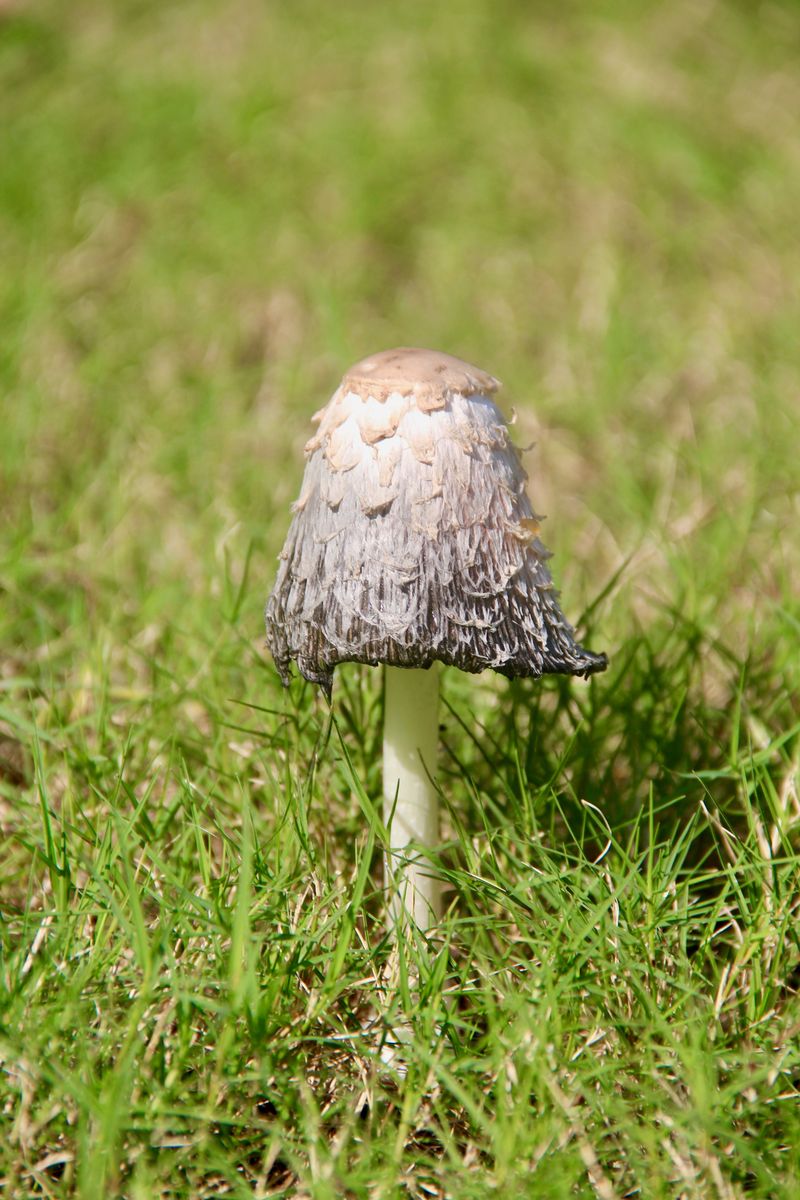
Inky cap mushrooms appear frequently after heavy rain and dissolve into a black, ink-like liquid as they age. Their dramatic self-destruction makes them easy to spot even after they have passed their peak.
Amanita species are also found across Virginia lawns and gardens. Some Amanitas are among the most toxic fungi in North America, so visual identification is critically important.
Stinkhorn mushrooms show up in mulched areas and produce a foul odor to attract insects for spore dispersal. Their strange appearance and smell make them one of the most memorable lawn fungi around.
Coprinus species, sometimes called shaggy manes, pop up in disturbed soils and newly laid sod. They grow fast and break down just as quickly, leaving behind a dark, messy residue.
Overnight mushrooms in your lawn could be any of these. Snapping a photo and using a plant identification app is a smart first step toward knowing exactly what you are dealing with.
Healthy Lawn Or Warning Sign, What Mushrooms Really Indicate
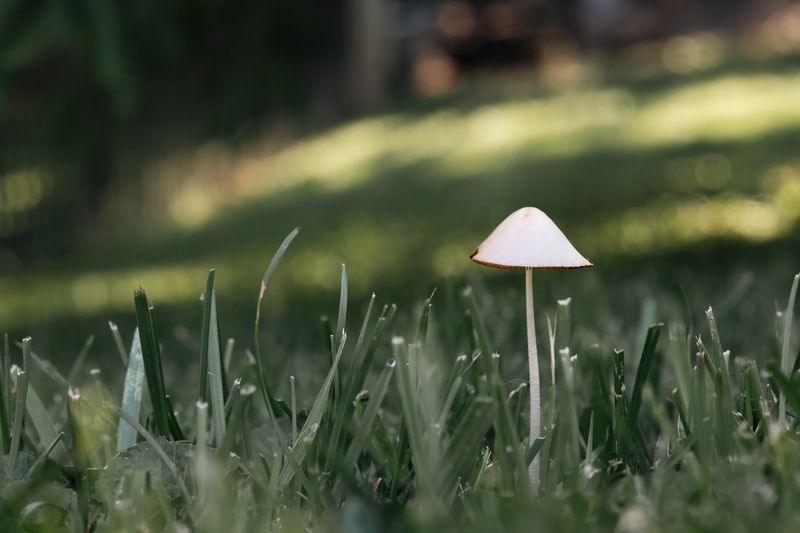
Spotting mushrooms in your yard can feel alarming, but the truth is often more reassuring than you expect. Fungi are a natural and sometimes beneficial part of a healthy lawn ecosystem.
Mycorrhizal fungi form partnerships with grass roots and help them absorb water and nutrients more efficiently. Their presence in moderate amounts is actually a sign of biologically active, living soil.
On the flip side, a sudden surge of mushrooms can signal a problem. Large quantities often mean there is significant buried organic matter decomposing beneath your lawn.
Fairy rings, those circular patterns of mushrooms, can indicate a more persistent fungal colony. Over time, fairy rings can cause grass to grow unevenly, with darker or lighter bands forming in a ring pattern.
Mushrooms near a tree stump or old fence post usually point to wood rot underground. The fungi are doing the work of breaking down that material, which is actually helpful for long-term soil health.
Compacted soil that retains too much water can encourage excessive fungal activity. Aerating your lawn improves drainage and reduces the conditions that lead to heavy mushroom flushes.
Newly sodded or seeded lawns sometimes produce mushrooms as the soil settles and organic material begins to break down. This is often temporary and tends to ease as the soil settles.
Overnight mushrooms in your lawn are rarely a crisis. With a little observation and context, they usually tell a clear story about what your soil needs most right now.
Safety Concerns For Pets, Children, And Toxic Species To Watch For
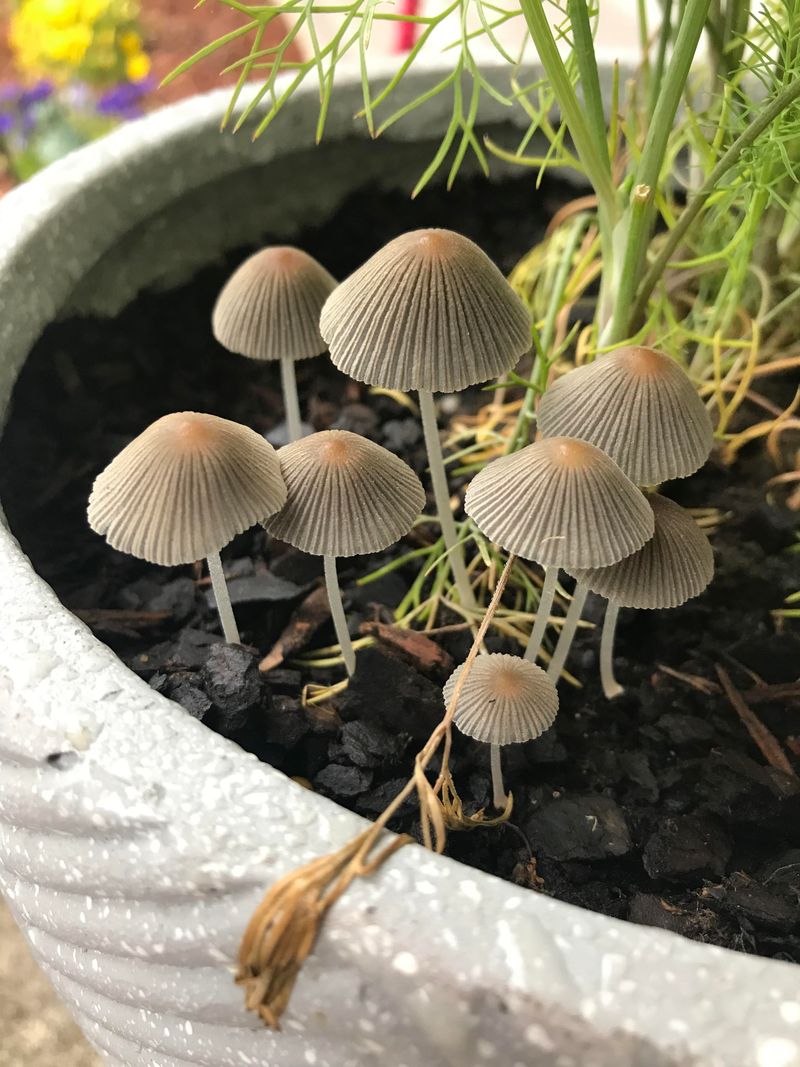
This section covers important safety considerations. Not every lawn mushroom is harmless, and households with small children or curious pets need to pay close attention.
Dogs are especially drawn to mushrooms because of their earthy scent. Certain species contain toxins that can cause rapid organ damage in animals, even in small amounts.
Children are at risk too, particularly toddlers who explore the world by putting things in their mouths. A single bite of a toxic Amanita species can cause serious harm within hours.
The tricky part is that toxic and non-toxic mushrooms can look almost identical to an untrained eye. Color, size, and shape alone are not reliable enough for safe identification.
Amanita phalloides is one of the more toxic fungi found in North American lawns and gardens. It has a pale green or white cap that appears unassuming despite its toxicity.
Galerina marginata is another toxic species that sometimes appears in lawns near wood chips or mulch. Its small, brown cap makes it easy to overlook or confuse with edible varieties.
If your pet eats a mushroom and shows symptoms like vomiting, lethargy, or trembling, contact a veterinarian immediately. Prompt veterinary care improves outcomes in these situations.
The safest approach for any household is simple: remove all mushrooms from the lawn promptly, especially if young children or animals have access to that space. Overnight mushrooms in your lawn deserve a quick response when safety is on the line.
Getting Rid Of Mushrooms Without Damaging Your Grass
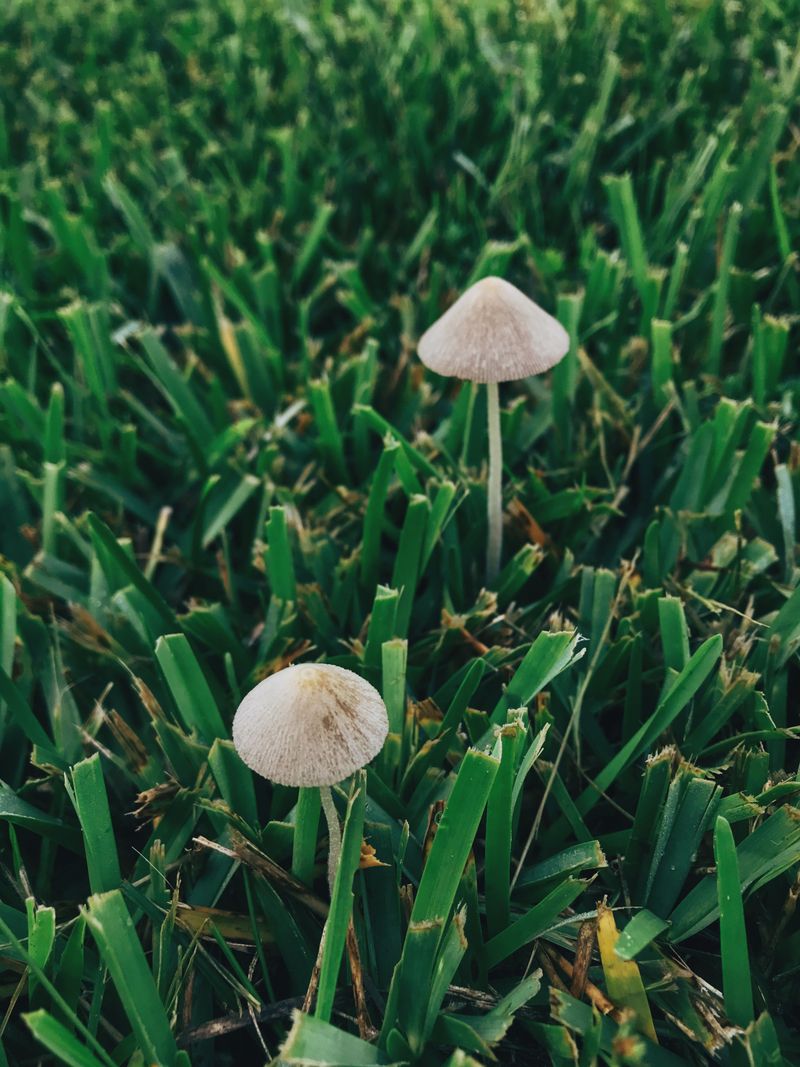
Pulling mushrooms out of your lawn feels satisfying, but doing it the wrong way can spread spores and make things worse. A smarter approach protects your grass and actually reduces future growth.
Always wear gloves when handling lawn mushrooms. Some species cause skin irritation, and you want to avoid transferring spores to other parts of your yard.
Pick mushrooms before they fully open and release spores. An open cap releases significant amounts of spores, so timing your removal matters more than most people realize.
Place removed mushrooms directly into a sealed plastic bag. Shaking or tossing them can scatter thousands of microscopic spores across your lawn in seconds.
Do not compost lawn mushrooms. Spores survive the composting process and can re-introduce fungi to areas where you least want them.
Nitrogen-rich fertilizer may help speed up the decomposition of organic matter fungi feed on, which some homeowners find reduces mushroom activity over time.
Aerating your lawn reduces soil compaction and improves drainage. Both of these changes make your lawn less hospitable to the moisture-loving fungi that produce overnight mushrooms.
If mushrooms keep returning in the same spot, there is likely buried wood or a decaying root system underground. Excavating and removing that material tends to be a more lasting solution.
Overnight mushrooms in your lawn can be managed effectively without resorting to harsh chemicals. A consistent, thoughtful approach keeps your grass healthy and your yard looking its best all season long.
When To Call A Professional About Lawn Mushrooms
Most lawn mushrooms are a DIY situation, but there are moments when calling in a professional is the smarter move. Knowing the difference can save your lawn and your wallet.
Persistent fairy rings that keep returning season after season often point to a deep fungal colony. A lawn care specialist can assess the soil and recommend targeted treatments that go beyond surface removal.
If your grass is thinning, yellowing, or declining in a circular pattern around mushroom clusters, that is a red flag. A professional can determine whether a fungal disease is affecting your turf rather than just feeding on decaying debris.
Large-scale mushroom outbreaks covering significant portions of your lawn may require soil remediation. Digging out buried organic matter is labor-intensive work that professionals handle with the right tools and experience.
Identifying a potentially toxic species is another good reason to bring in an expert. A certified mycologist or extension agent can confirm what you are dealing with and advise on the safest removal method.
Some homeowners attempt to treat fairy rings with fungicides, but results are often inconsistent. Professionals know which products actually penetrate the soil deeply enough to affect the mycelium network.
Local cooperative extension offices are a free resource many homeowners overlook. They often offer soil testing and fungal identification services at little to no cost.
Overnight mushrooms in your lawn do not always need expert intervention, but when they do, acting quickly makes all the difference for your lawn’s long-term health.