These Texas Perennials Give More Color For Less Work
The best garden investments are the ones that deliver more than you put in. Plants that come back reliably, look great through the season, and don’t require constant attention to stay performing.
In Texas, where the climate already asks enough of gardeners without high maintenance plants piling on, perennials that give more than they take are genuinely worth seeking out.
These Texas perennials are in a category of their own when it comes to color relative to effort.
They bloom generously, often across multiple seasons, handle the heat without wilting into mediocrity, and come back year after year with the kind of vigor that makes a garden look intentionally designed even when the gardener hasn’t done much beyond planting them.
The work happens once. The color keeps coming.
For Texas gardeners who are tired of replacing annuals every season, fighting high maintenance perennials through summer stress, or simply wanting a garden that rewards rather than demands, these are the plants worth knowing about.
1. Autumn Sage
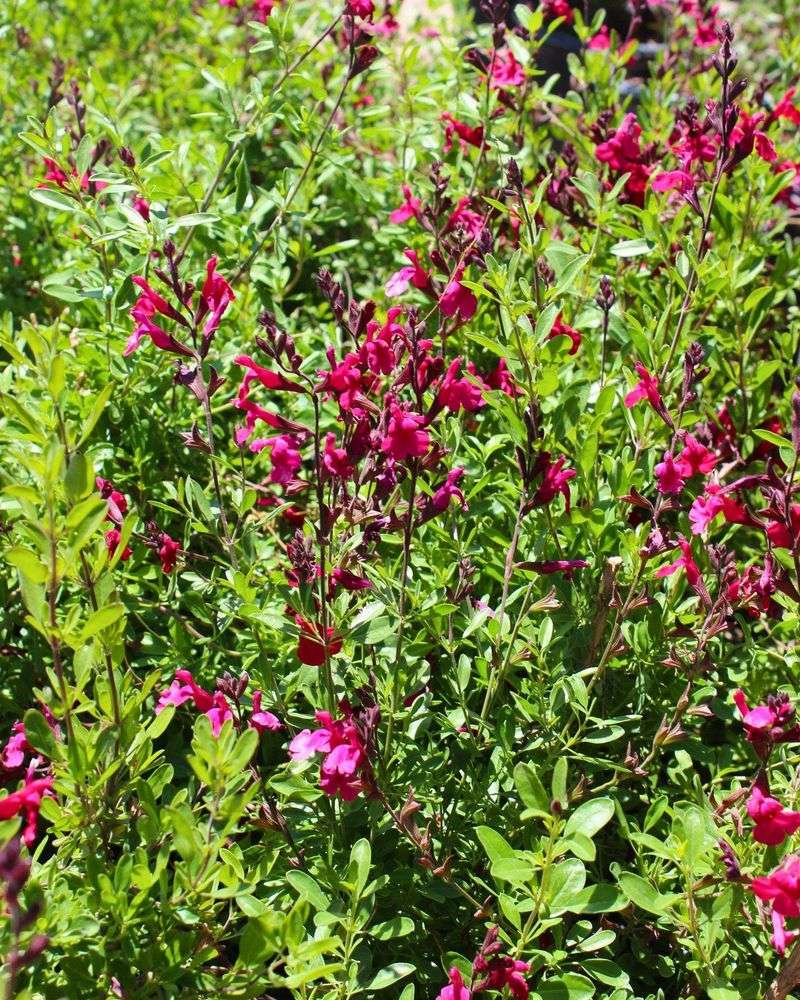
Few plants earn their keep in a Texas garden quite like Autumn Sage. Known by its botanical name Salvia greggii, this native shrub has been delighting gardeners across the Lone Star State for generations.
It blooms in shades of red, pink, purple, and white, and the color does not stop after a week or two. With the right conditions, Autumn Sage can stay in bloom from spring all the way through the first frost of the season.
What makes this plant so special is its toughness. Once it gets established in your garden, it handles Texas heat like a champ.
Extended dry spells do not slow it down much at all. It actually prefers well-drained soil and full sun, which means it fits perfectly into the kind of conditions that cause other plants to struggle.
You do not need to water it constantly, and it rarely needs fertilizer. Pruning is simple too. A light trim after each big flush of blooms encourages even more flowers to come.
Hummingbirds absolutely love the tubular blossoms, so you get the bonus of watching these tiny, fast-moving visitors dart around your yard. Autumn Sage pairs beautifully with ornamental grasses and other native plants.
It grows to about two to three feet tall and wide, making it a great fit for borders, rock gardens, or even large containers.
If you want a low-effort plant that gives you months of reliable color and supports local wildlife at the same time, Autumn Sage belongs at the top of your list.
2. Blackfoot Daisy
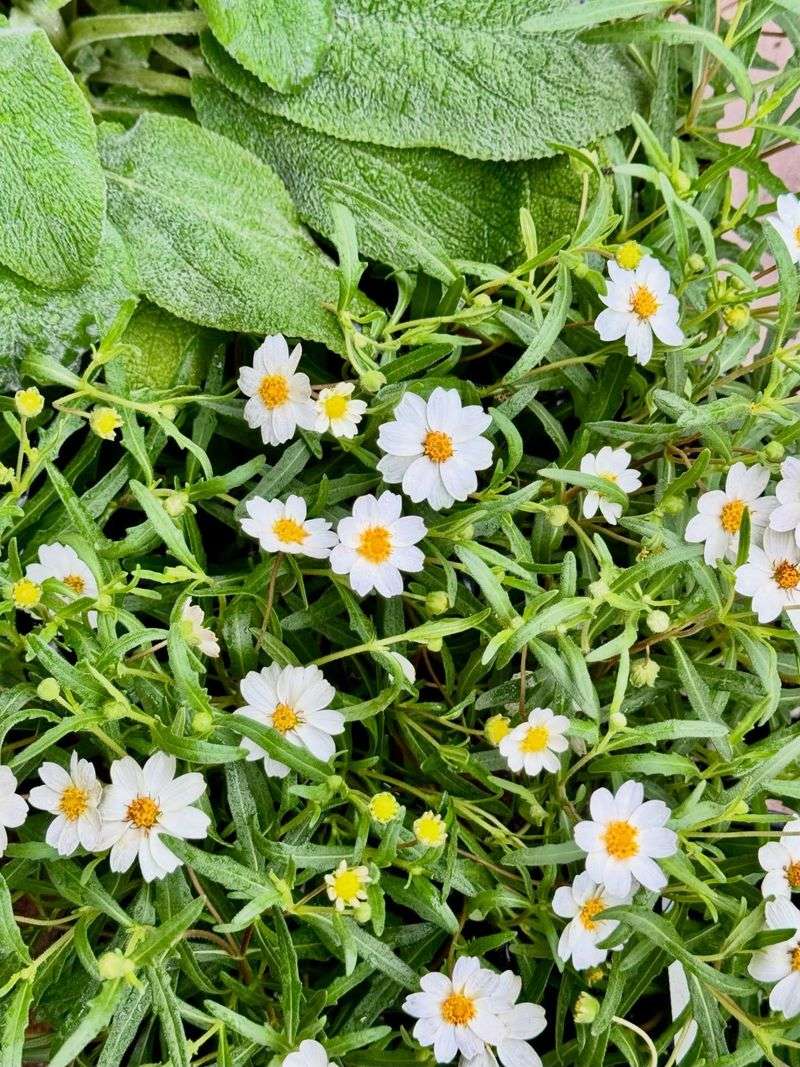
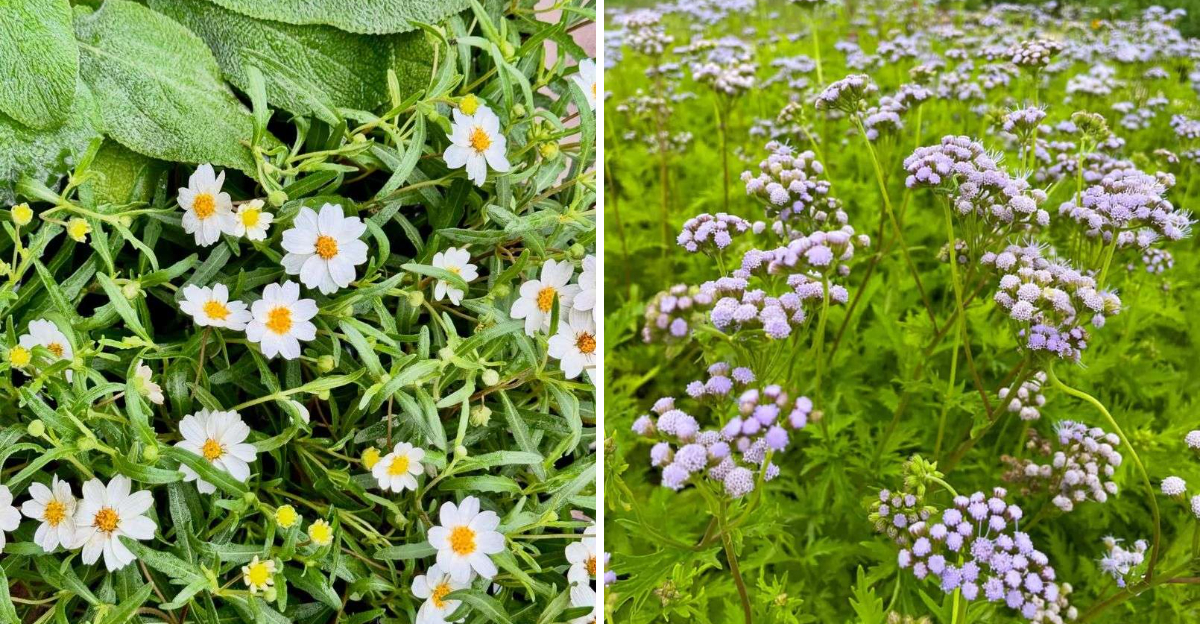
There is something genuinely cheerful about a Blackfoot Daisy in full bloom. These compact little plants produce masses of small white flowers with bright yellow centers, and they start blooming in early spring.
The best part? They keep going well into fall without missing a beat.
Melampodium leucanthum, as it is officially called, is native to Texas and the surrounding region, which means it evolved to handle exactly the kind of conditions your yard probably throws at it.
Your Texas Garden Changes Every Week. Your Plan Should Too.
Gardening in Texas changes quickly throughout the season. Every Friday you’ll receive a simple weekly plan showing exactly what to plant, prune, fertilize, harvest, and protect so you never miss the right timing.
Blackfoot Daisy loves sunny spots and well-drained soil. Rocky or sandy ground? No problem. This plant actually performs better in lean, dry conditions than in rich, moist soil.
Overwatering is one of the few things that can cause it trouble, so less is more when it comes to irrigation. Once it settles in, you can largely leave it alone and enjoy the show.
Did you know the name “Blackfoot” comes from the dark, almost black base of each flower head? It is a small detail, but it adds a little personality to an already charming plant.
Blackfoot Daisy grows about one foot tall and spreads up to two feet wide, forming a tidy mound of gray-green foliage covered in blooms. Bees and butterflies visit the flowers regularly, making it a great choice for pollinator gardens.
It works well along pathways, in rock gardens, or as a ground cover on slopes where water drains quickly. For a no-fuss plant that brings constant white-and-yellow cheer to your landscape from season to season, Blackfoot Daisy is hard to beat.
3. Mealy Blue Sage
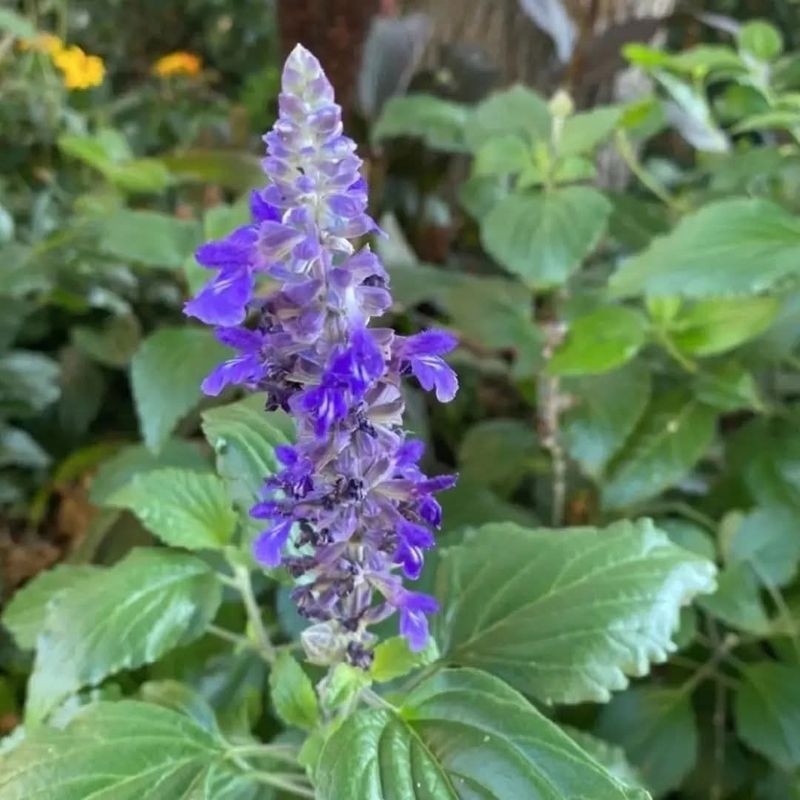
Walk past a patch of Mealy Blue Sage in full bloom and you will stop in your tracks. The tall spikes of blue-purple flowers are striking in a way that few other Texas natives can match.
Salvia farinacea, the plant’s scientific name, earned the common name “mealy” from the powdery white coating on its stems and flower calyxes. It is a small detail, but it gives the plant a soft, frosted look that makes the purple blooms pop even more.
Mealy Blue Sage blooms from spring through fall, which is an impressively long season. It thrives in full sun and tolerates a wide range of soil types, including the heavy clay that frustrates so many Texas gardeners.
Once established, it needs very little water. You can cut it back hard in late fall or early spring to keep it looking tidy, and it will bounce right back with fresh growth and more flowers.
Pollinators go absolutely wild for this plant. Bees, butterflies, and hummingbirds all visit the flowers regularly, making your garden feel alive with movement and energy.
It grows two to three feet tall, making it a great mid-border plant that adds vertical interest without blocking shorter plants in front of it.
Mealy Blue Sage also works well in mass plantings, where the blue-purple color creates a sea of color that looks stunning from a distance.
If you want a plant that is nearly hands-off, looks spectacular for months, and feeds your local pollinators, Mealy Blue Sage is one of the smartest choices you can make for a Texas garden.
4. Red Yucca
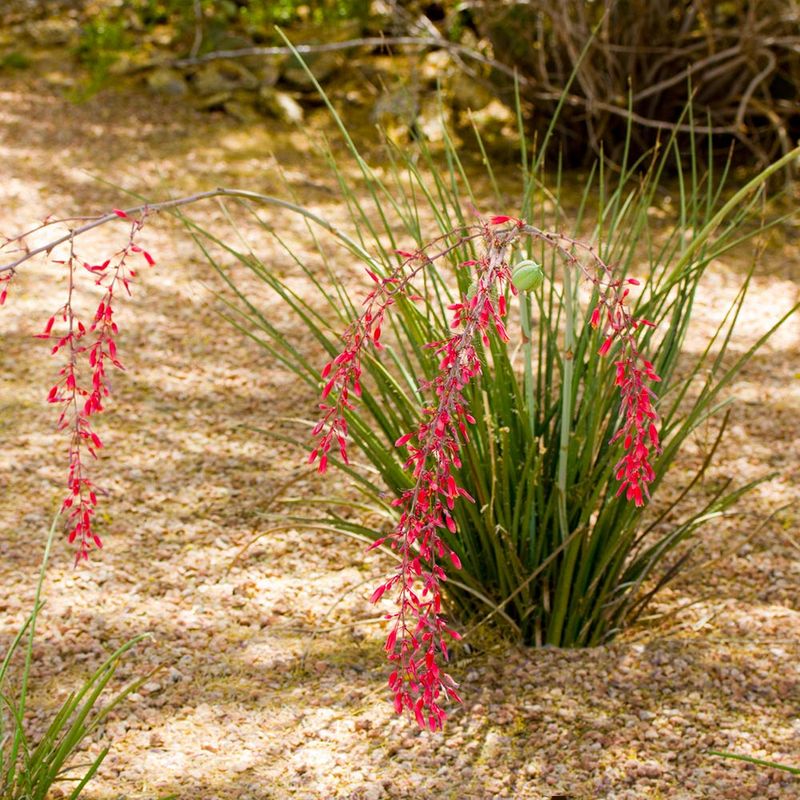
Red Yucca is not your average garden plant, and that is exactly what makes it so memorable. Despite its name, it is not a true yucca at all.
Hesperaloe parviflora belongs to the agave family, but it earned the nickname because of its long, grass-like leaves that look similar to a yucca.
What sets it apart from almost everything else in a Texas landscape is its dramatic flower stalks, which shoot up four to six feet tall and are lined with coral-red, tubular blooms.
These flower stalks appear in late spring and can continue producing blooms into summer and even early fall.
Hummingbirds are particularly drawn to the tubular flowers, so planting Red Yucca near a window or patio gives you a front-row seat to nature’s own air show.
The evergreen foliage stays attractive year-round, even when the plant is not in bloom, making it a reliable anchor in any xeriscape design.
Hot, dry conditions are where Red Yucca truly shines. It needs very little water once established and actually prefers to be left alone rather than fussed over.
Poor, rocky, or sandy soil suits it just fine. Overwatering and heavy clay are its main weaknesses, so make sure drainage is good wherever you plant it.
Red Yucca looks stunning when planted in groups of three or five, creating bold focal points along a driveway or at the edge of a dry garden bed. It is a plant that demands attention without demanding much effort, which is a rare and valuable quality in the Texas heat.
5. Gregg’s Mistflower
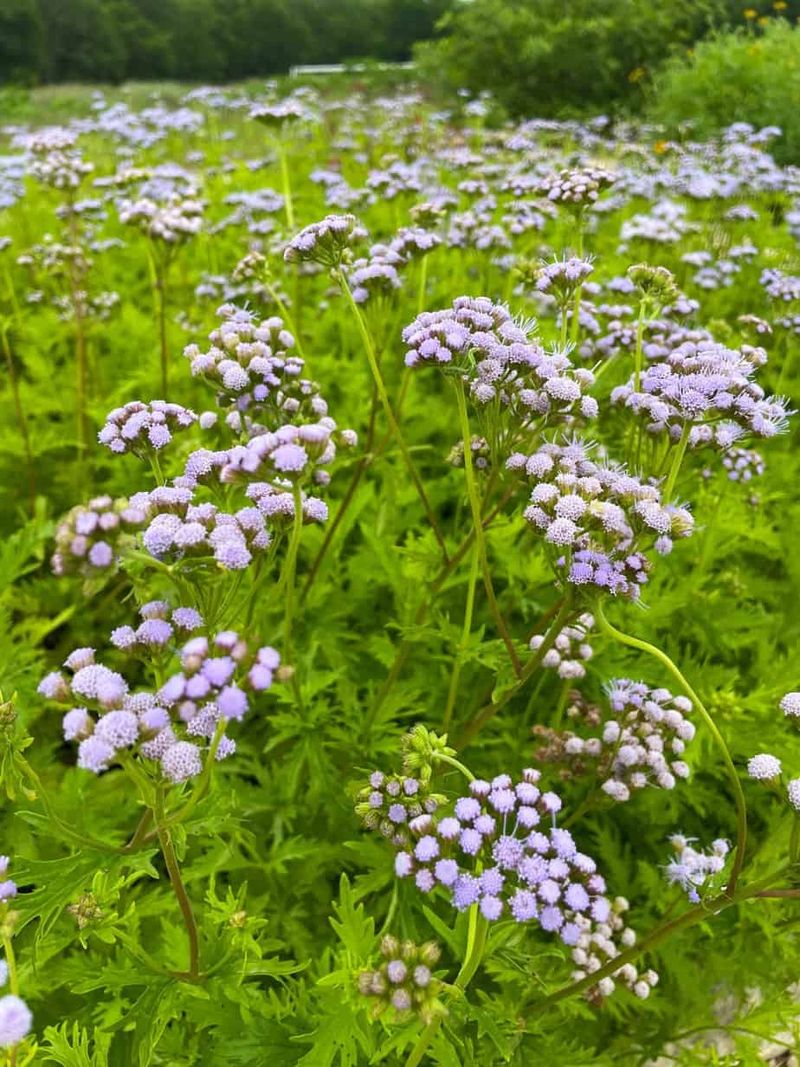
If you have ever seen a cloud of blue-purple blooms absolutely covered in butterflies, there is a good chance you were looking at Gregg’s Mistflower.
Conoclinium greggii is a Texas native that saves its biggest performance for late summer and fall, right when most other plants are winding down.
The timing could not be better. Just as the garden starts to look tired, Mistflower bursts into bloom and brings the whole space back to life.
The flowers are soft and feathery, almost like tiny purple pom-poms clustered together in large, flat-topped groups. They create a haze of color that looks beautiful from a distance and even more intricate up close.
But the real magic happens when the butterflies arrive. Gregg’s Mistflower is especially attractive to queen and monarch butterflies, both of which migrate through Texas in the fall.
Planting it gives these important pollinators a reliable food source during a critical time of year.
Growing Gregg’s Mistflower is refreshingly simple. It spreads by underground rhizomes, so it can fill in a large area over time without much help from you.
It tolerates partial shade, which makes it useful in spots where other sun-loving plants struggle. Regular watering during the first season helps it get established, but after that it becomes quite drought-tolerant.
Cut it back to the ground in late winter and it will return with fresh growth each spring. It grows two to three feet tall and wide, fitting nicely into borders, rain gardens, or naturalized areas where you want color without constant maintenance.
6. Texas Rock Rose
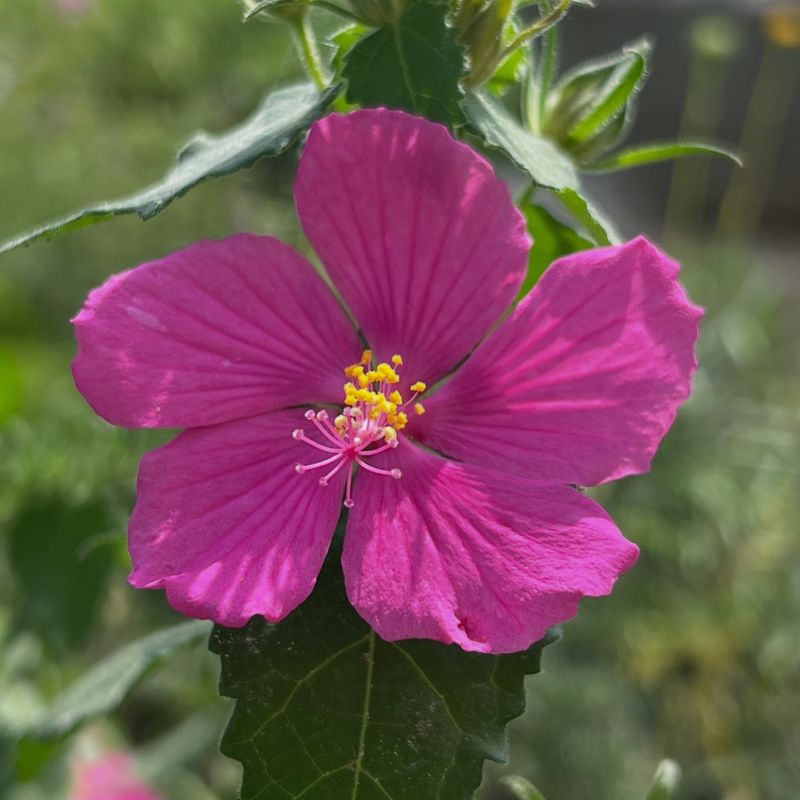
Summer in Texas can be brutal. Temperatures push past 100 degrees, the soil bakes dry, and many garden plants simply give up.
Texas Rock Rose does not. Pavonia lasiopetala is a tough, shrubby perennial that produces beautiful pink, hibiscus-like flowers all through the hottest months of the year.
The blooms open fresh each morning and fade by evening, but the plant produces so many buds that there is always a new flower ready to take the stage.
The flowers are a soft, rosy pink with a delicate texture that looks almost too pretty for such a rugged plant. They average about one to two inches across and attract hummingbirds and butterflies throughout the blooming season.
Texas Rock Rose grows three to five feet tall in ideal conditions, forming a loose, open shrub that fits naturally into cottage gardens, wildlife gardens, or informal borders. It seeds itself gently, so you may find new plants popping up nearby each year, which is a nice bonus.
Full sun to partial shade suits it well, and it handles a range of soil types as long as drainage is decent. Once it gets established after the first growing season, its water needs drop significantly.
A deep watering once a week or less is often enough to keep it happy during dry stretches. Cut it back in late winter to encourage dense, fresh growth in spring.
For gardeners who want vivid color through the toughest part of the Texas summer without spending hours hauling a hose around, Texas Rock Rose is one of the most rewarding plants you can grow.
7. Damianita
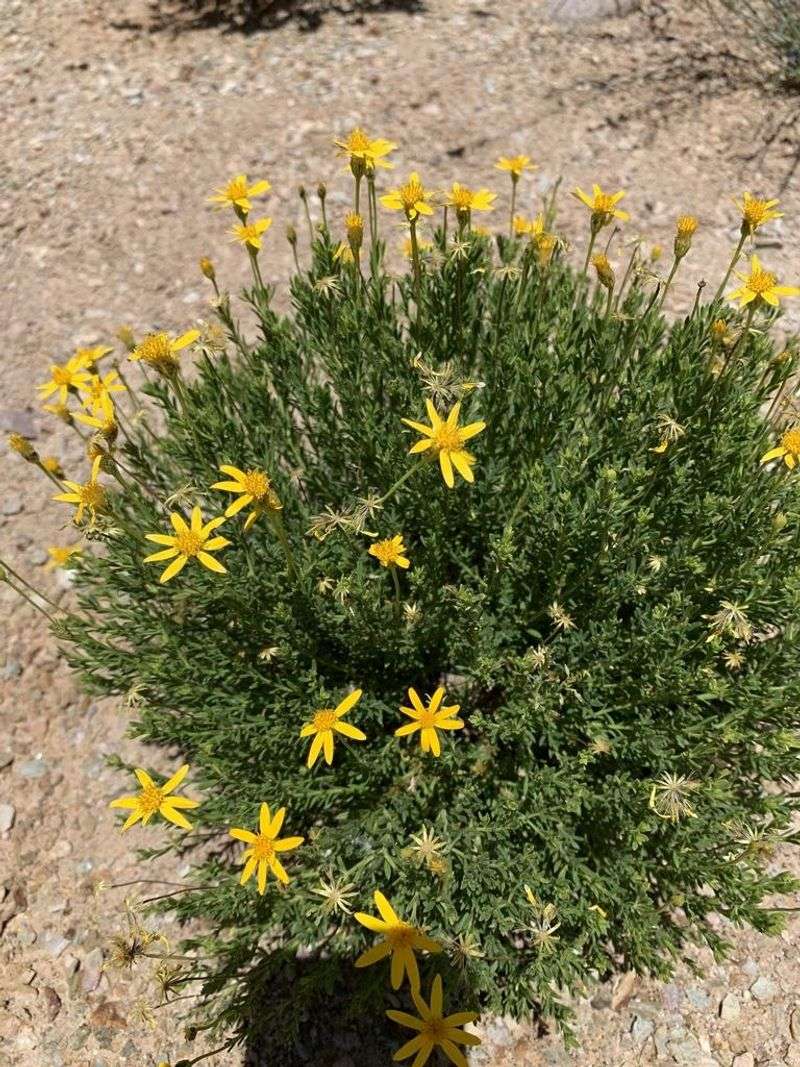
Bright, bold, and completely unbothered by difficult conditions, Damianita is the kind of plant that makes experienced Texas gardeners smile. Chrysactinia mexicana is a small, evergreen shrub that forms a tight, rounded mound of dark green, aromatic foliage.
When it blooms, it covers itself so completely in bright yellow flowers that you can barely see the leaves underneath. The effect is cheerful and almost electric, especially when planted against a backdrop of limestone rocks or dry, neutral-colored soil.
Damianita loves full sun and thrives in rocky, well-drained soil, which makes it a natural fit for the Hill Country and other areas of Texas where the ground is tough and water is scarce.
It is highly drought-tolerant once established and actually performs better with less water than more.
Soggy soil is its biggest weakness, so avoid low spots or areas where water pools after rain. Sandy or gravelly ground suits it perfectly.
The yellow blooms appear in spring and often return again in fall, especially after a little rain. Between bloom cycles, the aromatic foliage holds its shape and stays green year-round, giving you something attractive to look at even when flowers are not present.
The scent of the leaves is pleasant and slightly herbal, adding another sensory layer to the garden experience. Damianita grows about one to two feet tall and wide, making it ideal for edging pathways, filling in rock gardens, or creating low-maintenance borders.
It also works well in containers if you have a sunny patio or deck that needs a pop of reliable yellow color without constant watering.