How To Keep Arizona Porch Plants Alive Through A 100-Degree Monsoon Week
An Arizona porch can turn hostile before breakfast finishes.
The air already feels hot. A ceramic pot warms fast. Leaves that looked fine at sunrise begin to sag by noon, then a monsoon cell rolls over the neighborhood and dumps rain sideways.
Now the same container has two problems at once.
Roots face intense heat inside a small volume of soil, while sudden moisture can leave another pot soaked for hours. A covered corner may stay completely dry through the exact same storm.
So what deserves attention first during a 100-degree monsoon week?
Not the weather app alone.
The pot, the soil, the drainage hole, and the afternoon exposure tell you far more about what each plant needs. Arizona guidance already treats containers as a special case because they heat and dry faster than garden soil.
A few small porch adjustments can keep roots cooler, water more predictable, and storm surprises much less expensive.
Your plants do not need luck this week.
They need better porch strategy each day.
1. Move Pots Out Of Reflected Afternoon Heat
Concrete does not need direct sun to make a container miserable.
A west-facing wall, bright stucco, gravel, and pavement can throw heat back toward the pot long after the plant has already had enough.
Small containers suffer fastest because their root zones heat and dry much more quickly than soil in the ground.
Move sensitive pots away from the hottest wall or edge of the porch. Even a few feet can reduce the blast from reflected afternoon heat. A spot with morning sun and later shade often gives tender porch plants a much easier day.
Keep the plant’s light needs in mind.
Bougainvillea and many desert-adapted plants can tolerate far more sun than ferns, begonias, or other shade lovers.
The goal is not to drag every pot into darkness. It is to stop a heat-sensitive root ball from a place beside a surface that acts like a second sun.
Large containers have an advantage because more soil buffers rapid temperature swings. Small nursery pots deserve the closest attention during a 100-degree stretch.
Heavy pots can stay put when movement is unrealistic. Shade the container body with a temporary screen or place another barrier between the pot and hot masonry.
Your porch plant may love sunshine.
Its roots do not need the concrete version on surround sound.
2. Water Before The Porch Heats Up
Early hours give you the best chance to water before the porch becomes a skillet.
Check the pot first. Push a finger or soil probe below the dry surface and judge moisture in the root zone rather than by the color of the top layer.
A thirsty container needs a full drink.
Apply water slowly until excess leaves the drainage holes. That confirms moisture reached more than the upper inch of mix.
Arizona guidance notes that pots can require much more frequent water than plants in the ground, especially through summer heat.
Do not turn “water early” into “water automatically.”
Your Arizona Garden Changes Every Week. Your Plan Should Too.
Gardening in Arizona changes quickly throughout the season. Every Friday you’ll receive a simple weekly plan showing exactly what to plant, prune, fertilize, harvest, and protect so you never miss the right timing.
A large glazed pot in shade may still hold plenty of moisture from yesterday. A small plastic pot near hot concrete can dry far faster. Each container gets its own vote.
Morning also gives wet foliage and porch surfaces more time to dry before monsoon humidity rises later. Arizona guidance favors early irrigation for many landscape situations during hot months.
Keep a hose wand or water can close to the porch so the check stays easy.
Ten seconds with the soil can prevent both extremes.
The calendar may demand a daily drink.
The root ball may say not yet.
Trust the pot over the routine, then give a real soak only when that root zone asks for one.
3. Adjust Irrigation After Monsoon Rain
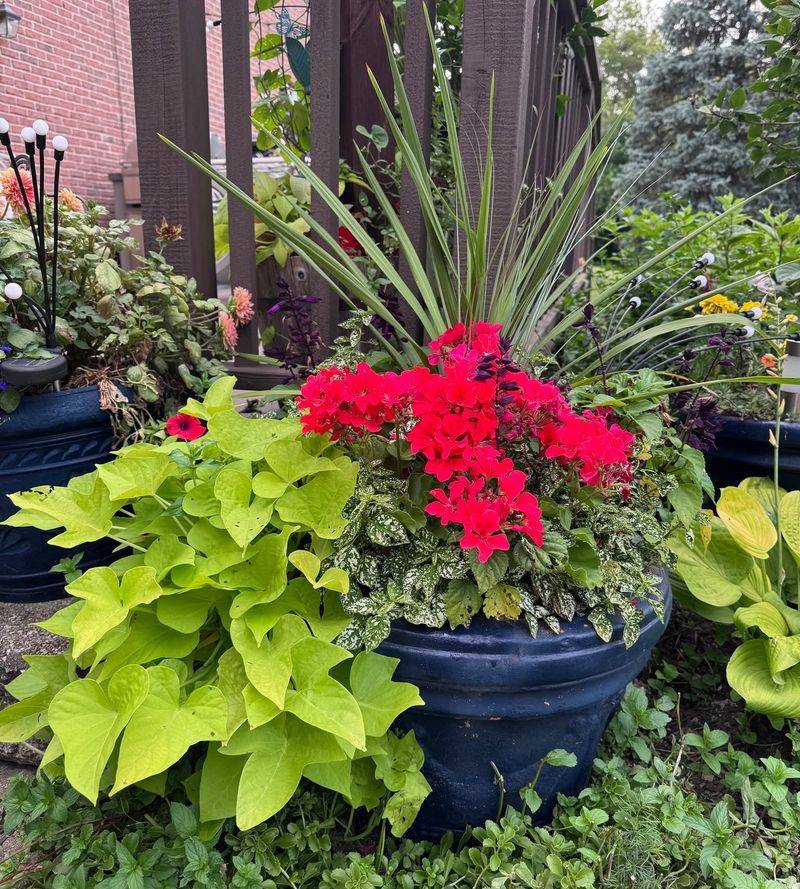
Thunder can sound impressive without one useful drop ever reaching a covered pot.
That is the monsoon trap.
A roof overhang can block most rainfall, while wind can send water into one container and miss another only a few feet away.
Arizona guidance recommends irrigation adjustments based on the intensity of the local monsoon rather than a fixed summer habit.
Check each pot the next morning.
Look at the soil, lift smaller containers to judge weight, and empty any rain gauge placed near the actual porch rather than out in the open yard. The storm total across town does not tell you what landed under your eaves.
A genuinely soaked pot may need the next irrigation skipped.
A sheltered pot that stayed dry may still need its normal drink, even after an hour of thunder and lightning.
Do not make a permanent timer change after one storm. Heat can return fast, and containers lose water quickly once sun and wind come back.
Arizona’s guidance also advises gardeners to adjust irrigation for rain while summer heat remains.
The best monsoon routine is flexible.
Rain earns credit only where it actually reached the root zone.
Your porch can experience the same storm in three different ways at once.
Use every container as a tiny weather station, and the forecast becomes much more useful.
4. Check Soil Before Watering Again
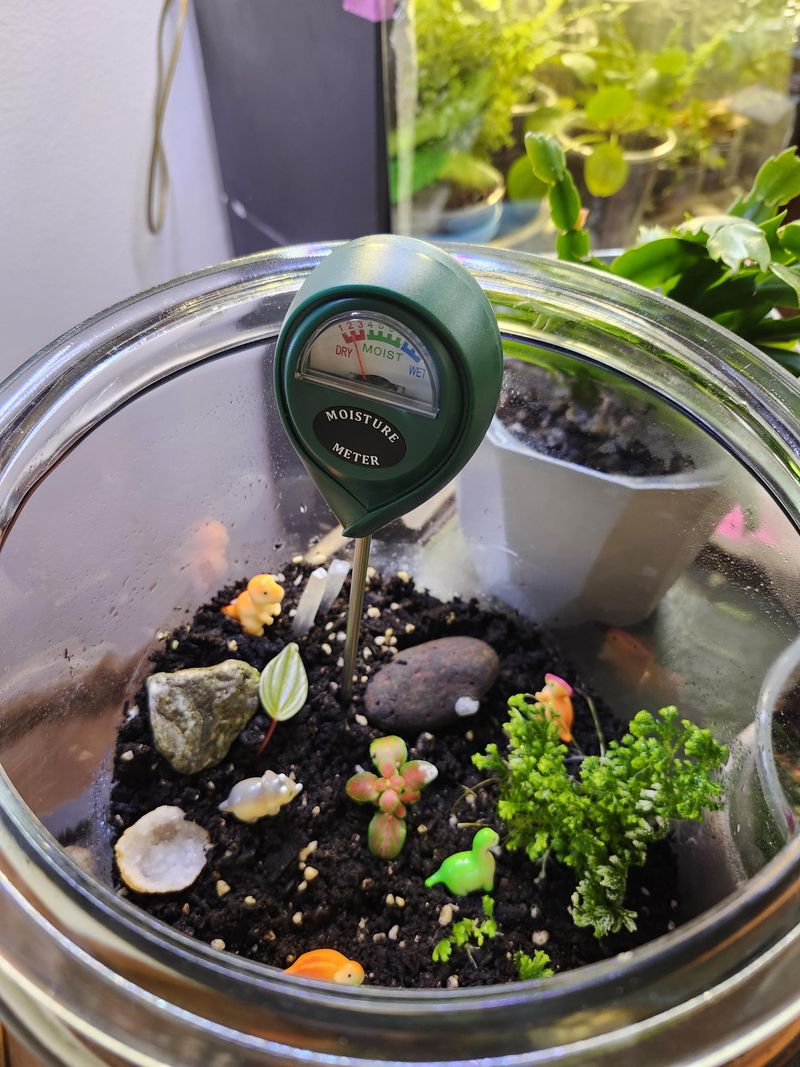
Droopy leaves can lie to you during extreme heat.
A plant may sag because the root ball is dry, but the same wilt can appear after roots sit in saturated mix with too little air. Another dose from the hose can make the second problem worse.
Probe below the surface before you decide.
A wooden skewer, finger, or moisture check several inches down gives a better clue than the crust on top. Arizona guidance recommends attention to the root zone rather than a surface-only judgment.
Pot size changes the answer fast.
A four-inch nursery pot can lose moisture within hours on an exposed porch. A broad ceramic container may hold it much longer. Container material, wind, shade, plant size, and the potting mix all change the pace.
Give a dry root ball a thorough soak.
Leave a wet one alone and make sure drainage stays open. A plant that still looks wilted during the hottest part of the afternoon may recover once temperatures ease, so avoid panic water based on one midday glance.
Check again near sunset or early the next day. That second look often tells a clearer story.
Arizona heat makes gardeners reach for hoses fast. The smarter move starts with one finger in the soil.
Your plant can fake thirst. The root zone usually tells on it.
5. Empty Saucers After Heavy Storms
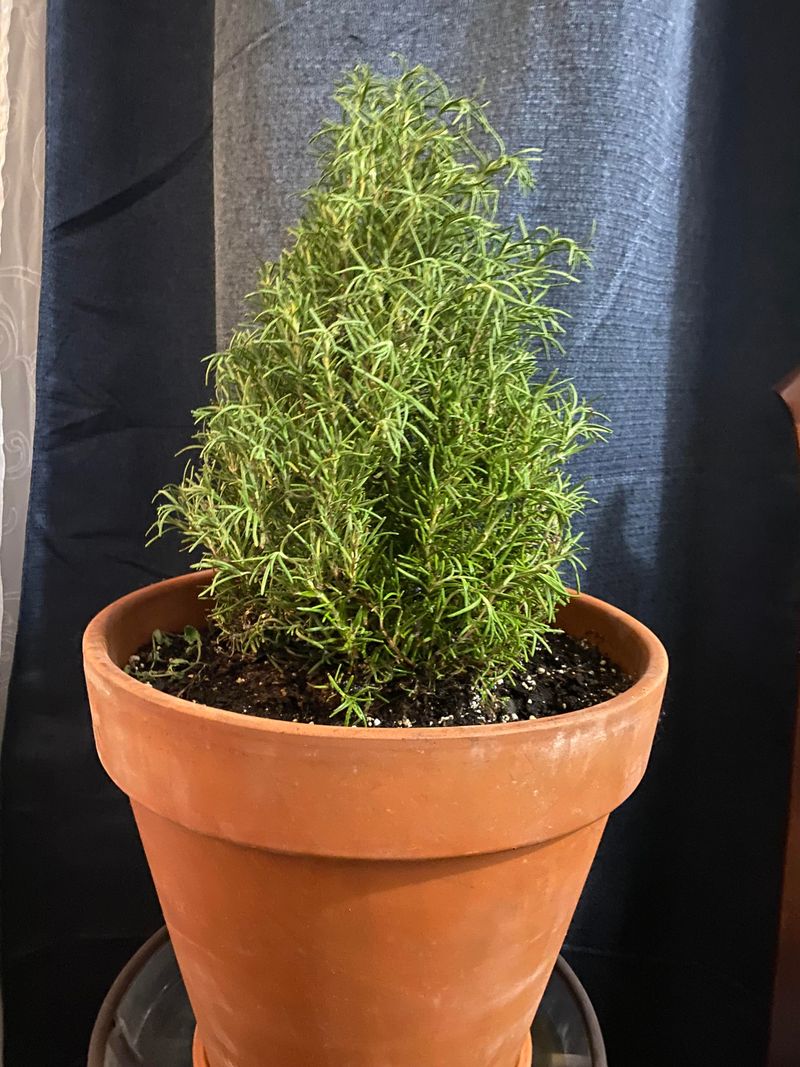
One forgotten saucer can turn a healthy container into a shallow bathtub.
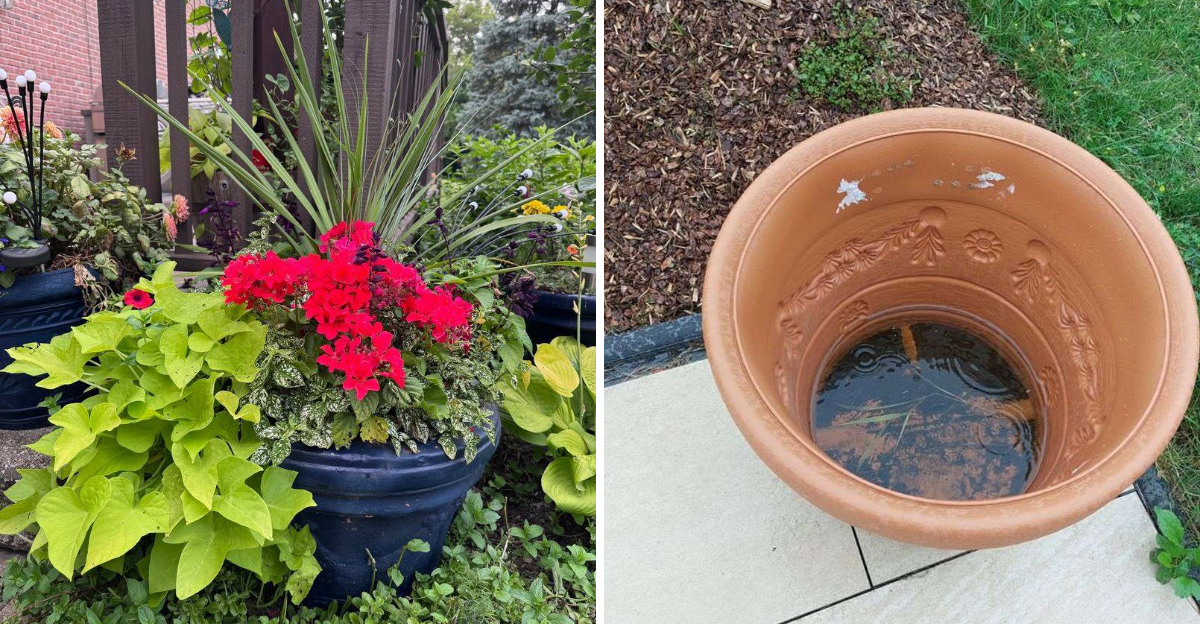
After a monsoon downpour, walk the porch and look beneath every pot. Dump water from saucers, trays, and decorative outer pots that have no drainage of their own.
Roots need both moisture and air.
A drainage hole submerged in pooled water cannot do its job well, and a container left saturated for too long can develop root trouble.
Cachepots deserve extra suspicion.
The inner nursery pot may look normal from above while its base sits in trapped water below. Lift it out, empty the outer container, then return the plant after excess water drains.
Raise large pots slightly when flat contact with the porch blocks the holes.
Purpose-made pot feet or another stable support can create a small gap beneath the base. Keep the setup secure so monsoon wind cannot tip the container.
Do not use the saucer as a permanent reservoir during extreme heat.
The mix inside the pot should hold the usable moisture. Water below the pot only keeps the bottom of the root zone wetter for longer.
Storm cleanup can be wonderfully simple.
Tip. Empty. Check.
Your porch plants wanted a drink.
They did not request waterfront property.
6. Shade Sensitive Pots During Peak Heat
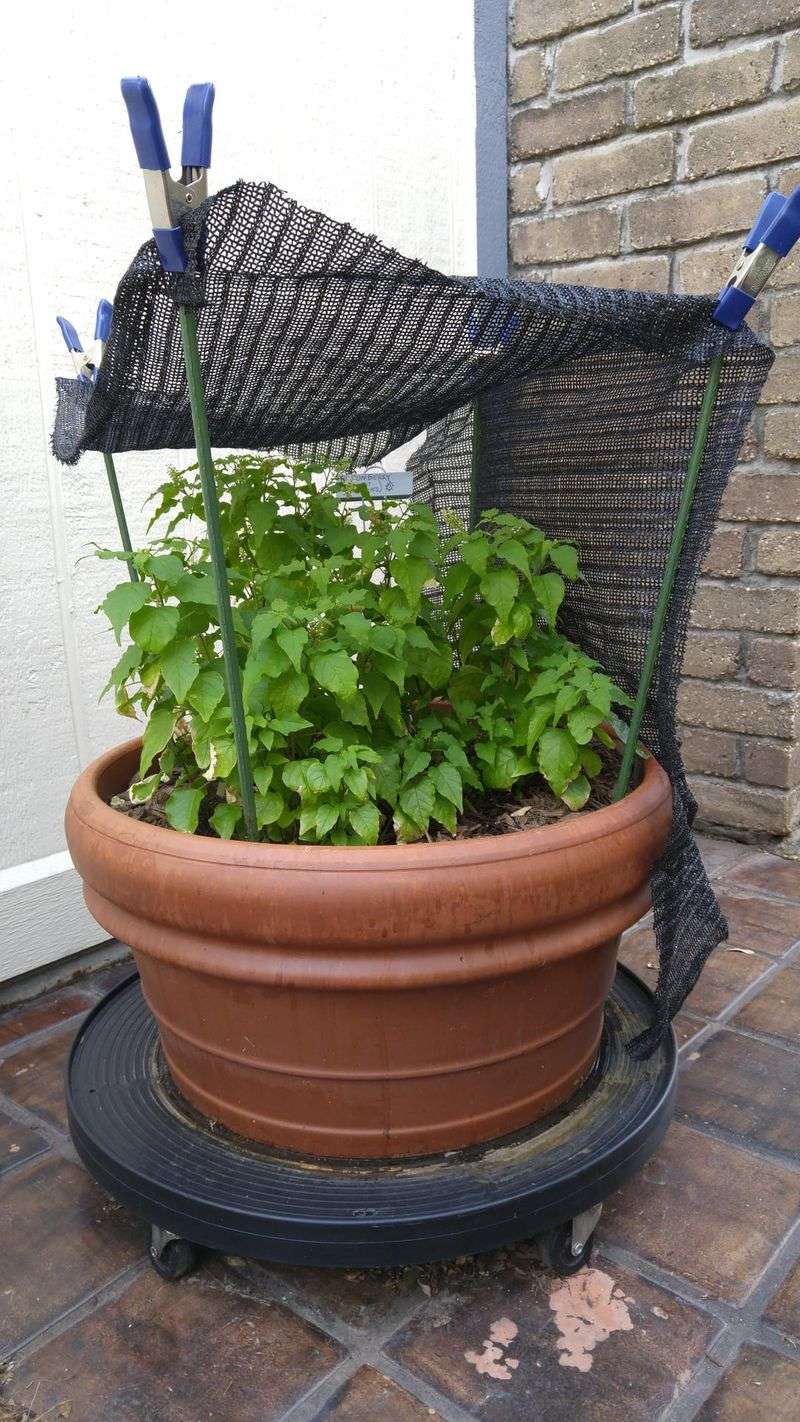
Afternoon shade can rescue a tender pot without a cave effect across the whole porch.
Arizona guidance recommends temporary shade for smaller container plants during extreme conditions, especially through the hottest part of the day.
Match the protection to the plant.
A fern or tender tropical may appreciate strong relief from western sun. A desert perennial that favors full sun may need much less.
New purchases also deserve extra care because nursery conditions may have offered more protection than your porch.
Use shade cloth as a targeted tool.
A temporary screen between the plant and late-afternoon sun can cut heat stress while morning light still reaches the leaves.
Arizona publications commonly use moderate shade cloth for plants under harsh desert sun, with the exact level tied to the crop or plant.
Keep airflow open around the foliage.
Monsoon humidity already raises moisture around leaves, so do not wrap a plant tightly in fabric. The cloth should block sun, not trap the plant in a hot tent.
Remove temporary protection once the extreme spell passes.
Long-term shade can weaken a plant that normally needs stronger light.
A little shade at 3 p.m. can make a huge difference.
Your porch does not need a roof renovation.
Sometimes one well-placed screen is enough to tell the western sun that the afternoon appointment is over.
7. Watch Succulents Before Adding More Water
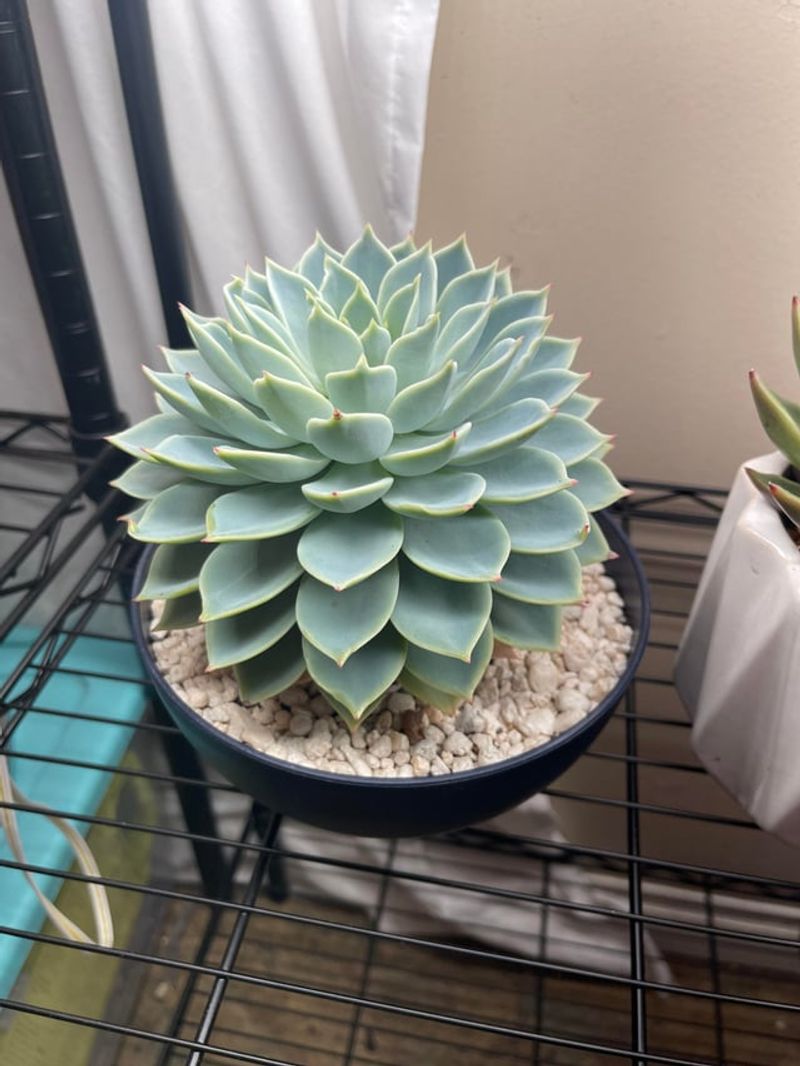
Succulents deserve the most skeptical glance before the water can comes out.
High heat does not automatically mean frequent water for every fleshy plant. Cacti and succulents store moisture in stems, leaves, or roots and generally need far less irrigation than thirsty annuals in containers.
Monsoon rain adds another layer.
A pot that caught a strong storm may stay wet longer under humid air, especially when the mix contains fine material or the container has weak drainage.
Arizona guidance specifically tells gardeners to monitor succulents carefully for appropriate water during monsoon season.
Check the mix deep enough to judge the root zone.
Do not rely only on one soft leaf. Species vary, and heat stress can change leaf texture too. A wet pot deserves time to dry before another drink.
Make drainage the priority.
Water should move freely through a succulent pot, and the container should never sit for days in a filled saucer or decorative shell. Keep rain out of especially sensitive pots with a covered but airy location when repeated storms leave the mix wet.
The same porch may hold a thirsty basil pot and a perfectly content agave.
The same routine for both creates trouble.
Succulents excel at water storage.
Gardeners excel at second helpings.
During a monsoon week, let the pot use the first drink before you refill the glass.
8. Keep Every Drainage Hole Flowing
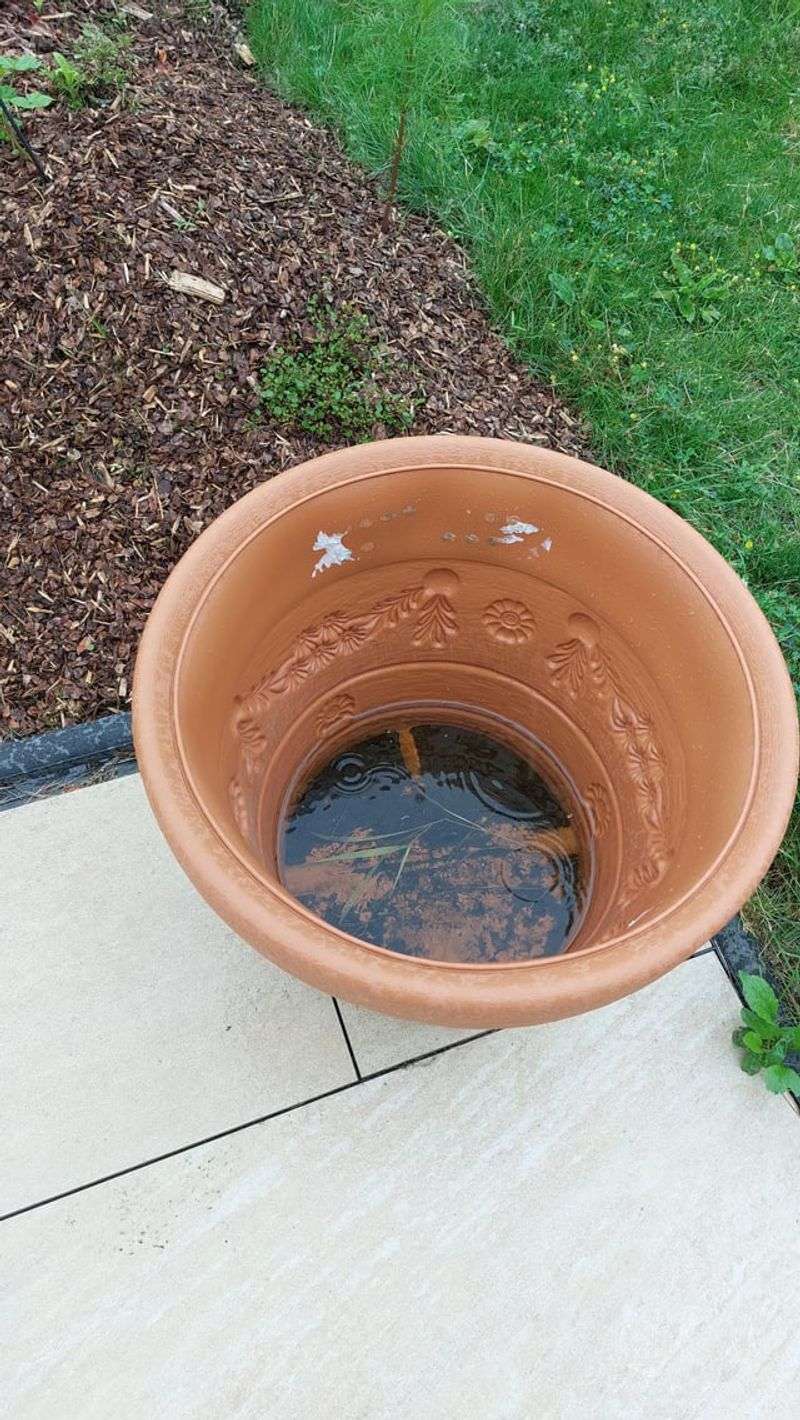
Drainage holes deserve a test before the next storm arrives.
Run water through each container and watch the bottom.
A healthy pot should let excess water escape rather than hold a pool at the surface for a long stretch.
Arizona guidance stresses the need for containers with adequate drainage, especially because pots face sharp swings between dry heat and sudden water.
Clear obvious debris around the outside of the hole.
Do not jab blindly into a dense root ball with a sharp tool. A blocked drain may come from roots, compacted mix, or a pot that sits flat against the porch. Lift the container and inspect the base before you poke at anything.
A degraded potting mix can also stay wet too long.
Old mix loses structure over time, which leaves fewer large air spaces around roots. A plant that drains poorly after every irrigation may need a repot into fresh, well-aerated container mix once the worst heat passes.
Keep pots stable after any lift or adjustment.
Monsoon gusts can topple a container that sits awkwardly on makeshift supports. Wide pot feet or a secure stand work better than a stack of loose stones.
Then test the drainage again.
Water at the top matters only when extra water has a safe exit below.
Your plant can forgive one wild Arizona storm.
A pot with no clear drain turns every storm into an encore nobody asked for.