How To Prune Desert Bird Of Paradise In Arizona In June For A Showstopping Monsoon Display
Some plants seem to know exactly when it is time to put on a show. One day they blend into the background.
A few weeks later they become the first thing people notice in the yard. That kind of transformation is one of the most satisfying parts of gardening.
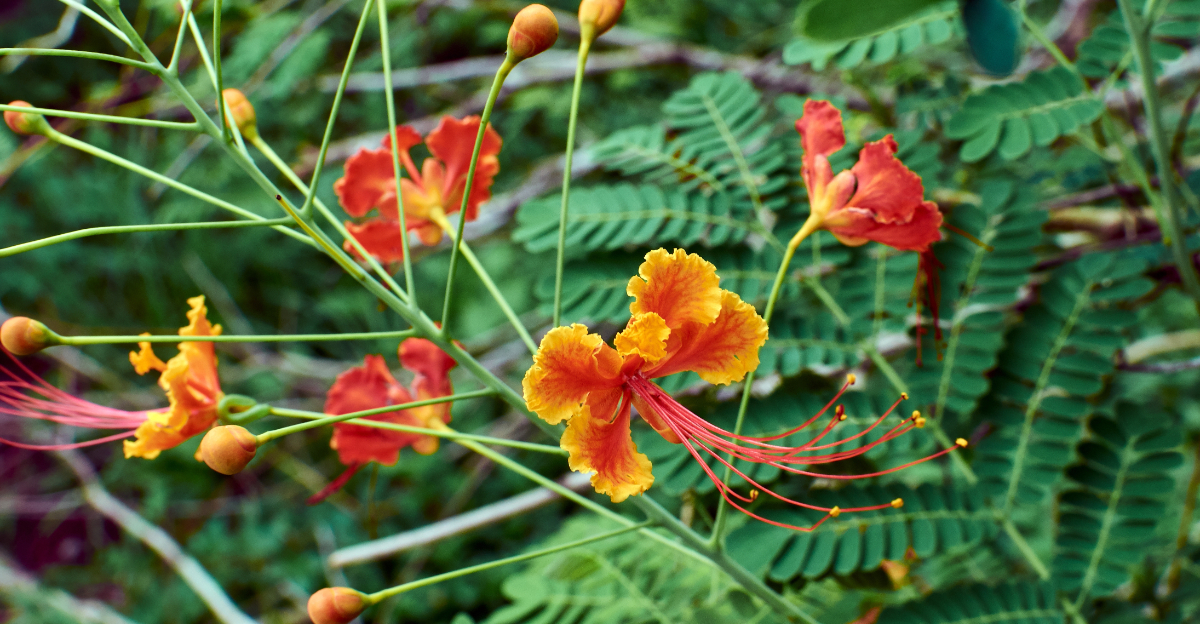
Desert Bird Of Paradise is famous for its bright flowers and bold summer color. In Arizona, many of these shrubs are getting ready for their biggest display of the season right now.
A little attention in June can make a noticeable difference once monsoon weather arrives. The timing matters more than many gardeners realize.
If your plant looks overgrown or uneven, this may be the moment to step in. Here is how to prune it for a stronger, more impressive summer display.
1. Remove Damaged Growth Before Making Any Other Cuts
Grab your pruning shears and start with a full inspection before cutting anything. Walk around the plant slowly.
Look for stems that are brown, brittle, or cracked from the spring heat.
Damaged wood does not recover. Leaving it attached only invites pests and slows the plant down heading into monsoon season.
Cut those stems back to a healthy green junction point.
Work branch by branch. Do not rush.
Each cut should be clean and made at a slight angle to help water run off the wound instead of pooling.
In the Sonoran Desert region, plants often carry hidden stress damage from late spring dry spells. What looks alive on the outside can be hollow or dried through on the inside.
Snap a small suspect stem. If it breaks with no moisture, remove it completely.
Clearing out damaged growth first gives you a cleaner picture of what the plant actually needs. You avoid over-cutting healthy sections and wasting energy on areas that were already holding the plant back.
Starting here makes every step that follows easier and more accurate.
2. Identify Areas That Need Light Thinning
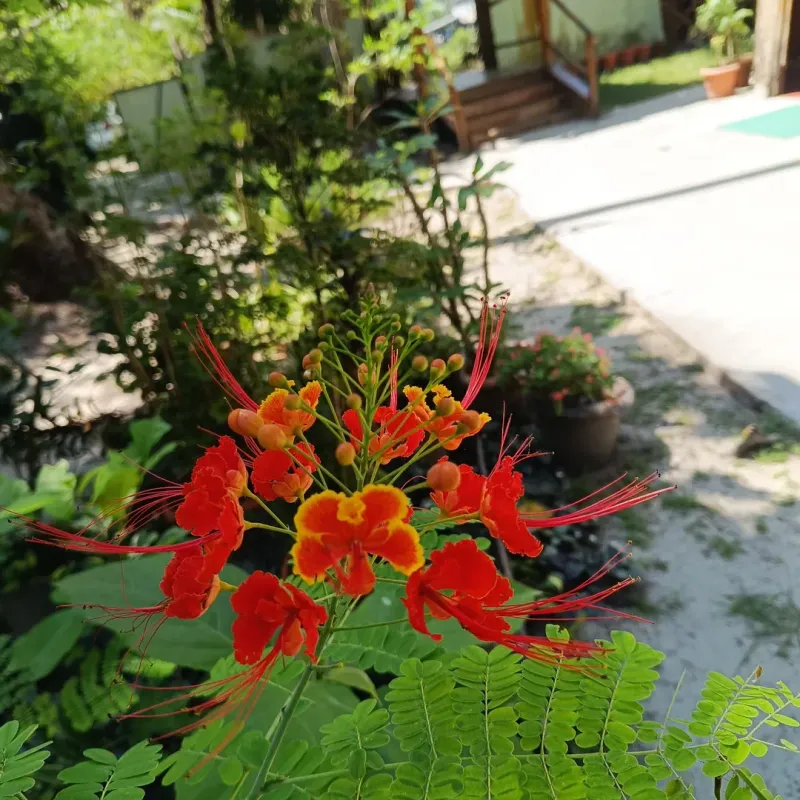
Before your shears touch a single live branch, step back and really study the plant. Look for spots where branches cross over each other or press tightly together.
Those crowded zones are where problems start.
Thinning is not the same as shaping. You are not trying to change the outline of the plant.
You are looking for branches that compete for the same space and blocking light from reaching the center.
Mark the problem areas mentally or use a small piece of tape on branches you plan to remove. Having a plan before you cut keeps you from taking too much at once.
In warm desert climates, dense interior growth traps heat and moisture during monsoon storms. That combination creates the right conditions for fungal issues and branch rot.
Identifying those spots early means you address them before the rains arrive.
Pay attention to the lower interior of the plant. Branches growing inward rather than outward are usually the first candidates for removal.
They rarely produce strong flowers and mostly just crowd the plant. A thoughtful inspection at this stage saves you from second-guessing every cut later.
Your Arizona Garden Changes Every Week. Your Plan Should Too.
Gardening in Arizona changes quickly throughout the season. Every Friday you’ll receive a simple weekly plan showing exactly what to plant, prune, fertilize, harvest, and protect so you never miss the right timing.
Take five minutes here and the rest of the pruning session goes much smoother.
3. Thin Crowded Areas To Improve Air Circulation
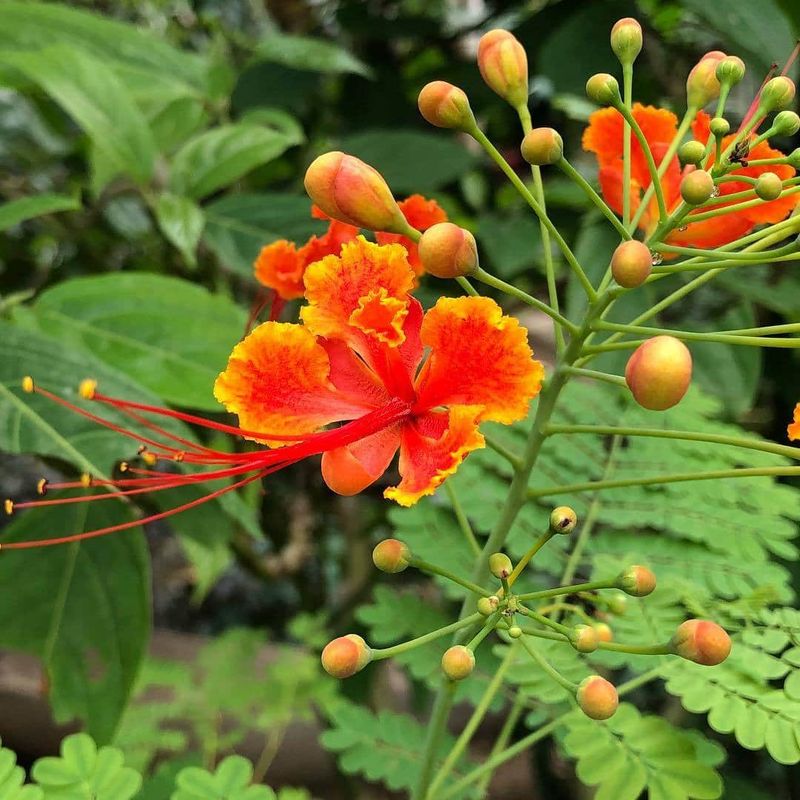
Air needs to move through the plant freely. Without it, the interior stays damp after monsoon rains and that moisture lingers far too long.
Start removing the branches you identified earlier. Work from the inside out.
Take out one branch at a time and step back after each cut to check your progress. Avoid pulling out too much at once.
A good rule of thumb: never remove more than one-third of the plant in a single session. Staying under that threshold keeps the plant from going into stress during already intense summer heat.
Thinned plants in hot desert regions show noticeably stronger bloom cycles after monsoon rains. Better airflow means faster drying after storms, which reduces the chance of fungal buildup on stems and leaves.
It also lets pollinators reach the flowers more easily.
Focus on branches that angle inward or rub against other branches. Rubbing creates open wounds that attract insects and disease.
Cut those branches flush at their base rather than leaving stubs behind. Stubs do not heal cleanly and become entry points for problems later.
After thinning, the plant should look open and airy through the center without looking bare on the outside. That balance is exactly what you are aiming for heading into monsoon season.
4. Shape The Plant Without Changing Its Natural Form
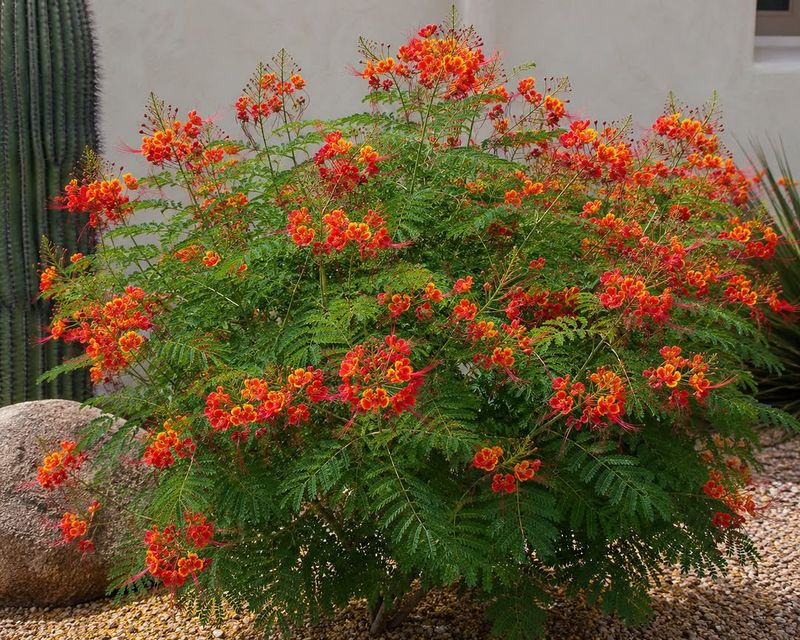
Shaping is where a lot of gardeners go wrong. It is tempting to trim everything into a neat round ball, but that works against the plant completely.
Desert bird of paradise grows with a natural arching, open structure. Forcing it into a tight geometric shape stresses the plant and removes the branch tips where most of the flowers form.
You end up with a tidy shrub that barely blooms.
Instead, follow the natural lines the plant already has. Trim only the branches that reach awkwardly outward or hang too low over a path.
Maintain the overall silhouette rather than fighting it.
Step back every few cuts. Fresh eyes catch things that close-up work misses.
If the plant still looks like itself from ten feet away, you are on the right track.
Shaping should feel light and selective, not aggressive. You are editing, not redesigning.
Remove what genuinely looks out of place and leave everything else alone.
In hot desert yards, plants already deal with heat stress, low humidity, and intense UV exposure. Adding pruning stress on top of that by over-shaping pushes the plant harder than it needs to be pushed.
Light, intentional shaping in June gives the plant enough time to settle before the monsoon moisture arrives and triggers new growth.
5. Preserve Strong New Growth For Summer Flowers
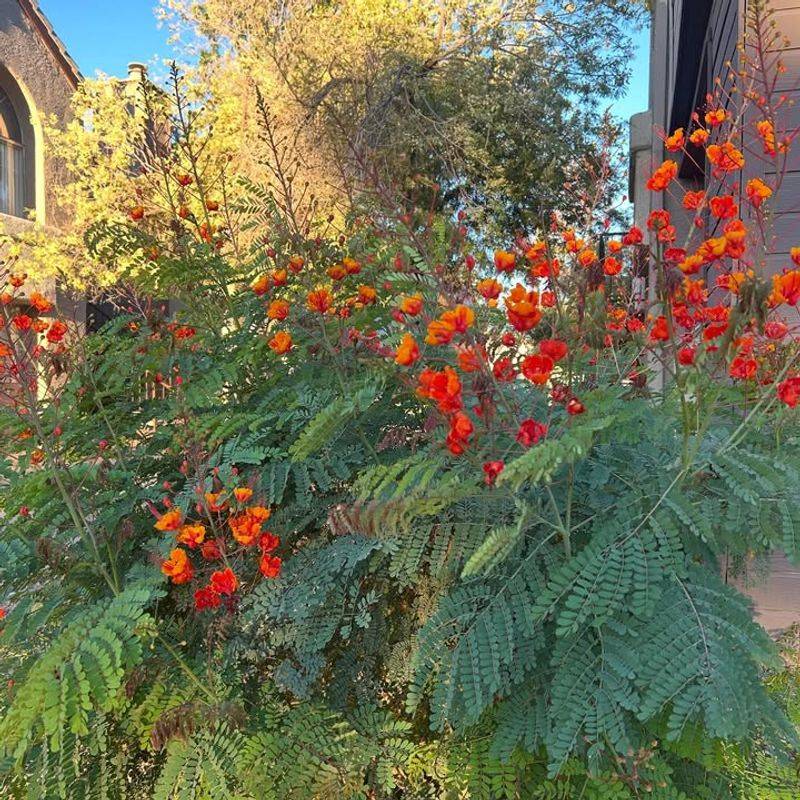
New growth is where the magic happens. Those bright green tips pushing out from the ends of branches are the future flowers for your monsoon display.
Before every cut, check whether the branch tip shows fresh green growth or small bud formation. If it does, leave it alone.
Removing those tips now delays blooming by weeks, sometimes longer.
Focus cuts on older woody interior branches, not the actively growing outer stems. Older wood rarely produces strong flowers.
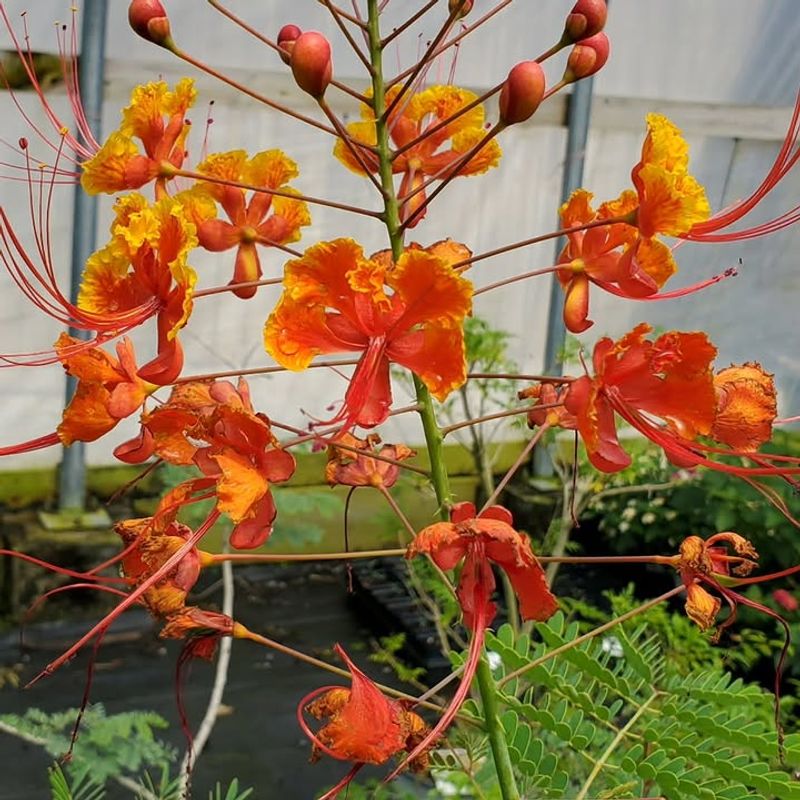
New growth on the outer canopy is what lights up with orange and yellow blooms once the rains hit.
In the low desert, monsoon rains trigger a growth surge that the plant has been building toward all spring. Preserving the new growth now means the plant is already primed when that first storm rolls through.
Cut it away and you reset the clock on that bloom cycle.
Some gardeners accidentally remove the most productive parts of the plant because they focus on making it look tidy rather than bloom-ready. Tidy does not equal healthy.
A plant with preserved new growth and open airflow is far more valuable than one that simply looks neat from the street.
Protect those green tips. They are your investment in a standout display when the summer storms finally arrive.
6. Avoid Heavy Cutting During Hot Weather
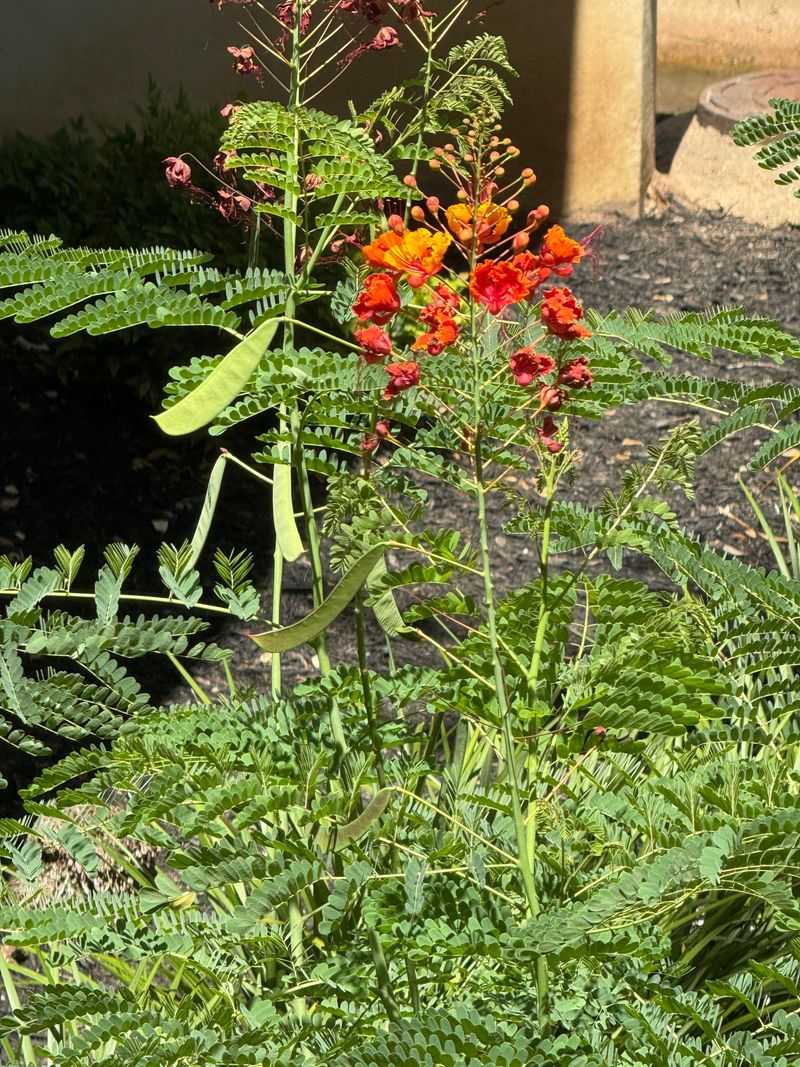
Heavy pruning in peak June heat is a fast way to set a plant back significantly. Temperatures in the low desert regularly climb past 105 degrees Fahrenheit in June.
Plants are already working hard just to stay stable.
When you remove large amounts of foliage during extreme heat, the plant loses shade it was using to protect its own root zone. The exposed soil heats up faster and dries out more quickly.
That combination stresses the root system at the worst possible time.
Keep cuts minimal and purposeful. Remove only what is clearly damaged, overcrowded, or blocking airflow.
Anything beyond that should wait until temperatures drop in fall.
Early morning is the best time to prune during summer. Temperatures are cooler, the plant is less stressed, and cuts have time to begin healing before afternoon heat peaks.
Avoid pruning during midday or afternoon hours entirely.
After pruning, avoid fertilizing immediately. Fertilizer pushes new soft growth, and soft new growth in extreme heat often scorches before it can harden off properly.
Water the plant the day before pruning to make sure it is well-hydrated going into the session. A hydrated plant handles pruning stress better than a dry one.
Small adjustments in timing and preparation make a real difference in how well the plant recovers and performs through monsoon season.
7. Keep Pruning Light During Monsoon Season
Once the monsoon season officially kicks in, put the pruning shears away for most tasks. Wet conditions and open cuts are not a good combination for desert plants.
Rain creates humidity that lingers around fresh pruning wounds. That moisture can introduce fungal issues that spread quickly through weakened tissue.
Healthy plants with minimal fresh cuts handle monsoon conditions far better.
If a branch snaps during a storm, remove it cleanly as soon as the rain stops. Broken wood left hanging invites insects and disease faster than almost anything else.
Address storm damage promptly but keep everything else untouched.
Light deadheading of spent flower clusters is acceptable during monsoon season. Removing old blooms can encourage the plant to push out a second flush of flowers before the season ends.
Keep those cuts small and precise, never removing entire stems.
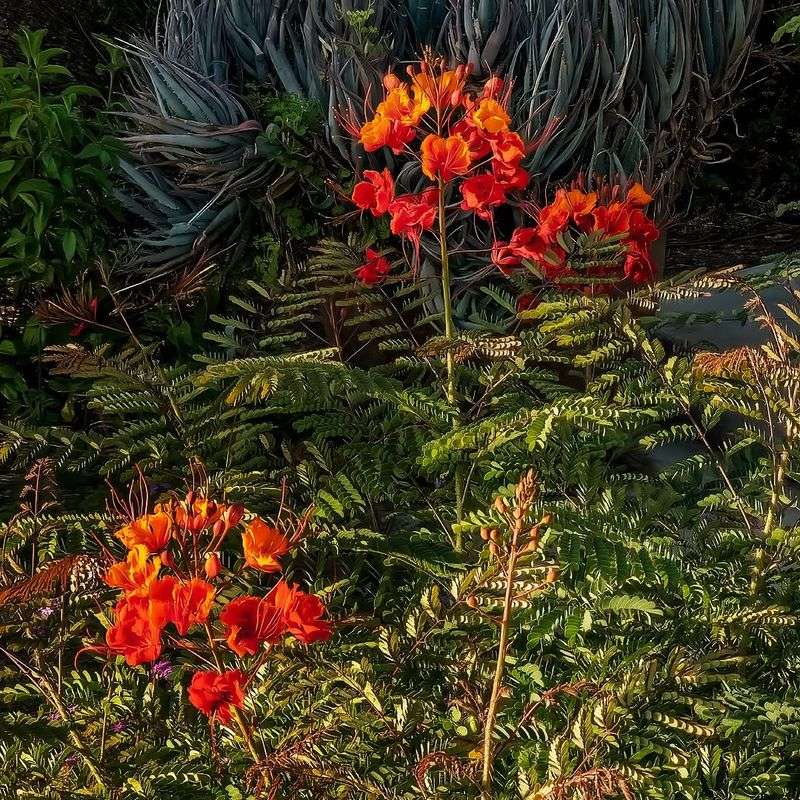
Monsoon season in the desert Southwest is when desert bird of paradise truly shines. The combination of heat, humidity, and rain triggers some of the most vibrant flowering cycles the plant produces all year.
Disrupting that cycle with heavy pruning wastes the effort you put in during June.
Let the plant do its thing. Watch it bloom.
Save bigger structural work for October or November when temperatures cool down and the plant enters a slower growth phase naturally.