The Meaning Behind Seeing Fewer Fireflies In Your Wisconsin Backyard
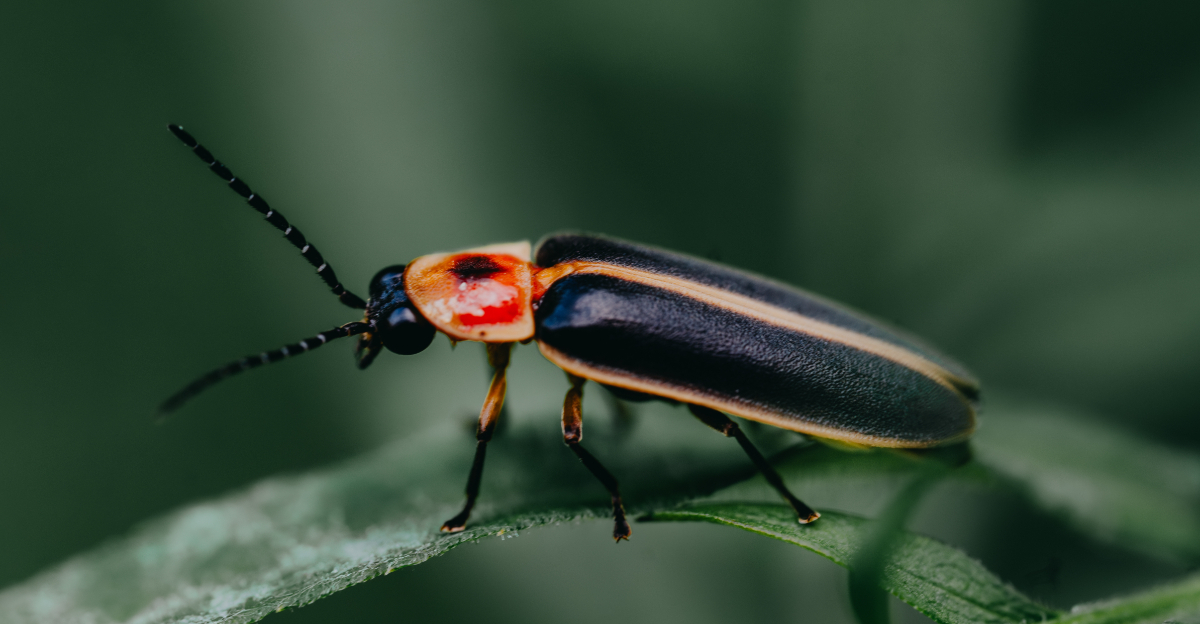
Summer nights used to glow with tiny lanterns drifting across Wisconsin lawns. Kids chased them barefoot until bedtime, jars in hand, certain the show would never end.
Now those same backyards sit dark more often than not. Something has quietly shifted, and most homeowners have no idea what changed right under their feet.
The truth is, this disappearance did not happen overnight. Small, everyday habits in the yard have been working against these glowing insects for years without anyone noticing.
Bringing them back is possible, but only once you understand what pushed them away in the first place. The answer might be closer to your porch light than you think.
A Summer Sight That Feels Quieter Each Year
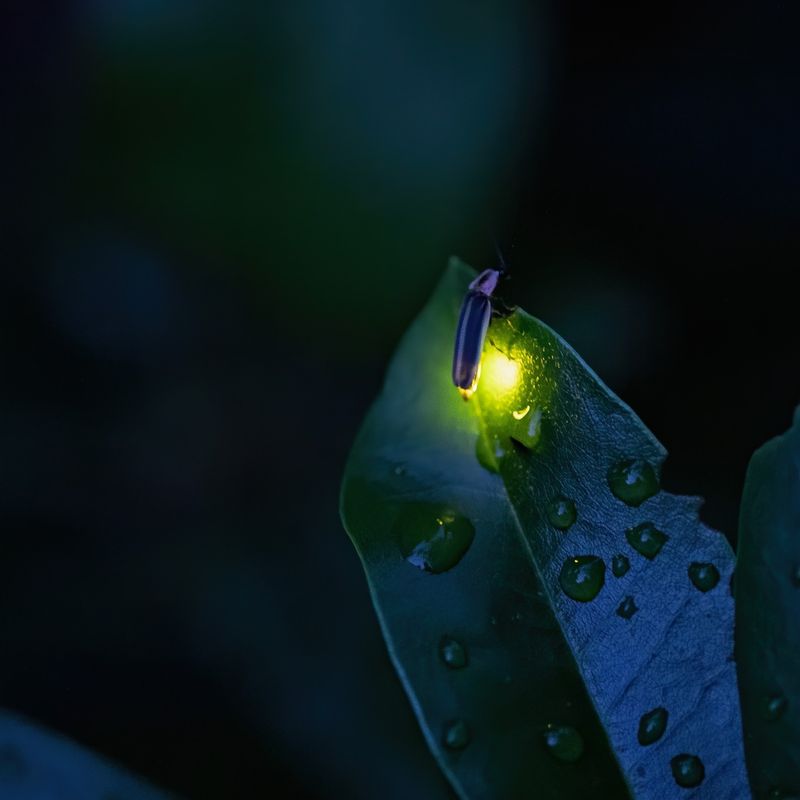
Count the flickers on your next warm evening outside. Ten years ago that same yard would have been blinking nonstop, and the difference isn’t in your head.
Firefly populations have been declining across North America for decades. Scientists and backyard observers alike have noticed the steady drop in these beloved beetles.
Fireflies are not just pretty. They are indicators of a healthy local ecosystem, and their absence tells a story.
Each species of firefly has a unique flash pattern. Males fly and flash, while females respond from the grass below.
That silent conversation has been happening in backyards for generations. When it stops, something has gone wrong in the environment around us.
Fireflies need very specific conditions to survive. They require moist soil, leaf litter, open meadows, and darkness to complete their life cycle.
When those conditions disappear, so do the fireflies. Many of the causes are things homeowners can actually influence.
Understanding what is driving the decline is the first step. Each section below breaks down one key factor, so you can start connecting the dots in your own yard.
Your backyard might already hold the answer. Pay attention to what has changed in your neighborhood over the last few years.
Sometimes the quietest summers carry the loudest warnings. That dimmer summer sky is one signal worth paying attention to.
Light Pollution And Its Effect On Fireflies
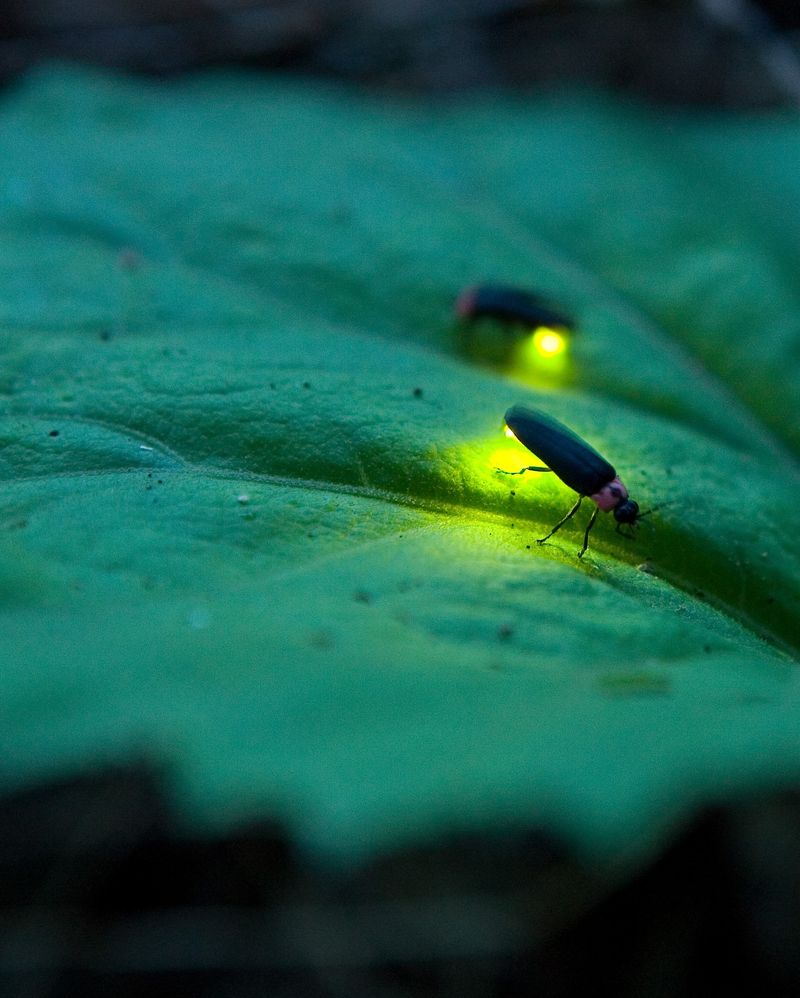
Bright nights are bad for fireflies. Artificial light from streetlamps, porch lights, and phone screens drowns out the natural flashes fireflies use to find mates.
Male fireflies flash to attract females waiting in the grass. When background light is too bright, females simply cannot see those signals.
No signal means no mating. No mating means no next generation of fireflies lighting up your yard.
Light pollution has grown significantly across Wisconsin suburbs over the past two decades. More homes, more development, and more outdoor lighting have made summer nights much brighter than they used to be.
Research confirms that firefly activity drops sharply in areas with high artificial light exposure. Even a single bright floodlight can disrupt mating within a wide radius.
Switching to motion-activated lights is one easy fix. Turning off unnecessary outdoor lights between 9 PM and midnight during summer months helps enormously.
Warm-toned or amber LED bulbs also cause less disruption than cool white bulbs. Blue and white light washes out their flashes far more than warm-toned light does.
Your Wisconsin Garden Changes Every Week. Your Plan Should Too.
Gardening in Wisconsin changes quickly throughout the season. Every Friday you’ll receive a simple weekly plan showing exactly what to plant, prune, fertilize, harvest, and protect so you never miss the right timing.
Encouraging neighbors to dim outdoor lighting during peak firefly season, usually late June through July, can make a neighborhood-wide difference. Small collective actions add up quickly.
Darkness is not just peaceful for humans. For fireflies, it is essential for survival and reproduction.
A darker backyard is a brighter future for these glowing beetles. Reclaiming the night sky may be simpler than you think.
Pesticide Use Around Your Property
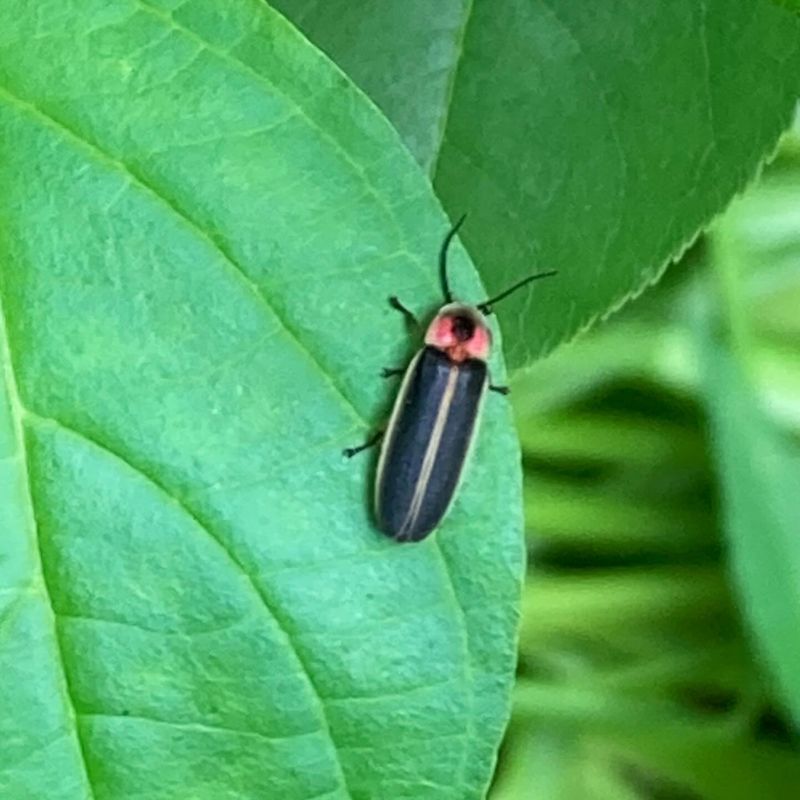
Fireflies spend most of their lives underground. Their larvae live in soil for one to two years before ever producing a single flash of light.
During that underground phase, they are highly vulnerable to pesticides. Lawn chemicals soak into the soil and can wipe out entire larval populations before they ever emerge.
Insecticides designed to target mosquitoes or grubs often harm firefly larvae as collateral damage. The chemicals do not discriminate between pests and beneficial insects.
Herbicides matter too. When they clear away ground-level plants and weeds, they strip away the moist, sheltered habitat that firefly larvae depend on to grow.
Many Wisconsin homeowners spray their lawns multiple times per season without realizing the impact on firefly populations. It is a common practice with serious unintended consequences.
Reducing or eliminating broad-spectrum pesticide use in your yard is one of the most powerful steps you can take. Spot-treat specific pest problems instead of blanket-spraying the entire lawn.
If you hire a lawn care company, ask specifically which products they use. Request that they avoid treatments near garden edges, wooded borders, and moist areas where fireflies are most likely to develop.
Organic lawn care options have expanded significantly in recent years. Many are effective against common pests without the soil toxicity that harms firefly larvae.
Every spray-free season gives firefly populations a chance to recover. Your lawn can still look great without costing the fireflies their future.
Habitat Loss Homeowners Don’t Notice
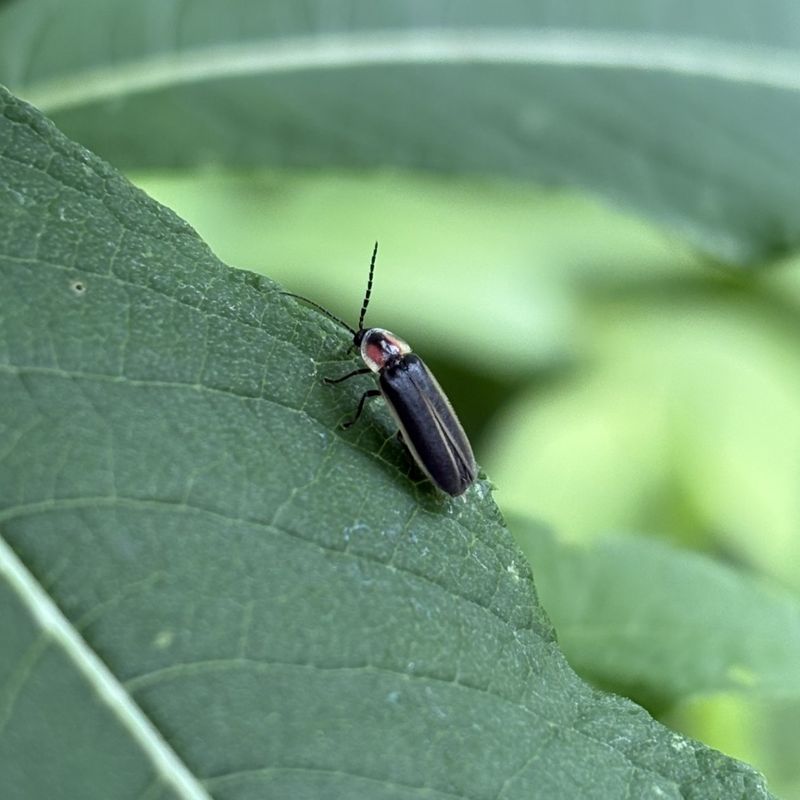
A perfectly trimmed yard might look beautiful. But to a firefly, it offers almost nothing to live on.
Fireflies need tall grasses, leaf litter, logs, and moist edges near trees or water. These are the exact features most homeowners rake, mow, or clear away without a second thought.
Leaf blowers and fall cleanups remove the leaf litter that shelters overwintering firefly larvae. Without that protective layer, larvae are left exposed to winter’s cold and dryness.
Mowing too frequently eliminates the tall grass where adult fireflies rest during the day. Short, uniform turf offers them almost no shelter at all.
Filling in low, wet areas of your yard removes the moisture that firefly larvae require. Drainage projects and landscape leveling often unknowingly wipe out prime firefly habitat.
Even removing old logs or brush piles wipes out important microhabitats. Decaying wood hosts the soft-bodied insects that firefly larvae feed on underground.
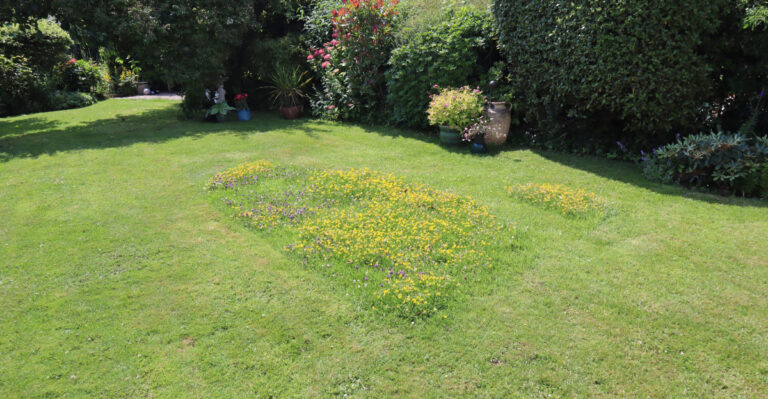
Letting one corner of your yard go a little wild can make a real difference. A small patch of unmowed grass, a log left near the fence, or a pile of leaves near the tree line gives fireflies a foothold.
Native plants also support the moist, layered habitat fireflies prefer. Swapping a section of turf for native ground cover adds texture and moisture to the soil below.
Habitat loss is often invisible to the homeowner. But the fireflies always notice, and they vote with their absence.
Small Changes That Bring Fireflies Back
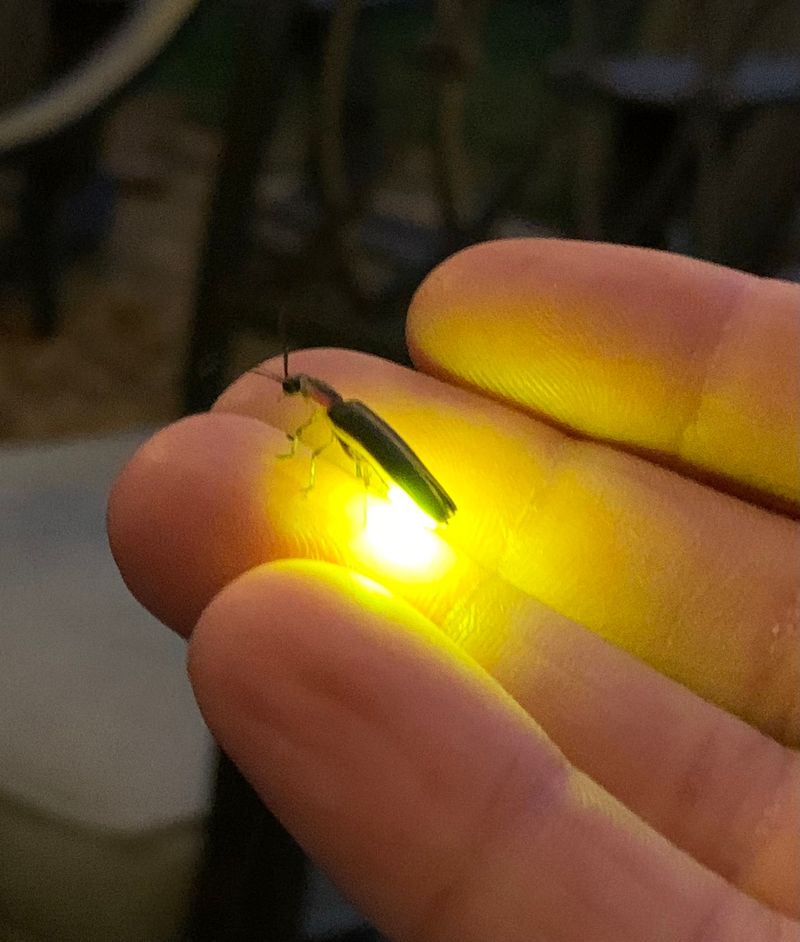
Small steps make a real difference here. You do not need a farm or a forest preserve to help fireflies recover in your backyard.
Even modest changes to how you manage your outdoor space can create conditions where fireflies thrive again. Start small and build from there.
Stop mowing one section of your lawn for the summer. Let the grass grow tall and allow low plants to fill in naturally.
Leave your leaf litter in place each fall, at least in one corner of the yard. That layer of decomposing leaves is essentially a firefly nursery waiting to happen.
Add a shallow water feature or a rain garden to increase moisture in the soil. Firefly larvae need damp ground to develop properly through their multi-year underground cycle.
Plant native Wisconsin species like wild bergamot, black-eyed Susan, or native ferns. These plants support the moist, layered ground cover that makes fireflies feel at home.
Reduce or eliminate pesticide applications, especially in late spring when larvae are most active near the soil surface. Timing matters as much as the type of product used.
Turn off or dim outdoor lights after 9 PM from late June through July. That simple habit alone can significantly improve firefly mating success in your yard.
Share these habits with neighbors to multiply the effect across a larger area. A block-wide effort creates a corridor of habitat that individual yards alone cannot provide.
Small actions repeated consistently build real results. Your backyard can become a firefly refuge one quiet change at a time.
A Healthy Firefly Population And What It Signals
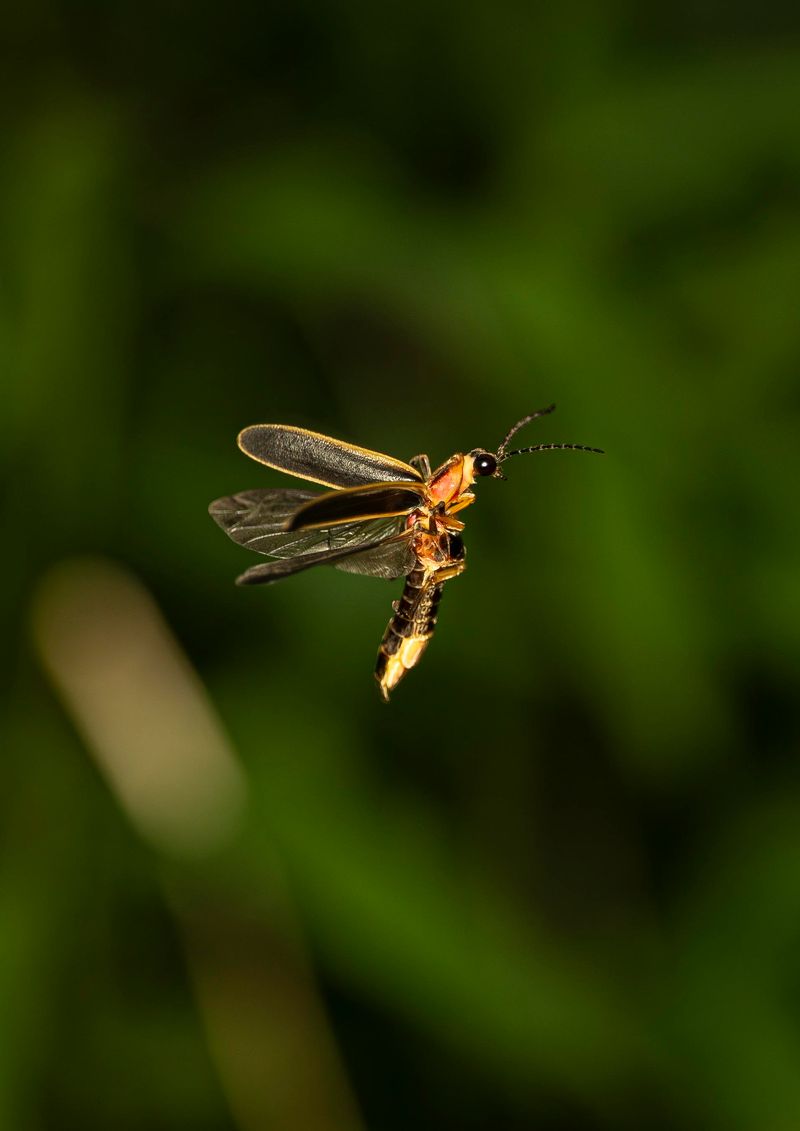
When fireflies are plentiful, your yard is doing something right. A robust firefly population signals healthy soil, low chemical exposure, and a balanced local food web.
Firefly larvae are predators underground. They feed on snails, slugs, worms, and other soft-bodied invertebrates, which means they actually help control common garden pests naturally.
Adult fireflies also serve as food for birds, bats, and spiders. Their presence supports a wider web of wildlife that depends on insect abundance to survive.
Soil health is closely tied to firefly activity. Compacted, chemically treated, or overly dry soil cannot support the larval stage, so firefly numbers reflect what is happening beneath the surface.
Seeing a yard full of flickers on a July evening is not just nostalgic. It is a sign that your local environment is functioning the way it should.
Citizen science projects like Firefly Atlas, run by the Xerces Society, track population data submitted by everyday backyard observers. Your sightings actually contribute to real scientific understanding.
Logging your firefly counts each summer gives you a personal baseline. You will notice trends over time that connect directly to changes you make in your yard.
A yard that supports fireflies also tends to support pollinators, birds, and beneficial insects across the board. Ecological health is rarely isolated to one species.
A quieter summer sky is a message worth decoding. A thriving summer light show means your little patch of earth is alive and well.