Georgia Native Plants That Thrive On Neglect Through A Hot, Dry August
August in Georgia has a reputation, and it earns it every single year. The sun is relentless, the ground bakes hard, and rainfall has a habit of disappearing for weeks at a stretch right when the garden needs it most.
Keeping a summer landscape looking good through all of that can start feeling less like gardening and more like damage control.
The encouraging part is that some native plants are genuinely built for these exact conditions, adapted over time to rocky outcrops, sandy roadsides, dry pinelands, and open sunny slopes where summer heat is just part of the deal.
Once their root systems get established they can handle prolonged dry stretches with relatively little help from the hose.
One honest note though: even the toughest natives need consistent water when first planted, especially during a hot Georgia summer.
After that, these eight plants can largely look after themselves through August.
1. Georgia Basil Loves Harsh, Dry Sites
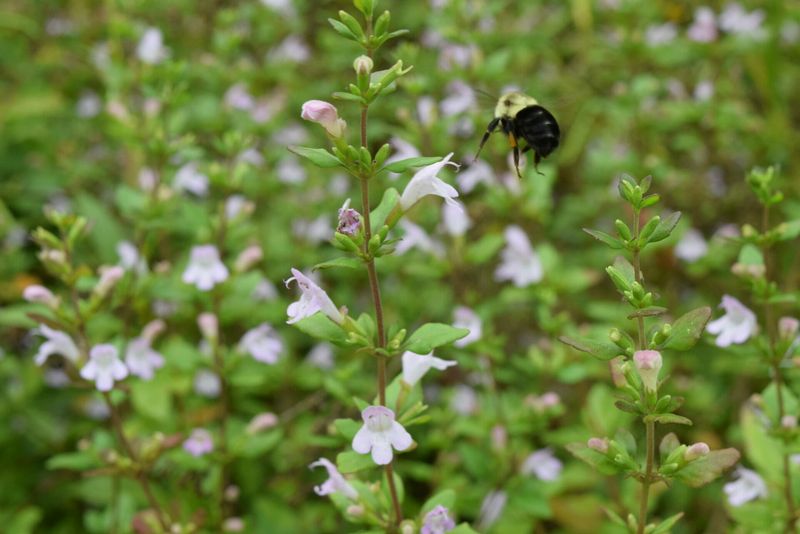
Baked roadsides and rocky outcrops are not places most plants would choose, but Georgia basil, known scientifically as Clinopodium georgianum, seems right at home there.
This low-growing native herb naturally occurs in dry, open woodlands and exposed sites where thin soil and intense sun keep most competition away.
Its aromatic foliage and small, tubular flowers make it a charming addition to any spot in the garden that gets plenty of sun and drains quickly.
One of its most useful traits for gardeners is its late-season bloom time. Flowers can appear from August and continue into fall, providing color and pollinator interest right when many other plants are looking tired.
Bees and small butterflies are drawn to its blossoms, which adds wildlife value to a low-maintenance planting.
Because Georgia basil is a regional species with specific habitat ties, it is not equally suited to every corner of the state. It tends to perform best in the Piedmont and parts of the Ridge and Valley regions where rocky, well-drained soils are more common.
Planting it in heavy clay or poorly drained ground is likely to cause problems.
Give it sharp drainage, full sun, and lean soil, and it can establish into a reliable late-summer bloomer that needs relatively little supplemental water once its roots are settled in a suitable location.
2. Large-Flowered Coreopsis Shrugs Off Dry Heat
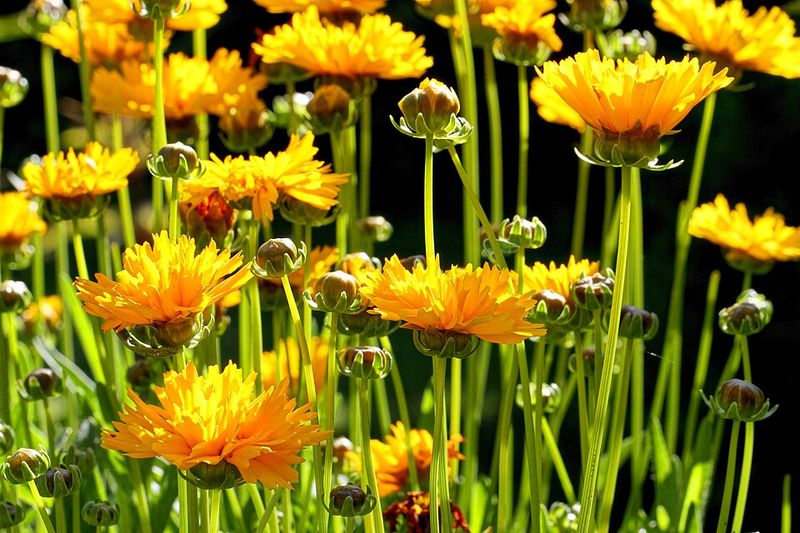
Few native wildflowers match the cheerful stubbornness of Coreopsis grandiflora when summer heat cranks up.
Large-flowered coreopsis produces bold, golden-yellow blooms on slender stems, and it keeps going through conditions that send less-adapted plants into early dormancy.
Its natural preference for exposed, sunny, and relatively dry sites makes it one of the stronger choices for gardeners who want reliable late-season color without constant irrigation.
Good drainage is the most important thing this plant needs. Coreopsis grandiflora does not tolerate soggy roots, and planting it in poorly drained clay without amendment is a setup for disappointment.
Sandy loam, gravelly soil, or any spot that dries out quickly between rain events suits it well. Once established in those conditions, it handles Georgia’s intense summer heat with minimal complaint and can continue flowering well into August.
Your Georgia Garden Changes Every Week. Your Plan Should Too.
Gardening in Georgia changes quickly throughout the season. Every Friday you’ll receive a simple weekly plan showing exactly what to plant, prune, fertilize, harvest, and protect so you never miss the right timing.
Long flowering periods are one reason this species earns a spot in low-maintenance sunny borders. Deadheading spent flowers can encourage additional blooms, though established plants will often continue producing on their own without much intervention.
Pollinators, including native bees and butterflies, visit the flowers regularly, making it a useful plant for supporting local wildlife through the hottest stretch of summer.
Newly planted specimens still need consistent moisture while their roots develop, so plan for regular watering during the first Georgia summer after planting.
3. Scaly Blazing Star Blooms Through August
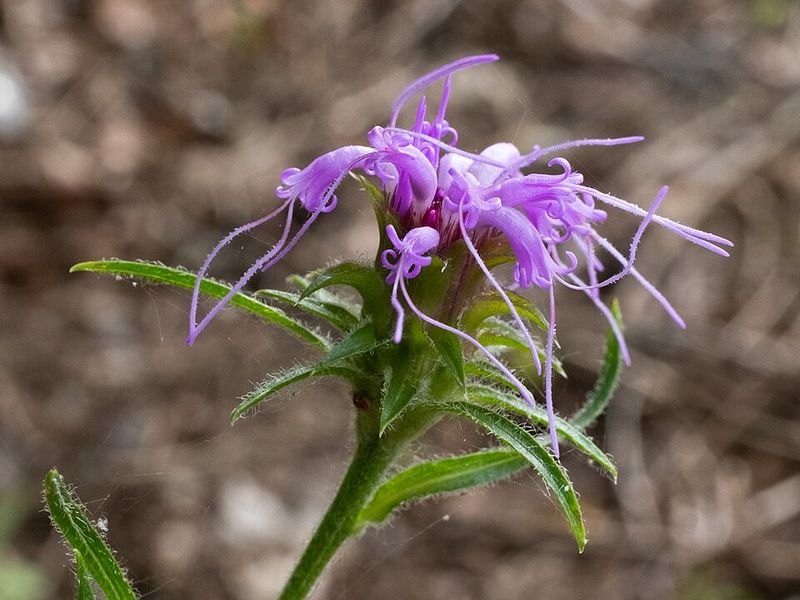
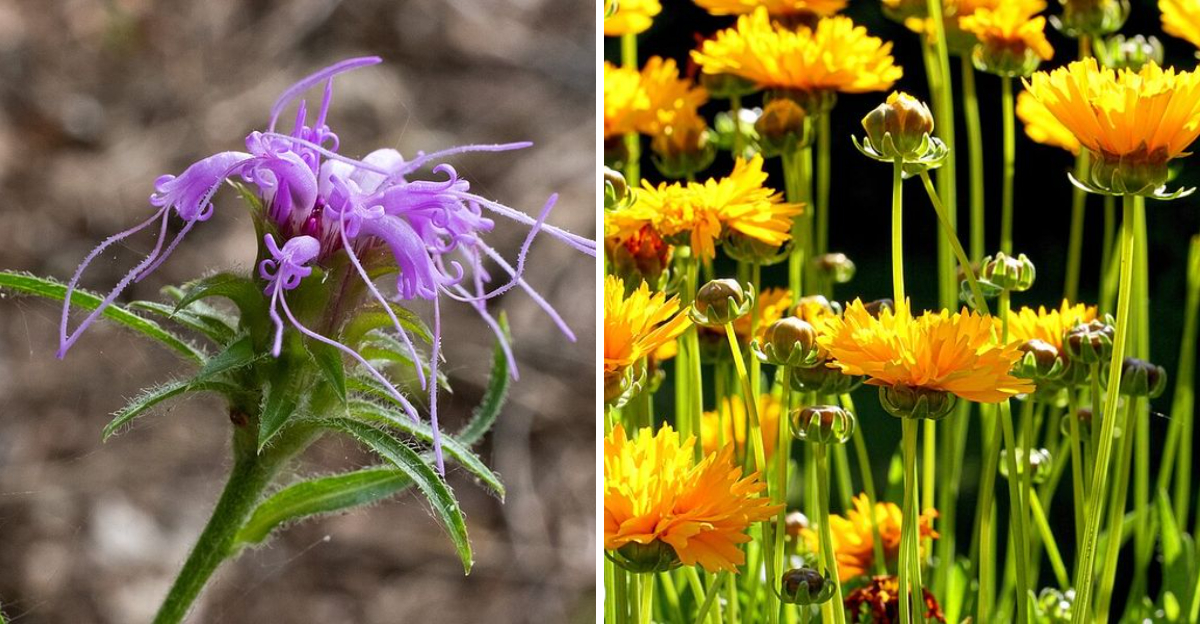
Rocky, open ground that looks too harsh for most flowering plants is exactly where Liatris squarrosa tends to show up in the wild. Scaly blazing star earns its place on dry slopes, sandy clearings, and prairie-like patches where the soil is lean and drainage is sharp.
Its upright purple flower spikes add vertical interest to the late-summer landscape, and its ability to bloom through August makes it especially valuable when many gardens are running low on color.
Sun is non-negotiable for this plant. Scaly blazing star needs full sun to perform well, and it will stretch and flop in shaded conditions.
Soil that stays consistently moist or poorly drained is also a poor match. Plant it where water moves away quickly after rain, and it will reward that site matching with reliable seasonal performance and relatively low maintenance once established.
Pollinators are drawn to the bright flowers, and monarchs and other butterflies often visit during their late-summer movement through Georgia.
The plant grows from a corm-like root structure that stores energy and helps it persist through dry stretches without supplemental water once established.
Newly planted corms still benefit from regular moisture through their first growing season.
Matching scaly blazing star to conditions similar to its natural rocky or sandy Georgia habitats is the most straightforward way to reduce the care it needs through a hot, dry August.
4. Butterfly Weed Handles Dry Summer Soil
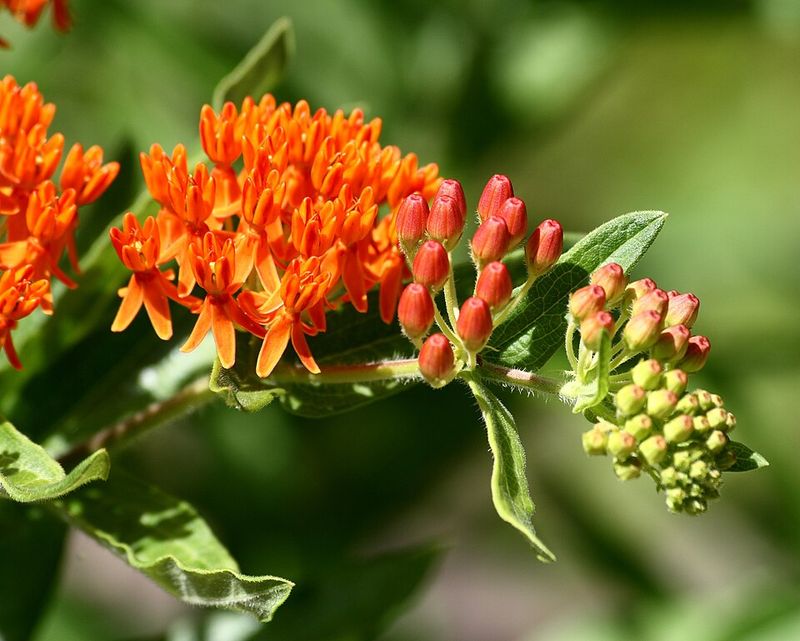
Vivid orange flower clusters on a compact, sun-loving plant – that is the first thing most people notice about Asclepias tuberosa, commonly called butterfly weed.
Unlike many of its milkweed relatives, butterfly weed does not produce the milky sap the family is named for, and it strongly prefers dry, well-drained soil over anything moist or waterlogged.
That preference makes it a natural fit for the kind of sunny, fast-draining garden spots that can become almost impossibly dry during a Georgia August.
Its drought tolerance is rooted in a deep taproot that anchors the plant and helps it access moisture well below the surface during dry stretches.
That taproot also means butterfly weed resents being moved once it is settled, so choosing the right spot from the start matters.
Full sun and excellent drainage are the two most important requirements. Clay soil that holds water is not a suitable planting site, regardless of how drought-tolerant the plant is described as being.
Butterfly weed serves as a host plant for monarch caterpillars, which adds meaningful wildlife value beyond its ornamental appeal. Flowers typically peak in early to midsummer, but the plant remains attractive through August with its foliage and elongated seed pods.
Newly planted butterfly weed needs regular moisture while it establishes its taproot system, particularly through its first hot Georgia summer.
After that establishment period, it handles dry conditions with noticeably less intervention than many other garden plants.
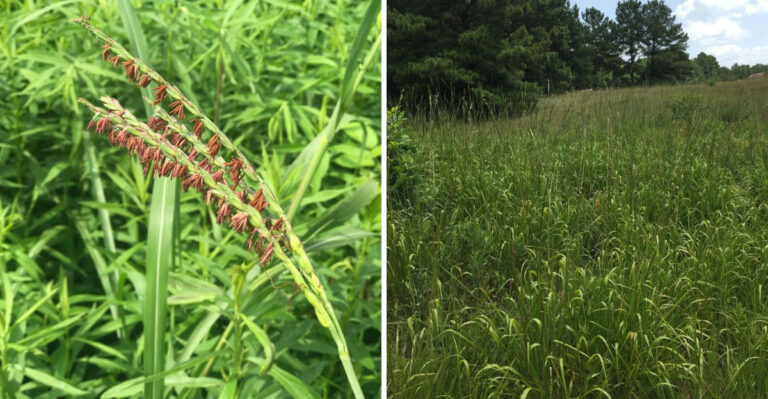
5. Little Bluestem Takes Heat With Little Fuss
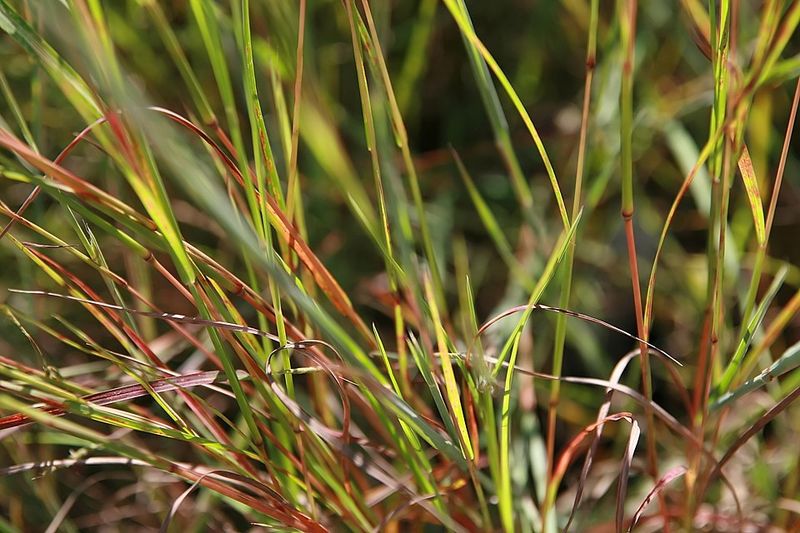
Warm-season grasses have a way of looking their best exactly when everything else in a Georgia garden is struggling, and little bluestem is one of the finest examples of that pattern.
Schizachyrium scoparium hits its stride in the heat of summer, putting on attractive blue-green foliage through July and August before shifting into its signature reddish-copper fall color.
It is a grass that earns its place in a landscape across multiple seasons, not just one.
Little bluestem adapts to a wide range of soil types, including sandy, rocky, and relatively lean soils where other ornamental grasses might underperform.
It does not require fertile ground or frequent fertilization – in fact, overly rich soil can cause it to flop rather than stand upright.
Full sun and good drainage are its primary requirements, and once those conditions are met, established plants handle prolonged summer dry spells with minimal supplemental watering.
Different cultivars vary in height, color intensity, and overall habit, so checking cultivar details before purchasing is worthwhile. Some selections stay compact while others grow taller and more open.
Native-straight species plants are often the most reliably adapted to local Georgia conditions. Birds feed on the seed heads in fall and winter, extending the plant’s value well beyond the August growing season.
Newly planted little bluestem should receive regular irrigation through its first summer while it builds the root system that makes it so resilient later on.
6. White Wild Indigo Handles Heat And Poor Soil
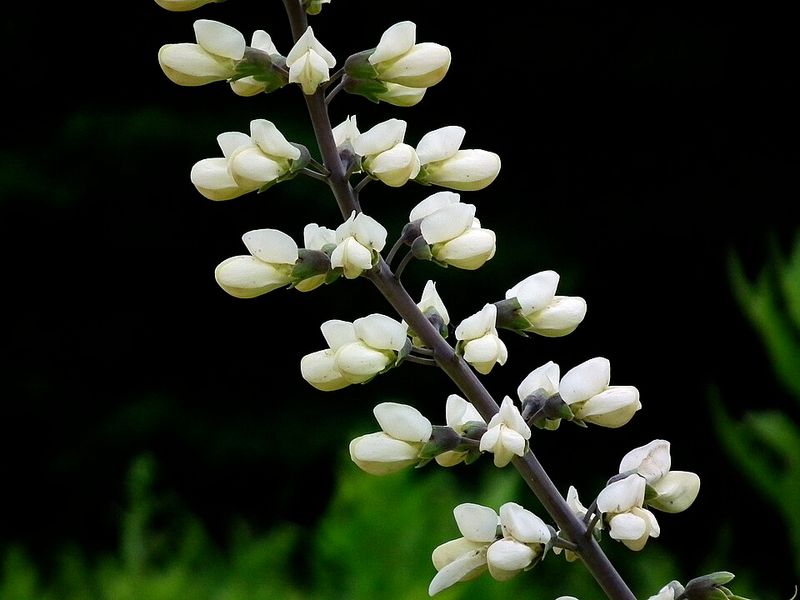
Long after its white flower spikes have finished for the season, Baptisia alba continues to earn its space in the garden. By August, white wild indigo is well past its main spring bloom, but the plant does not simply disappear.
Its blue-green foliage remains attractive through summer, and its inflated, balloon-like seed pods develop into a structural element that holds visual interest through the hottest months of the Georgia year.
What makes this plant genuinely useful for low-maintenance gardens is its deep-rooted growth habit and its tolerance of heat, drought, and relatively poor soils.
Once established, white wild indigo can go extended periods without supplemental watering in well-drained sites.
It does not want waterlogged or compacted soil, and planting it in conditions far outside its natural preferences – such as dense shade or poorly drained clay – will limit its performance regardless of how tough it is described as being.
Full sun to light partial shade suits it well, and it tends to develop a substantial root system over several years that anchors it firmly and supports its drought resilience.
That root system also means the plant is slow to move once established, so thoughtful placement matters from the start.
Newly planted specimens need consistent moisture through their first growing season. The seed pods persist into fall and can be used in dried arrangements, giving white wild indigo one more practical reason to earn a spot in a Georgia native plant garden.
7. White Wood Aster Handles Dry Woodland Edges
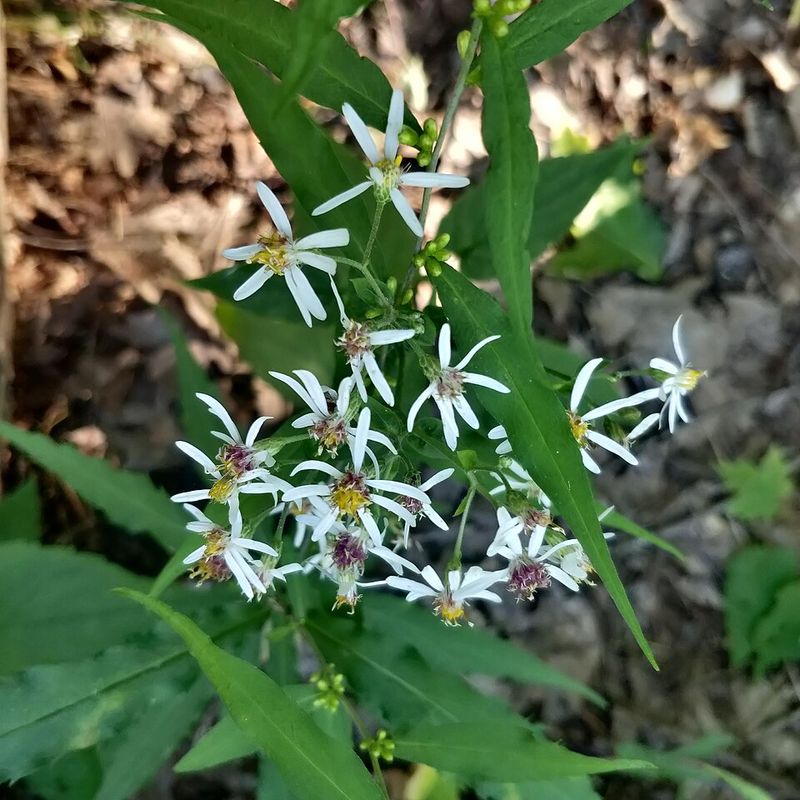
Not every Georgia garden has a blazing, open, sunny border. Dry shade is one of the trickier conditions to plant successfully, and white wood aster, Eurybia divaricata, is one of the more reliable native options for those spots.
Found naturally along woodland edges and in dry to moderately moist hardwood forests, this aster brings late-season white flowers to areas that might otherwise go unplanted through the hottest stretch of summer.
Its flowering period runs from approximately July into September, which means August falls squarely within its bloom window.
The small, white, daisy-like flowers with yellow centers appear in loose clusters above dark-stemmed foliage, creating a delicate but consistent display.
Pollinators, including native bees, visit the flowers regularly, which adds ecological value to what might otherwise be a neglected corner of the yard.
White wood aster adapts to both partial shade and fairly deep shade, though it tends to flower more freely with some light. Once established in conditions that reflect its natural woodland-edge habitat, it handles dry periods reasonably well without frequent irrigation.
Planting it in open, full-sun locations with no overhead canopy or in soil conditions very different from its natural habitat may reduce its performance. Newly planted asters need regular watering through their first Georgia summer.
Matching the plant to a dry, partly shaded spot with decent organic content in the soil gives it the best chance of thriving with minimal care through a hot August.
8. Grass-Leaved Goldenaster Handles Poor, Dry Ground
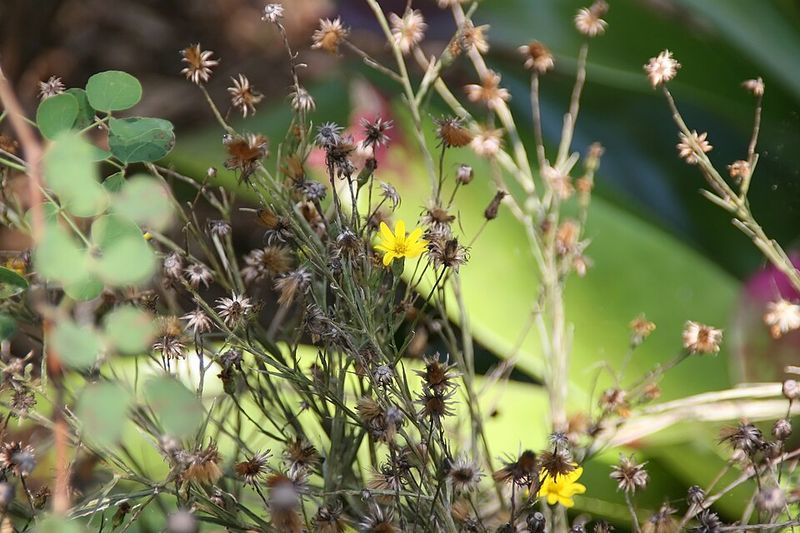
Sandy roadsides, dry pinelands, and old fields in Georgia often host a slender, silver-leaved plant that most drivers pass without a second glance.
Pityopsis graminifolia, commonly called grass-leaved goldenaster, is one of those quietly tough natives that thrives in the kind of lean, dry, sun-baked ground where richer-soil plants would struggle.
Its narrow, grass-like leaves are covered in fine silvery hairs that give the whole plant a soft, almost luminous appearance even before it flowers.
August is part of this plant’s heat- and drought-tolerant growing season rather than its peak flowering period.
Primary bloom typically comes in early fall, so through most of August the plant is building energy and foliage while handling dry conditions with minimal fuss.
That makes it a useful structural and textural element in late-summer plantings even before its yellow, daisy-like flowers open fully.
Full sun and fast-draining, infertile soil are the conditions grass-leaved goldenaster prefers. Sandy or gravelly ground suits it far better than heavy clay, and it does not perform well in fertile, moisture-retentive soils where it tends to become floppy.
Its natural habitat includes sandhills, dry pinelands, and open disturbed areas, so matching those conditions in the garden is the most reliable way to keep maintenance low. Newly planted specimens need supplemental watering while establishing.
Once rooted into appropriate dry, sunny ground, this native handles Georgia’s August heat with very little help from the gardener.