8 Georgia Plants That Attract Dragonflies And Reduce Mosquito Activity
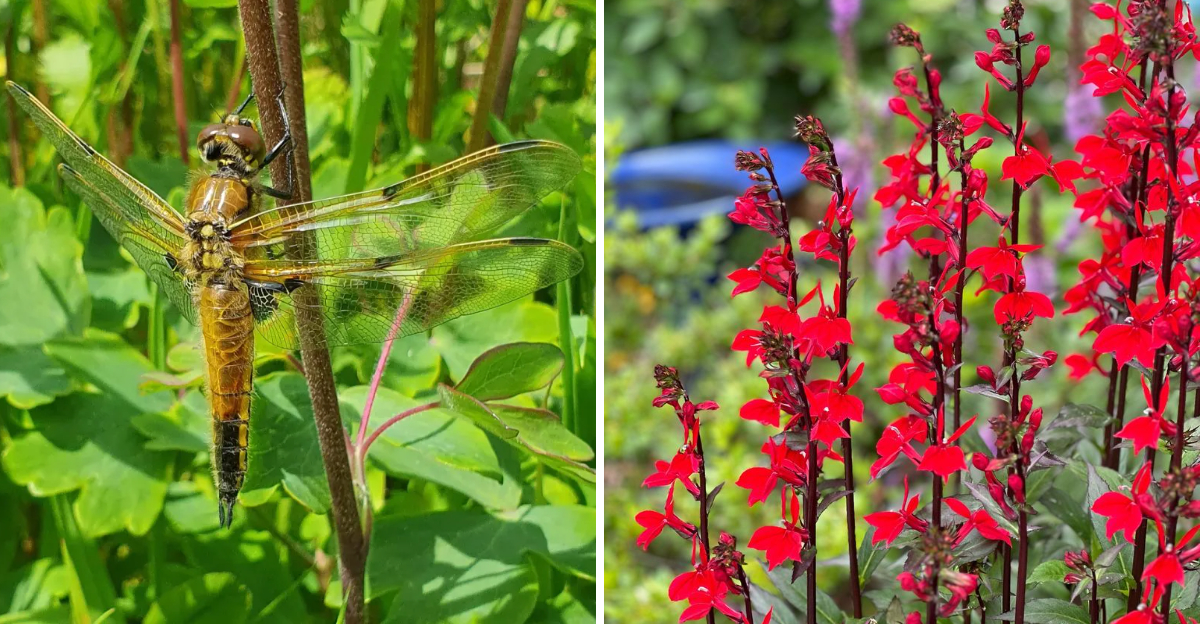
Nothing ruins a nice evening outside faster than mosquitoes taking over the backyard the second the sun starts going down.
Porch sitting becomes annoying, gardening turns into nonstop swatting, and even quick watering sessions start feeling miserable during humid weather in Georgia.
Dragonflies bring a completely different energy once they start flying around the yard regularly. Fast movement, constant activity, and fewer mosquitoes buzzing around suddenly make outdoor spaces feel much more enjoyable during summer.
Certain plants seem to attract dragonflies far more often than others, especially in gardens filled with blooms, moisture, and pollinator activity. A few backyard changes can make those colorful flyers start appearing much more consistently.
1. Swamp Milkweed Attracts Dragonflies Near Damp Areas
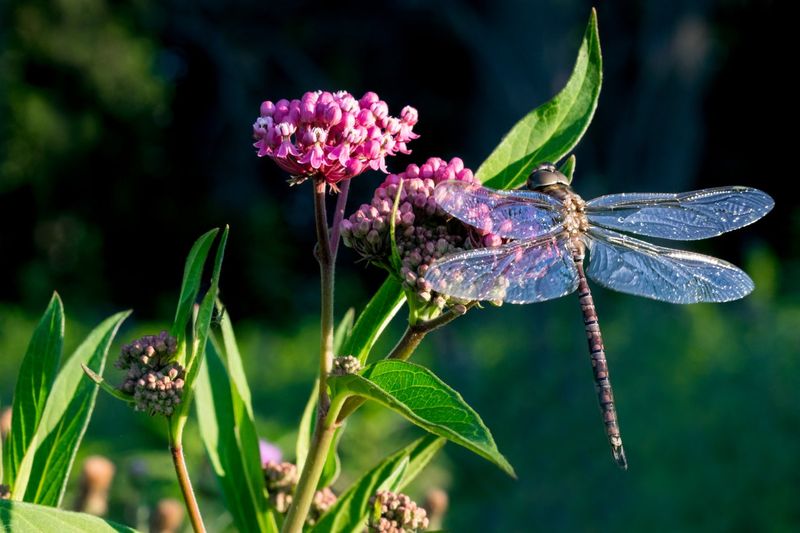
Swamp milkweed earns its place in Georgia gardens by doing two jobs at once. It supports dragonflies by growing right at the water’s edge, which is exactly where these insects hunt and patrol for prey.
Plant it along a rain garden border or near a backyard pond and you will start noticing more dragonfly activity within a season.
Asclepias incarnata, its scientific name, grows well in Georgia’s humid climate and tolerates wet, poorly drained soil that would stress most other plants.
It reaches three to four feet tall and produces clusters of deep pink flowers from late spring through midsummer.
Those blooms attract a wide range of insects that dragonflies feed on, which keeps the food chain active right in your yard.
Planting in full sun gives the best results, though partial shade still works in most Georgia growing zones. Space plants about two feet apart so air can move between them.
Swamp milkweed spreads slowly by rhizome, so it fills in a wet border over time without becoming invasive. Avoid cutting it back too early in fall since the stalks provide overwintering habitat for beneficial insects.
If you want a low-maintenance plant that genuinely supports dragonfly populations across Georgia, swamp milkweed is a reliable starting point worth planting this season.
Once established, swamp milkweed usually handles Georgia summer storms and heavy rainfall without flopping over as badly as many taller flowering perennials grown in consistently wet soil.
2. Joe Pye Weed Brings More Dragonfly Activity To Gardens
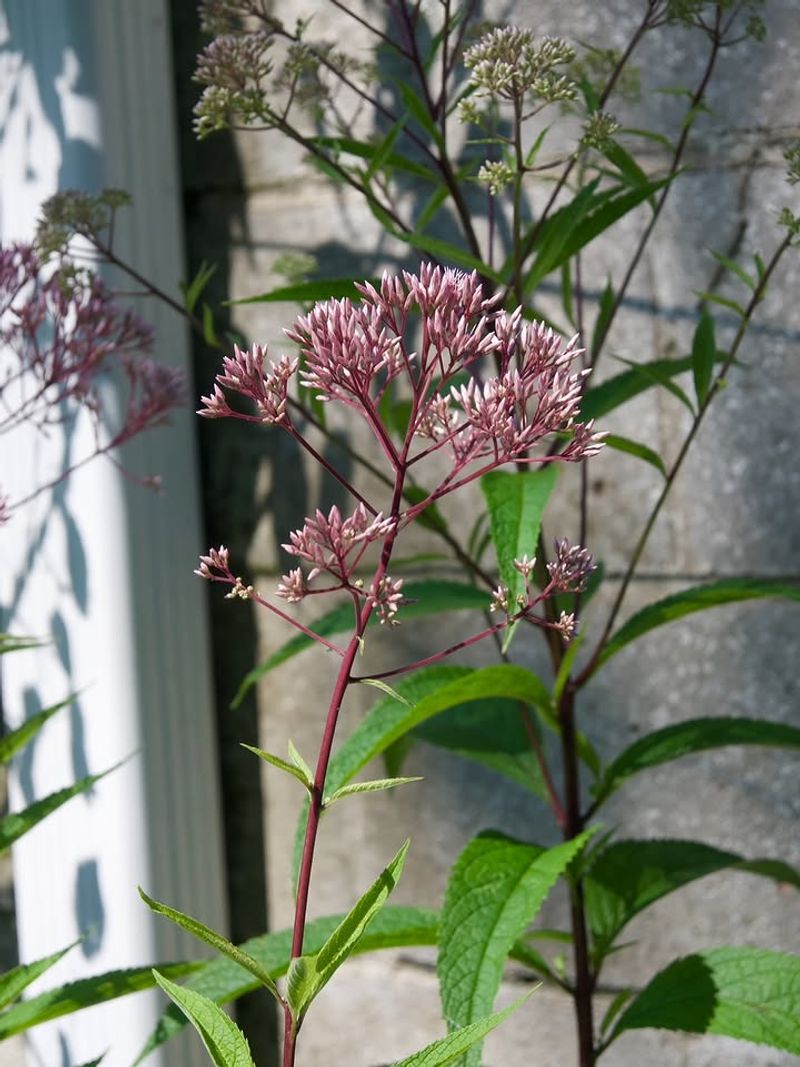
Few native plants pull as much wildlife activity into a Georgia yard as Joe Pye weed. Standing six to eight feet tall by late summer, it becomes a visible landmark for flying insects, including the dragonflies that follow their prey straight to the blooms.
Once it flowers, expect to see consistent insect traffic throughout the day.
Eutrochium purpureum thrives in Georgia’s warm, humid conditions and handles both average and moist garden soil with minimal fuss. It does best in full sun but tolerates part shade without losing much of its impressive height or flower production.
The dusty mauve flower clusters open from July through September, covering the weeks when mosquito pressure in Georgia is at its peak.
Dragonflies are not drawn to Joe Pye weed for the nectar itself. Instead, the plant concentrates smaller flying insects that dragonflies actively hunt.
Your Georgia Garden Changes Every Week. Your Plan Should Too.
Gardening in Georgia changes quickly throughout the season. Every Friday you’ll receive a simple weekly plan showing exactly what to plant, prune, fertilize, harvest, and protect so you never miss the right timing.
Planting it near a water feature or rain garden creates a complete hunting zone where dragonflies can feed and then rest nearby. Cut stems back to about six inches in late fall after the seeds have dropped.
New growth returns reliably each spring in most Georgia hardiness zones. Joe Pye weed works especially well planted in the back of a border where its height adds structure and its wildlife value runs quietly in the background all season long.
Strong stems help Joe Pye weed stay upright through heavy summer thunderstorms better than many other tall native perennials that tend to collapse once the soil turns soggy.
3. Blue Flag Iris Works Well Around Backyard Water Features
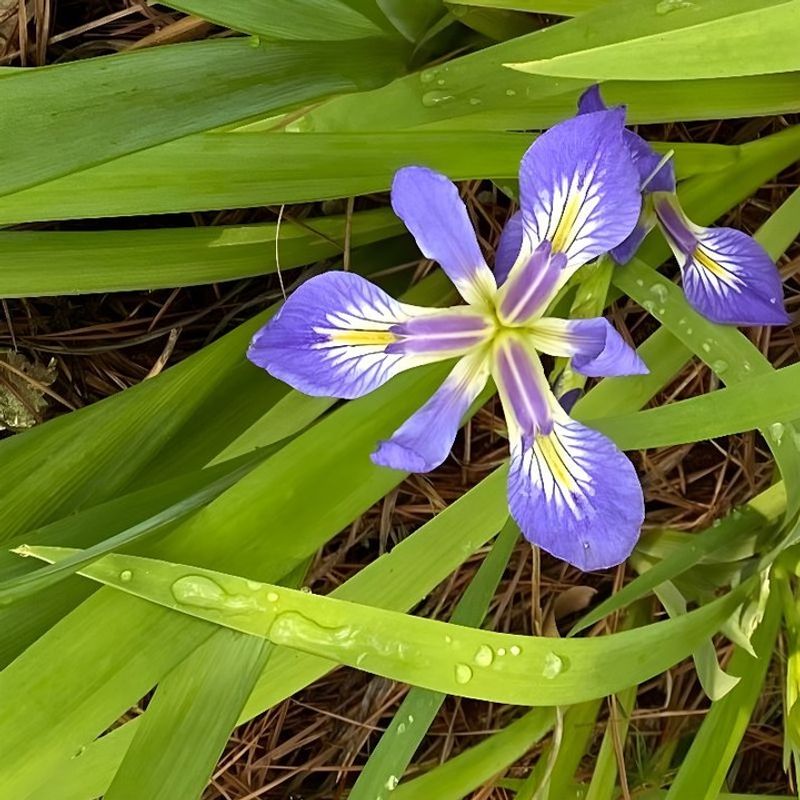
Blue flag iris stops you in your tracks when it blooms. Native to wetlands across the southeastern United States, Iris virginica produces stunning violet-blue flowers in spring that make any Georgia water garden look intentional and well-designed.
Beyond the looks, it plays a real ecological role near backyard ponds and water features.
Dragonflies need shallow water with emergent vegetation to complete their life cycle. Females lay eggs on or near plant stems at the water’s edge, and larvae develop underwater before climbing up plant stalks to emerge as adults.
Blue flag iris provides exactly those stalks, making it one of the more functional plants you can place around a Georgia backyard pond.
Plant blue flag iris in wet soil or in containers submerged just a few inches below the water surface. It spreads by rhizome and gradually forms clumps that stabilize pond banks and reduce erosion.
Full sun produces the most flowers, but it handles partial shade in Georgia’s warmer regions without much trouble. After flowering in late April through May, the sword-shaped foliage stays attractive all summer and continues supporting insect activity.
Remove old or crowded clumps every few years to keep plants vigorous. If you have a water feature and want to invite dragonflies to breed there, blue flag iris is one of the most straightforward plants to add.
4. Pickerelweed Supports Dragonflies Around Small Ponds
Standing in the shallows of a Georgia pond, pickerelweed looks like it belongs there, because it does. Pontederia cordata is native to wetlands across the eastern United States and grows naturally along the edges of slow-moving water.
For backyard pond owners in Georgia, it is one of the most practical aquatic plants available.
Dragonfly larvae spend months underwater before emerging, and they need stable, shallow areas with plant stems to climb when ready. Pickerelweed provides that structure right at the water line.
Its thick stems rise above the surface while roots anchor in the pond bottom, creating a reliable zone where emerging dragonflies can complete the final stage of their development.
Purple flower spikes appear from late spring through fall, which is a long bloom window that keeps insect activity consistent throughout Georgia’s mosquito season.
Bees, butterflies, and smaller flies visit the flowers regularly, drawing dragonflies in to hunt.
Pickerelweed grows best in full sun with six inches or less of water over the roots. It spreads steadily but stays manageable in most backyard pond setups.
Divide clumps every two to three years to prevent overcrowding. Plant it along the north or east side of a pond where it won’t shade out other aquatic plants.
Very few plants deliver as much ecological function per square foot as pickerelweed does in a Georgia water garden.
5. Rush Plants Create Better Habitat Near Wet Soil
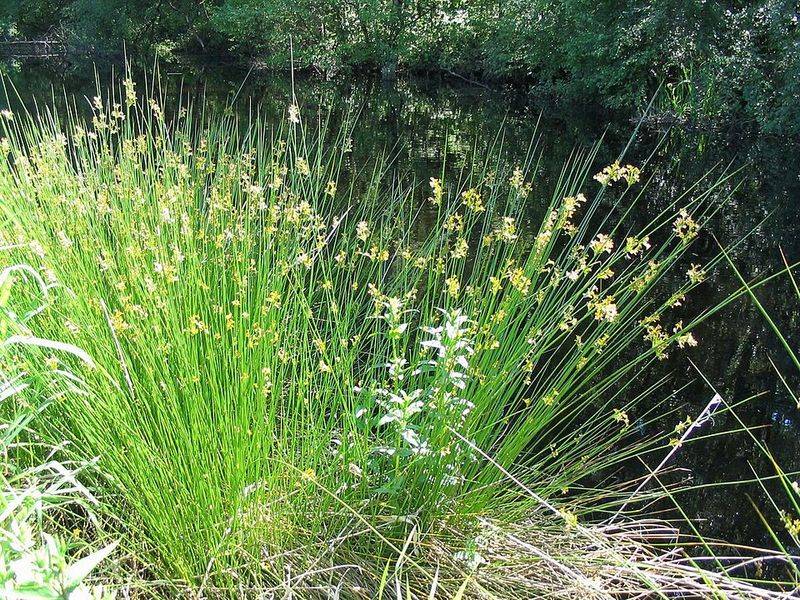
Rush plants rarely get the attention they deserve in Georgia garden planning, but dragonfly enthusiasts know better.
Juncus effusus, commonly called soft rush, creates exactly the kind of dense emergent habitat that dragonflies rely on for egg-laying and larval development.
It grows naturally in wet meadows, pond margins, and drainage ditches across Georgia.
What makes rush plants particularly valuable is their structure. Cylindrical green stems rise straight from the water or wet soil, giving dragonfly larvae a firm surface to grip when they climb out of the water to emerge as adults.
Without plants like this at the water’s edge, that emergence process becomes significantly harder. More successful emergences mean more adult dragonflies patrolling your yard.
Soft rush tolerates standing water, saturated soil, and seasonal flooding better than most ornamental grasses. It grows in full sun to partial shade and reaches two to four feet depending on moisture levels.
Planting it in clusters of three to five near a pond edge or rain garden creates an effective habitat zone rather than isolated stems. Avoid fertilizing rush plants heavily since excess nutrients can push aggressive growth.
Trim old stems in late winter before new growth appears to keep clumps tidy.
Rush plants are not flashy, but in terms of supporting dragonfly populations around Georgia ponds and wet garden spaces, they consistently deliver results that showier plants simply cannot match.
6. Cardinal Flower Attracts More Activity Around Moist Beds
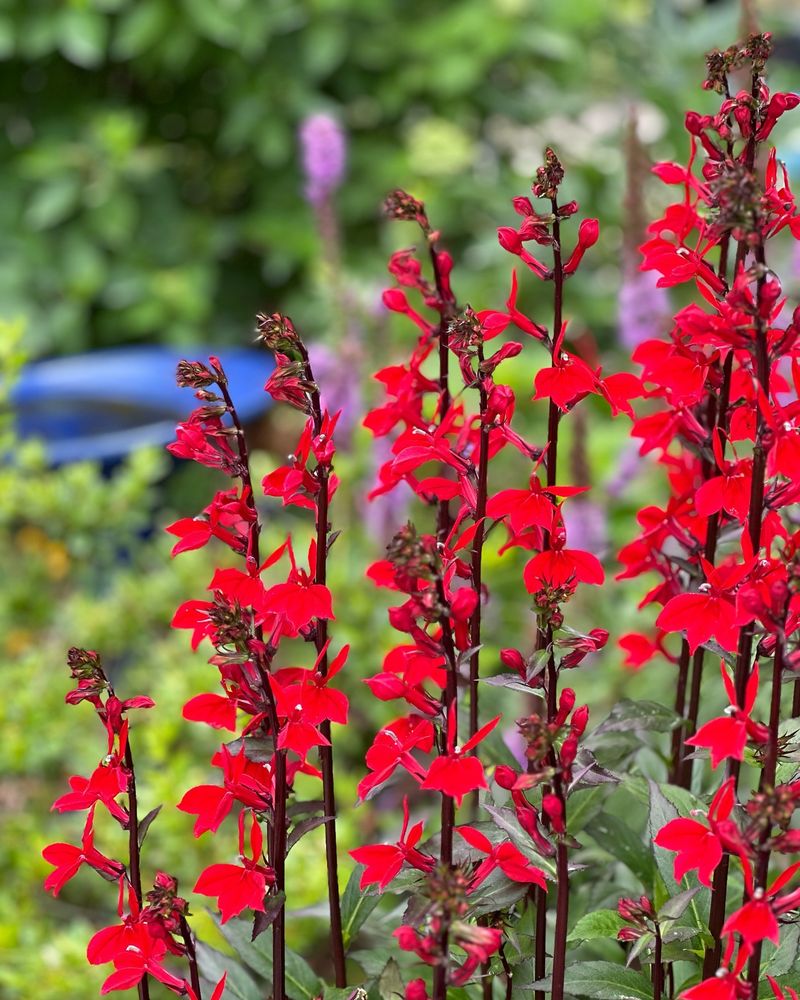
Bright red and impossible to miss, cardinal flower earns its spot in any Georgia garden that sits near water. Lobelia cardinalis grows naturally along stream banks, wet ditches, and moist woodland edges throughout the state.
Its vivid red flower spikes draw hummingbirds, but the insect activity that follows is what makes dragonflies take notice.
Dragonflies are ambush hunters. Cardinal flower creates a busy feeding zone by concentrating flying insects around its blooms from July through September.
Smaller flies, gnats, and midges visit regularly, and dragonflies position themselves nearby to intercept them. Planting cardinal flower close to a water feature or wet garden bed increases that hunting traffic significantly compared to drier garden zones.
Lobelia cardinalis prefers consistently moist soil and performs best in full sun to part shade across most Georgia growing zones.
It grows two to four feet tall and reseeds reliably under the right conditions, which means a small planting can expand into a fuller stand over several seasons.
Deadheading is optional, but leaving seed heads in place encourages natural spread. Mulch around the base helps retain the moisture this plant genuinely needs through Georgia’s dry summer stretches.
Cardinal flower is short-lived as an individual plant but self-seeds well enough to persist in the garden.
For a moist bed that actively supports dragonfly activity, few plants produce the same combination of visual impact and ecological function.
7. Native Sedges Support Backyard Pond Ecosystems
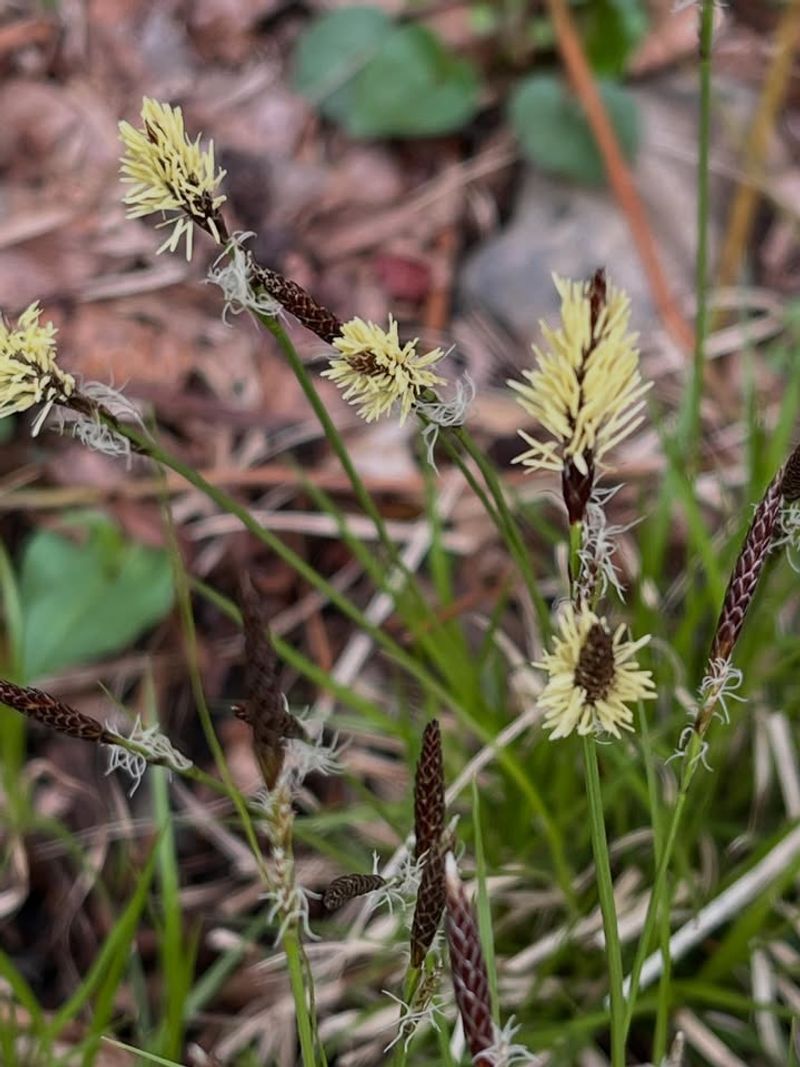
Sedges get overlooked at most garden centers, but any Georgia gardener who has set up a backyard pond knows their value.
Native Carex species grow naturally along the edges of Georgia wetlands, slow streams, and shaded pond banks, and they provide a level of habitat structure that ornamental plants simply cannot replicate.
Unlike grasses, sedges have triangular stems and tend to form dense, arching clumps that create sheltered zones at the water’s edge. Dragonfly larvae use these dense root systems and submerged stems as hunting grounds during their aquatic phase.
Adult dragonflies perch on the upright stems to warm up in the morning sun and watch for prey. That combination of larval and adult habitat in one plant is genuinely rare.
Georgia-native options include Carex lurida, Carex frankii, and Carex stricta, all of which handle wet to saturated soil conditions well.
Most native sedges prefer partial shade to full sun and grow between one and three feet tall depending on species and moisture.
Plant them in groups along the northern or shaded edge of a pond where moisture stays consistent. They spread slowly and rarely need division more than once every three to four years.
Sedges require almost no maintenance once established, making them one of the most practical long-term investments for anyone building a dragonfly-friendly water garden in Georgia.
8. Goldenrod Helps Support Late Season Insect Activity
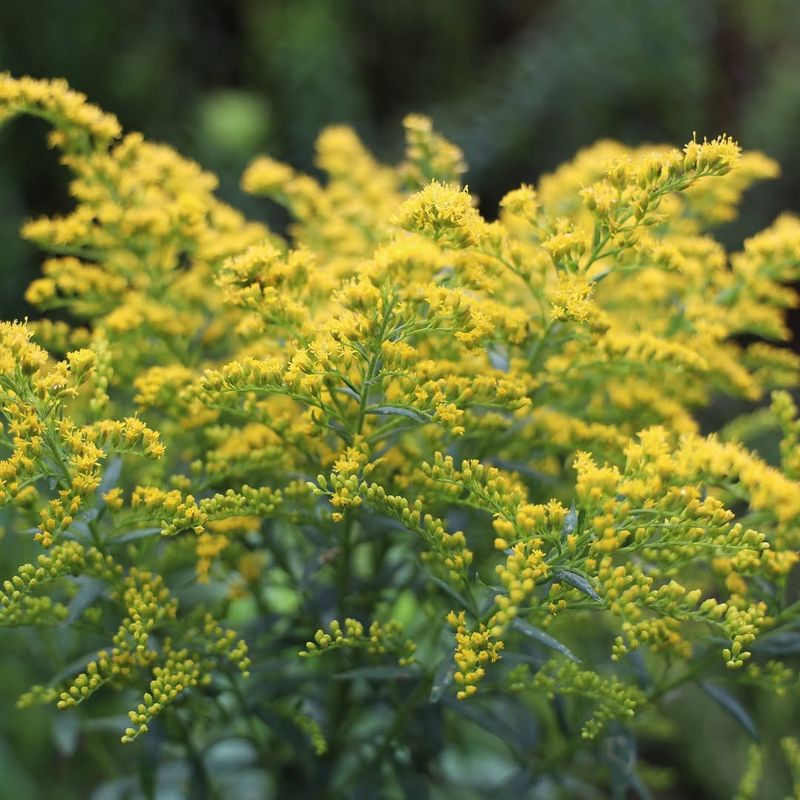
Goldenrod gets blamed for hay fever more than it deserves, and that reputation has kept it out of Georgia gardens for too long.
Solidago species are native across Georgia and bloom from August through October, covering a stretch of the season when most other flowering plants have already finished.
That late-season bloom window is exactly when dragonfly populations are still active and mosquito pressure remains high.
Goldenrod does not attract dragonflies directly. Instead, it functions as a hub for the smaller insects that dragonflies hunt.
Beetles, flies, wasps, and dozens of other invertebrates gather on goldenrod flowers, and dragonflies follow them in.
Planting goldenrod near a water feature creates a feeding corridor that keeps adult dragonflies active and well-fed into early fall across Georgia.
Solidago rugosa and Solidago nemoralis are two native Georgia species that handle average to dry soil and full sun without much care after establishment.
Both spread by rhizome and can fill a border fairly quickly, so plant them where spreading is welcome or divide clumps every two years to manage spread.
Heights range from two to five feet depending on species and growing conditions. Goldenrod pairs well with native asters for continuous late-season bloom coverage.
Skip the hybrid varieties and stick with straight native species for the strongest wildlife value. For supporting a healthy dragonfly presence into Georgia’s fall months, goldenrod is one of the most practical and underused plants available.