The One Pruning Mistake Keeping Your California Citrus Harvest Small
California citrus trees can be surprisingly generous. Give them sunshine, decent care, and a little patience, and they can reward you with branches loaded with lemons, oranges, mandarins, or limes.
So when harvest time arrives and the fruit count feels a little… underwhelming, it is easy to blame the weather, the soil, or plain old bad luck. But pruning deserves a closer look.
A few snips here and there might seem harmless, especially when a tree looks crowded, lopsided, or just a bit unruly. Citrus trees, however, do not always respond to pruning the way gardeners expect.
One seemingly sensible move can quietly affect how much fruit ends up hanging on those branches later. Sneaky, right?
That is what makes this particular gardening habit so easy to overlook. The tree may still look healthy, leafy, and perfectly respectable while producing less than you hoped for.
If your California citrus harvest keeps coming up short, your pruning routine could be worth another glance before you point fingers at everything else in the yard.
1. The Mistake Hurting Your Harvest
Many citrus growers grab their pruning shears with the best intentions. They want a tidy tree.
They want a productive one. But here is the problem: cutting too much actually shrinks the harvest instead of helping it grow.
Citrus trees produce fruit on mature, established branches. When you remove large sections of the canopy, you are not encouraging more fruit.
You are removing the wood that was already set to carry it. The tree then has to spend energy regrowing what was cut instead of putting that energy into fruit development.
Think of it like this: every branch you cut is a potential fruit-holding spot you will not see results from this season or possibly even next. Over-pruning sends the tree into a recovery mode.
It focuses on growing new shoots and leaves rather than setting and sizing fruit.
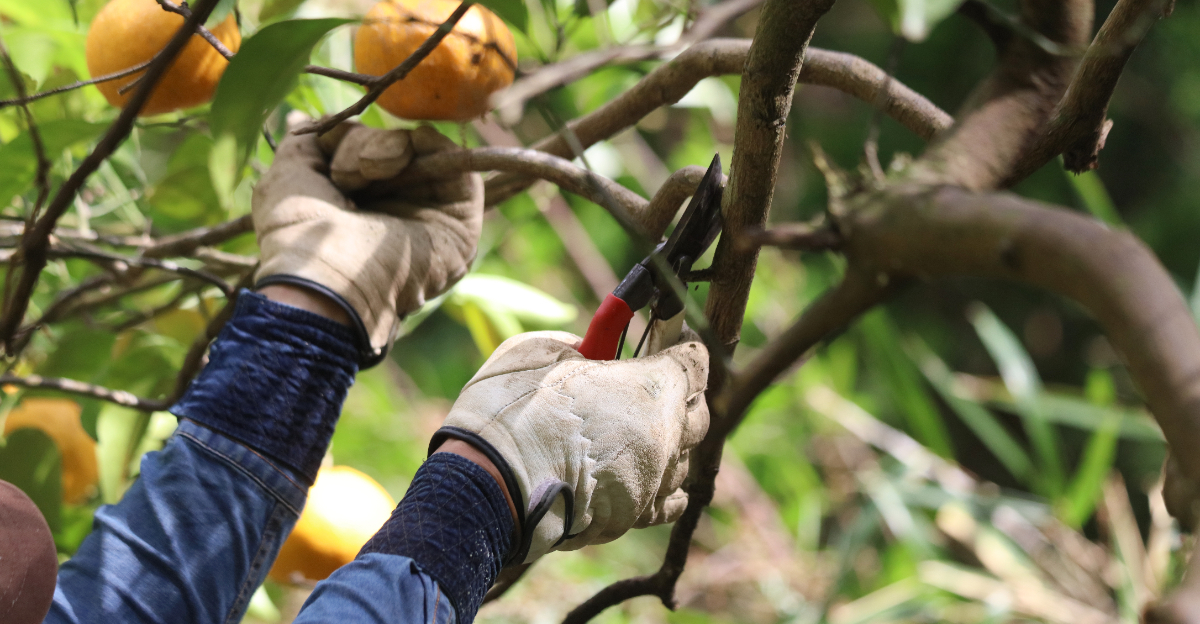
Most healthy citrus trees need very little pruning. A few targeted cuts to remove crossing branches, damaged wood, or suckers is usually enough.
Going beyond that often does more harm than good. Keeping your cuts minimal and purposeful is the single best habit you can build as a citrus grower.
Your harvest will reflect the difference almost immediately.
2. Too Many Cuts Mean Fewer Fruiting Branches
Every cut you make on a citrus tree has a consequence. Some cuts are helpful.
They remove problem branches, improve airflow, or clear away damaged wood. But when cuts become excessive, the math starts working against you fast.
Citrus trees fruit on second-year wood and older. That means the branches that grew last season are the ones most likely to carry fruit this season.
When you prune heavily, you remove a large portion of that second-year wood. Fewer mature branches means fewer spots where flowers can form and fruit can set.
It is a simple numbers game. More cuts equal fewer fruiting sites.
Fewer fruiting sites equal a smaller harvest. This cycle can repeat year after year if the pruning habit does not change.
Your California Garden Changes Every Week. Your Plan Should Too.
Gardening in California changes quickly throughout the season. Every Friday you’ll receive a simple weekly plan showing exactly what to plant, prune, fertilize, harvest, and protect so you never miss the right timing.
Some growers wonder why their tree looks healthy but never produces much fruit. Excessive cutting is often the hidden reason.
A good rule of thumb is to never remove more than 20 to 25 percent of the canopy in a single season. Spread out any necessary pruning over a couple of years if the tree needs significant shaping.
Protecting your fruiting wood is one of the most direct ways to protect your harvest total each year.
3. Heavy Pruning Removes Next Season’s Potential
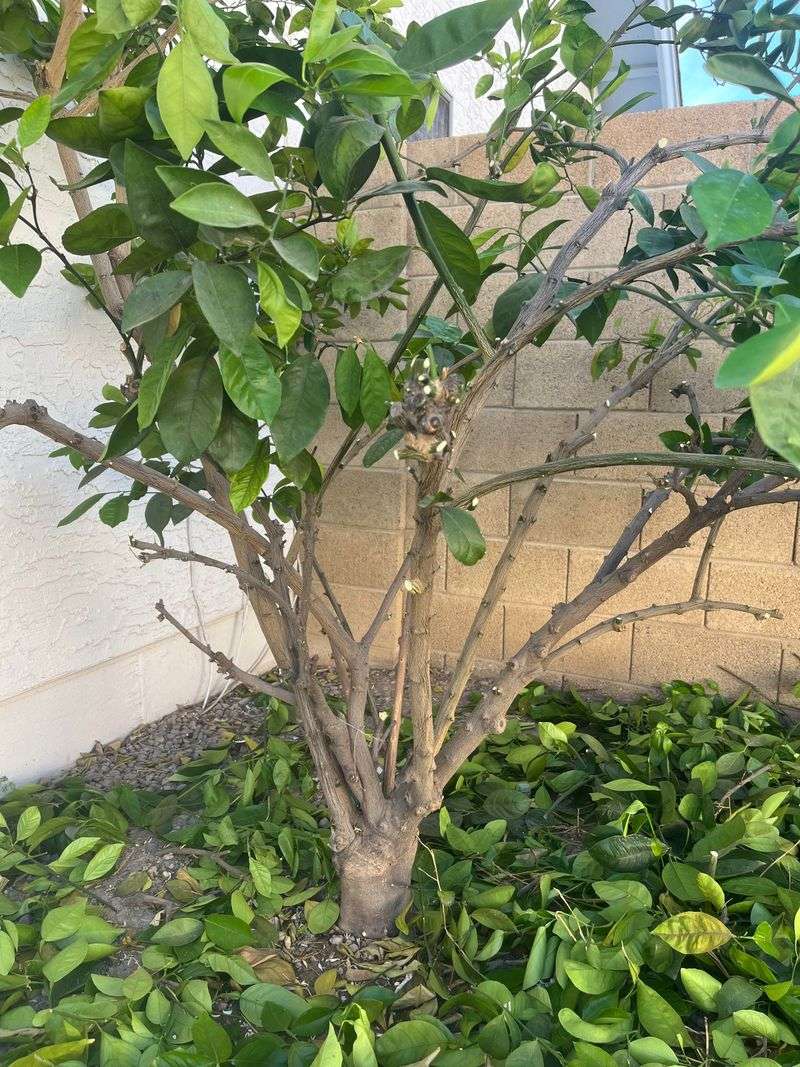
One of the trickiest things about over-pruning is that you do not always feel the effects right away. The tree might look fine after a big trim.
But the real damage shows up months later when flowering season arrives and there is almost nothing to show for it.
Citrus trees set their flower buds on mature wood. That wood needs time to develop before it becomes productive.
When you prune heavily in late winter or early spring, you are cutting off branches that were just about to bloom. Those branches were next season’s harvest, and they are gone before they ever had a chance.
Timing makes this even worse. A hard prune right before flowering season is one of the most damaging things you can do to a citrus tree’s production schedule.
The tree spends the rest of the season trying to regrow what was lost. Fruit set is reduced.
Fruit size may suffer too because the tree’s resources are stretched thin.
Planning your pruning schedule carefully can prevent this. Light trimming after harvest is usually the safest window.
It gives the tree time to recover and develop new wood before the next flowering cycle begins. Protecting future wood today means protecting future fruit tomorrow.
4. A Big Haircut Can Leave Citrus With Less Fruit
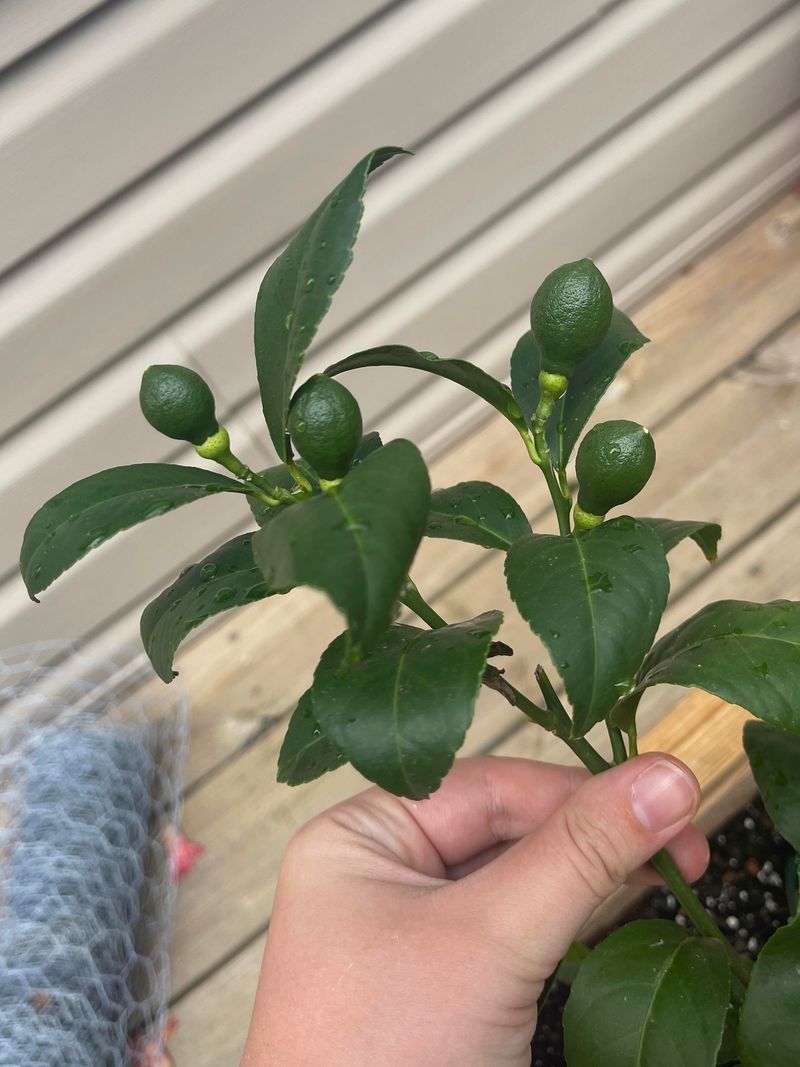
Giving a citrus tree a dramatic trim might feel satisfying in the moment. The yard looks neat.
The tree looks structured. But that big haircut often comes with a hidden cost that shows up at harvest time.
When a large portion of the canopy is removed at once, the tree loses a significant amount of its leaf surface area. Leaves are where photosynthesis happens.
Less leaf area means less energy production. With less energy, the tree cannot support as many flowers, and it cannot size up as much fruit even if flowers do appear.
There is also a stress response to consider. Citrus trees that are cut back dramatically often push out a flush of fast-growing, leafy shoots called water sprouts.
These shoots are vigorous but largely unproductive. They take up energy and space without contributing to the fruit load.
In fact, they can make the problem worse by shading out the remaining fruiting wood.
Keeping the canopy full and intact is one of the best strategies for maintaining a strong harvest. A tree with healthy, mature foliage has the energy it needs to flower well, set fruit, and carry that fruit through to a full-sized harvest.
Resist the urge to over-trim, and your harvest will thank you for it.
5. Over-Pruning Pushes Leaves Instead Of Harvests
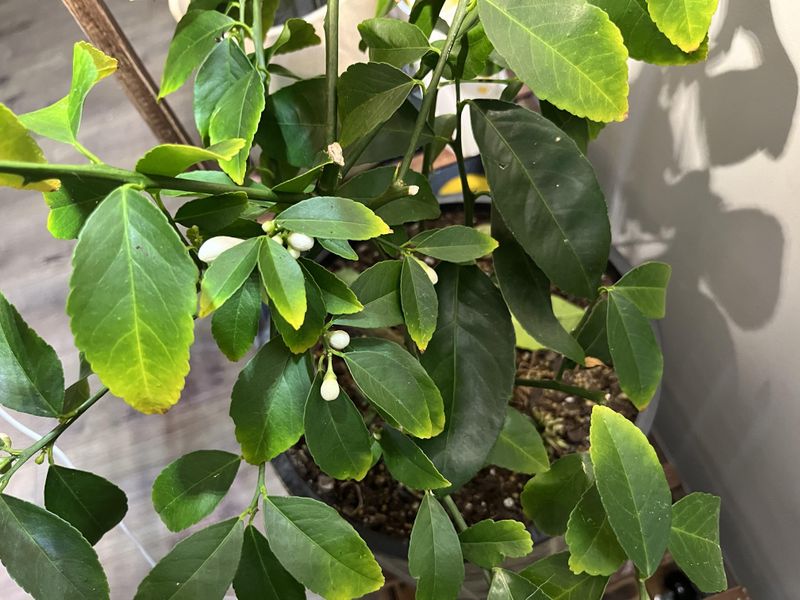
A citrus tree that has been cut back too hard will often look incredibly lush and green shortly afterward. Lots of new leaves, lots of fresh growth, lots of energy.
But look closer and you will notice something missing. Fruit.
Over-pruning triggers a survival response in citrus trees. The tree senses that a large portion of its canopy is gone and shifts all of its resources into rebuilding leaf mass.
This is called vegetative growth, and while it looks healthy on the surface, it actually works against fruit production.
Fruit production requires a tree to be in a balanced state. It needs enough mature wood, enough leaf area, and enough stored energy to move from flowering into fruiting successfully.
When the tree is stuck in vegetative recovery mode, that balance is disrupted. Flowers may still appear, but fruit set tends to be low because the tree is prioritizing regrowth over reproduction.
Experienced California growers know that a slightly messy-looking tree with a full canopy often outproduces a neatly trimmed one. The goal of pruning should never be to reshape the entire tree.
It should be to remove only what is truly unnecessary. Keeping that mindset will help you get more fruit from every season without fighting the tree’s natural tendencies.
6. Cutting Healthy Branches Shrinks The Fruiting Canopy
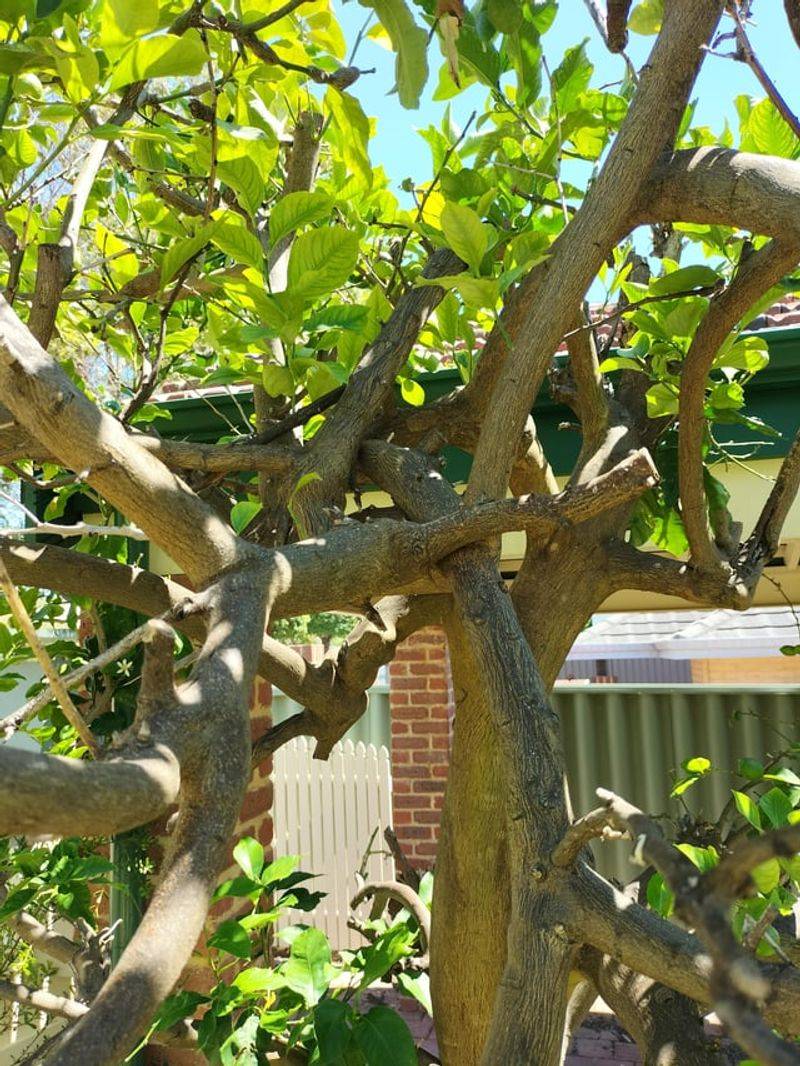
Not every branch that looks like it could be removed actually should be. Healthy, mature branches on a citrus tree are valuable even when they seem to be in the way.
Removing them without a clear reason is one of the most common pruning errors home growers make.
The fruiting canopy is the total area of the tree where fruit can develop. Every healthy branch that is part of that canopy contributes to the overall harvest potential.
When you cut a healthy branch, you are not just removing wood. You are shrinking the fruiting zone.
A smaller fruiting zone means fewer fruits, plain and simple.
Some growers cut healthy branches because they want to open up the center of the tree for light and airflow. That is a reasonable goal, but it can be overdone.
Citrus trees actually prefer a slightly denser canopy than many other fruit trees. The leaves help protect developing fruit from sunburn and temperature swings.
Removing too many interior branches can expose fruit to harsh conditions it was not meant to handle.
Before making any cut, ask yourself what specific problem that cut is solving. If the branch is healthy, not crossing another branch, and not a sucker, it is probably best left alone.
Protecting healthy wood protects the harvest you are working toward all season long.
7. Citrus Trees Rarely Need A Hard Prune
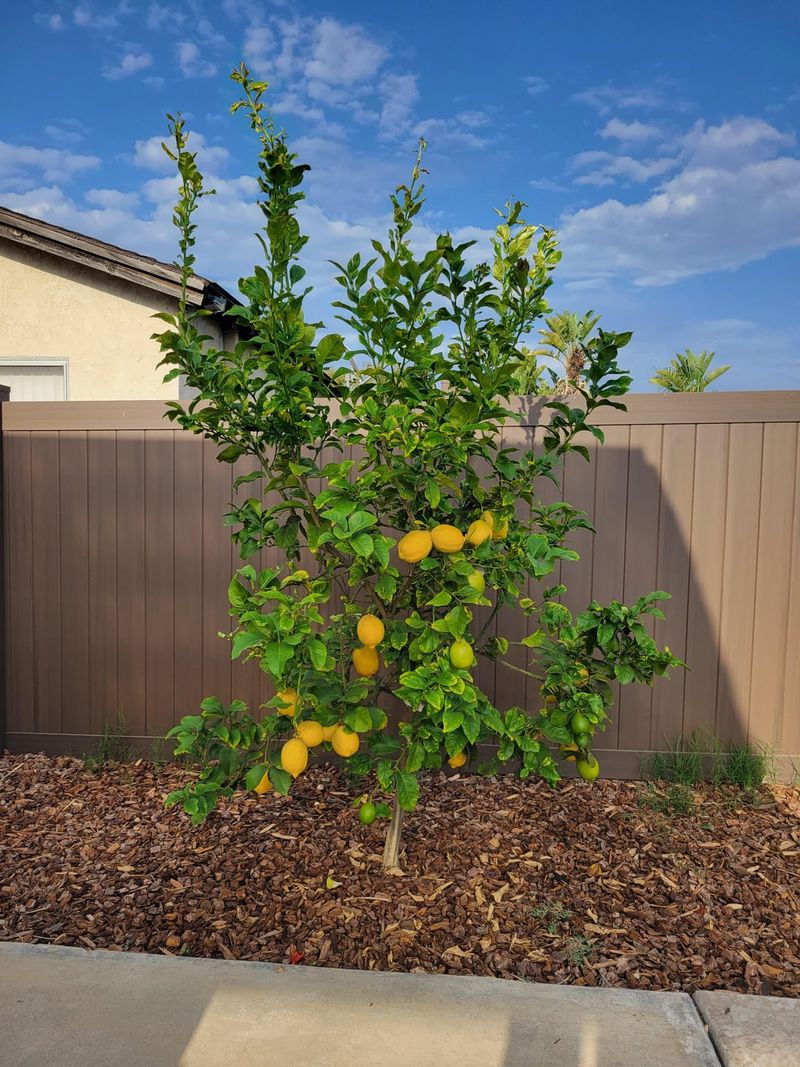
Somewhere along the way, the idea spread that fruit trees need a hard prune every year to stay productive. For many tree types, there is some truth to that.
But citrus trees are a different story. They are naturally low-maintenance when it comes to pruning needs.
A healthy citrus tree in a good location with proper watering and feeding does not need aggressive annual pruning. Light maintenance cuts once or twice a year are usually all that is required.
This might mean removing a few crossing branches, trimming back any shoots growing below the graft union, or cutting out wood that is clearly damaged. That is typically enough.
In Southern California and similar climates, citrus trees can grow and produce reliably for decades with minimal cutting. The trees that struggle most are often the ones that have been over-managed.
Too much pruning disrupts the natural growth rhythm that makes citrus so productive in warm climates.
If you are used to pruning your citrus tree the same way you would prune a rose bush or an apple tree, it is time to rethink the approach. Citrus follows its own rules.
Learning those rules and working with the tree’s natural tendencies rather than against them is the key to getting a consistently full and satisfying harvest year after year.
8. One Aggressive Trim Can Set Production Back
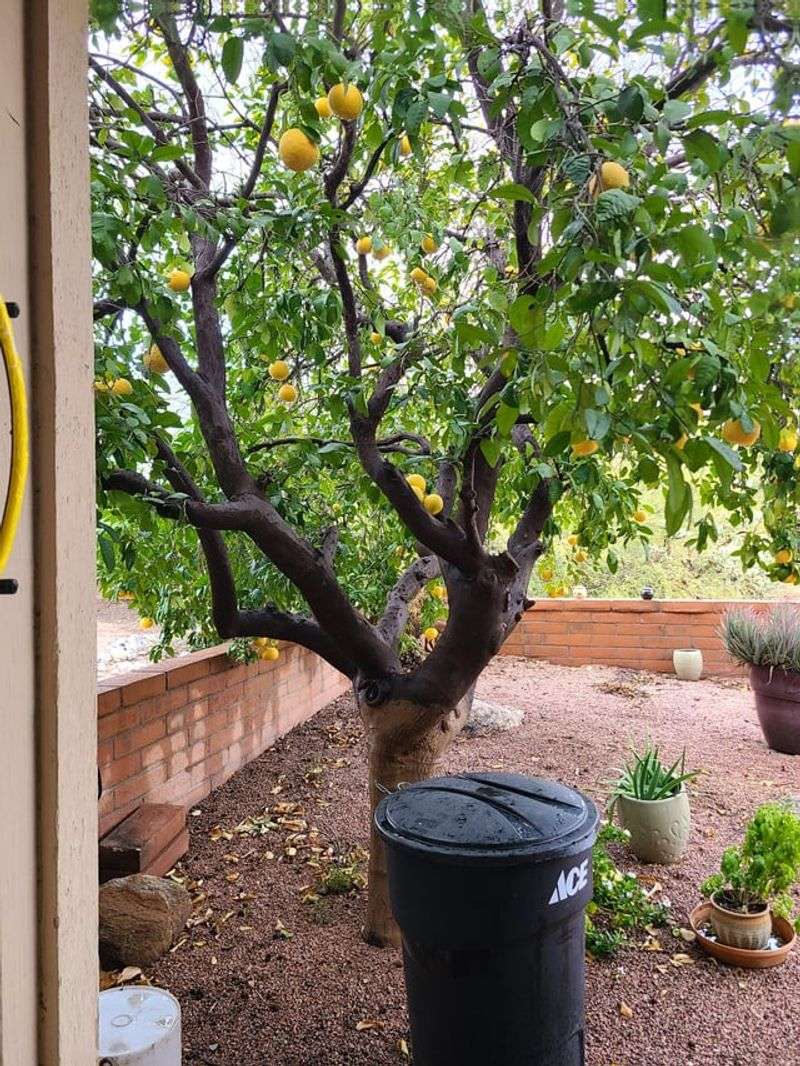
It only takes one overly aggressive pruning session to throw a citrus tree’s production schedule off by a full season or more. That might sound dramatic, but it reflects how these trees actually work.
Recovery takes time, and fruit production waits for recovery to finish.
After a hard prune, a citrus tree redirects its energy. Instead of flowering and fruiting, it works on regrowing the canopy it lost.
Depending on how severe the pruning was, this recovery period can last anywhere from one to three growing seasons. During that time, fruit production may be noticeably lower than it was before the big trim.
For home growers who rely on their trees for fresh fruit through the year, that kind of setback is frustrating. One season of heavy cutting can mean two or three seasons of underwhelming harvests.
And if the aggressive pruning becomes a yearly habit, the tree may never fully recover to its peak production potential.
The takeaway is straightforward. Treat your pruning shears with respect and use them sparingly on citrus.
A few well-placed cuts made at the right time of year will always outperform a dramatic seasonal trim. Your tree is already built to produce.
Give it the space and the wood it needs to do exactly that, and the harvests will follow naturally.