The Oregon Camellia Watering Job That Decides Next Spring’s Buds
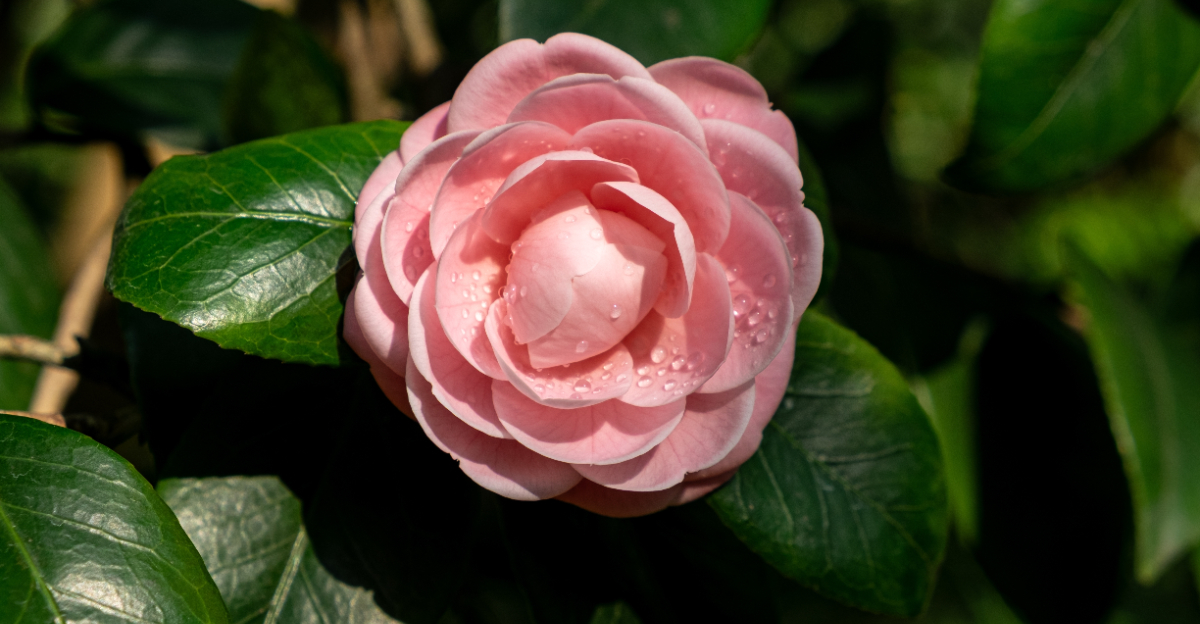
Oregon camellias may be famous for their cool-season beauty, but the work behind those gorgeous spring blooms often happens long before anyone is thinking about flowers.
While the garden is still soaking up late-summer warmth and fall feels just around the corner, your camellia is already busy preparing for what comes next. Quietly ambitious little shrub, isn’t it?
That makes this part of the gardening calendar more important than it looks. A camellia can appear perfectly content, with glossy green leaves and no obvious drama, while next spring’s display is already being influenced behind the scenes.
And because Oregon weather can shift quickly as summer fades, everyday garden routines may need a little more attention than usual.
Watering is one job that deserves a closer look right now. The timing, conditions, and way you handle it can matter well beyond the current season.
Before you mentally check camellias off your summer gardening list, there is a reason to keep paying attention.
What happens during this stretch of the year could help shape the floral show you will be waiting for next spring.
1. Keeping The Root Zone Evenly Moist
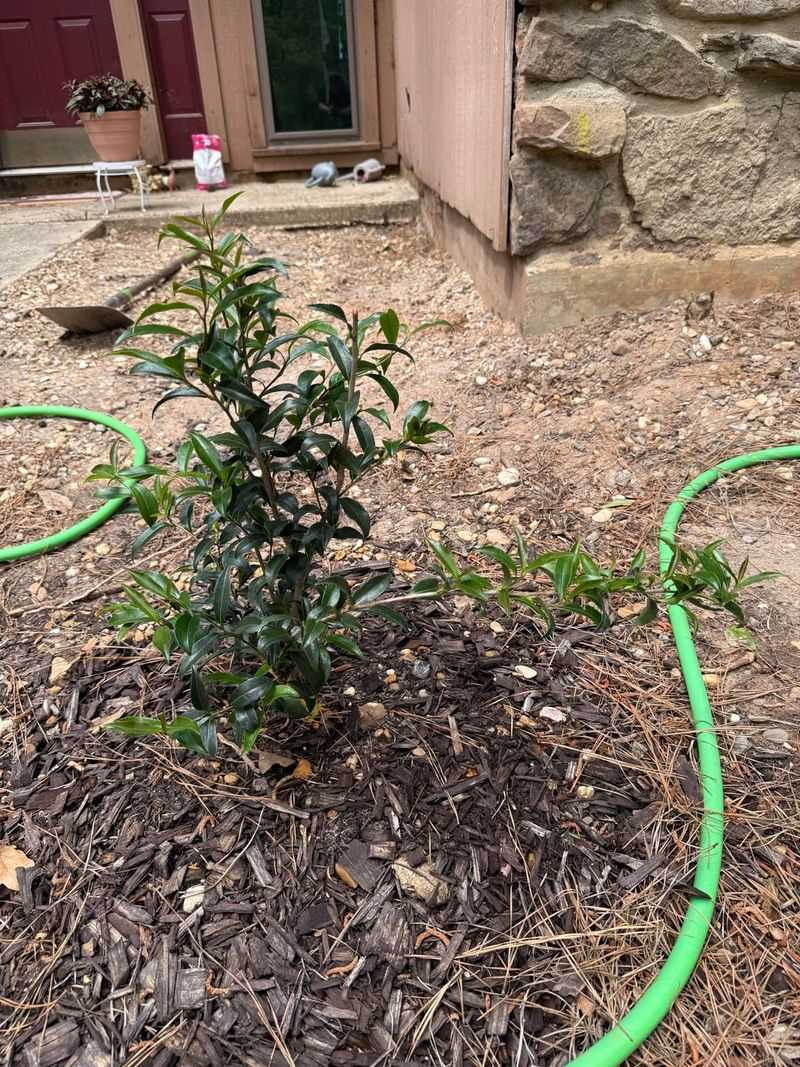
Even moisture at the root level is the secret behind strong bud development in camellias. When roots get a steady, consistent supply of water, the plant can focus its energy on building healthy flower buds.
Uneven moisture, on the other hand, sends mixed signals that can cause buds to abort before they even form.
Think of the root zone as the engine room of your camellia. Keeping it humming along smoothly means watering deeply and regularly, not just when you remember.
A good rule of thumb is to check the soil about two to three inches down. If it feels dry at that depth, it is time to water.
Camellias prefer slightly acidic, well-draining soil that still holds some moisture. Sandy soils drain too fast and may need more frequent watering.
Clay soils hold moisture longer but can become waterlogged, which causes root problems. Finding that sweet spot takes a little observation, but it is worth the effort.
A consistent schedule works better than watering by guesswork. Try watering deeply two to three times per week during dry stretches.
Always water at the base of the plant, not from overhead. Wet foliage can invite fungal issues, and the roots are where the water is actually needed.
Steady, even moisture is the foundation of a bud-rich spring display.
2. Letting Soil Dry Out Can Cost Future Buds
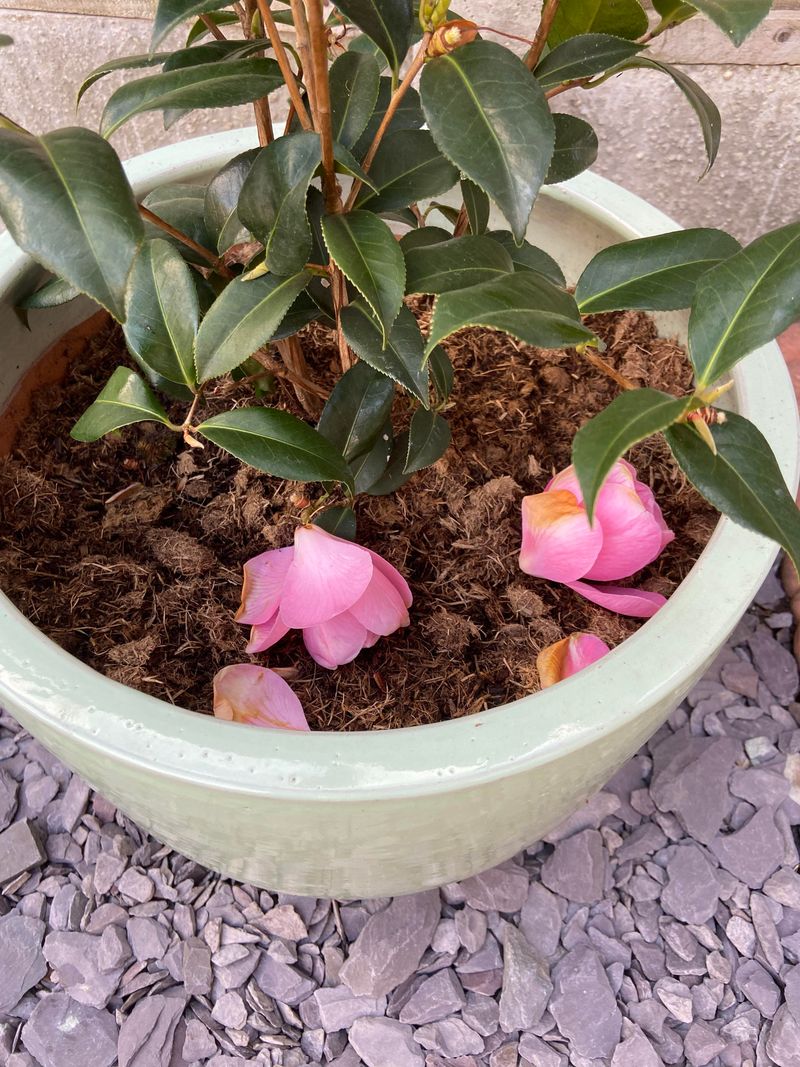
Dry soil during late summer is one of the most common reasons camellias fail to bloom well the following spring. Many gardeners do not realize the damage is happening because the plant can look perfectly fine on the outside while quietly dropping its developing buds on the inside.
By the time you notice something is wrong, the opportunity to fix it has often passed.
Camellia flower buds begin forming in late summer and continue developing through early fall. During this window, the plant needs a reliable water supply to push nutrients into those buds.
Your Oregon Garden Changes Every Week. Your Plan Should Too.
Gardening in Oregon changes quickly throughout the season. Every Friday you’ll receive a simple weekly plan showing exactly what to plant, prune, fertilize, harvest, and protect so you never miss the right timing.
When the soil dries out completely, even for a short period, the plant prioritizes survival over reproduction. Bud development slows or stops entirely.
This is especially tricky in Oregon, where late August and September can bring surprisingly dry, warm stretches. Rainfall becomes unreliable just when the plant needs it most.
Gardeners who depend on rain alone during this period often end up disappointed come spring.
Setting up a simple drip irrigation system or soaker hose can take the guesswork out of keeping soil moist. These systems deliver water slowly and directly to the root zone, reducing waste and keeping moisture levels steady.
Even hand watering on a consistent schedule beats waiting for rain. Protecting your camellia’s soil moisture now is a direct investment in next spring’s flowers.
3. Deep Watering Beats Quick Surface Sprinkles
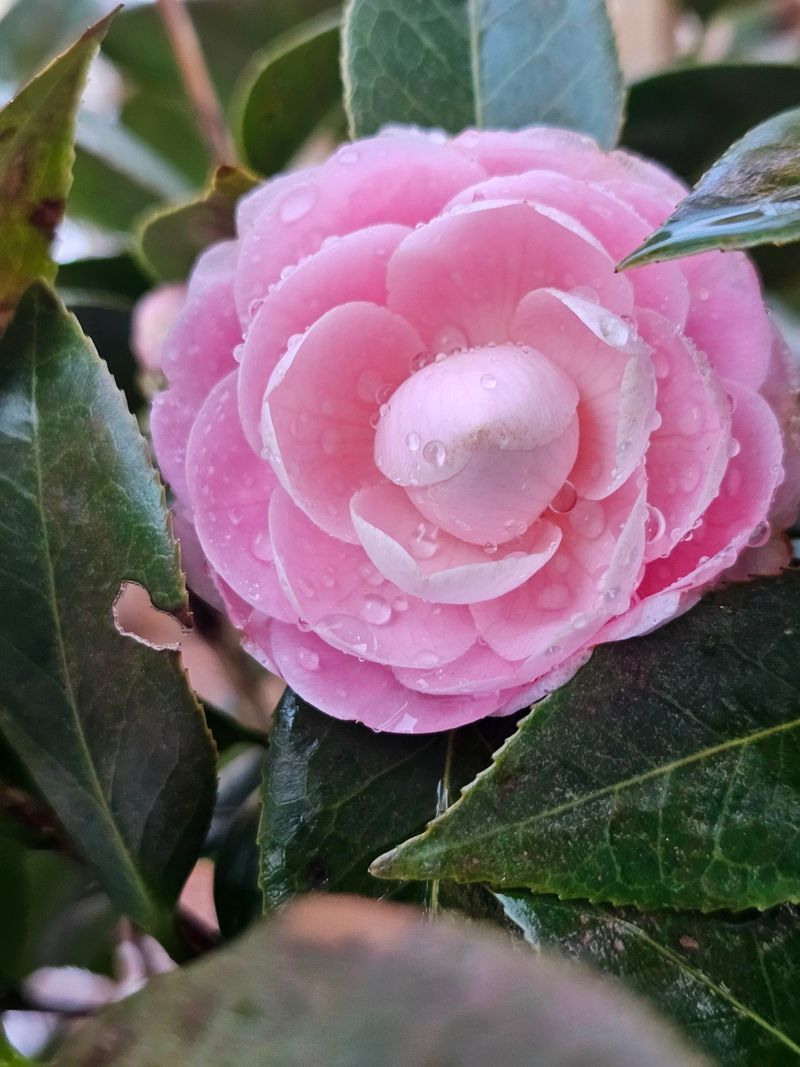
Shallow watering is one of the most well-meaning mistakes a gardener can make. When you sprinkle just the top inch or two of soil, roots never have a reason to grow deeper.
They stay close to the surface, where they are much more vulnerable to heat, drought, and temperature swings. Deep watering changes that entirely.
When you water deeply, moisture soaks down six to twelve inches into the soil. Roots follow that water and grow downward, anchoring the plant and giving it access to a larger reservoir of moisture.
A deeply rooted camellia handles dry spells far better than one with shallow roots because it can draw from moisture stored deeper in the ground.
Deep watering also means watering less often, which saves time and reduces the risk of overwatering. Instead of sprinkling every day, you water thoroughly every few days.
The key is to go slow. Fast water runs off the surface before it can soak in.
A slow trickle from a hose or drip system allows the soil to absorb moisture evenly and deeply.
To check if you are watering deeply enough, push a wooden dowel or thin stick into the soil after watering. If it comes out damp six or more inches down, you are on the right track.
Making this one change in how you water can have a real impact on how many buds your camellia sets for spring.
4. Late-Summer Drought Can Stress Developing Flowers
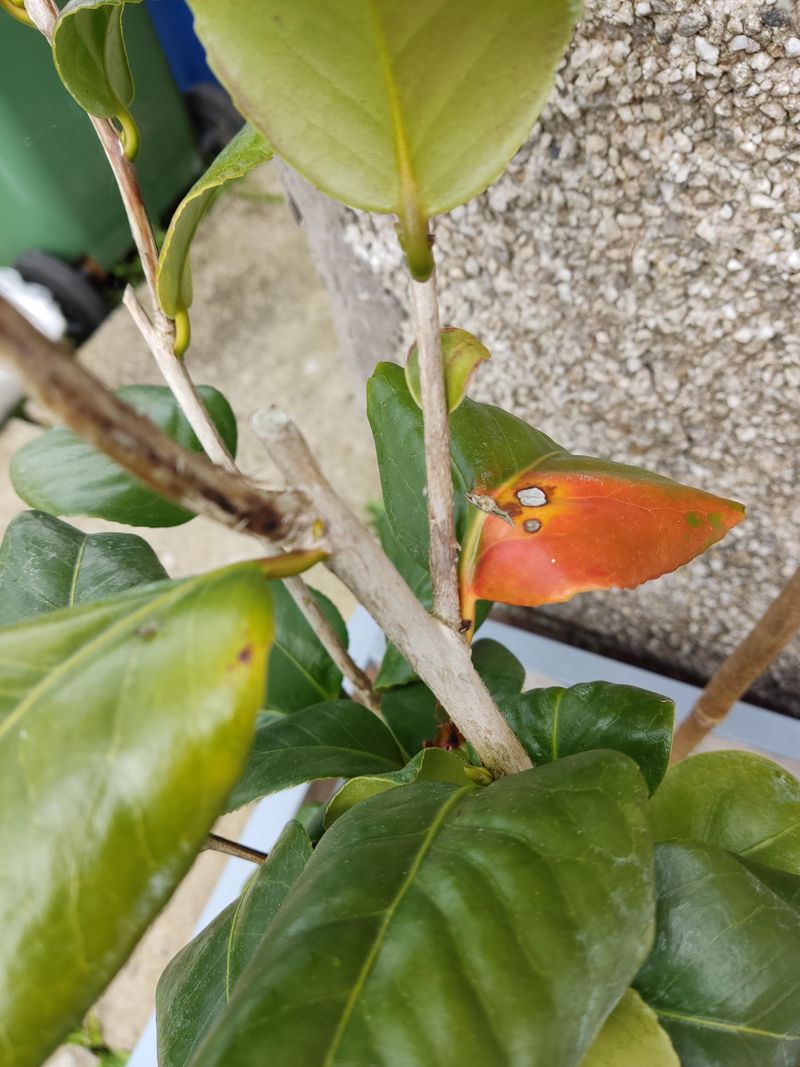
Late summer brings some of the driest, hottest days of the year in many parts of the Pacific Northwest. While the rest of the garden may be used to summer heat, camellias are quietly doing some of their most important work during this time.
They are forming the flower buds that will open months from now, and drought stress can seriously disrupt that process.
Water stress during bud initiation causes the plant to produce fewer buds, or buds that are smaller and weaker. Some buds may abort completely and fall off before they develop.
You might not notice this until next spring, when your camellia blooms far less than it should. The damage is done weeks or months before you see the result.
Hot, dry winds make the problem worse. They pull moisture out of leaves faster than roots can replace it, even when the soil is somewhat moist.
Placing your camellia in a spot with some afternoon shade helps reduce this wind and heat stress during the most intense part of the day.
Checking soil moisture every two to three days during dry spells is a smart habit. Do not wait until leaves look stressed.
By then, the plant has already been under pressure for a while. A simple soil moisture meter takes the guesswork away and gives you a clear reading of what is happening below the surface.
Staying ahead of drought stress protects the flowers you are counting on next spring.
5. Mulch Helps Hold Moisture Where Roots Need It
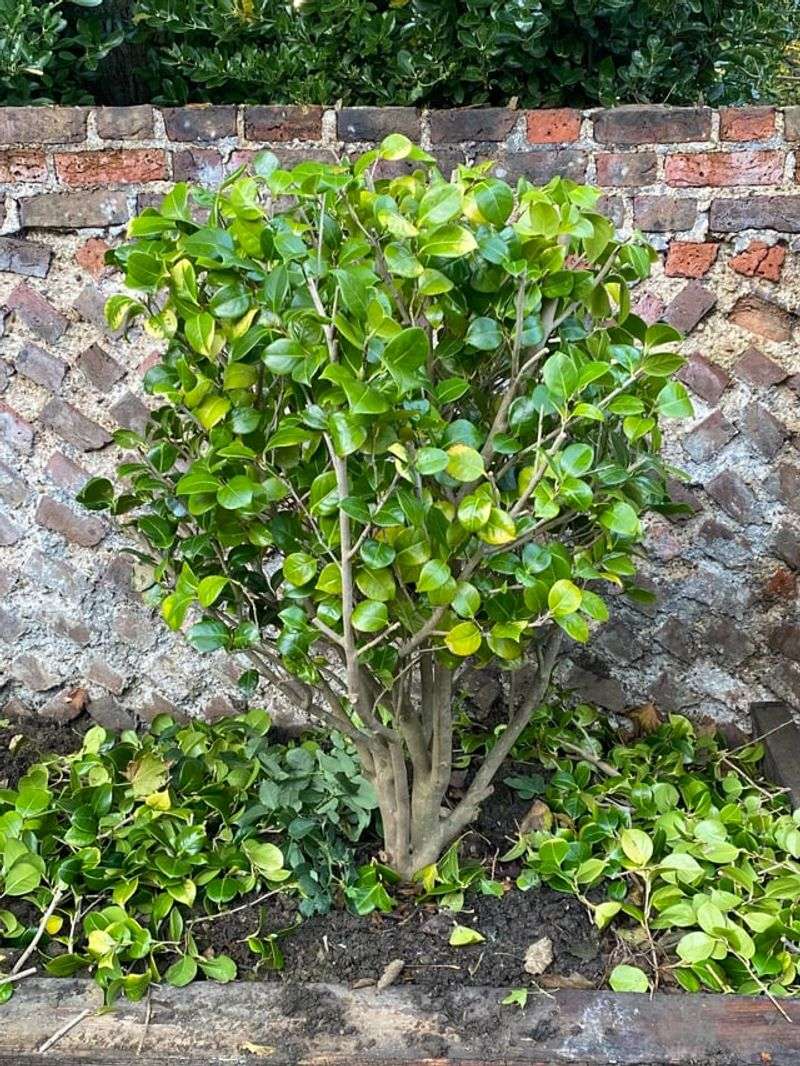
Mulch might be the most underrated tool in a camellia grower’s toolkit. A good layer of organic mulch spread around the base of the plant does several helpful things at once.
It slows evaporation, keeps the soil cooler during hot days, and slowly breaks down to improve soil structure and acidity over time.
For camellias, a two to three inch layer of mulch applied over the root zone can make a noticeable difference in how long the soil stays moist between waterings. That means you water less often while still giving the plant what it needs.
In late summer, when soil can dry out quickly, that moisture retention is extremely valuable for bud development.
Good mulch choices for camellias include pine bark, pine needles, shredded oak leaves, or wood chips. These materials are slightly acidic as they break down, which suits camellias perfectly.
Avoid mulches made from alkaline materials, like mushroom compost, which can raise soil pH and cause nutrient problems over time.
Keep mulch pulled back a few inches from the main stem of the plant. Mulch piled against the stem can trap moisture and cause rot.
Spread it out to the drip line of the branches for best coverage. Refreshing your mulch layer in late summer, just before the dry season peaks, gives your camellia the moisture buffer it needs during the most critical period of bud formation.
6. Potted Camellias Dry Out Faster Than You Think
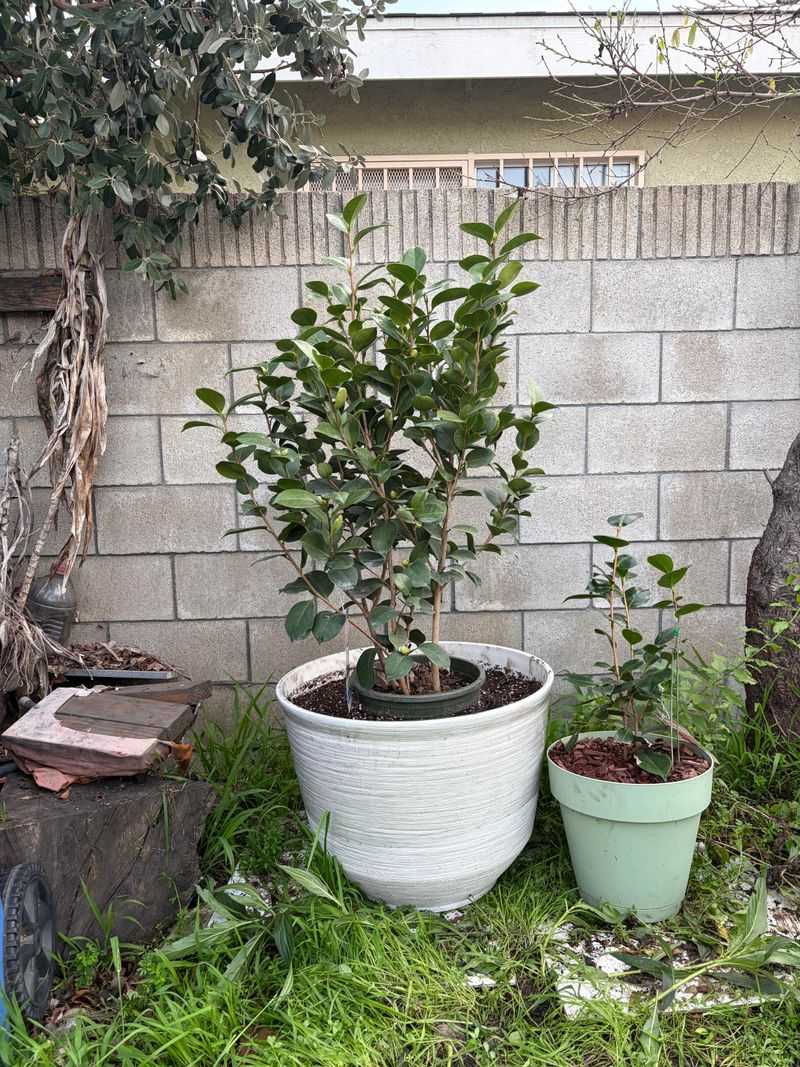
Growing a camellia in a container is a great option for small Oregon gardens, patios, and decks. But potted camellias face one challenge that in-ground plants do not: they dry out much faster.
A container has a limited amount of soil, and that soil loses moisture quickly, especially during warm, sunny weather. Missing even a few waterings during late summer can stress the plant right when bud development is at its peak.
During hot spells, a potted camellia may need watering every single day. The smaller the pot, the faster it dries.
Terra cotta pots are beautiful but porous, meaning they lose moisture through the sides as well as the drainage holes. Plastic and glazed ceramic pots hold moisture longer and are often better choices for camellias in warm climates.
Check your potted camellia daily by pressing a finger about an inch into the soil. If it feels dry, water thoroughly until water drains freely from the bottom.
Never let the pot sit in standing water for long, though, as waterlogged roots are just as harmful as dry ones.
Grouping potted plants together helps create a slightly more humid microclimate around them, slowing moisture loss. Moving pots to a shadier spot during the hottest part of the day also reduces how quickly they dry out.
A little extra attention to your container-grown camellia during late summer pays off with a much better bloom show when spring arrives.
7. Wilting Leaves Mean The Plant Is Already Behind
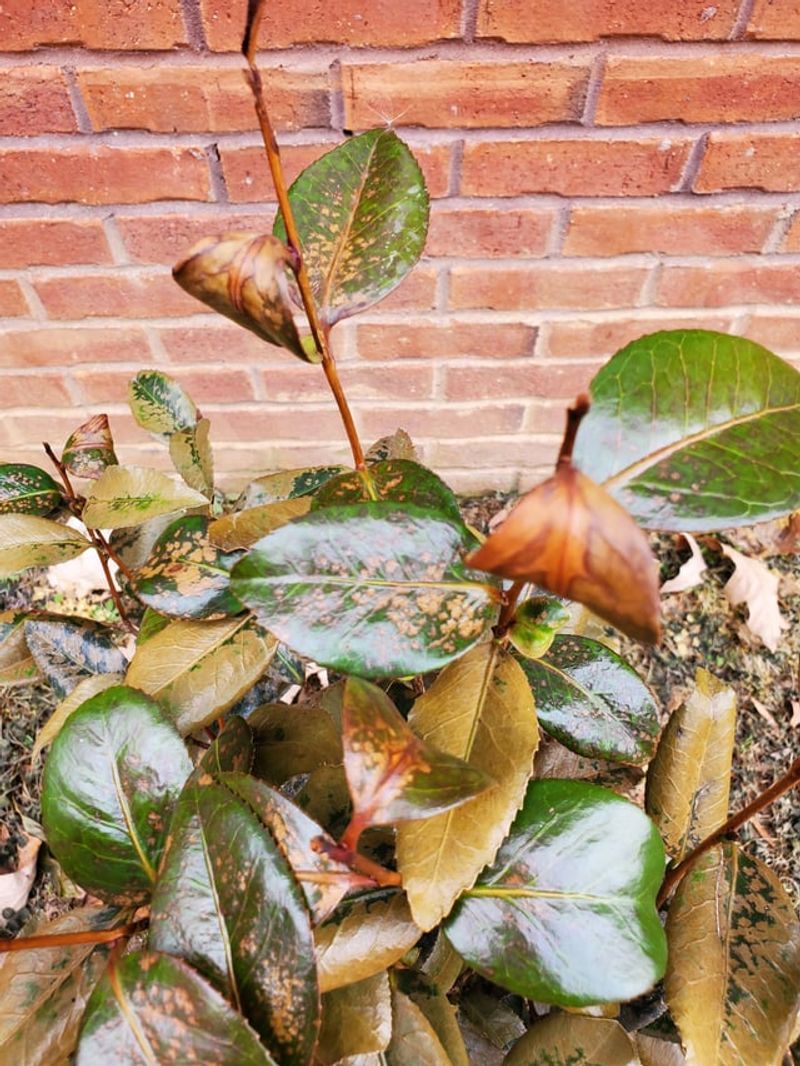
Wilting leaves on a camellia are not just a cosmetic issue. By the time leaves start to droop or curl at the edges, the plant has already been under stress for a while.
That stress has likely been affecting bud development in ways you cannot see yet. Treating wilting as a warning sign, rather than a minor inconvenience, can save your spring bloom season.
Camellias do not wilt dramatically the way some plants do. The signs are often subtle: leaves that look slightly dull, edges that curl inward, or a general lack of lushness in the foliage.
If you see these signs during late summer, water deeply right away and check your soil moisture routine going forward.
After a good deep watering, wilted leaves usually recover within a day or two. But the buds that were forming during the stress period may already be compromised.
Some may abort. Others may develop into smaller, weaker flowers.
The plant does its best, but it cannot fully undo the impact of water stress on developing buds.
Prevention is always easier than recovery. Getting into a regular watering habit before your camellia shows any stress signs keeps bud development on track from the start.
Set a reminder on your phone if needed. Check the soil regularly and water before the plant has to tell you it is thirsty.
Staying one step ahead of wilt is one of the simplest ways to protect your camellia’s spring performance.