This Common Mulching Mistake Could Be Attracting More Ticks To Your New Jersey Yard
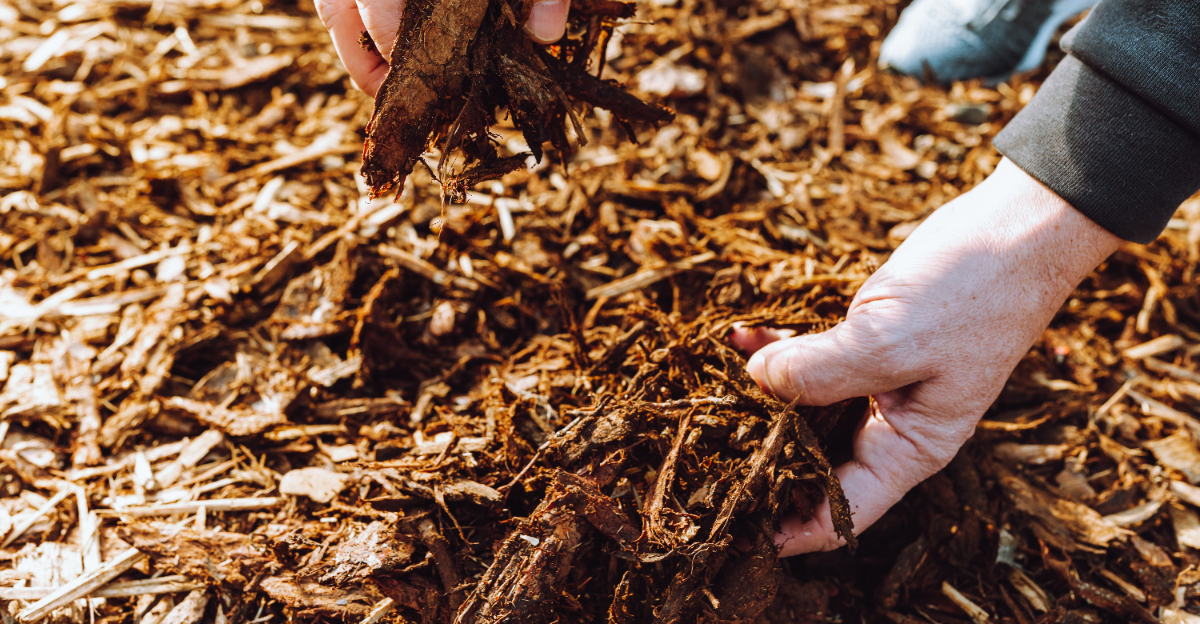
Ticks are hiding closer to your porch than you think. Mulch feels harmless, almost calming, until you learn what it shelters. Damp, shaded layers like yours become ideal hiding spots.
Moisture keeps ticks close to soil, roots, and fibers. New Jersey homeowners rarely realize their yard could attract them. Warmth and humidity create conditions ticks quietly favor.
Pets carry these hidden passengers straight into your living room. Children playing nearby become easy encounters during peak season. Lyme disease spreads silently, often before symptoms ever show.
Prevention starts long before any tick reaches your skin. Climate in New Jersey makes certain mulch choices riskier than others. Depth, placement, and material all shape how inviting your yard feels.
Nothing about mulching stays as simple as it looks. Every backyard holds conditions ticks find comfortable and inviting all season long.
A Common Backyard Mulch Mistake In New Jersey

Piling on the mulch feels satisfying, but it can be a costly mistake for your yard. Across New Jersey, homeowners routinely dump mulch too thick, too close, and in the wrong spots.
Most gardening guides suggest a two-to-three inch layer of mulch for healthy plants. But many people go way beyond that, stacking it four, five, or even six inches deep around their beds and trees.
That extra depth does not just help your plants hold moisture. It creates a cool, dark, damp environment that ticks absolutely love to call home.
Blacklegged ticks thrive in shaded, moist areas, and thick mulch meets several of the conditions they need to survive.
The mistake feels harmless because mulch looks so tidy and intentional. Nobody spreads mulch thinking they are creating favorable conditions for ticks right next to their patio.
But that is exactly what happens when you overdo it. The mulch traps humidity close to the ground, keeping conditions perfect for ticks even during dry summer weeks.
New Jersey has historically ranked among the states with higher Lyme disease risk. That context is worth keeping in mind before adding another bag of wood chips.
Fixing this mistake does not require tearing out your garden. Small, smart adjustments to your mulching habits can reduce tick habitat without sacrificing the look and health of your yard.
Why Thick Mulch Creates The Perfect Tick Habitat
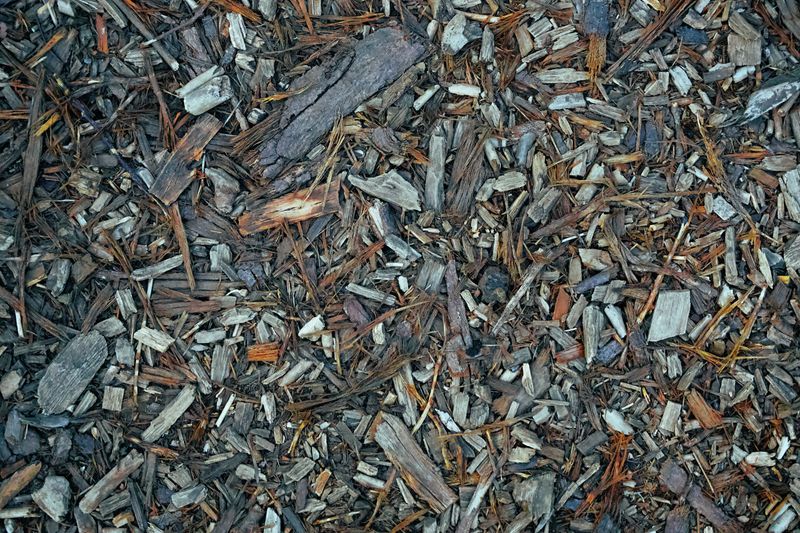
Ticks are highly adapted to humid, shaded conditions, and thick mulch gives them much of what they need to thrive.
These tiny arachnids cannot regulate their own body temperature, so they depend on their environment to stay alive.
When mulch is piled too deep, it holds moisture like a sponge long after rain has stopped. That trapped dampness keeps the ground beneath consistently cool and humid.
Ticks dehydrate quickly in dry, sunny conditions. A thick mulch layer shields them from sunlight and wind, providing shade and insulation that keeps conditions favorable for them all season long.
Blacklegged ticks prefer shaded, leafy environments because those conditions match the forest floors they naturally inhabit. Deep mulch essentially recreates that forest floor right in your backyard.
Your New Jersey Garden Changes Every Week. Your Plan Should Too.
Gardening in New Jersey changes quickly throughout the season. Every Friday you’ll receive a simple weekly plan showing exactly what to plant, prune, fertilize, harvest, and protect so you never miss the right timing.
The darker and wetter the mulch layer, the more appealing it becomes as a resting and breeding spot. Ticks do not need much space; they just need the right microclimate.
Wood chip mulch is particularly attractive because it breaks down slowly, maintaining that moist, spongy texture for months. Shredded bark and leaf mulch behave similarly.
Some entomologists have observed that tick populations tend to be higher in yards with dense ground cover and thick organic mulch. That pattern is worth keeping in mind for Garden State residents.
Keeping your mulch at the recommended two-to-three inch depth disrupts that cozy microclimate. Less depth means more airflow, faster drying, and a far less welcoming spot for ticks to hide.
How Mulch Placement Attracts Rodents And Ticks
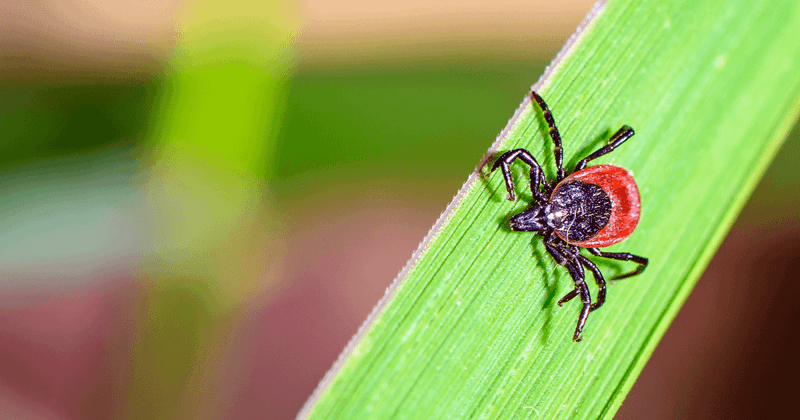
Where you place your mulch matters just as much as how much you use. Mulch piled directly against your house foundation is one of the most common placement errors homeowners make.
Rodents like mice and voles love to burrow under thick mulch near warm structures. They find shelter, warmth, and protection all in one convenient spot.
Here is the problem: mice are the primary hosts for tick larvae in the Northeast. When ticks feed on infected mice, they pick up Lyme disease bacteria and carry it forward.
So your mulch is not just attracting ticks directly. It is also attracting the rodents that help ticks spread disease across your entire yard.
Mulch placed along fence lines, wood piles, or shaded garden edges can create corridors that wildlife and ticks use to travel closer to your home.
Deer also browse along mulched garden edges, and deer carry adult ticks. A single deer passing through your yard can leave behind a significant number of ticks on your lawn and mulched beds.
Keeping mulch at least six inches away from your home’s foundation disrupts the rodent shelter problem significantly. That small gap removes the cozy nesting zone mice are looking for.
Being strategic about placement, especially near wooded borders, patios, and play areas, can dramatically reduce the tick pressure in the spots where your family spends time outdoors.
The Right Way To Mulch Without Inviting Ticks

Smart mulching is not complicated, but it does require a bit of intention. Getting it right means your garden stays healthy and your yard becomes far less appealing to ticks.
Start by keeping your mulch layer between two and three inches deep. That depth is enough to suppress weeds, retain moisture, and protect plant roots without creating a tick-friendly microclimate.
Choose your mulch type carefully. Cedar mulch contains natural oils that many insects, including ticks, tend to avoid. It may offer a modest additional benefit over a full season.
Rubber mulch and gravel are non-organic options that do not hold moisture the same way wood chips do. They are worth considering for high-traffic areas like playgrounds or patio borders.
Avoid using leaf litter as mulch near your home. Decomposing leaves create exactly the kind of dark, moist, sheltered space that ticks and their rodent hosts prefer.
Rake and turn your mulch regularly throughout the season. Disturbing the surface reduces moisture buildup and makes the environment less stable for ticks trying to settle in.
Apply fresh mulch in late spring after the ground has warmed. Ticks are most active in spring and fall, so timing your mulch application thoughtfully can reduce early-season exposure.
Proper mulching protects your garden and protects your family at the same time. A little planning goes a long way toward keeping your outdoor space both beautiful and safer for everyone.
Creating A Tick-Resistant Barrier Zone In Your Yard
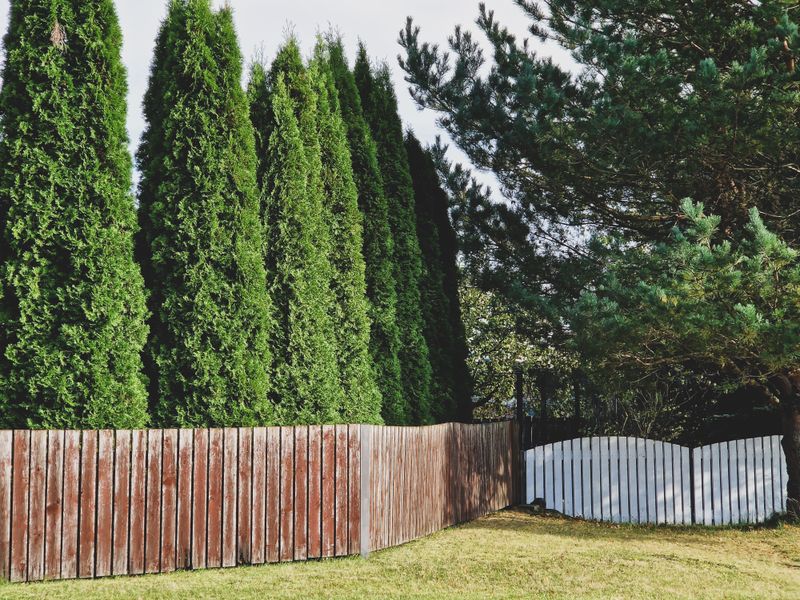
One of the most effective strategies against ticks is creating a physical barrier between your lawn and wooded areas. This simple landscaping move can stop ticks from migrating into the spaces where your family plays.
The CDC recommends placing a three-foot-wide strip of wood chips or gravel between your lawn and any wooded border. Ticks avoid crossing dry, open surfaces because they lose moisture quickly.
This barrier works because ticks prefer to quest, which means they climb low vegetation and wait for a host to brush past. An open gravel strip removes that opportunity entirely.
Position your barrier along fence lines, tree lines, and the edges of any wooded sections bordering your property. Consistency along the full perimeter makes the barrier far more effective.
Keep the barrier free of leaf debris throughout the season. Fallen leaves quickly turn a tick barrier into a tick habitat, undoing all the work you put into creating it.
Consider adding a low-growing border plant like lavender or rosemary along the inner edge of your barrier. Both plants are known to deter insects and add a pleasant look to the boundary.
Mulch used inside the barrier zone should still follow the two-to-three inch depth rule. Thick mulch in the barrier itself defeats the entire purpose of creating it.
A well-maintained tick barrier gives your yard a cleaner, more defined look while helping reduce tick movement into the space all season long. That is a win for your garden and your peace of mind.
Additional Yard Habits That Help Reduce Tick Risk
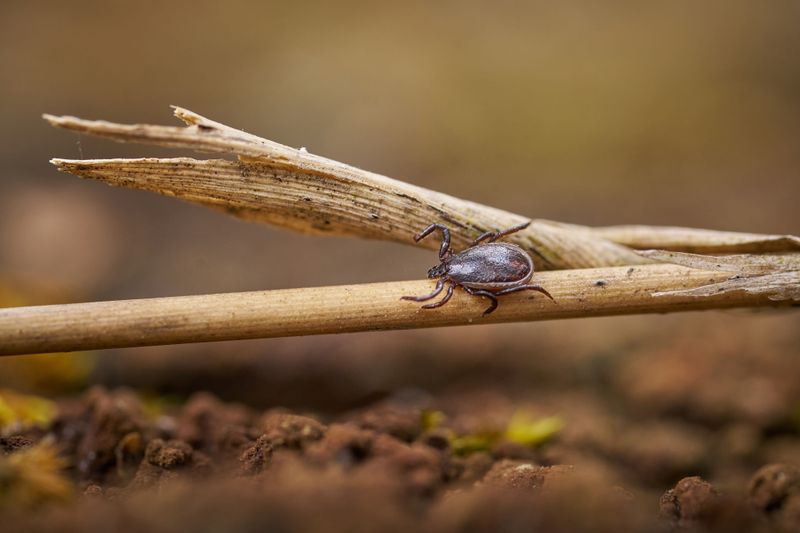
Beyond mulching, several other yard habits can make a serious dent in your tick problem. Small changes add up fast when you apply them consistently across your outdoor space.
Mow your lawn regularly and keep grass short. Ticks do not survive well in short, dry grass because they cannot maintain the moisture levels they need to stay active.
Clear away leaf piles, brush, and wood debris as soon as possible. These spots are prime resting areas for both ticks and the small mammals that carry them.
Stack firewood neatly in a sunny, dry location away from your home. Woodpiles stored against the house give mice a perfect nesting spot, and where mice go, ticks follow.
Trim back overhanging tree branches and shrubs along your yard’s edges. More sunlight reaching the ground means faster drying and far fewer shaded spots for ticks to hide.
Consider installing deer fencing if your yard borders wooded land. Reducing deer access dramatically lowers the number of adult ticks deposited on your property each season.
Check yourself, your kids, and your pets after every outdoor session. Ticks generally need to be attached for at least 24 hours before transmitting Lyme disease, so early removal is key.
Combining smart mulching habits with these broader yard practices puts you in a strong position against ticks all season. Your backyard should feel like a retreat, not a risk, and these steps help make that possible.