Why Leaving Seed Heads Can Bring More Oregon Goldfinches Into Fall Gardens
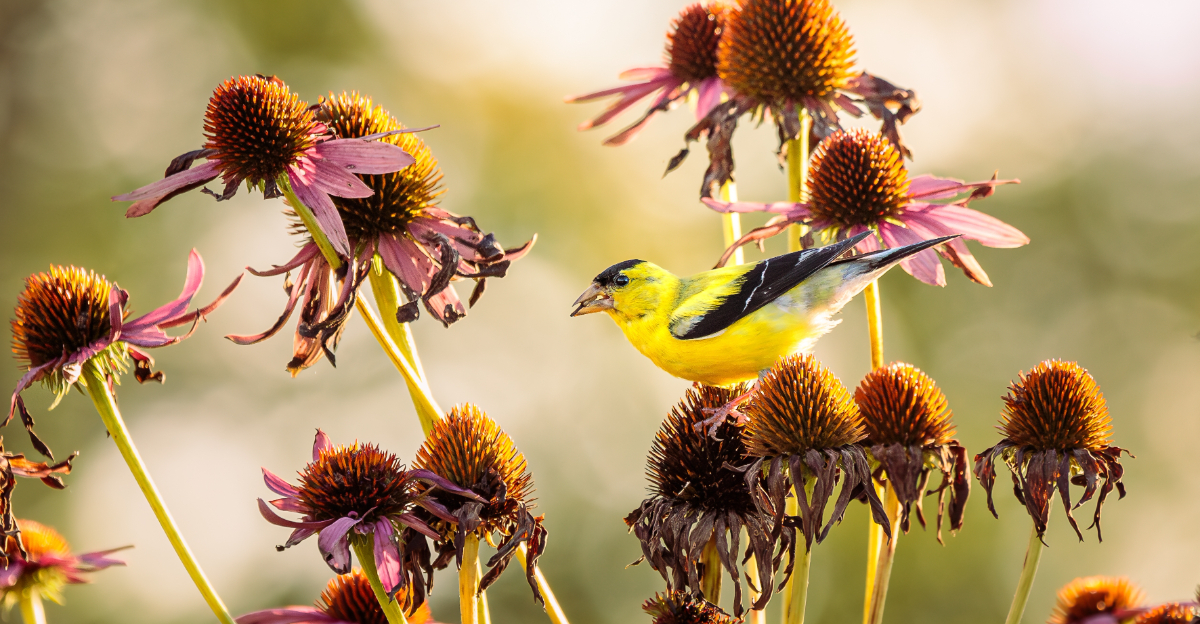
As Oregon gardens begin easing out of summer, it can be tempting to tidy everything up. Spent flowers get snipped, dry stems disappear, and suddenly the yard looks wonderfully neat again.
But if you enjoy seeing goldfinches flitting through the garden, you may want to resist reaching for the pruners quite so quickly.
Those little flashes of yellow can bring serious personality to a fall yard. One moment the garden seems quiet, and the next a few energetic birds are bouncing between plants like they have somewhere extremely important to be.
Tiny garden celebrities, basically. The interesting part is that some of the plants gardeners are most eager to clean up may still have value long after their flowers fade.
What looks finished to us can remain surprisingly useful as the season changes and birds adjust their routines.
So before giving every flower bed a perfectly polished haircut, it may be worth leaving a few things standing.
A slightly messier garden could end up feeling much more alive, especially when goldfinches start dropping by for a closer look.
1. Coneflower Seeds Turn Into An Easy Fall Snack
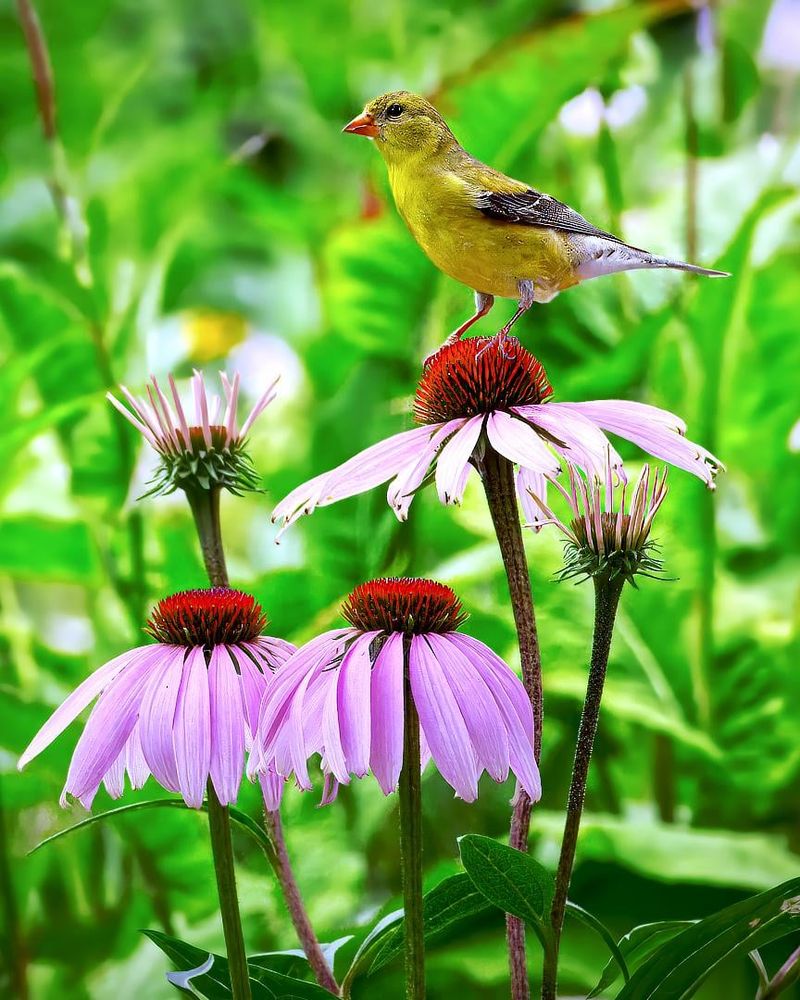
Few plants work harder for backyard birds than the coneflower. Once those bold purple petals drop off in late summer, what is left behind is a spiky, cone-shaped seed head packed with tiny seeds that goldfinches absolutely love.
The birds cling right to the cone and pick out seeds one by one, almost like they are enjoying a snack bar designed just for them.
Coneflowers, also known as echinacea, are easy to grow and tough enough to stay standing through early frost. That means the seed heads stick around long after summer flowers have faded.
Goldfinches will return to the same plants again and again until every last seed is gone. It is one of the most reliable food sources you can offer without spending a single dollar on birdseed.
Planting a small patch of coneflowers near a window gives you a front-row seat to all the action. Watch for groups of goldfinches swinging from the stems and chattering while they feed.
They are social birds, so where one goes, others tend to follow. Skipping the fall trim on your coneflowers is a small decision that pays off with a lot of bird activity.
Leave them standing, and you might be surprised how fast the goldfinches find them.
2. Sunflower Heads Keep Goldfinches Coming Back
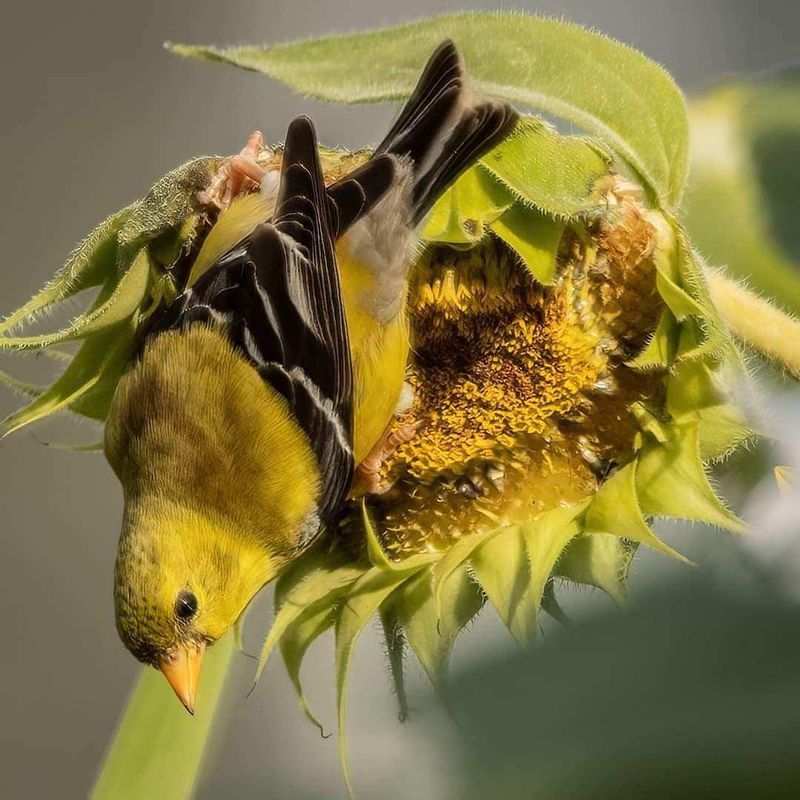
Sunflowers are basically a goldfinch magnet. Once the big yellow blooms fade and the heads start to dry out, they become packed with hundreds of seeds that birds can eat straight from the flower.
You do not need to harvest sunflowers or hang them in feeders. Just leave the stalks standing and let the birds come to you.
A mature sunflower head can feed multiple goldfinches at once. The seeds are large enough to be satisfying, and the sturdy stem gives birds a steady place to land.
Goldfinches are agile little birds, and they have no trouble hanging upside down or sideways to reach seeds tucked deep in the head. They are surprisingly acrobatic when food is involved.
Your Oregon Garden Changes Every Week. Your Plan Should Too.
Gardening in Oregon changes quickly throughout the season. Every Friday you’ll receive a simple weekly plan showing exactly what to plant, prune, fertilize, harvest, and protect so you never miss the right timing.
Planting a row of sunflowers along a fence or garden border sets up a natural feeding station that costs almost nothing to maintain. Once the growing season ends, your work is basically done.
The sunflowers do the rest. Birds will visit throughout fall, and as the heads get picked clean, the seeds that fall to the ground attract even more wildlife.
Leaving sunflower heads in place is one of the easiest ways to keep your garden lively and full of bird energy well into the cooler months. It is low effort with a high reward.
3. Black-Eyed Susans Hold Plenty Of Tiny Seeds
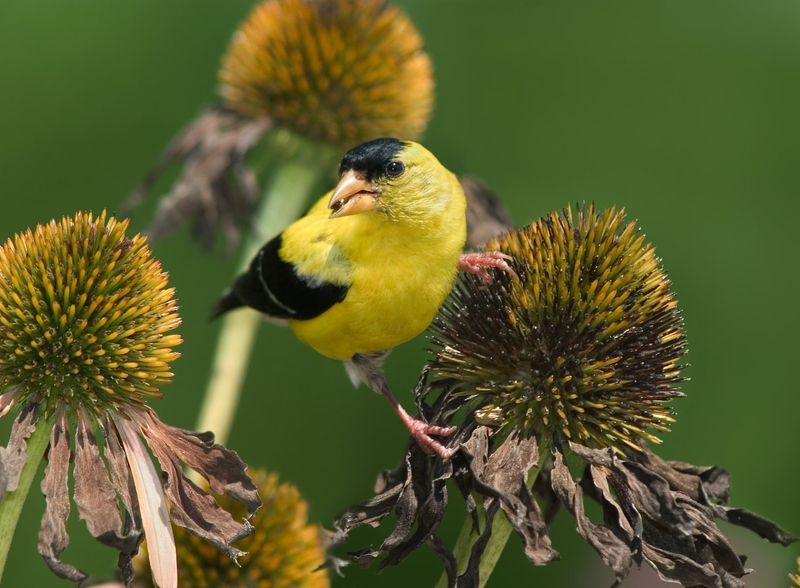
Black-eyed Susans might look plain once their bright yellow petals fall off, but those dark brown centers are hiding something birds really want. Each dried flower head holds dozens of small seeds that goldfinches find irresistible.
The plants stay upright through most of fall, making them a dependable food stop even when temperatures start dropping.
What makes black-eyed Susans especially useful is how many seeds a single plant can produce. A well-established clump of these flowers can feed birds for weeks.
Goldfinches tend to work through one flower head at a time, gripping the stem and picking out seeds with their short, strong beaks. They look almost like tiny, focused workers doing a very important job.
Black-eyed Susans also happen to be native wildflowers in many parts of the country, which means they are well adapted to local growing conditions and require very little care. Letting them go to seed at the end of the season is not lazy gardening.
It is smart gardening. The seed heads also add visual texture to the fall garden, so you get both beauty and function in one plant.
If you have been deadheading these flowers all summer, try leaving the last round of blooms to mature naturally. The goldfinches will find them, and you will have a reason to keep watching your garden long after summer ends.
4. Leaving A Few Spent Blooms Beats Cutting Everything Down
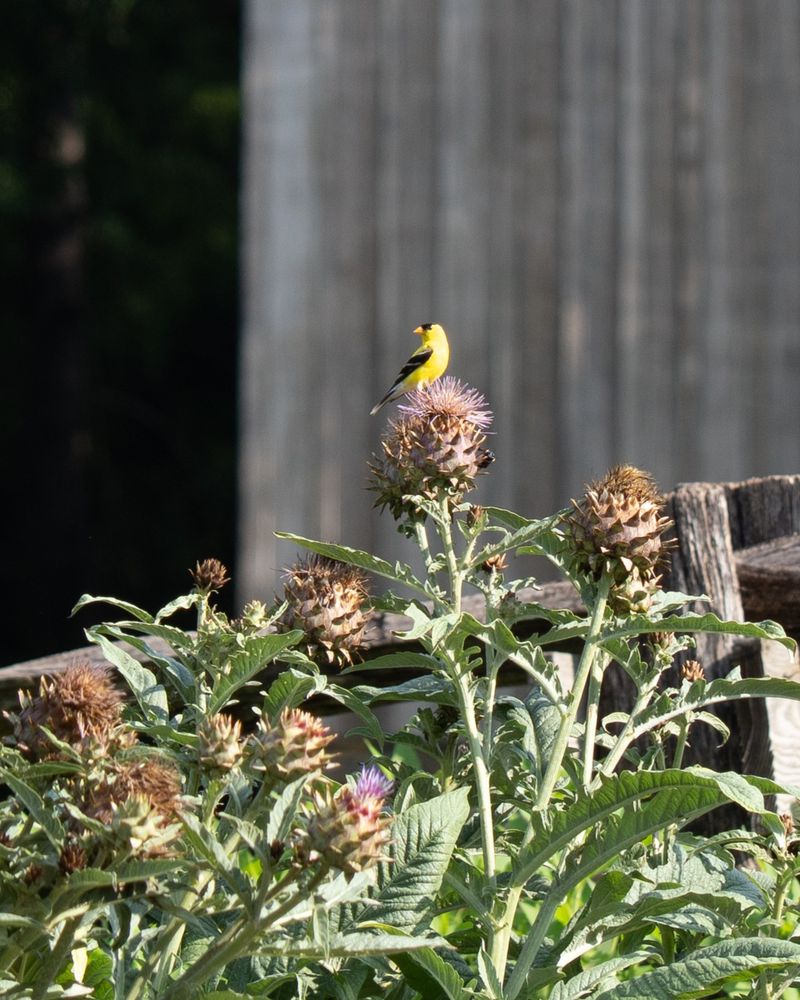
Most gardeners feel the urge to tidy up once summer ends. It feels productive to cut everything back and rake the beds clean.
But for goldfinches, a perfectly pruned garden offers very little. Spent blooms that still hold their seeds are worth far more to birds than a neat, empty flower bed.
You do not have to leave every single plant standing. Even keeping a few patches of dried flowers in a corner of the yard can make a real difference.
Goldfinches are not picky about how tidy the garden looks. They just need seeds to be available and accessible.
A cluster of old coneflowers or a couple of tall sunflower stalks is enough to get them started.
Think of spent blooms as a slow-release bird feeder. They hold seeds through wind, rain, and frost without any effort from you.
Unlike a traditional feeder, you never have to refill them. The birds visit on their own schedule, picking seeds as they ripen and dry.
Leaving even a small section of your garden un-cut through fall creates a natural feeding habitat that supports not just goldfinches but other seed-eating birds too. It is a small shift in habit that makes your yard more welcoming to wildlife.
Plus, many dried flower heads actually look quite striking against a backdrop of fallen leaves and crisp autumn air.
5. Goldfinches Love Picking Seeds Straight From The Stems
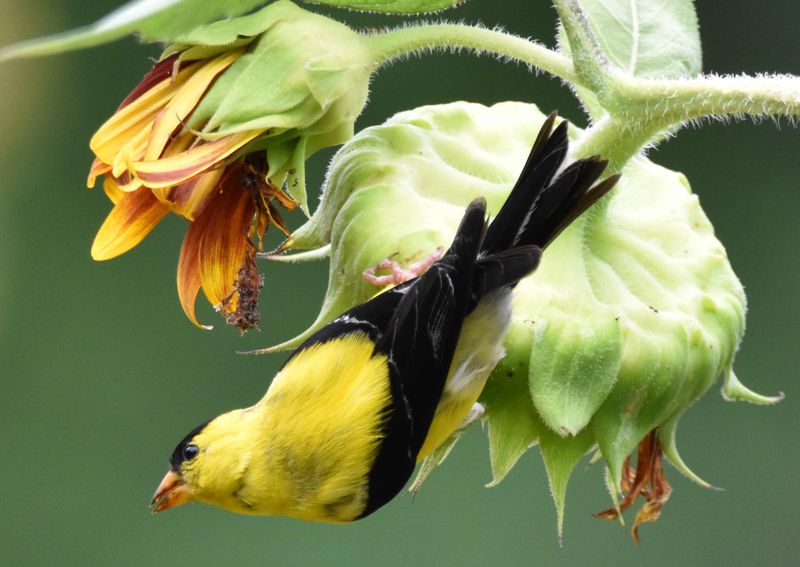
There is something almost hypnotic about watching a goldfinch work its way through a seed head. These birds are built for exactly this kind of foraging.
Their beaks are short, pointed, and strong, perfectly shaped for extracting tiny seeds from dried flowers. They do not need a feeder.
They prefer the real thing.
Feeding straight from the stem is actually more natural for goldfinches than eating from a hanging feeder. In the wild, they spend most of their time clinging to plant stems and picking seeds one at a time.
Leaving plants standing in your garden gives them a chance to behave the way they naturally would, which is good for the birds and genuinely entertaining to watch.
Goldfinches in fall often travel in small flocks, moving from plant to plant as they feed. When one bird lands on a stem, others follow quickly.
You might look out your window and see five or six birds spread across your garden, each working on a different seed head. The stems sway under their weight, and the birds adjust without missing a beat.
Setting up a garden that supports this kind of natural feeding behavior is easy. Just leave the stems up.
Skip the fall pruning on a few key plants, and let the goldfinches do what they do best. They will reward your patience with a lively, entertaining show all season long.
6. Tall Seed Heads Give Birds Food And A Perch
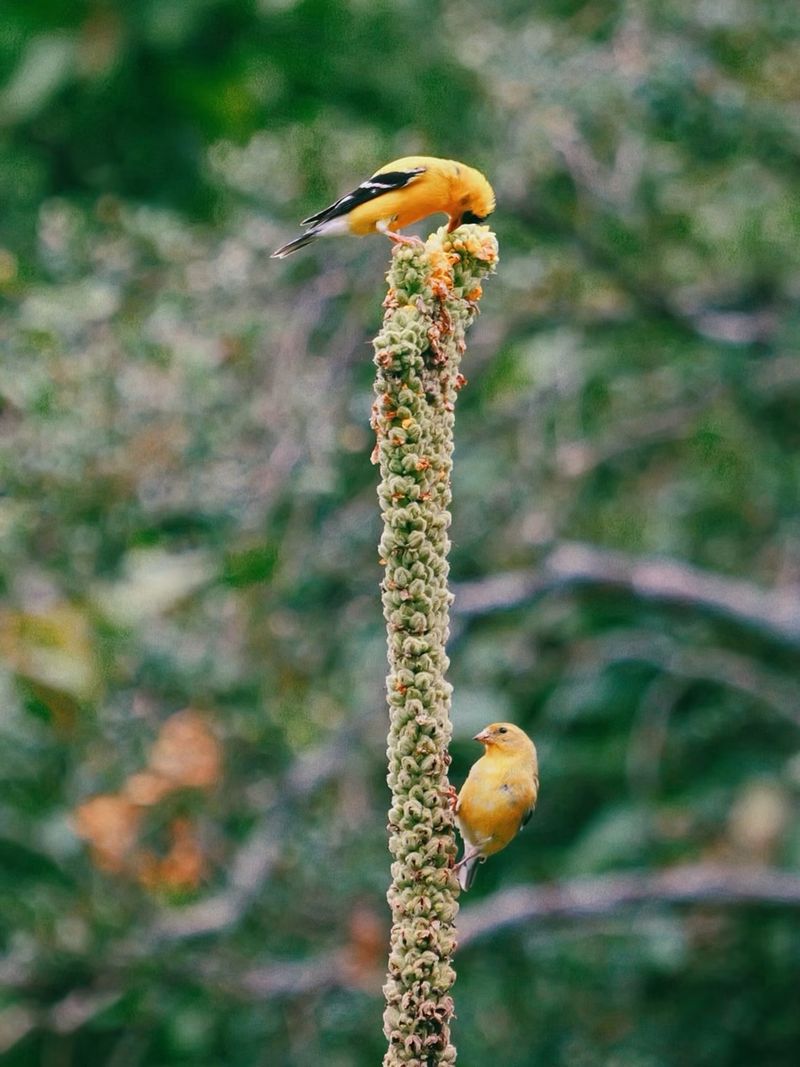
Tall plants do double duty for goldfinches. They offer seeds to eat and a high perch to rest on between feeding sessions.
Birds like having a clear view of their surroundings while they eat. It helps them spot any danger and feel comfortable enough to stay and feed for a longer stretch of time.
Plants like tall coneflowers, wild bergamot, and native grasses can reach several feet in height. When these are left standing through fall, they become mini lookout towers and snack stations rolled into one.
Goldfinches will land on the very tops of the stems, look around for a moment, and then settle in to eat. The height gives them confidence.
A garden with varying plant heights is more attractive to birds than one that is all cut low to the ground. Taller plants in the back, medium ones in the middle, and shorter ones up front create layers that different birds can use at the same time.
Goldfinches tend to favor the taller plants because the seed heads are easier to access and the elevated position feels safer. If you have tall flowering plants that are ready to be cut back, consider waiting until late winter instead.
The birds will use them all through fall and into early winter, and you will get to enjoy far more bird activity in your yard as a result. It is a simple change with a big payoff.
7. Native Flowers Can Keep The Buffet Going Longer
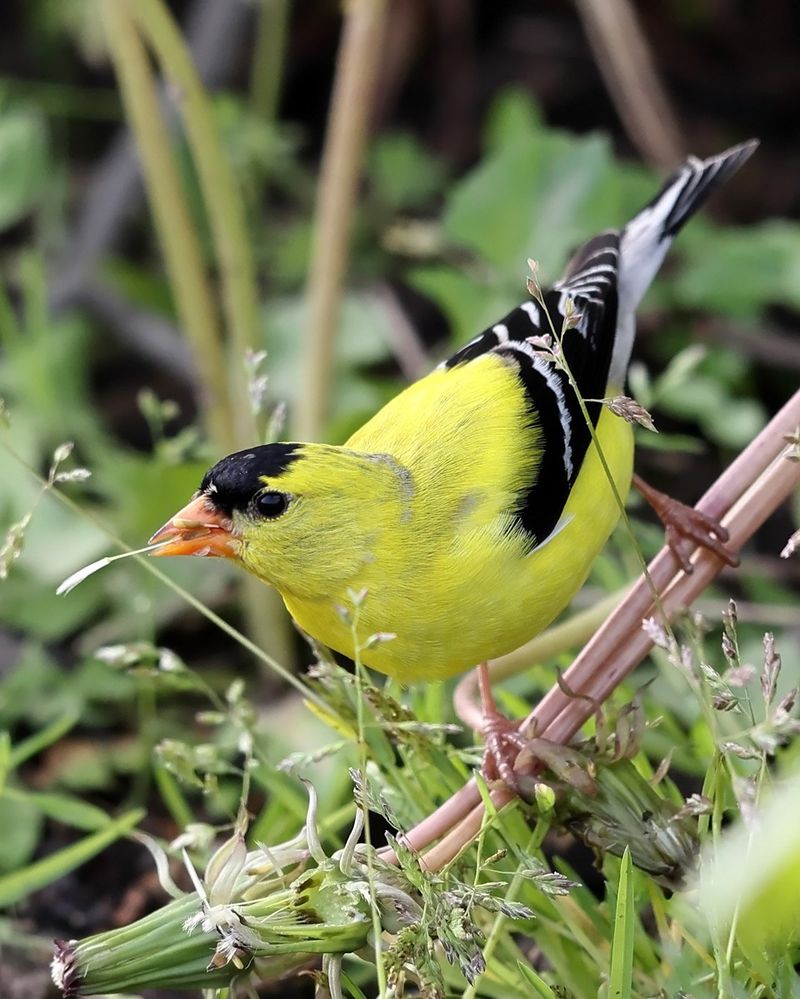
Native flowers have a built-in advantage when it comes to feeding local wildlife. They evolved alongside local birds and insects, which means the seeds they produce are exactly what species like goldfinches are looking for.
Planting natives is one of the smartest moves a gardener can make for year-round bird support.
Plants like wild asters, joe-pye weed, and native goldenrod hold their seeds well into fall and sometimes even into early winter.
By choosing a mix of native plants that ripen at different times, you can create a garden that keeps offering food long after most ornamental plants have finished.
Goldfinches will move from one plant to the next as seeds become available, keeping them in your yard for weeks at a stretch.
In the Pacific Northwest, where many goldfinch fans live, native plants are especially valuable because they are already adapted to local rainfall patterns and soil types. They need less watering and fewer inputs, which makes them practical as well as bird-friendly.
A mix of native seed-producing plants spread across your garden creates what birders sometimes call a “living larder,” a constantly restocked food source that costs nothing to refill.
Starting with just two or three native species and expanding from there is a manageable approach.
Over time, your garden becomes a go-to stop for goldfinches passing through during fall migration and for resident birds stocking up before winter sets in.
8. Fall Cleanup Can Wait When Birds Are Still Feeding
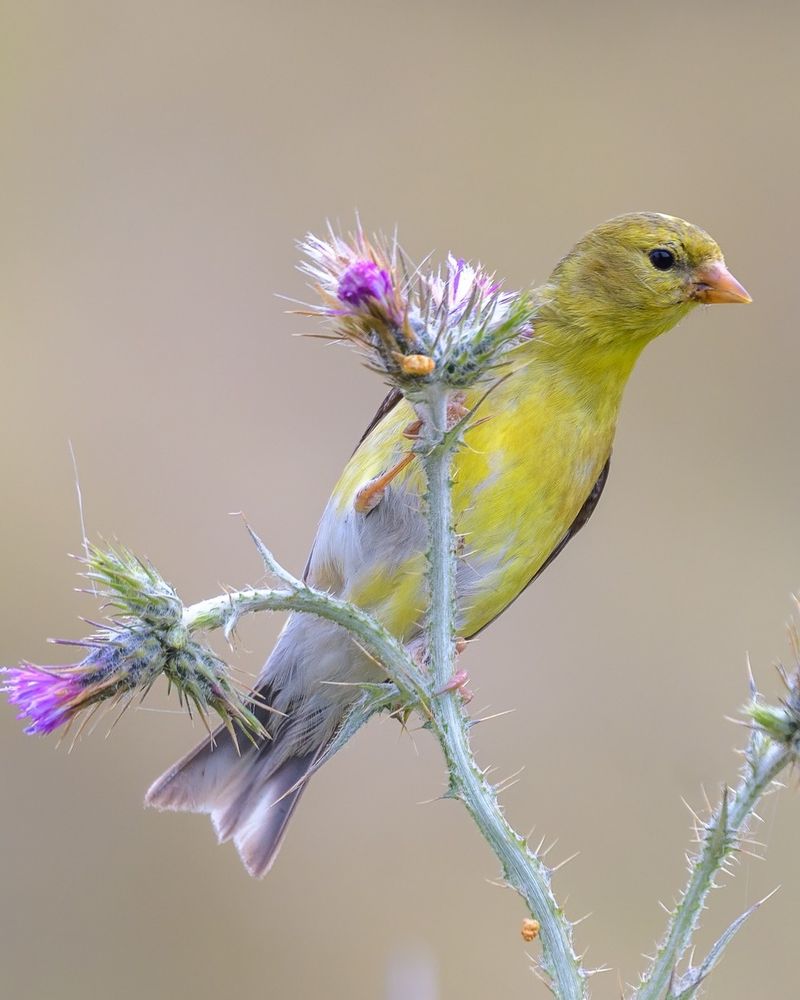
Putting down the pruning shears for a few extra weeks is harder than it sounds for tidy-minded gardeners. The fall cleanup urge is real.
But when you see a flock of goldfinches working through your garden like it is an all-you-can-eat buffet, it becomes a lot easier to leave things alone and just enjoy the show.
Delaying cleanup until late winter or early spring is a practice that many wildlife-friendly gardeners swear by. It does not mean your garden looks bad.
Dried seed heads and tall stems actually add structure and visual interest to a fall landscape. Frost on a dried coneflower head looks beautiful in morning light.
You are not neglecting your garden. You are managing it with birds in mind.
The payoff for waiting is real and measurable. Gardens that leave seed heads standing through fall and winter consistently attract more bird species and higher numbers of individual birds than those that get cut back early.
For goldfinch fans in Oregon and beyond, this means more sightings, more activity, and a garden that feels genuinely alive even as the temperatures drop.
When the birds finally move on in late winter and the seed heads are mostly empty, that is the right time to tidy up.
By then, you will have enjoyed months of bird watching right from your own backyard, and the garden will be ready for a fresh start in spring.