The Pennsylvania Summer Garden Problem That Almost Always Starts With A Spring Planting Mistake
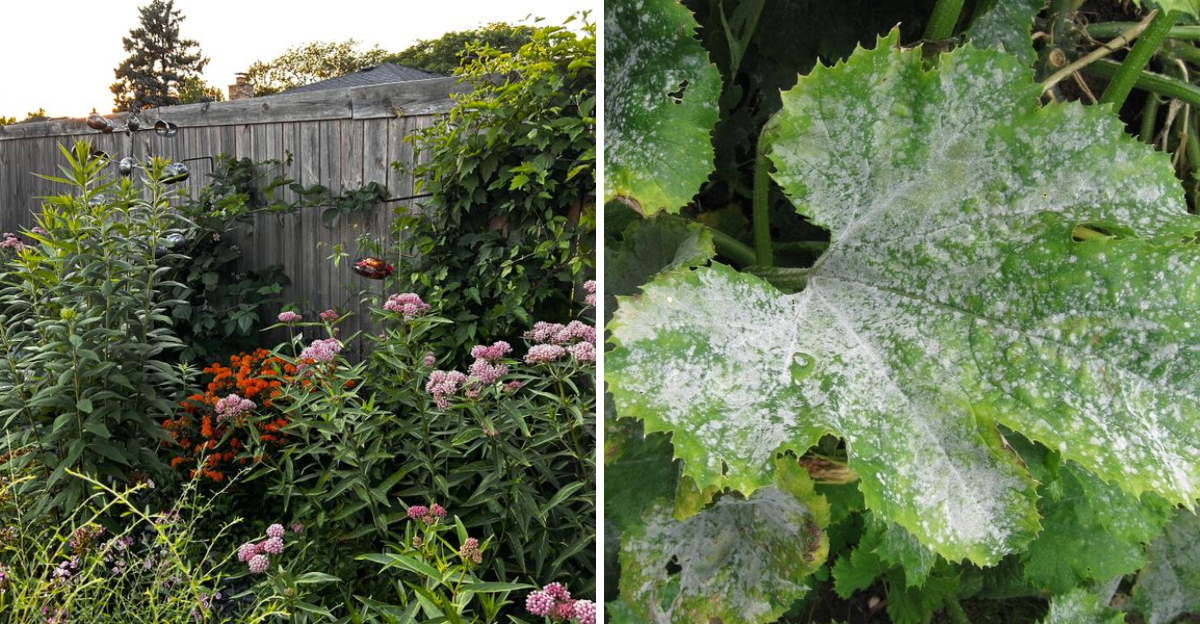
Spring planting in Pennsylvania always starts with the best intentions. The transplants go in with careful spacing, everything looks tidy and open, and the whole bed feels like a well-organized plan coming together.
Then the growing season hits its stride. Those same plants have stretched, spread, and discovered their neighbors in ways nobody fully accounted for at planting time, and a garden bed that felt roomy a few weeks ago is now a genuinely crowded situation.
Pennsylvania summers make this happen fast, with regular rainfall, rising humidity, and warm temperatures pushing plants to fill in quickly and ahead of most gardeners’ expectations.
When foliage gets dense enough to slow air movement around the leaves, wet surfaces after rain or irrigation start staying moist longer than they should, and that is where problems can begin.
That combination of crowded growth and lingering moisture is exactly the kind of setup that certain foliar diseases find very comfortable.
1. Crowded Spring Planting Sets Up Summer Trouble
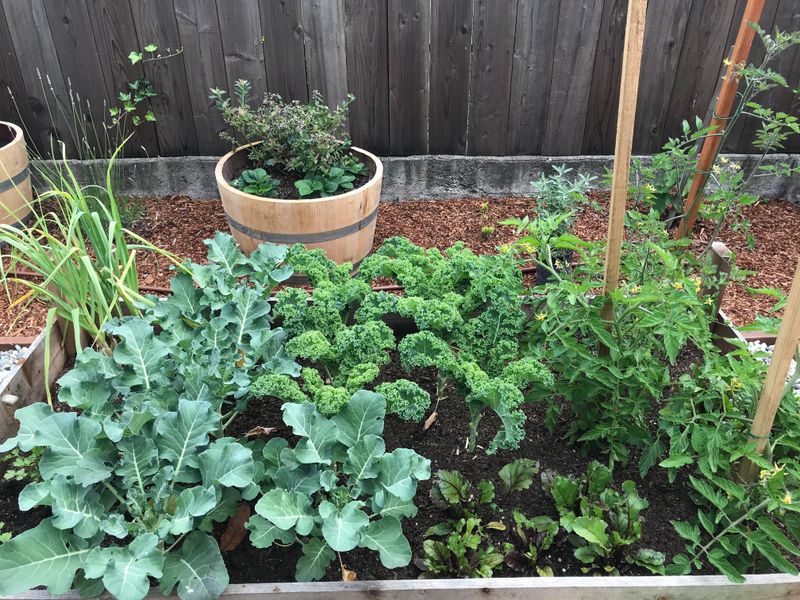
Walking through a nursery in April, it can be easy to underestimate just how large a young transplant will eventually grow. A small perennial sitting in a four-inch pot gives little hint of the two-foot spread it may reach by midsummer.
Gardeners often place transplants based on how they look at planting time rather than the mature size printed on the label, and that decision can set up real problems once the season heats up.
Spacing based on current plant size rather than mature plant size is one of the most common spring planting missteps in Pennsylvania home landscapes. When plants are small and the soil between them looks open and inviting, it feels natural to add more.
By the time Pennsylvania’s warm, wet summers arrive, those gaps have closed, and the garden bed that once looked roomy can feel packed tight.
Crowded plantings are not automatically a disaster, but they can contribute to conditions that make summer more challenging for plants. Reduced air movement, slower drying of foliage after rain, and increased competition for light and water are all possible outcomes.
Understanding that a spring planting choice can shape summer plant health is a useful first step toward making more intentional spacing decisions from the beginning.
2. Small Spring Plants Can Become Packed By Summer
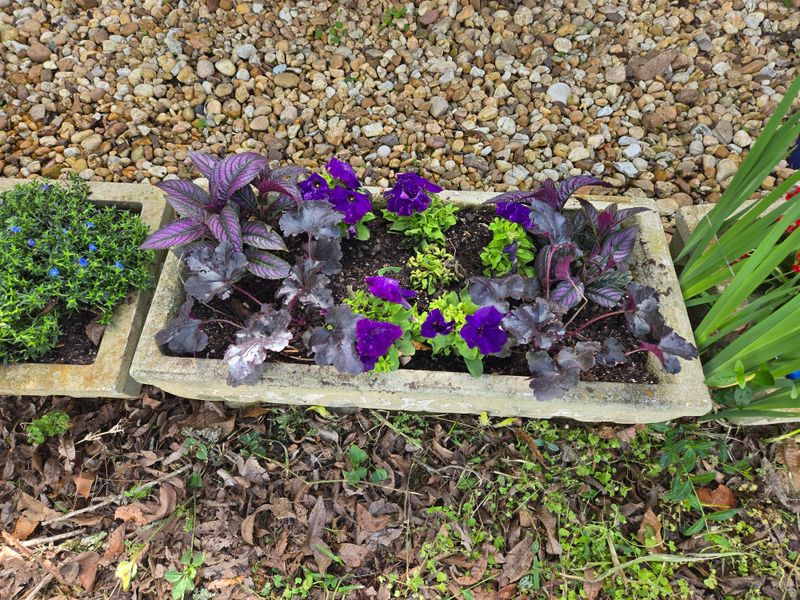
Young plants have a way of looking almost lonely in a freshly prepared garden bed. In early spring, a row of hostas or coneflowers with several inches of bare soil between each one can seem sparse, and the temptation to fill those gaps with extra plants is completely understandable.
What feels like sensible filling-in during May can look very different by the time Pennsylvania’s July humidity settles in.
Most flowering perennials and ornamental shrubs grow considerably during a single season. A plant that occupied a modest footprint in spring may spread outward by several inches or more as it matures through summer.
When multiple plants in a bed are all expanding at the same time, the open spaces between them shrink quickly. Foliage that once had room to breathe begins to overlap and press against neighboring leaves.
Your Pennsylvania Garden Changes Every Week. Your Plan Should Too.
Gardening in Pennsylvania changes quickly throughout the season. Every Friday you’ll receive a simple weekly plan showing exactly what to plant, prune, fertilize, harvest, and protect so you never miss the right timing.
Checking the mature spread of a plant before placing it in the ground is one of the most practical habits a gardener can develop.
Nursery tags, Extension resources, and reliable plant databases typically list the expected mature width for specific species and cultivars.
Planting to the mature size rather than the current size means the bed may look a little sparse in spring, but it will be better balanced and more manageable through the heat and rain of a Pennsylvania summer.
3. Tight Spacing Cuts Airflow Around Growing Plants
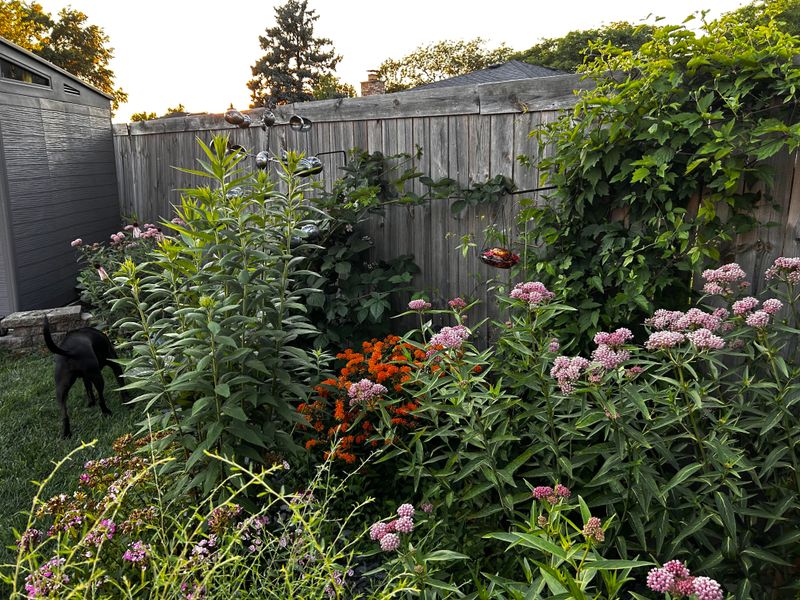
Good air movement through a garden bed does more than keep plants comfortable. When foliage has room around it, breezes can pass through and carry away excess moisture after rain or irrigation.
When plants are packed closely together, that natural air movement slows down considerably, and the microclimate between the leaves can become noticeably more humid than the surrounding area.
Ornamental plants in Pennsylvania landscapes often grow in beds that include a mix of species at different heights. Taller plants can shade shorter ones, and when all of them are crowded together, the lower foliage in particular may receive very little airflow.
Dense plantings can create pockets of still, humid air close to the ground, and those conditions can be favorable to certain foliar pathogens under the right circumstances.
Airflow is not something most gardeners think about when placing transplants in spring, but it plays a real role in how a planting performs through summer.
Choosing spacing that allows mature plants to grow without completely closing off the space between them gives foliage a better chance to stay drier after rainfall.
No spacing plan removes all disease risk, because plant susceptibility, weather patterns, and available pathogens all matter too.
Still, giving plants reasonable room to breathe is a practical step that costs nothing extra at planting time and can benefit the garden through the full growing season.
4. Dense Foliage Can Hold Moisture Longer
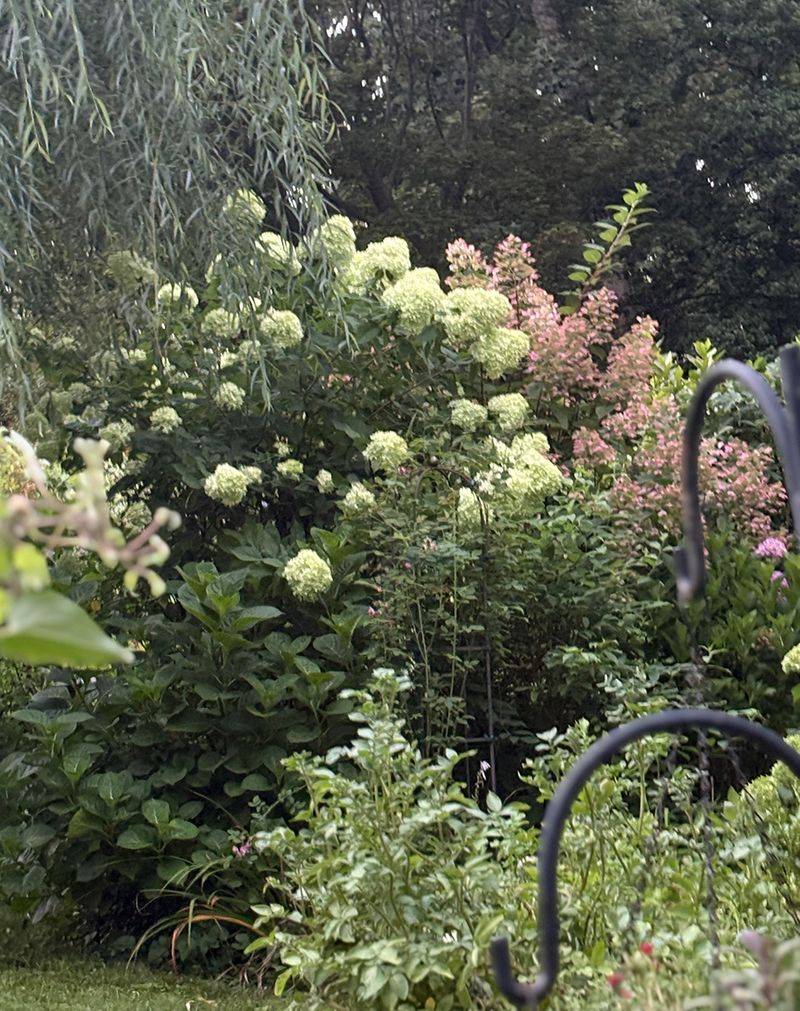
After a summer rain in Pennsylvania, a well-spaced garden bed can dry out relatively quickly as sun and moving air work across the exposed foliage. A densely planted bed behaves differently.
When leaves overlap and press together, water that lands on them has fewer places to go, and the shaded, still air beneath the canopy slows evaporation considerably.
Prolonged leaf wetness is a condition that matters in plant health because many foliar pathogens benefit from moisture sitting on leaf surfaces for extended periods.
The specific moisture requirements vary by disease and pathogen, so not every wet leaf leads to the same outcome.
What is generally understood is that foliage staying wet for longer windows of time after rain or irrigation can create more favorable conditions for certain disease cycles to progress.
Pennsylvania summers are not always dry between rain events. Stretches of cloudy, humid weather with repeated afternoon showers are common across much of the state, and those patterns can keep dense garden beds persistently damp.
A planting that might dry adequately during a dry summer stretch may struggle to shed moisture during a wet period. Dense foliage does not guarantee disease, but it does mean that when wet conditions arrive, the planting has less built-in capacity to recover quickly.
Spacing plants with their mature leaf canopy in mind is one way to reduce the amount of time moisture lingers on foliage after summer rain events.
5. Wet Leaves Can Encourage Summer Disease Problems
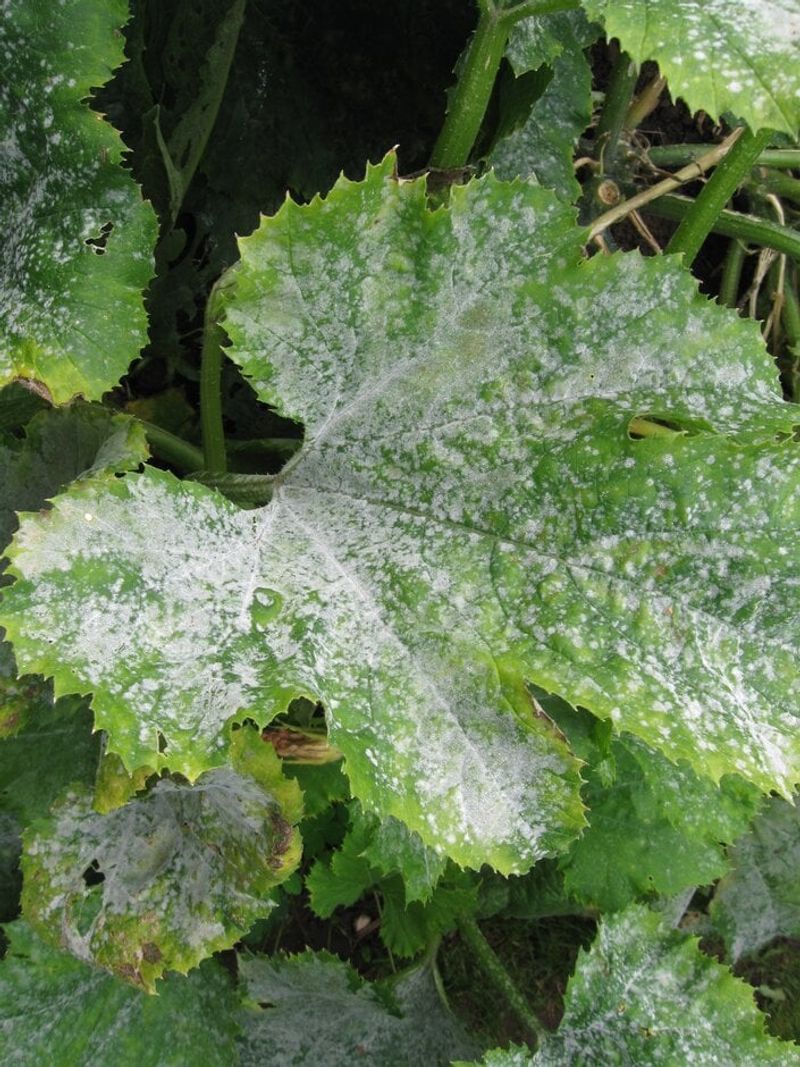
Leaf surfaces in a crowded Pennsylvania garden bed can stay wet for hours after rain, and that extended moisture is relevant because several common foliar diseases favor humid conditions and prolonged leaf wetness.
Downy mildew, for example, is a disease that affects a wide range of ornamental plants and tends to develop and spread more readily when humidity is high and foliage stays moist for extended periods.
It thrives in conditions that summers can provide regularly.
Powdery mildew is another common issue in Pennsylvania gardens, though its biology is somewhat different.
Unlike many moisture-dependent pathogens, powdery mildew can develop even when leaf surfaces are dry, making it less directly tied to wet foliage and more related to high humidity and moderate temperatures.
Crowded plantings can still favor powdery mildew by reducing airflow and raising the humidity around leaves, even when surfaces appear dry.
The key point is that different diseases have different requirements, and crowded planting is not the sole cause of any of them.
Plant susceptibility, the presence of pathogens in the soil or air, temperature, rainfall timing, and overall garden conditions all contribute to whether a disease takes hold.
Spacing is one factor gardeners can control at planting time.
Choosing disease-resistant cultivars, avoiding overhead watering when possible, and monitoring plants regularly through summer are additional practices that work alongside good spacing to support healthier foliage.
6. Summer Rain Can Make Tight Planting More Problematic
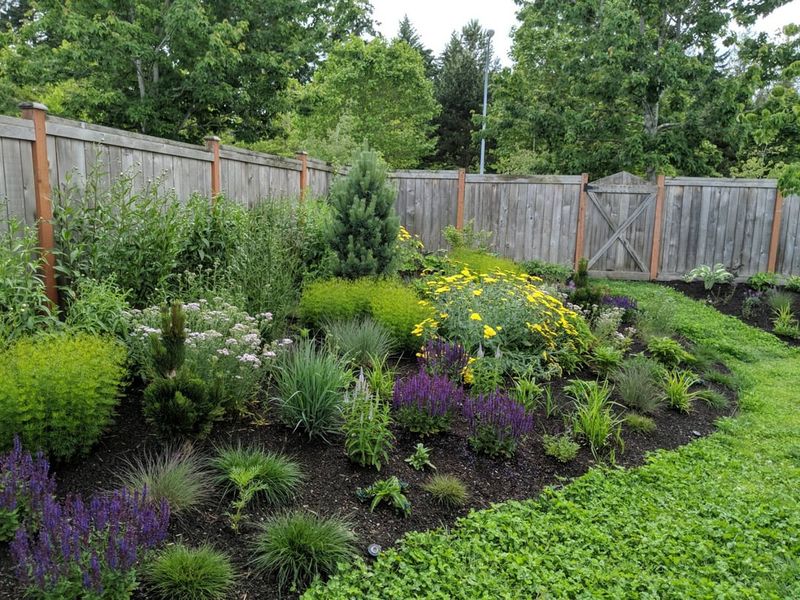
Pennsylvania receives meaningful rainfall through summer, and in many parts of the state, June through August can bring frequent afternoon and evening showers.
That regular moisture is generally good for plants, but it interacts differently with a crowded planting than it does with a well-spaced one.
When rain falls on a dense garden bed, foliage that is already pressed together can trap water between leaves and stems, reducing the chance for quick drying.
Repeated rain events within a short window give foliage little opportunity to dry between soakings. In a loosely planted bed, air movement helps evaporate surface moisture between storms.
In a tightly packed bed, that recovery window shrinks because airflow is limited and shaded interior leaves may never fully dry before the next rain arrives. Over the course of a wet summer stretch, those conditions can persist for days at a time.
Rainfall alone does not trigger plant disease. Pathogens, host susceptibility, temperature, and timing all play roles in whether a disease cycle gets established.
But repeated rain events combined with dense foliage and limited airflow can extend the conditions that some pathogens prefer.
Gardeners who notice their beds staying persistently wet through summer may benefit from evaluating whether spacing contributed to that pattern.
Adjusting plant density in future seasons, or selectively thinning where possible, can help reduce the amount of time foliage stays wet after Pennsylvania summer rain.
7. Better Spacing Helps Foliage Dry More Quickly
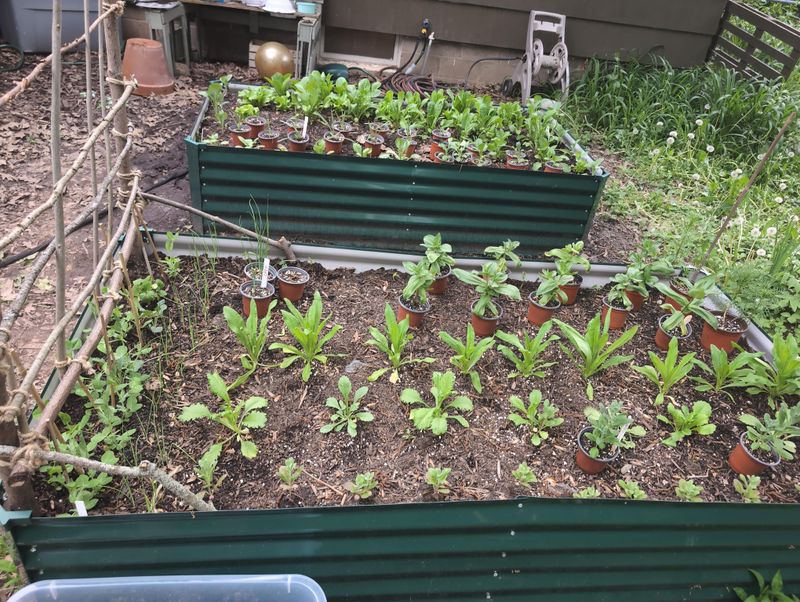
Planting with mature size in mind from the start is one of the most straightforward ways to support foliage drying after rain or irrigation.
When individual plants have enough room to reach their full spread without pressing into neighbors, air can move more freely through the canopy.
That airflow helps evaporate surface moisture from leaves more quickly after a rain event, reducing the window during which wet conditions might favor certain foliar pathogens.
Appropriate spacing varies by plant, and there is no single distance that works for every species or cultivar. A compact perennial with a 12-inch mature spread needs different spacing than a large ornamental shrub that will eventually reach four or five feet across.
Nursery tags, reliable plant databases, and Penn State Extension resources can provide guidance on mature spread for specific plants commonly grown in Pennsylvania landscapes.
Using that information before placing plants in the ground makes a meaningful difference over time.
Better spacing is not a complete disease-prevention strategy on its own. Plant susceptibility, local pathogen pressure, weather patterns, and overall garden care all remain relevant.
Spacing is one component of good plant-health management, and it works best when paired with other thoughtful practices such as selecting disease-resistant cultivars, monitoring foliage regularly, and avoiding irrigation habits that keep leaves wet unnecessarily.
A garden bed designed around mature plant size from the beginning is simply better positioned to handle Pennsylvania’s humid, rainy summers without becoming a dense, moisture-trapping environment.
8. Thinning Crowded Growth Can Improve Air Movement
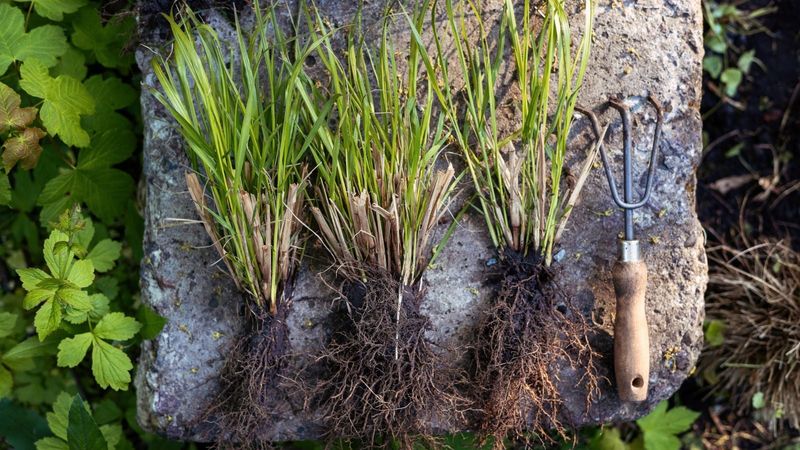
Sometimes a garden bed becomes crowded not because of poor initial spacing but because plants have grown more vigorously than expected, or because a perennial has spread and multiplied over several seasons.
When that happens, thinning or dividing suitable plants can help restore some of the open space and airflow that the planting originally had.
Improved air movement through the canopy can help foliage dry more efficiently after rain.
Thinning techniques depend heavily on the specific plant. Some perennials respond well to having a portion of their stems selectively removed during the growing season, while others are better divided in fall or early spring when conditions are cooler.
Ornamental shrubs may benefit from selective pruning to open up their interior branching, but the appropriate method and timing vary by species.
Using plant-specific guidance from reliable sources rather than applying a single approach to every plant in the bed is the safer approach.
For gardeners in Pennsylvania who notice their summer beds have become noticeably dense, thinning is a practical mid-course correction that can make a real difference.
Removing some stems or dividing clumps that have outgrown their space creates gaps where air can move again.
It also gives remaining plants better access to light.
Thinning does not undo all the effects of a crowded planting, but combined with more thoughtful spacing in future seasons, it is a useful tool for managing plant health through Pennsylvania’s warm and often wet summer months.