The Meaning Behind Seeing Owls In Your Texas Yard This August
August can make a Texas yard feel ordinary until two bright eyes appear above the fence.
The bird may sit there without a sound. Ten minutes later, it is gone, leaving you to wonder why that branch suddenly became important.
An owl visit usually has a practical explanation.
Your yard may offer prey. A fence post may provide a useful hunt perch. Mature trees can supply cavities or sheltered roosts. In some neighborhoods, the species itself can reveal something about the habitat around your home.
So what does seeing an owl this month tell you?
Start with what happens around the perch.
Look for rodent signs, open hunt space, old tree cavities, and repeat visits at similar hours. One sighting rarely means an owl has moved in permanently, but a pattern can show that your property fits part of its nightly routine.
Enjoy that possibility without turning the yard into a wildlife attraction.
The best response is simple: observe quietly, reduce hazards, and let the owl decide when to return.
1. A Fence-Post Owl Usually Means Prey Is Nearby
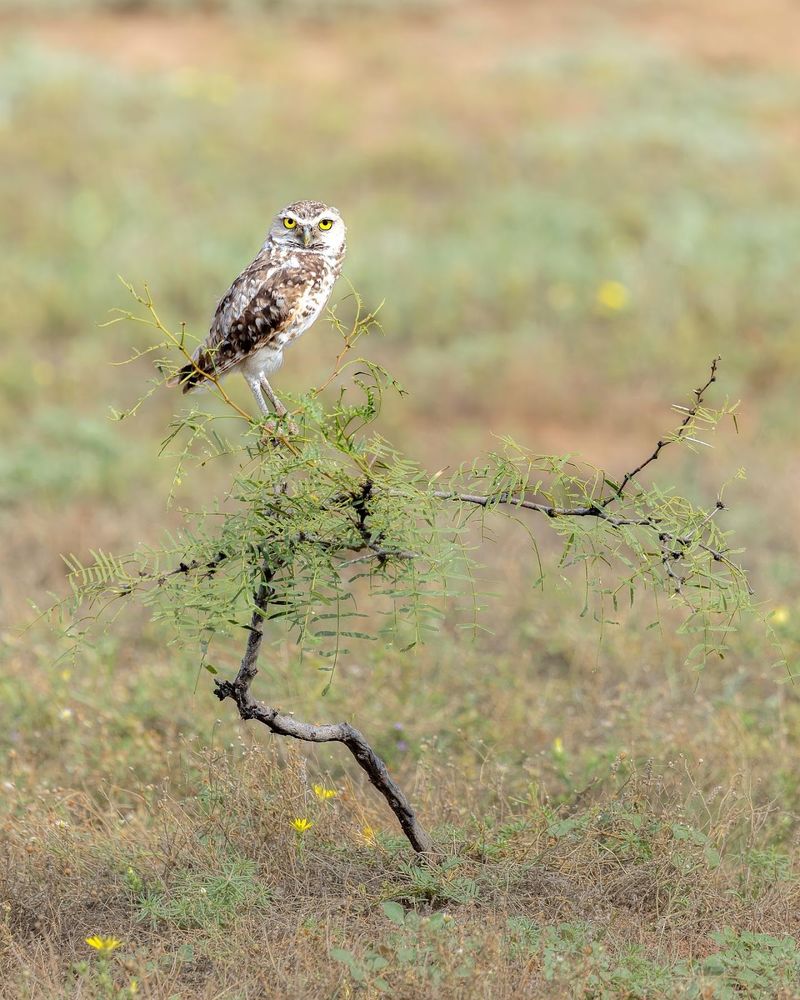
A fence post with an owl on top usually means the location offers a useful view of prey.
Owls are predators, and rodents make up part of the diet of many Texas species. A yard with open ground, short grass, or movement along a fence can give an owl a clear place to watch before it drops toward a meal.
Do not assume one visit means a nest sits nearby.
The bird may use several perches across a much larger area during one night. Your post, roof edge, or live oak branch may simply offer the right height and sight line for a few productive minutes.
Watch what the owl does rather than move closer.
A bird that sits still, turns its head, then drops toward the lawn is showing you why the perch matters. Give it space and let the hunt continue without a flashlight or a crowd beneath the branch.
Repeated use of the same post adds another clue. The site may provide prey often enough to deserve a return stop.
Take note of the time and location.
That small record can reveal a pattern across several August evenings without any need to lure the bird back.
Your fence post has not become an owl address.
It may have become a very good observation deck, and the local night shift has noticed.
2. Repeat Visits Can Point To Rodent Activity
A second or third visit should make you look down before you look back up.
Owls eat rodents, so repeated activity can point to a reliable food source somewhere around the property. That does not prove you have a major infestation, since owls also take insects and other small prey.
Check for ordinary clues.
Look along walls, near sheds, around birdseed storage, beside compost, and under dense vegetation. Droppings, gnaw marks, tracks in dusty soil, or damaged food containers can reveal mouse or rat activity that was easy to miss during daylight.
Your Texas Garden Changes Every Week. Your Plan Should Too.
Gardening in Texas changes quickly throughout the season. Every Friday you’ll receive a simple weekly plan showing exactly what to plant, prune, fertilize, harvest, and protect so you never miss the right timing.
Keep the response measured.
One mouse trail does not call for poison across the yard. Remove accessible food, secure pet food and seed, clean spilled grain, and close gaps that give rodents access to buildings.
Then let the owl keep its job.
Traps are preferred over poisons around owl habitat because predators can be exposed through poisoned prey.
Use enclosed or carefully placed traps where needed and keep them away from children, pets, and non-target wildlife.
The owl may not be there because your yard has a crisis.
It may simply have discovered one dependable mouse route.
That is still useful information.
Your midnight visitor can turn a quiet fence line into a very effective clue about what else moves through the yard after you go inside.
3. The Same Perch Means Your Yard Offers A Good View
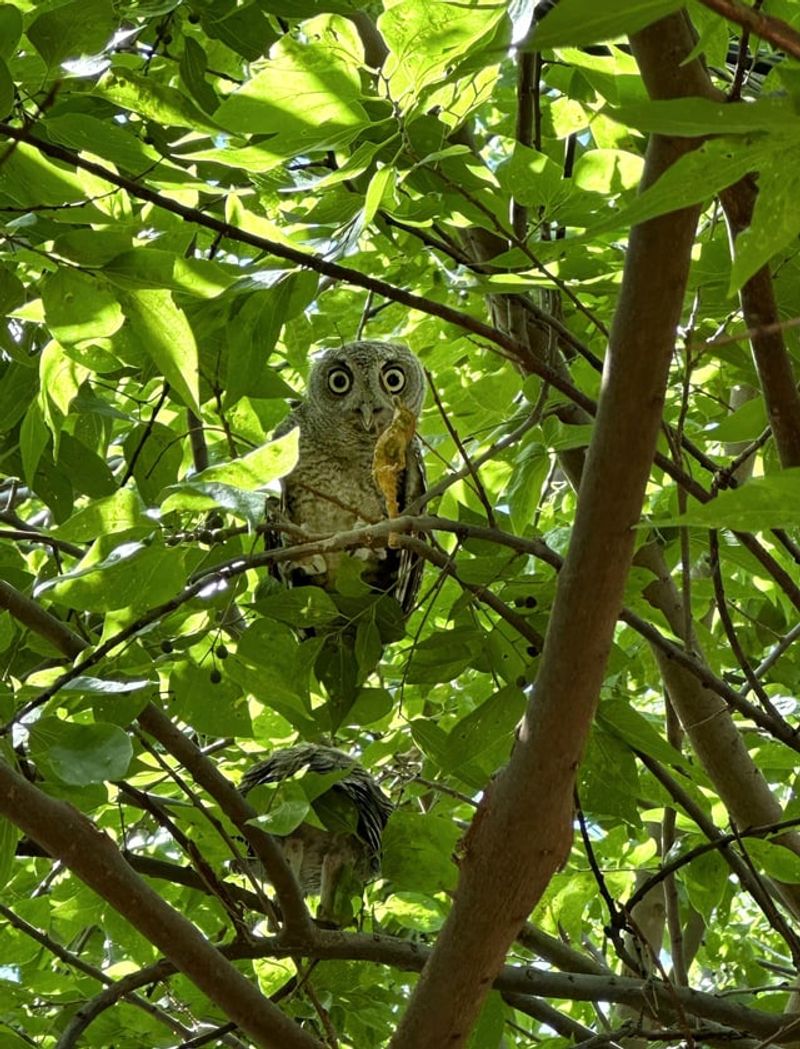
The same branch night after night usually means the owl likes the setup, not your landscaping style.
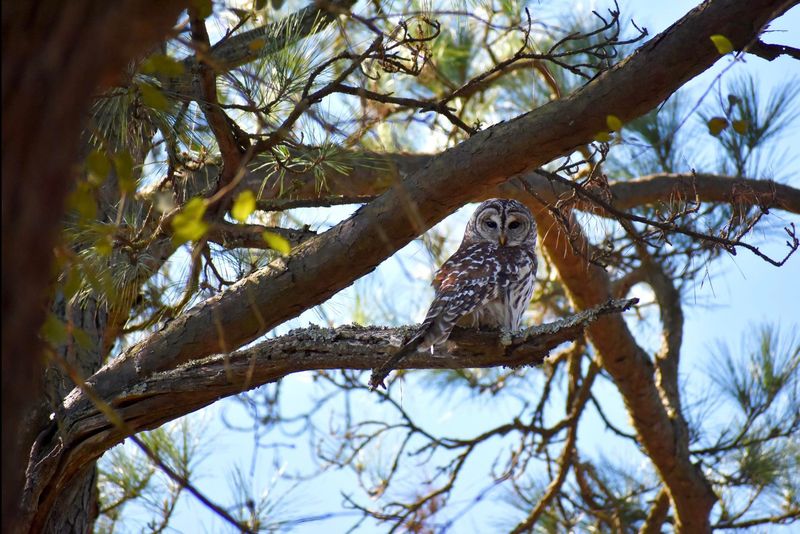
Owls use elevated spots to watch and listen for prey below. A clear branch, fence post, roof edge, or utility structure can give the bird a broad view while it waits. Barred Owls, for example, can locate prey through sound with remarkable precision.
Leave a safe natural perch in place where practical.
A sound branch on a mature tree can be useful. A hazardous damaged limb over a walkway, roof, or play area still deserves professional attention. Wildlife value never outranks basic tree safety.
Do not add a perch right beside a busy doorway just to attract an owl.
Use the places the yard already provides. A quiet edge beside open ground offers more value than a post surrounded by people, pets, and constant movement.
Watch for the head movements that make owls so memorable.
They can turn toward tiny sounds and hold remarkably still while they locate prey. That behavior can make one branch look like a favorite seat for several evenings.
Keep outdoor lights low near the perch when you can. Reducing unnecessary nighttime light is one recommended way to make a property friendlier to owls.
A repeat perch tells you the bird has found a useful vantage point.
That is all the invitation it needs.
Let the owl keep the view, and resist the urge to turn a successful wild perch into a backyard photo studio.
4. A Tree Cavity Can Mean Shelter Is Close By
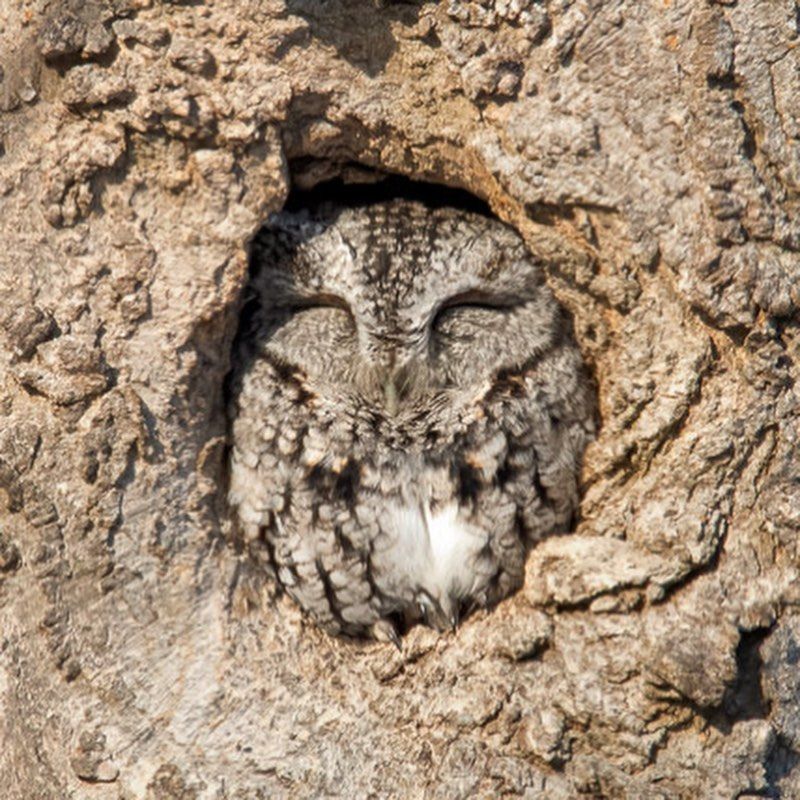
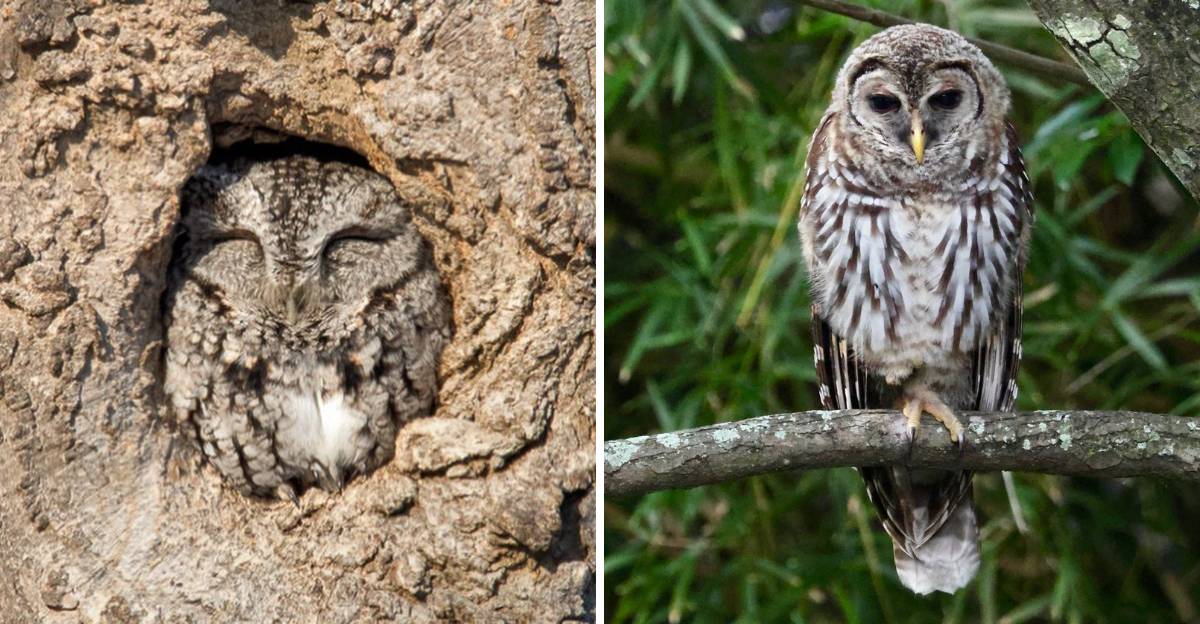
An old tree with a hollow can explain an owl that appears around the same part of the yard again and again.
Eastern Screech-Owls use cavities such as hollow stumps and old woodpecker holes for nests. They can also accept properly designed nest boxes. Mature trees therefore offer something a young ornamental cannot replace quickly.
Look from the ground and leave the cavity alone.
A small owl face at the entrance is exciting, but repeated close approaches can turn a useful shelter into a stressful place. Keep children and pets back and enjoy the view from farther away.
Do not fill a harmless cavity merely because it looks untidy.
First have a qualified arborist assess any tree that raises structural concerns. A safe cavity in a sound part of the tree can have real wildlife value, while a damaged trunk near a home may require a different decision.
Nest boxes can supplement missing cavities, but size and placement matter. Screech-owl and barn-owl boxes require different dimensions rather than one universal owl house.
August is not the moment to inspect an occupied cavity with your hands or tools.
A repeated owl near mature trees can mean your yard offers more than prey.
It may also provide a safe place to rest or a cavity worth remembering for a future nest season.
That old tree may be doing far more night work than its shade suggests.
5. The Species Can Reveal What Habitat Surrounds You
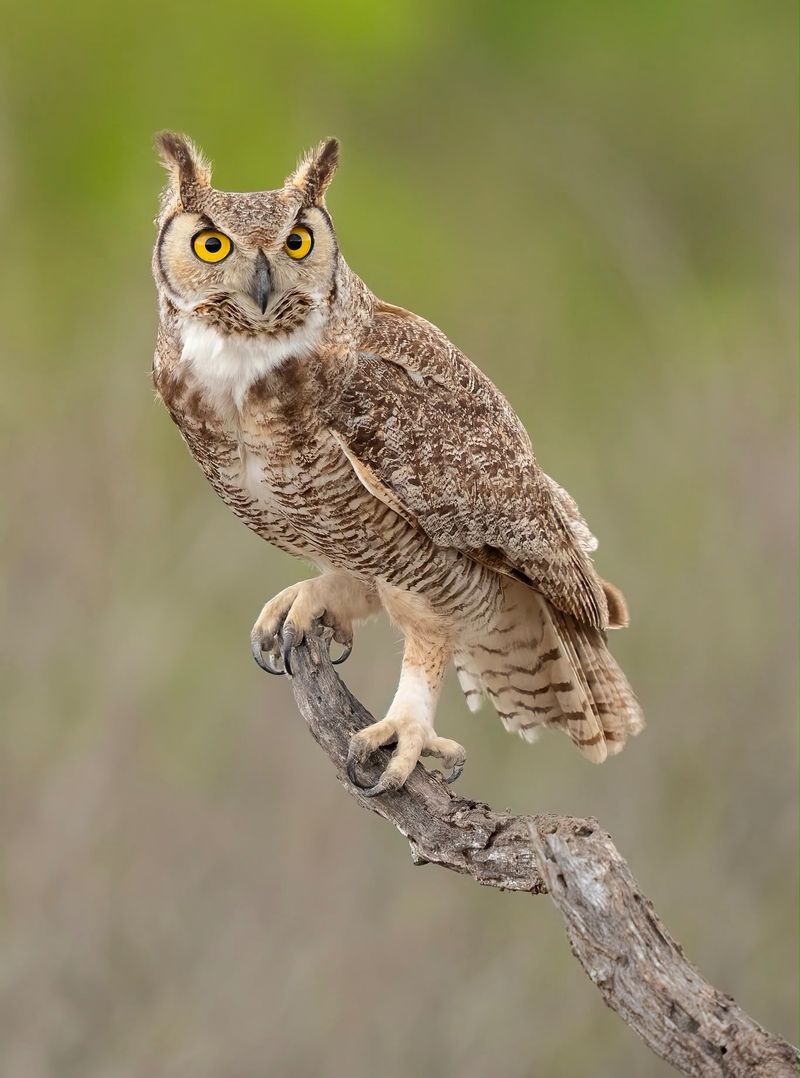
Texas is too large for one owl sighting to mean the same thing in every county.
The state supports a broad owl community, including Great Horned, Eastern and Western Screech, Barn, Barred, Burrowing, Elf, and several less common species. Your location, habitat, and the bird’s size can narrow the possibilities quickly.
Use the yard around the owl as part of the identification.
A Barred Owl fits wooded areas with creeks, rivers, ponds, and greenbelts especially well in central and East Texas. Eastern Screech-Owls can turn up in parks, open woodland, and suburban yards. Great Horned Owls also occur in Texas urban landscapes.
Farther west, the cast changes.
That is why one generic internet photo can send you toward the wrong name. Compare body size, facial pattern, ear tufts, eye color, call, and your part of Texas before you settle on an identification.
Record the call rather than use recorded owl sounds near the bird.
Repeated playback can disturb normal behavior, and quiet observation gives you a more natural clue.
Your county does not guarantee a species, but it can remove several unlikely candidates from the list.
A backyard owl is also a small habitat report.
The bird can tell you that your neighborhood still offers some combination of trees, open ground, water, prey, or cavities that suits a nocturnal predator.
6. A Daytime Roost Means The Spot Feels Sheltered
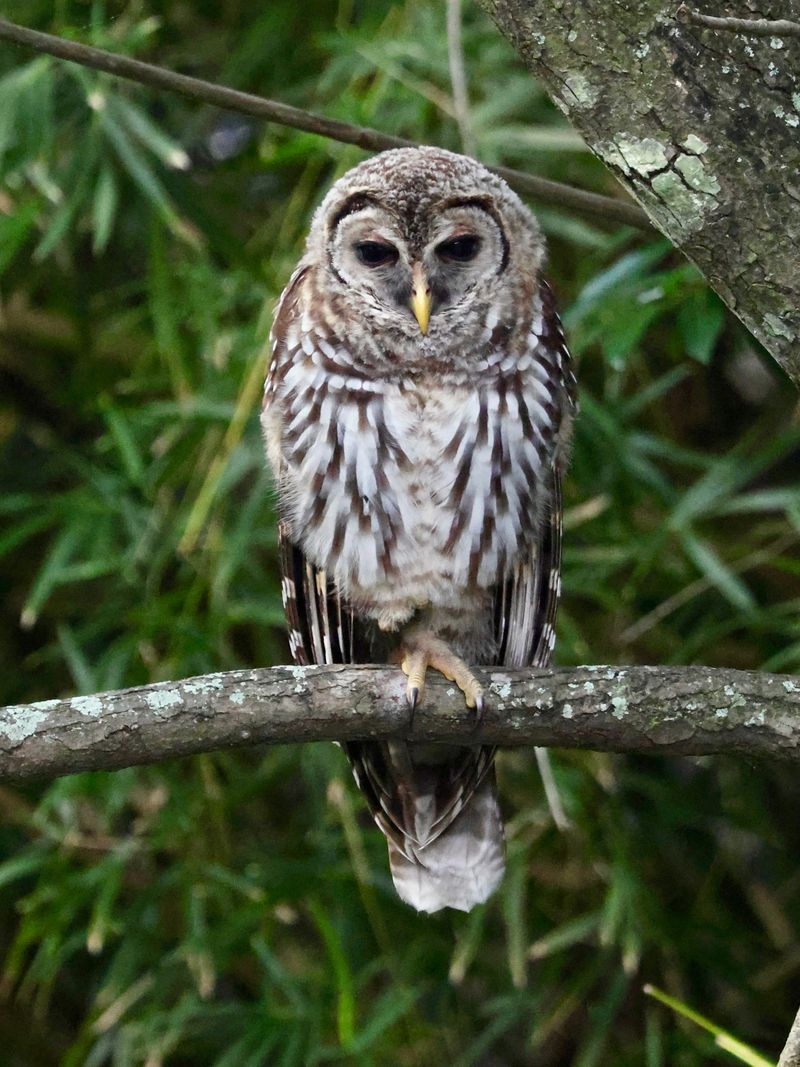
A bird that rests in the same dense tree by day may be telling you that the yard feels sheltered enough for a roost.
That is different from a nest.
Owls use protected places to rest between periods of activity, and suitable standing snags, barns, sheds, cavities, and nest boxes can provide shelter. Less unnecessary light at night and responsible bird-viewing habits also make the area less disruptive.
Keep the roost boring.
Do not walk underneath it every hour, point bright lights into the branches, or prune around the bird for a better view. Give the owl enough distance to remain settled while normal household life continues elsewhere.
Leave major tree work for another spot when the roost is active, unless a genuine safety hazard needs attention.
Use a qualified arborist for questionable limbs rather than preserve a dangerous branch solely because an owl sat there once.
Reduce avoidable disturbance from the ground too.
Take down loose sports netting after use, make fences easier for wildlife to see, and keep the area around a known roost free of traps or entanglement hazards. Those steps can make residential property safer for owls.
A quiet August roost does not mean the bird belongs to you.
It means the site passed a wildlife test.
The best compliment you can return is to let that shady corner remain uneventful enough for the owl to use again.
7. An Owl Visit Is A Reason To Rethink Rodent Poison
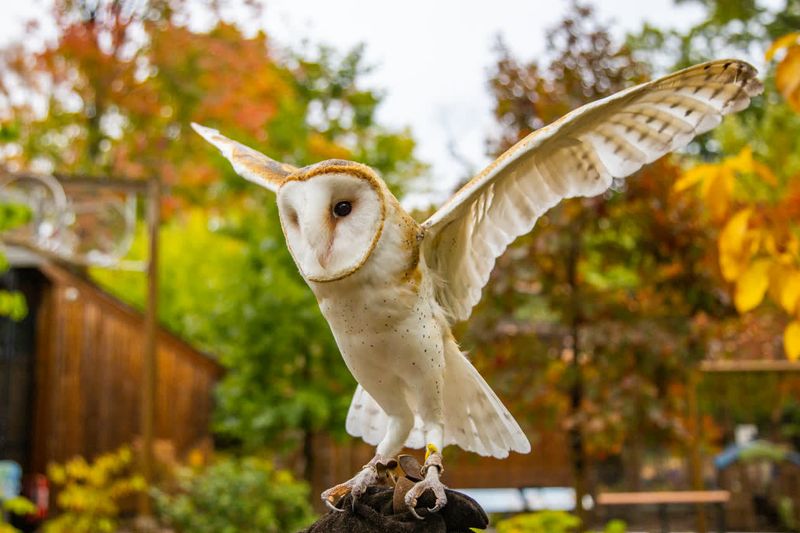
An owl on the fence is a good reason to rethink the fastest rodent-control product on the shelf.
Traps are preferred over poisons around owl habitat because an owl can be exposed after it eats poisoned prey. That risk matters most when the very predator you want around the yard depends on mice and rats for food.
Start with access and food.
Seal gaps into garages, sheds, and homes. Store birdseed and pet food in secure containers. Clean spills beneath feeders and remove easy shelter close to walls.
Use traps for a confirmed indoor rodent problem where practical.
Place them in protected locations that children, pets, and wildlife cannot reach. Follow the trap manufacturer’s instructions and check them regularly.
Do not create a rodent problem just to keep the owl around either.
Leaving food out for mice trades one household issue for another. A wild owl should choose naturally available prey without a backyard feeding program from you.
Keep insect pesticide use thoughtful as well. Reduced pesticide use is another recommended step in an owl-friendly yard because predators can encounter chemicals through prey.
The goal is not to recruit an owl as free pest control.
It is to avoid harm to a predator that already provides that ecological service.
Your August visitor came equipped with talons and excellent night vision.
There is no need to put poison on the same dinner route.
8. Regular Calls Mean Quiet Observation Will Tell You More
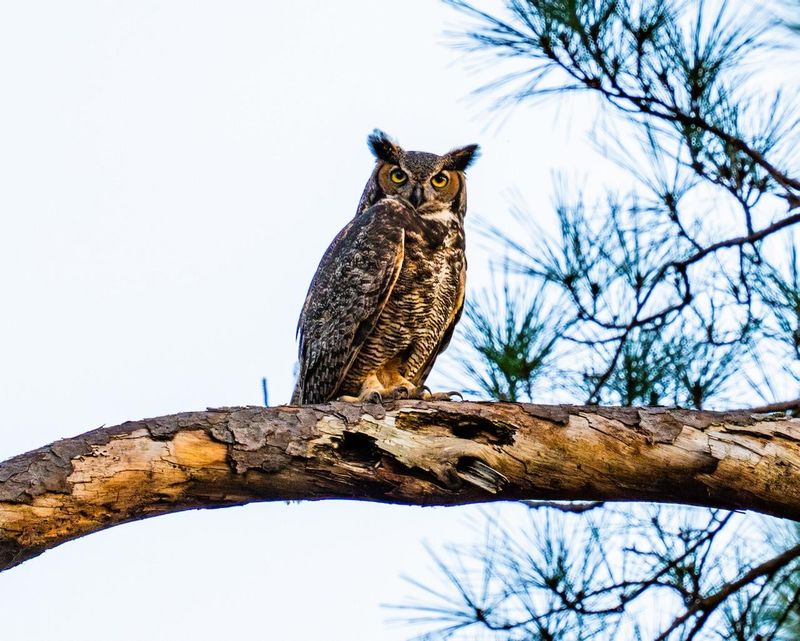
The best clue may come once you keep your distance.
Watch from a porch chair, window, or another quiet spot with enough space that the bird keeps its normal behavior. Responsible observation and photography are specifically encouraged around Texas owls.
Skip the flash.
Bright light can alter the encounter and usually gives you a worse experience anyway. Let your eyes adjust, use binoculars where practical, and listen for calls before you search every branch.
Keep a simple note on your phone or in a small notebook.
Record the time, perch, call, weather, and direction the owl leaves. Several nights of notes can reveal a route through the yard that one exciting sighting never could.
Do not use repeated call playback to pull the owl closer.
A natural visit tells you far more about how the bird uses the property. Let it choose the perch, the distance, and the departure time.
Keep pets close to you or indoors while you watch so the yard stays calm and the observation does not become a chase.
Most of all, enjoy the moment when wildlife notices you before you notice it.
An owl visit does not need a mystical explanation to feel special.
It means your August yard briefly became useful to a wild predator.
That is already a pretty remarkable meaning for one quiet pair of eyes above the fence.