10 Lantana Tasks Worth Doing This Summer For A Stronger Fall Bloom In Alabama
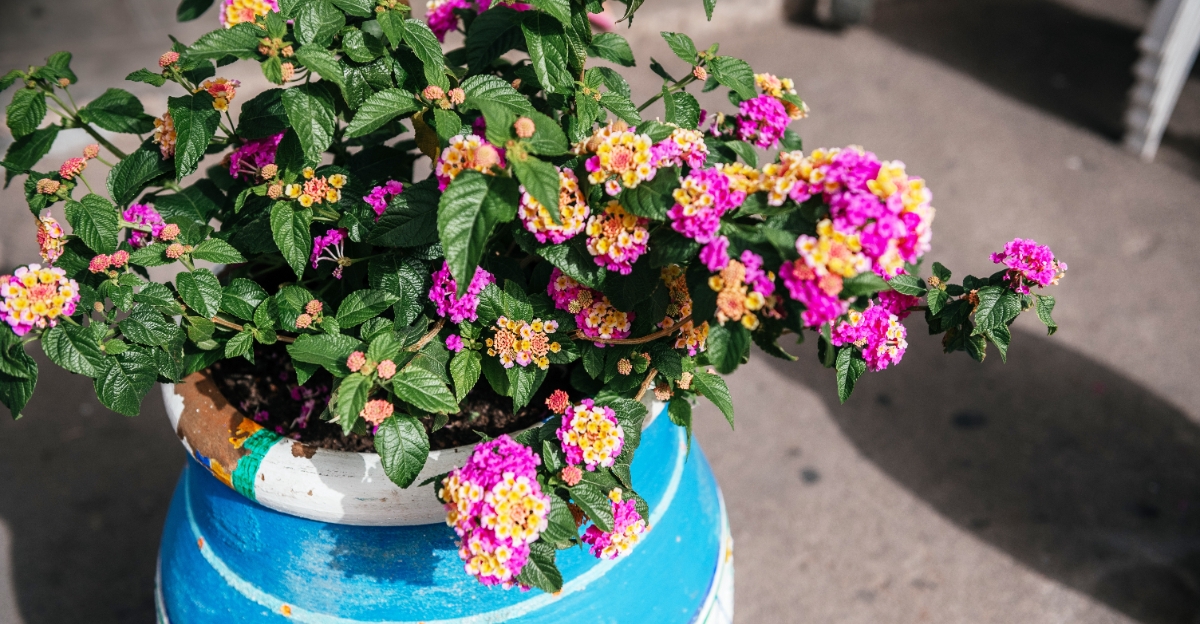
Heat can turn a thriving plant into a struggling mess overnight. Lantana keeps blooming, even when everything else wilts. You notice the difference the moment temperatures spike.
Alabama summers push plants toward their limit fast. Sun blazes, humidity climbs, yet your blooms keep coming.
Neglect, though, catches up faster than you expect. Certain habits decide whether your lantana blooms or fades.
Timing matters more than effort ever will. Pruning your lantana at the wrong moment stalls growth.
Watering too much invites root rot nobody notices. Removing spent blooms sounds tedious, yet it keeps color coming.
Pests hide where you least expect them, waiting. Fertilizer choices can either fuel blooms or smother them. Humid Alabama air changes how quickly lantana responds to care.
Fall approaches quickly, and lantana either thrives or fades. Nothing about this plant tolerates careless neglect. Skip a single task, and your display fades before fall arrives.
1. Snip Spent Blooms To Encourage Reflowering
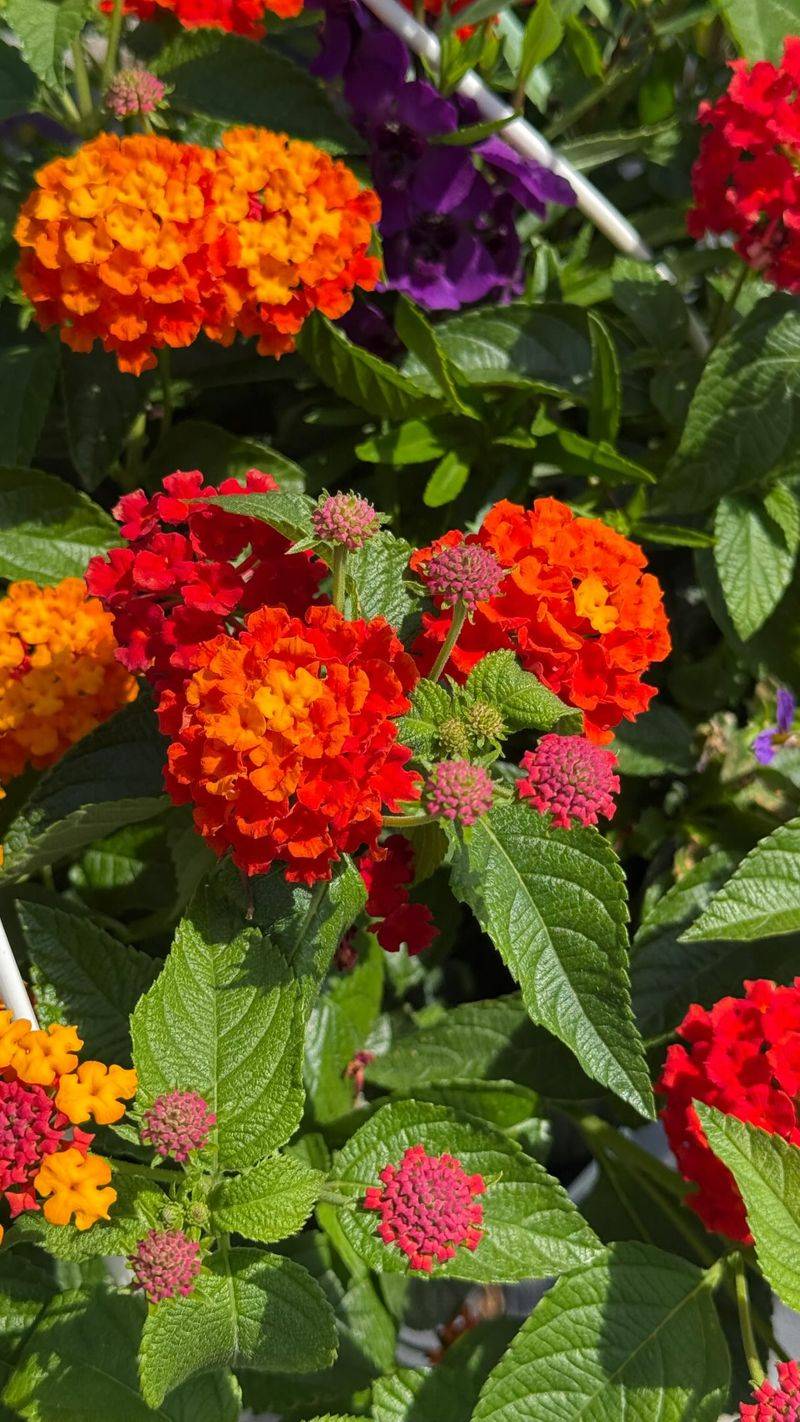
Deadheading lantana is one of those small jobs that pays off big, especially for older or seed-producing varieties.
Many modern, self-cleaning lantana cultivars drop spent blooms on their own, but for varieties that don’t, leaving old blooms in place signals the plant to stop producing new flowers.
Grab a pair of clean snips and remove faded flower clusters right at the stem. This simple move tells the plant to keep producing fresh blooms instead of setting seed.
In Alabama’s long growing season, lantana can rebloom multiple times if you stay on top of this task. Most gardeners overlook it because the plant still looks decent even with old blooms attached.
But decent is not the goal. You want that burst of orange, yellow, and pink color carrying you all the way into October.
Make deadheading a weekly habit during summer, and you will notice a real difference within ten to fourteen days. New flower clusters emerge quickly once the old ones are gone.
This is especially true in heat-heavy Alabama summers, where lantana grows fast and blooms hard. The plant is working overtime, and a quick snip keeps that energy focused on color rather than seeds.
2. Prune Leggy Stems For A Fuller Shape
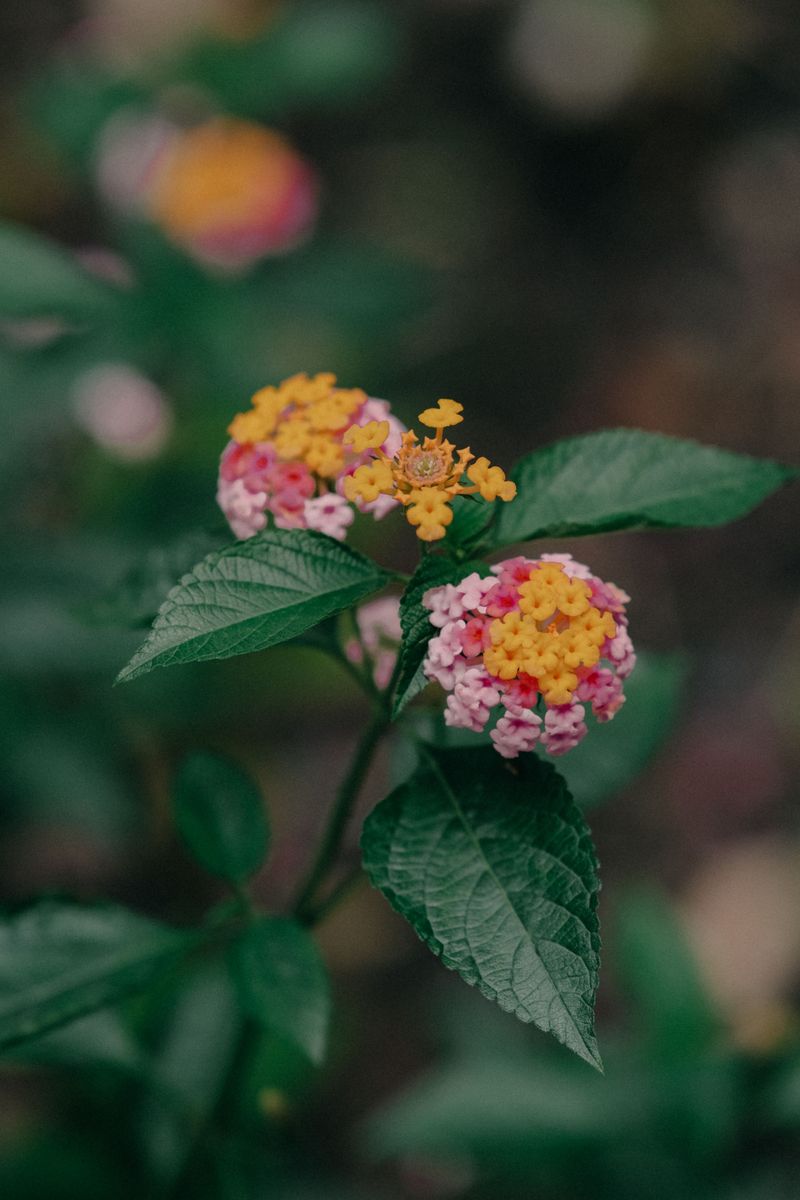
Leggy lantana is a common problem in Alabama’s hot, fast-growing summers. Stems stretch out in search of light, leaving the base of the plant bare and scraggly.
Cutting those long stems back by about one-third encourages the plant to branch out sideways. More branches mean more blooms, and a much more attractive shape overall.
Do not wait until fall to tackle this. Pruning in midsummer gives the plant time to recover and fill in before cooler weather slows growth down.
Use sharp bypass pruners to make clean cuts just above a leaf node. A clean cut heals faster and reduces the risk of pest entry or disease.
Some gardeners hesitate to prune because they worry about removing too much. But lantana is tough and bounces back quickly, especially in warm conditions.
Think of pruning as a reset button for your plant’s shape and energy. A well-shaped lantana not only looks better but also allows better airflow through the canopy, which helps prevent disease.
Your Alabama Garden Changes Every Week. Your Plan Should Too.
Gardening in Alabama changes quickly throughout the season. Every Friday you’ll receive a simple weekly plan showing exactly what to plant, prune, fertilize, harvest, and protect so you never miss the right timing.
This single task can transform a wild-looking shrub into a tidy, flower-packed showstopper before fall arrives.
3. Water Deeply During Alabama’s Hottest Stretches
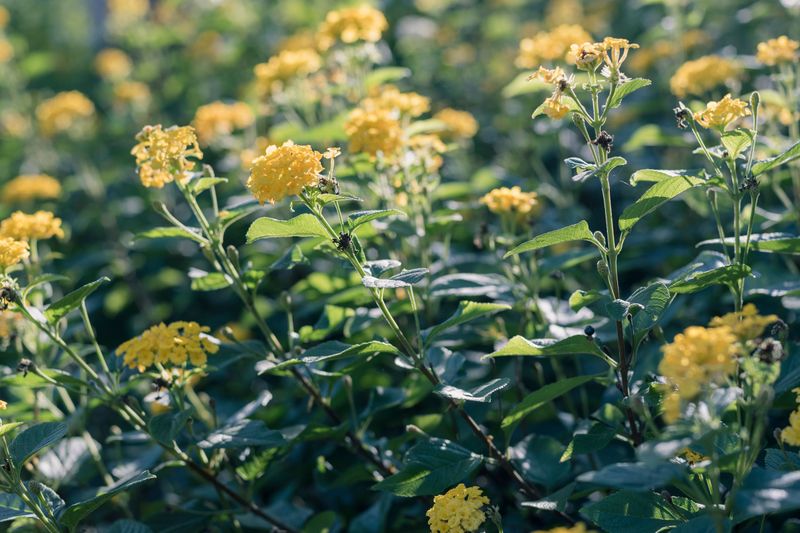
Shallow watering is a trap that catches a lot of gardeners. You sprinkle the surface, the soil looks damp, and you move on feeling good about yourself.
But roots are growing deep, and surface moisture does not reach them. Shallow watering trains roots to stay near the top, where they suffer most during heat spikes.
Deep watering means soaking the soil to a depth of at least six to eight inches. This encourages roots to grow downward, where soil stays cooler and holds moisture longer.
During Alabama’s peak summer heat, newly planted or container-grown lantana may need deep watering two to three times per week.
Established, in-ground lantana is far more drought-tolerant and often needs watering only once conditions turn extremely dry.
Stick your finger two inches into the soil near the base of the plant. If it feels dry at that depth, it is time to water thoroughly and slowly.
A soaker hose works great for lantana because it delivers water right to the root zone. Overhead watering wastes moisture and can promote fungal issues on foliage.
Consistent deep watering keeps lantana blooming strong and looking healthy all the way into fall.
4. Check For Whiteflies And Spider Mites
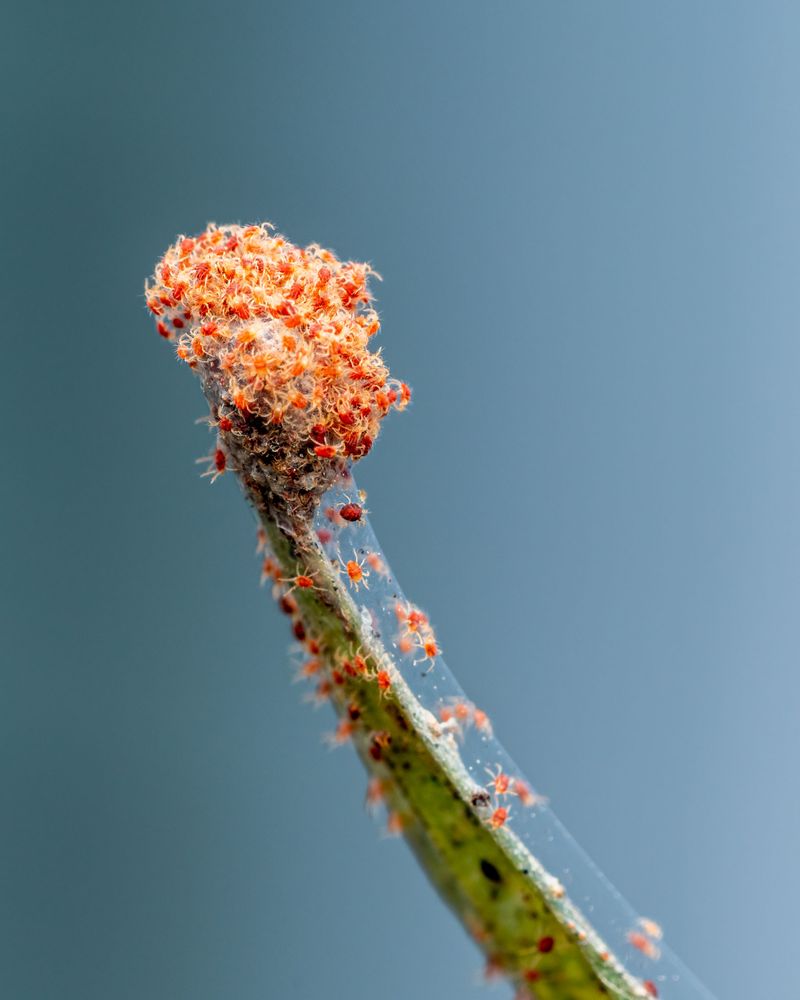
Small pests can affect plant health, and lantana is not immune. Whiteflies and spider mites are two of the most common pests that target this plant during hot, dry spells.
Whiteflies cluster on the undersides of leaves and fly up in a cloud when disturbed. Spider mites leave a fine webbing on stems and foliage, and they thrive when conditions are hot and dusty.
Both pests sap the plant’s energy by feeding on its juices, causing leaves to yellow and curl. A heavy infestation can stunt growth and reduce blooming noticeably.
Check the undersides of leaves at least once a week, especially during dry stretches. Catching an infestation early makes treatment much easier and more effective.
A strong blast of water from a hose can knock mites off the plant quickly. For whiteflies, insecticidal soap spray applied in the early morning works well without harming beneficial insects.
Neem oil is another solid option that handles both pests at once. Repeat applications every seven to ten days until the problem clears up completely. Staying ahead of pests keeps your lantana healthy and full of color when fall rolls around.
5. Fertilize Lightly To Sustain Summer Blooming
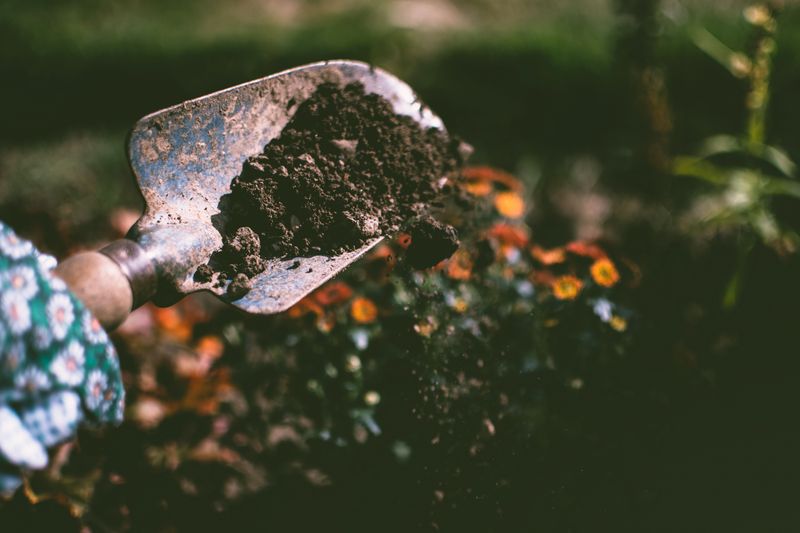
Lantana is not a heavy feeder, but it still appreciates a little boost during a long, demanding growing season. Skipping fertilizer entirely can leave the plant looking tired by midsummer.
Too much fertilizer, though, pushes leafy green growth at the expense of flowers. The goal is a light, balanced approach that sustains blooming without overfeeding.
A slow-release granular fertilizer with a balanced ratio works well applied once in early summer. It feeds the plant gradually over several weeks without shocking the roots.
If you prefer liquid fertilizer, dilute it to half strength and apply it every three to four weeks. This gentler approach is less likely to cause excessive foliage at the cost of blooms.
Avoid high-nitrogen fertilizers, which are great for lawns but bad news for flowering plants. Nitrogen pushes green growth, and lantana already has plenty of that on its own.
Look for formulas that emphasize phosphorus and potassium, which support root health and flower production. Your plant will respond with more vibrant clusters and longer-lasting color.
A well-fed lantana heading into fall is a sight worth every bit of effort you put in during summer.
6. Remove Yellowing Or Diseased Leaves Promptly
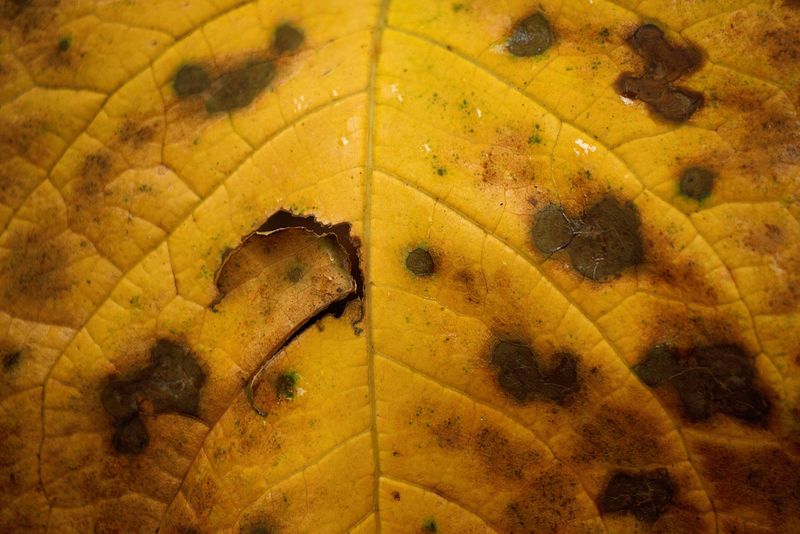
Yellow leaves on lantana are a warning sign you should never ignore. They can signal overwatering, nutrient deficiency, pest damage, or the early stages of disease.
Leaving yellowed or diseased leaves on the plant allows problems to spread to healthy foliage faster than you expect.
Pull off affected leaves by hand or snip them with clean scissors as soon as you spot them. Dispose of them in the trash, not the compost pile, to avoid spreading pathogens.
After removing problem leaves, take a moment to assess the cause. Are the roots sitting in soggy soil? Has the plant been getting enough sun or nutrients?
Fixing the underlying issue prevents new leaves from yellowing in the same way. Removing symptoms without addressing the cause is just a temporary fix.
Healthy lantana foliage is dark green and firm, with a slightly rough texture. If leaves look pale, soft, or spotted, that is your cue to act quickly.
Keeping foliage clean and healthy improves airflow through the plant, which reduces the chance of fungal problems taking hold. A clean plant is a strong plant heading into fall.
7. Mulch Around Roots To Retain Moisture
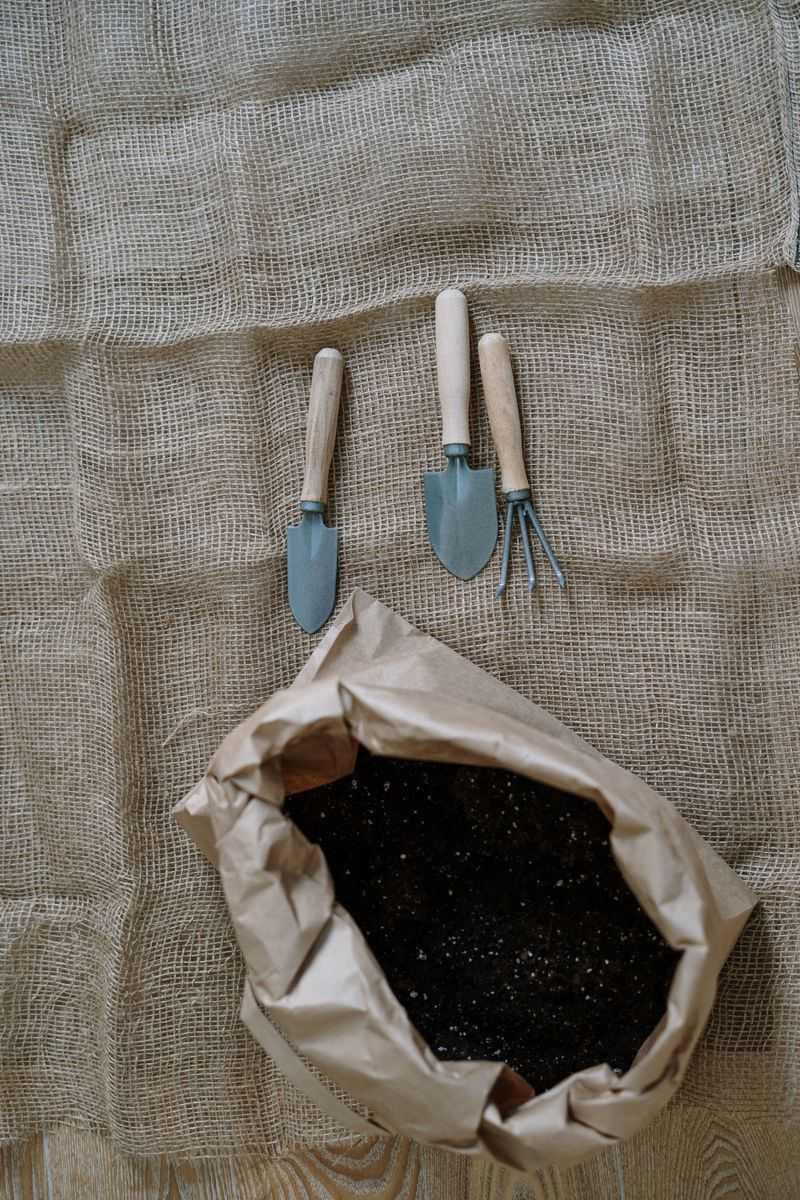
Mulch is one of the most underrated tools in any gardener’s kit. A two to three inch layer around the base of your lantana does more work than most people realize.
It keeps soil moisture from evaporating quickly in Alabama’s scorching heat. That means less frequent watering and a more stable root environment for the plant.
Mulch also moderates soil temperature, keeping roots cooler during the hottest part of the day. Cooler roots mean a less stressed plant that can focus energy on producing blooms.
Use organic mulch like shredded bark, pine straw, or wood chips for best results. These materials break down slowly and improve soil structure over time as they decompose.
Keep mulch pulled back a few inches from the main stem of the plant. Piling mulch against the stem traps moisture there and can cause rot at the base.
Refresh the mulch layer mid-season if it has thinned out from rain or foot traffic. A fresh top-up takes only a few minutes and extends the benefits through fall.
Consistent soil moisture from mulching helps lantana stay lush and productive even when summer temperatures refuse to let up.
8. Monitor For Powdery Mildew In Humidity
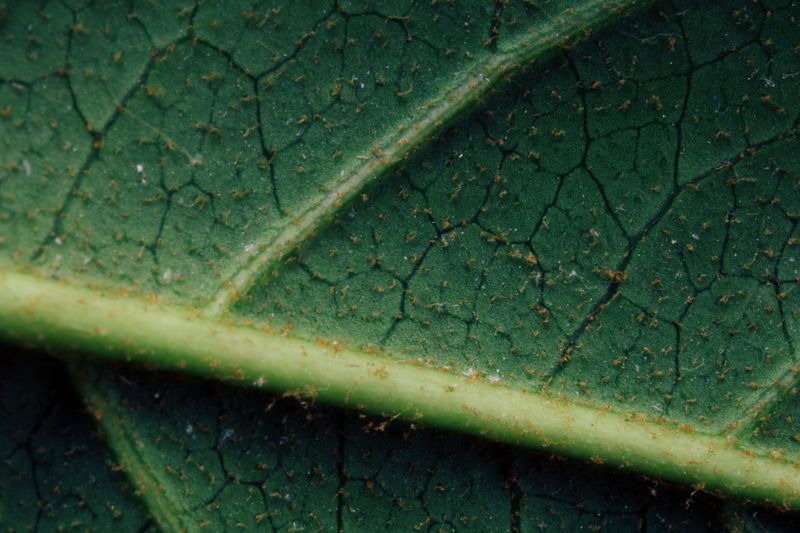
Alabama’s humidity levels are notably high, and even resilient plants like lantana aren’t entirely immune to it. Lantana is generally more disease-resistant than many flowering plants, but powdery mildew can still develop during prolonged warm, humid stretches.
This fungal problem shows up as a white or grayish powdery coating on leaf surfaces. It looks almost like someone dusted the plant with flour.
Infected leaves eventually yellow, curl, and drop, weakening the plant heading into fall. Catching it early is critical because powdery mildew spreads through airborne spores.
Improve airflow around your lantana by pruning crowded stems and spacing plants properly. Good air circulation is the best natural defense against this fungal nuisance.
Avoid overhead watering in the evening, which leaves foliage wet overnight. Wet leaves in warm, humid air are practically an invitation for mildew to move in.
A baking soda spray mixed with a small amount of liquid dish soap can help treat mild cases. Apply it in the morning so leaves dry completely before nightfall.
For more serious infections, a copper-based fungicide offers reliable control without harming beneficial insects nearby. Staying vigilant through the humid months keeps your lantana looking sharp when fall color counts most.
9. Pinch Stem Tips To Encourage Bushier Growth
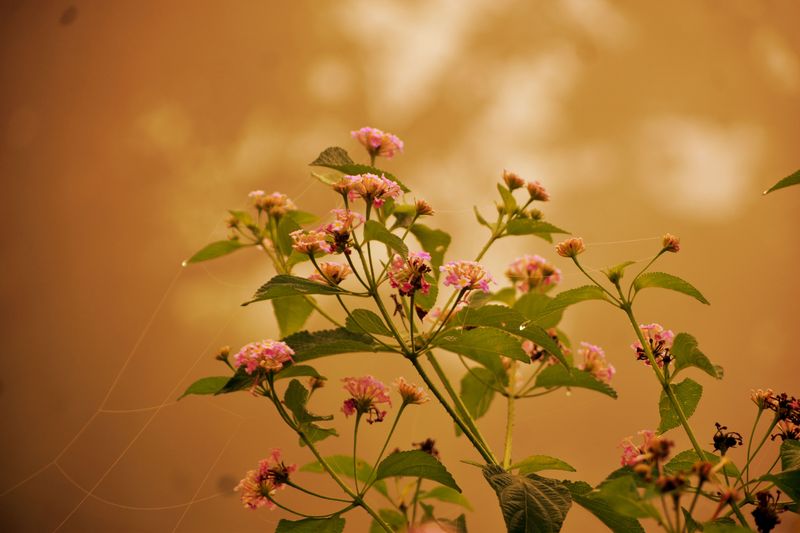
Lantana grows fast in warm weather, and without regular trimming, it can quickly turn into a sprawling, open-centered mess. This is especially true in Alabama’s long growing season.
Legginess spreads when the plant puts energy into extending existing stems rather than branching out. A few strategic cuts redirect that energy and keep growth compact and bushy.
Mid-season trimming is different from heavy pruning. You are removing the tips of stems, not cutting the plant way back to the ground.
Pinching or snipping the top two to three inches of stems is usually enough to trigger branching. Each cut point can produce two or more new shoots, which means more flower sites.
Focus on the longest, most stretched-out stems first. These are the ones pulling the plant’s shape out of balance and making it look unkempt.
Work your way around the plant evenly so you do not create a lopsided shape. Step back frequently to check your progress from a few feet away.
A tidy, well-trimmed lantana going into fall not only looks better but also handles seasonal transitions more gracefully. Compact plants are simply more resilient when temperatures start to shift.
10. Inspect Drainage To Avoid Root Rot
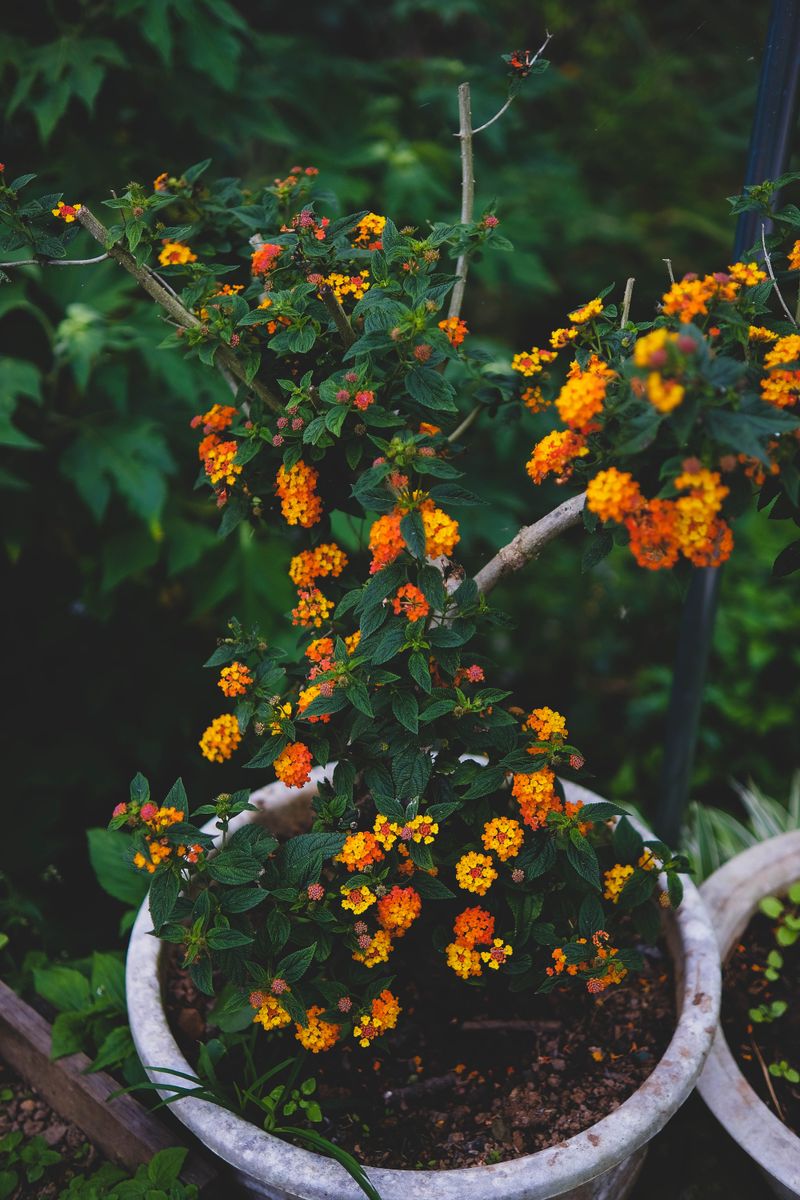
Root rot can develop gradually and go unnoticed when drainage is poor. By the time you notice symptoms above ground, the roots may already be badly damaged.
Lantana absolutely needs well-draining soil to stay healthy. It can handle drought far better than it handles soggy, waterlogged conditions around its roots.
Check your planting area after a heavy rain. If water pools around the base of the plant for more than an hour, drainage needs improvement.
Amending clay-heavy soil with coarse sand or perlite helps water move through more freely. Raised beds are another great solution for gardens with notoriously poor drainage.
Container-grown lantana needs pots with drainage holes. A pot without drainage significantly increases the risk of root problems, especially during Alabama’s rainy summer stretches.
Signs of root rot include wilting despite adequate watering and leaves that yellow from the bottom up. If you suspect root rot, gently lift the plant and check the roots for dark, mushy tissue.
Healthy roots are white or light tan and firm to the touch. Good drainage from the start is the best way to protect your lantana all season long.