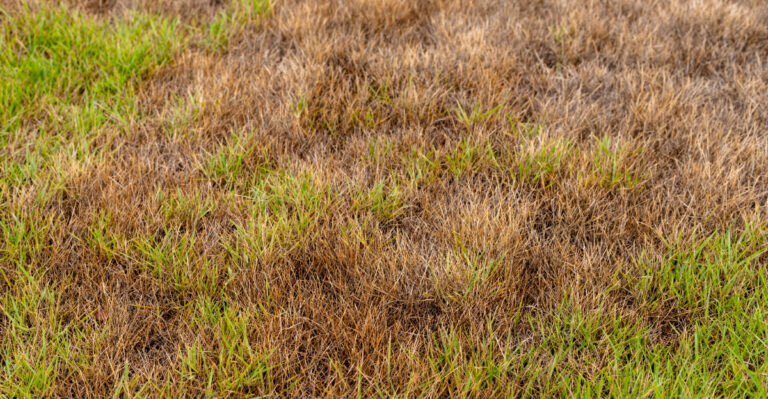
This Grass Looks Harmless, But It’s Taking Over Massachusetts Gardens
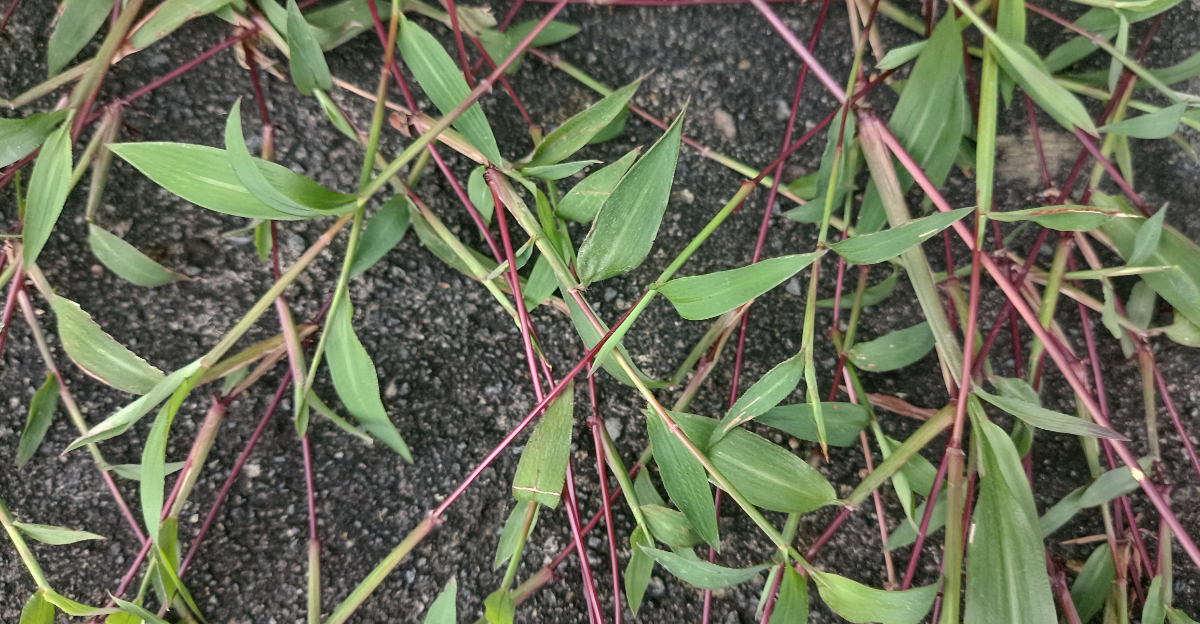
A stealthy grass is quietly spreading across your Massachusetts backyard right now. You probably won’t even notice until your entire garden looks thin. Quietly, it crowds out flowers, vegetables, and native plants you cherish.
Roots spread beneath your soil, undermining months of careful work. Massachusetts homeowners like you keep blaming drought, pests, or soil. Rarely do you suspect a grass disguised as your own lawn.
Blades that look ordinary hide steady growth beneath your soil. Underneath your feet, this quiet invader silently claims more ground daily. Vegetables struggle, natives thin out, and your flowers lose ground.
Neighbors compare notes and quickly discover they share your problem. Experts caution this invasive grass spreads faster than you’d expect. Ignoring it only gives the invader more of your valuable ground.
Every week you wait, your struggling garden loses more space. Once you see what’s actually happening beneath your feet, you won’t look away.
A Grass Problem Spreading Fast Across Massachusetts Yards
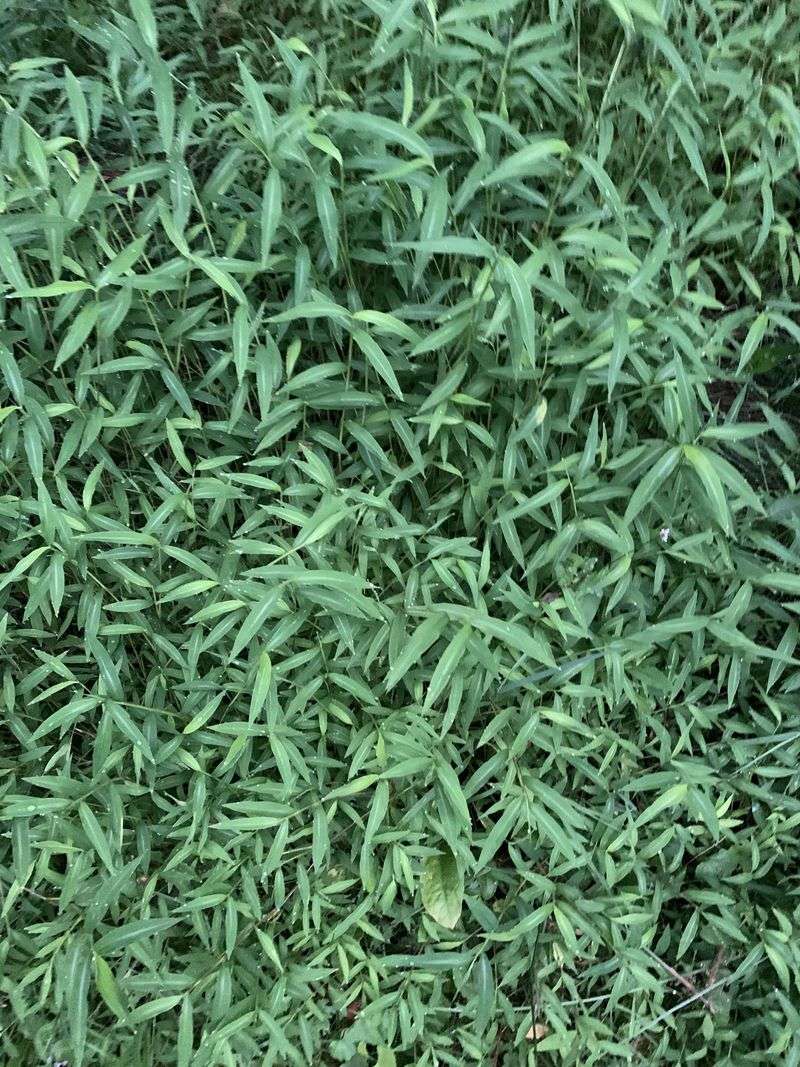
You mow it down on Saturday, and by Wednesday it is back. Tall, feathery, and deceptively green, Japanese stiltgrass has become one of the more aggressive invasive plants found in New England gardens.
Originally from Asia, this grass hitched a ride to North America in the early 1900s as packing material. Nobody thought much of it then, and now it is everyone’s problem.
Across the Bay State, gardeners are watching it creep into raised beds, woodland edges, and manicured lawns. It blends in so well that many people mistake it for a harmless annual weed.
Spotting it early is the only real advantage you have over this plant. The grass grows low at first, hugging the ground before suddenly shooting upward in late summer.
Each stem has a distinctive pale midrib stripe running down the center of each leaf. The difference in growth rate is striking.
Neighbors share seeds without knowing it, and birds move them across property lines constantly. The problem grows silently, season after season, until one yard looks like a completely different landscape.
This invasive grass problem is not just a nuisance for home gardeners. It threatens native wildflowers, disrupts soil ecosystems, and gives invasive insects a perfect hiding spot.
Understanding what you are dealing with is the first step toward taking back your yard. Knowledge is genuinely your sharpest gardening tool right now.
Key Signs That Help You Spot It Early
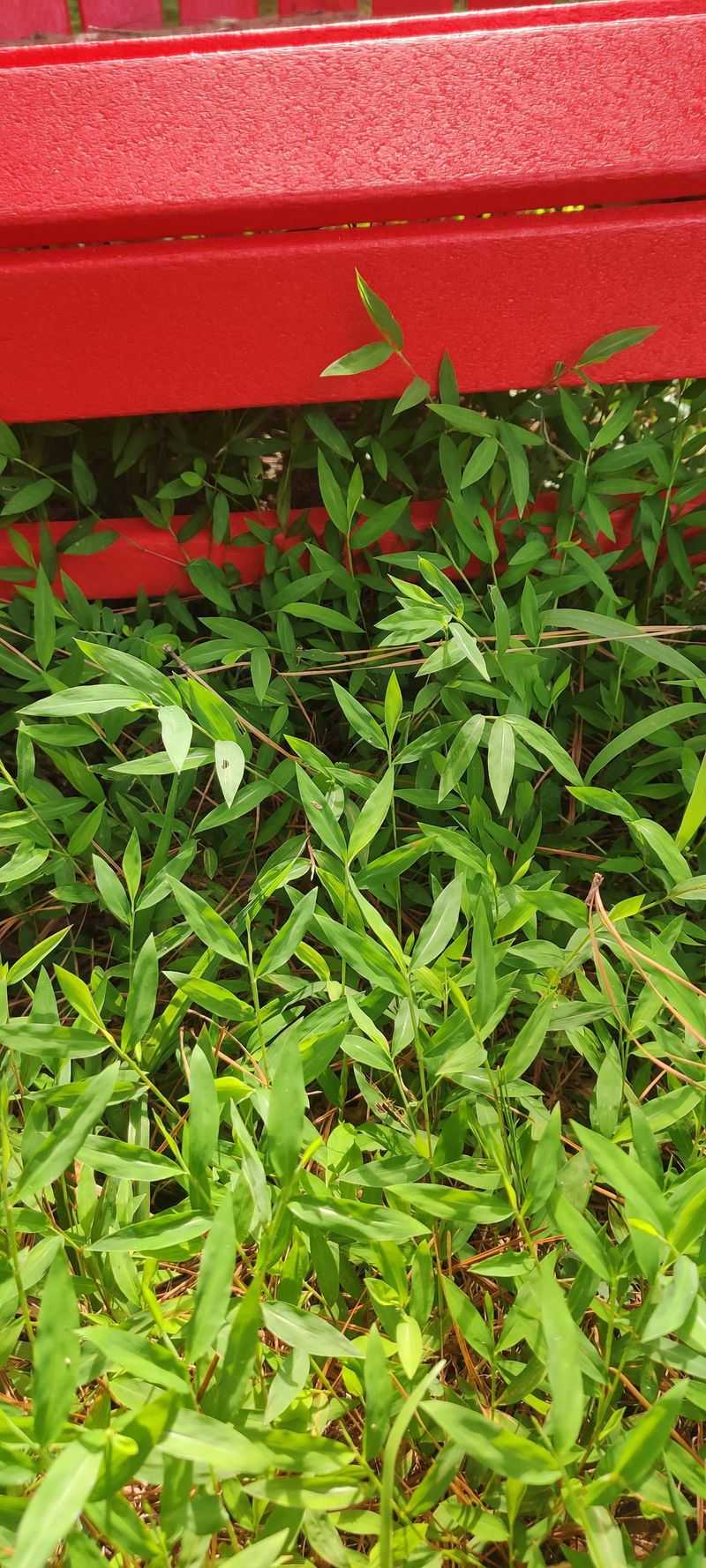
Most people walk right past it every single day without a second glance. Japanese stiltgrass is a master of disguise, and learning its telltale features can save your Massachusetts garden months of frustration.
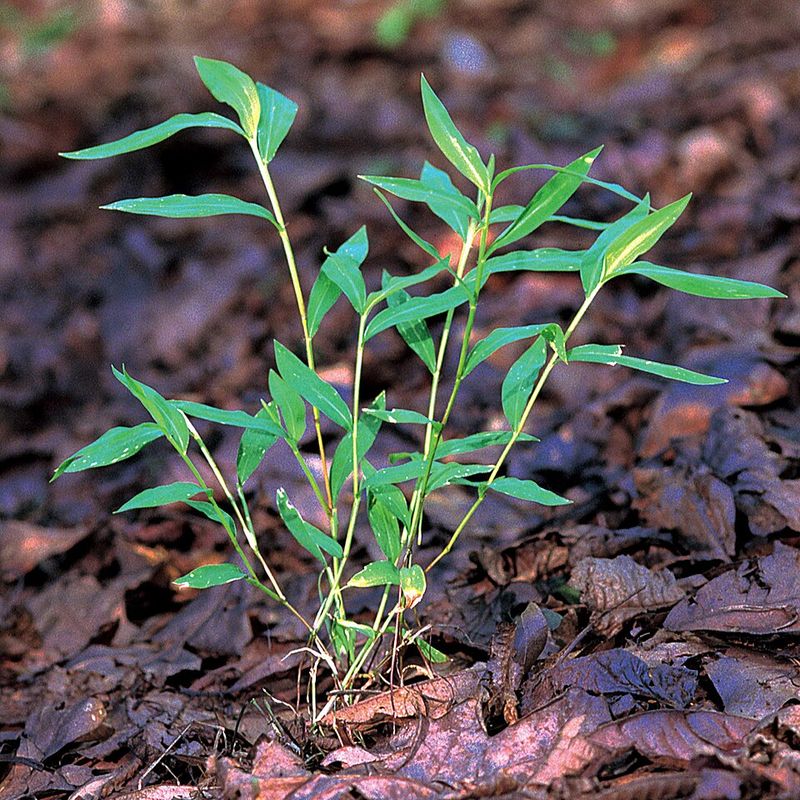
Start by looking at the leaf shape. The leaves are narrow, lance-shaped, and slightly asymmetrical, which is unusual compared to common lawn grasses.
That shiny, off-center stripe running along each leaf is the clearest identifier you will find. Hold a leaf up to light, and the pale midrib almost glows against the green blade.
The stems are also distinctive. They grow in a zigzag pattern along the ground before rising upward, giving the plant a sprawling, mat-like appearance in garden beds.
Your Massachusetts Garden Changes Every Week. Your Plan Should Too.
Gardening in Massachusetts changes quickly throughout the season. Every Friday you’ll receive a simple weekly plan showing exactly what to plant, prune, fertilize, harvest, and protect so you never miss the right timing.
By late August, stiltgrass sends up seed heads that look like tiny, delicate plumes. They are almost pretty, which is exactly what makes this plant so easy to overlook.
Touch the leaves gently, and you will notice they feel slightly rough on one side. That texture difference is another quick field check you can do without any tools.
Height is also a clue. In shaded spots, plants can reach two to three feet tall by early fall, towering over shorter native ground covers.
Once you know these signs, you will start spotting this grass everywhere, and that awareness puts you firmly in control of your outdoor space.
The Hidden Reason Shade Helps It Thrive
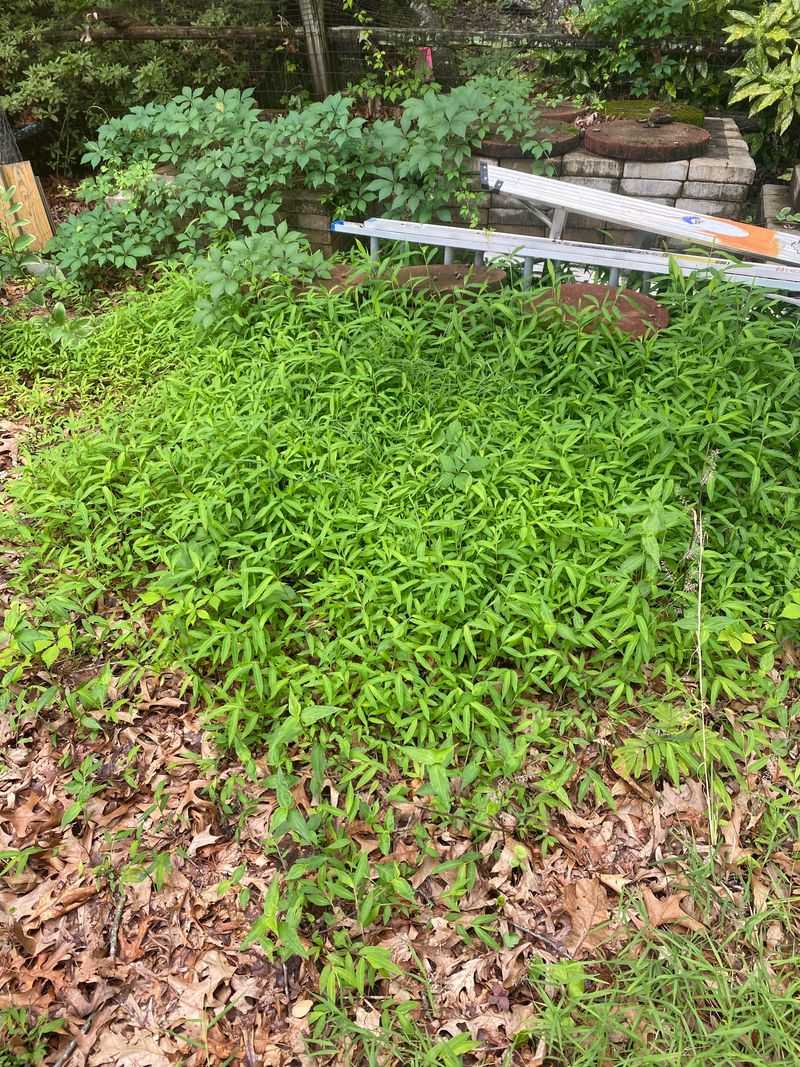
Most weeds love sunshine, so gardeners often assume that shady spots are naturally protected. That assumption is exactly what lets this particular grass get so far ahead of you.
Japanese stiltgrass evolved in the forest understories of Asia, where light is filtered and competition is fierce. It developed an extraordinary ability to photosynthesize efficiently in low-light conditions.
This adaptation gives it a huge advantage in spots where other plants struggle. Shaded garden beds, tree lines, and north-facing slopes are all prime territory for rapid colonization.
While your hostas and ferns are simply surviving in the shade, stiltgrass is actively thriving and producing thousands of seeds nearby. The contrast in energy is almost unfair.
Woodland edges are especially vulnerable because they combine shade with disturbed soil, which is the perfect combination for any opportunistic plant. Once established there, the grass spreads inward toward sunnier beds quickly.
Even areas that receive only a few hours of morning light are not safe from this invader, since stiltgrass tolerates far dimmer conditions than most lawn grasses ever could.
Massachusetts gardeners who focus all their removal efforts on sunny spots often miss large colonies hiding right under their tree canopies. A quick walk through your shaded areas in August can be genuinely eye-opening.
Shade works in the grass’s favor, so treat every dark corner of your yard as a spot worth checking regularly.
How A Single Plant’s Seeds Spread So Fast
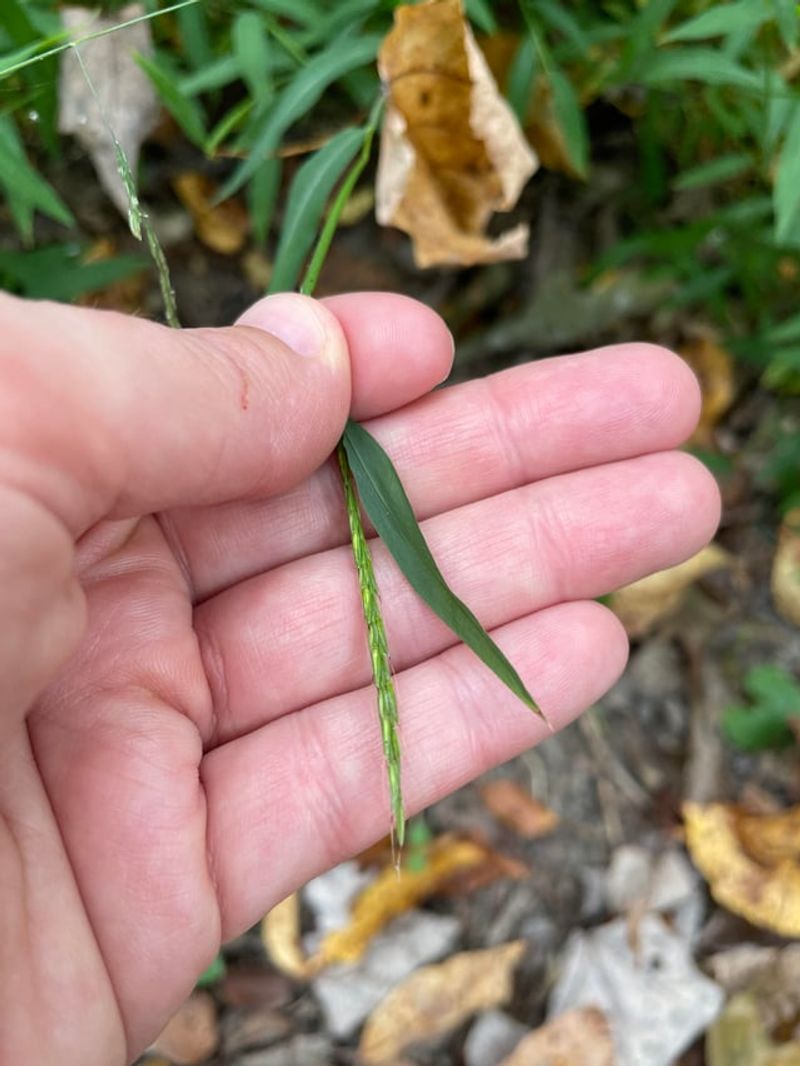
One single plant can produce up to a thousand seeds in a single growing season. That number alone explains why this grass moves so fast across neighborhoods and garden spaces.
The seeds are tiny, lightweight, and built for travel. Wind carries them easily, and even a gentle breeze in late September can scatter them across an entire backyard in minutes.
Water is another major transport system. During heavy rain, seeds wash along driveways, through garden beds, and into low-lying areas where they settle and germinate the following spring.
Animals play a surprising role too. Seeds stick to fur, feathers, and even shoe soles with impressive efficiency, turning every dog walk or garden stroll into an unintentional planting session.
Lawnmowers are one of the biggest culprits in seed dispersal. Running a mower through an infected patch in September sends seeds flying in every direction across your property.
Seeds also remain viable in the soil for up to five years. Even if you clear every visible plant this season, the seed bank underground can keep feeding new growth for years afterward.
Compost piles are another hidden spreader. Tossing pulled plants into an unheated compost bin allows seeds to survive and eventually return to your Massachusetts garden with the finished compost.
Understanding how seeds move is the key to breaking the cycle, because stopping the spread is just as important as removing what is already growing in your yard.
Everyday Habits That Unknowingly Help It Grow
Gardening routines that feel totally normal are quietly making this problem worse. A few small habit changes can dramatically slow the spread before it gets completely out of hand.
Late-season mowing is one of the biggest mistakes homeowners make. Mowing after seed heads have formed in August or September sends mature seeds flying across the entire yard.
Tilling infected soil is another common error. Breaking up the ground in areas where stiltgrass has grown redistributes buried seeds and actually stimulates faster germination the following spring.
Overwatering garden beds creates the moist, disturbed soil conditions that this grass absolutely loves. Cutting back on irrigation in late summer can make your beds slightly less hospitable to new seedlings.
Leaving bare soil exposed after pulling weeds is an open invitation. Any uncovered patch of ground becomes a landing zone for wind-carried seeds looking for a place to settle.
Mulching is helpful, but using mulch that was stored near infected areas can introduce seeds right back into your clean beds. Always source mulch from a trusted, inspected supplier.
Sharing plants with neighbors without checking for hitchhiking seedlings is another overlooked issue. Stiltgrass seedlings hide easily among the roots of potted perennials and divided clumps.
Changing just two or three of these habits this season can make a measurable difference in how much invasive grass you are managing next spring in your yard.
The Best Window For Long-Term Removal
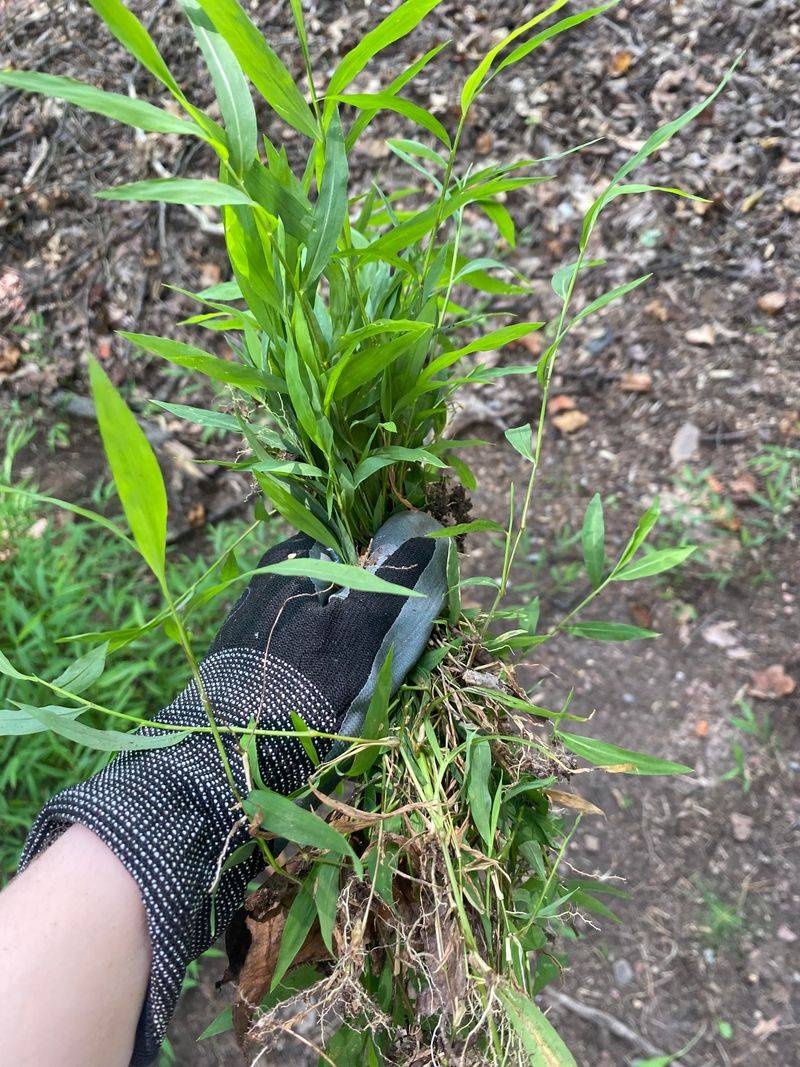
Timing your removal efforts correctly is honestly more important than the method you choose. Pull too late, and you have already let thousands of seeds escape into the soil around you.
The ideal removal window runs from late July through mid-August, just before seed heads fully mature. Plants are tall enough to grab easily but have not yet released viable seeds into the garden.
Hand-pulling is the most effective method for home gardeners working in smaller spaces. Grab each plant low near the soil line and pull steadily to remove as much root as possible.
Stiltgrass roots are shallow, which is actually good news for you. Unlike deep-rooted perennial weeds, these plants come out of moist soil with surprisingly little effort and minimal soil disturbance.
After pulling, bag the plants immediately in sealed plastic bags rather than leaving them in a pile. Even uprooted plants can continue ripening seeds if left on warm soil for a few days.
For larger infestations, a string trimmer set to cut close to the ground works well as a first pass. Follow up with hand-pulling any regrowth that appears within the next few weeks.
Repeat removal for at least three consecutive seasons to deplete the seed bank hiding underground. Consistency beats intensity every single time when managing this invasive grass problem long-term.
Your Massachusetts garden can recover with the right effort and timing, and reclaiming that space is achievable with consistent, ongoing care.