The Oregon Bird Feeder Mistake That Can Hurt Hummingbirds During August Heat
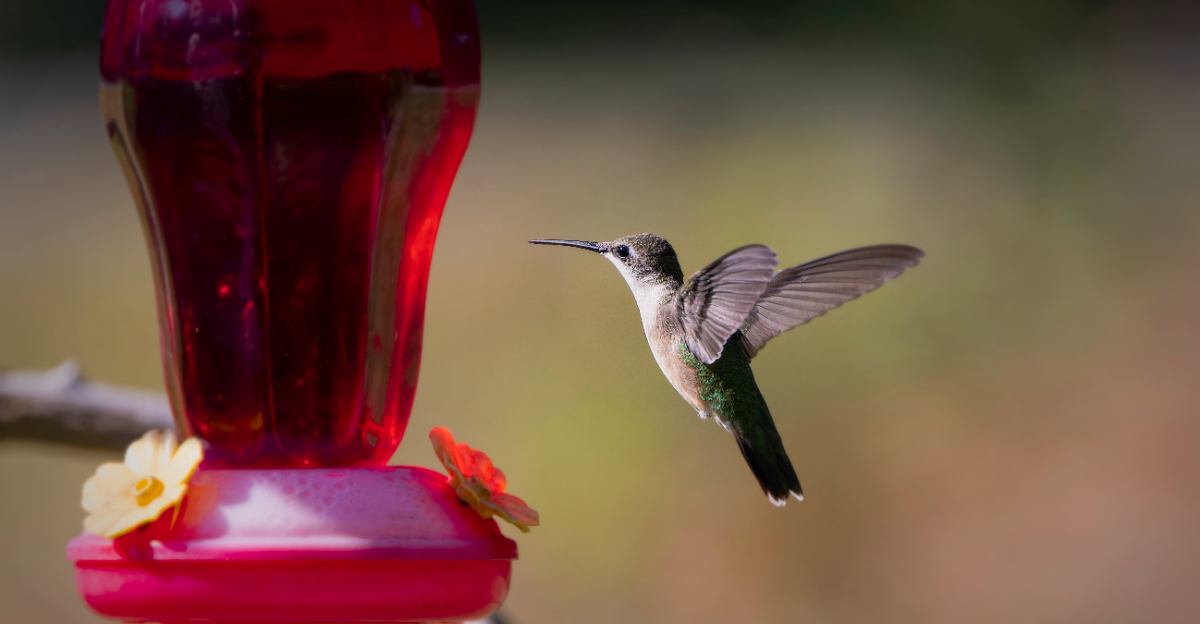
August heat can make an Oregon backyard feel surprisingly intense, especially when hummingbirds are darting around feeders all day.
Their constant buzzing, hovering, and tiny territorial squabbles can make a porch feel like the busiest restaurant in town.
Naturally, anyone keeping a feeder out wants to make those visits as safe and helpful as possible.
Hot weather, though, can change more than the temperature around your garden. Feeders that seemed easy to manage earlier in the season may need closer attention once sunny afternoons start piling up.
A routine that feels completely harmless can become more important than expected when temperatures climb. Tiny birds, big responsibility.
That is what makes late-summer feeder care worth a second look. Hummingbirds move fast, eat often, and depend on reliable feeding stops, so small details around a backyard feeder can matter more than they appear.
Before topping things off and hanging the feeder back in its usual spot, take a moment to consider how the heat may be affecting your setup. One overlooked habit could make those backyard visits less helpful than intended.
1. Leaving Nectar Out Too Long In The Heat
Most do not realize how quickly heat changes nectar. In cool weather, nectar might stay fresh for five to seven days.
But when temperatures climb above 80 degrees, that window shrinks fast. During August, nectar can go bad in as little as one to two days.
Hummingbirds need clean fuel to stay healthy. When nectar ferments or grows mold, it can upset their digestive system and make them feel weak.
A bird that drinks spoiled nectar may avoid your feeder entirely, which means it loses a food source it was counting on.
The fix is simple. Check your feeder every day during hot weather.
If the nectar looks cloudy, smells off, or has been sitting out for more than two days in the heat, swap it out. Do not wait until the feeder is empty to refresh it.
Many people top off the feeder without emptying it first. This just mixes fresh nectar with old nectar, and the whole batch goes bad faster.
Always empty, rinse, and refill the feeder with a fresh batch. A small feeder that you refill often is much better than a large feeder that sits in the sun for days.
Keeping up with this habit is one of the kindest things you can do for hummingbirds during the hottest part of summer.
2. Warm Sugar Water Spoils Faster Than You Think
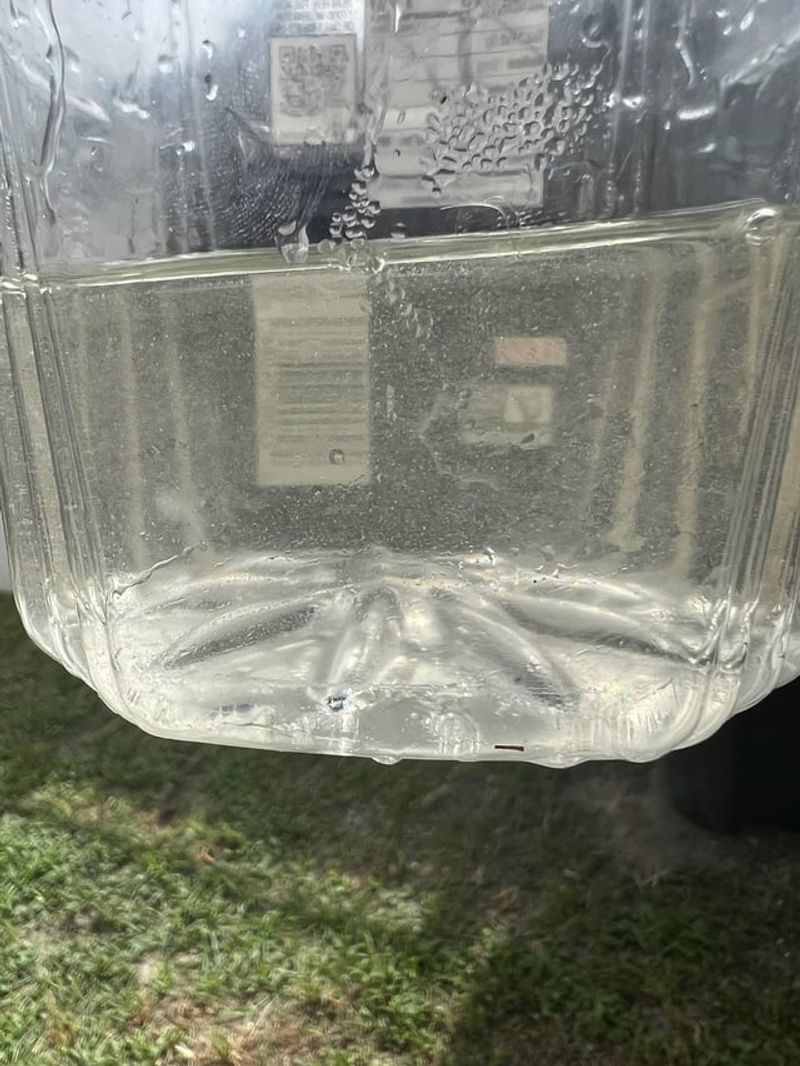
Sugar water sounds simple, but it behaves differently depending on the temperature around it. At room temperature or below, a mix of one part sugar to four parts water stays fresh for a reasonable amount of time.
Once heat enters the picture, the chemistry changes quickly.
Warm temperatures speed up the growth of yeast and bacteria. These tiny organisms break down the sugar and release byproducts that are not safe for hummingbirds.
What starts as clear, clean nectar can turn into a cloudy, slightly sour liquid within 24 to 48 hours on a hot August day.
Your Oregon Garden Changes Every Week. Your Plan Should Too.
Gardening in Oregon changes quickly throughout the season. Every Friday you’ll receive a simple weekly plan showing exactly what to plant, prune, fertilize, harvest, and protect so you never miss the right timing.
You might not be able to smell the change right away, but hummingbirds can. They have a good sense of taste and will often avoid feeders with bad nectar.
If you notice fewer birds visiting, check the nectar first before assuming something else is wrong.
Storing extra nectar in the refrigerator helps slow spoilage before it goes into the feeder. Make your nectar in small batches so you are not storing it for too long.
Never use honey, brown sugar, or artificial sweeteners in your mix. Plain white granulated sugar dissolved in water is the only safe choice.
Keeping your batches small and fresh is a quick habit that protects every hummingbird that visits your yard during the hot summer weeks.
3. Cloudy Nectar Is A Sign To Dump It
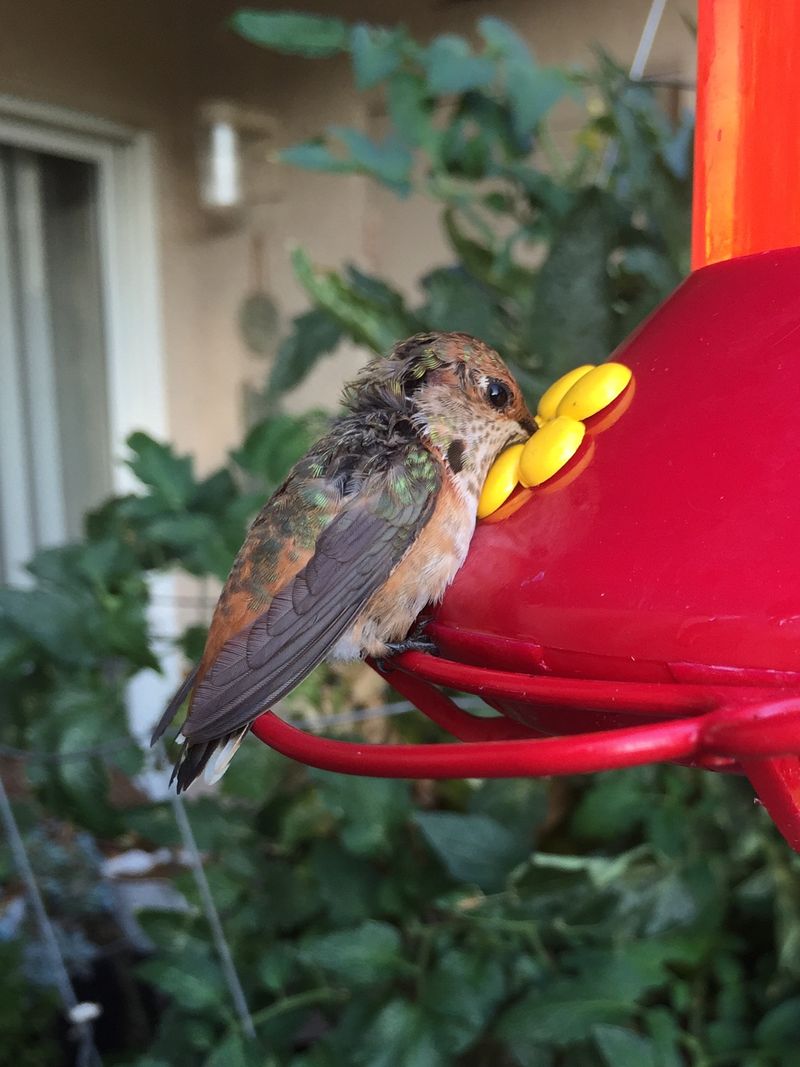
Clear nectar is healthy nectar. The moment it starts looking cloudy or milky, that is your signal to act.
Cloudiness means that bacteria or yeast have already started growing inside the feeder. At that point, the nectar is no longer safe for hummingbirds to drink.
Some people think a little cloudiness is not a big deal. But for a bird as small as a hummingbird, even a mild dose of bad bacteria can cause serious digestive problems.
Their bodies are tiny, and they do not have much tolerance for contaminated food sources.
When you see cloudy nectar, do not just add fresh nectar on top. Empty the feeder completely and give it a good rinse with hot water.
Use a bottle brush to scrub the inside of the reservoir and all the feeding ports. Rinse everything thoroughly before refilling with fresh nectar.
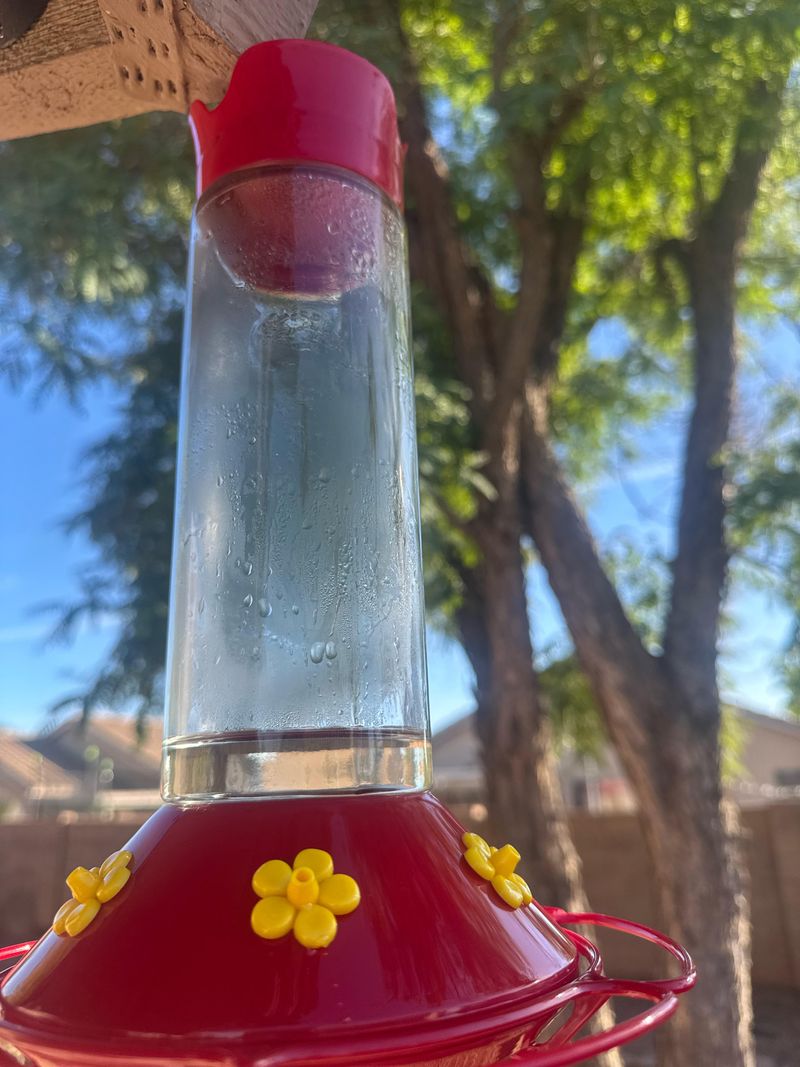
Checking for cloudiness takes only a few seconds. Hold the feeder up to natural light and look through the reservoir.
Fresh nectar should be completely clear. If you see any haziness, swirling particles, or a filmy coating on the inside of the glass or plastic, it is time for a full cleaning and refill.
Making this a daily habit during August keeps your feeder safe and welcoming for every hummingbird that stops by. It is one of the easiest ways to show you care about their well-being.
4. Hot Feeders Can Turn Into Bacteria Traps
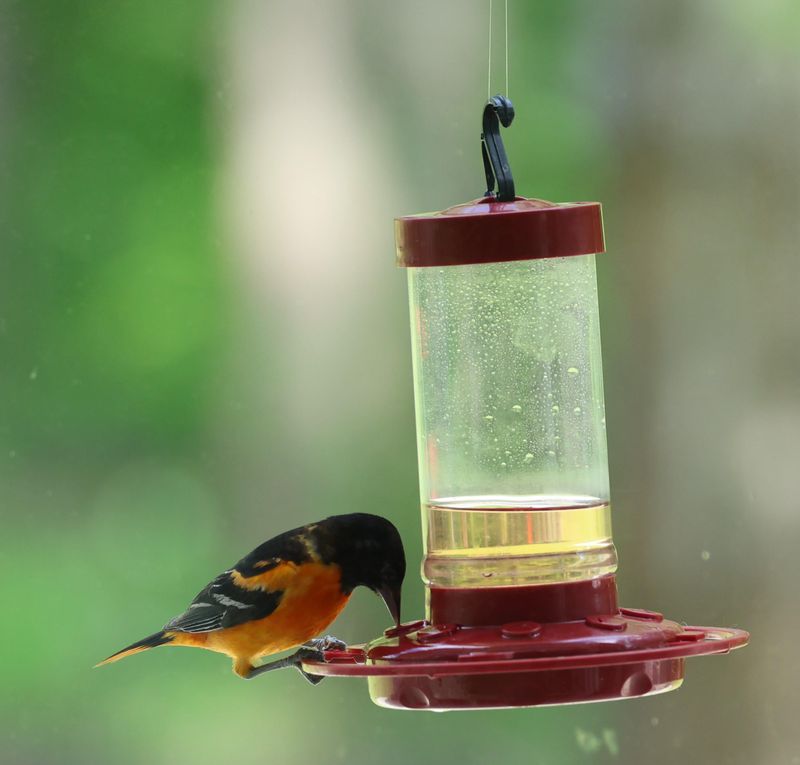
A feeder sitting in full sun on a hot August day can get surprisingly warm. The plastic or glass heats up, and the nectar inside follows.
Warm liquid is the perfect environment for bacteria and mold to grow at a rapid pace. What was clean nectar in the morning can be a bacteria-filled trap by afternoon.
Bacteria in nectar produce compounds that are harmful to hummingbirds. Some types of mold can also grow on the feeder ports and inside the reservoir.
These growths are not always visible at first glance, which makes regular cleaning even more important during hot weather.
Feeders made of dark-colored plastic absorb more heat than clear or light-colored ones. If you have a dark feeder, consider moving it to a shadier spot or replacing it with a lighter-colored option.
Even a small change in feeder placement can reduce how hot the nectar gets during peak afternoon hours.
Cleaning your feeder every one to two days during August is the best way to fight bacteria buildup. Use hot water and a brush to scrub all the parts.
Avoid using soap with strong fragrances, as the residue can be harmful to hummingbirds. A diluted white vinegar rinse works well and is safe when thoroughly rinsed out.
Staying on top of cleaning keeps the feeder from becoming a source of harm instead of a source of help for these fast-moving little birds.
5. Topping Off Old Nectar Makes The Problem Worse
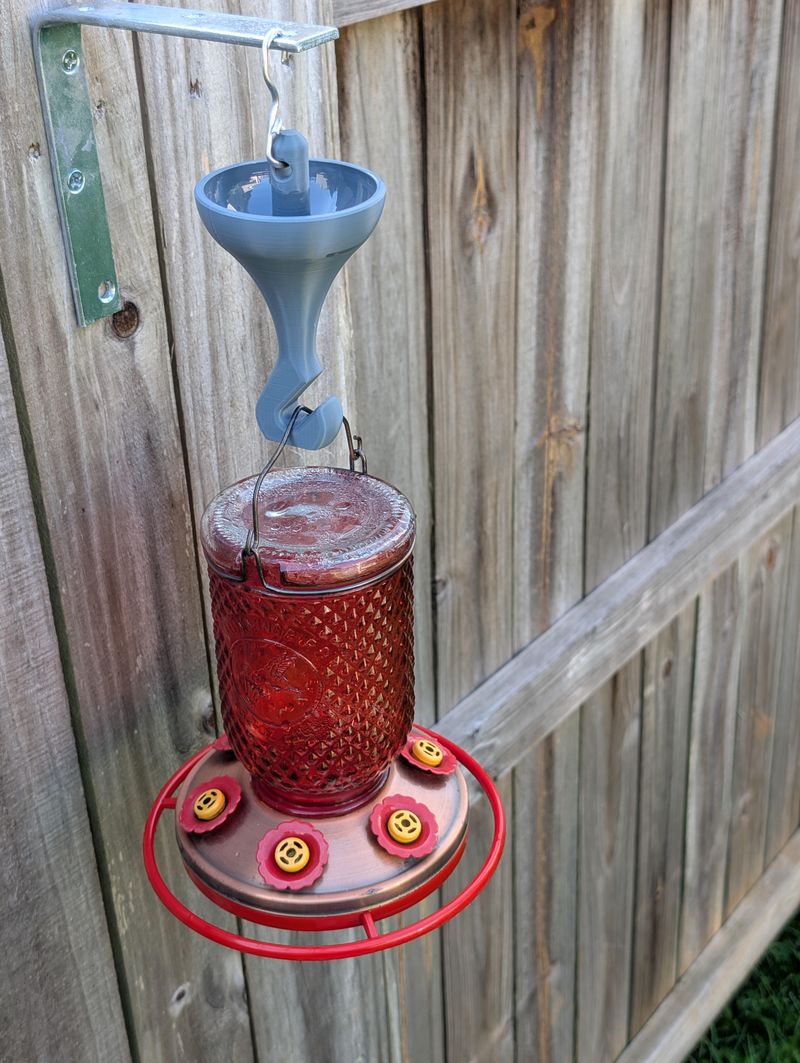
Topping off a feeder seems like a time-saver, but it actually creates a bigger problem. When you add fresh nectar to old nectar, the two mix together.
The bacteria and yeast already present in the old nectar immediately start breaking down the fresh batch. You end up with a feeder full of nectar that goes bad even faster than it would have otherwise.
Think of it like adding fresh milk to a carton that already has sour milk in it. The whole thing becomes unusable very quickly.
The same principle applies to hummingbird nectar. Old nectar contaminates new nectar, and the birds end up drinking something that is not good for them.
The right approach takes just a few extra minutes. Empty the feeder completely before adding anything new.
Rinse the reservoir with hot water and use a small brush to clean the ports. Then refill with a fresh batch of nectar made with clean water and plain white sugar.
In Oregon’s hot August weather, doing this every one to two days is a smart routine. It might feel like a lot of effort at first, but it quickly becomes second nature.
Using a smaller feeder helps too, because you use up the nectar faster and the feeder does not sit out as long between cleanings. Hummingbirds are worth the extra few minutes it takes to do this the right way every time.
6. Dirty Ports Can Spoil Fresh Nectar Fast
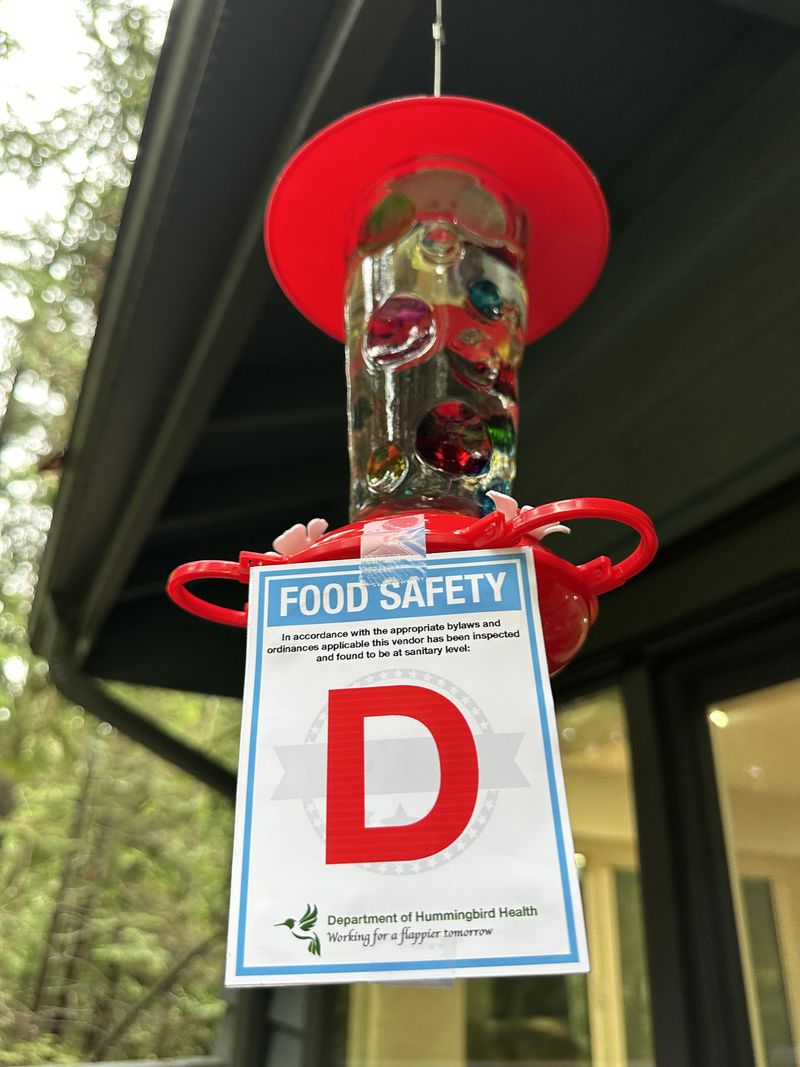
Even when the nectar inside looks perfectly clear, dirty feeding ports can quickly ruin everything. The small holes where hummingbirds insert their beaks collect residue from saliva, old nectar, and tiny debris.
That buildup becomes a breeding ground for bacteria that spreads into fresh nectar fast.
You might not notice the grime at first because the ports are small. But look closely at the edges of each feeding hole.
If you see dark spots, a sticky film, or any discoloration, those ports need a thorough scrubbing before you add fresh nectar. Skipping this step means your clean nectar gets contaminated almost immediately.
A small port brush or a pipe cleaner works well for getting into those tight spaces. Scrub each port carefully and rinse with hot water.
Some feeders have removable ports that make cleaning easier. If yours do, take them apart every time you clean the feeder.
During hot August weeks, plan to clean the ports every time you change the nectar. This might feel like a lot, but it keeps the feeder in the best possible condition for visiting birds.
Hummingbirds are creatures of habit. When they find a clean, reliable feeder, they come back again and again.
Dirty ports send them looking elsewhere for food. A minute or two of scrubbing can mean the difference between a busy feeder and an empty one sitting in your yard all summer long.
7. Afternoon Sun Can Heat The Feeder Quickly
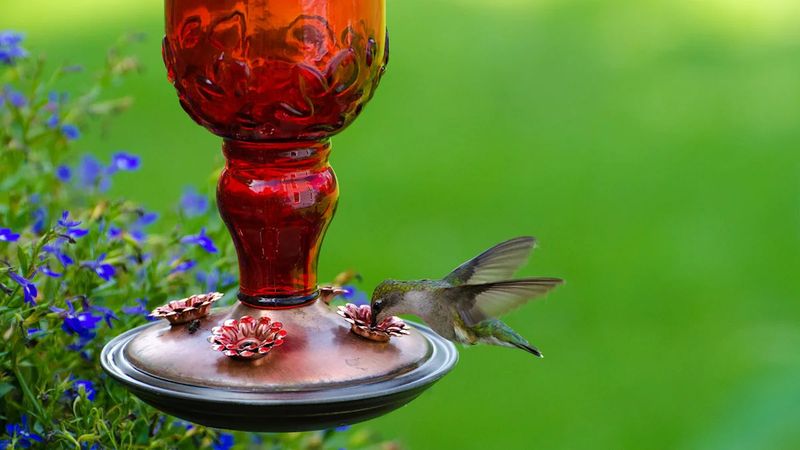
Placement matters more than most people think. A feeder that gets full afternoon sun in August can heat up to temperatures that make nectar go bad within a few hours.
The western sun is especially strong between 1 p.m. and 5 p.m., and that heat builds up fast inside a glass or plastic feeder.
Moving your feeder to a spot with morning sun and afternoon shade is one of the most effective changes you can make.
The birds still get plenty of visits in the cooler morning hours, and the nectar stays fresher longer because it is not sitting in intense afternoon heat.
Trees, roof overhangs, and porch covers all make great natural shade sources. If your yard does not have many shady spots, try hanging the feeder on the north or east side of your house.
These spots tend to stay cooler during the hottest part of the day in summer.
Some feeders come with a built-in shade cover or a wide top that helps block direct sunlight. These designs can help, but they are not a substitute for good placement.
Even a shaded feeder needs regular nectar changes during hot weather. In the Pacific Northwest, August can bring some of the hottest days of the year.
Paying attention to where your feeder hangs is a small adjustment that pays off in a big way for the hummingbirds that depend on it each day.
8. Fresh Nectar Matters More During Hot Weeks
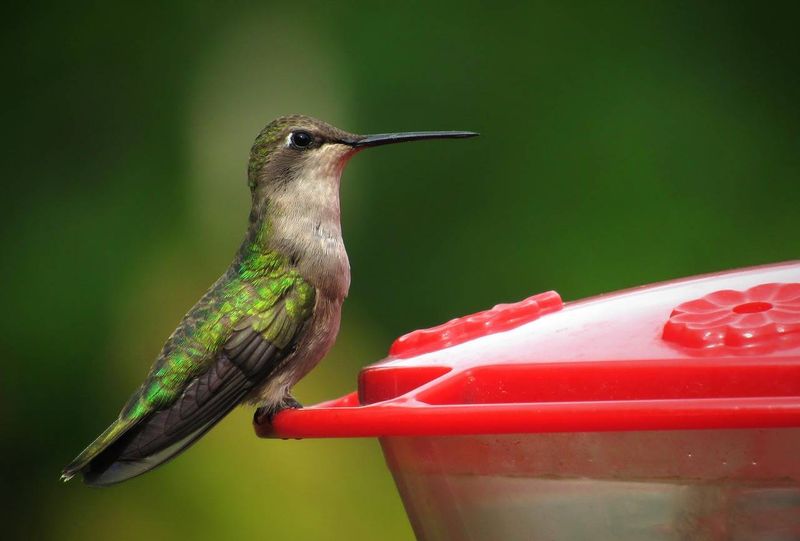
During the hottest weeks of Oregon summer, fresh nectar is not just a nice gesture. It is a necessity.
Hummingbirds are working incredibly hard during August. Many are preparing for long migration journeys and need reliable, clean energy sources at every stop along the way. A feeder with fresh nectar can be a lifeline.
Fresh nectar gives hummingbirds the clean carbohydrates they need to keep their wings moving at full speed. Spoiled nectar, on the other hand, gives them nothing useful and may actually make them feel worse.
A bird that drinks bad nectar may slow down, lose energy, or avoid your feeder entirely when it needs help most.
Making nectar fresh is easy. Mix one part plain white sugar with four parts water.
Stir until the sugar is fully dissolved. You do not need to boil the water, but some people do to help the sugar dissolve faster. Let it cool completely before filling the feeder.
In Oregon, August is a peak month for hummingbird activity. Rufous hummingbirds are moving through on their way south, and Anna’s hummingbirds are still active in many areas.
Keeping your feeder stocked with fresh nectar every one to two days gives these birds the support they need during a demanding season. It takes very little time and costs almost nothing.
The reward is watching some of nature’s most energetic and beautiful creatures thrive right in your own backyard.