How To Grow Bergenia In Oregon So It Looks Stunning Every Single Season
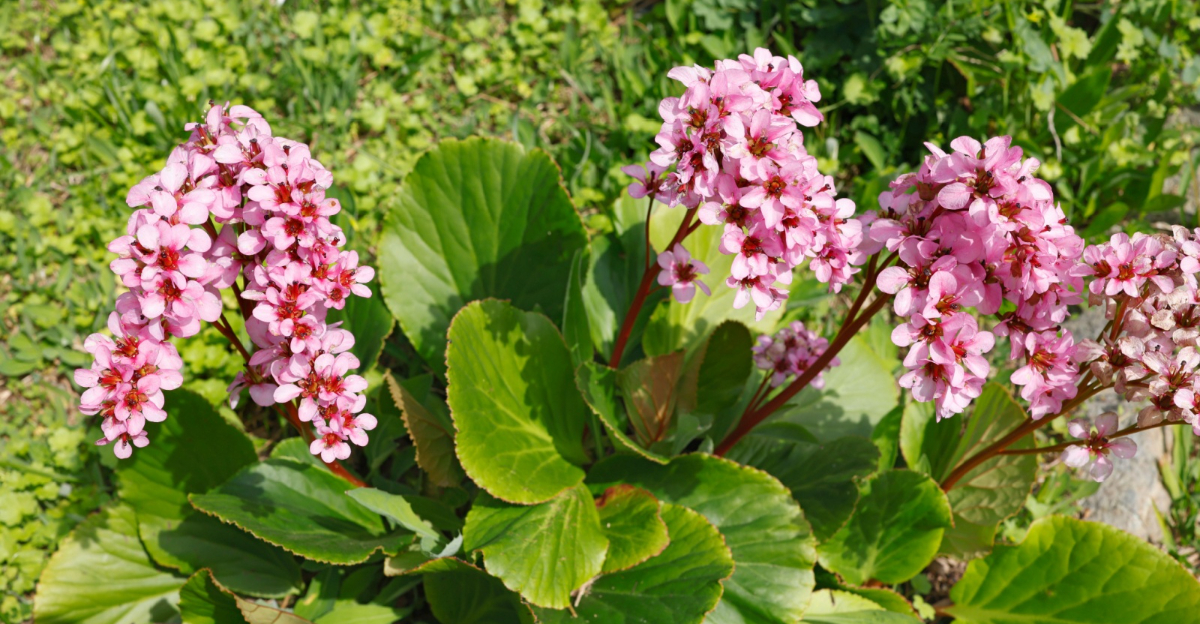
If bergenia is not already somewhere in your Oregon garden, it probably should be. This is one of those plants that quietly does everything right without making a big fuss about it.
Bold, glossy leaves that look good practically year round? Check. Early spring flowers that show up before most other plants have even thought about waking up? Absolutely.
Foliage that turns gorgeous shades of red and bronze when temperatures drop in fall and winter? Yes to that too.
Bergenia slots into shady borders, woodland edges, and foundation beds with zero drama and serious staying power. Oregon’s mix of wet winters and dry summers suits it surprisingly well once it gets established.
It is the kind of plant that makes you look like you really know what you are doing out there.
1. Choose A Spot With Sun Or Part Shade
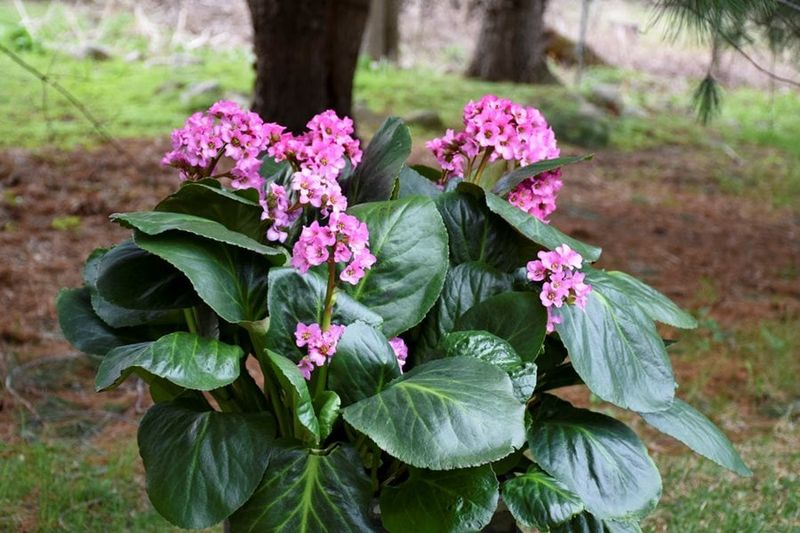
Shady borders along fences and house foundations are some of the most underused spaces in Oregon gardens, and bergenia tends to settle in beautifully when given the right light.
The plant does well in full sun to part shade, though summers can be warm enough that a spot with afternoon shade helps the leaves stay looking their best.
Morning light with some shelter from the hottest afternoon hours is a combination many gardeners find works reliably well.
Deeper shade is worth thinking about carefully. Bergenia can grow in fairly low light, but flowering tends to be reduced when the plant sits in heavy shade all day.
If spring blooms are something you are looking forward to, a spot with at least a few hours of direct light each day will support better flower production.
Foundation beds on the east or north side of a house often provide the kind of filtered, indirect light that suits bergenia without pushing it into full sun stress.
In Oregon’s Willamette Valley and coastal areas, cloud cover during spring and fall means even a south-facing bed may not feel harsh. Gardeners in sunnier parts of eastern Oregon may want to lean more toward part shade placement.
Watching how light moves across a bed through the seasons helps you make a confident choice before planting.
2. Give Bergenia Moist Soil That Drains Well
Soggy roots are one of the more common reasons perennials struggle in Oregon’s wet winters, and bergenia is no exception.
The plant appreciates consistent moisture but really does best when the soil drains steadily rather than holding standing water for days at a time.
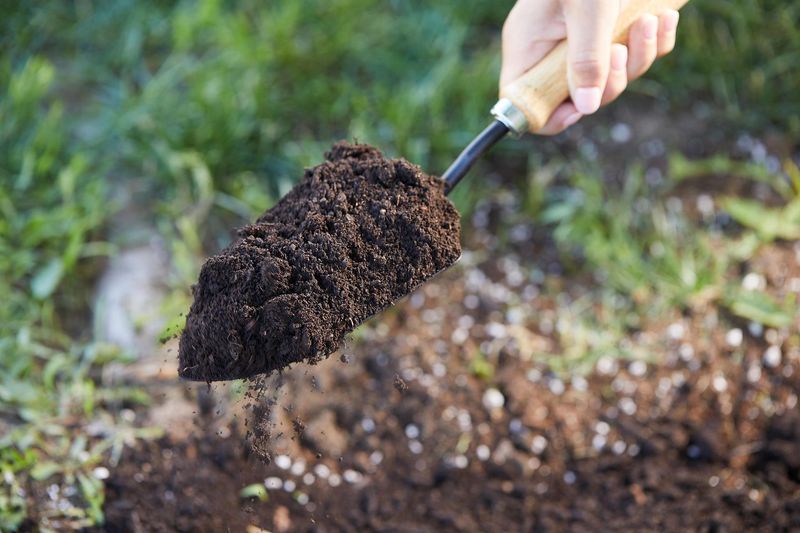
Heavy clay soils, which are common in many parts of the Willamette Valley, can be improved with organic matter like compost worked into the planting area before you set the plant in the ground.
Sandy soils, found more often in parts of central and eastern Oregon, dry out quickly and may need amendment to hold enough moisture for bergenia to establish well.
Either way, improving the soil structure before planting tends to give the plant a much stronger start than simply dropping it into unamended ground.
Your Oregon Garden Changes Every Week. Your Plan Should Too.
Gardening in Oregon changes quickly throughout the season. Every Friday you’ll receive a simple weekly plan showing exactly what to plant, prune, fertilize, harvest, and protect so you never miss the right timing.
A raised bed or a gently sloped planting area can also help water move away from the root zone naturally.
Bergenia planted in well-prepared soil tends to develop a stronger root system during its first season, which sets it up to handle Oregon’s dry summers with less intervention. Soil that holds some moisture without becoming waterlogged is the sweet spot.
Checking drainage by filling the planting hole with water and watching how quickly it soaks in can save a lot of guesswork and help the plant thrive from the start.
3. Use Mulch To Help Hold Summer Moisture
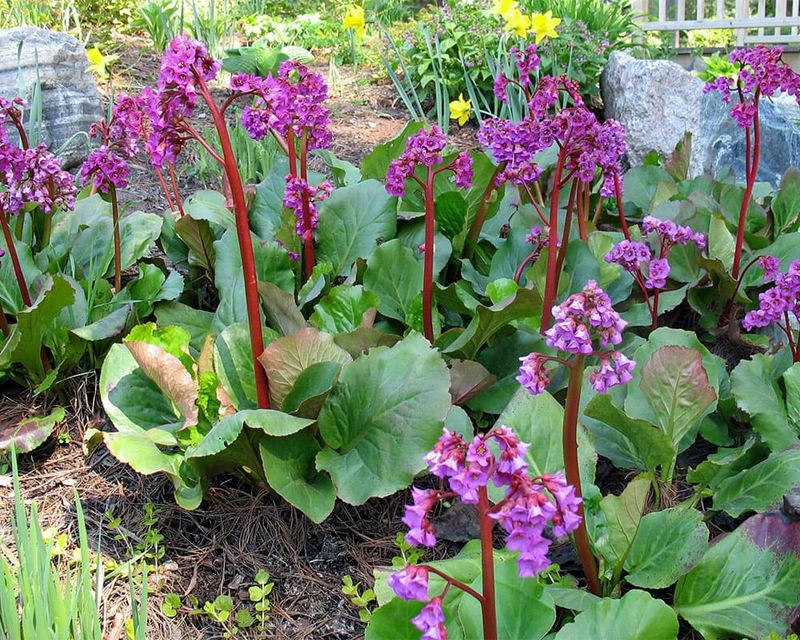
Oregon summers tend to arrive with a sharp shift from the wet spring season, and garden beds that looked lush in May can start showing stress by July if the soil dries out too quickly.
A layer of mulch around bergenia is one of the simplest and most effective ways to slow that moisture loss and keep the root zone cooler during warm stretches.
Bark chips, shredded leaves, or wood-based mulch all work well and break down gradually to improve soil texture over time.
Applying two to three inches of mulch around each plant, keeping it pulled slightly back from the base of the stems, gives the soil a meaningful buffer against heat and evaporation.
This is especially helpful for plants that were put in the ground during spring and have not yet developed deep roots.
A young bergenia going through its first Oregon summer benefits noticeably from that extra layer of protection.
Mulch also helps reduce weed competition, which keeps the area around the plant tidy without requiring frequent hand-weeding. In shaded beds where bergenia often grows, fallen leaves can sometimes serve as a natural mulch layer on their own.
Refreshing the mulch layer each spring, after winter rains have compacted and broken it down, keeps the benefits consistent and gives the whole bed a clean, cared-for look through the growing season.
4. Let Bold Leaves Carry The Garden Through Winter
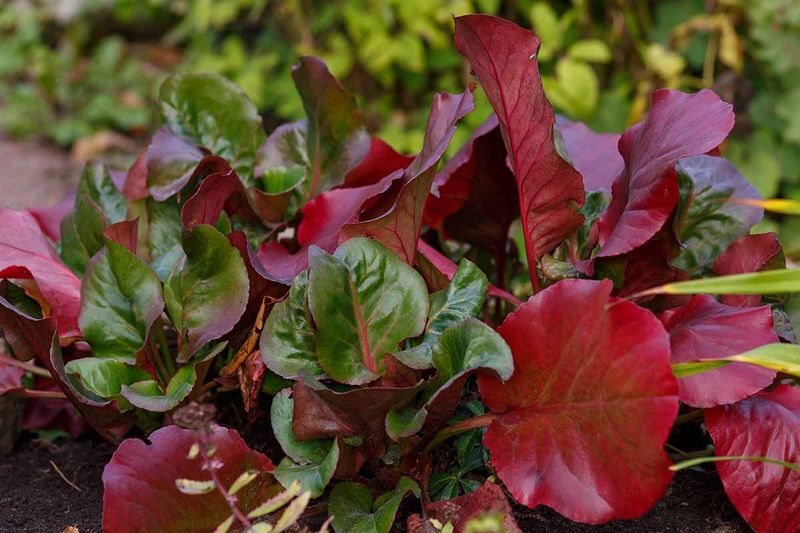
One of the more pleasant surprises bergenia offers is what happens to its foliage once temperatures drop in late fall.
The large, leathery leaves that stay green through summer begin to shift toward red, bronze, or burgundy tones as cold weather settles in across Oregon.
This color change varies by variety and by how exposed the planting site is, but even a subtle shift adds visual interest to a garden that might otherwise look flat and brown through the winter months.
Oregon winters are rarely harsh enough to cause serious damage to established bergenia, though leaves on very exposed sites may look a bit rough by February.
Planting in a sheltered spot, such as near a fence, a wall, or under a deciduous tree, tends to preserve better leaf condition through the coldest weeks.
The foliage does not disappear the way many perennials do, so it keeps providing texture and structure even when most other plants have gone dormant.
For gardeners who rely on evergreen or semi-evergreen plants to carry a bed through the gray winter, bergenia earns its place on that short list. Pairing it with hellebores, ferns, or low-growing conifers creates a layered winter display that looks intentional and composed.
The bold leaf shape stands out especially well against lighter-colored mulch or gravel, making the whole bed feel alive even on the dreariest January days.
5. Enjoy Early Flowers Before The Garden Fills In
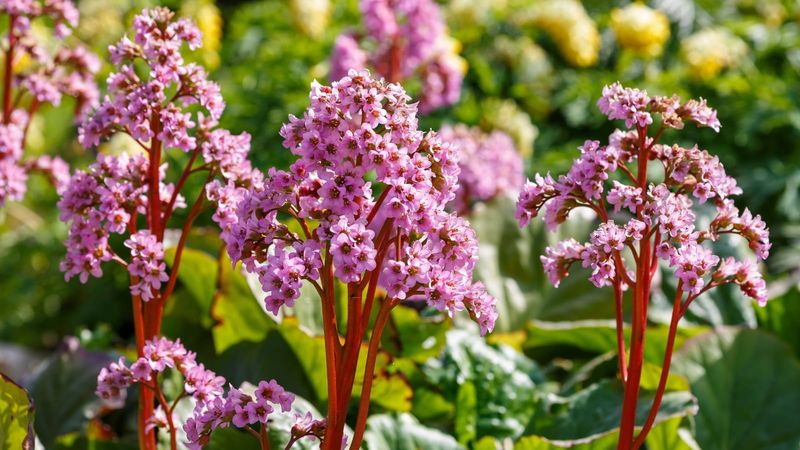
Before most perennials have pushed much growth above the soil, bergenia sends up short flower stalks topped with clusters of blooms in shades of pink, rose, magenta, or white depending on the variety.
In Oregon, this often happens somewhere between late February and April, right when the garden feels ready for something cheerful after months of gray skies and wet weather.
The flowers are not massive or showy in a dramatic way, but they arrive early enough that they feel genuinely welcome.
The blooms sit on sturdy reddish stems that hold up reasonably well to spring rain, which is good news in a state where late-season showers are common right through May.
Flower clusters tend to last several weeks before fading, and removing spent stalks once flowering is done keeps the plant looking tidy as the season moves forward.
Some varieties may produce a few secondary blooms later in the season, though the main show is reliably in early spring.
Planting bergenia near the front edge of a border, where the early flowers are easy to see from a path or window, makes the most of this seasonal display.
Combining it with early bulbs like snowdrops or species crocus creates a layered spring moment that feels intentional without requiring much effort.
The contrast between the bold bergenia foliage and delicate bulb flowers is one of those combinations that photographs beautifully and looks even better in person.
6. Water New Plants During Oregon Dry Spells
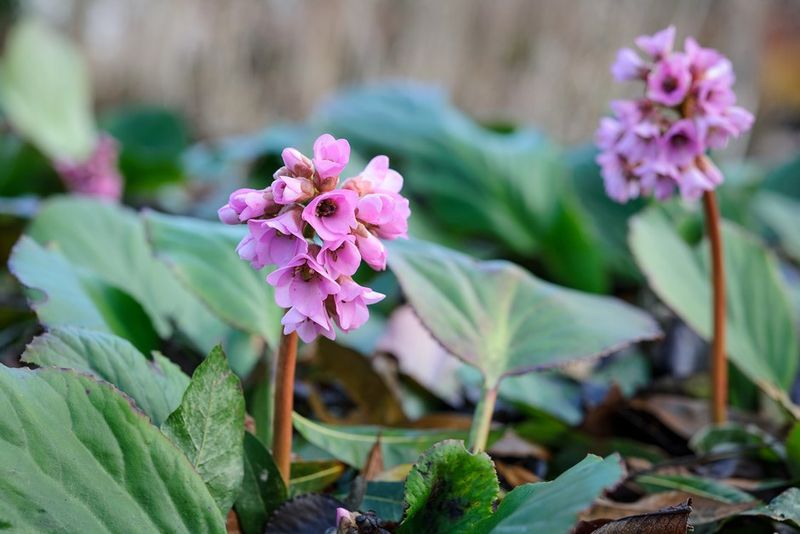
Established bergenia has a reasonable ability to handle dry conditions, particularly when it is growing in part shade with good mulch coverage. New plants, though, are a different story.
During the first summer after planting, the root system is still developing and does not yet have the reach to find moisture deep in the soil.
Oregon’s dry season, which typically runs from July through September, can be hard on recently planted perennials if supplemental watering is not provided.
Checking the soil around new bergenia plants every week or so during dry stretches gives you a clear sense of when watering is needed. If the top inch or two of soil feels dry, a slow, deep watering at the base of the plant is more effective than frequent light sprinkles.
Deep watering encourages roots to grow downward, which builds drought tolerance over time. Watering early in the morning reduces evaporation and keeps foliage dry, which is generally better for plant health.
Once bergenia has made it through its first full Oregon summer with steady care, it becomes noticeably more self-sufficient.
By the second and third year, most plants in shaded or semi-shaded spots need very little supplemental water except during extended heat events.
Keeping an eye on new plantings through that first dry season is the main commitment, and the payoff is a plant that handles future summers with far less attention needed from you.
7. Refresh Older Clumps When The Center Looks Bare
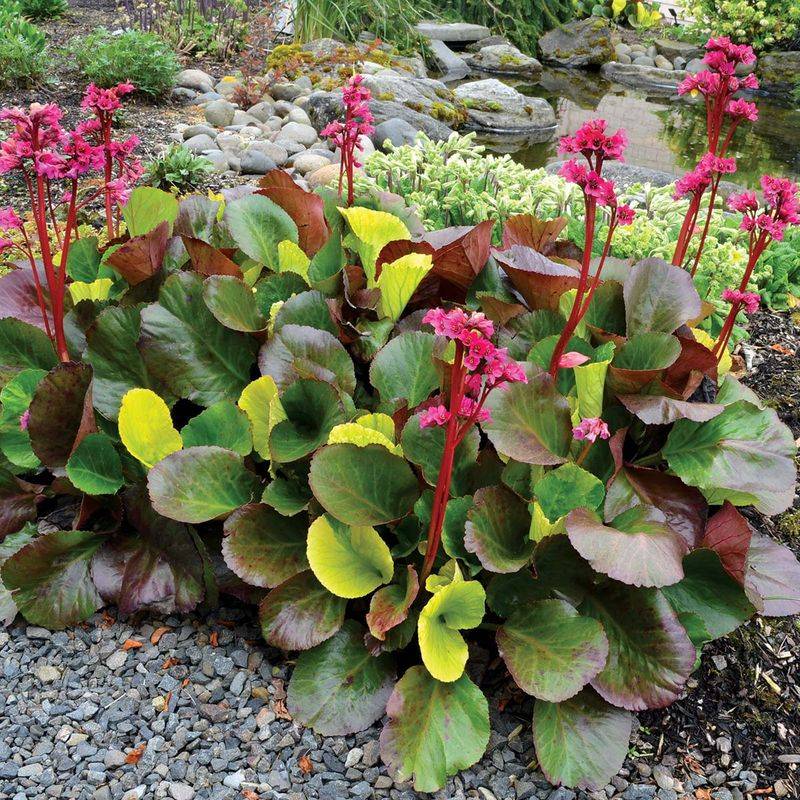
Over several years, a bergenia clump tends to spread outward while the center gradually becomes woody and less productive.
Leaves at the middle of an older clump may look sparse or stop appearing altogether, while the outer edges of the plant remain healthy and full.
This is a natural pattern for many long-lived perennials, and bergenia is no different. When that bare center becomes noticeable, it is usually a good signal that the clump is ready for some refreshing.
Dividing bergenia is straightforward and best done in early fall or early spring when temperatures are mild and the plant is not under heat stress.
Digging up the entire clump, discarding the woody central section, and replanting the healthier outer portions gives the plant a fresh start.
Each division should have a few healthy leaves and a good section of root attached. Replanting at the same depth as the original and watering in well sets the divisions up for strong regrowth.
Division also gives you extra plants to fill in other areas of the garden, share with neighbors, or use in containers.
Oregon gardeners working with shaded beds and woodland-style borders often find that a single original clump can produce enough divisions over time to fill an entire section of a path edge or foundation planting.
Refreshing older clumps every four to six years tends to keep the plants looking full, vigorous, and well-proportioned without requiring much effort.
8. Watch For Ragged Leaf Edges From Root Weevils
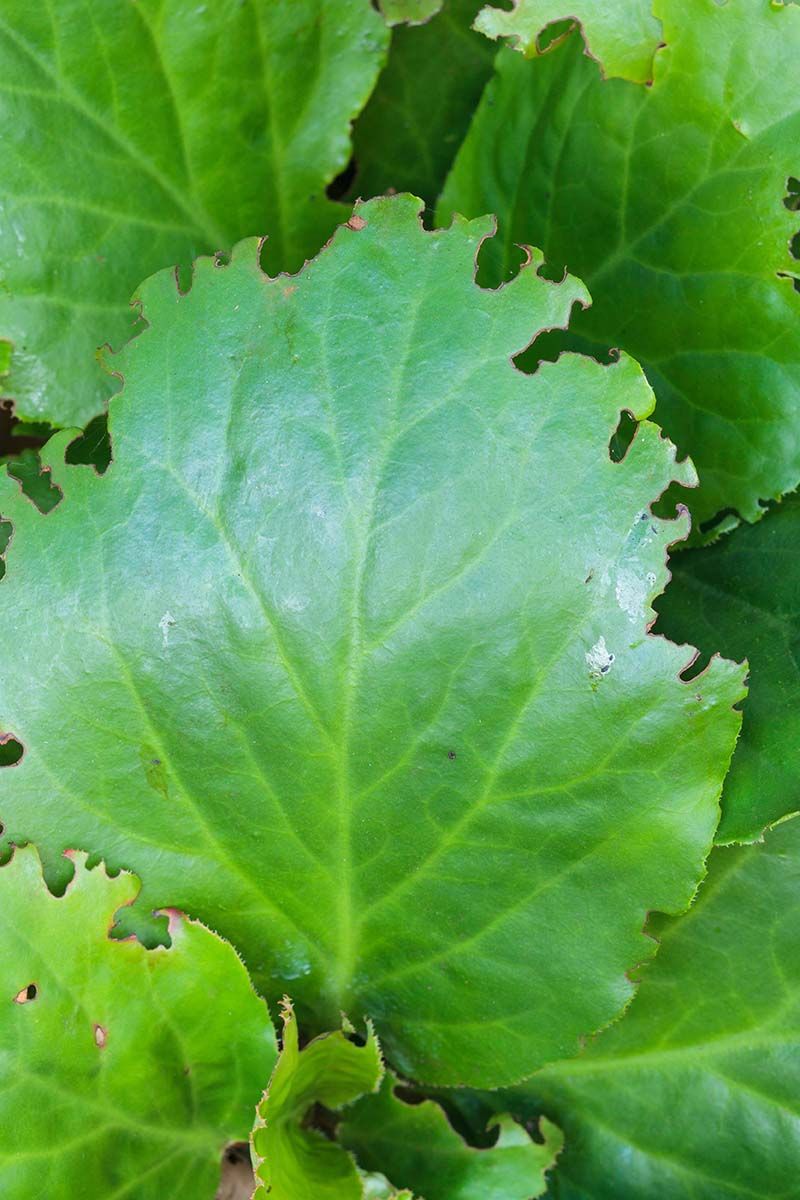
Notched or scalloped edges along bergenia leaves are one of those garden clues that can catch you off guard the first time you notice them.
The damage pattern, where small irregular bites appear along the outer edge of the leaf, is a common sign that adult root weevils have been feeding on the foliage at night.
Root weevils are widespread in Oregon and affect a range of garden plants, with bergenia being one of the species they find appealing.
The leaf damage from adult weevils is mainly cosmetic and does not tend to cause serious harm to an otherwise healthy plant. The more significant concern is the larval stage, when grubs feed on roots below the soil surface.
Plants with heavy larval feeding may show reduced vigor or look wilted even when soil moisture seems adequate. Checking around the base of the plant and looking for pale, C-shaped grubs in the root zone can help confirm whether a problem is present below ground.
Keeping the garden area tidy by removing debris where adult weevils hide during the day can reduce populations over time.
Biological controls using beneficial nematodes applied to moist soil during the right season offer a non-chemical approach that many gardeners find useful.
Addressing a weevil situation early, before populations build up significantly, keeps the damage manageable and helps bergenia maintain its clean, attractive appearance through the growing season.