What It Really Means When This Winged Pest Shows Up On Your Massachusetts Maples
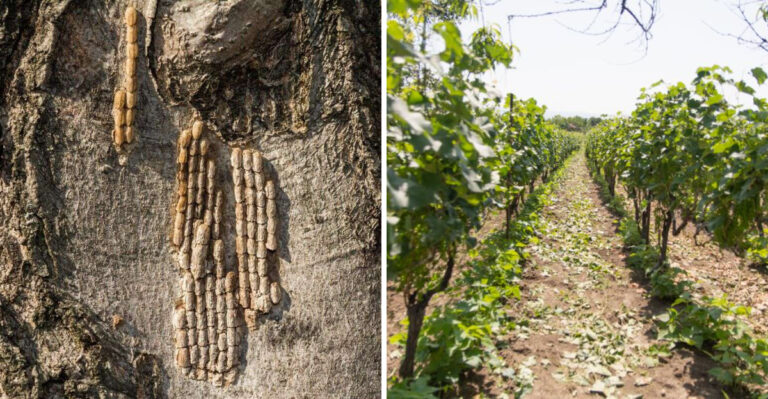
A tidy round hole in maple bark looks almost decorative, like someone pressed a pencil tip into the trunk. Coarse sawdust gathered at the base tells a less charming story.
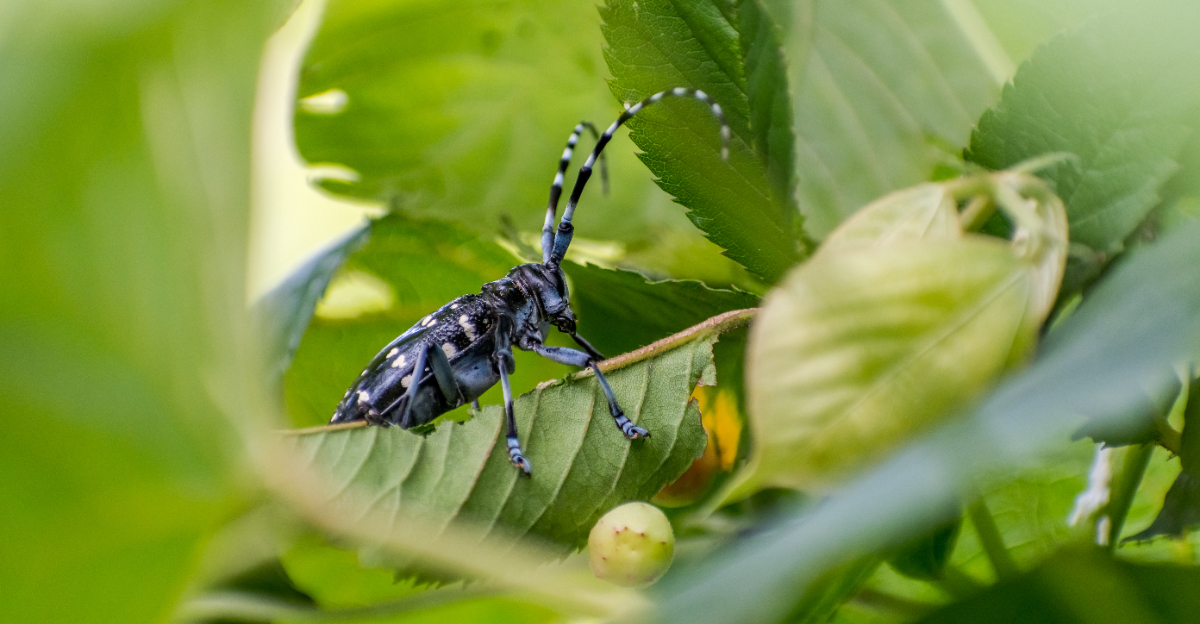
Massachusetts maples have been hosting an unwelcome guest with long banded antennae and a glossy spotted shell. Most homeowners glance at it, call it striking, and move on with their morning.
The trouble sits under the bark. Tunnels widen through the heartwood season after season, cutting off the pathways that carry water upward and keep heavy limbs anchored.
By the time the canopy thins and branches drop in light wind, no pruning cut reaches deep enough. One odd insect on a maple trunk earns more than a passing glance.
This Insect Points To A Health Issue In Your Tree
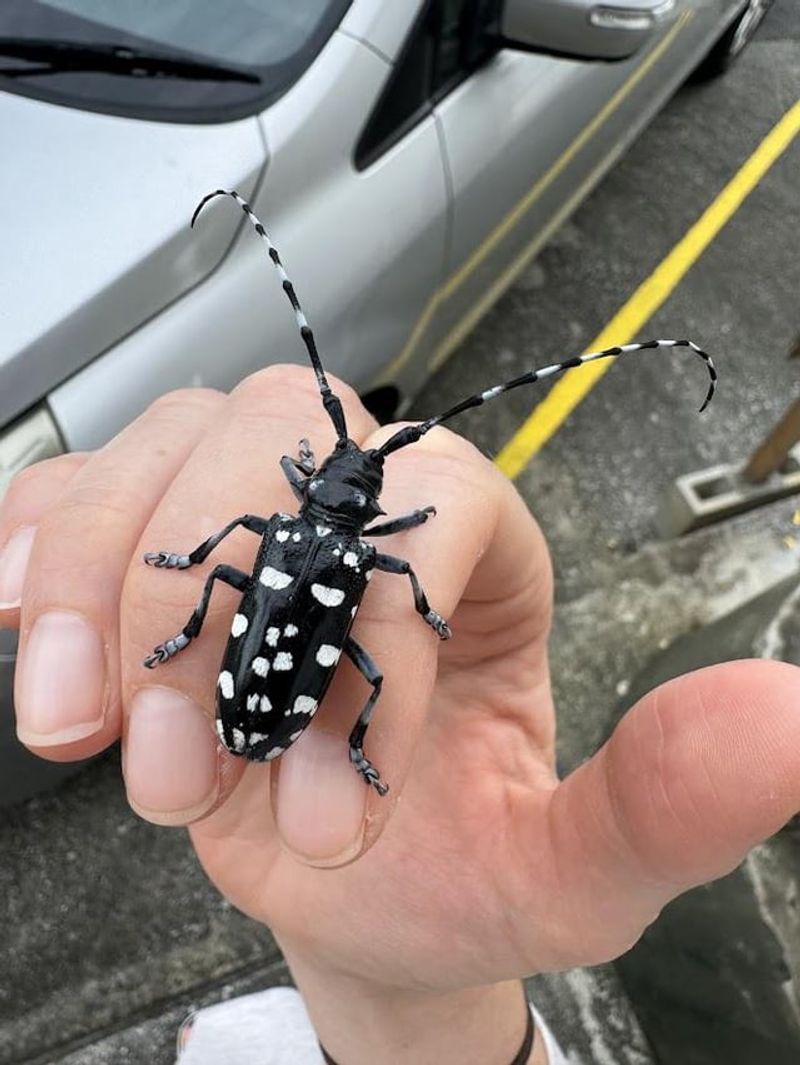
Something is wrong beneath the bark. When you spot an Asian Longhorned Beetle on your maple, the tree is already compromised from the inside.
These beetles do not just land on trees for a quick visit. They bore deep into the wood, where females lay eggs inside the trunk and branches.
Once the larvae hatch, they chew through the inner wood called heartwood. That tunneling disrupts the flow of water and nutrients the tree needs to survive.
Think of it like a clogged artery in a human body. The tree struggles to feed itself, and the damage spreads faster than most homeowners expect.
Outward signs often include round exit holes about the size of a dime. You might also notice sawdust-like material called frass collecting at the base of the trunk.
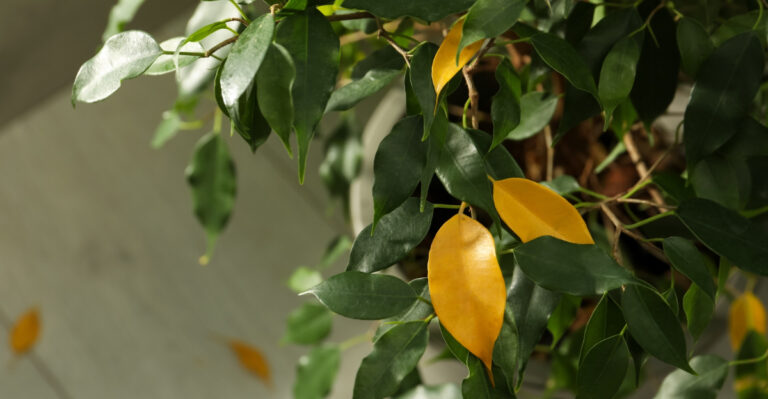
Sap oozing from the bark is another red flag worth investigating. Yellowing leaves in midsummer, when the canopy should be full and green, also signal internal stress.
Most people assume a yellowing maple just needs water. The real culprit could be tunneling larvae you cannot see without cutting into the wood.
A certified arborist can assess the tree by examining exit holes and testing the structural integrity of branches. Getting a professional opinion early gives you more options before the damage becomes severe.
Catching this pest early is the single best thing you can do for your maple this season.
Its Presence Often Follows Stress Or Injury
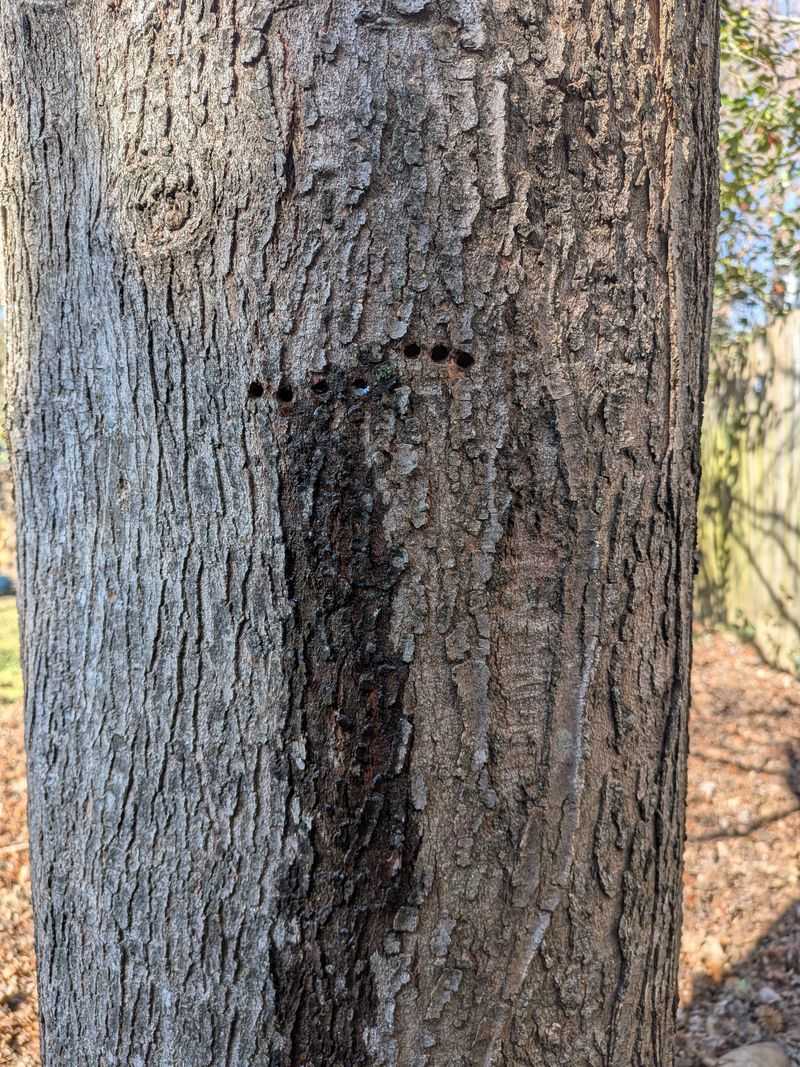
Stressed trees send out signals, and beetles pick up on them fast. A maple weakened by drought, storm damage, or poor soil becomes especially vulnerable to these insects.
Healthy trees can sometimes resist beetle activity through natural defenses. But once a tree is compromised, that natural resistance fades, and pests move in quickly.
Construction near tree roots is one sneaky cause of stress that homeowners often overlook. Even compacted soil from foot traffic can reduce oxygen flow to roots and weaken the whole tree.
Drought years hit New England maples especially hard. A tree that did not get enough water in summer is far more vulnerable to beetle activity the following season.
Physical injuries also open the door for infestation. A branch torn off during a storm leaves an opening that beetles can use as an entry point into the trunk.
Your Massachusetts Garden Changes Every Week. Your Plan Should Too.
Gardening in Massachusetts changes quickly throughout the season. Every Friday you’ll receive a simple weekly plan showing exactly what to plant, prune, fertilize, harvest, and protect so you never miss the right timing.
Improper pruning cuts are another common issue. When cuts are made incorrectly, they leave large open wounds that take years to seal and attract wood-boring insects in the meantime.
Soil nutrient deficiencies quietly weaken trees from below the surface. A simple soil test can reveal whether your maple is missing key minerals it needs to stay strong.
Reducing stress on your trees is one of the most effective forms of pest prevention available. Mulching, proper watering, and avoiding root zone damage all help your maple build the resilience it needs to fight back.
Asian Longhorned Beetle Sightings Have Spiked In Massachusetts
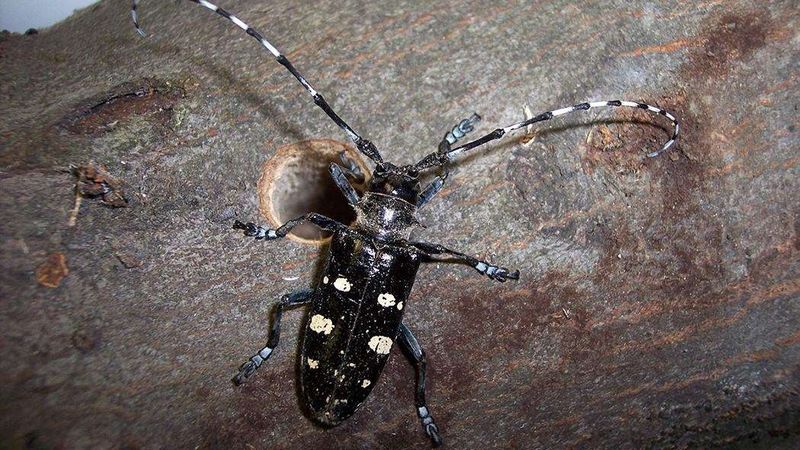
Worcester County has been at the center of some alarming beetle news for years. Confirmed sightings of the Asian Longhorned Beetle over the years have kept state officials and homeowners on high alert.
This pest first arrived in the United States through wooden packing materials shipped from Asia in the 1990s. Since then, it has spread to several northeastern states, with the Bay State seeing notable activity.
State and federal agencies have worked together to contain the spread through quarantine zones. These zones restrict the movement of wood materials, firewood, and plant matter to prevent beetles from hitchhiking to new areas.
Residents in affected counties are encouraged to report any sightings immediately. The state runs an active reporting program where you can submit photos for identification by experts.
Greater public awareness has played a role in past detections. More people know what to look for now, which helps experts confirm cases faster when they occur.
Adults are most active from July through October, making late summer the prime time to spot them. Checking your maple trees during this window gives you the best chance of catching an infestation early.
The beetle is large enough to notice with the naked eye, growing up to one and a half inches long. Its antennae can be twice the length of its body, making it one of the easier pests to identify on sight.
Knowing what you are looking at gives you power to act fast and protect your Massachusetts yard.
Left Unchecked It Can Spread To Nearby Trees
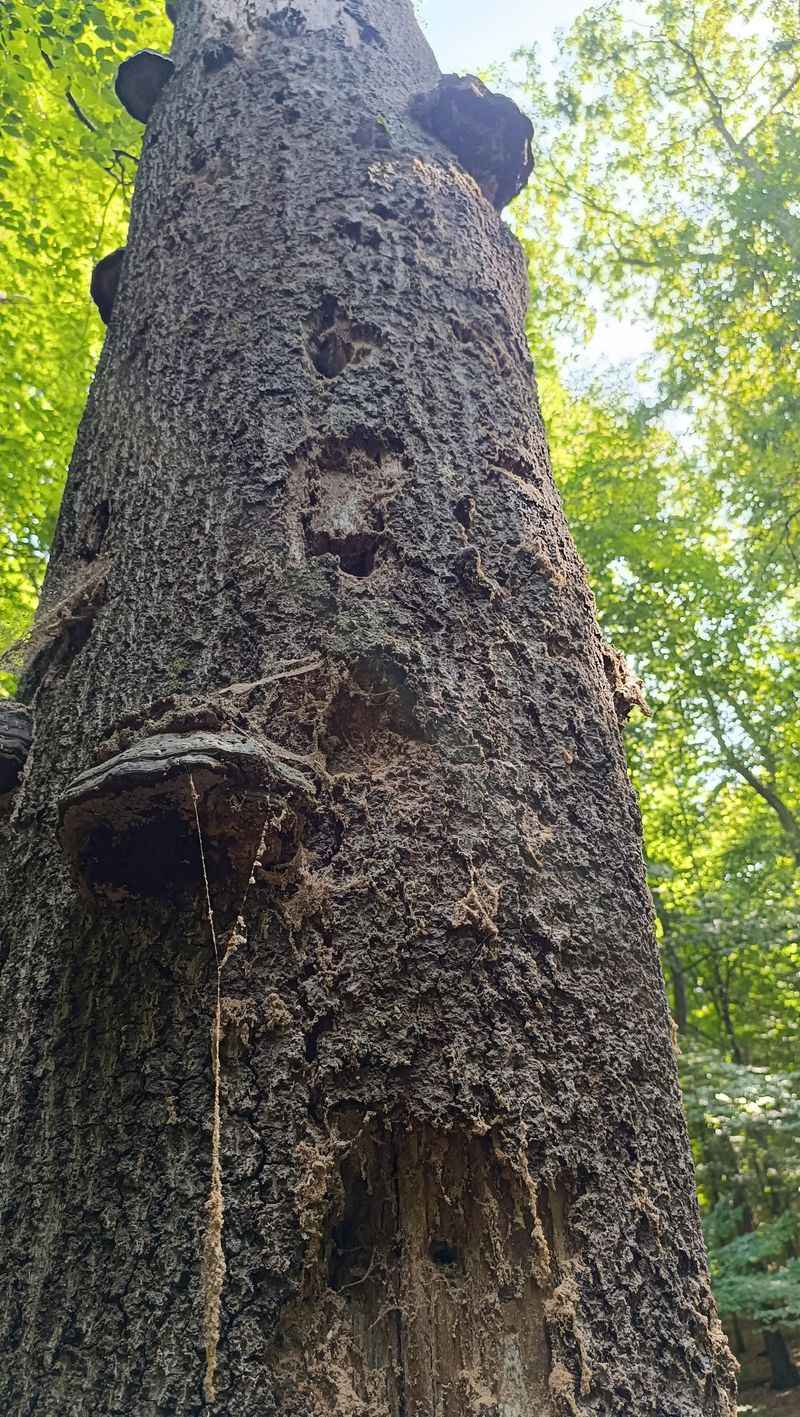
One infested maple is rarely the end of the story. These beetles can still travel to neighboring trees once they finish with one host, even with their limited flying ability.
Adult beetles typically fly within a range of a few hundred yards. That means every maple on your street could be at risk if one tree goes untreated.
The insect does not limit itself to maples either. Elms, birches, willows, and horse chestnuts are all known host trees that can harbor the pest.
A single female can lay dozens of eggs during her lifetime. Each egg becomes a larva that spends months tunneling through wood before emerging as a new adult beetle.
That reproductive cycle means populations grow quickly when left alone. What starts as one beetle on one tree can become a neighborhood-wide problem within a few seasons.
Quarantine zones exist precisely because of this spreading behavior. Moving firewood or branches from an infested area is one of the fastest ways to carry the pest into a new location.
Even well-meaning neighbors can accidentally spread the infestation. Sharing freshly cut wood or transplanting saplings from a quarantine zone puts surrounding trees in danger.
Talking to your neighbors about what you have spotted is actually a smart and responsible move. A coordinated neighborhood response, with everyone checking their trees at the same time, creates a much stronger line of defense against further spread.
Natural Predators Help Keep Populations Down
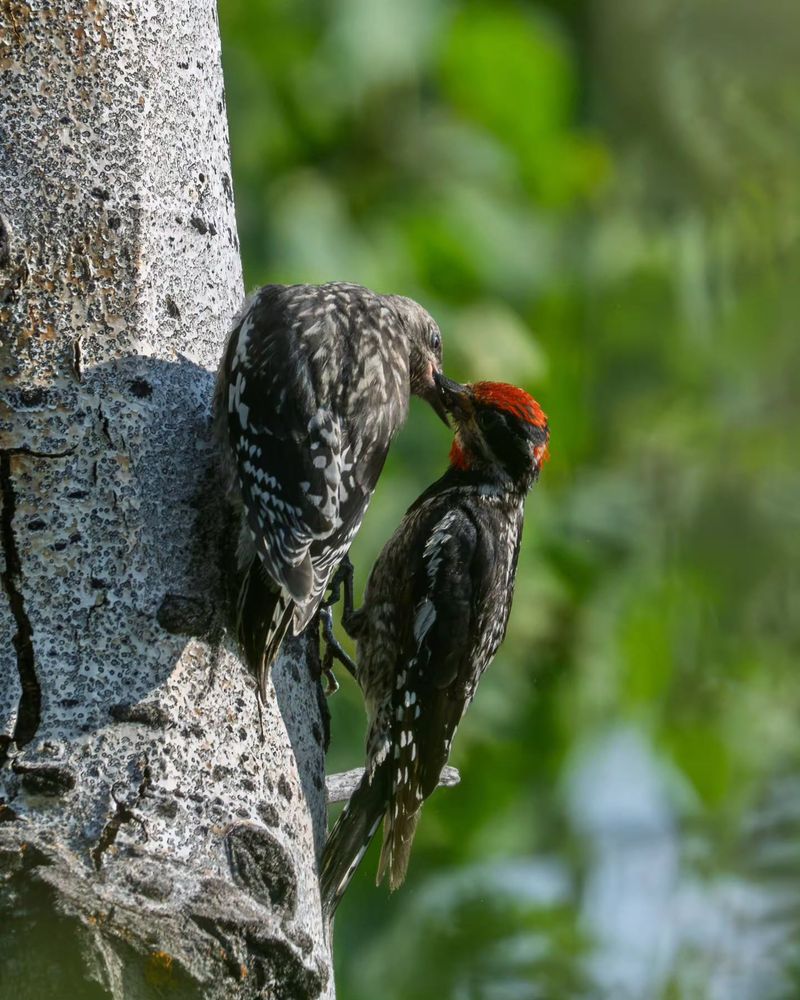
Woodpeckers are known to hunt wood-boring beetle larvae, and their activity on a maple can be a useful clue that something is happening beneath the bark.
These birds use their sharp beaks to dig larvae out of tree trunks. If you notice increased woodpecker activity on your maple, that could be a sign that beetles are already present inside.
Researchers are also studying parasitic wasps that target beetle larvae, though this approach is still experimental and not yet a reliable form of control.
A biodiverse yard supports overall tree health, but no natural predator has been shown to reliably control this particular pest once it takes hold.
Planting native flowering plants near your maples can attract beneficial insects to the area. A yard filled with diverse plant life supports a wider range of predators that target harmful pests.
Avoiding broad-spectrum pesticides helps preserve these natural allies. Many chemical sprays eliminate beneficial insects along with the target pest, which can make future infestations worse.
Birds like nuthatches and chickadees also forage for insects along tree bark. Hanging a bird feeder or nesting box near your trees can encourage these helpful visitors to stick around longer.
A balanced ecosystem supports tree health in general, but reporting a suspected infestation right away remains the only proven way to stop this pest from spreading.
Steps To Protect Your Maple This Season
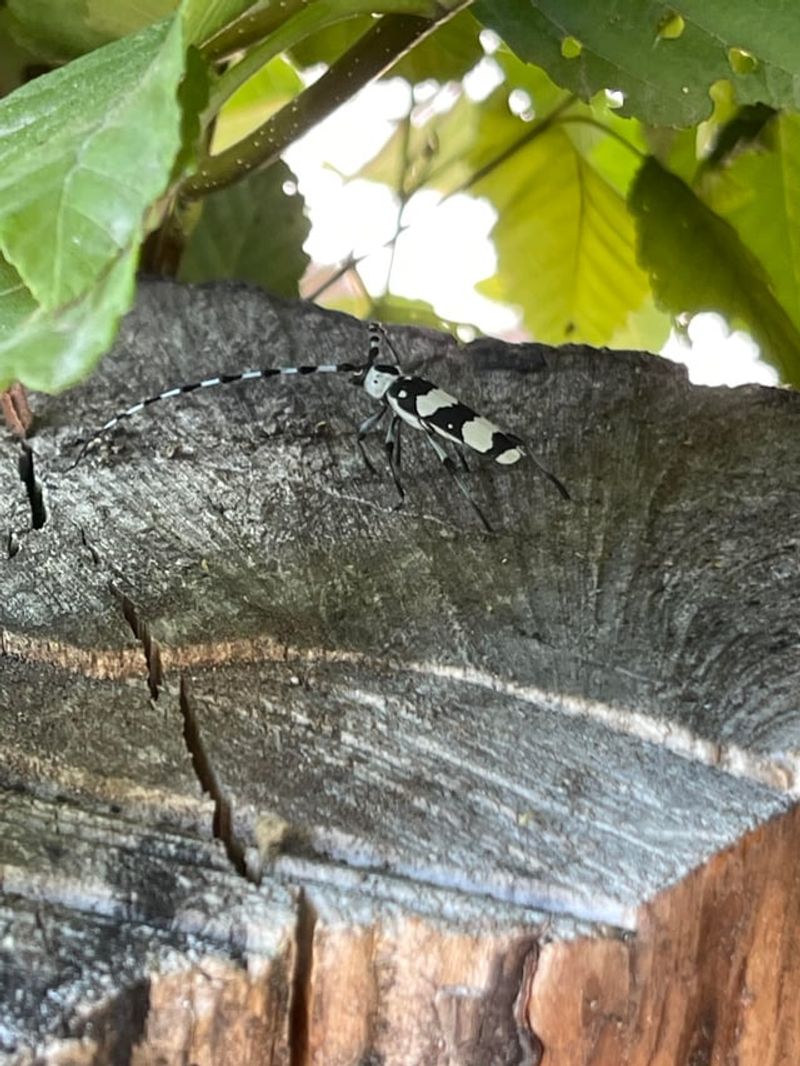
Protecting your maple starts with knowing what to look for and when to look for it. A monthly inspection from July through October puts you ahead of most pest problems before they escalate.
Start at the base of the trunk and work your way up. Look for round exit holes, frass at the roots, weeping sap, or unusual patches of decayed bark.
Photograph anything suspicious and submit it to the Massachusetts Department of Agricultural Resources. Their online reporting tool connects you with experts who can confirm whether you are dealing with this specific pest.
Do not move any cut wood or branches off your property if you suspect an infestation. Bagging and containing debris reduces the chance of spreading beetles to other parts of your yard or your neighbor’s trees.
Hiring a licensed arborist for an annual tree inspection is a smart investment. A professional can spot early-stage damage that an untrained eye would likely miss during a casual walkthrough.
Keeping your maple healthy is one of the best long-term safeguards available. Deep watering during dry spells, proper mulching around the base, and avoiding unnecessary root disturbance all support tree strength.
Avoid pruning during peak beetle season unless truly necessary. Fresh wounds during summer months can attract egg-laying adults looking for entry points into the wood.
Staying informed and staying proactive are your two greatest tools when it comes to protecting your maples from this winged pest on Massachusetts trees this season.