The Surprising Herb Oregon Bees Still Crowd In Late August
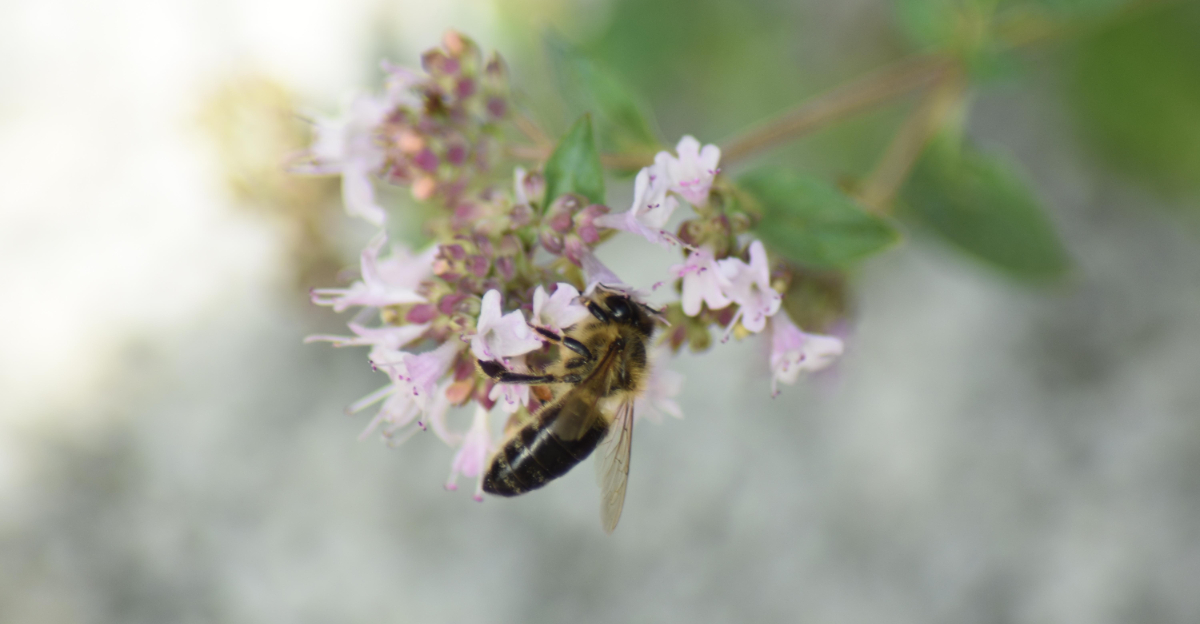
By late August, an Oregon garden can feel like it is starting to slow down. Some flowers are fading, summer color looks a little softer, and pollinator activity may seem quieter than it did a few weeks earlier.
Then you notice one herb buzzing with visitors, and suddenly the garden has a traffic jam in the best possible way.
Bees can be selective about where they spend their time, especially as the season begins to shift.
A plant that seemed ordinary earlier in summer may suddenly become one of the busiest stops in the yard.
Watching them crowd around it can make you wonder what makes that herb so irresistible right now.
The answer has a lot to do with timing, what is still available, and how pollinators respond as summer edges closer to fall.
For Oregon gardeners, that makes this humble herb interesting at a time when many other plants are winding down.
Before cutting everything back for the season, take another look at what is still blooming. You might be hosting one of the garden’s hottest late-summer hangouts.
1. These Flowers Turn Into A Late-Summer Bee Magnet
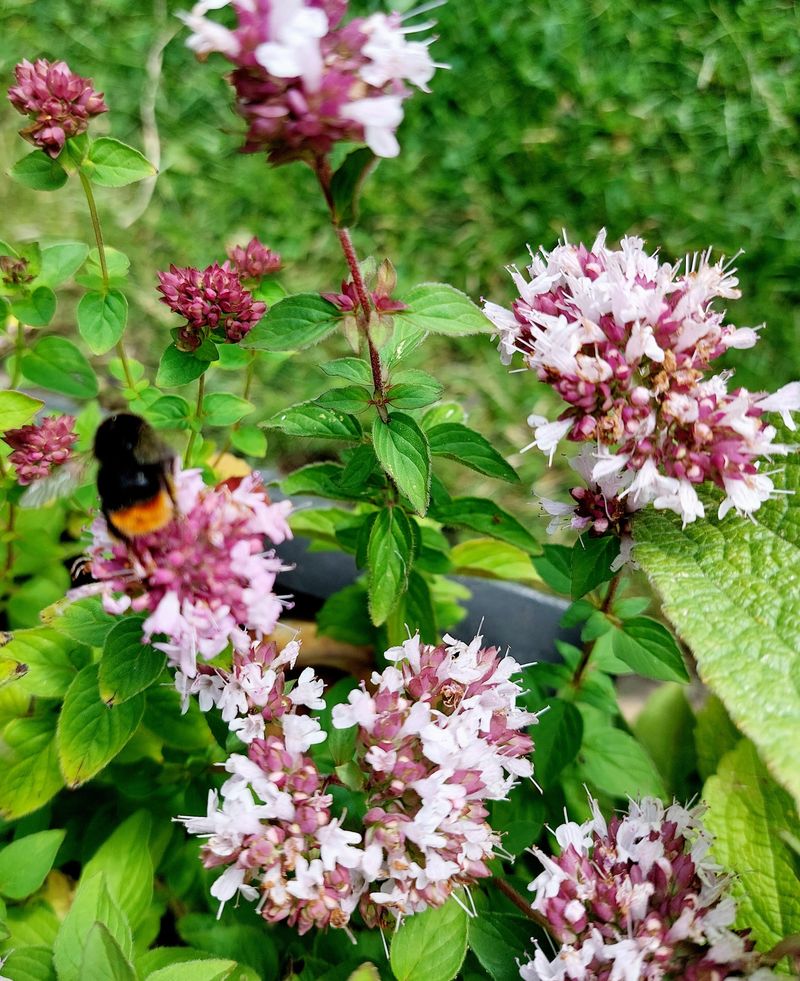
Few people expect their herb garden to become a buzzing hotspot in late August, but that is exactly what happens when oregano is allowed to flower. The moment those tiny blooms open up, bees arrive fast.
They do not trickle in one at a time. They come in waves, hovering and landing across every cluster of flowers.
Oregano produces a scent that intensifies when it blooms. That stronger fragrance acts almost like a signal to nearby pollinators.
Honeybees, bumblebees, and native solitary bees all respond to it. You can often hear the hum before you even see the plant.
What makes this herb so effective as a bee magnet is the combination of scent, flower shape, and nectar availability. The small tubular flowers are perfectly sized for bee tongues.
Nectar is easy to reach, so bees spend less energy per flower. That efficiency keeps them coming back again and again throughout the day.
Gardeners who have never let their oregano bloom are often surprised by how much activity a single plant can generate. One medium-sized patch can attract dozens of bees at a time.
During peak bloom in late summer, the plant almost seems to vibrate with all the activity happening on it. It is one of the easiest ways to support local pollinators without planting anything new.
2. Tiny Blooms Keep Pollinators Coming Back
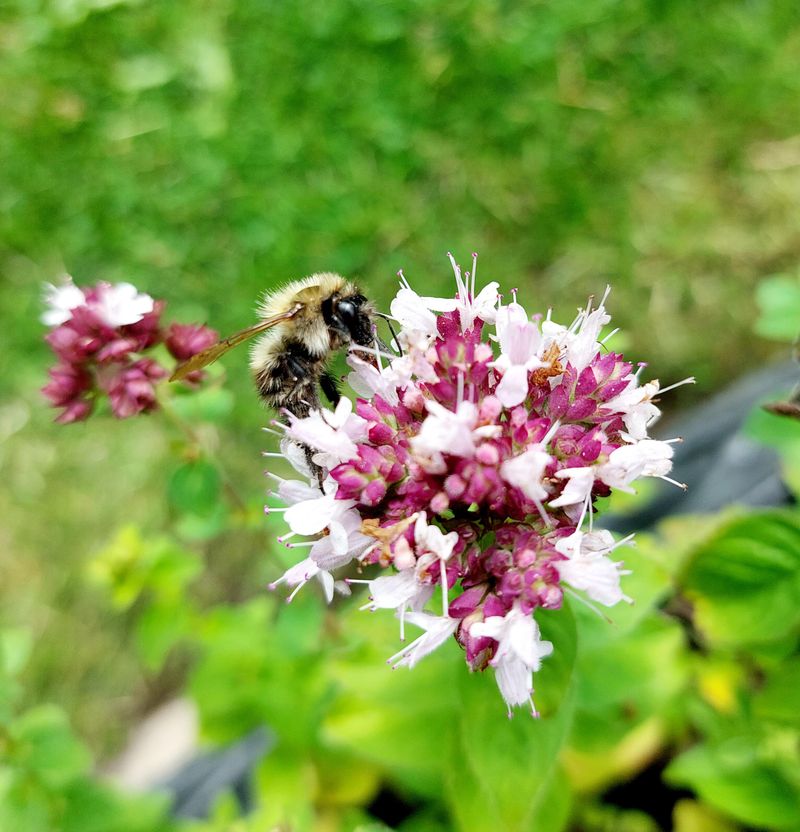
Bigger is not always better when it comes to flowers that attract bees. Oregano proves that point beautifully.
Its blooms are small, almost delicate-looking, but they pack a serious punch in terms of nectar and pollen production. Bees are drawn to quantity as much as size.
Each oregano stem produces multiple flower clusters. Those clusters hold dozens of individual tiny blooms.
A single plant can offer hundreds of individual nectar sources at once. For bees trying to gather as much food as possible before cooler weather arrives, that kind of abundance is hard to resist.
Your Oregon Garden Changes Every Week. Your Plan Should Too.
Gardening in Oregon changes quickly throughout the season. Every Friday you’ll receive a simple weekly plan showing exactly what to plant, prune, fertilize, harvest, and protect so you never miss the right timing.
Pollinators also return to reliable food sources. Once a bee finds a productive plant, it tends to come back to that same spot repeatedly.
Oregano earns that loyalty because it keeps producing fresh flowers over several weeks. The blooming period does not happen all at once and then stop.
New buds continue to open while older flowers finish, so there is always something fresh available.
For gardeners who want to support bees during the late-season gap, when many summer flowers have faded and fall blooms have not yet started, oregano fills that window perfectly.
Planting even a small patch near other herbs or vegetables creates a reliable pit stop for pollinators.
They will find it quickly, and once they do, they will keep returning as long as the flowers are open.
3. Letting Oregano Flower Beats Harvesting Every Stem
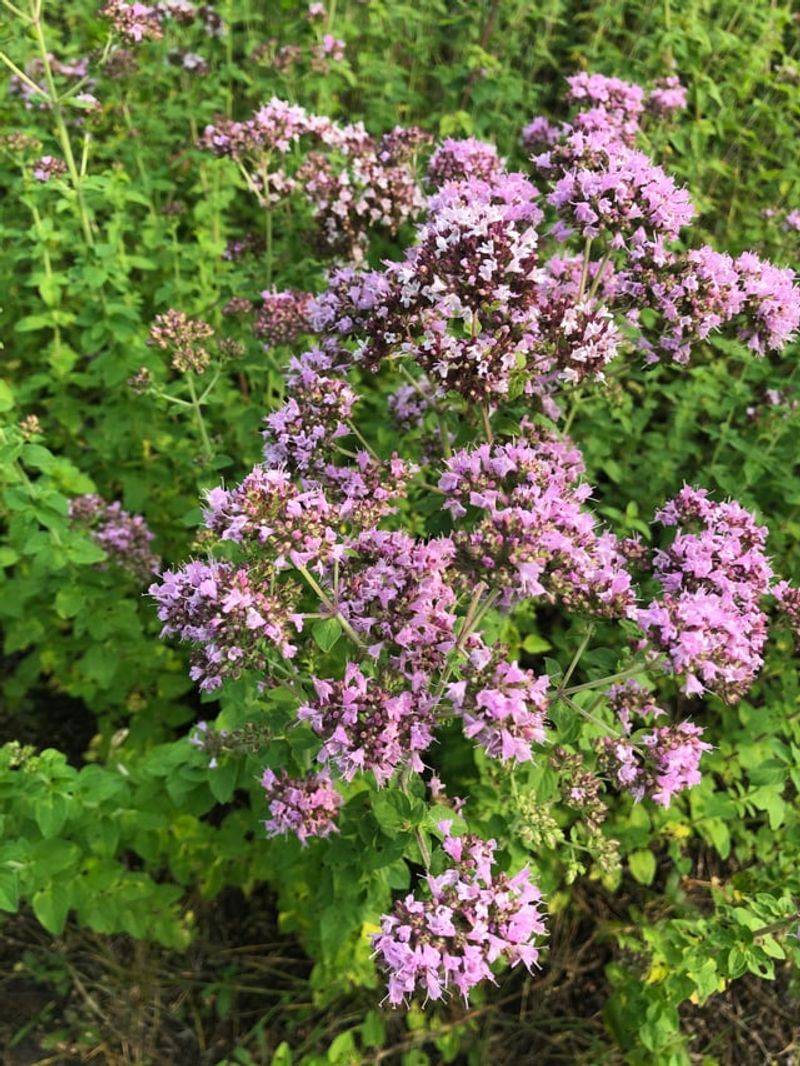
Many herb gardeners have a habit of cutting oregano back constantly to keep it tidy and encourage fresh leaf growth. That approach makes sense if cooking is the only goal.
But for anyone who cares about pollinators, that constant trimming comes with a real cost.
Every time oregano gets cut before it blooms, bees lose a potential food source. The plant never gets the chance to do what it naturally wants to do in late summer, which is flower and feed the insects that depend on it.
Holding back the scissors for just a few weeks can make a big difference.
Letting a few stems go to flower does not ruin the plant for kitchen use. You can still harvest leaves from the lower portions while the upper stems bloom freely.
The two goals do not have to compete with each other. A little planning makes both possible at the same time.
The leaves on a flowering oregano plant are still flavorful and usable. Some cooks actually prefer them at this stage because the essential oils are at their most concentrated just before and during bloom.
So skipping one or two harvests is not a loss at all. The bees get what they need, and the herb is arguably at its best for culinary use too.
Everyone benefits when you let oregano do its thing.
4. Bees Love The Plant More Once It Starts Blooming
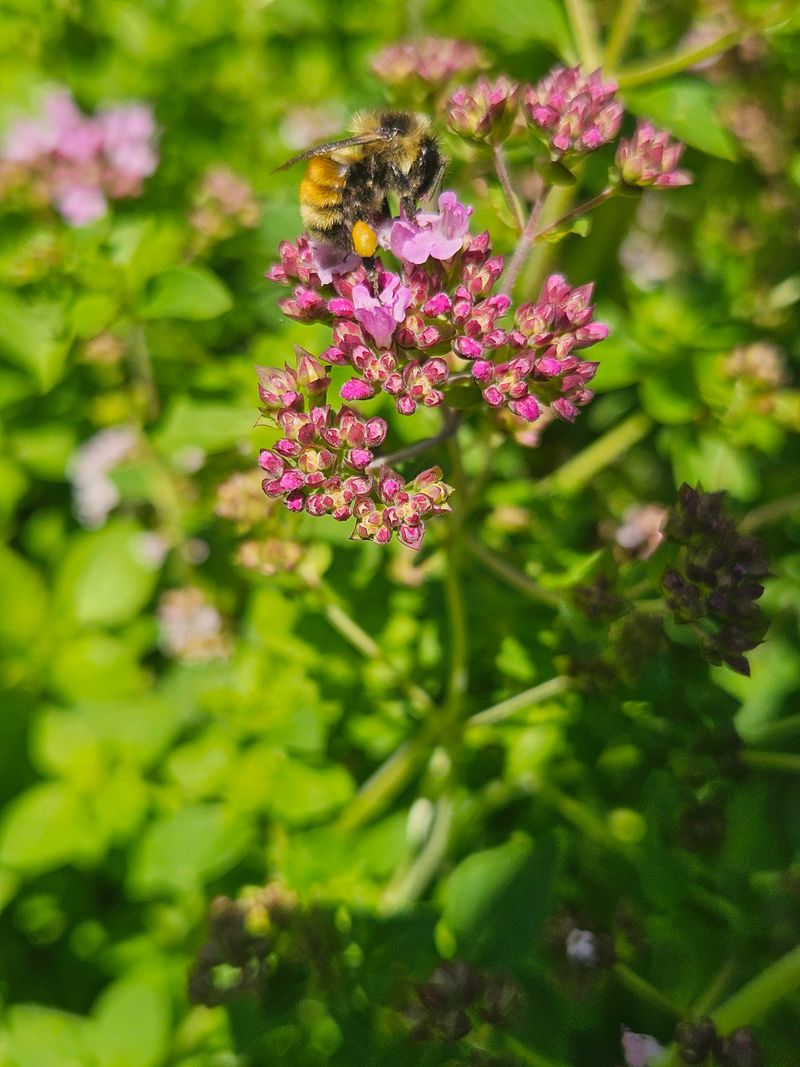
There is a clear turning point in how bees interact with oregano, and it happens the moment flowering begins. Before bloom, bees may visit occasionally for the scent or to explore.
After bloom, the visits become frequent, purposeful, and almost competitive. The plant transforms from a background herb into a primary destination.
The reason for this shift comes down to what the flowers offer. Nectar and pollen are only available once the plant blooms.
Before that point, bees have little reason to linger. But once those tiny flowers open, the reward becomes real and consistent.
Word spreads fast in the bee world through scout bees that communicate locations back to the hive.
Bumblebees tend to be especially enthusiastic visitors. Their larger size and buzzing behavior actually helps release pollen from the flowers, a process called buzz pollination.
Honeybees follow a more methodical approach, working row by row across a cluster. Watching both types work the same plant at the same time is genuinely fascinating.
Native solitary bees also show up in good numbers once oregano is in full bloom. Mason bees and sweat bees are common visitors in the Pacific Northwest.
These smaller bees often get overlooked, but they are highly effective pollinators. An oregano patch in full bloom becomes a community gathering spot for many different bee species, all working together without conflict in the warm August sun.
5. Late August Is When The Flower Clusters Really Shine
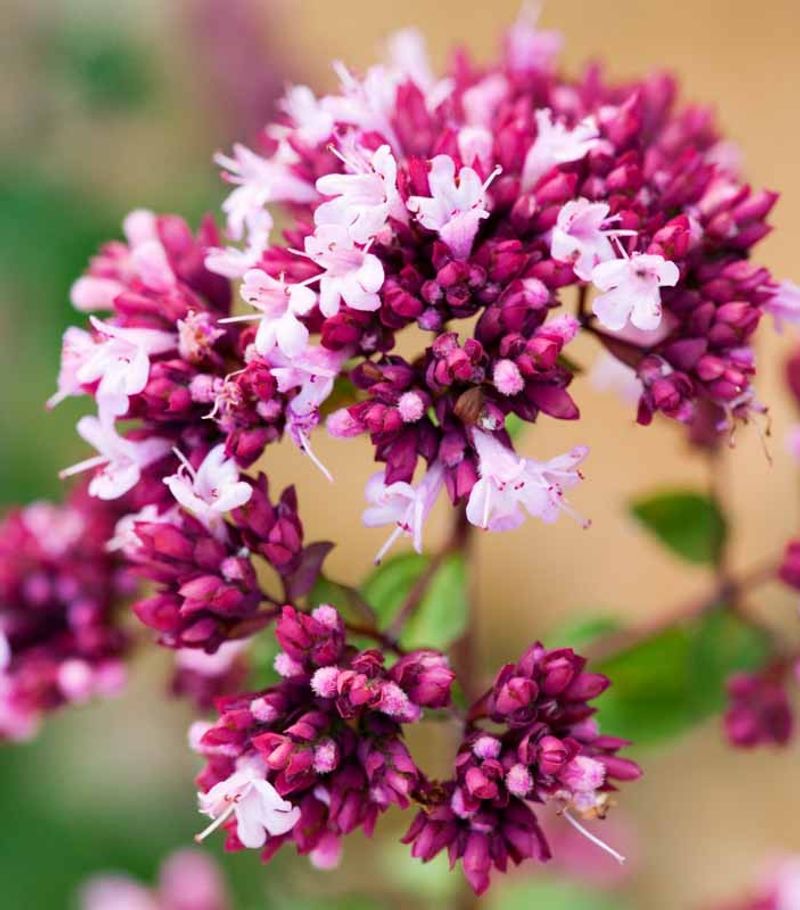
Timing matters a lot in pollinator gardening, and oregano has figured out the perfect window. By late August, many of the big summer bloomers are winding down.
Lavender is mostly done. Coneflowers are past their peak.
The garden can start to feel sparse for bees that still need to forage before fall sets in.
That is exactly when oregano steps up. The flower clusters that have been building all summer finally reach their fullest point in late August.
Warm days and dry conditions push the plant to bloom more intensely. The result is a dense, fragrant display that draws pollinators from a surprising distance.
Gardeners in Oregon often notice this pattern once they start paying attention. The herb patch that seemed quiet all spring and early summer suddenly becomes the loudest corner of the yard in August.
The hum of bees around a flowering oregano plant can be heard several feet away on a calm afternoon.
Late summer is also a critical time for bee colonies. Honeybee hives need to store enough food to survive through winter, and every foraging trip counts.
Native bees are also preparing for the season ahead. Oregano in full bloom during this window is not just a nice bonus.
For many local bee populations, it represents a genuinely important food source during a time when options are becoming limited. That makes the timing of oregano bloom especially valuable.
6. One Herb Patch Can Stay Busy All Afternoon
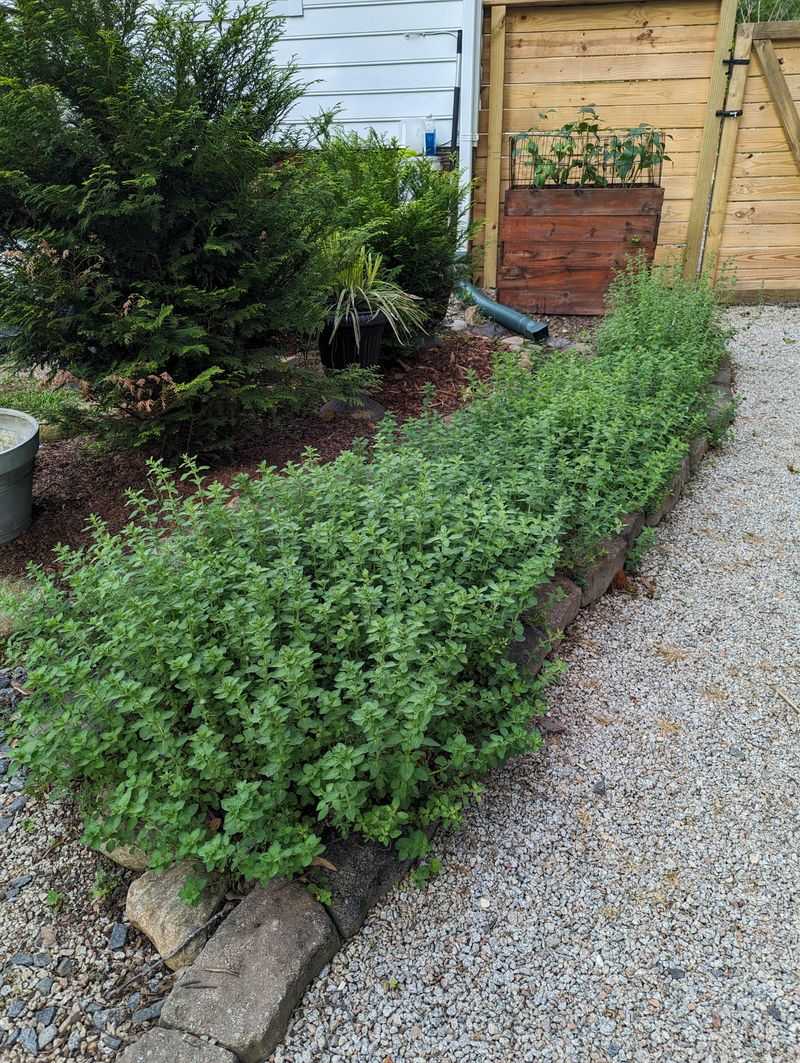
You do not need a big garden to make a real difference for bees. A single well-established oregano patch can stay active with pollinator traffic for hours at a stretch on a warm late-summer day.
The plant’s ability to hold attention is honestly impressive for something so easy to grow.
Bees tend to work oregano in waves. A group will arrive, work through the flowers methodically, and then leave.
A few minutes later, a new group shows up and starts the process again. This cycle can repeat throughout the afternoon without slowing down noticeably.
The plant keeps offering fresh nectar to each new visitor.
Part of what keeps bees engaged for so long is the layout of the flowers. Oregano clusters are dense and close together, which means a bee can move from bloom to bloom without much travel.
Less flying between flowers means more energy saved and more nectar gathered per trip. It is an efficient setup that bees seem to recognize intuitively.
For gardeners who enjoy watching wildlife in their yard, a blooming oregano patch provides some of the best free entertainment of the summer.
Pulling up a chair nearby and watching the steady stream of bees work through the flowers is genuinely relaxing.
You start to notice differences between bee species, their behaviors, and their preferences. A single herb patch becomes a small window into a much bigger world of pollinator activity happening right outside your door.
7. Dry Weather Does Not Stop Oregano From Flowering
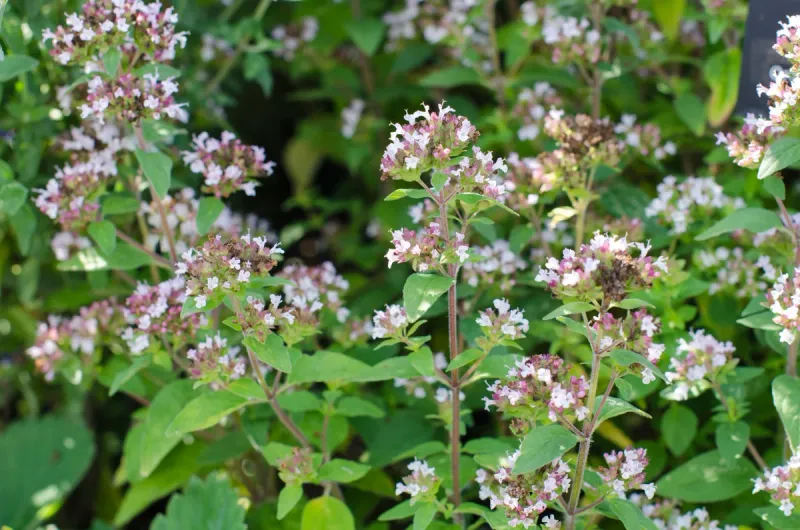
August in the Pacific Northwest can be surprisingly dry and hot. Many garden plants struggle during this stretch.
Flowers wilt, leaves curl, and some plants stop producing blooms altogether when the soil gets too dry. Oregano, however, was built for exactly these conditions.
Originally from the dry hillsides of the Mediterranean region, oregano thrives in poor, well-drained soil with lots of sun and minimal water. Those same conditions that stress other garden plants actually push oregano to bloom more vigorously.
The heat and dryness trigger the plant to focus its energy on reproduction, which means more flowers opening at once.
This drought tolerance is a huge advantage for gardeners who want to support bees without hauling hoses around in August. Oregano can go weeks without supplemental watering once it is established.
It pulls what it needs from the soil and keeps flowering through conditions that would shut down less hardy plants entirely.
For bees, this reliability is critical. During a dry August stretch, many nectar sources disappear.
Flowers that depend on consistent moisture simply cannot keep up. Oregano fills that gap by staying productive even when rainfall is scarce.
Gardeners who have discovered this quality often start planting more oregano on purpose, not just for cooking, but specifically because they know it will keep feeding local bees even during the driest weeks of summer. It earns its place in the garden every single year.
8. Skipping The Final Cut Gives Bees More To Work With
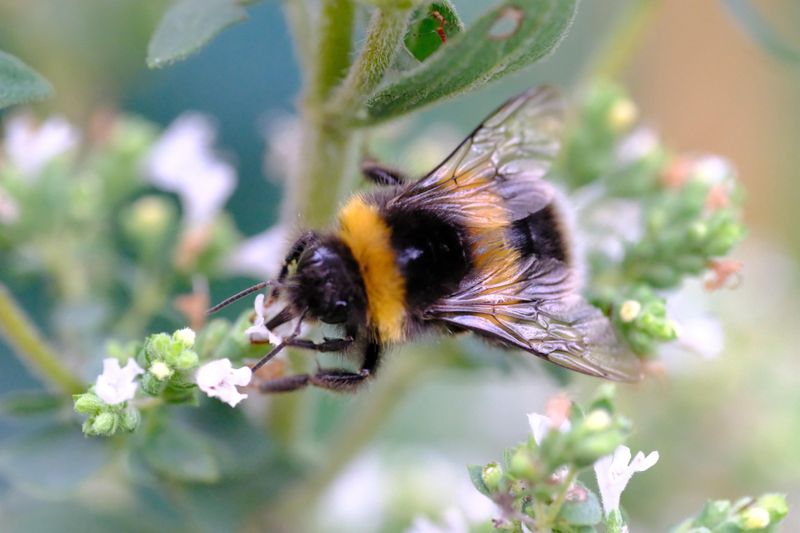
Late summer is when many gardeners do a final round of trimming before fall. Herbs get cut back, beds get tidied, and plants are shaped up before cooler weather moves in.
For oregano, that final cut is worth skipping, at least for a few extra weeks.
Holding off on that last trim allows the plant to finish its blooming cycle fully. Bees can work through the flowers at their own pace without losing access mid-season.
The longer the blooms stay on the plant, the more foraging opportunities local pollinators get during a period when alternatives are shrinking fast.
Skipping the cut also benefits the plant itself. Oregano that is allowed to complete its bloom cycle tends to come back stronger the following year.
The plant puts energy into its root system during and after flowering, which builds resilience for winter. A well-established oregano plant with strong roots is more productive the next season.
Think of it as a small act of patience with a big payoff. A few weeks of letting the plant look a little wild is a reasonable trade for supporting bee populations and ending up with a healthier herb going into fall.
You can always do a cleanup trim once the flowers have fully finished and the bees have moved on. Until then, the messier look is actually doing important work.
Bees in Oregon and beyond will thank you for it every buzzing, busy afternoon.