The Hydrangea Mistake Ohio Gardeners Make Right Now That Stops Blooming For Weeks
Ohio hydrangeas stop blooming in late summer and the usual suspects get the blame. Not enough water, too much sun, poor soil.
The investigation goes nowhere because the actual cause happened weeks earlier, in a single moment that felt completely reasonable at the time. One mistake made right now stops hydrangea blooming faster than anything else in the late summer care calendar.
It does not look like a mistake. It looks like maintenance, like attention, like exactly the kind of thing a conscientious gardener does to a plant that is still performing.
The hydrangea responds by going quiet. Buds that were forming stop.
The bloom cycle that had weeks left in it gets interrupted in a way that takes longer to recover from than most Ohio gardeners expect. The mistake is specific.
So is the window for avoiding it. Right now is exactly when it keeps happening.
1. A Hard August Cut Can Remove More Than The Flowers You See
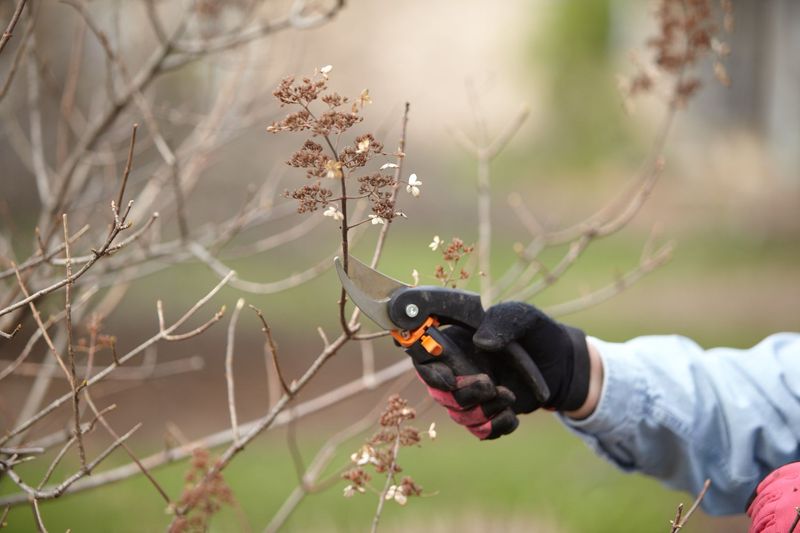
Spent flower heads on a healthy shrub can make the whole plant look like it needs a reset. The instinct to cut the entire thing back to a more manageable shape is natural, but the consequences depend on more than just the visible flower.
When an Ohio gardener removes only the dried flower head, the cut is relatively shallow. A hard cutback is something different.
It shortens the stem significantly, removing healthy leaves, nodes, and any shoots or developing buds that sit below the flower.
Depending on which hydrangea is growing in the yard, those nodes and buds may carry real value. Some types store next year’s flower potential right inside the stems that look perfectly ordinary in late August.
Cutting into that wood removes the flower before it ever forms.
Selective cleanup is not the same thing as reshaping the shrub. Removing a clearly broken stem or a genuinely damaged section of growth is different from taking several inches off every branch to make the plant look neater.
Both involve pruners, but they do not carry the same risk.
The safest approach when uncertain is to limit cuts to what is clearly spent or damaged. Save any decision about reshaping the whole plant until you know what type of hydrangea you are working with and what its flowering biology actually requires.
2. Bigleaf Hydrangeas May Already Be Building Next Years Blooms
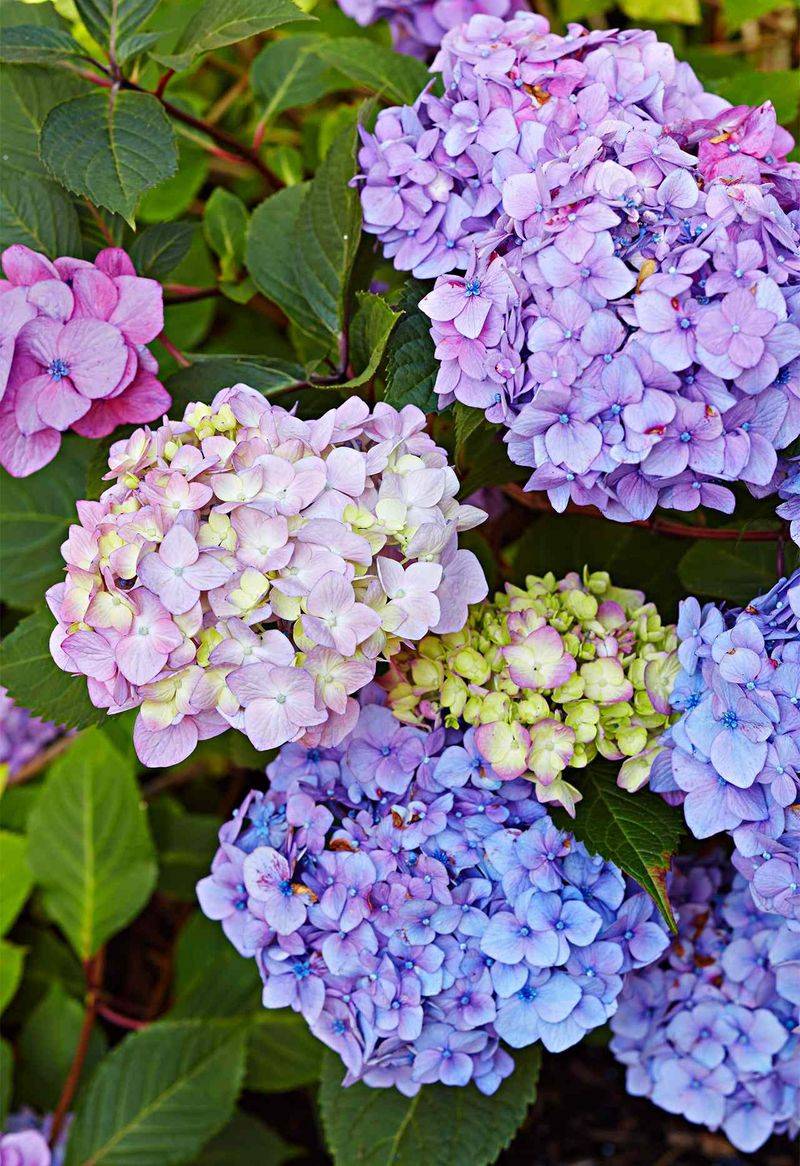
Tiny future flower buds can be developing on your shrub right now, completely invisible to the eye. For traditional bigleaf hydrangeas, known botanically as Hydrangea macrophylla, this is not a figure of speech.
Traditional bigleaf types commonly flower from buds that form on stems produced during the previous growing season.
Ohio University Extension guidance notes that flower bud development in these plants often occurs during late summer, including August and September.
Cutting into healthy older stems during this window can remove buds that would have opened next year.
Old wood simply means stems that grew during a prior season. It does not mean deceased or unproductive wood.
Your Ohio Garden Changes Every Week. Your Plan Should Too.
Gardening in Ohio changes quickly throughout the season. Every Friday you’ll receive a simple weekly plan showing exactly what to plant, prune, fertilize, harvest, and protect so you never miss the right timing.
A stem that looks mature and slightly woody in late August may be carrying living bud tissue that has already begun forming.
The issue is not permanent harm to the shrub itself. A plant that loses flower buds through late-summer pruning can still leaf out and grow.
The specific loss is the flower display those stems were preparing to produce.
Other stems left intact may still carry buds, so the effect on next year’s display depends on how much was removed. Mophead and lacecap are flower shapes found within Hydrangea macrophylla, not separate pruning categories.
Both share this old-wood flowering biology. Treating either type to a hard August cut carries the same risk of removing developing buds.
3. Reblooming Types Still Need Healthy Stems For Their Next Flower Flush
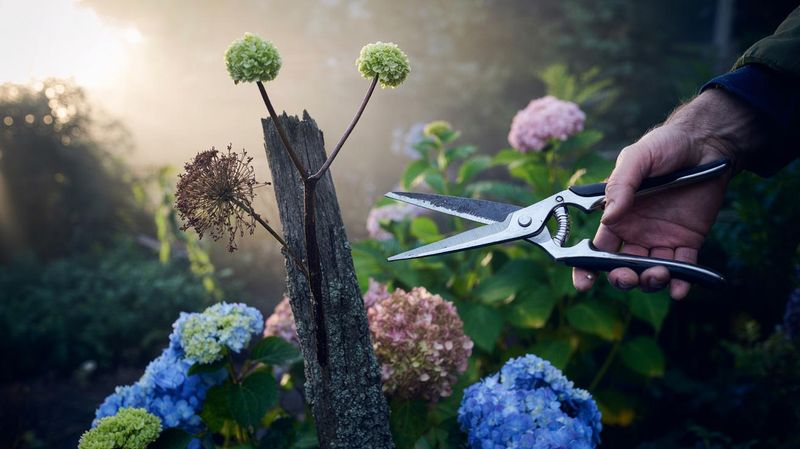
Some modern bigleaf hydrangeas carry flowers at different stages on the same plant at the same time. That layered quality comes from cultivars bred to produce buds on both older stems and on new growth within the same season.
Reblooming ability is a real trait in certain cultivars, but it does not make the plant indifferent to pruning. Cutting away a large portion of healthy growth in late August can remove current flowers, developing shoots, and functioning leaf area all at once.
Actual performance from a reblooming cultivar depends on many factors. Weather, plant health, light, moisture, and the length of the local growing season all influence whether additional flowering occurs after an earlier flush.
No specific rebloom timeline can be reliably predicted from a pruning cut.
A light removal of a single spent flower head is not the same action as cutting the shrub substantially shorter. The first is a surface-level cleanup.
The second removes plant tissue that may be supporting ongoing flowering or preparing future buds.
If you are working with a reblooming cultivar, check the specific plant information before making any significant cut. Do not assume that because a cultivar can flower on new growth, removing healthy stems in August is without consequence.
The plant still needs that tissue to function and to produce what it is capable of producing this season.
4. Smooth Hydrangeas Follow A Very Different Pruning Calendar
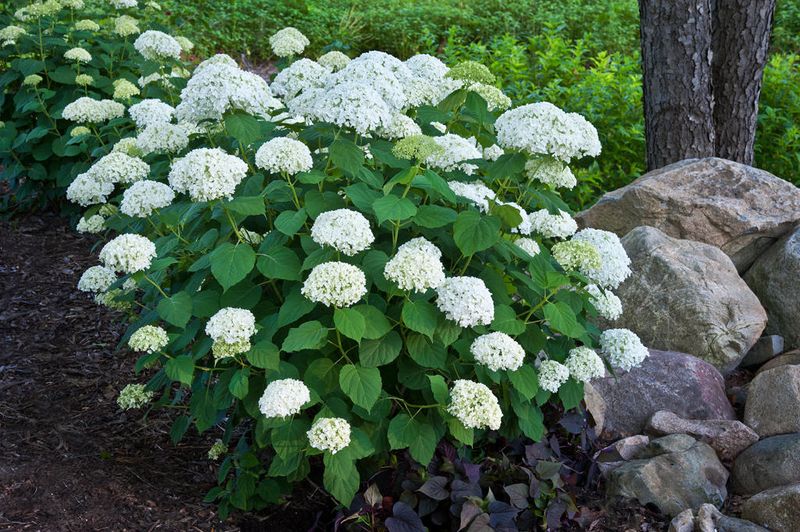
Not every hydrangea in the Ohio yard operates on the same schedule. Smooth hydrangeas, known botanically as Hydrangea arborescens, develop their flower buds on stems produced during the current growing season rather than on older stems.
New wood means growth that emerged this spring and summer. Because smooth hydrangeas rely on that current-season growth for flowers, the old-wood pruning warning from Section 2 does not apply to them in the same way.
Cutting into older stems on a smooth hydrangea does not carry the same risk of removing next year’s buds.
That distinction changes the risk calculation, but it does not make a hard August cut automatically sensible. The plant is still actively growing and using its healthy foliage right now.
Removing large amounts of leafy growth reduces the plant’s ability to photosynthesize and store energy heading into fall.
OSU Extension guidance and other university sources generally recommend pruning smooth hydrangeas in late winter or early spring, before new growth begins.
That timing allows the plant to put all of its current-season energy into strong new stems that will carry flowers.
Waiting for that window makes more sense than cutting heavily now. Identifying a smooth hydrangea correctly is the first step.
Knowing that its pruning season is months away gives you a clear reason to set the pruners down for the rest of this summer.
5. Panicle Hydrangeas Are Better Left For A Later Pruning Window
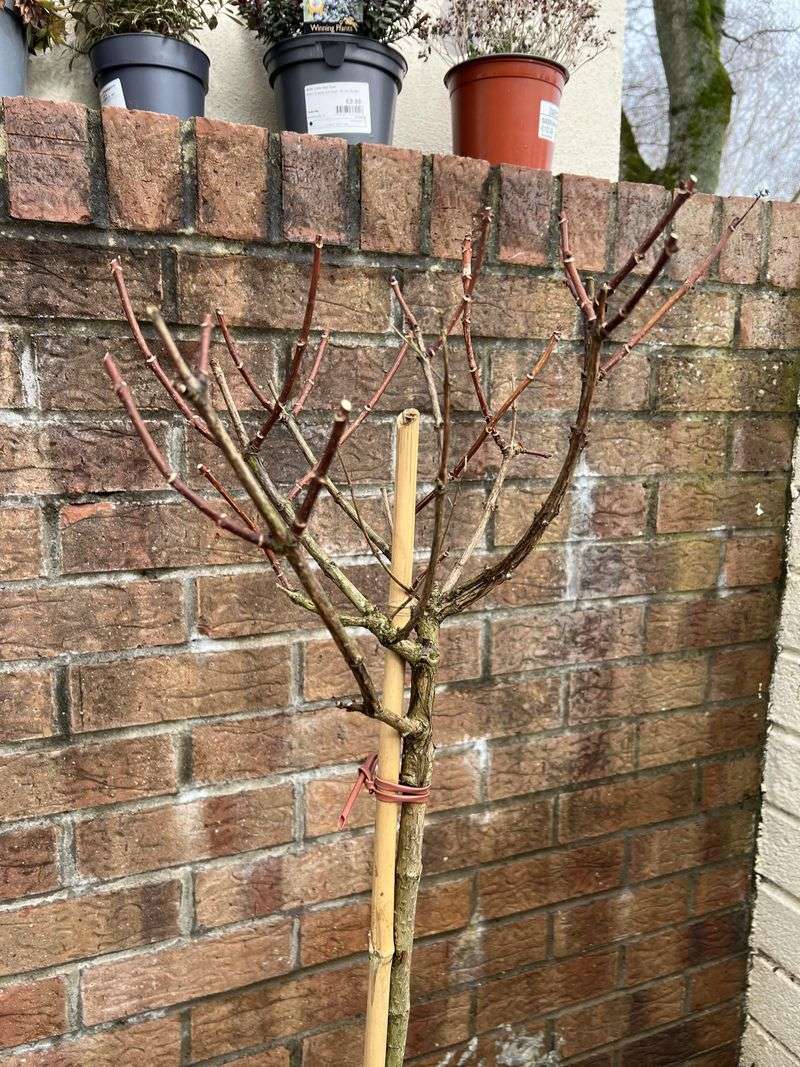
Cone-shaped flower clusters on a tall, upright shrub are a common sight in late-summer landscapes.
Panicle hydrangeas, known botanically as Hydrangea paniculata, are among the most vigorous growers in this plant family and are widely planted across the region.
Like smooth hydrangeas, panicle types develop their flowers on growth produced during the current season. That biology means an August pruning cut does not carry the same next-year bud risk that traditional bigleaf hydrangeas face.
The flower buds for next season have not yet formed on older stems.
Even so, cutting a panicle hydrangea back significantly in late summer removes current flowers and healthy foliage that the plant is still using. There is no good reason to reshape the shrub now when a more appropriate pruning window is available.
University Extension sources, including OSU guidance, generally point to late winter or early spring as the preferred time for major pruning of panicle hydrangeas.
That timing allows the plant to direct its energy into strong new growth once the season begins, rather than recovering from a late-summer cut.
If a panicle hydrangea has grown larger than the space allows, the better long-term answer is selecting a cultivar suited to the available space.
Repeated hard pruning to keep an oversized plant small is harder on the plant and the Ohio gardener than choosing the right size from the start.
6. Trimming Spent Flowers Is Not The Same Thing As Cutting Back The Shrub
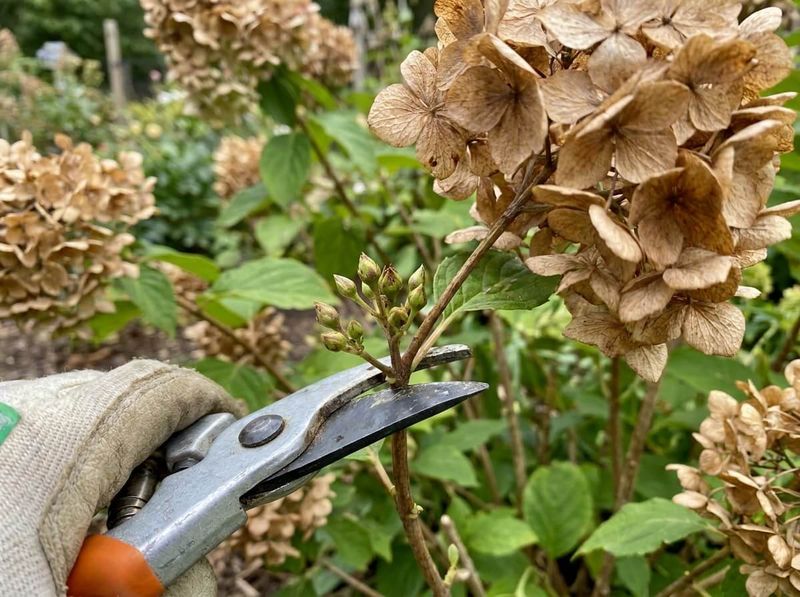
One brown flower head sitting above several healthy green nodes is a very different situation from a shrub that genuinely needs reshaping.
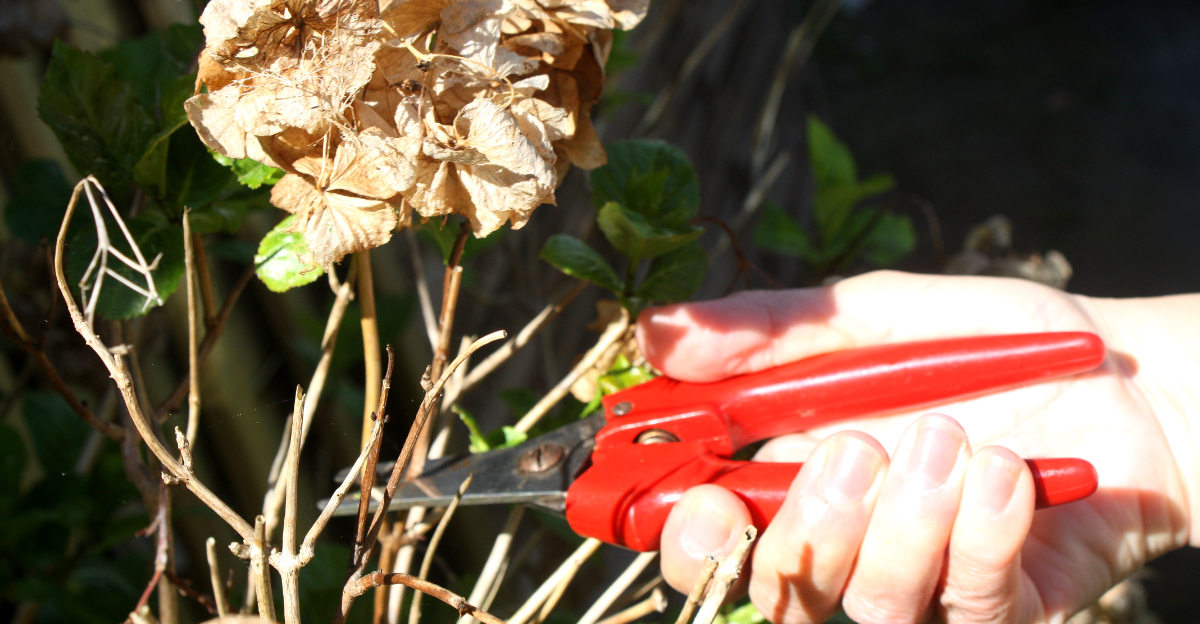
Trimming means removing the finished flower head, typically with a cut just below the bloom. It is largely an aesthetic choice.
Some Ohio gardeners prefer to leave faded hydrangea flowers in place through fall and winter, where they can add texture and even some visual structure to the garden.
Trimming is not required, and removing a spent flower head does not guarantee that a fresh one will appear in its place. Whether a new flower follows depends on the hydrangea type and cultivar, not on the act of removing the old one.
The key practical difference is how much stem is removed. A trimming cut takes the flower and a short section of stem.
A hard cutback removes significantly more, including healthy leaves, nodes, and potentially buds that have already begun forming on older stems.
For gardeners who simply want the shrub to look tidier in late August, trimming is the lower-risk option. It addresses the cosmetic concern without reaching into stem tissue that may be carrying next year’s flower potential.
Staying shallow keeps the options open.
7. Healthy Leaves Matter More Than A Perfectly Tidy August Shape
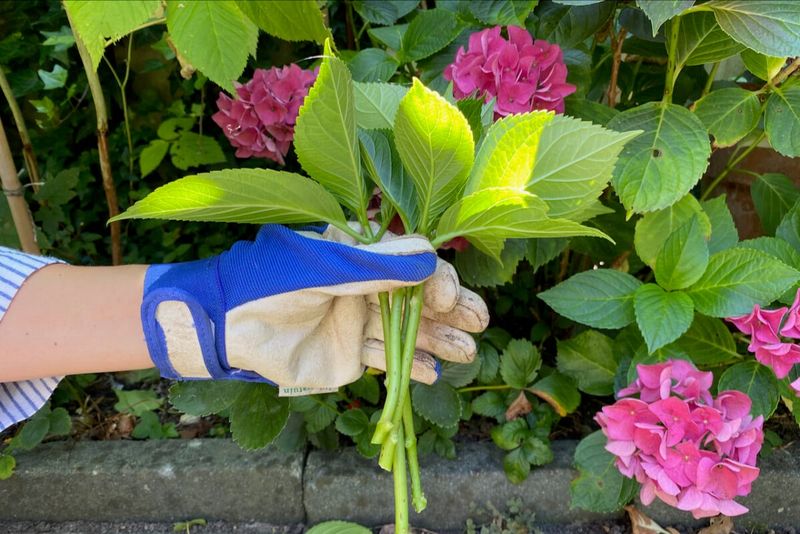
A hydrangea in late August may not look its best. Some leaves carry spots, edges may have browned from heat or dry spells, and the overall plant can appear tired compared to its early-summer self.
That appearance alone is not a reason to cut it back.
Leaves are where the plant converts sunlight into energy. A hydrangea heading toward fall still benefits from as much functioning foliage as possible.
Removing large amounts of healthy leaf area reduces the plant’s capacity to do that work during the weeks remaining before dormancy.
Some leaf imperfections in late summer are a normal result of heat, fluctuating moisture, or seasonal wear rather than a sign of active disease.
Diagnosing the cause from appearance alone is not reliable, and removing foliage based on cosmetic concerns can do more harm than the blemishes themselves.
Clearly diseased leaves, broken growth, or severely damaged foliage may be worth removing when there is a solid horticultural reason to do so.
That is different from stripping lower leaves or cutting back stems simply because the plant looks less polished than it did in June.
Wilting during hot afternoons does not automatically mean the plant needs pruning or that it is suffering from drought. Checking soil moisture is the first step.
A hydrangea that wilts midday and recovers by evening may simply be responding to heat rather than signaling a need for intervention.
8. Know Which Hydrangea You Have Before The Pruners Come Out Again
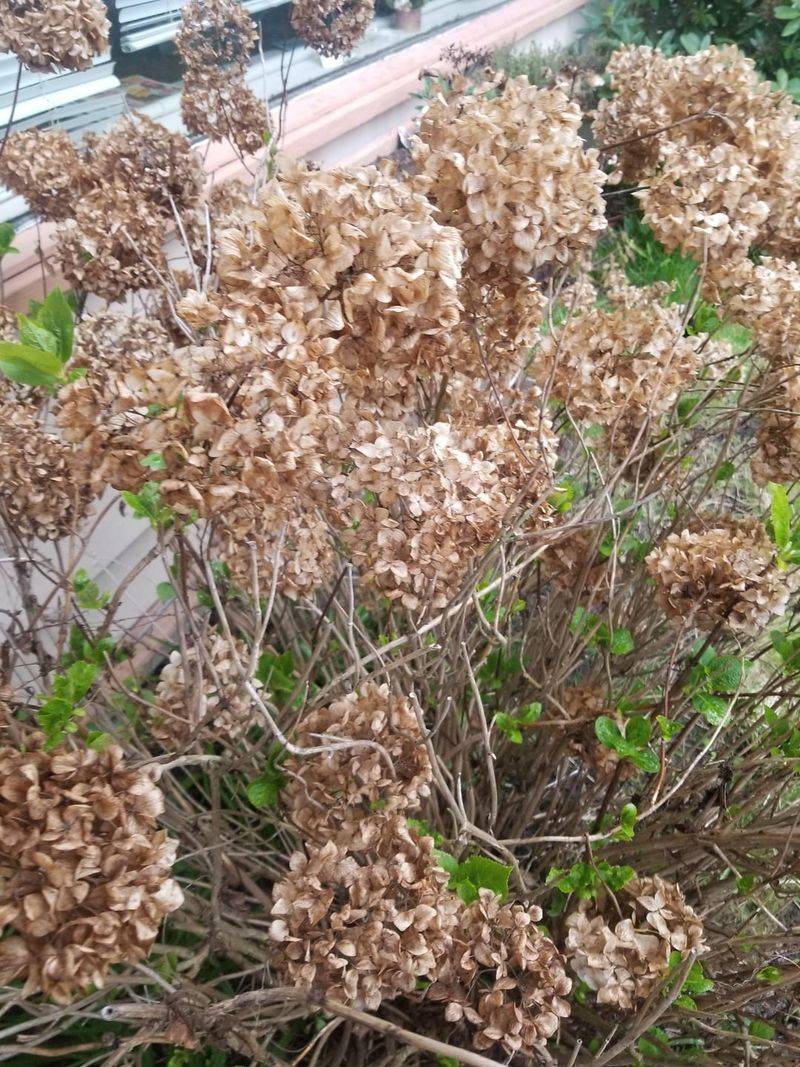
An old plant tag tucked near the base of the shrub, or a cultivar name written on a garden record, can answer most of the pruning questions raised in this article. Flower color alone cannot.
Blue, pink, white, and green flowers appear across multiple hydrangea types and do not reliably point to a pruning category.
More useful identification clues include flower shape, leaf shape, overall shrub form, and bloom timing. Panicle hydrangeas tend to have cone-shaped clusters and upright forms.
Smooth hydrangeas often carry large, rounded white flower heads on flexible stems. Traditional bigleaf types have broader, glossy leaves and rounder flower clusters, though appearances can vary by cultivar.
Oakleaf hydrangeas, Hydrangea quercifolia, have distinctively lobed leaves that resemble oak foliage. They bloom on old wood and should not be confused with smooth hydrangeas despite both being native species.
If an oakleaf hydrangea is in the Ohio yard, its pruning needs are worth researching separately.
A working summary for late August decisions: traditional bigleaf types commonly carry next year’s buds on older stems right now. Some reblooming bigleaf cultivars can flower on both old and new growth.
Smooth and panicle hydrangeas develop buds on current-season growth and are better pruned in late winter or early spring.
When identification is uncertain, postponing major pruning is a reasonable choice. Waiting costs very little.
A wrong cut on the wrong plant in late August can cost a full season of flowers.