You keep watering — but here’s why your Oregon hydrangeas still wilt every afternoon
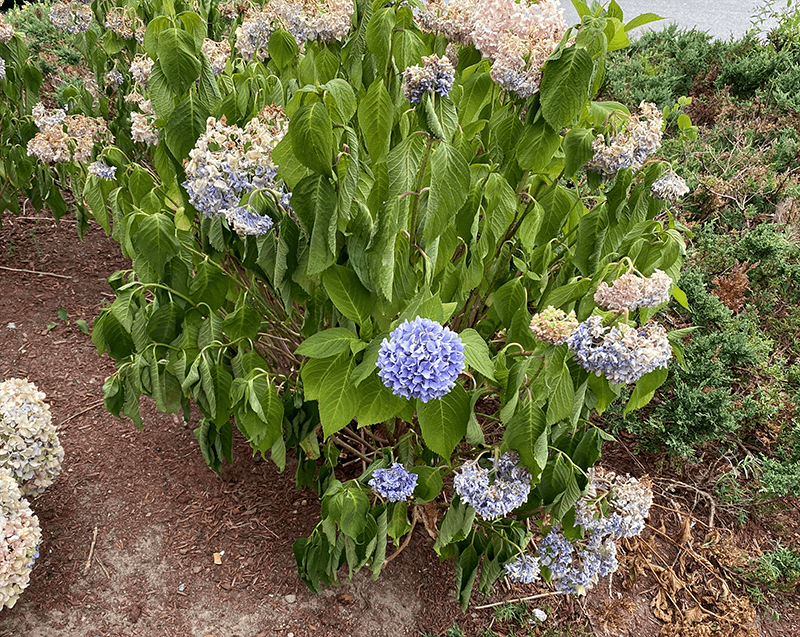
Your hydrangea looks perfectly fine in the morning, then collapses into a sad, droopy mess by two in the afternoon, and you reach for the hose out of habit. The frustrating truth is that more water is not always the answer, and sometimes it can make things worse.
Learning to read what your plant is actually telling you, rather than reacting to how its leaves look at the hottest moment of the day, can save you a lot of worry and protect a plant you care about.
Afternoon recovery tells you what to check first
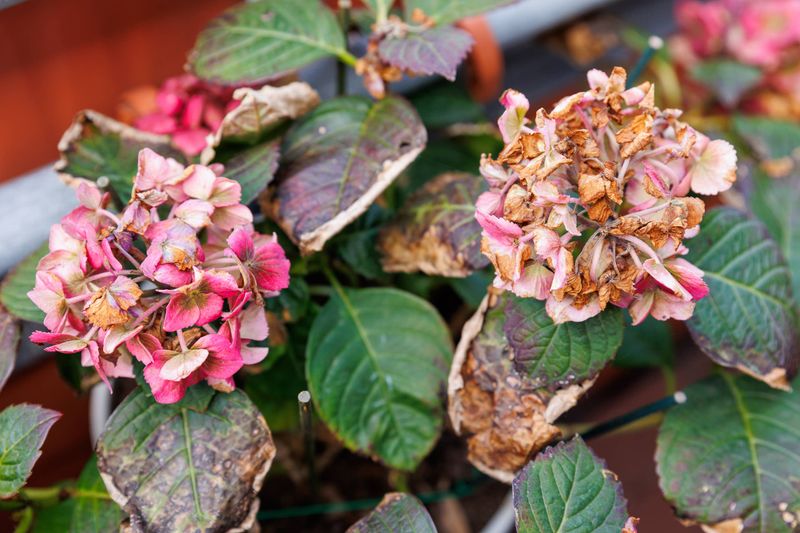
Wilted leaves at two in the afternoon do not automatically mean your hydrangea is thirsty. Large-leaved hydrangeas, especially bigleaf types, can lose water through their leaves faster than their roots can replace it during the hottest part of the day, and the plant droops as a result even when the soil holds plenty of moisture.
Oregon guidance on heat stress in gardens confirms that midday or afternoon wilt can be a normal heat response, not a sign that something has gone wrong.
The first question to ask is not “how much water does it need?” but rather “does it bounce back?” Go outside in the early evening or check again the next morning before the heat builds. A plant that has lifted itself back to normal, with leaves upright and perky, is almost certainly responding to heat and transpiration stress rather than drought.
That recovery observation becomes more useful when you pair it with a quick soil check. Push a finger or a narrow tool about one to two inches into the soil near the plant.
If the root zone feels moist at that depth, you have a strong signal that the afternoon droop was about heat exposure, not a shortage of water.
Plant care guidance for hydrangeas notes specifically that afternoon wilt can occur even when soil moisture is adequate, particularly for bigleaf types facing intense afternoon sun.Keep in mind that this two-step check narrows the possibilities rather than closing the case entirely. A plant that recovers and sits in moist soil is probably dealing with heat and exposure, but other stressors can mimic the same pattern.
Recovery timing is a useful clue, not a complete diagnosis, and the sections that follow will help you work through the remaining possibilities in a calm, logical order.
Check the actual root zone, not just the soil surface
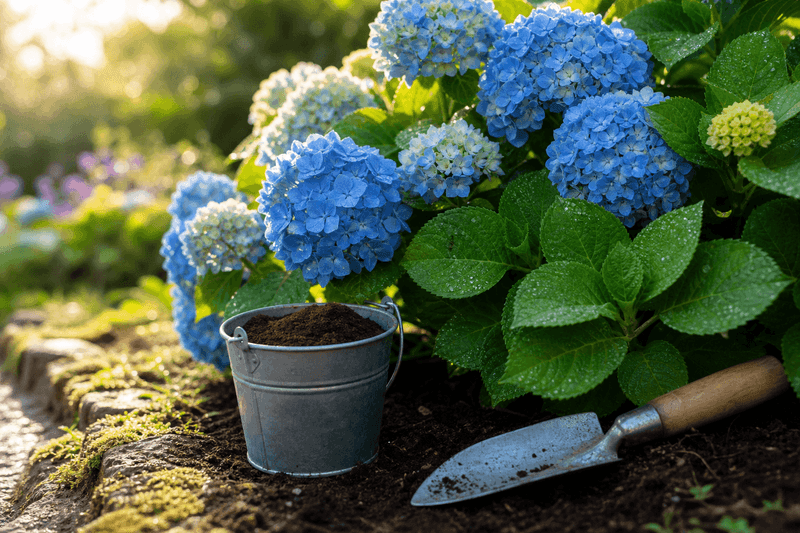
A quick spray from the hose can feel satisfying, but it often wets only the top inch or two of soil. On dry ground, water can run right off the surface before it reaches the roots at all.
That means you might walk away thinking the plant has been watered when the root zone is still bone dry several inches down.
Western Oregon’s seasonal pattern makes this especially easy to misjudge. Winter rainfall is typically abundant west of the Cascades, and gardeners sometimes carry a mental picture of well-saturated soil into summer without realizing how quickly things change.
Your Oregon Garden Changes Every Week. Your Plan Should Too.
Gardening in Oregon changes quickly throughout the season. Every Friday you’ll receive a simple weekly plan showing exactly what to plant, prune, fertilize, harvest, and protect so you never miss the right timing.
Oregon hydrangea growing guidance points out that a plant can sit in wet spring soil and still experience severe summer stress once the root zone dries or becomes difficult to re-wet near the surface.
Soil texture matters here, and it varies a lot across western Oregon. Some sites have clay-heavy or water-retentive soils that hold moisture well but can become almost hydrophobic once they dry out, shedding water rather than absorbing it.
Other sites drain quickly. The only reliable way to know what you’re dealing with is to assess the texture, drainage, and actual moisture at your own planting site, not to assume your yard matches a regional average.
To get a real read on what’s happening, probe roughly four to six inches down into the root zone, especially beneath any mulch layer. Oregon watering basics guidance recommends checking below the surface rather than judging by leaf appearance alone.
Surface dampness, runoff, and shallow wetting are not the same as usable root-zone moisture. A soil that looks fine from above can be quite dry where the feeder roots actually live, and that gap between appearance and reality is where a lot of well-meaning watering goes wrong.
Match the hydrangea to its afternoon exposure
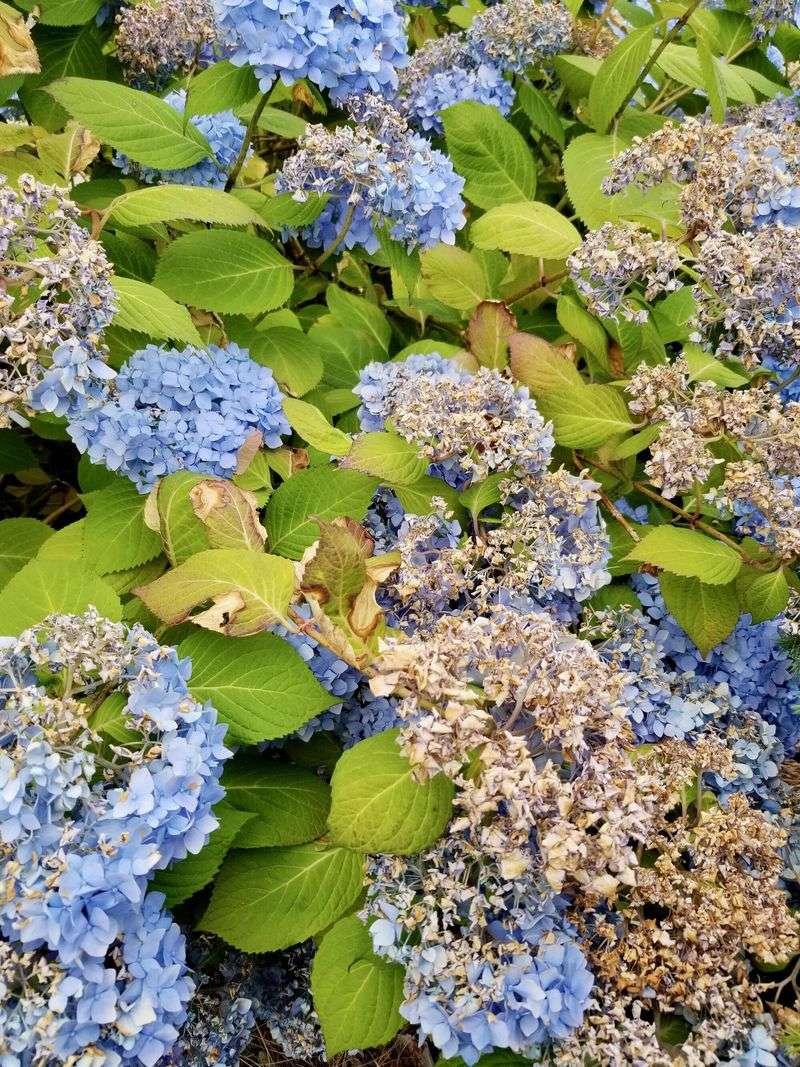
Not every hydrangea handles a hot Oregon afternoon the same way. The species growing in your yard shapes how much afternoon sun it can tolerate before stress sets in, and placing the wrong type in the wrong spot can create repeated wilting even when the soil stays moist and watering is done correctly.
Bigleaf hydrangeas, Hydrangea macrophylla, are among the most popular in Oregon gardens and also among the most sensitive to heat. They generally perform best with morning sun, filtered light, or afternoon shade during summer.
Serrated hydrangeas, H. serrata, share that sensitivity and can struggle with both strong sun and wind. Oregon-specific hydrangea guidance describes bigleaf types as less tolerant of drought and heat, making afternoon exposure a real liability for plants in open or west-facing spots.
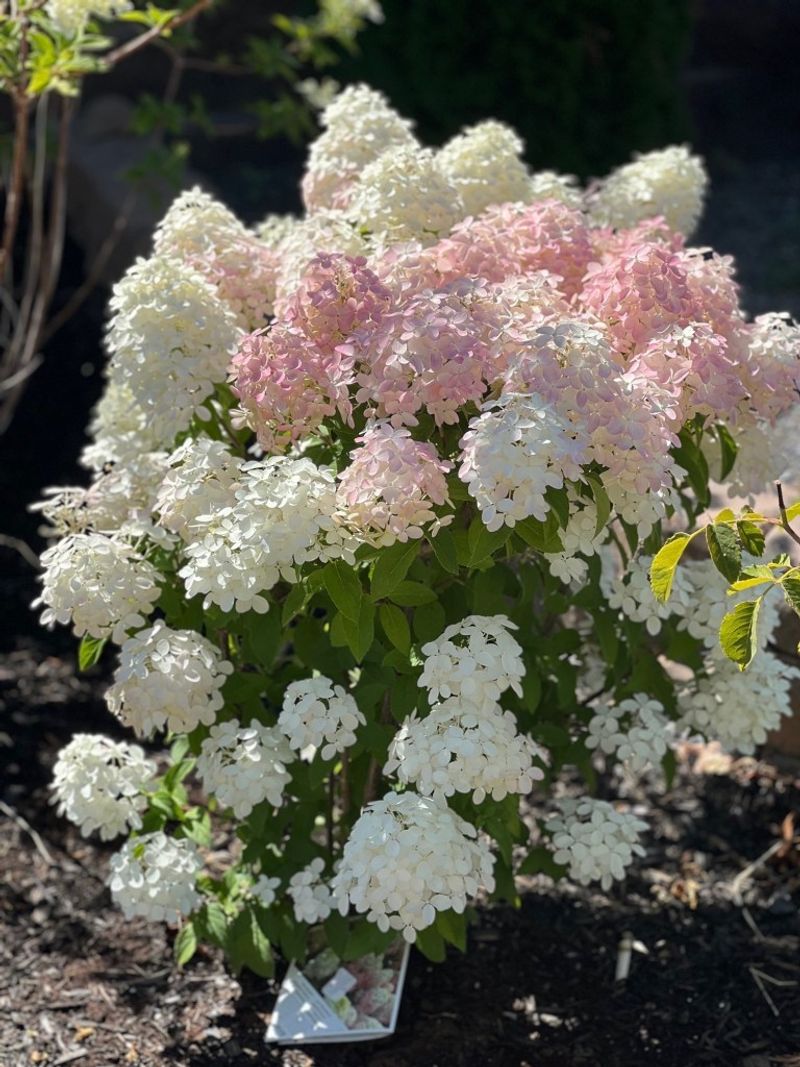
Panicle hydrangeas, H. paniculata, sit at the other end of the spectrum. They are more adaptable and can handle more sun exposure, provided the soil stays consistently moist through the heat of summer.
Smooth and oakleaf hydrangeas fall somewhere in between, tolerating heat better than bigleaf types without being truly drought-tolerant. Knowing which type you have changes the conversation entirely.
When a bigleaf or serrated hydrangea faces intense afternoon sun, the rate of water loss through its leaves can outpace what the roots supply, even in good soil conditions. Detailed Oregon hydrangea care information supports afternoon protection for sensitive types as a way to reduce that stress.
Options include planting near a structure or taller shrub that casts afternoon shade, or using a temporary shade cloth during heat events. Guidance on protecting plants during extreme heat recommends that any temporary shade structure allow airflow rather than being draped tightly against the foliage.
The goal is reducing the heat load on the leaves, not wrapping the plant.
Protect the root zone without keeping it soggy
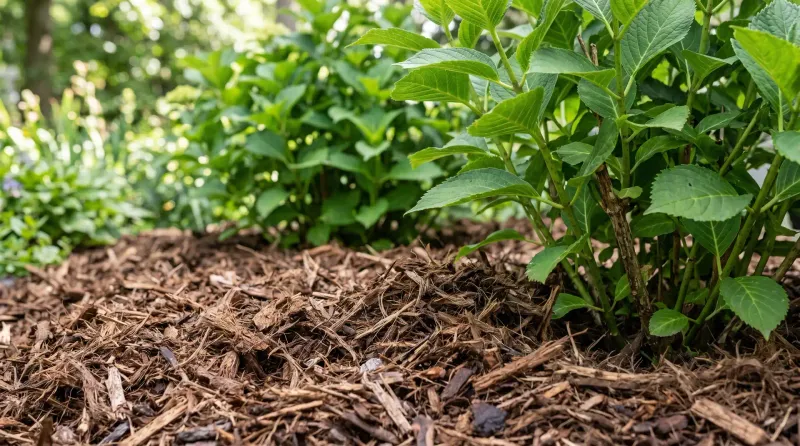
Organic mulch is one of the most practical tools for keeping hydrangea roots comfortable through a dry Oregon summer. A layer spread across the root zone acts as insulation, slowing soil temperature swings and reducing how quickly surface moisture evaporates on hot afternoons.
Oregon hydrangea guidance recommends about two to three inches of organic mulch, kept roughly an inch away from the stem to allow air circulation around the crown.
What mulch cannot do is substitute for proper drainage or correct a site that holds water too long. Protecting the root zone means moderating temperature and moisture loss, not creating a wet, airless environment around the roots.
Piling wet material against the crown raises the risk of rot and disease at the plant’s base, so the gap around the stem matters as much as the mulch itself.
Saturated soil is a genuine threat that is easy to overlook when you are focused on keeping a plant from wilting. When soil stays waterlogged, oxygen is pushed out of the pore spaces that roots depend on for healthy function.
Oregon general hydrangea care information notes that excess water can damage roots and lead to conditions where a plant wilts despite wet soil, because the roots can no longer take up water effectively.
If your planting site drains slowly, organic mulch alone will not fix the underlying problem. Oregon watering basics guidance points toward site assessment, organic-matter management, and raised planting as more reliable approaches to drainage problems than quick amendments.
A hydrangea sitting in persistently saturated soil after rain is a candidate for site improvement, not additional moisture. The mulch layer is most useful when the soil drains adequately and you simply want to hold onto the moisture that is already there.
Water slowly enough to wet the active root zone
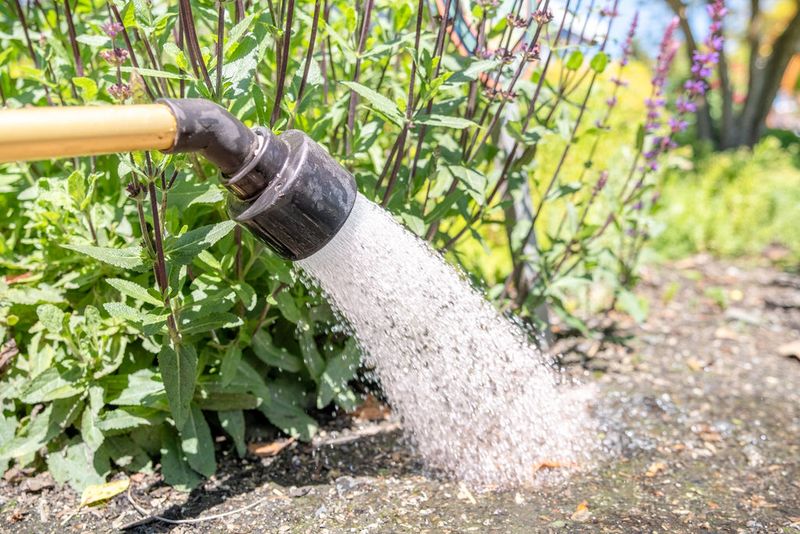
Once you have confirmed that the root zone is genuinely dry, the method of watering matters as much as the timing. A fast spray across the surface of dry soil often runs off before it can soak in, leaving the upper inch damp and the root zone untouched.
Slow, deliberate delivery gives water time to move downward where the feeder roots can actually reach it.
A soaker hose or drip emitter placed near the plant is one of the most reliable ways to accomplish this. Oregon hydrangea care guidance recommends slow, deep application over a brief spray, specifically because western Oregon soils that have dried out can resist absorbing water quickly.
Running water slowly for a longer period gives the soil time to accept and hold it rather than shedding it sideways.
Position matters too. Hydrangea feeder roots extend outward from the crown rather than concentrating directly at the stem.
Guidance on hydrangea root zones supports watering across the broader active root area rather than focusing a narrow stream at the base of the trunk. Spreading the application outward encourages roots to develop across a wider zone, which helps the plant access moisture more effectively during dry spells.
Morning is generally the best time to water, both because the plant can absorb moisture before peak afternoon heat arrives and because any water that contacts leaves has time to dry during the day. Oregon watering basics and heat-event plant protection guidance both support morning application as a general preference.
That said, a plant that is genuinely wilted and sitting in dry soil should be watered when you find it rather than left stressed until the following morning. Pairing slow, deep watering with a consistent mulch layer keeps the root zone more stable between irrigation sessions and reduces how often you need to intervene.
Persistent wilt means it is time to inspect roots and drainage
Heat stress and watering adjustments can only explain so much. When a hydrangea stays wilted overnight, fails to recover by morning, or begins dropping leaves and showing yellowing alongside the wilt, the problem likely runs deeper than afternoon heat.
That pattern calls for a closer look at what is happening below the soil surface.
Root damage, poor drainage, transplant stress, pest pressure, and disease can all produce symptoms that look similar to drought stress from the outside. Oregon hydrangea care information makes clear that daily wilt alone is not proof of root rot or any single disease.
Multiple problems can interfere with a plant’s ability to take up water, and treating them all the same way leads to mistakes.
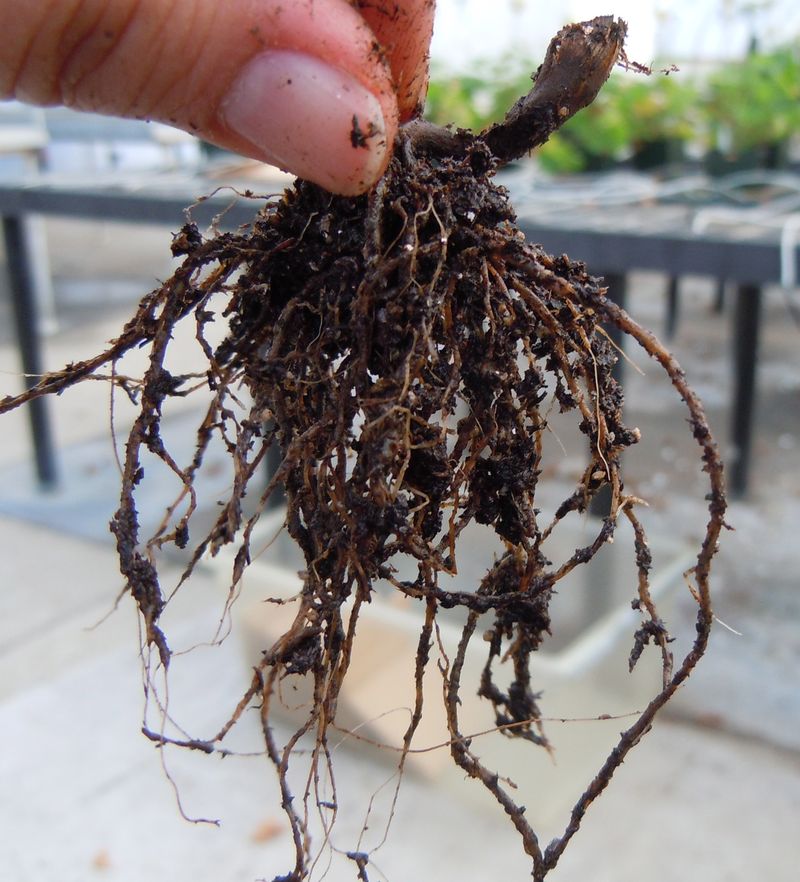
Inspecting the roots gives you more information than any amount of surface observation. Root inspection guidance for hydrangeas describes healthy roots as firm and light-colored.
Roots that appear dark, soft, or mushy are warning signs that something has gone wrong, whether from excess moisture, disease, or another source of damage. Detailed information on hydrangea root diseases notes that injured roots may be unable to take up water even when the surrounding soil is wet, which explains why adding more water to a damaged plant rarely helps and can worsen conditions by keeping the root zone saturated.
Persistent wilt is also a reason to step back from folk remedies. Coffee grounds, rusty nails, and similar additions relate to soil chemistry rather than root damage or heat stress, and none of them address the actual problem.
Diagnostic guidance for wilting hydrangeas supports a methodical approach: check the soil moisture, examine the roots, assess drainage, and consider whether a local garden professional might be the right next step when the cause remains unclear.
Use the same clues differently across Oregon
Most of the guidance in this article is aimed at gardeners west of the Cascades, where maritime summers bring dry heat after reliably wet winters. That context shapes nearly every recommendation, from how often to water to which species handle afternoon exposure best.
Gardeners in Central or Eastern Oregon are working with a noticeably different set of conditions, and copying a Willamette Valley routine without adjusting for local reality can lead to trouble.
East of the Cascades, low humidity pulls moisture from leaves faster than it does in the wetter west. Wind is often stronger and more persistent, compounding that drying effect.
Summer aridity is more extreme, winters are colder, and irrigation water in some areas carries higher mineral content that can affect soil structure and plant health over time. Oregon hydrangea guidance specifically notes that advice for the Willamette Valley and the coast does not translate unchanged to Central or Eastern Oregon.
The diagnostic sequence itself still applies everywhere: observe recovery timing, probe the root zone, identify the hydrangea type, assess afternoon exposure, and examine roots if wilt persists. What changes is how you act on those findings.
A Central Oregon gardener may need to water more frequently, choose more sun-tolerant species from the start, provide wind protection alongside sun management, and account for irrigation water chemistry when managing soil over time. Oregon watering basics guidance supports adjusting irrigation based on local soil, heat, and plant conditions rather than following a fixed regional prescription.
Knowing which side of the mountains you garden on is the first step toward making those clues work for your specific situation.
Read the leaves, then verify the soil
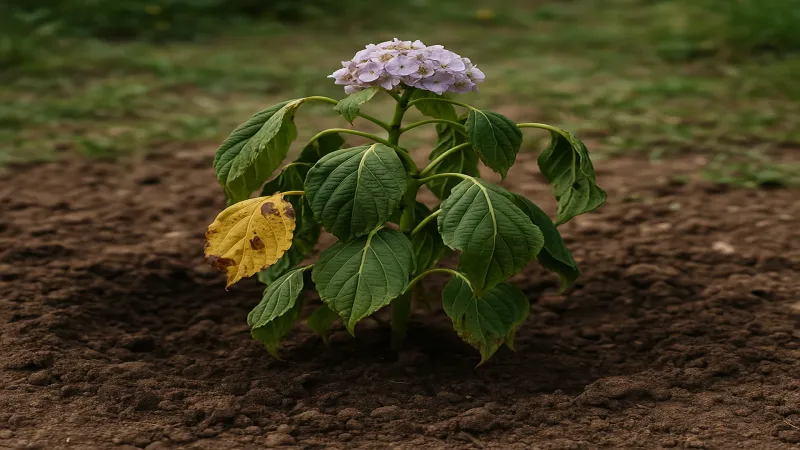
Afternoon droop is a signal worth reading carefully, not a command to grab the hose. The sequence that makes sense is straightforward: watch whether the plant recovers as evening cools things down, then probe the soil a few inches deep to find out whether root-zone moisture is actually present.
Those two observations together tell you far more than the leaves alone ever could.
From there, consider the hydrangea type and its afternoon exposure. A bigleaf hydrangea in a west-facing bed that recovers by morning and sits in moist soil is almost certainly dealing with heat and light stress, not thirst.
Oregon heat stress guidance for gardens supports protective measures like temporary shade and mulch in that situation rather than additional irrigation. If the root zone is dry, water slowly and broadly.
If drainage is poor or roots look damaged, address the underlying site problem rather than compensating with more water.
The goal is not to keep hydrangea leaves perfectly rigid through the hottest part of a dry Oregon summer. Oregon hydrangea growing guidance frames success as matching the plant, its site, the soil, and the season rather than chasing a single fix.
A hydrangea that wilts in the afternoon heat and lifts back up by evening is often doing exactly what a large-leaved plant does on a hot day, and that recovery is a sign worth trusting.