Ground Skinks Keep Showing Up In Maryland Mulch Beds For This Reason
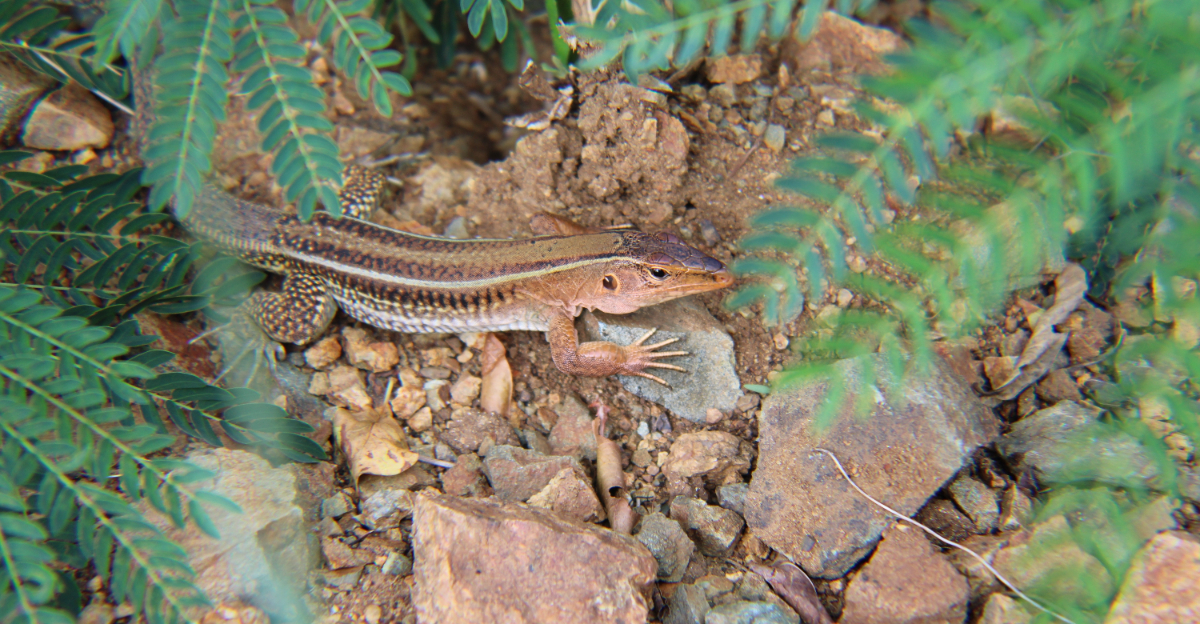
Something moves through the mulch beside your hostas, quick and low, and then it is gone. No rustle, no warning, just a flash of copper before the wood chips settle again.
Maryland yards are full of small residents most people never notice. This one stays close to the ground, slips between leaf litter and bark, and rarely holds still long enough to be identified.
It poses no threat to your plants, your pets, or your peace of mind. It picked your mulch bed for a reason that has nothing to do with luck, and once you know it, the sighting starts to feel like a compliment.
One condition in your landscaping keeps pulling this shy little reptile back, and it says a lot about the soil, cover, and insect life you have built.
Mulch Beds Offer Ideal Cover And Moisture
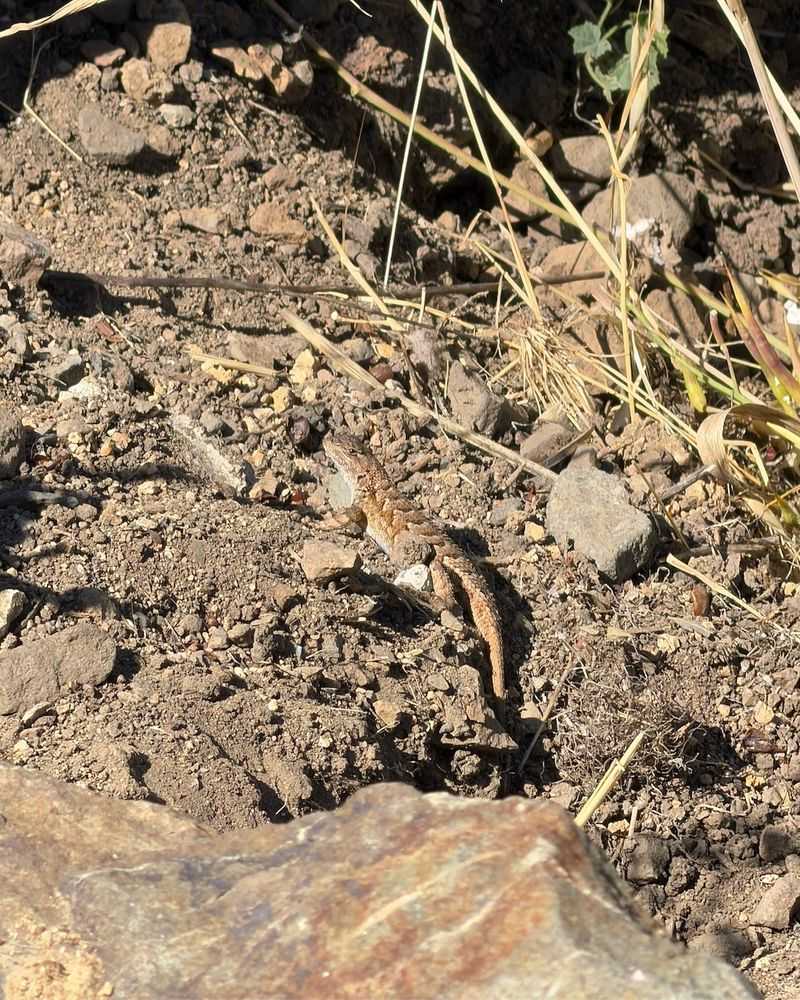
Picture a skink’s perfect Saturday: warm above, cool below, and nowhere to be. Mulch beds check every single box on that list.
Ground skinks are small, secretive reptiles that need cover to survive. A thick layer of wood chips or shredded bark acts like a blanket they can slip under instantly.
Predators like birds and cats have a hard time spotting them in there. The dense, uneven surface of mulch creates dozens of tiny hiding spots that feel tailor-made for a three-inch lizard.
Moisture is another massive draw. Mulch holds water longer than bare soil, keeping the ground beneath it consistently damp.
That dampness supports the soft-bodied insects and worms that skinks snack on daily. Without moisture, their prey disappears, and so do they.
Maryland summers can get brutally hot, and mulch helps regulate ground temperature beautifully. A skink can warm up on a sun-baked stone nearby, then retreat under the mulch to cool off fast.
That temperature flexibility is critical for cold-blooded animals managing their body heat. Your mulch bed basically functions as a built-in thermostat for these little reptiles.
Homeowners who use organic mulches like pine bark or hardwood see the most skink activity. Those materials break down slowly and stay moist longer than rubber or stone alternatives.
Frequent sightings in your own beds are a sign your garden setup is genuinely working well. They are picky about real estate, and yours just made the cut.
These Lizards Feed On Common Garden Pests
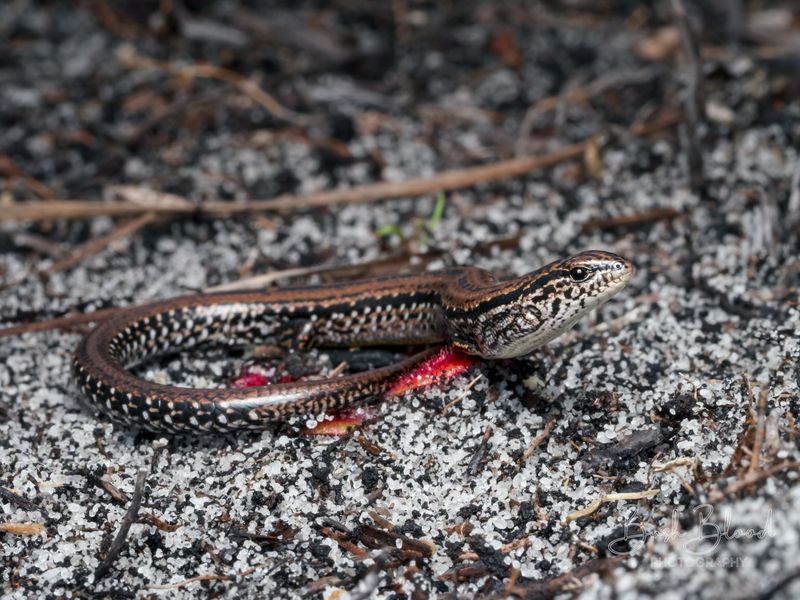
Forget the pesticide aisle for a second, because something better might already be patrolling your garden. Ground skinks are hungry, active hunters that target the bugs most gardeners despise.
Their diet includes small insects, spiders, and other soft-bodied invertebrates hiding in soil. They forage constantly, moving through leaf litter and mulch with quick, darting energy.
A single skink can cover a surprising amount of ground in one day. They hunt by sight and movement, snapping up prey before it even registers the threat.
Soft-bodied larvae hiding just beneath the mulch surface are another easy target, and skinks root them out with little effort.
That kind of targeted pest control is hard to replicate with sprays or traps. Chemical pesticides work indiscriminately, often wiping out the beneficial bugs your garden depends on.
Your Maryland Garden Changes Every Week. Your Plan Should Too.
Gardening in Maryland changes quickly throughout the season. Every Friday you’ll receive a simple weekly plan showing exactly what to plant, prune, fertilize, harvest, and protect so you never miss the right timing.
Skinks do not have that problem. They zero in on soft-bodied, damaging insects while leaving pollinators and soil helpers largely untouched.
Gardeners in the Mid-Atlantic region often notice healthier plants in beds where skinks are active. Fewer chewed leaves and damaged roots tend to follow these lizards around like a calling card.
Young skinks, called juveniles, are especially active hunters because they need to fuel fast growth. Their small size actually makes them better at reaching insects tucked into tight spaces.
Having a few of these natural exterminators around is genuinely useful. Your mulch bed is basically their hunting ground, and your plants are the ones benefiting most.
Maryland’s Climate Supports Year Round Skink Activity
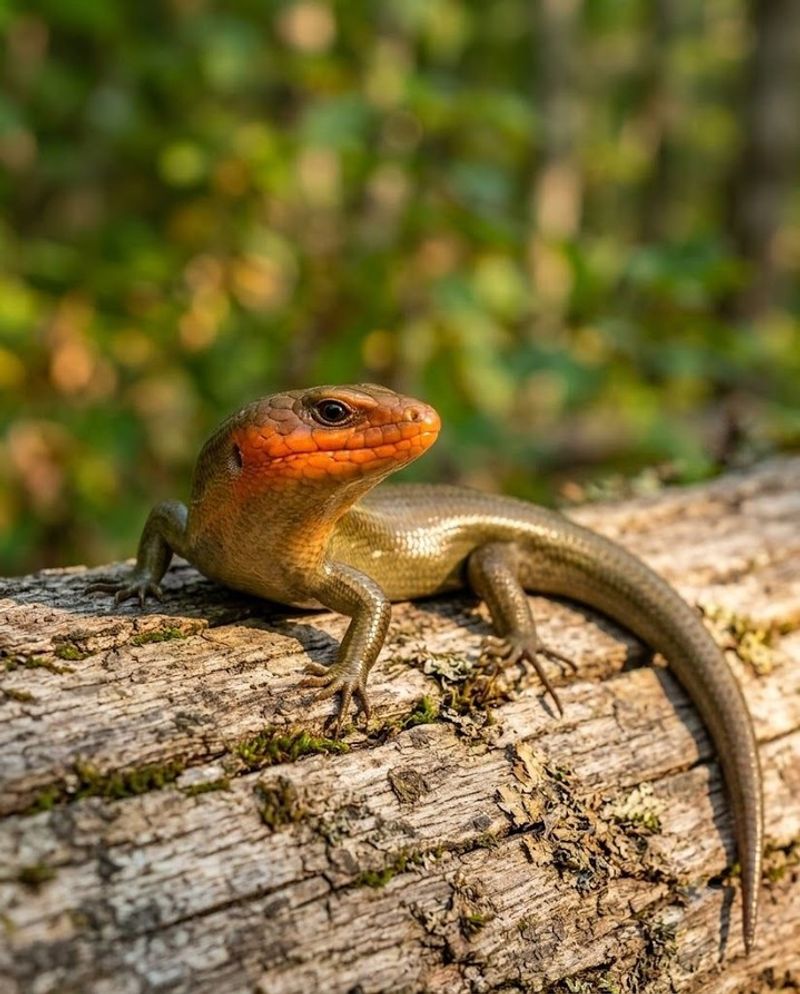
Maryland sits in a sweet spot, climatically speaking, for small reptiles like ground skinks. The state’s mix of warm summers, mild springs, and moderate falls keeps these lizards active for a long stretch of the year.
Maryland’s relatively mild winters mean these lizards do not stay dormant as long as they would farther north, and an unusually warm stretch can bring brief activity even outside the peak season.
Spring arrives relatively early along the Chesapeake Bay corridor. Skinks here tend to emerge from their winter slowdown earlier than in colder regions farther north.
That longer active season means more feeding, more breeding, and more visible skink activity in your yard. You might spot early activity on an unusually mild day near a sun-warmed, south-facing bed.
Summer heat is when they are most active, especially in the early morning hours. Mulch beds near brick walls or stone pathways hold warmth longer, making them prime territory.
Maryland’s humidity also plays a supporting role. High moisture levels keep the soil-dwelling prey population strong, which keeps skinks well-fed and active all season long.
Fall brings a slower pace but not a full stop. Skinks stock up on calories through September and October before settling in for a lighter winter rest under mulch or leaf piles.
In Maryland, these lizards are most established in the Coastal Plain, where conditions line up almost perfectly with what they need to thrive year after year.
Their Presence Signals A Healthy Yard Ecosystem
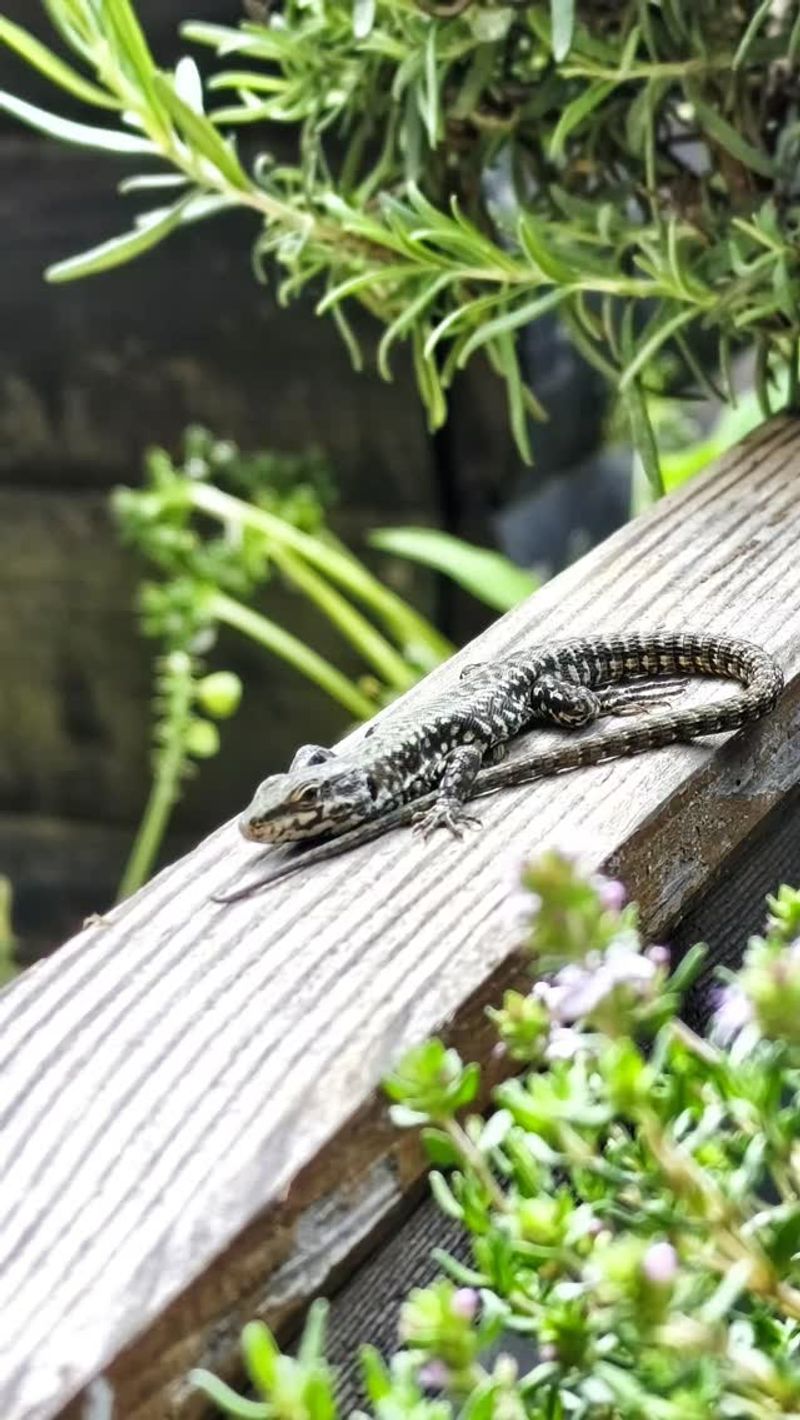
When a ground skink shows up in your yard, take it as a compliment. These lizards are picky about where they settle, and a healthy ecosystem is their number one requirement.
Skinks need a food web that actually functions. That means abundant insects, healthy soil, moisture, and cover, all working together in balance.
A yard loaded with pesticides, bare soil, and no ground cover simply will not support them. If you have skinks, you have something worth protecting.
Ecologists sometimes use small reptiles as indicator species, meaning their presence or absence tells a story about environmental health. A yard with skinks is a yard with biodiversity.
That biodiversity extends beyond the lizards themselves. Healthy skink populations mean thriving insect communities, which support birds, frogs, and other wildlife higher up the food chain.
Your mulch bed, if skinks are using it, is likely also hosting ground beetles, earthworms, and decomposing organic matter. All of those things feed the soil and improve plant health over time.
Gardeners who go organic often notice a jump in skink activity within a season or two. Removing chemical inputs lets the natural system rebuild, and skinks move in when conditions improve.
Think of them as a living report card for your landscape. An A-grade yard has skinks zipping through the mulch on a warm afternoon.
These lizards settle in wherever ecosystems are genuinely intact. Spotting one near your flower beds means you are doing more things right than you probably realize.
Simple Habitat Features Attract Them Naturally
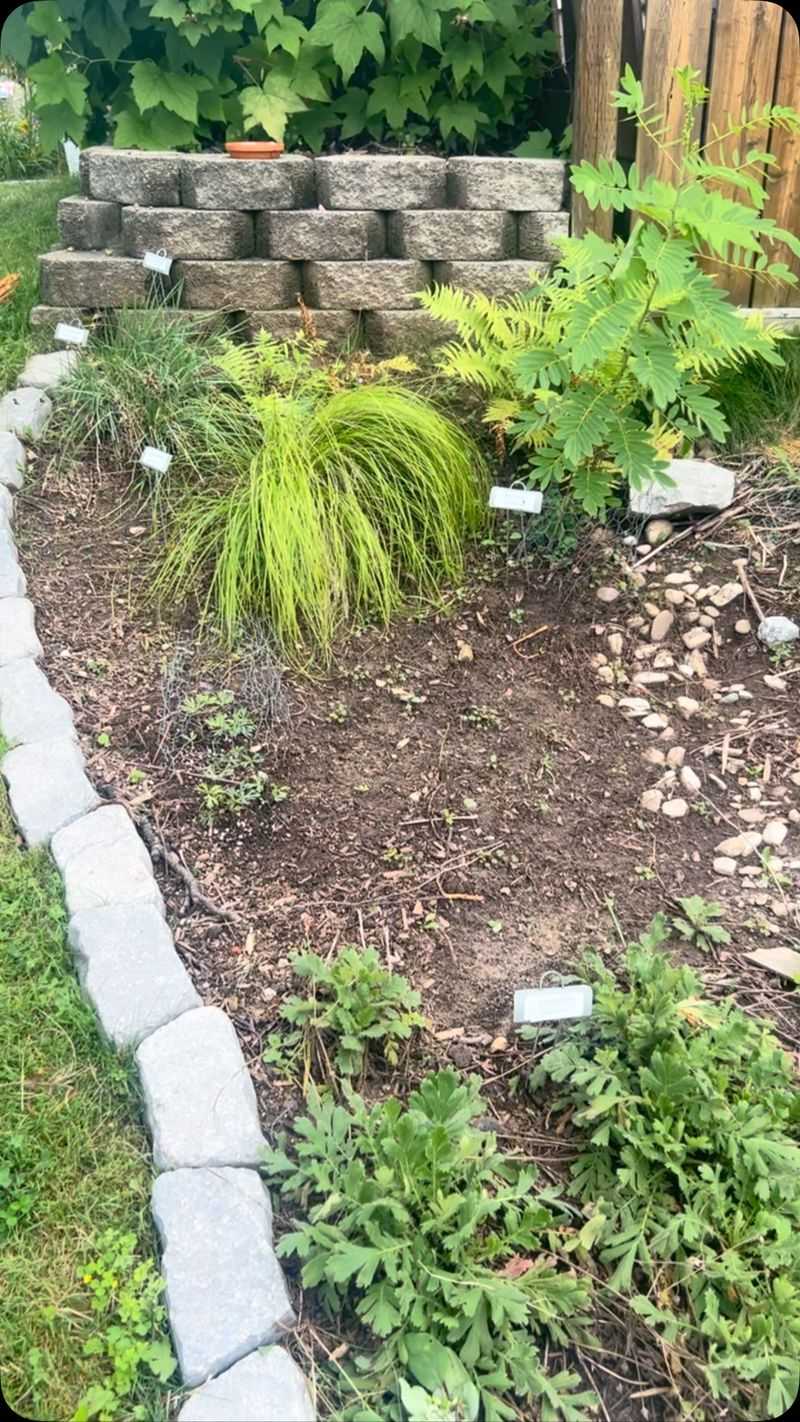
You do not need a wildlife degree to make your yard skink-friendly. A few simple, low-effort features are all it takes to roll out the welcome mat.
Mulch depth matters more than most people realize. A layer between two and four inches deep gives skinks enough room to burrow, hide, and forage without feeling exposed.
Flat rocks placed near garden beds serve a dual purpose. Skinks bask on warm stone surfaces to raise their body temperature, then duck under the mulch to cool down quickly.
Native plantings are another powerful attractant. Plants like native grasses, ferns, and low shrubs create dense ground-level cover that mimics the natural forest floor skinks evolved in.
Leaf litter left in corners or along fence lines gives them additional shelter and foraging ground. Raking everything spotless actually works against you if you want wildlife visitors.
Water sources nearby help too. A shallow dish, a dripping hose, or even a rain garden gives skinks and their prey access to the moisture they depend on.
Avoid using rubber mulch or decorative stone in beds where you want skink activity. Those materials do not retain moisture, do not decompose, and do not support the insect life skinks need.
Organic mulches like hardwood, pine bark, or straw are far more inviting. They break down over time, feeding the soil and supporting the entire food web that sustains skinks.
Building habitat does not have to be complicated or expensive. Small, intentional choices in your garden design can turn an ordinary yard into a skink haven surprisingly fast.
Coexisting With Skinks In Your Landscape
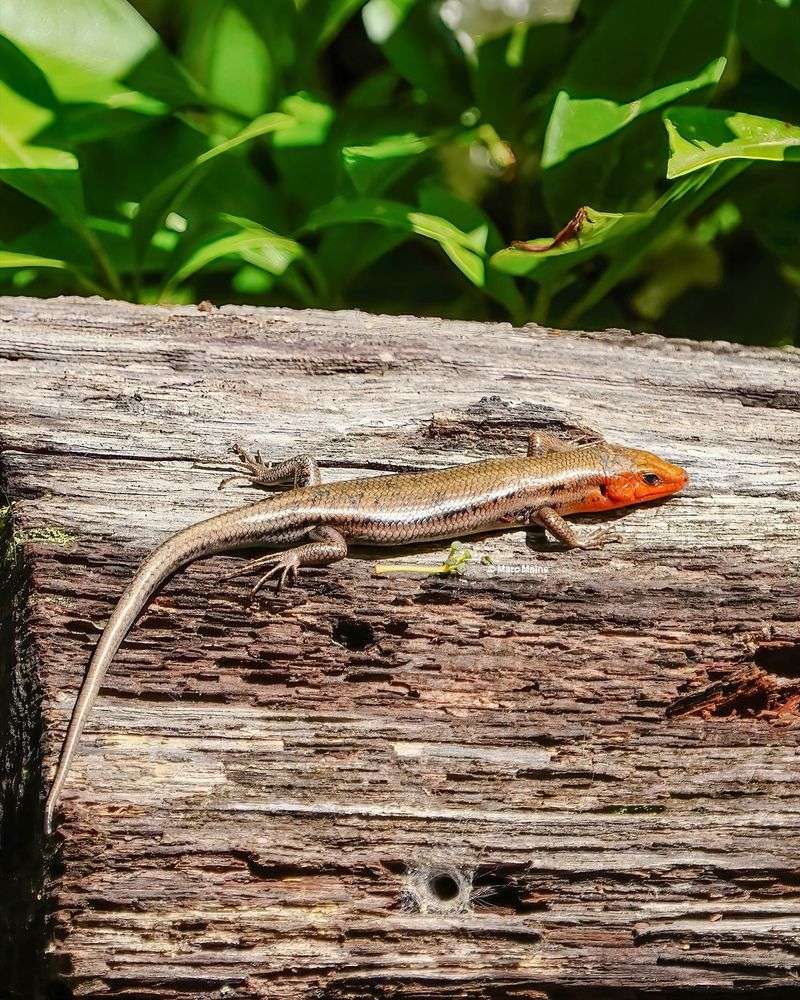
Seeing a skink shoot across your path for the first time can be startling. That flash of copper and the whip-fast movement catches people off guard every single time.
Once the surprise fades, most homeowners come around quickly. Ground skinks are harmless, non-venomous, and largely uninterested in entering your home. Insects and mulch make up nearly everything they need, and that is where they stay.
If you have kids, skinks can actually spark a genuine love of nature. Watching one hunt through the garden bed teaches patience, observation, and respect for small creatures.
Catching them, however, is not recommended. Skinks can drop their tails as a defense mechanism, which is startling for the catcher and stressful for the lizard.
The tail grows back over time, but it costs the animal energy and changes its appearance temporarily. Admiring from a short distance is generally the better move.
Keeping cats indoors or supervised outdoors is one of the best things you can do for local skink populations. Domestic cats are highly effective hunters of small reptiles.
Avoiding broad-spectrum pesticides also makes a real difference. When insect populations crash, skinks lose their food source and move on or struggle to survive the season.
Their frequent presence comes down to yards increasingly offering what wild spaces once provided. Choosing to coexist with them is a small act with a genuinely big impact on local wildlife.