The Low-Growing Oregon Plants That Can Handle Wet Feet Along Driveway Edges
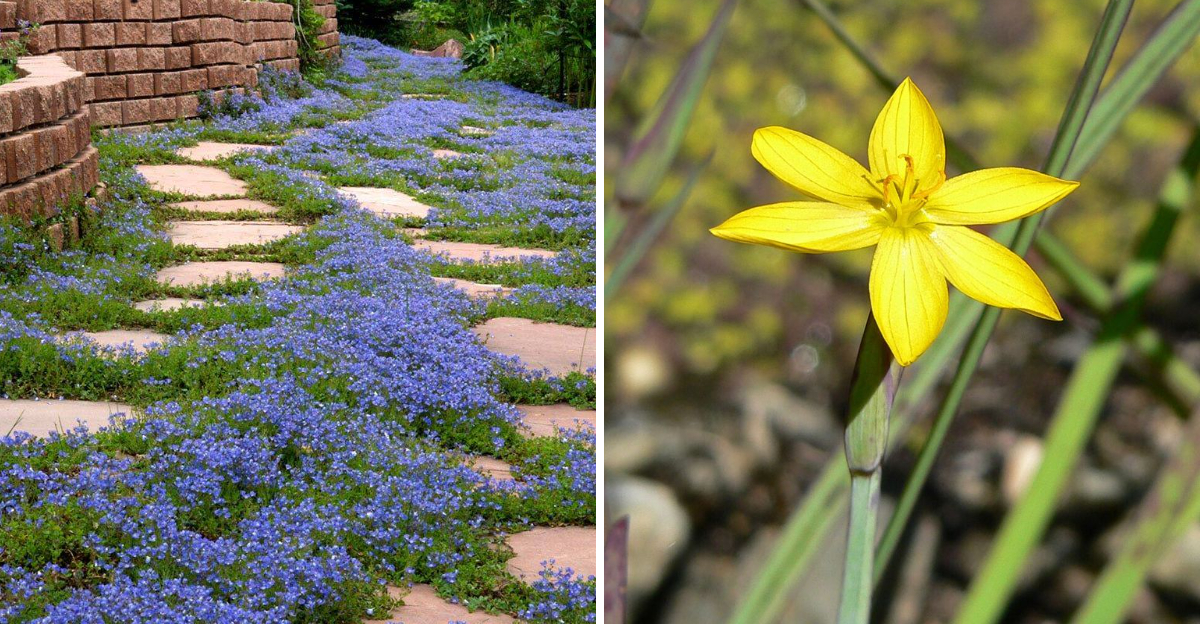
Driveway edges have a reputation for being one of the more frustrating spots in an Oregon garden, and that reputation is completely earned.
Heavy rain runs off the pavement, low spots stay soggy well after the storm has moved on, and ordinary border plants that looked perfectly happy in the nursery pot start struggling within a season or two.
It is the kind of planting spot that makes gardeners feel like they have tried everything.
The good news is that certain low-growing plants handle periodically wet soil along driveway edges considerably better than typical landscape choices, and they can actually look great doing it.
Worth clarifying upfront though: wet feet here means soil that gets temporarily saturated or very wet after heavy rain, not ground that sits underwater year round. That is a different challenge entirely.
1. Golden-Eyed Grass Brings Color To Wet Edges
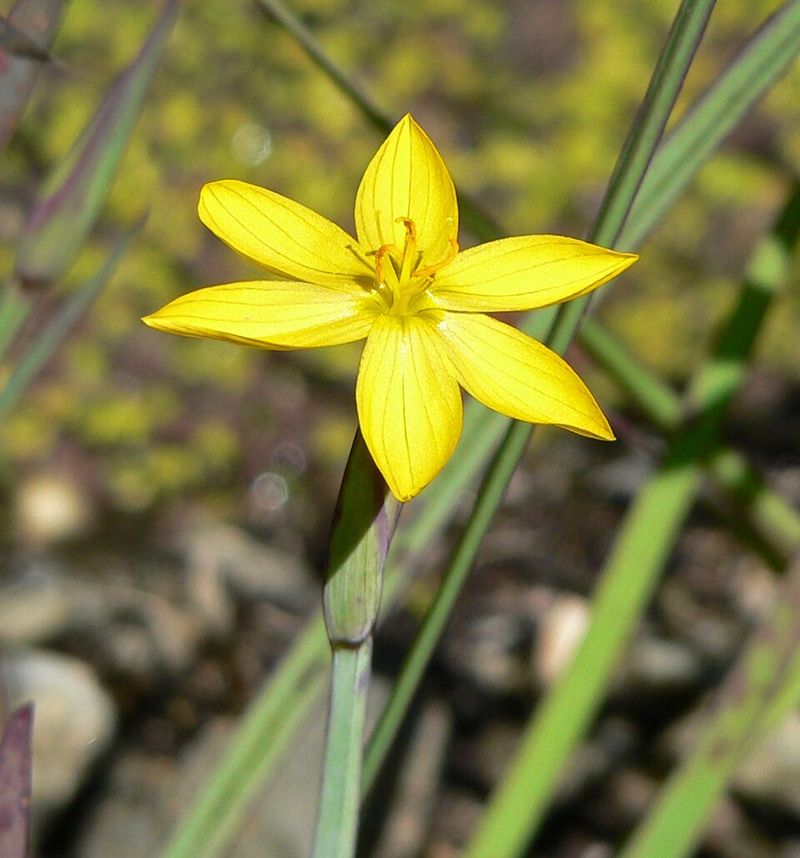
Yellow flowers barely an inch across might not sound dramatic, but when Sisyrinchium californicum blooms along a damp driveway edge, the effect is cheerful and surprisingly tidy.
This low-growing Pacific Northwest native is at home in periodically wet ground, making it a reasonable option for planting strips that collect runoff after Oregon rainstorms.
Its modest size also makes it easier to tuck into narrow spaces where taller wet-site plants would feel out of scale.
Golden-eyed grass is not a true grass at all. It belongs to the iris family, and its narrow, upright blades give it a grass-like look that stays relatively compact.
That compact form is part of what makes it useful along a driveway edge where you want something low enough to avoid blocking sightlines or spilling onto the pavement.
The plant tends to prefer full sun to part shade, and it handles seasonally moist or wet soil reasonably well. It is not suited for areas that hold standing water indefinitely, so it works best where the soil gets wet after rain but gradually drains between storms.
In wetter parts of western Oregon, those conditions are common along many residential driveways.
Because it is a native species, Sisyrinchium californicum can support local pollinators during its blooming period, which is a small bonus for homeowners who want their driveway edge to do a little more than just look neat.
Keep in mind that individual plants may self-seed modestly, so some light maintenance could be needed over time to keep the planting area tidy.
2. Dagger-Leaf Rush Fits Narrow Damp Areas
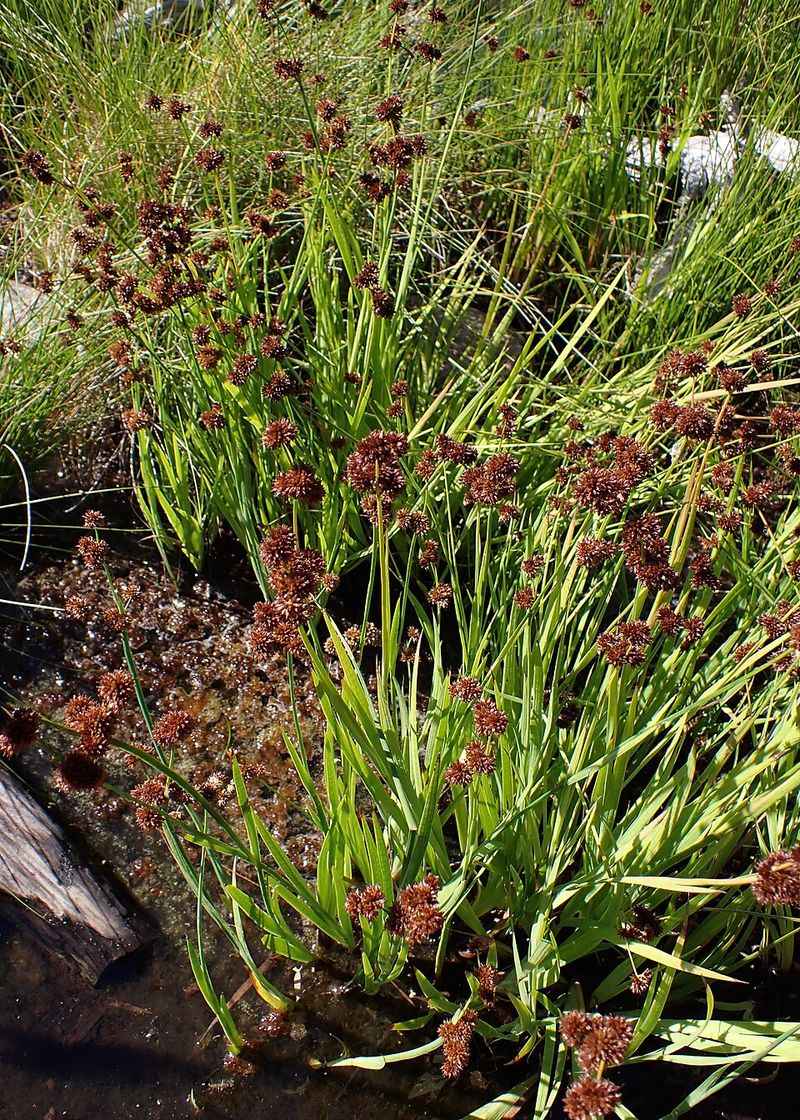
Narrow planting strips beside driveways often leave little room for spreading plants, and that is where Juncus ensifolius earns its place.
This compact rush has flat, blade-like leaves that grow in a relatively upright form, making it a reasonable fit for tight, damp areas where a wider plant would quickly become a nuisance.
Its tidy shape can also help keep the edge of a driveway looking defined without taking up much horizontal space.
Juncus ensifolius is native to the Pacific Northwest and naturally grows in wet meadows, streambanks, and other seasonally saturated sites across Oregon and neighboring states.
Your Oregon Garden Changes Every Week. Your Plan Should Too.
Gardening in Oregon changes quickly throughout the season. Every Friday you’ll receive a simple weekly plan showing exactly what to plant, prune, fertilize, harvest, and protect so you never miss the right timing.
Its tolerance for wet or very moist soil makes it a practical option for driveway edges that collect runoff, sit in low spots, or drain slowly after heavy rain.
The plant produces small, rounded brownish flower heads that add a bit of quiet texture without creating visual clutter.
Height can vary depending on growing conditions, moisture levels, and sunlight, so homeowners should expect some variation rather than assuming a fixed mature size in every situation.
One thing worth considering is that rushes can spread gradually through rhizomes, so this plant may slowly expand beyond its original planting area over time.
Monitoring the edges of the planting annually and trimming back any unwanted spread is a reasonable approach for keeping it contained along a driveway.
In wetter regions of western Oregon, Juncus ensifolius can handle the seasonal wet-dry cycle that many driveway-edge planting areas experience. It is not suited for sites that stay flooded for extended periods, but it handles temporary saturation better than most ornamental grasses.
3. Dense Sedge Handles Seasonally Wet Ground
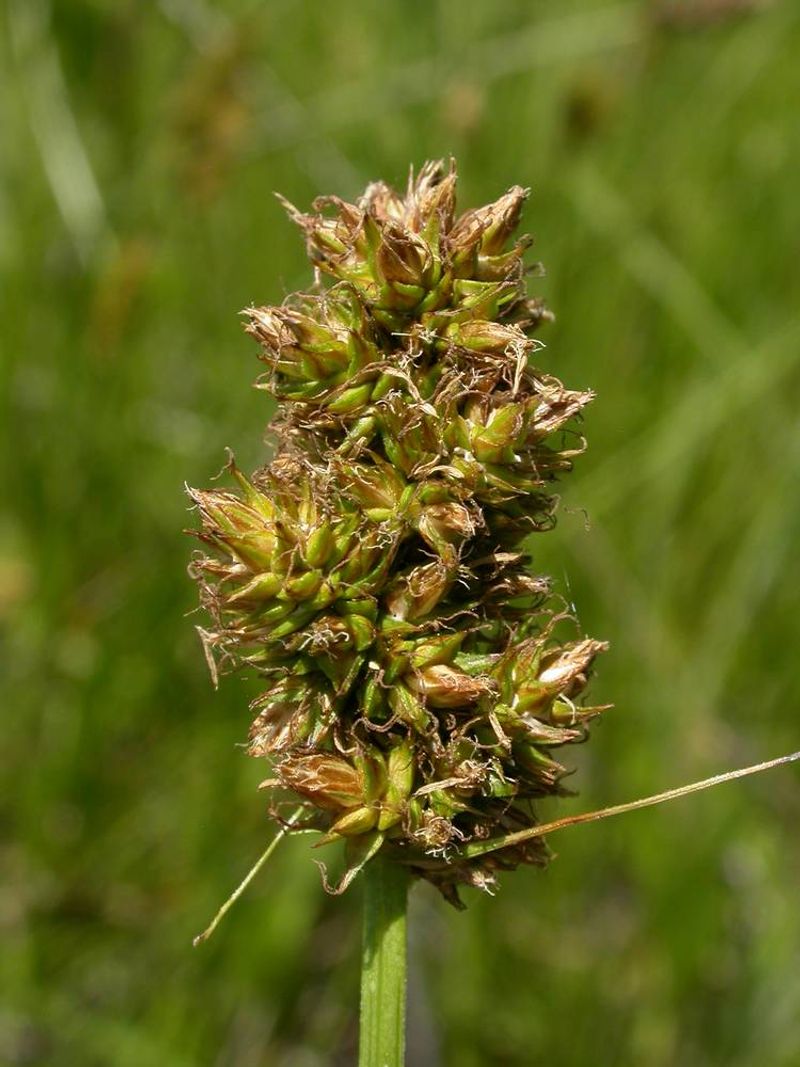
Carex densa is a Northwest native sedge that has earned a solid reputation for handling seasonally wet or moist ground.
Unlike some of the shorter plants in this article, dense sedge can grow taller, so it works better in spots where homeowners have a little more vertical room along the driveway edge rather than in very tight or low-clearance areas.
That extra height can also work well where the planting strip widens into a shallow swale or broader drainage area.
The plant forms attractive clumps of arching, medium-green leaves that give a lush, natural appearance even in spots that get soaked repeatedly through Oregon’s wet season.
It tends to prefer moist to wet soil and can handle periodic saturation, which makes it a reasonable candidate for low spots or swale edges beside driveways that collect runoff.
Carex densa generally prefers full sun to part shade, though conditions across Oregon vary enough that observing your specific site before planting is worthwhile. Areas that stay shaded most of the day may affect how the plant performs over time.
Because it grows in clumps rather than spreading aggressively, dense sedge is relatively manageable compared to some other moisture-tolerant groundcovers.
Homeowners who want a plant that looks full and naturalistic along a driveway edge without constant trimming may find it a practical choice for the right spot.
Keep in mind that this sedge is best suited for sites that drain reasonably well between rain events. Permanently waterlogged ground is a different challenge, and not every wet-tolerant native will thrive in those conditions.
4. Low Speedwell Forms A Short Spreading Mat
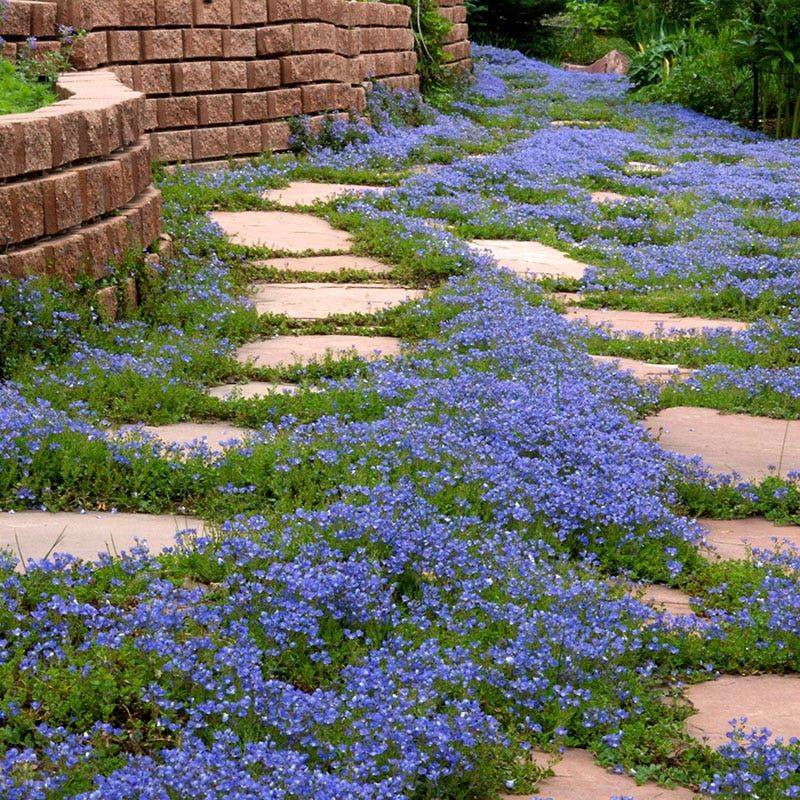
Barely a centimeter tall in many conditions, Veronica liwanensis earns its reputation as one of the flattest-growing options available for damp landscape areas.
It spreads into a dense, tight mat of small evergreen leaves that hug the ground closely enough to fill gaps along a driveway edge without building up much vertical height at all.
That low profile can be especially useful where maintaining clear sightlines and a neat pavement edge matters.
Portland’s stormwater plant guidance has included this plant as a low-growing option suited to wetter conditions, which gives it some regional credibility for exactly the kind of driveway-edge situation this article covers.
That said, Veronica liwanensis is not an Oregon native, and homeowners who prefer to plant only locally native species will want to consider the other plants discussed here instead.
As a non-native species, it does not carry the same ecological value for local pollinators that native plants like Sisyrinchium californicum or Juncus ensifolius provide.
Its usefulness is primarily practical: it stays very low, spreads to fill space, and can handle periodically wet soil better than many standard groundcovers.
Small blue flowers appear in spring, adding a brief flush of color before the plant settles back into its role as a flat, green mat.
It generally prefers well-drained to moderately moist soil and handles temporary saturation reasonably well, though it is not suited to sites that hold standing water for long stretches.
For driveway edges in Oregon that need something genuinely low-growing and tidy, Veronica liwanensis is worth considering, especially where a non-native option is acceptable to the homeowner.
5. Wet Feet Usually Means Temporary Saturation
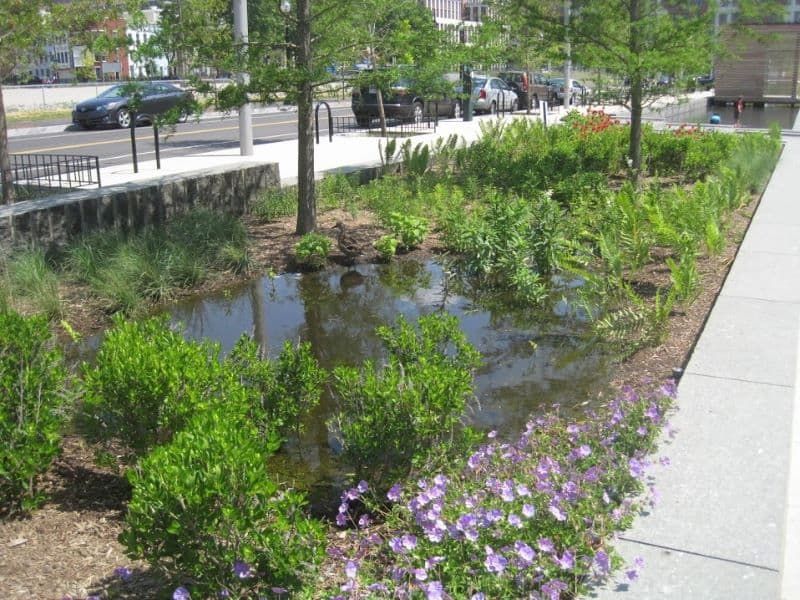
Runoff from a driveway does not flow evenly. Pavement sheds water quickly, and that water has to go somewhere.
Low spots beside driveways, shallow depressions along planting strips, and areas where the ground meets the pavement edge often end up receiving more water than the surrounding garden.
After a heavy Oregon rainstorm, those spots can stay wet long after everything else has drained.
Wet feet, as a gardening term, refers to soil that gets saturated periodically rather than soil that stays underwater indefinitely.
A plant described as tolerating wet feet can handle those soggy spells without suffering serious harm, but that does not mean it wants to sit in permanent standing water.
The difference matters when you are choosing plants for a driveway edge.
Most of the plants discussed in this article are suited to seasonal saturation of the kind that Oregon winters reliably produce. They can handle the soil being very wet for stretches of time, then drying out somewhat between storms.
That wet-dry cycle is actually closer to the natural conditions these plants evolved in than continuously flooded ground would be.
Homeowners sometimes assume that any plant labeled moisture-tolerant will work in any wet spot, but the duration and depth of saturation still matter.
A planting area that holds several inches of standing water for weeks at a time is a different situation than one that drains within a day or two after rain.
Observing your specific site through a wet Oregon winter before planting gives you useful information that no plant label can replace.
6. Driveway Runoff Creates A Different Planting Zone
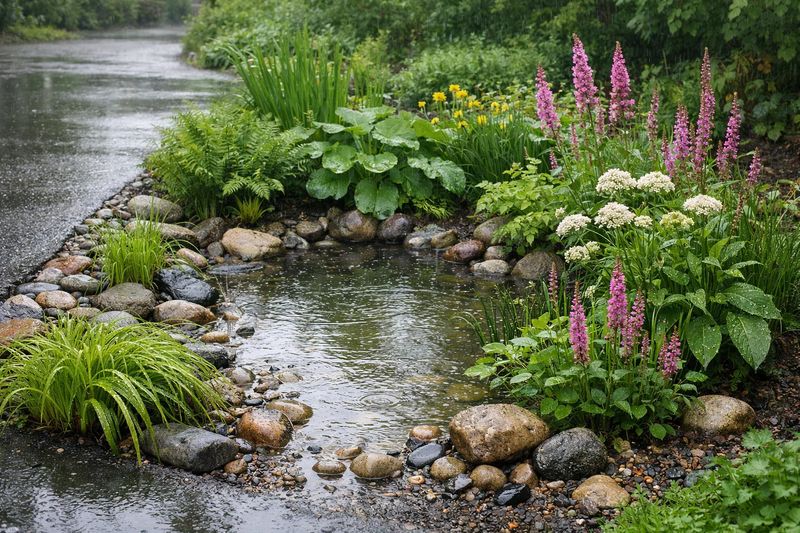
Water running off pavement behaves differently than rainfall that soaks into a garden bed gradually. Paved surfaces shed water fast, concentrating it along edges, into low spots, and toward any depression that sits beside the driveway.
That concentrated runoff can keep the soil in those areas much wetter than a nearby planting bed that receives only direct rainfall.
That difference is why a plant that grows happily in an ordinary border may struggle when moved to a driveway-edge strip that catches runoff.
The soil moisture levels, drainage timing, and even the compaction of the ground near pavement can all be quite different from what that plant experienced before.
Treating the driveway edge as its own distinct planting zone rather than just an extension of the garden makes choosing the right plants easier.
In Oregon, where many parts of the state receive significant rainfall from fall through spring, runoff from residential driveways can be substantial.
Low spots, shallow swales, and rain-garden edges that sit beside driveways may receive concentrated water repeatedly throughout the wet season.
Plants chosen for those spots need to handle that reality rather than just moderate moisture.
Checking where water actually flows during and after a rainstorm is one of the most useful things a homeowner can do before planting along a driveway edge.
Watching the site during a typical Oregon winter storm often reveals exactly where the wettest areas are and how long they stay that way.
That observation takes very little effort and can prevent a lot of replanting later.
7. Drainage Between Rainstorms Still Matters
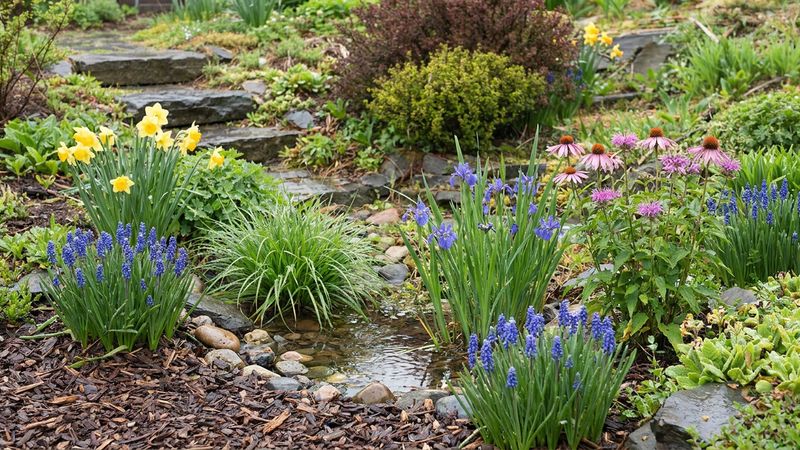
Choosing a plant that tolerates wet soil is only part of the equation. How well the site drains between rain events matters just as much as how wet it gets during a storm.
A planting area that drains within a day or two after rain creates very different conditions than one that holds water for a week or more, even if both spots look equally soggy right after a storm.
The plants covered in this article can handle periodic saturation, but most of them still benefit from a site that drains reasonably well between major rain events.
Temporary wetness followed by a period of moderate moisture is closer to the seasonal rhythm these plants are adapted to.
Ground that stays saturated for weeks without any drainage can stress even moisture-tolerant plants over time.
Soil composition plays a big role in how quickly a driveway-edge area drains. Compacted soil near pavement, clay-heavy ground common in parts of western Oregon, and low spots that collect runoff from multiple directions may all drain more slowly than expected.
Observing the site after several rainstorms gives a much clearer picture of actual drainage patterns than a single observation can provide.
If a spot drains poorly enough to hold standing water for extended periods, it may be worth improving drainage before planting rather than hoping a moisture-tolerant plant will simply cope.
Amending the soil, adjusting the grade slightly, or consulting a landscape professional about drainage options can make a real difference in how well any of these plants establish and grow over time in Oregon conditions.