Thin This On Oregon Fruit Trees Before Branches Get Too Heavy
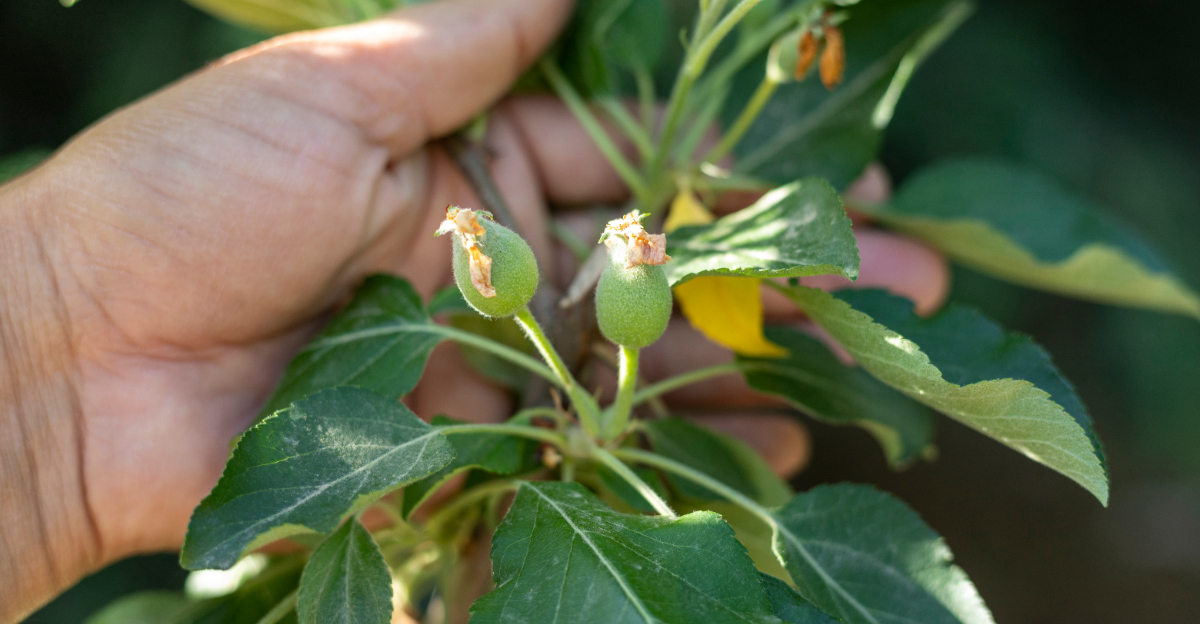
Fruit trees can be sneaky in spring. One week the branches look light and hopeful, and the next they are packed with tiny fruit like the tree is trying to impress the whole neighborhood. Oregon gardeners know that can turn into a problem fast.
Too much fruit may sound like a dream, but crowded branches can struggle once everything starts sizing up.
The tree may end up spending energy on more fruit than it can handle well. That can lead to smaller harvests, stressed limbs, and a lot of regret when branches start bending like they have given up.
Thinning young fruit at the right time helps the tree focus on quality instead of overload. It also gives the remaining fruit more room to grow.
It feels strange to remove good looking fruit, but sometimes the best harvest starts with letting the tree do less.
1. Thin Crowded Fruit Clusters Before They Size Up
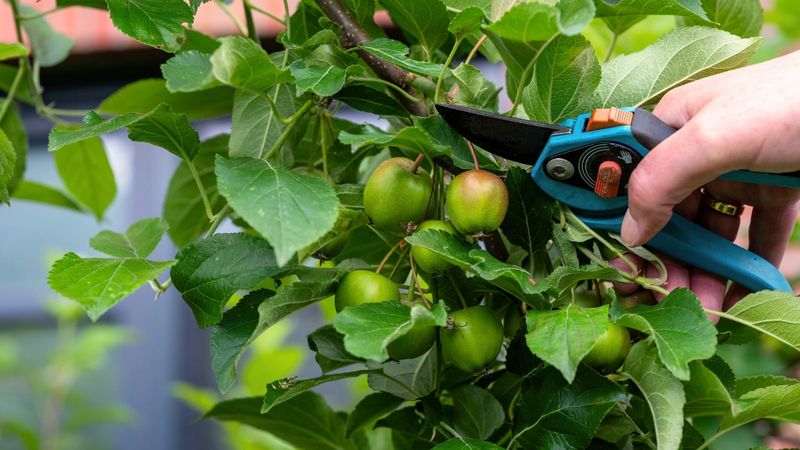
Clusters of fruit that form close together look promising at first, but they cause real problems as the season moves forward.
When several fruits grow packed tightly on one spur, none of them get enough sunlight or airflow to develop properly. The result is usually a bunch of small, misshapen fruits instead of a few strong, healthy ones.
The best time to thin clusters is early, right after the fruit has set and the tiny fruits are still the size of marbles.
At that stage, the tree has not yet put a lot of energy into sizing them up. Removing extra fruits now saves the tree from wasting resources on growth that will not pay off.
Focus on keeping one fruit per cluster whenever possible. Sometimes two can stay if they are spaced far enough apart on the branch.
Pick the one that looks the most centered, the most round, and the most firmly attached. Toss the others into a bucket or onto the ground away from the base of the tree.
Crowded clusters also create a moist environment where fungal problems like brown rot can take hold quickly.
In the Pacific Northwest, where spring and early summer can bring a lot of moisture, that is a real concern. Spreading the fruit out early reduces that risk significantly and sets your tree up for a much cleaner harvest later in the season.
2. Remove The Smallest Fruit First
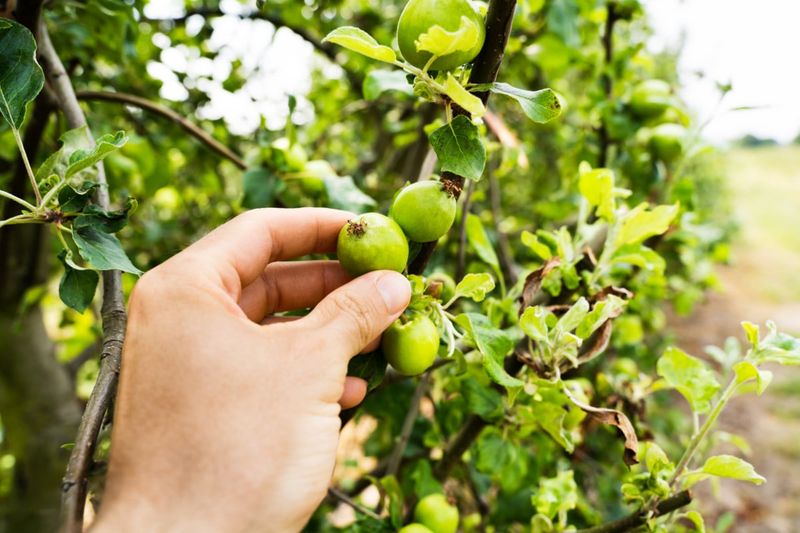
Not all fruit on a tree develops at the same pace. Some fruits start strong right after bloom, while others lag behind from the very beginning.
The small, slow-developing ones are the easiest ones to cut, and they are also the right ones to cut first.
Smaller fruits are usually the result of poor pollination or unfavorable positioning on the branch.
They sit in spots that get less sun, or they were fertilized late during the bloom window. No matter how long they stay on the tree, they rarely catch up to the well-developed fruit nearby.
Removing them early frees up a surprising amount of energy. The tree stops sending water and nutrients to fruits that will never fully size up.
Your Oregon Garden Changes Every Week. Your Plan Should Too.
Gardening in Oregon changes quickly throughout the season. Every Friday you’ll receive a simple weekly plan showing exactly what to plant, prune, fertilize, harvest, and protect so you never miss the right timing.
Instead, that energy goes straight to the remaining fruit, helping them grow larger, sweeter, and more flavorful by harvest time.
A good rule of thumb is to hold each small fruit between your fingers and compare it to its neighbors.
If it feels noticeably lighter or looks visibly behind in development, off it goes. This is especially useful on apple and pear trees, which often set large numbers of fruit after a strong bloom.
In northern regions of our state, where the growing season is a little shorter, removing weak fruit early gives the keepers a better shot at fully ripening before the first cold nights of fall arrive.
3. Cut Out Damaged Fruit Before It Wastes Energy
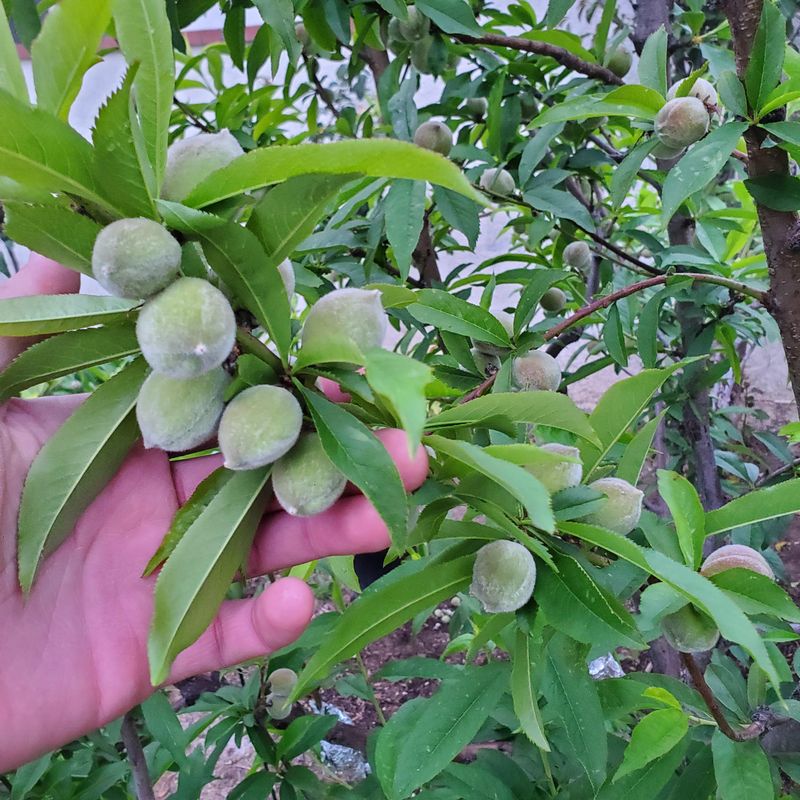
Fruit that shows signs of damage early in the season is one of the first things to remove during thinning.
Bruised, scarred, or insect-damaged fruit does not recover on its own. Leaving it on the branch only pulls energy away from the healthy fruit growing nearby.
Codling moth damage is common on apple and pear trees across this state. You might notice small entry holes or browning at the blossom end of young fruit. That fruit is already compromised and will likely drop before harvest anyway.
Cutting it off early just speeds up what the tree would eventually do on its own. Hail damage is another issue growers deal with in many parts of the region.
Even a brief hailstorm during early summer can leave dozens of small scars on developing fruit. Those scarred fruits often crack or rot as they grow, which can spread disease to the healthy fruit around them.
Always use clean, sharp pruning shears when removing damaged fruit. Dull blades crush the stem instead of cutting cleanly, which can stress the spur and affect future fruit set on that same spot. After cutting, toss the damaged fruit far from the base of the tree.
Leaving it nearby can attract pests and create conditions for disease to linger into the next growing season. A little cleanup now saves a lot of trouble later on.
4. Leave Space Between Each Developing Fruit
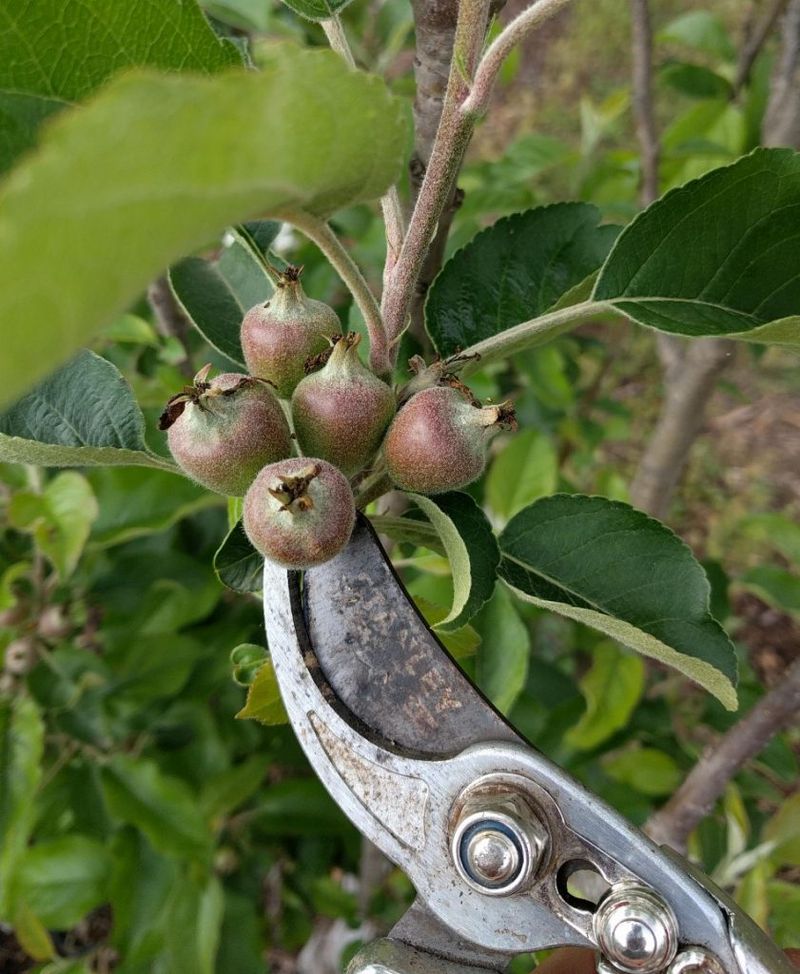
Spacing is one of the most overlooked parts of fruit thinning, and it makes a big difference in the final outcome.
When fruits grow too close together, they compete for the same water, light, and nutrients. The branch gets overloaded, and the fruits end up smaller and less flavorful than they could be.
A general guideline for apples and pears is to leave about six inches between each fruit. Peaches do well with about four to five inches of spacing.
These numbers are not exact rules, but they give you a practical starting point when you are working through a heavily loaded branch.
Good spacing also improves air circulation around each fruit. That is especially valuable in our state, where cool, damp conditions in late spring can encourage fungal disease.
When fruits are bunched together, moisture collects between them and creates the perfect environment for rot to start early.
As you thin, step back occasionally and look at the whole branch from a few feet away. You can spot crowded sections more easily from a distance than up close.
Move from the tip of the branch toward the trunk, removing the excess fruits as you go. Try to keep the fruits that are best positioned to receive sunlight throughout the day.
Those are the ones that will develop the deepest color and the best flavor by the time picking season rolls around in late summer or early fall.
5. Thin The Heaviest Branches First
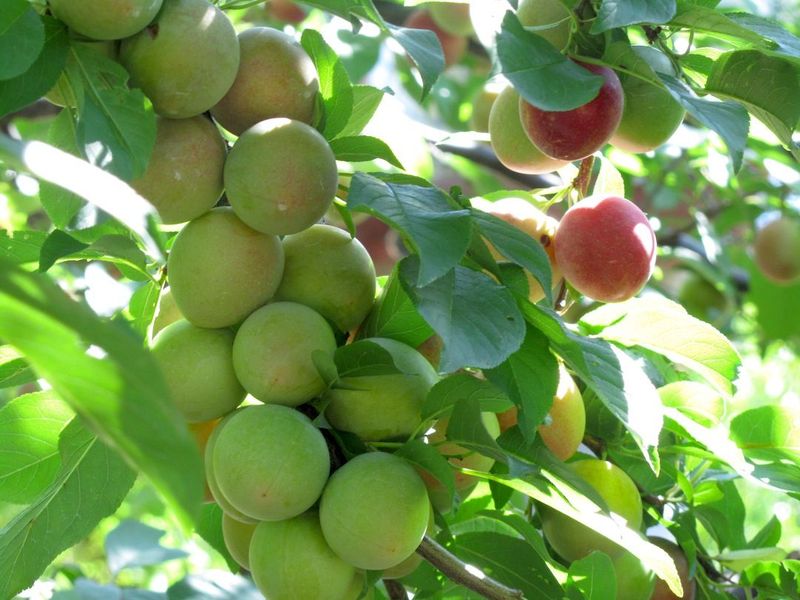
Some branches carry far more fruit than others, and those are the ones that need attention first.
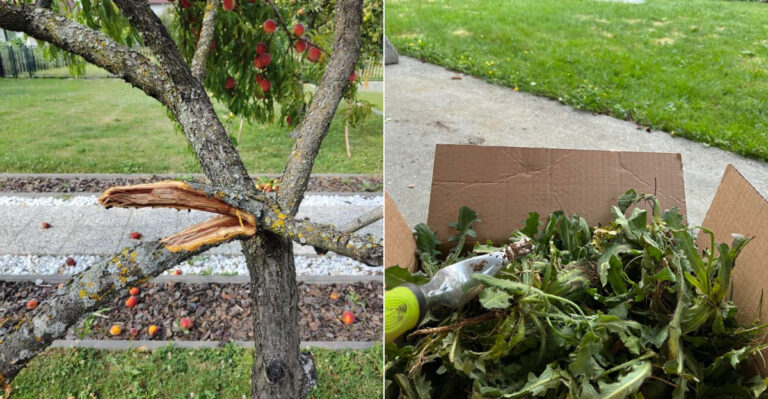
A branch loaded with too much weight will bend under the pressure, and once it bends too far, it can crack at the base. That kind of damage is hard to repair and can set a tree back by years.
Walk around your tree before you start thinning and look for branches that are already sagging or angling sharply downward.
Those are your priority spots. Even if the fruit on those branches looks healthy, removing a good portion of it is the right call.
Protecting the branch structure is more important than saving every single fruit. Older trees are especially vulnerable to this kind of damage.
The wood becomes less flexible over time, and heavy crops can cause splits that open the tree up to disease and wood-boring insects.
In the Willamette Valley, where apple and pear trees can live for decades, protecting that structure is part of keeping a productive tree for the long term.
After thinning the heaviest branches, check the remaining fruit load by gently pressing up on the branch with your hand. It should spring back easily without much resistance. If it still feels weighed down after thinning, remove a few more fruits.
Your goal is a branch that holds its natural shape and angle without straining under the load it carries.
6. Don’t Let Peaches Grow Shoulder To Shoulder
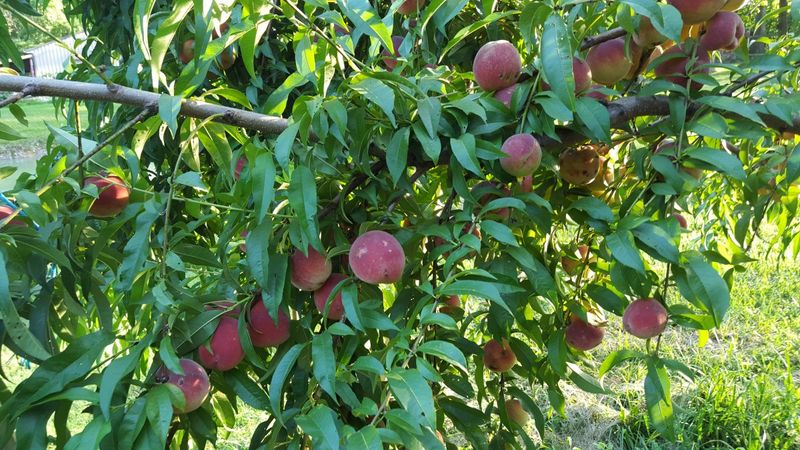
Peach trees are some of the most generous fruit setters in the home orchard. After a good bloom, it is not unusual to find dozens of small peaches packed tightly along every branch.
It looks exciting at first, but that kind of overcrowding leads to soft, flavorless fruit and damaged branches if it is not addressed quickly.
Peaches that grow touching each other create warm, damp pockets between the fruits. In our state, where summer humidity can linger into July, those conditions invite brown rot and other fungal problems.
The fruit may look fine on the outside until it is almost ripe, and then it softens and rots almost overnight.
Thinning peaches to about four inches apart along each branch is a solid target. Some growers go even wider, especially if the tree is young or the branches are slender.
Fewer, larger peaches are almost always a better outcome than a large number of small, crowded ones that struggle to ripen evenly.
The best time to thin peaches is about four to six weeks after full bloom, once the natural fruit drop has already happened.
After that drop, you can see clearly what the tree is going to hold onto for the rest of the season. Get in there with clean shears and thin aggressively.
Peach trees respond really well to bold thinning, and the fruit that remains will be noticeably larger and more flavorful come harvest time in late summer.
7. Watch Plum Trees That Set Too Much At Once
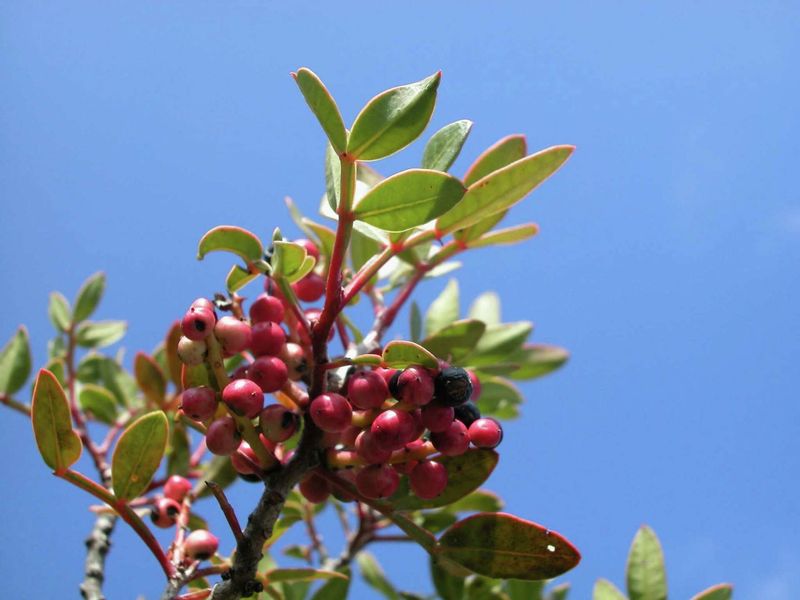
Plum trees have a tendency to overdo it. In a good year with strong pollination, they can set so much fruit that the branches look almost solid with tiny plums from tip to trunk.
That heavy set is exciting, but it puts a serious amount of stress on the tree if it is not managed.
Unlike apples and peaches, plums are sometimes skipped during thinning because the fruits are smaller and growers assume the tree can handle the load.
That assumption leads to a lot of broken branches and a lot of small, tart plums that never fully sweetened up before falling off the tree.
European plum varieties, which are common in the southern valleys of our state, tend to set especially heavy crops in warm springs. Japanese plum varieties can be just as productive.
Both benefit from thinning that removes at least a third to half of the total fruit set when the fruits are still small and firm.
Pay close attention to the mid-section of the tree, where branches often carry the heaviest loads.
Those branches are usually angled horizontally, which makes them more susceptible to snapping under weight. Thin those areas first, leaving the best-spaced and best-positioned fruits behind.
Check back every week or two during early summer, because plum trees sometimes set a second flush of small fruit after the first thinning.
Staying on top of it makes a real difference in both fruit quality and tree health by the end of the season.
8. Keep Only The Strongest Fruit On Weak Limbs
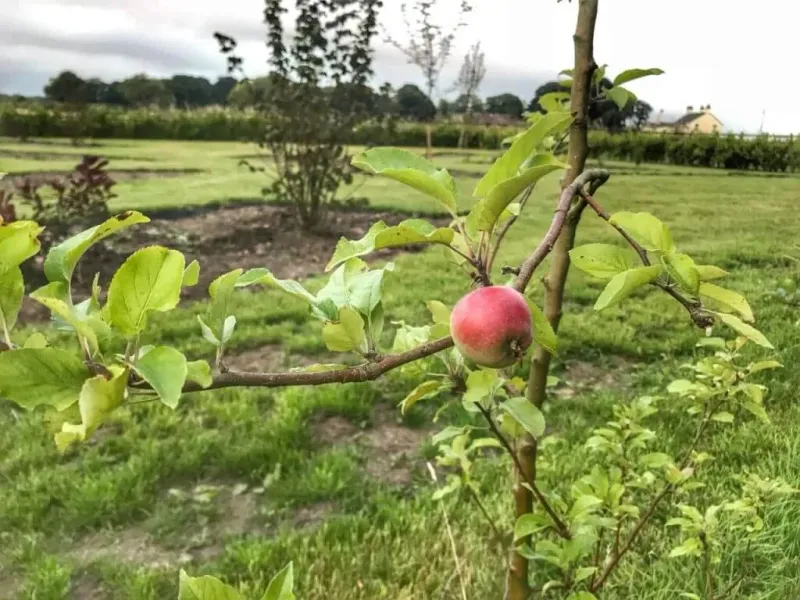
Not every branch on a fruit tree is equally strong. Some limbs are thinner, younger, or growing at awkward angles that make them less capable of supporting a heavy fruit load. Those are the branches that need the most aggressive thinning of all.
A weak limb carrying too much fruit is a branch that is likely to fail before harvest. The wood is simply not thick or mature enough to hold the combined weight of multiple growing fruits.
Thinning it down to one or two fruits per spur is usually the safest approach, even if that feels like you are leaving a lot of potential on the table.
Young trees are especially prone to this issue. Growers sometimes let two and three-year-old trees hold too much fruit in an effort to get an early harvest.
But letting a young tree carry a heavy crop before its branch structure is fully developed can cause long-term problems with the shape and strength of the tree going forward.
When you find a weak limb, look for the single strongest, best-positioned fruit on it and keep that one.
Remove everything else. The fruit that stays will have access to all the water and nutrients the limb can deliver, and it will show that advantage in its size and quality at harvest.
Strong fruit on a supported limb is always a better outcome than multiple small fruits on a branch that is struggling to stay upright through the heat of summer.