The Groundcover Arizona Homeowners Can Use In A Firewise Landscape
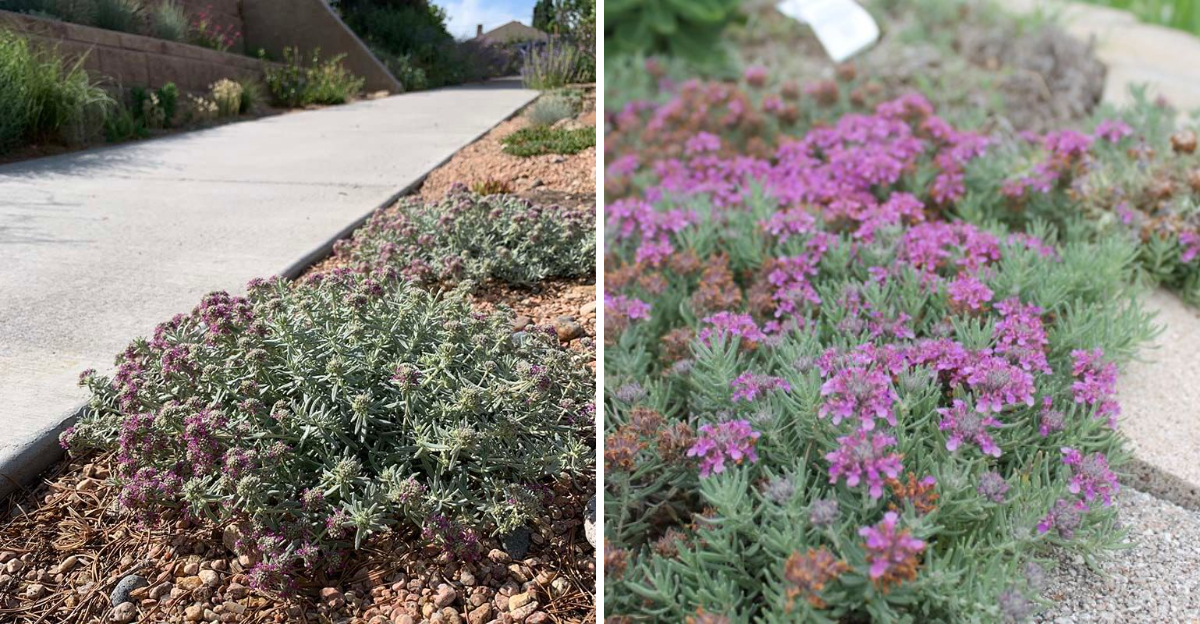
Firewise landscaping does not mean leaving every space around your home bare and lifeless. The right groundcover can add softness and color while still supporting a more thoughtful landscape design.
Some low-growing plants make far more sense around dry properties than sprawling choices that create thick, neglected growth. Where you place them matters just as much as what you plant.
Arizona homeowners dealing with intense sun have several factors to consider before filling those open spaces. Firewise planning adds another important layer to that decision.
Look closely at how a groundcover grows before giving it valuable space. Compact growth and proper maintenance can make a meaningful difference.
Your landscape can still feel inviting without becoming crowded with vegetation.
One particular groundcover offers qualities worth considering when you want beauty, resilience, and a more fire-conscious approach.
1. Creeping Germander Is A Strong Groundcover For Firewise Yards
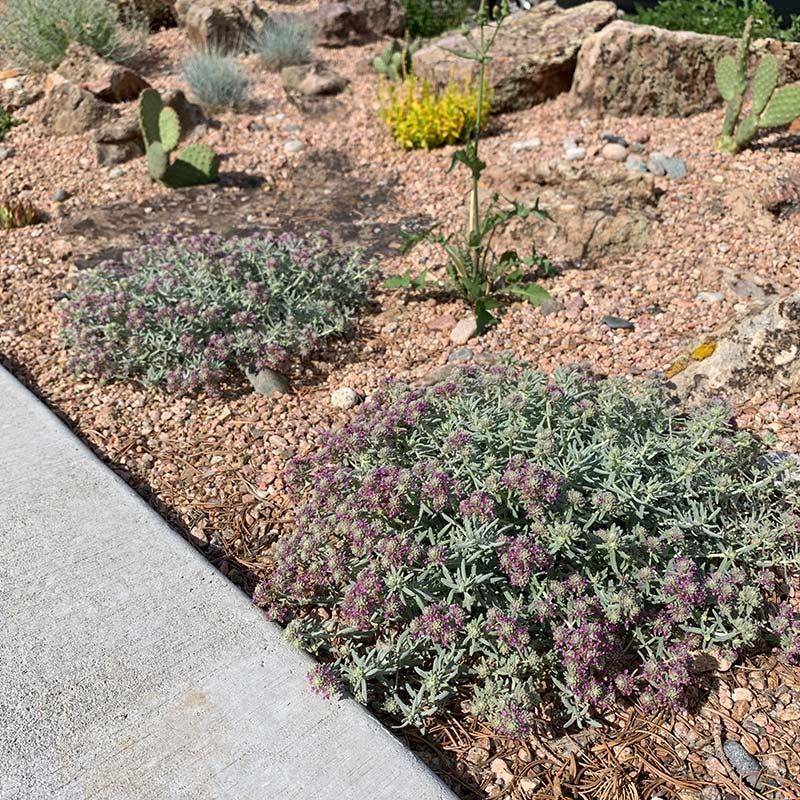
Not every plant belongs near a house in fire country, but Creeping Germander earns its spot. Known botanically as Teucrium chamaedrys, it grows low and tight to the ground.
That growth habit alone makes it far less risky than taller, bushier plants in a firewise landscape.
Creeping Germander stays under about one foot tall in most conditions. It spreads outward rather than upward, forming a dense mat that covers bare soil without piling up dry, combustible material.
Bare soil actually helps reduce fire spread, and this plant strikes a solid balance between coverage and safety.
Compared to ornamental grasses or tall shrubs, Creeping Germander holds far less flammable material per square foot. Its small, leathery leaves contain some moisture even during dry stretches.
That moisture content can make a difference when embers land nearby during a wildfire event.
Arizona homeowners looking for low-maintenance options often land on this plant for good reason. It handles heat, tolerates poor soil, and requires minimal care once established.
Pairing it with gravel mulch and proper spacing creates a yard that looks clean, stays manageable, and supports a solid firewise strategy without sacrificing curb appeal.
2. Low Growth Helps Keep Vegetation Closer To The Ground
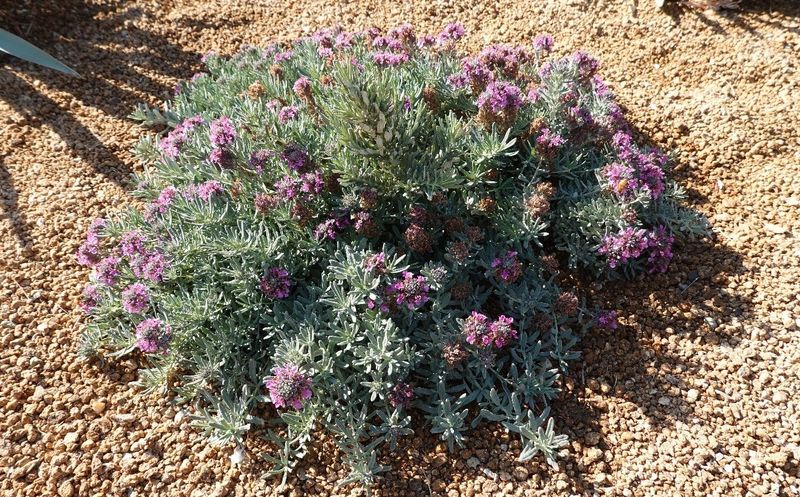
Height matters more than most people realize when it comes to fire behavior. Tall plants carry flames upward toward rooflines and tree canopies.
Low groundcovers like Creeping Germander interrupt that vertical path before it starts.
Creeping Germander typically maxes out around 12 inches in height, and many plants stay even shorter under full sun.
Keeping vegetation low reduces what fire professionals call the “ladder effect,” where flames climb from ground plants up into taller trees and structures nearby.
A dense, low mat of Creeping Germander also shades the soil beneath it. Shaded soil stays cooler and holds a bit more moisture than bare, sun-baked ground.
Both factors can slow the spread of surface fire under certain conditions.
Spacing plants correctly reinforces this benefit. Leaving small gaps between groupings prevents a continuous carpet of fuel from forming.
Even a low-growing plant becomes a risk if it spreads without any breaks across a large area.
Your Arizona Garden Changes Every Week. Your Plan Should Too.
Gardening in Arizona changes quickly throughout the season. Every Friday you’ll receive a simple weekly plan showing exactly what to plant, prune, fertilize, harvest, and protect so you never miss the right timing.
Pairing Creeping Germander with decomposed granite or crushed rock between clusters creates a natural firebreak at ground level. That combination is practical, visually clean, and fits the aesthetic of most desert-style yards.
Low growth is one of the strongest qualities this plant brings to a firewise plan.
3. Its Water Needs Drop Once The Roots Become Established
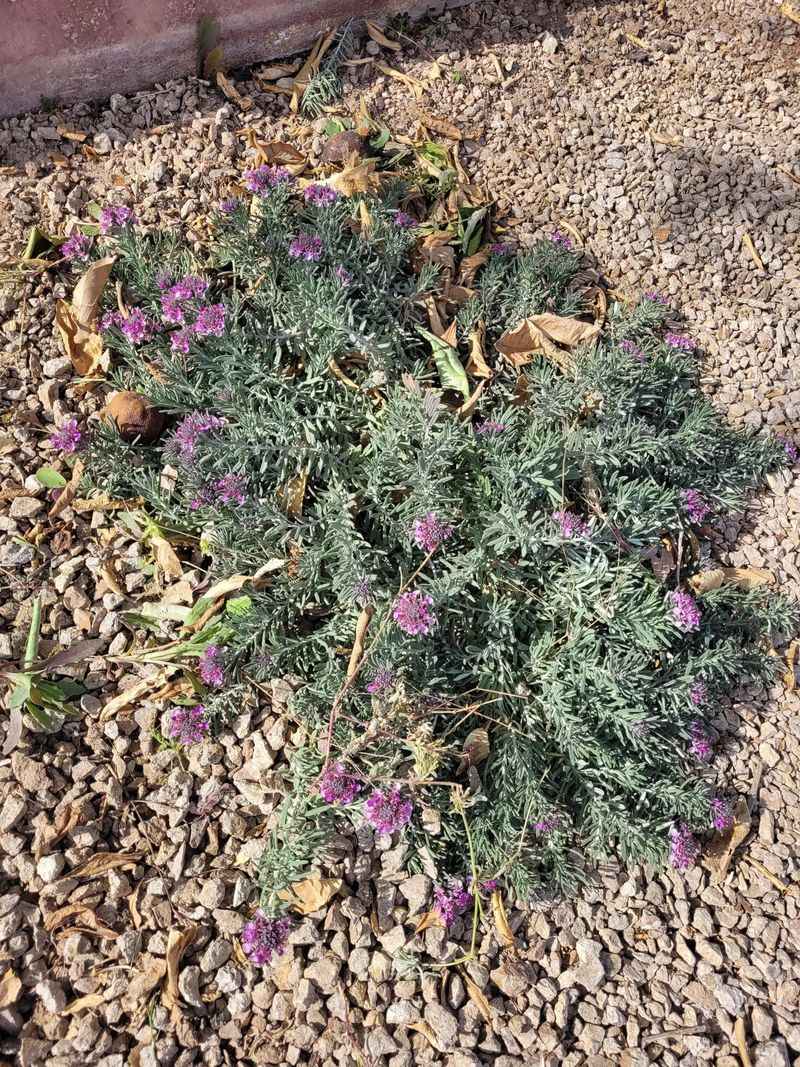
Getting a plant through its first season is the hardest part in a hot, dry climate. Creeping Germander needs regular watering during that early establishment phase, roughly the first growing season.
After that, its water demands drop noticeably.
Once roots push deep into the soil, this plant handles dry spells well. In most low-desert settings, established Creeping Germander can get by with occasional deep watering during summer heat.
Frequency depends on soil type, sun exposure, and how hot a particular spot runs, so some adjustment is expected.
Reducing water use in a firewise yard is a practical goal. Overwatered plants grow lush and fast, which means more green material that eventually browns and dries out.
Drier, slower-growing plants tend to produce less combustible debris over time.
Drip irrigation works better than overhead sprinklers for this plant. Keeping foliage dry reduces the chance of fungal issues, especially during monsoon season in the Southwest.
Targeted watering also encourages roots to go deeper rather than staying shallow near the surface.
Creeping Germander rewards patience. A plant that looks modest in its first few months often fills in beautifully by year two.
Less water, more coverage, and a tougher root system all come together once establishment is complete.
4. Small Purple Flowers Bring Seasonal Color To Dry Spaces
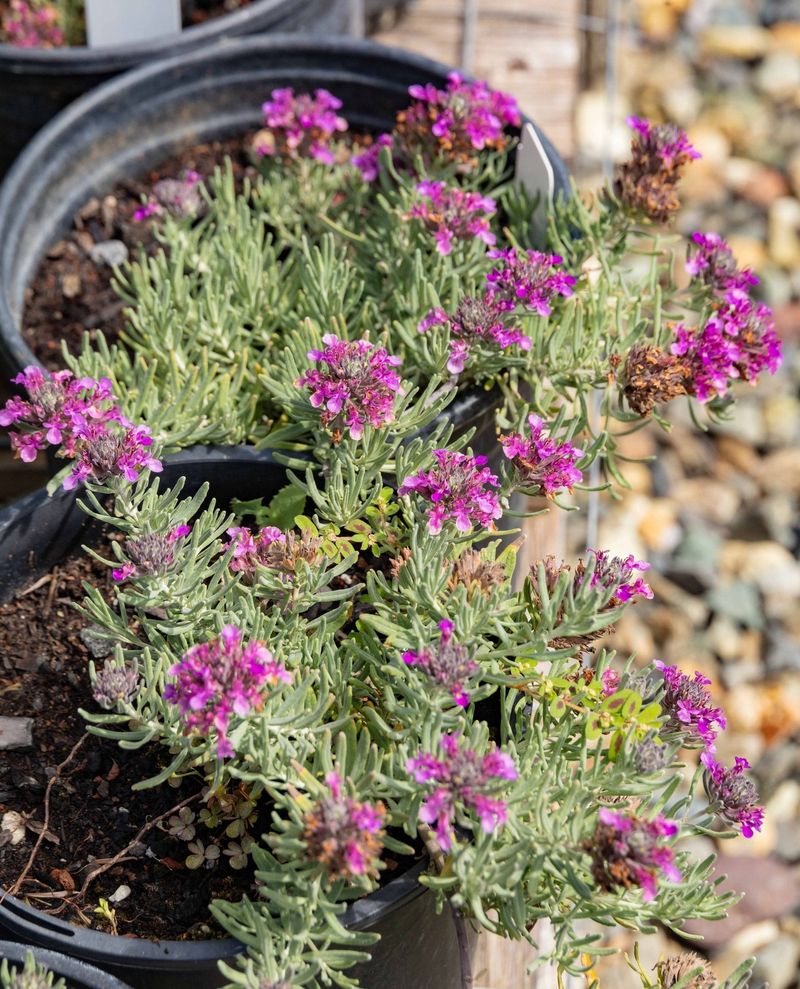
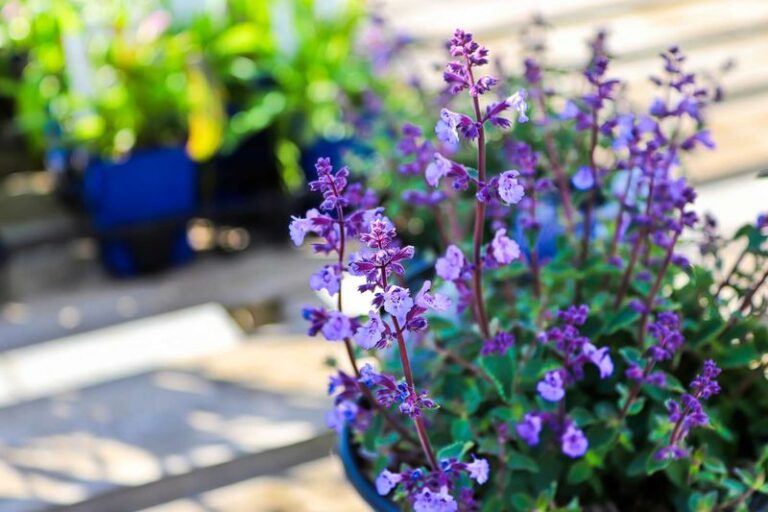
Firewise landscaping gets a bad reputation for looking dull, but Creeping Germander pushes back on that idea. During late spring and into summer, this plant produces small clusters of rosy-purple flowers along its stems.
They are not dramatic blooms, but they add genuine color to spaces that can feel monotonous.
The flowers attract pollinators, including bees, which is a bonus for any yard trying to support local wildlife. Blooms typically appear from late spring through midsummer, though timing can shift depending on elevation and local temperatures.
Color does not last all season, but the flowering period is reliable in most years.
Beyond the flowers, Creeping Germander keeps a tidy green appearance through much of the year. Its small, toothed leaves hold their color reasonably well even during dry stretches.
That consistency makes it useful as a year-round groundcover rather than just a seasonal accent plant.
Mixing Creeping Germander with other low-water flowering plants creates a layered look without adding fire risk. Pairing it with desert marigold or globe mallow gives different bloom times across the season.
A thoughtful plant mix keeps the yard looking alive and varied while still supporting a solid firewise plan.
Color in a dry yard does not require compromise on safety.
5. Full Sun Helps This Groundcover Stay Dense And Compact
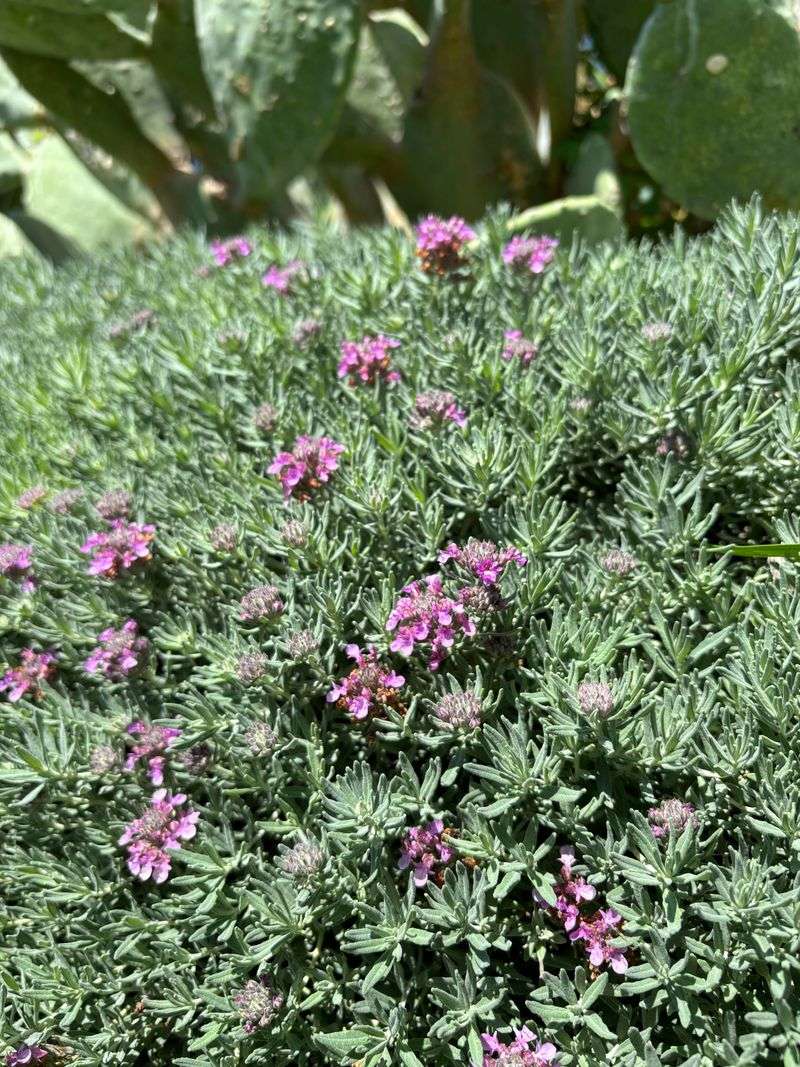
Shade is scarce in most desert yards, and Creeping Germander treats that as an advantage. Full sun exposure encourages tighter, more compact growth.
Plants grown in partial shade tend to stretch and become leggy, which creates looser, more open growth that is less effective as a groundcover.
Compact growth matters in a firewise yard. Tight foliage means less air moves freely through the plant, and that can reduce how quickly flames travel across it.
Loose, open plants with lots of interior airflow tend to burn faster under dry conditions.
Placing Creeping Germander in the sunniest spots in the yard puts it in its preferred environment. South-facing and west-facing exposures work particularly well in Arizona.
East-facing spots with afternoon shade are less ideal but can still support healthy growth with some adjustment in watering frequency.
Reflected heat from walls, pavers, or gravel can push temperatures even higher around the plant. Creeping Germander generally tolerates that extra heat without significant stress once it is established.
Some wilting may occur during the hottest summer afternoons, but plants typically recover by morning.
Choosing the right location from the start saves time and effort. A sun-drenched spot that challenges most plants is often exactly where Creeping Germander performs best.
Placement decisions made early tend to pay off through the growing seasons that follow.
6. Regular Trimming Prevents Thick Woody Growth From Building Up
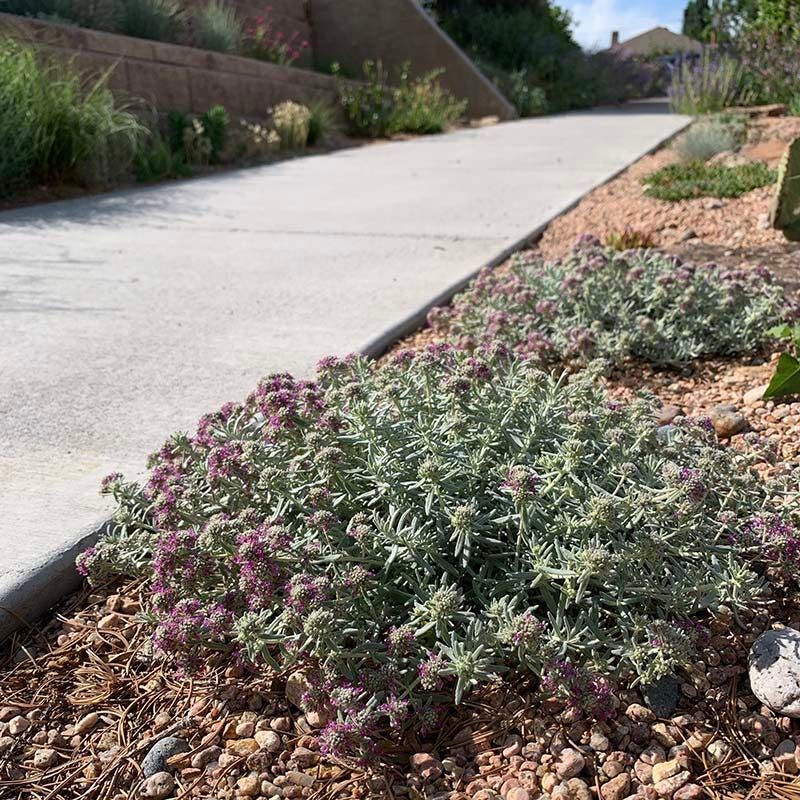
Creeping Germander is low-maintenance, but that does not mean no maintenance. Without occasional trimming, the base of the plant can become thick and woody over time.
Woody growth holds more dry material and burns more readily than fresh, green stems.
Cutting the plant back once or twice a year keeps it producing new green growth from the base. Late winter or early spring is a practical time for a harder trim before new growth pushes out.
A lighter shaping pass after the summer bloom period also helps keep things tidy.
Sharp, clean pruning shears make the job easier and reduce stress on the plant. Cutting back by about one-third at a time is a reasonable approach for most plants.
Removing too much at once can set the plant back, especially during hot months.
Trimming also removes accumulated debris from inside the plant. Dry leaves, old stems, and small twigs can collect at the base over time.
Clearing that material reduces the amount of fuel sitting near the ground in your firewise zone.
Consistent trimming is a simple habit that pays off in plant health and fire safety. A well-maintained groundcover looks better, grows more vigorously, and carries less risk than one left to grow unchecked for years.
Short sessions a couple of times a year go a long way.
7. Smart Placement Matters Most When Growing It Near The House
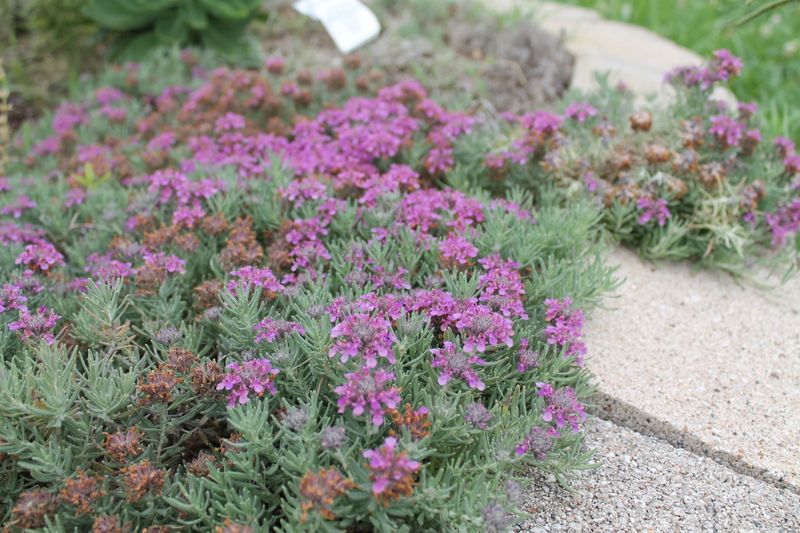
Where you plant matters just as much as what you plant. Creeping Germander works well in a firewise yard, but poor placement can reduce its benefits.
Planting it in unbroken masses right up against the foundation is not the best approach for fire safety.
Firewise guidelines generally recommend keeping combustible plants at least three feet away from the home’s exterior. Creeping Germander is relatively low-risk, but maintaining that buffer zone is still a sound practice.
Gravel, stone, or bare soil in that immediate zone creates a meaningful barrier.
Beyond the three-foot buffer, Creeping Germander can fill in larger areas effectively. Breaking plantings into clusters with gravel or decomposed granite between them is smarter than one continuous mat.
Gaps slow fire movement across the ground and reduce the chance that flames bridge from one section to another.
Slope and drainage also influence placement decisions. Planting on a slope facing toward the house creates more risk than planting on flat ground or a slope facing away.
Fire moves faster uphill, so understanding your yard’s topography helps guide where plants should and should not go.
Arizona homeowners who take time to map out their planting zones before putting anything in the ground tend to get better long-term results.
A little planning up front makes the firewise landscape work harder without requiring more plants or more effort.