Does Catmint on an Arizona Patio Repel Mosquitoes? What Catnip Oil Research Does and Does Not Show
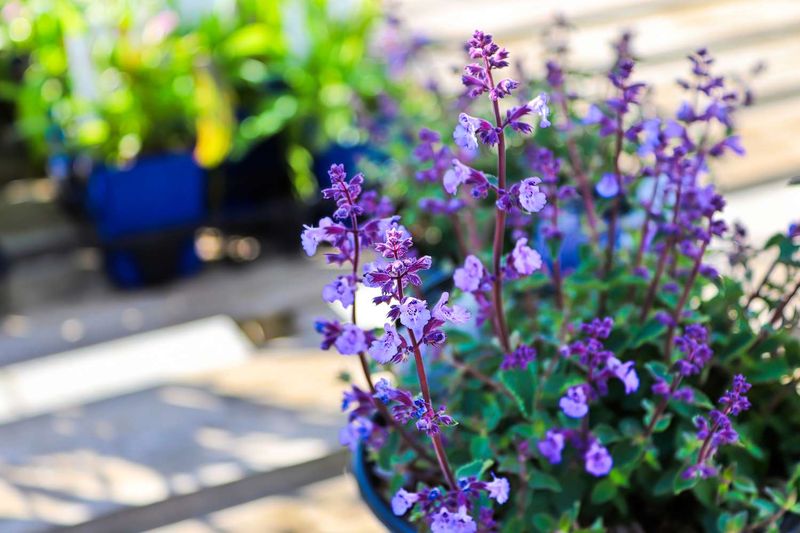
Catmint looks tough, blooms for months, and bees love it, so it is easy to believe it also keeps mosquitoes away. Some online claims go even further and say it works all day in the Arizona sun.
The real story is more interesting and a bit more cautious. Here is what scientists tested, what they did not, and what actually helps on a low-desert patio.
Catnip and catmint are not the same plant
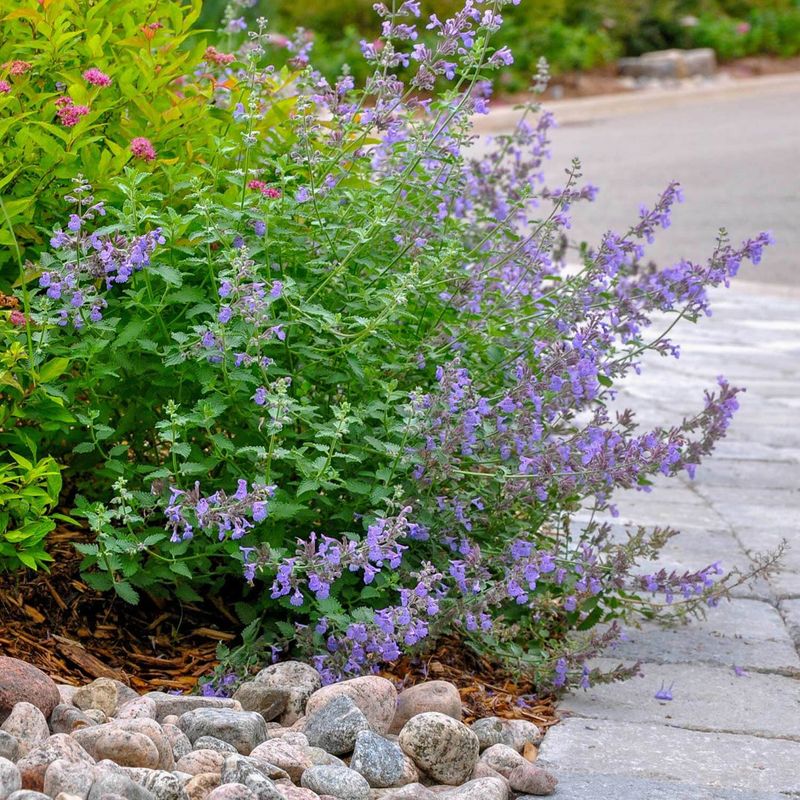
Garden labels can be confusing. Catnip is Nepeta cataria, the plant cats go wild for.
Ornamental catmint is usually Nepeta × faassenii, a tidy, purple-flowered hybrid sold for borders and containers. They are cousins, and the evidence for one does not automatically carry over to the other.
A University of Arizona extension guide describes N. × faassenii as similar to catnip, blooming through monsoon season, and heat- and drought-tolerant once established. It also notes that the plant thrives in mountain gardens.
That is not the same as proof that it handles a low-desert summer in a pot, so give it afternoon shade and watch it closely.
Chemistry adds another wrinkle. An essential-oil analysis found nepetalactone was the largest identified compound in the oil of N. × faassenii.
That tells us what the oil contains. It does not show that a living catmint plant keeps mosquitoes away from your patio chairs.
Catnip oil’s receptor finding does not settle DEET’s mechanism
Researchers studying Aedes aegypti, the yellow fever mosquito, found that catnip oil repels these mosquitoes partly by activating TRPA1, an irritant receptor. Think of it as a sensor that tells the insect something unpleasant is nearby.
The word is partly: TRPA1 explains a share of the effect, not all of it, and it was tested in one mosquito species.
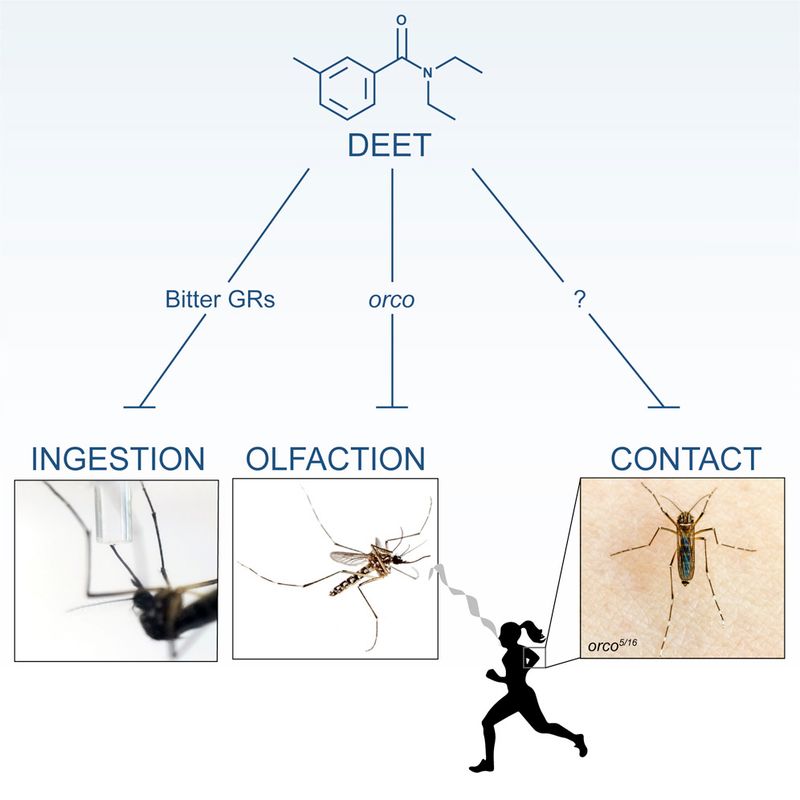
The idea that catnip oil hijacks the same sensor as DEET does not hold up.
Earlier work linked DEET to insect odorant receptors, which are smell sensors rather than irritant receptors.Even so, DEET is not a closed case. A later review describes several possible modes of action and ongoing debate.
So the fair summary is simple. Catnip oil has a receptor finding.
DEET has a different line of research with an unsettled answer. Neither is a single, fully mapped switch, and neither result says anything about a catmint plant in a pot.
A living patio plant is not a proven mosquito barrier
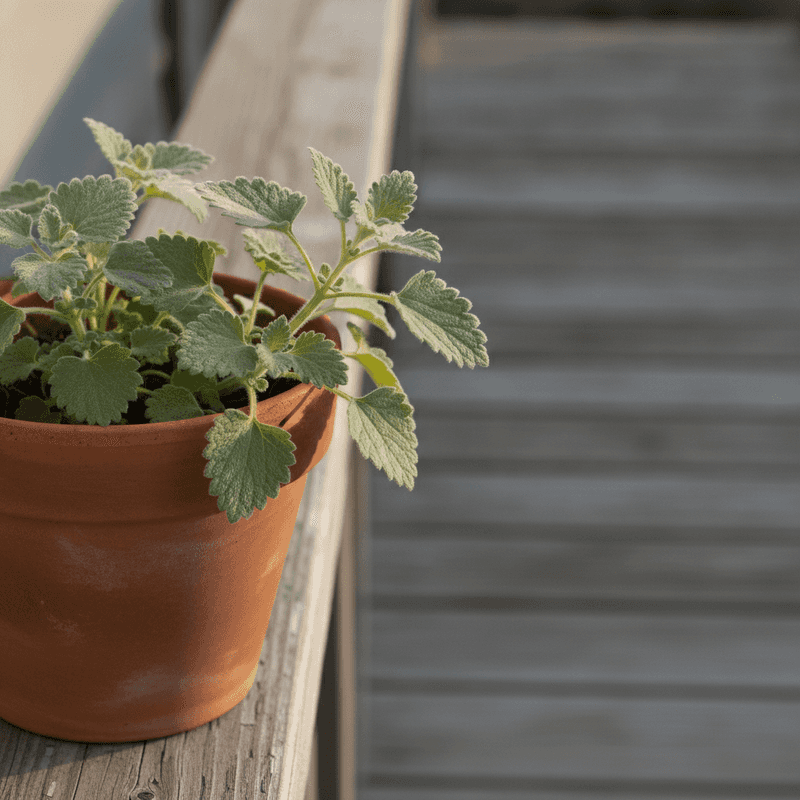
Picture two things: a bottle of concentrated oil and a plant sitting quietly in a pot. They are not the same.
Extension guidance from Iowa State says plants promoted as repellents generally need to be crushed to release their oils, and that a plant simply sitting nearby does not repel mosquitoes in the area.
Catnip itself shows why that distinction matters. A leaf-damage study found that damaged catnip leaves gave off more nepetalactone.
That helps explain why scent changes when leaves are bruised. It does not show that a pot of catmint gives steady, useful protection to people sitting a few feet away.
Your Arizona Garden Changes Every Week. Your Plan Should Too.
Gardening in Arizona changes quickly throughout the season. Every Friday you’ll receive a simple weekly plan showing exactly what to plant, prune, fertilize, harvest, and protect so you never miss the right timing.
A practical example: brushing past a catmint plant may release a whiff of minty scent, but that brief puff is not a shield. Enjoy the flowers and the bees they attract, and keep your mosquito plan anchored in things with better support.
The heat result does not support an all-day effect
Arizona heat is the part of the headline that sounds most convincing and holds up least. In a 2025 lab-and-bioassay study, catnip oil repelled Aedes aegypti less well when ambient temperatures rose above 32°C, about 90°F.
DEET repellency was unaffected in that same setup.
That points away from the idea that hotter conditions boost catnip’s effect. Still, the limits matter.
The researchers tested temperature, not Arizona sunlight. They did not test a living catmint plant or a Phoenix patio, and one species in one setup cannot speak for every mosquito or every product.
Here is the useful takeaway for a 105-degree afternoon: do not count on catmint to carry the load. Treat the heat result as a caution flag, not a final verdict, and lean on steps with clearer support.
A tested oil lotion is different from a plant
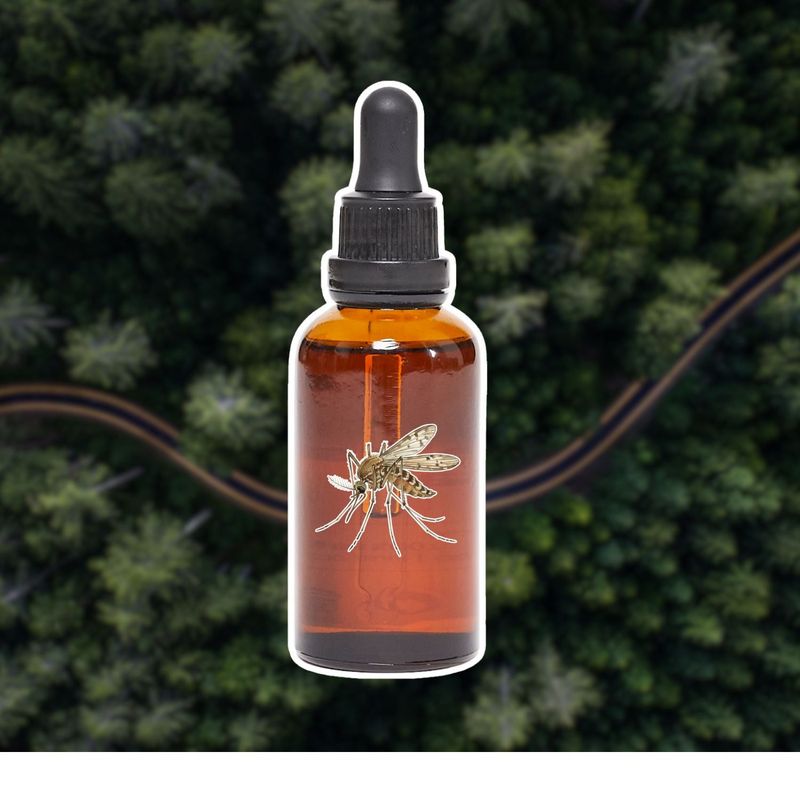
One recent field trial deserves a careful read. Researchers in eastern Uganda tested a lotion containing 6% distilled catnip essential oil against a 15% DEET comparator during evening trials.
In that setting, the two performed comparably.
Notice what was tested: a formulated lotion, applied to exposed skin, in a particular place, with local mosquitoes, in the evening. It was not a garden plant, not a homemade preparation, and not an Arizona patio at midday.
Natural origin also does not make a product safer, longer-lasting, or equally reliable from one formula to the next.
There is a real link to products you can buy. The EPA lists catnip oil among active ingredients in registered skin-applied repellents.
That supports specific registered formulations used as their labels direct. It does not make crushed leaves or homemade extracts equivalent, so keep those off your skin as a substitute.
Reduce standing water and use labeled protection
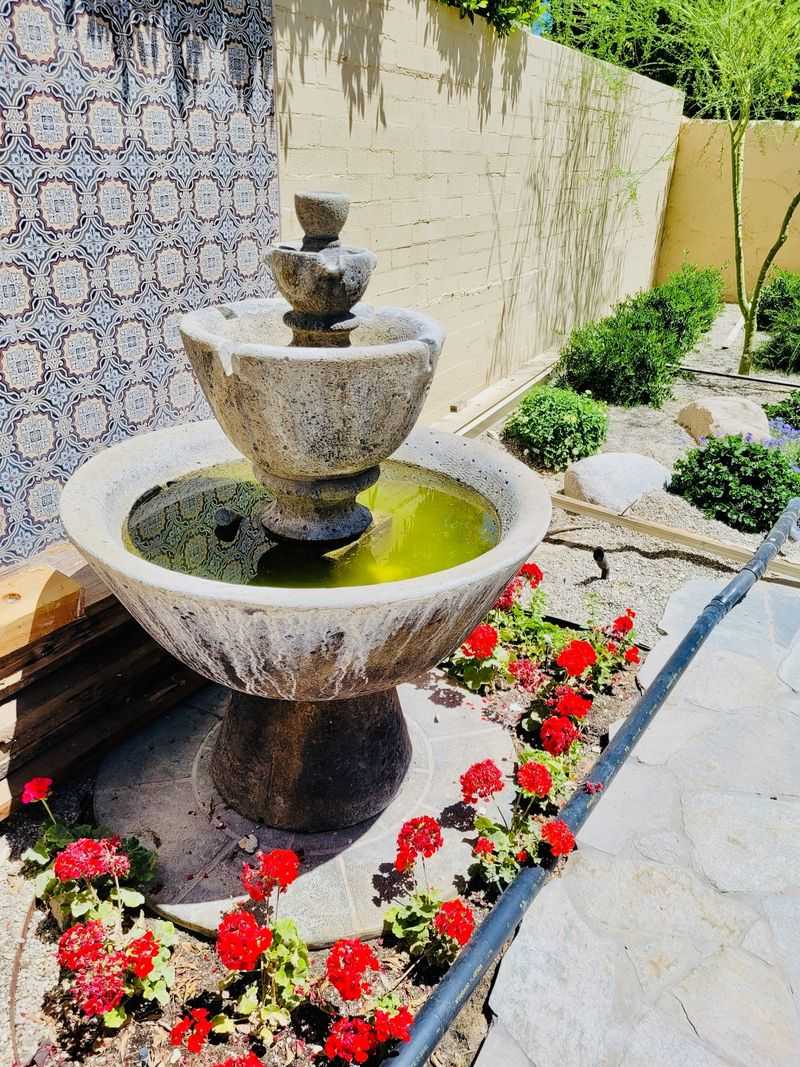
Mosquitoes need standing water to breed, so that is where to start. The EPA advises emptying and changing the water in birdbaths, fountains, and potted-plant trays at least weekly.
In the low desert, go faster than that when you can.
Maricopa County’s backyard checklist says not to let outdoor water stand longer than four days. It specifically flags the saucers under flowerpots, which includes any catmint container you keep.
Tip them out, scrub off any film, and check buckets, toys, and clogged gutters after monsoon storms.
When you will be outside at dusk or dawn, use an EPA-registered repellent and follow the label directions. Fans, screens, and long sleeves can add a layer of help.
Catmint can earn a spot in a garden for its blooms and pollinators. Just do not ask a potted plant to do a repellent’s job.