The Meaning Behind Mushroom Growth In Your Florida Lawn After Summer Storms
Thunder cracks somewhere past four in the morning, then goes quiet fast. By the time the sun clears the fence line, the lawn looks like it grew a tiny skyline overnight.
Those little domes aren’t announcing a collapse. They’re reporting something else entirely.
Underneath, an entire network has been quietly working through old wood, buried roots, and scraps nobody remembers leaving behind. The heat and soaked soil just flipped the switch that told it to surface.
Some of what’s popping up is harmless, some deserves a second look, and one particular shape means something below has been there far longer than the lawn itself.
Your yard has a story running underneath it, and you should know about it.
Fungal Networks Beneath The Soil Are Feeding On Decaying Matter
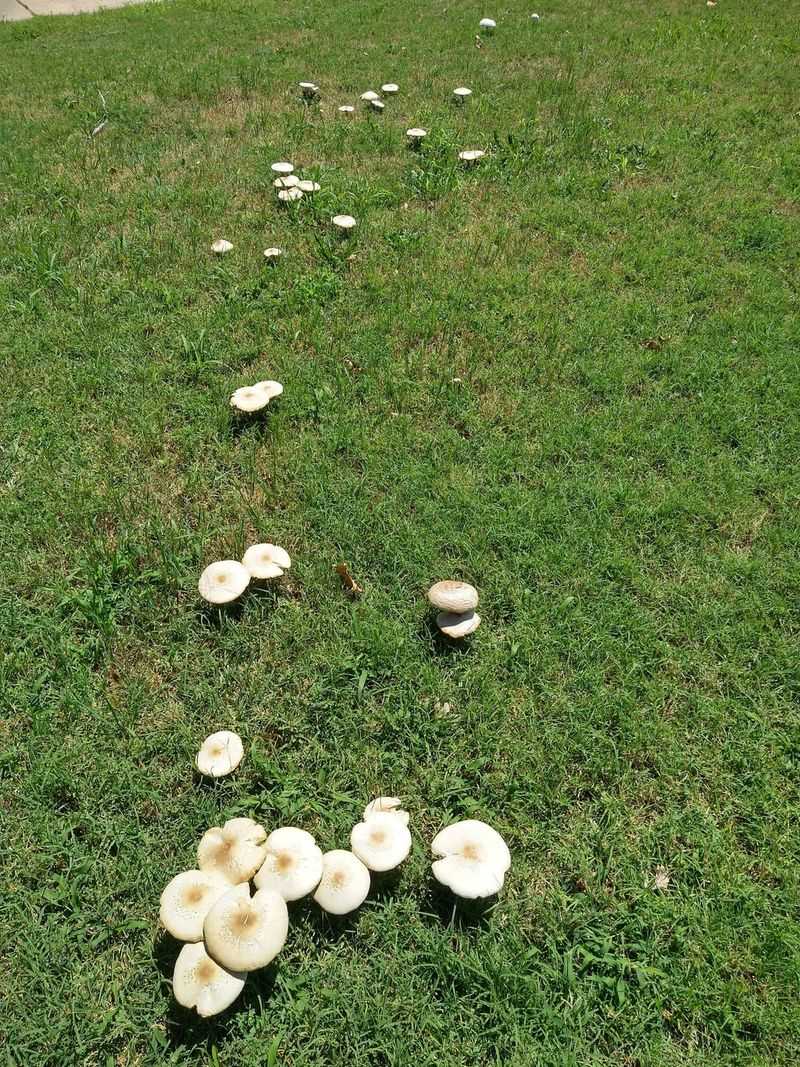
Your yard has a hidden guest list. Under every square foot of turf, threads of fungus spread out like white spider silk.
Those threads are called mycelium, and they work all year without asking permission. They break down buried wood, decayed roots, and old mulch into plant food.
A builder may have left tree stumps or lumber scraps under the sod. Palm roots and pine chips rot slowly, feeding fungi for years.
So the caps you see are not the organism itself. They are fruit, the same way an apple hangs on a tree.
The tree in this case lives entirely underground. When conditions turn right, it pushes up caps to release spores and start again.
Florida gardeners often read this as a sickness sign. In truth, active fungi usually mean your soil holds plenty of organic material.
That process releases nitrogen and other nutrients back into the root zone. It works like fertilizer, just arriving through an unexpected channel.
Trouble only starts when the buried material is huge, like a stump. Then caps return season after season until the wood finally breaks down.
Digging out old debris during a renovation solves the problem for good. Short of that, patience does most of the work.
Fun fact: a single mycelium mat in Oregon covers thousands of acres. Yours is smaller, thankfully, but it operates the same way.
Next time you spot a cluster, picture the network feeding beneath your shoes. Your grass is standing on a busy recycling plant.
Excess Moisture And Humidity Create Perfect Fruiting Conditions
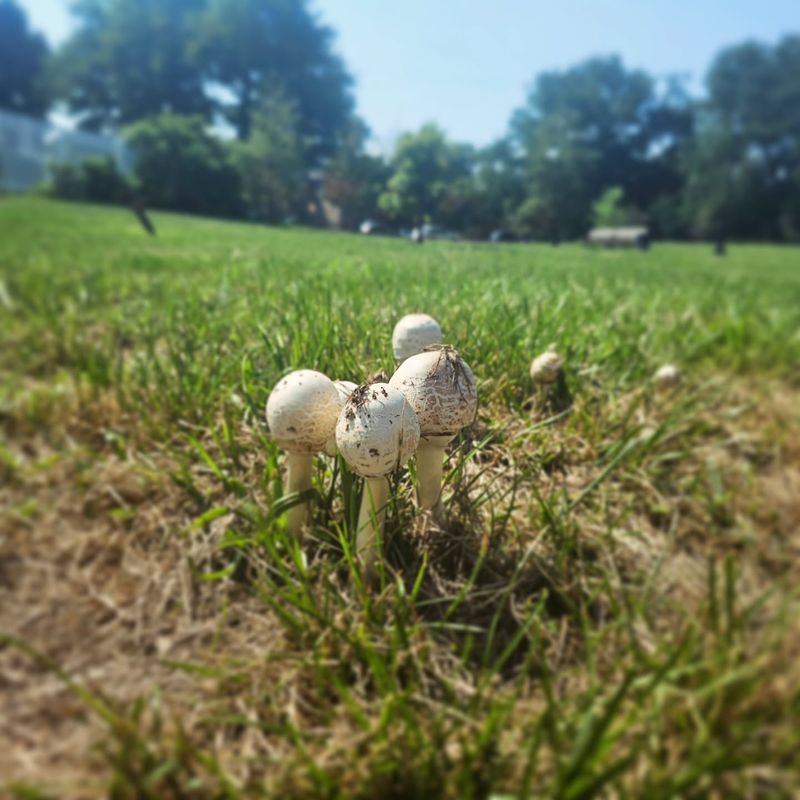
Three inches of rain in an hour. That is a normal August afternoon along the Gulf Coast.
Fungi wait months for that kind of soaking, then they respond within a day. Warm ground plus trapped water equals caps by breakfast.
Humidity keeps the surface damp long after the clouds clear. Grass blades hold the wetness, and the soil below barely gets a chance to breathe.
Shade makes the effect stronger under oaks, fences, and north-facing walls. Those spots stay soggy while the open yard dries by noon.
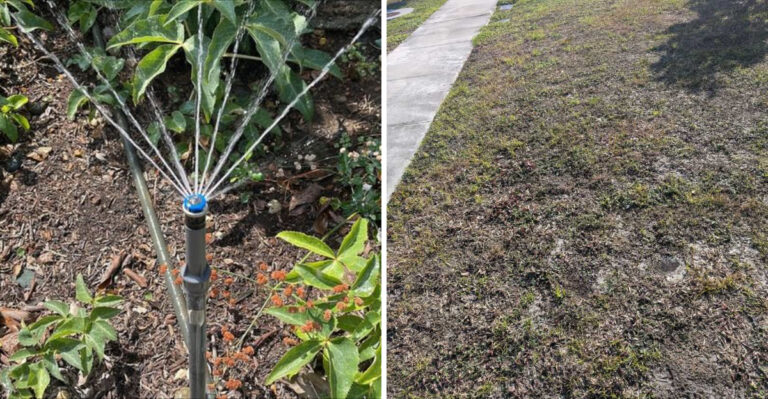
Irrigation timers add another layer of trouble. Sprinklers running at dawn on top of storm water keep the ground saturated for days.
Your Florida Garden Changes Every Week. Your Plan Should Too.
Gardening in Florida changes quickly throughout the season. Every Friday you’ll receive a simple weekly plan showing exactly what to plant, prune, fertilize, harvest, and protect so you never miss the right timing.
Check your controller after a heavy week and pause it. A simple rain sensor pays for itself in one wet season.
Compacted dirt traps water near the surface instead of letting it sink. Foot traffic, clay layers, and thatch all slow drainage.
Thatch is that spongy mat between green blades and soil. When it passes half an inch, it acts like a wet sponge holding fungal food.
Watering deeply twice a week beats short daily sprinkles. Roots grow down, the top layer dries, and caps lose their window.
Spores already sit in the ground, waiting like seeds in a packet. Water is the switch, and you hold part of that switch.
Storms will keep coming, because that is the trade for palm trees and warm nights. Manage the water you control, and the rest matters less.
Common Mushroom Varieties Found In A Florida Lawn
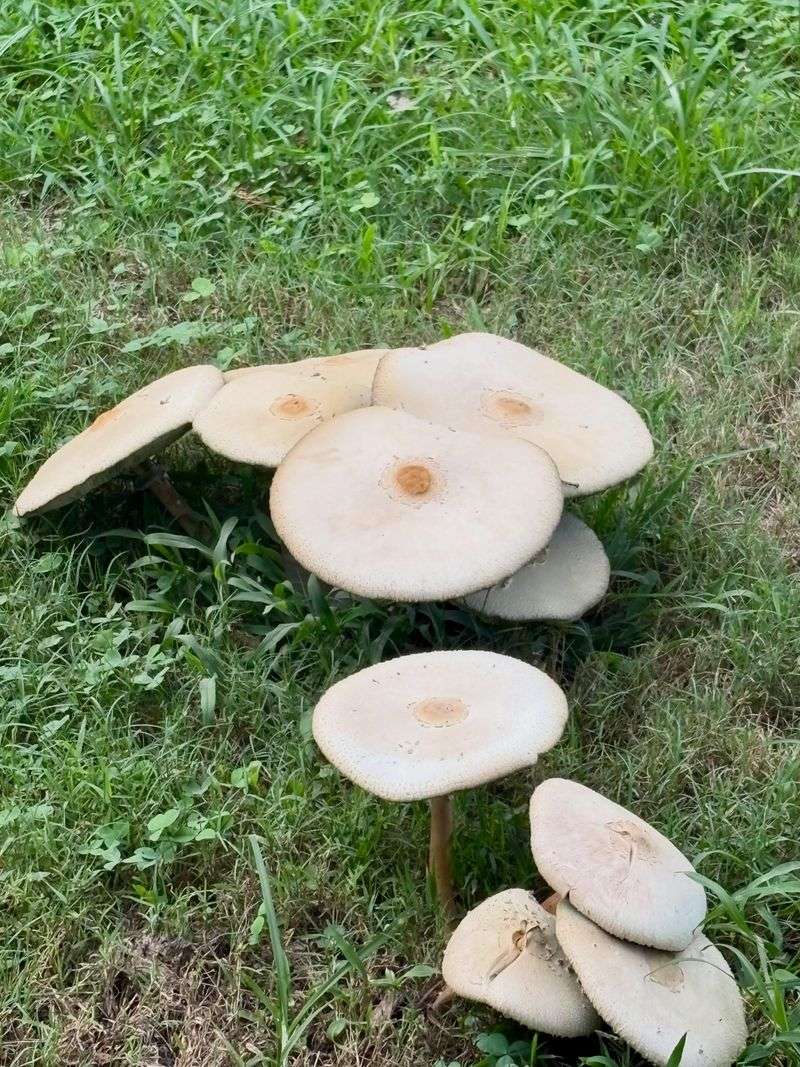
Not all caps look alike, and the differences matter. A quick ID tells you whether to shrug or grab gloves.
Chlorophyllum molybdites shows up most often after storms, wearing a wide cream cap with brown scales. Locals call it the false parasol, and it causes more stomach trouble than any other species here.
Puffballs appear as smooth white spheres sitting on the turf. Step on a mature one and it releases a puff of brown spores.
Stinkhorns announce themselves before you see them. The smell turns sharply unpleasant, drawing flies that carry spores away.
Bird’s nest fungi hide in mulch beds near the driveway. Each tiny cup holds spore packets that rain splashes outward.
Inky caps melt into black goo within a day or two. Their quick collapse makes cleanup easy but messy.
Little brown mushrooms, or LBMs, cover the widest range of species. Even trained mycologists need a microscope to sort many of them.
Dog vomit slime mold gets mistaken for fungus all the time. Bright yellow and foamy, it dries into a crusty gray patch and harms nothing.
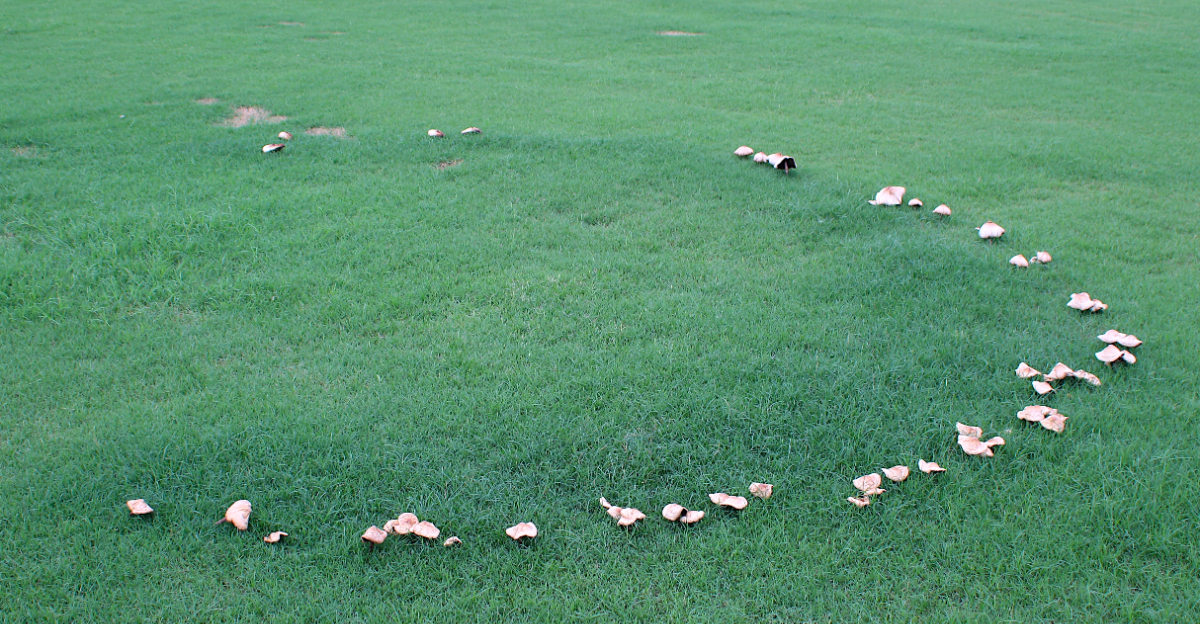
Ring formers like Marasmius oreades pop up in neat arcs across the grass. Their caps stay small, tan, and stubbornly regular.
Photograph anything odd before removing it, especially with children around. A clear picture helps poison control if someone takes a bite.
Treat every unknown cap in your Florida lawn as inedible. Curiosity belongs in the camera roll, not on the dinner plate.
Fairy Rings Signal A Much Larger Underground Colony
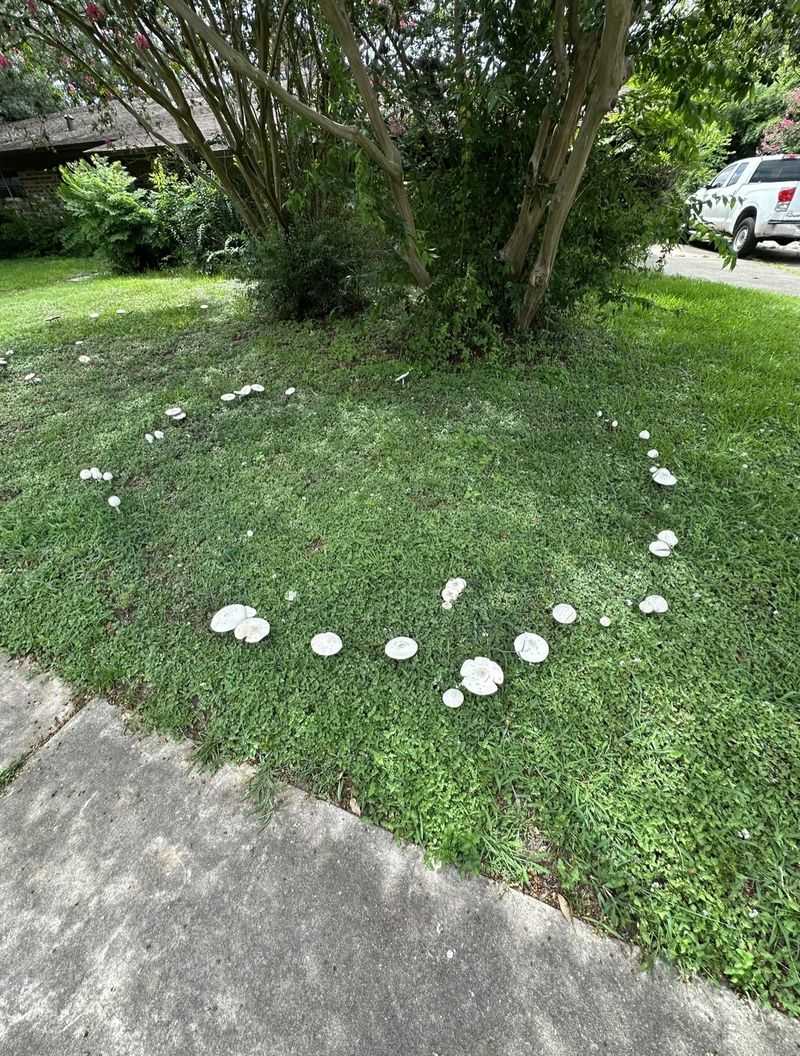
A perfect circle in the grass looks like magic. Old stories blamed dancing fairies, and the name stuck.
Science offers a simpler answer that is almost as strange. One fungus starts at a center point and grows outward evenly in all directions.
The oldest threads in the middle run out of food and fade. Fresh growth pushes out along the edge, forming a ring that widens yearly.
Some rings expand a few inches per season. Others in open pasture have measured hundreds of feet across after decades.
You may see three versions in home turf. Type one browns the grass, type two greens it up, and type three shows only caps.
That dark green band comes from nitrogen released as the fungus digests old roots. Free feeding, in a shape nobody asked for.
Brown arcs happen when dense mycelium waterproofs the soil below. Rain runs off instead of soaking in, and roots go thirsty.
Poking holes through the ring with a garden fork helps water reach starved roots. Add a drop of dish soap to a hose sprayer for deeper soaking.
Fungicides rarely reach far enough down to matter. Aeration, steady watering, and light feeding even out the color faster.
One ring in France has grown for an estimated seven hundred years. Yours probably started when the last big oak came down.
Rings tell you the colony below is older than your mortgage. Creepy or cool, that part is up to you.
Pets And Kids Need Watching When Toadstools Appear
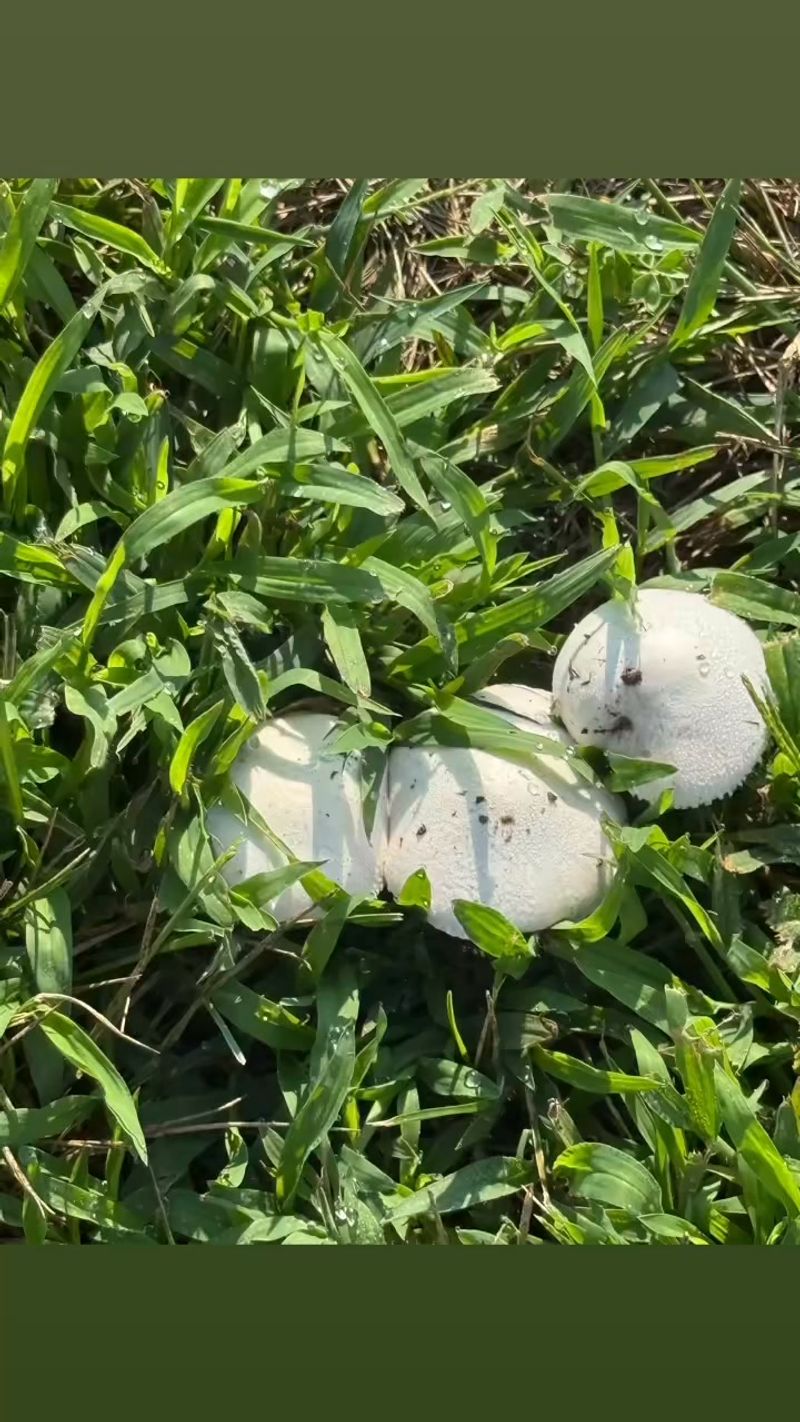
Dogs eat weird things. A curious retriever can swallow a cap before you finish your coffee.
Most yard fungi cause nothing worse than an upset stomach. A small number carry toxins that harm the liver within hours.
Amanita species pose the real danger, and they favor soil near oak roots. Symptoms may pause for a day, which fools people into relaxing.
Toddlers explore with their mouths, so low caps sit at perfect height. Walk the yard before playtime, especially the morning after rain.
Keep a paper bag and gloves by the back door. Bagged samples help a vet or doctor identify the culprit quickly.
Call your veterinarian or the Pet Poison Helpline right away if eating is suspected. Waiting for vomiting wastes the hours that matter most.
Plastic bags speed decay and ruin the details needed for identification. Paper keeps the specimen dry and readable.
Fence off mulch beds where clusters and stinkhorns keep returning. Dogs seem drawn to that odor for reasons only they understand.
Teach children the look but never touch rule early. Turning it into a spotting game works better than scaring them.
Horses and livestock face similar risks in soaked pasture. Blocking off low, boggy spots protects them during storm season.
Write down the time and the amount eaten if you can. Details speed treatment more than a frantic phone call.
Ninety seconds of scanning the grass buys real peace of mind. That is a cheap insurance policy on a Saturday morning.
Removing Mushrooms Safely Without Damaging Your Turf
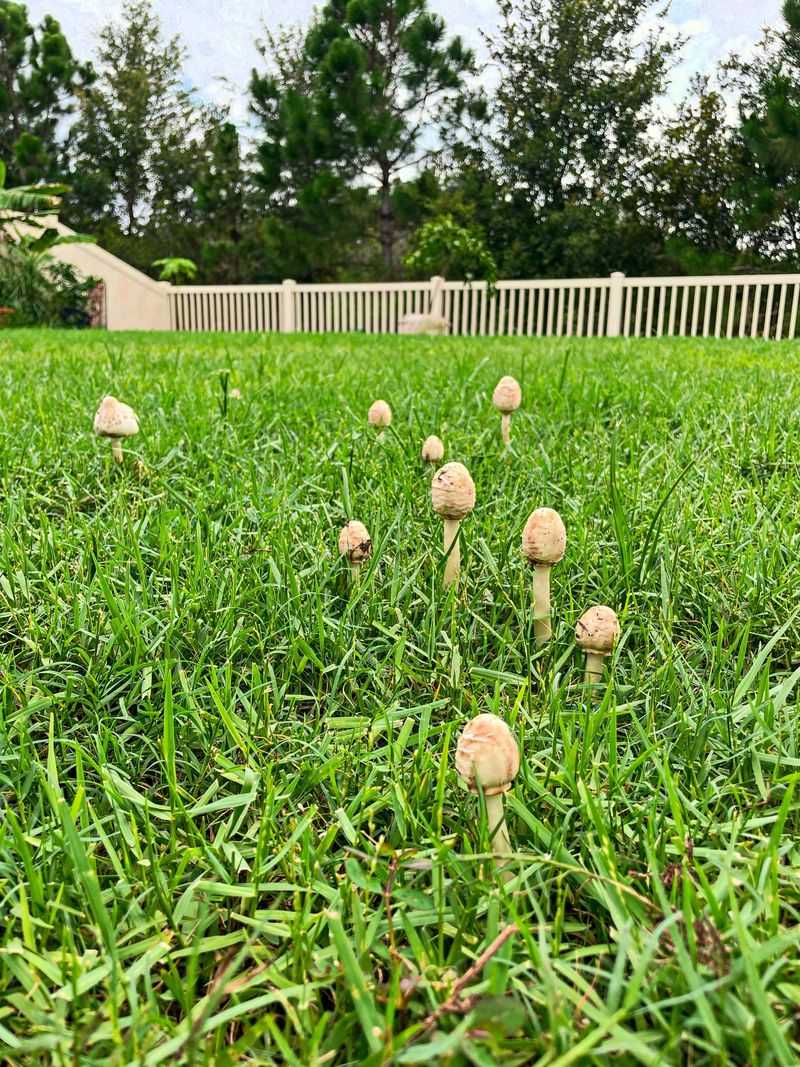
Grab gloves, not a chemical jug. Hand removal beats every spray on the shelf.
Pluck each cap at the base and drop it into a bag. Shaking them around spreads spores, and composting them invites a rerun.
Mowing works when clusters cover a wide area. Bag the clippings instead of leaving them to scatter.
Timing helps more than technique. Morning removal catches caps before they open and release spores.
Skip the bleach and vinegar tricks floating around online. Both scorch grass blades and leave brown spots that linger for weeks.
Turf fungicides target leaf diseases, not the network under your feet. Spending money there rarely changes what appears after the next downpour.
Rake out soggy leaf piles and tired mulch while you are outside. Clearing the buffet shortens the show.
Sharp digging tools are unnecessary here, so leave the shovel in the shed. Excavating caps tears roots and leaves bare patches behind.
Kick them over if you are in a hurry and no pets roam. Scattered pieces dry out quickly under afternoon sun.
Wash your hands afterward, even if you wore gloves. Spores cling to fabric and skin more than people expect.
Expect a second flush after the next storm rolls through. Removal manages appearance, not the colony itself.
Keep a small bucket by the mower during the wet months. Ten minutes of tidying beats a frantic weekend cleanup later.