The Feeder Changes Georgia Yards Need During Fall Bird Migration
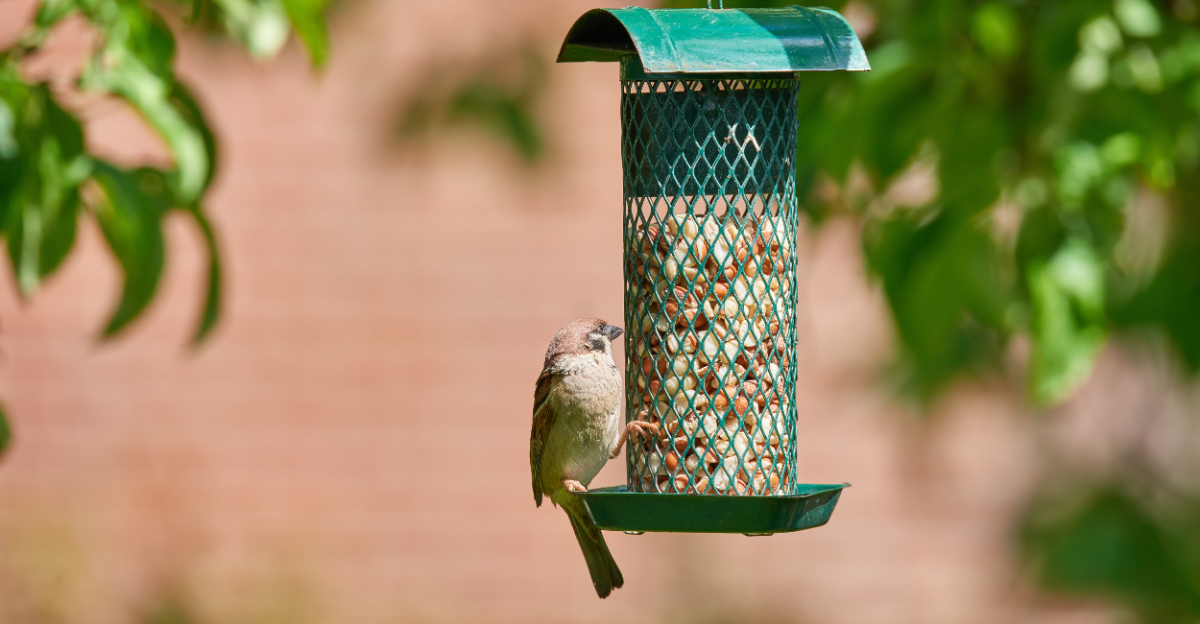
Fall migration can turn an ordinary backyard feeder into a much busier stop for hungry birds. Getting it ready now can make your yard more useful as seasonal visitors begin moving through.
Fresh food matters, but preparation goes beyond simply filling an empty feeder. Summer weather can leave behind moisture, debris, and buildup that deserve attention before activity picks up.
As migration approaches in Georgia, take a closer look at the feeding setup you already have. A few thoughtful adjustments can make it better suited for changing bird traffic.
Cleanliness becomes especially important when more birds begin sharing the same feeding area. Your usual summer routine may need some changes for the weeks ahead.
Placement and maintenance deserve another look during this seasonal shift.
Preparing now gives visiting birds a cleaner, more dependable place to stop during their fall journey.
1. Clean Feeders More Often During Fall Migration
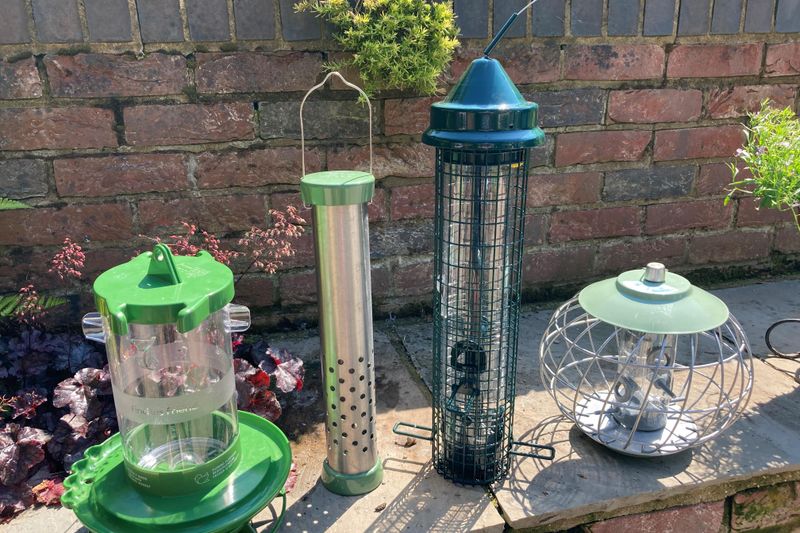
Dirty feeders can quietly push birds away before you even notice a problem. Mold, bacteria, and old seed build up fast, especially during warm fall days that Georgia still gets in September and early October.
Scrub feeders with a stiff brush and mild soap at least once a week during peak migration. Rinse them well and let them dry fully before refilling.
Wet interiors speed up spoilage.
Pay close attention to the feeding ports and tray edges. Seed husks and droppings collect there quickly.
A clogged port means birds move on to find food somewhere else.
Keep a second feeder on hand so you can swap them out without leaving birds with nothing to eat. Rotating feeders makes the cleaning process much easier to stay on top of.
A clean feeder also gives you a better look at which birds are visiting. Grime and old seed can obscure the feeder design and make it harder to spot smaller species perching briefly before moving on.
You may also notice birds staying longer when the feeder is fresh and easy to use. Regular cleaning keeps seed flowing freely and gives every visitor a better place to stop during migration.
Staying consistent with this simple habit can make your feeder a more reliable stop throughout the busy fall season.
2. Move Feeders Away From Busy Window Areas
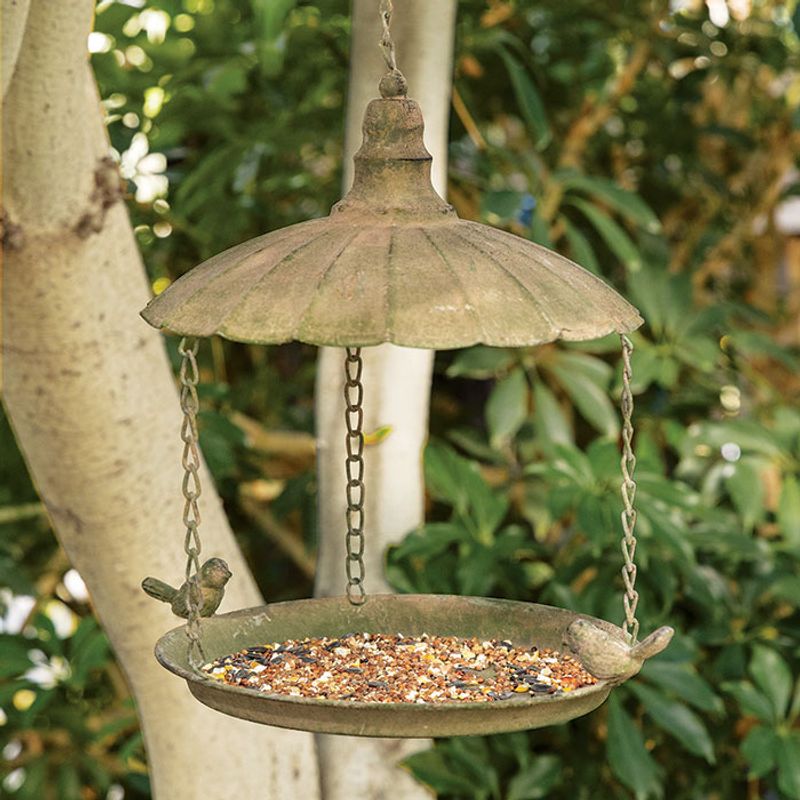
Window strikes happen more often during migration season. Unfamiliar birds moving through an area are less aware of reflective glass than the regulars that visit your yard all year.
Placement matters more than most people realize. Feeders positioned within three feet of a window or more than thirty feet away tend to reduce the risk of hard impacts.
Middle distances are actually the most problematic.
Moving feeders closer to the house, like right against the glass, slows birds down as they approach. At that speed, a tap against the window is usually minor rather than serious.
Pulling feeders further out, past thirty feet, gives birds enough room to recognize the window and adjust their flight path. A pole mount in an open yard spot works well for this.
Your Georgia Garden Changes Every Week. Your Plan Should Too.
Gardening in Georgia changes quickly throughout the season. Every Friday you’ll receive a simple weekly plan showing exactly what to plant, prune, fertilize, harvest, and protect so you never miss the right timing.
Window decals or screens on the outside of the glass also help break up reflections. Combine that with a better feeder position and you create a safer feeding station overall.
Fall migration in Georgia brings in warblers, thrushes, and other species that are not regulars. Giving them a safe landing zone near your feeders is one of the most practical adjustments you can make this season.
You can also check nearby windows from outside to see which ones reflect the most sky or greenery. Those reflections can make the glass look like open space to birds approaching your feeding area.
3. Black Oil Sunflower Seed Attracts Many Migrating Birds
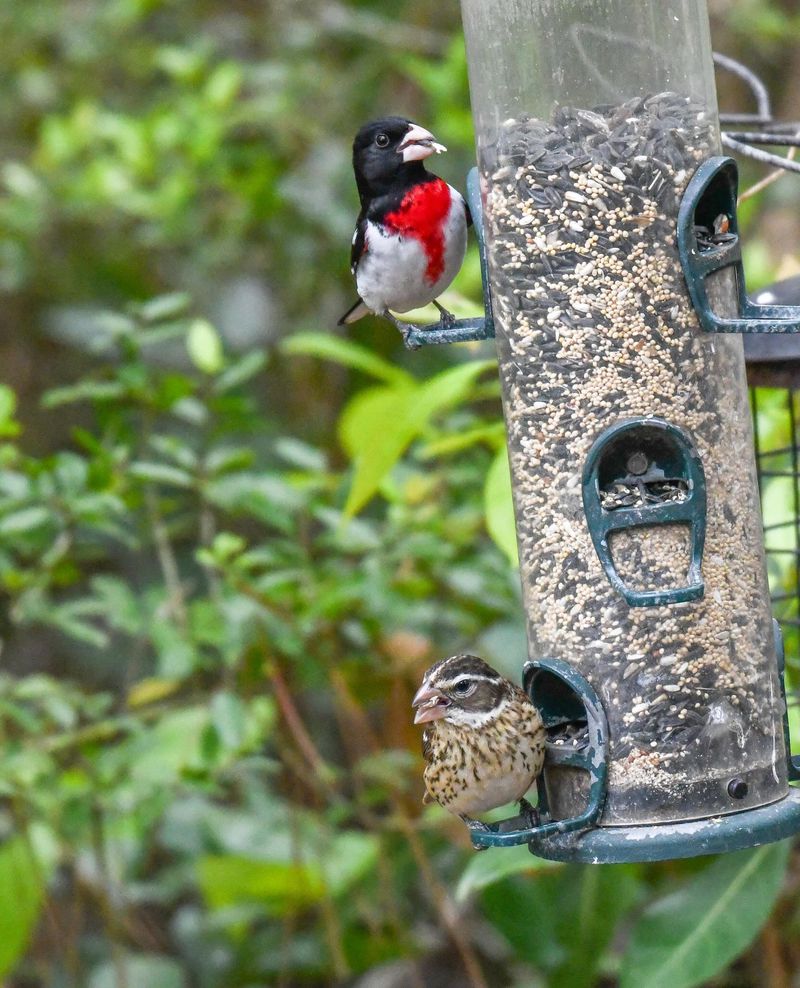
Black oil sunflower seed is probably the single most effective food you can offer during fall migration. Its thin shell makes it easy for a wide range of birds to crack open, including smaller species that struggle with thicker hulls.
Cardinals, chickadees, nuthatches, and finches all go for it readily. During migration, you may also see rose-breasted grosbeaks and purple finches stopping in, both of which love sunflower seed.
Buying in bulk during fall makes sense because consumption can spike quickly when a wave of migrants passes through. Running out mid-migration means missing species that may not come back around.
Hulled sunflower chips are worth considering if mess bothers you. Shells pile up under feeders and can smother grass or create muddy patches after rain.
Chips skip that problem entirely.
Use a wide tray or hopper feeder for sunflower seed so multiple birds can feed at once without crowding each other off. Tube feeders with large ports also work well for this seed type.
Keep the seed dry. Wet sunflower seed clumps together and can grow mold within a day or two in humid fall weather.
A feeder with a roof or baffle helps protect the supply between refills.
Check the seed level regularly because busy feeding periods can empty a feeder faster than expected.
Fresh supplies are especially useful when migrating flocks arrive and need quick access to energy before continuing their journey.
4. Suet Adds Another High Energy Food Choice
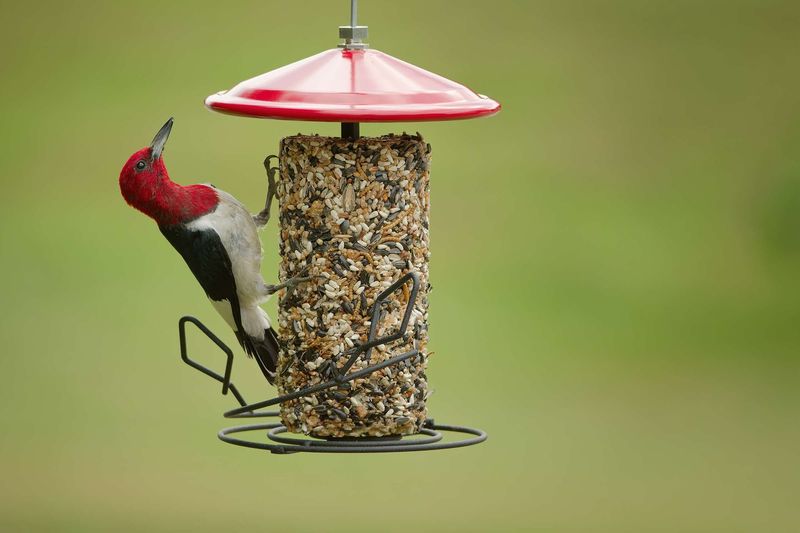
Suet is one of those foods that woodpeckers absolutely cannot resist. During fall migration, you may see species like yellow-bellied sapsuckers and red-headed woodpeckers passing through yards that offer it.
Fat-based foods give migrating birds a quick way to rebuild energy stores. Long flights burn through calories fast, and suet provides a dense, accessible source that birds can consume in short bursts.
Plain beef suet cakes work well in most cage feeders. Varieties with added nuts, berries, or insects tend to pull in a broader mix of species including wrens, bluebirds, and Carolina chickadees.
Hang the suet cage on a tree trunk or a feeder pole with a tail prop attached. Woodpeckers prefer a vertical surface they can brace against while feeding.
Suet can soften and turn rancid in warm weather. Georgia’s early fall temperatures can still climb into the upper 70s, so check suet cakes every few days.
No-melt formulas are better suited for warmer stretches.
Replace the cake as soon as it starts looking greasy, discolored, or smells off. Fresh suet keeps birds coming back consistently rather than visiting once and skipping your yard on future passes through the area.
Try placing the cage where you can easily inspect it without taking the entire setup down. That makes quick checks much simpler when temperatures shift during the first weeks of fall.
5. Add A Tube Feeder For Smaller Seed Eating Birds
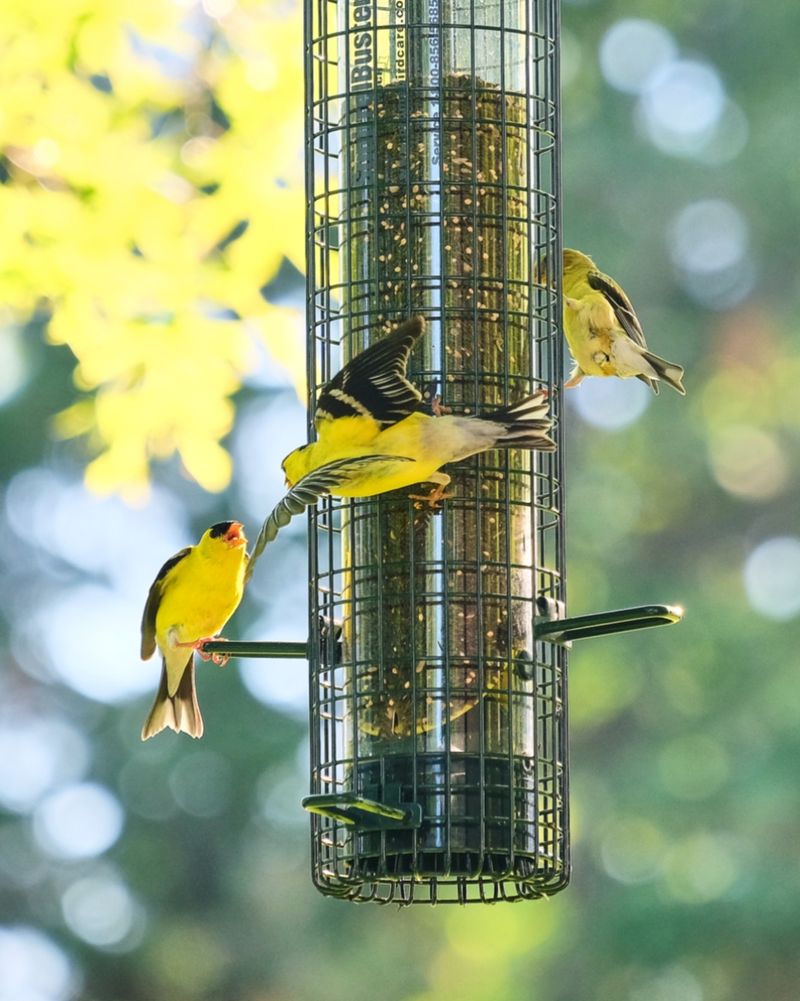
Smaller birds often get crowded out at open platform feeders when larger species show up. A tube feeder with small ports gives finches, pine siskins, and goldfinches a spot where they can feed without competition.
Nyjer seed, also called thistle seed, is the top choice for tube feeders during fall. American goldfinches shift from bright yellow to olive during fall, so some people do not recognize them right away.
Pine siskins are an interesting case. Some years they move through in large flocks, and other years they are barely spotted.
Offering nyjer in a tube feeder gives you a better shot at catching them when they do pass through.
Tube feeders with multiple ports let several birds feed at once. Look for models with removable bases that make cleaning easier.
Seed can pack down inside the tube and block the ports if not cleared regularly.
Position the tube feeder away from your larger hopper or platform feeders. Spacing feeders out reduces crowding and gives shy species room to settle in without feeling pushed around.
Hang the feeder at eye level if possible. Watching small birds up close is one of the real rewards of fall feeding, and a well-placed tube feeder makes that easier without disturbing the birds.
Fresh nyjer is especially important because birds may ignore seed that has been sitting too long. Buy smaller amounts when possible so the supply stays appealing between refills.
6. Keep Feeders Near Cover Without Hiding Them In Shrubs
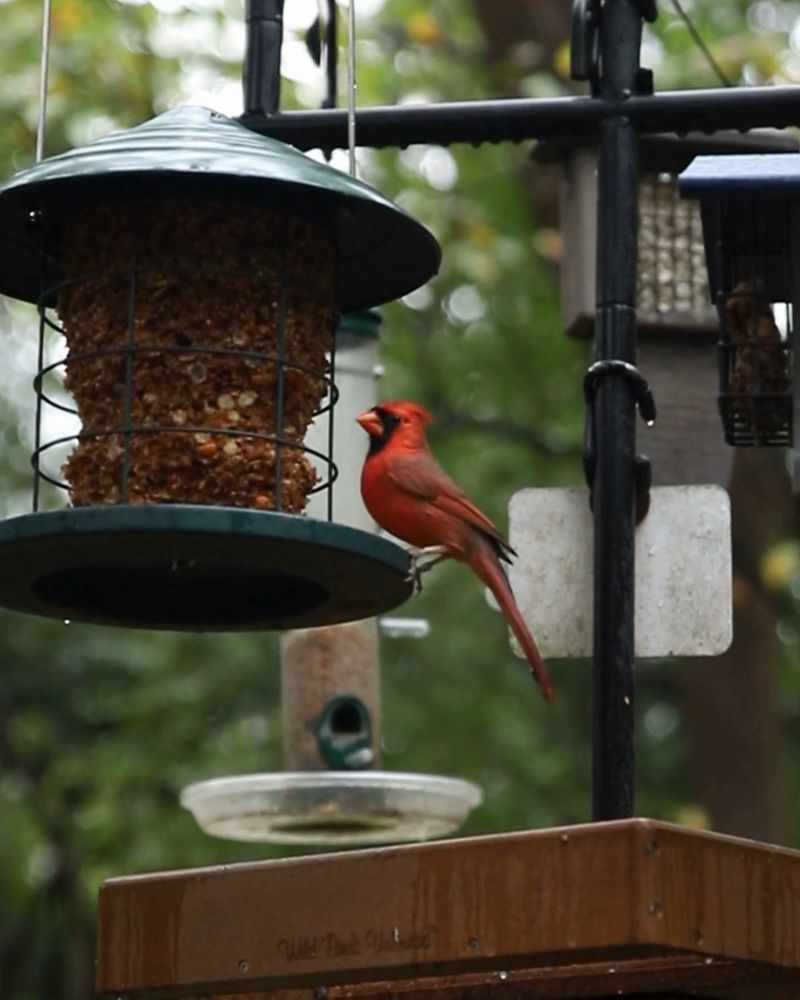
Birds feel safer when cover is nearby. Shrubs, small trees, or dense plantings give them a quick escape route if a hawk or other predator shows up near the feeder.
Placing feeders about eight to twelve feet from a shrub border hits a good balance. Close enough for birds to dart to safety, but far enough that cats or other ground predators cannot use the shrubs as a hiding spot right next to the food.
Avoid tucking feeders deep inside hedges or dense plantings. Birds need clear sightlines to spot threats while they eat.
A feeder buried in vegetation can actually feel less safe to visiting birds.
Native shrubs like beautyberry, possumhaw holly, or wax myrtle work especially well in southeastern yards. They provide natural food sources alongside your feeders, which extends how long migrants spend in your yard.
Perching branches near feeders also help. A simple shepherd’s hook or nearby small tree gives birds a staging spot to wait their turn before dropping down to feed.
Migrating birds are cautious in unfamiliar territory. A yard that offers both food and a clear sense of safety tends to hold birds longer than one with feeders set up in wide open, exposed spots with no nearby shelter.
Take a look at the entire feeding area from several angles before choosing a permanent spot.
Birds should have open approaches from more than one direction rather than being funneled through thick growth.
7. Fresh Water Gives Migrating Birds Another Useful Resource
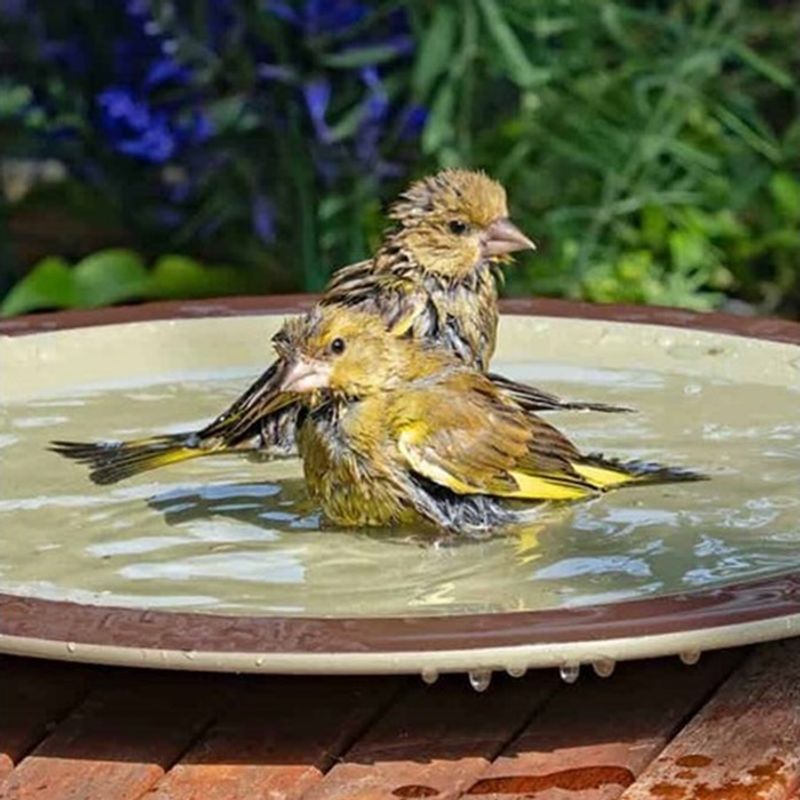
Water is something a lot of backyard birders overlook during fall migration. Food gets all the attention, but a clean, shallow water source can pull in species that would skip a yard with feeders alone.
Warblers, thrushes, and vireos are drawn to moving water in particular. A small dripper attachment or a solar-powered fountain added to a birdbath creates sound and ripple that catches the attention of birds flying overhead.
Keep the water depth at two inches or less. Migrating birds want to drink and bathe quickly, not wade.
A shallow basin with a rough bottom surface helps smaller birds keep their footing.
Change the water every one to two days during warm fall stretches. Standing water gets murky fast and can become a breeding spot for mosquito larvae within a week in mild temperatures.
Positioning the birdbath near some low shrubs gives birds a place to preen after bathing. Wet feathers need time to dry, and birds will not leave cover until they feel ready to fly again.
A well-maintained water source during fall migration in Georgia can bring in birds that seed feeders alone would never attract. It rounds out your yard as a reliable rest stop for species moving through on longer journeys south.
Add a few small stones to the basin if the surface feels too slick for tiny visitors. Check the bath after windy days as leaves and debris can quickly collect in shallow water.
8. Remove Wet Seed Before It Spoils
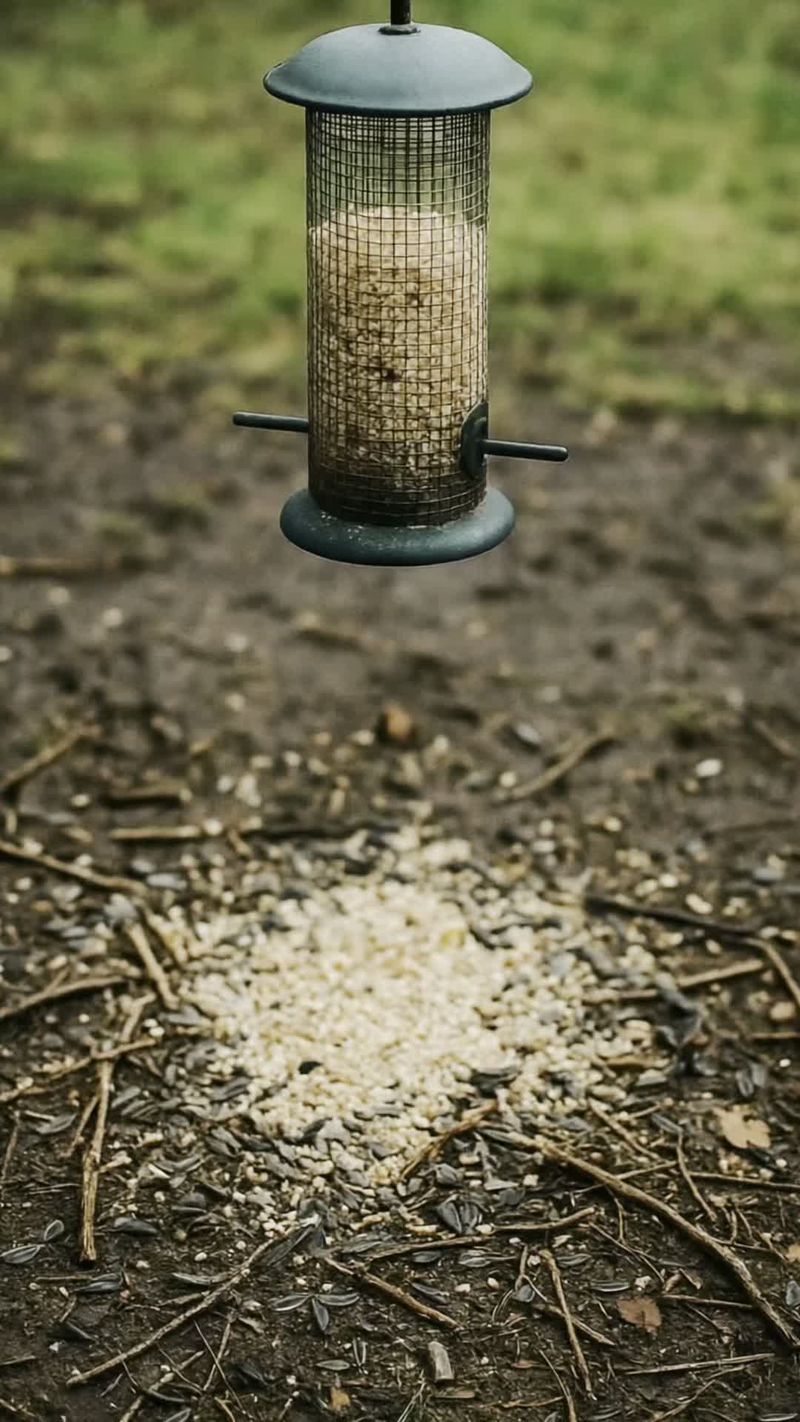
Wet seed is one of the fastest ways to make a feeder useless. Rain, morning dew, and humid fall air can soak seed within hours, causing it to clump together and start growing mold quickly.
Check feeders after any rain event. Scoop out damp or clumped seed before it has a chance to harden or develop visible mold.
Even seed that looks okay can smell off to birds if it has started to turn.
Platform feeders and open trays are the most vulnerable to moisture. A roof or dome cover over a hopper feeder helps a lot.
Small adjustments to feeder design can cut down how often you need to remove spoiled seed.
Buying seed in smaller quantities during wet stretches of fall helps reduce waste. Large bags stored in a humid garage or shed can develop moisture problems before the seed even goes into the feeder.
Store unused seed in a sealed container kept in a dry spot. A lidded metal or hard plastic bin works well and also keeps out pests like mice and squirrels.
Birds learn fast which feeders are reliable. A yard that consistently offers fresh, dry seed during fall migration tends to attract repeat visitors as migrants pass back and forth through the region over several weeks.
Empty the feeder completely when moisture reaches the seed at the bottom instead of simply adding a fresh layer on top. Give the interior time to dry before filling it again.