This Is Why California Bougainvillea Produces Leaves Instead Of Flowers
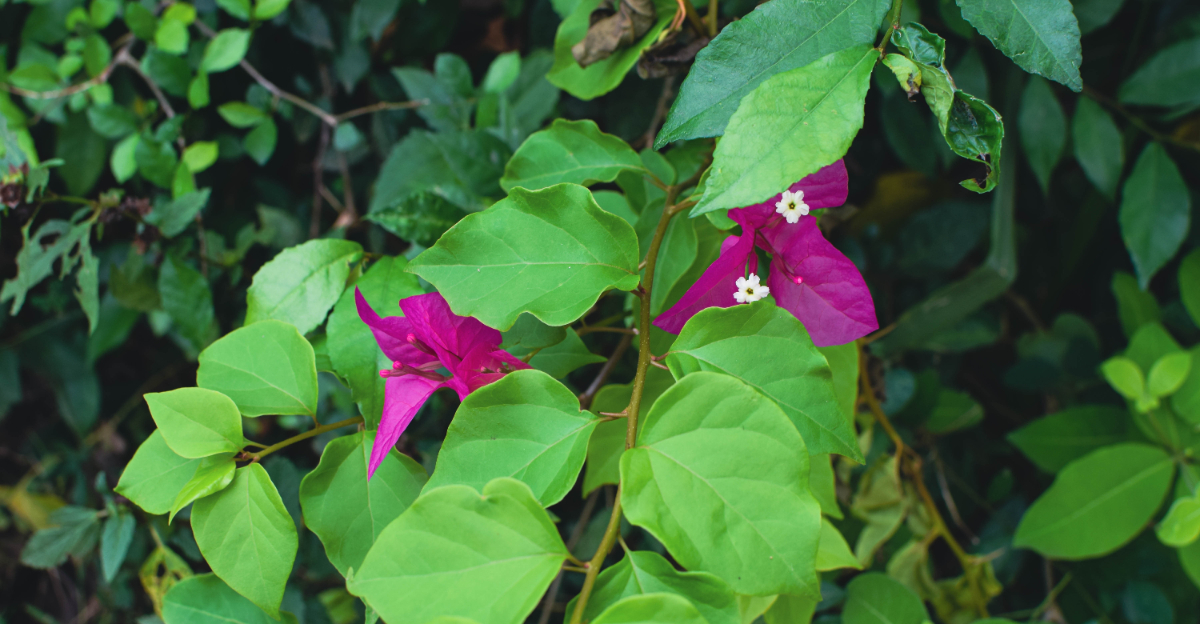
Bougainvillea is supposed to be the show-off of the California garden. Those vivid bursts of pink, purple, red, orange, or white can turn a plain wall or fence into something that looks straight out of a vacation postcard.
So when the plant produces plenty of green leaves but barely any color, disappointment arrives fast.
The frustrating part is that a leafy bougainvillea can still look perfectly healthy. New growth appears, stems keep stretching, and the plant may seem energetic enough to take over half the yard.
Yet the flowers you were waiting for are nowhere to be found. Excuse me, this was not the arrangement.
California’s climate gives bougainvillea plenty of opportunities to thrive, but these plants can be surprisingly particular about how they respond to their surroundings.
Small differences in care, placement, and growing conditions can influence what the plant decides to do next.
If yours seems far more interested in making foliage than putting on a colorful display, it is worth taking a closer look. The explanation may be hiding in a detail that is surprisingly easy to overlook.
1. Too Much Nitrogen Can Push Leaves Instead Of Blooms
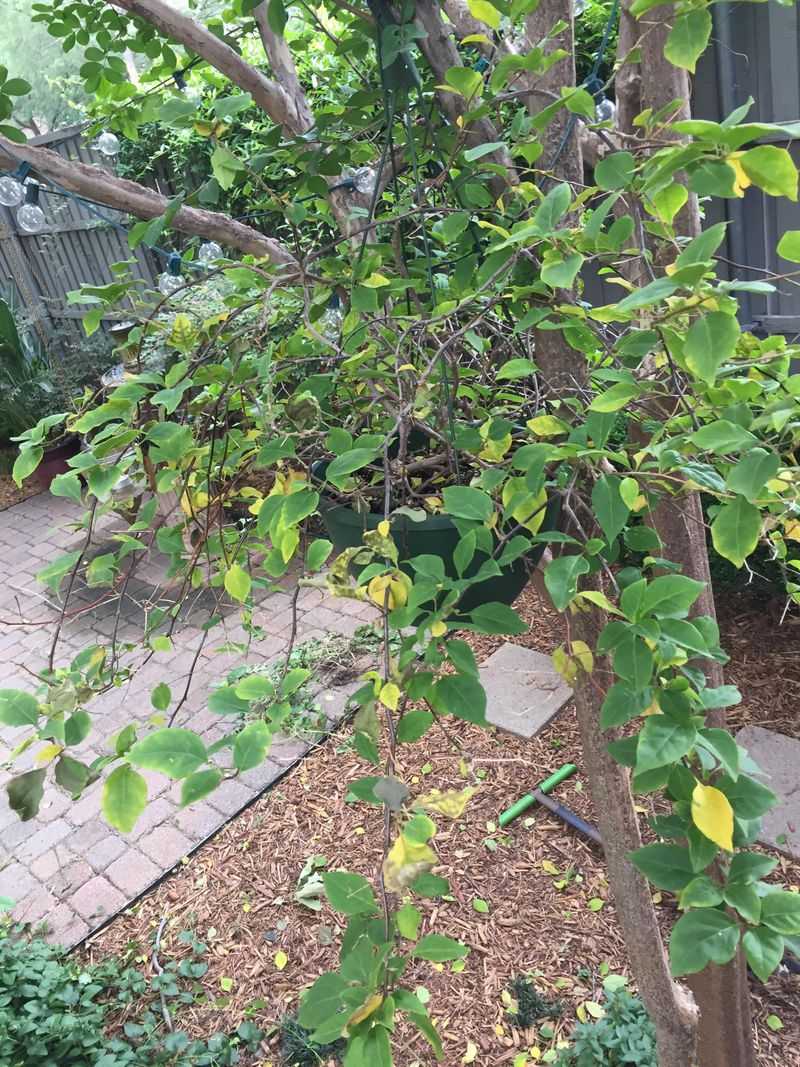
California gardeners want their plants to grow fast and look healthy, so they reach for nitrogen-rich fertilizers. That seems like a smart move, but with bougainvillea, it can backfire quickly.
Nitrogen is the nutrient that fuels leaf and stem growth. When a plant gets too much of it, the energy goes straight to producing green growth instead of flowers.
Bougainvillea is a plant that actually blooms better when it feels a little challenged. If it has everything it needs in abundance, it has no reason to flower.
Flowering is how plants reproduce, and they tend to bloom more when they sense some kind of stress or limitation. Too much nitrogen removes that stress entirely.
The fix is simple but requires patience. Switch to a fertilizer that is lower in nitrogen and higher in phosphorus.
Phosphorus is the nutrient most linked to flower production. Look for fertilizer labels with a middle number that is higher than the first number.
For example, a 5-10-5 blend works well for bougainvillea. You should start seeing a shift in the plant within a few weeks.
Always read the label and avoid over-applying. Less fertilizer is often better than more when it comes to getting bougainvillea to bloom.
2. Rich Fertilizer Often Makes Bougainvillea Too Comfortable
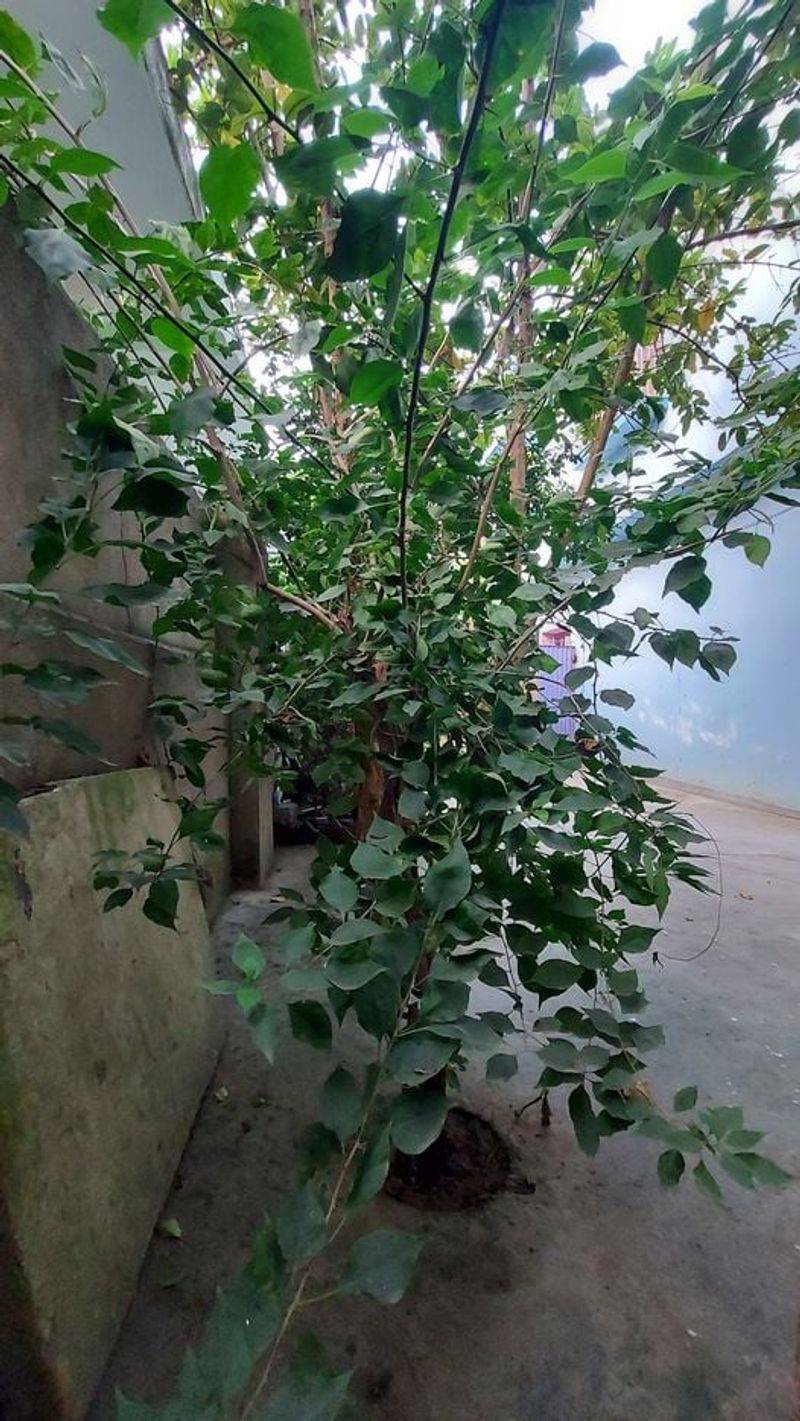
Here is something that surprises a lot of gardeners: bougainvillea actually blooms better when it is a little stressed. When the soil is rich and full of nutrients, the plant gets too comfortable.
It puts all its energy into growing bigger leaves and longer vines instead of producing flowers.
Rich fertilizers, especially those designed for general garden use, often contain high levels of nitrogen. Nitrogen feeds leaf growth.
When bougainvillea gets too much of it, the plant grows fast and looks green and full. But that lush look often means fewer or no blooms at all.
Many gardeners make the mistake of thinking a bigger, greener plant is a healthier one.
Your California Garden Changes Every Week. Your Plan Should Too.
Gardening in California changes quickly throughout the season. Every Friday you’ll receive a simple weekly plan showing exactly what to plant, prune, fertilize, harvest, and protect so you never miss the right timing.
To encourage blooming, cut back on fertilizing during the growing season. If you do fertilize, use a product made specifically for flowering plants.
Fertilizers labeled for hibiscus or bougainvillea work well. They are usually lower in nitrogen and higher in potassium and phosphorus.
You can also try skipping fertilizer for a few weeks and see if the plant responds by pushing out flower buds. Bougainvillea grown in slightly leaner soil tends to reward gardeners with far more color.
Think of it like this: a plant that has to work a little harder often puts on a much better show.
3. Too Much Water Can Keep The Plant Focused On Growth
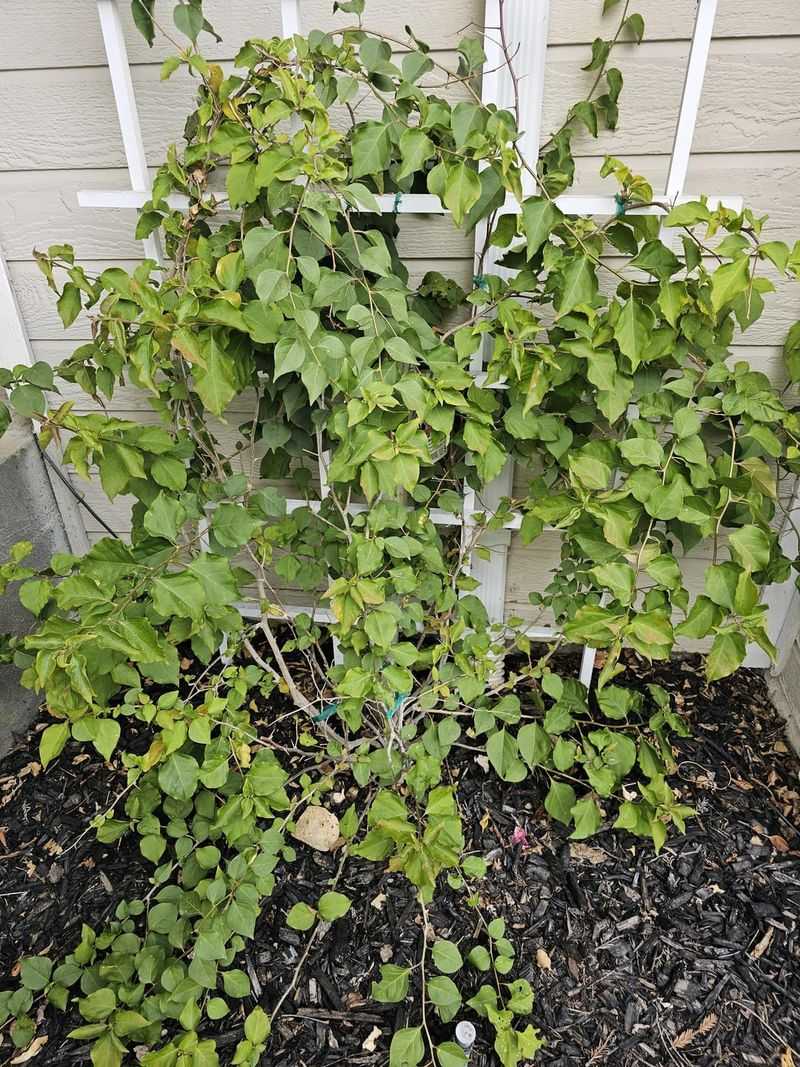
Watering is one of the most common mistakes people make with bougainvillea. It might seem like giving a plant more water would help it thrive, but bougainvillea is actually native to dry, hot climates.
It is built to handle drought-like conditions. When it gets too much water, it focuses on growing more leaves and roots instead of blooming.
Overwatered bougainvillea can look deceptively healthy. The leaves are dark green, the vines grow quickly, and the plant seems to be doing great.
But look closely and you will notice something missing: flowers. Wet soil keeps the plant in a constant state of growth, and flowering gets pushed to the back burner.
Try cutting back your watering schedule significantly. Allow the soil to dry out almost completely between waterings.
During the summer, watering once every one to two weeks is often enough. In cooler months, you may only need to water once every few weeks.
This dry period signals to the plant that it is time to shift its energy toward reproduction, which means producing flowers. Make sure your pot or garden bed has good drainage so water does not sit around the roots.
A dry spell of about two to three weeks before a watering cycle can really help trigger blooming in bougainvillea.
4. Not Enough Sun Can Mean Lots Of Leaves And Few Flowers
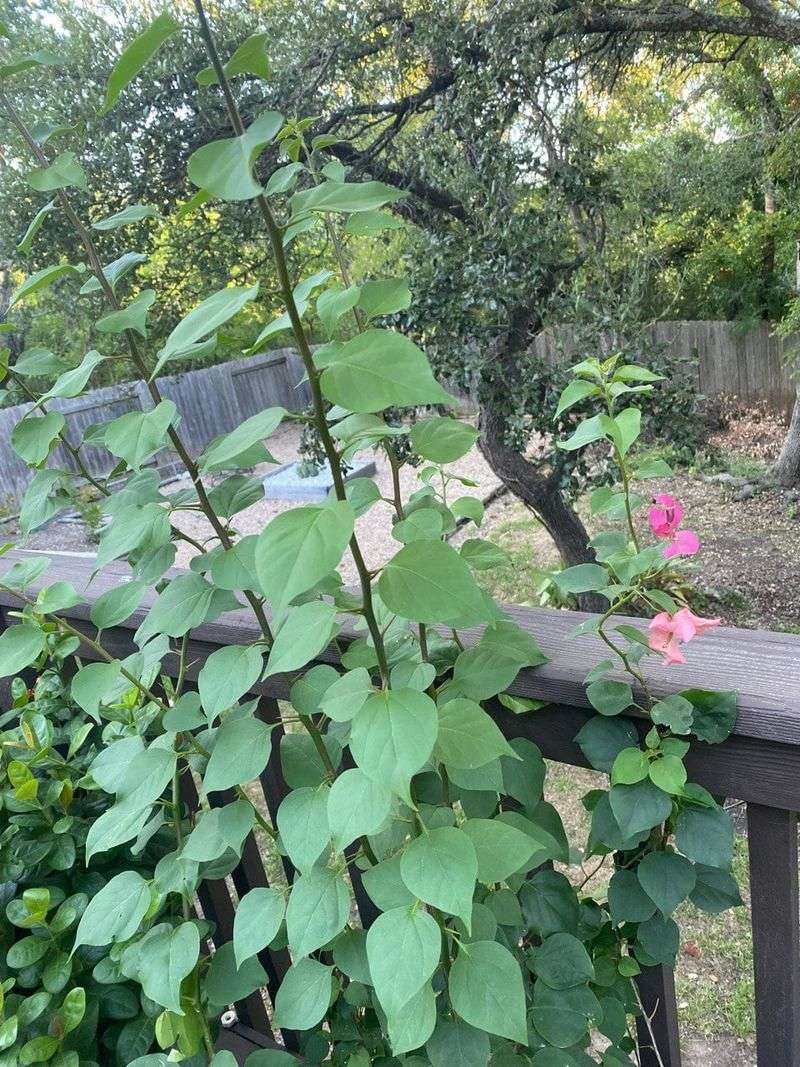
Sunlight is one of the most important factors for getting bougainvillea to bloom. Without enough direct sun, the plant will grow plenty of leaves but produce very little color.
Bougainvillea needs at least six hours of full sun each day. Anything less than that and you are likely to end up with a green, leafy plant that rarely flowers.
Shade from nearby trees, buildings, or fences can block the sun more than you realize. Even partial shade during key hours of the day can make a big difference.
The plant might look fine and even grow well in lower light, but the flowers simply will not show up without strong, direct sunlight hitting the plant for most of the day.
If your bougainvillea is in a pot, the fix is easy. Move it to a sunnier spot where it can get full sun from morning through early afternoon.
If it is planted in the ground, you may need to trim back whatever is causing shade nearby. South-facing walls and fences are often ideal spots for bougainvillea because they reflect heat and light back onto the plant.
The more sun it gets, the more it blooms. Many gardeners are amazed at how quickly their plant responds once it gets the sunlight it truly needs.
5. Frequent Pruning Can Remove New Flowering Growth
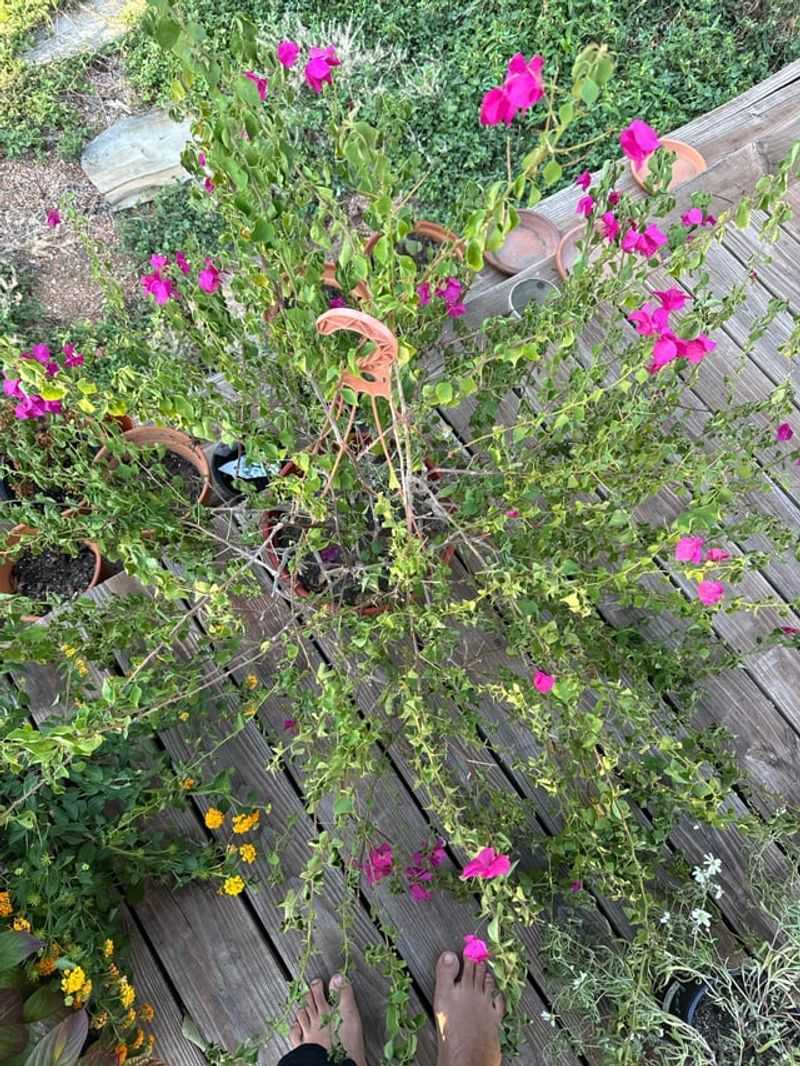
Pruning bougainvillea is important for keeping the plant tidy and in shape. But pruning too often or at the wrong time can actually prevent it from flowering.
Bougainvillea blooms on new growth, which means the plant needs time to grow new shoots before flowers can appear. If you trim those shoots off too soon, you are removing the very growth that would have produced color.
Many gardeners prune their bougainvillea regularly to control its size. That is completely understandable, since these plants can grow very fast.
But if you prune too frequently, the plant never gets a chance to develop mature new growth. It keeps cycling back to producing fresh green shoots, and the flowers never come.
The best time to prune bougainvillea is right after a blooming cycle ends. That gives the plant a full growing season to push out new growth before the next round of flowers.
Avoid heavy pruning during the spring and summer when the plant is trying to bloom. Light shaping is fine, but hold off on major cuts until flowering is done.
If you want to encourage a burst of blooms, prune once, then step back and let the plant do its thing. Patience after pruning is key to getting those vibrant colors back.
6. A Little Dry Stress Can Help Encourage Blooming
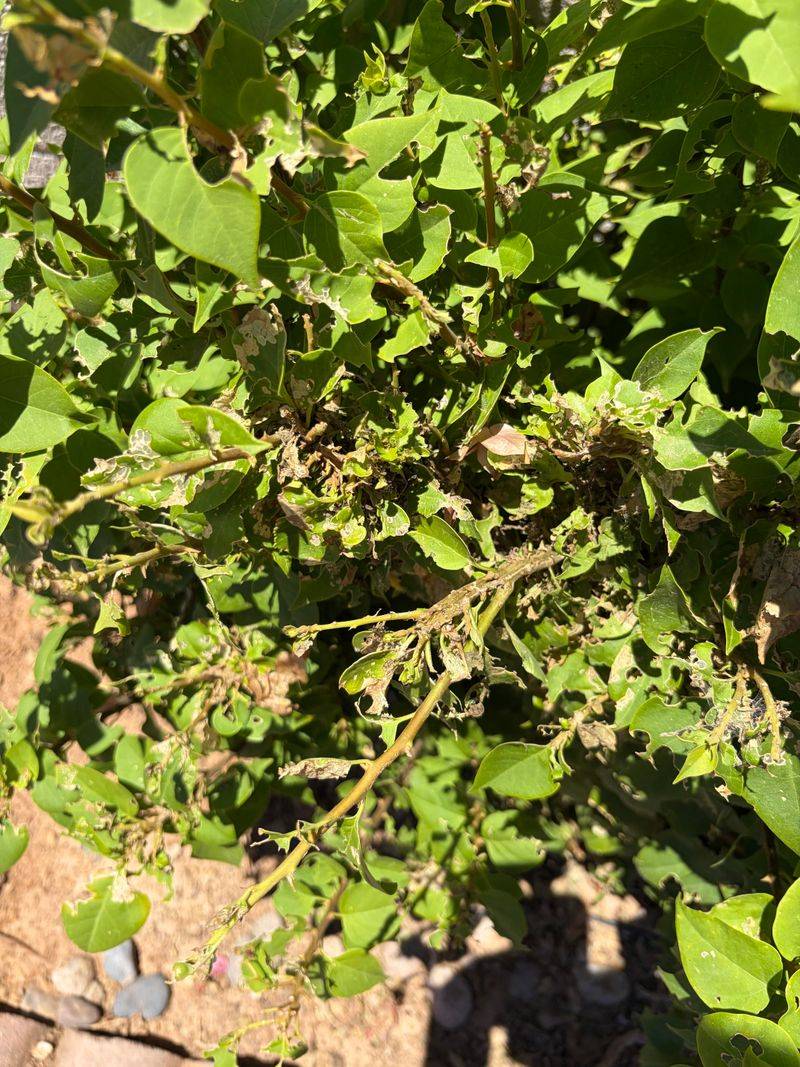
It sounds strange, but bougainvillea actually benefits from a little bit of stress. One of the best-kept secrets among experienced gardeners is that withholding water for a short period can trigger a beautiful burst of blooms.
When the plant senses that water is scarce, it shifts its energy toward reproduction. That means flowers.
This technique is sometimes called a dry stress period. You simply stop watering the plant for about two to three weeks.
The leaves may start to look slightly wilted or droopy. That is normal and expected.
Once you see that slight wilt, wait a few more days, then give the plant a good, deep watering. That cycle of dry stress followed by a good drink often triggers a strong flowering response.
This works because bougainvillea evolved in environments where rain was unpredictable. The plant learned to bloom quickly when conditions were right, knowing that dry times could return soon.
You can repeat this dry stress cycle a few times a year to encourage multiple blooming periods. Just do not let the plant go without water for too long, as extended dryness can cause real damage.
A short, controlled dry period is the goal. Done right, this simple trick can transform a leafy, green bougainvillea into a stunning wall of color within just a few weeks.
7. Overfeeding Can Create A Huge Green Plant With No Color
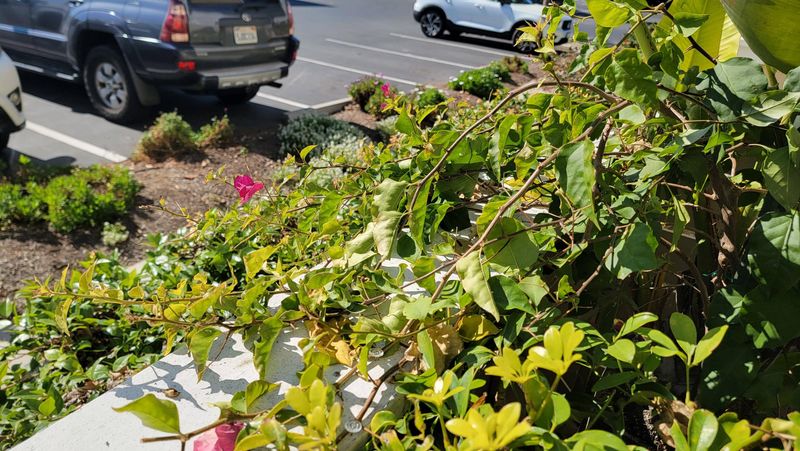
More is not always better when it comes to feeding bougainvillea. Many assume that regular fertilizing will lead to better results.
But overfeeding this plant often creates the opposite effect. You end up with a massive, fast-growing vine covered in thick green leaves, and not a single bloom in sight.
When bougainvillea receives too many nutrients too often, it puts all of its energy into vegetative growth. The plant essentially becomes a leaf-producing machine.
It grows bigger and bigger, but the flowers never come. This is especially common when gardeners use general-purpose fertilizers every few weeks without adjusting for the plant’s actual needs.
The solution is to fertilize less often and choose the right type of product. A fertilizer designed for blooming plants, used once a month or even less, is usually enough.
Some experienced growers skip fertilizer entirely during the main growing season and only feed the plant lightly in late winter to give it a gentle boost before spring. Giving the plant a break from feeding can actually help reset its focus toward flowering.
If your bougainvillea has been getting heavy feedings and is all green, try stopping fertilizer for four to six weeks.
Then watch closely for small flower buds starting to form. The results can be surprisingly fast and colorful.
8. Bougainvillea Needs Strong Sun To Flower Well
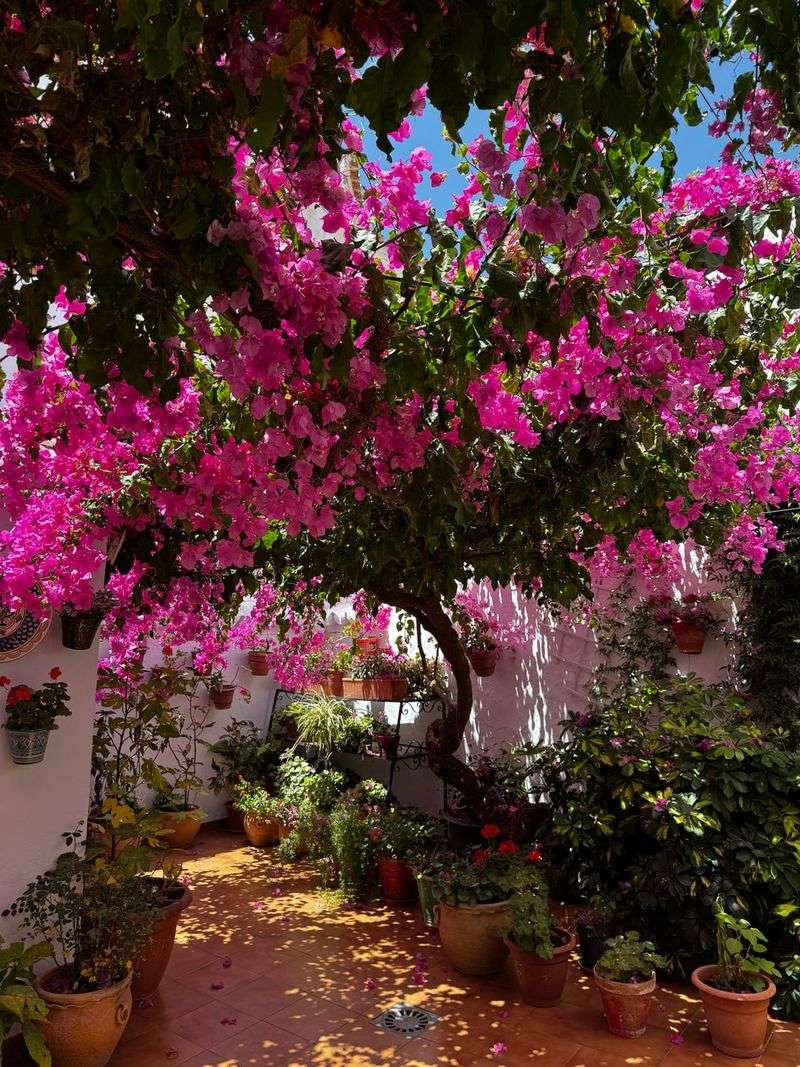
Few plants love the sun as much as bougainvillea does. Strong, direct sunlight is not just helpful for this plant, it is absolutely necessary for good flowering.
When bougainvillea gets the full sun it craves, it rewards you with an almost unbelievable display of color. Without that strong light, the plant defaults to growing leaves.
In California and other warm states, bougainvillea can thrive outdoors year-round when placed in the right spot. A south- or west-facing location is usually ideal.
These spots receive the most hours of direct sunlight throughout the day. The heat that reflects off walls and fences also helps, since bougainvillea loves warmth as much as it loves light.
If you are growing bougainvillea in a container, it is easy to move it around until you find the sunniest spot in your yard or patio. Aim for at least six to eight hours of direct sun daily.
More is even better. Gardeners who grow bougainvillea indoors often struggle with poor flowering because indoor light simply is not strong enough.
If you must keep it inside, place it right next to the brightest window you have. Even better, move it outside during warmer months.
Strong sun combined with limited water and the right fertilizer creates the perfect recipe for bougainvillea to bloom at its very best.