Why Petunias Develop A Sticky Coating To Guard Their Blooms
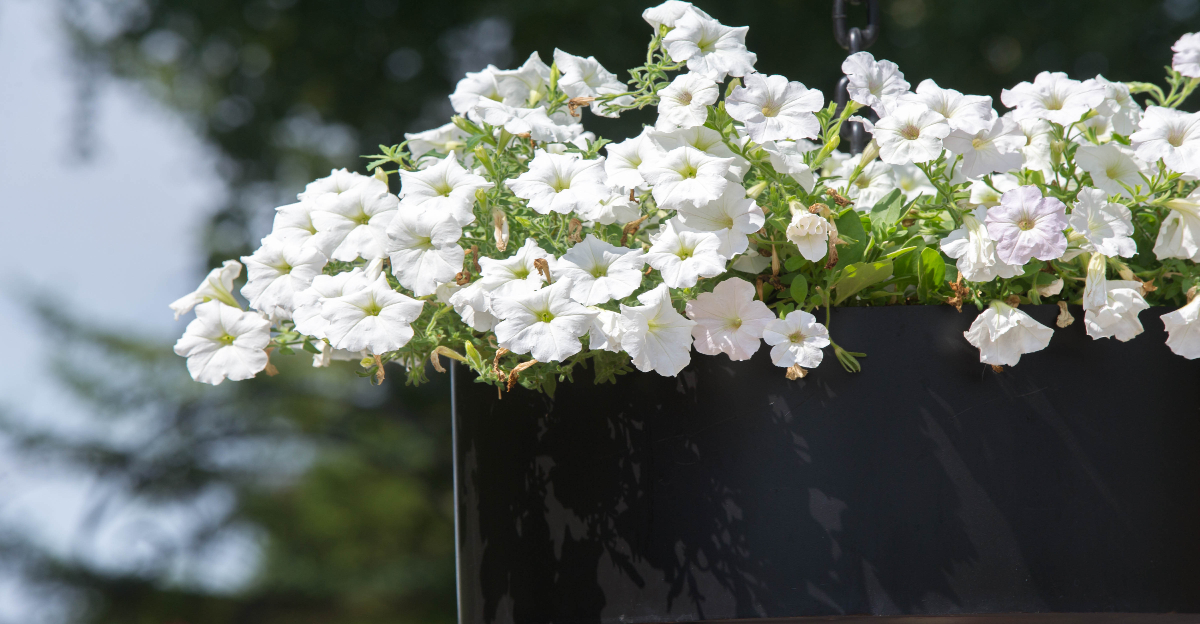
Your fingers meet a petunia and pull back feeling tacky. That tackiness comes from glandular trichomes covering your petunia’s stems. These microscopic hairs secrete sap that protects your blooms instantly.
Insects land on your petunia and rarely escape. Warmth encourages your petunias to grow noticeably stickier throughout sunny afternoons. Nutrients keep moving steadily through your plant while pests stay outside.
Heat speeds up trichome activity across your favorite petunia variety. Gardeners everywhere notice thicker residue building on your healthiest blooms. Chemical compounds inside that sap shield your plant from fungus.
Nothing about your sticky petunia happens without a clear purpose. Understanding this mechanism changes how you care for future blooms. Damage stays minimal because your plant defends itself naturally.
Glandular trichomes cover your stems, leaves, and every delicate petal. You simply cannot look at your petunias the same way again.
1. Glandular Trichomes Cover Leaves Naturally
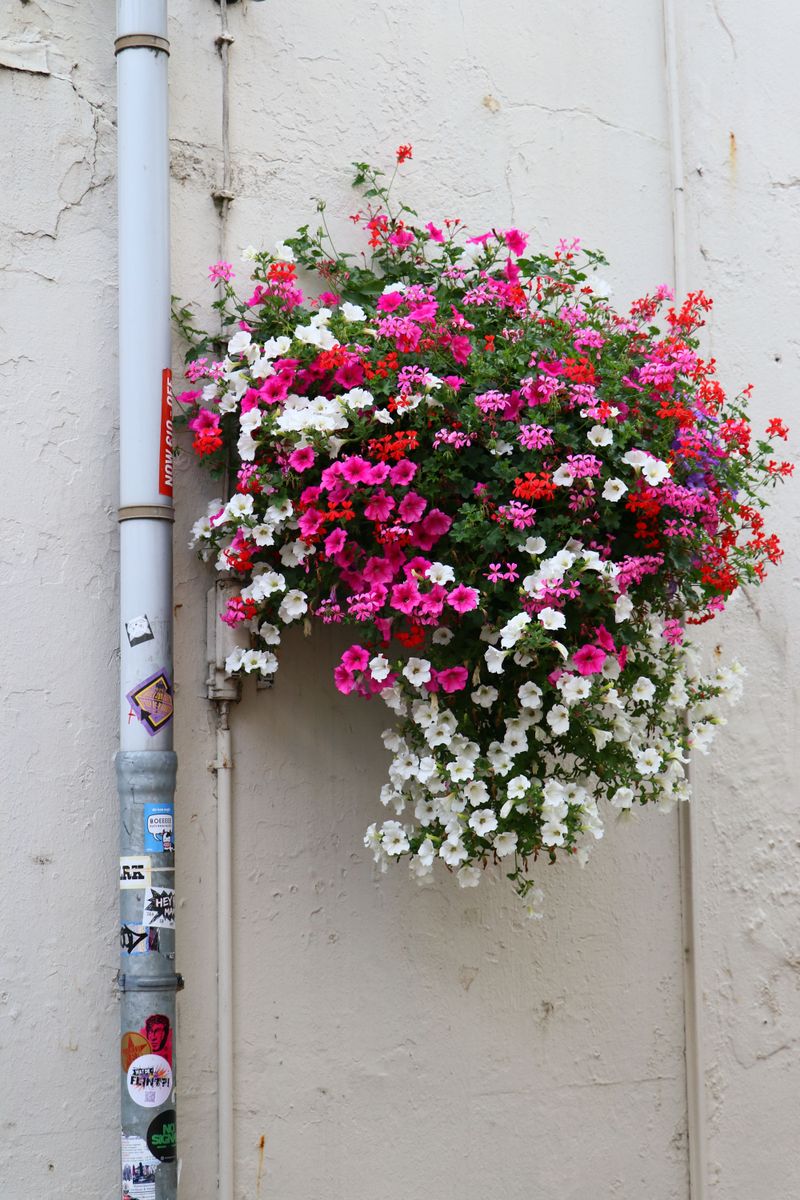
Run your fingers across a petunia leaf and you will feel something unexpected. That fuzzy, slightly tacky surface is covered in glandular trichomes, the plant’s built-in armor.
Trichomes are microscopic hair-like structures that grow directly from the plant’s outer skin, called the epidermis. Scientists have studied them for decades because they appear across hundreds of plant species.
Petunias grow two types of trichomes: non-glandular and glandular. The glandular ones are the sticky culprits you feel when you brush against the plant.
Each glandular trichome has a tiny head at the tip that holds a reservoir of oily, resin-like sap. When pressure is applied, that sap releases onto the surface.
A single petunia leaf can host a large number of these structures packed closely together. That density creates a nearly invisible but highly effective sticky barrier.
Botanists classify trichomes by their shape, size, and secretion type. Petunias are known for a particularly dense and active version of this defense system.
Gardeners often mistake this natural stickiness for a pest problem or disease. Knowing it is a built-in feature saves a lot of unnecessary worry and misguided treatment.
The presence of trichomes also helps the plant manage water loss by reducing airflow directly at the leaf surface. Nature packed a lot of function into something nearly invisible to the naked eye.
2. Tiny Hairs Secrete Sticky Sap
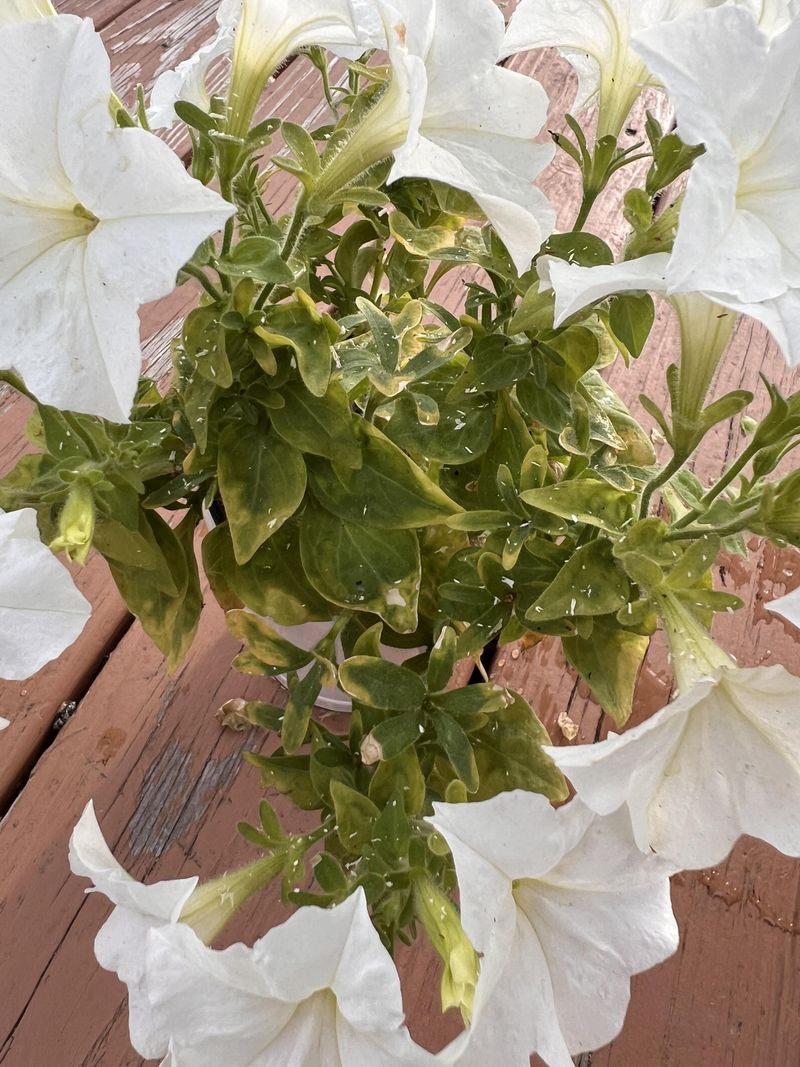
Picture thousands of tiny faucets, each releasing a drop of sticky liquid. That is essentially what happens across the surface of a petunia stem every single day.
The glandular trichomes on petunias secrete a complex mixture of compounds. This mix can include terpenoids, flavonoids, and other organic compounds, depending on the variety, giving the sap its tacky, resinous quality.
Secretion happens continuously, not just when the plant is touched. The plant invests real energy into producing this sap as part of its ongoing defense strategy.
Each trichome head acts like a tiny gland, hence the name glandular. It fills with secretion fluid and eventually releases it onto the leaf or stem surface when conditions are right.
The sap tends to resist rain fairly well, likely due to oily compounds that repel water. This waterproofing quality makes the defense layer surprisingly durable in outdoor conditions.
Gardeners sometimes notice their hands stay tacky long after handling petunias. That lingering stickiness is proof of how potent and persistent the secreted compounds really are.
Some of these chemical compounds also carry a mild scent. That scent can either attract pollinators like bees or deter certain pest insects, depending on the compound’s profile.
The sticky sap secretion is one reason petunias are considered relatively low-maintenance in terms of pest pressure. Nature engineered this system so the plant could protect itself without any help from gardeners.
3. Sticky Residue Traps Crawling Insects
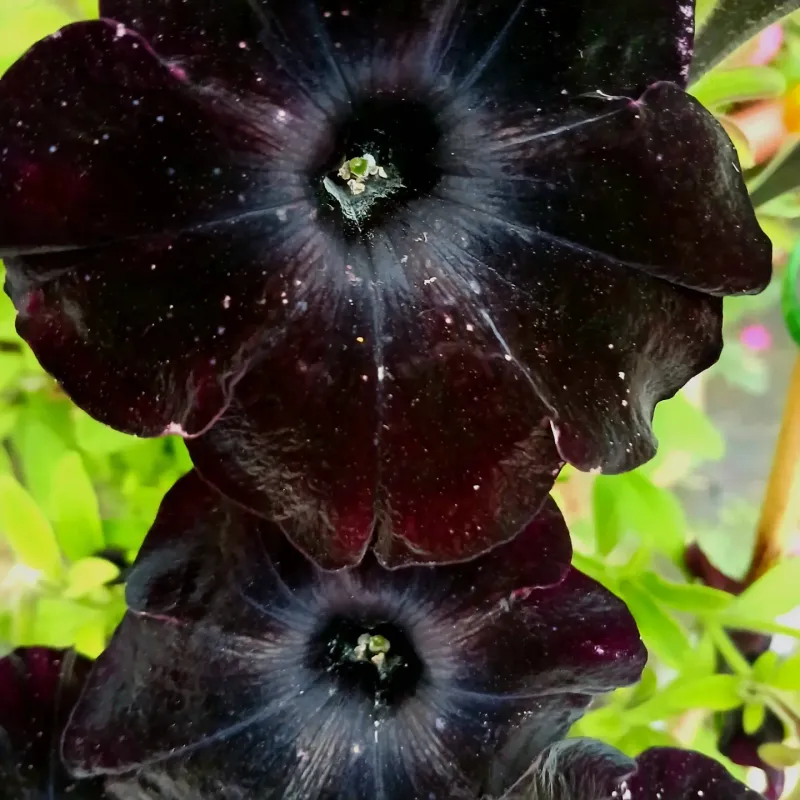
Aphids, spider mites, and fungus gnats have one thing in common when they meet a petunia: they often do not make it far. The sticky residue left by trichomes acts like a natural flypaper for crawling insects.
When a small bug walks across a petunia leaf, its legs contact the sap-coated surface. The adhesive quality of the secretion holds the insect in place, preventing it from moving freely.
Larger insects like beetles can sometimes escape, but tiny soft-bodied pests rarely do. Thrips and whitefly nymphs are particularly vulnerable because of their small size and light body weight.
Once trapped, the insect cannot feed on the plant tissue below. This breaks the pest’s feeding cycle before any real damage is done to the leaf or stem.
Some plants that trap insects, like sundews, actively digest their prey. Petunias are not carnivorous, but they still benefit enormously from immobilizing pests before damage occurs.
Gardeners who grow petunias near vegetable beds have noticed fewer pest problems on nearby crops. The sticky barrier may intercept insects before they spread to more vulnerable plants.
Several pest species are commonly found stuck to petunia foliage, a pattern gardeners frequently observe. The trapping effect is well-documented and genuinely protective for the plant’s health.
Knowing this makes petunias an even smarter choice for companion planting. Their natural pest-trapping ability can quietly work in your garden’s favor all season long.
4. Natural Defense Wards Off Pests
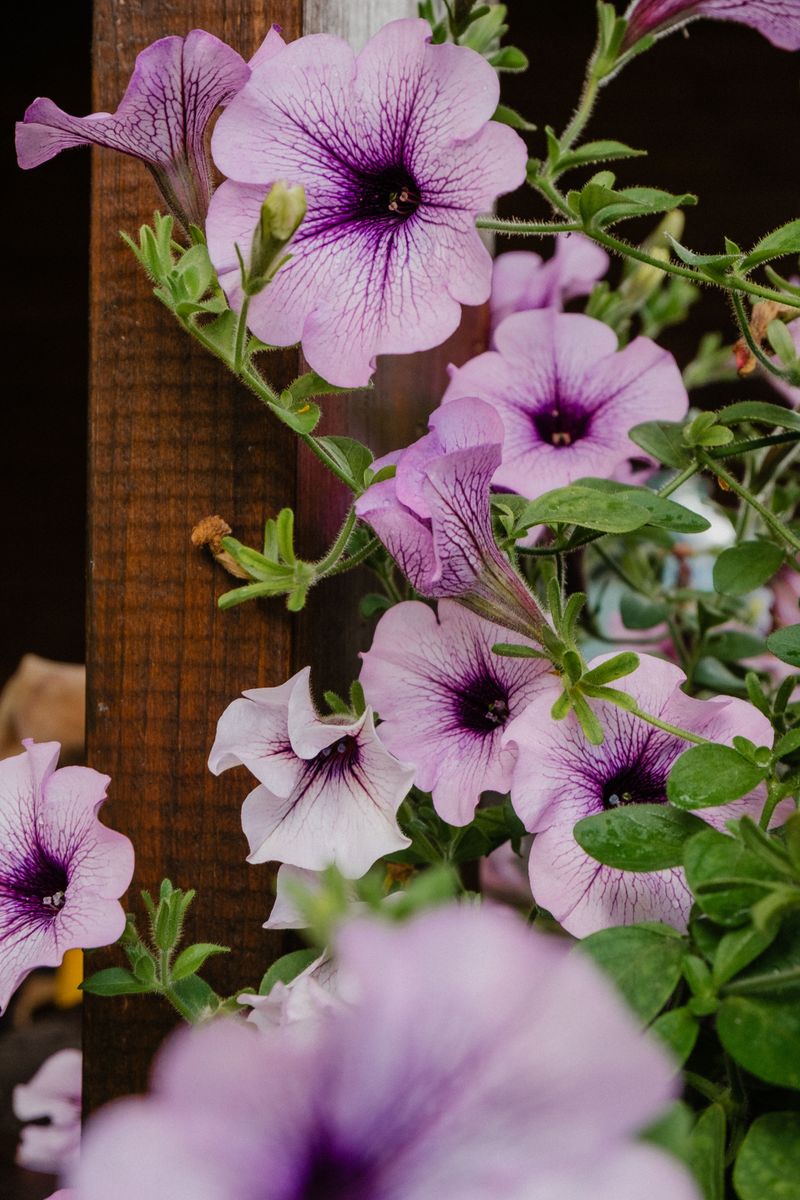
Petunias often do not need pesticides to help fight back against pests. Their sticky, hair-covered surface is a fully functional defense system that evolved over millions of years.
The chemical compounds in petunia trichome secretions do more than just trap insects. Some of these compounds are mildly toxic or irritating to soft-bodied pests on contact.
Aphids appear to avoid certain terpenoid compounds found in petunia sap. These chemicals signal danger to the insect’s sensory system, discouraging it from settling on the plant.
This dual-action defense, physical trapping plus chemical deterrence, makes petunias unusually resilient among flowering annuals. Gardeners benefit from this without doing anything extra.
Organic gardeners especially appreciate this built-in protection. Growing petunias near vegetables or herbs can reduce the need for sprays and treatments throughout the growing season.
Gardeners often report fewer aphid problems when petunias are planted nearby, though the exact cause is not fully studied. That is a meaningful benefit for any home gardener.
The defense system also protects against some fungal spores by limiting moisture retention on the leaf surface. Fewer trapped water droplets mean fewer opportunities for fungal growth to begin.
Petunias were not bred to be pest fighters, yet that is exactly what they became through natural selection. Choosing petunias for your garden means adding a plant with built-in pest resistance.
5. Humidity Boosts Sap Secretion
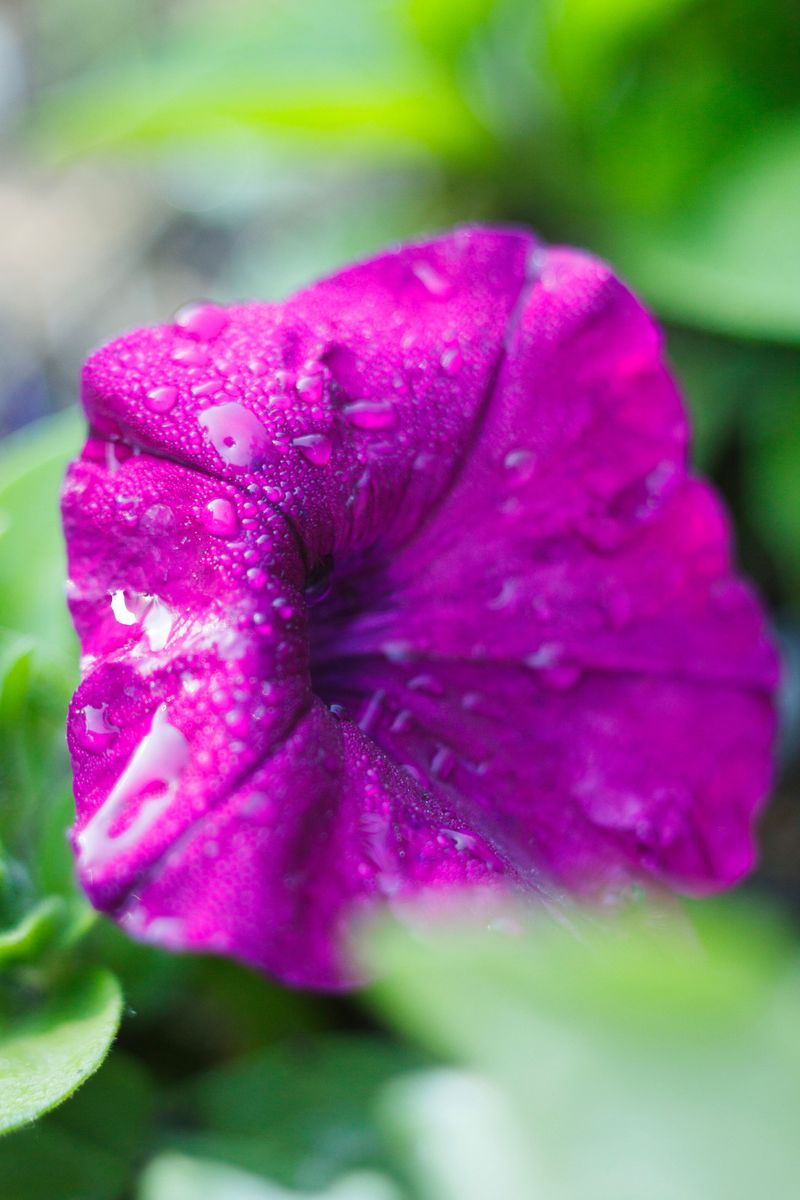
Humidity changes everything for a petunia’s stickiness level. Walk into a garden on a muggy summer morning and those petunias will feel noticeably tackier than on a dry afternoon.
High humidity encourages glandular trichomes to secrete more sap. The moisture in the air triggers the plant’s glands to ramp up production as part of a stress-response mechanism.
Scientists believe increased secretion under humid conditions may help the plant manage its temperature. The sap can act as a mild barrier against heat stress when air moisture is high.
For gardeners in humid climates like the Southeast or Gulf Coast, petunias can feel almost gel-like on warm mornings. This is completely normal and actually signals a healthy, active plant.
Greenhouses present an interesting case study because humidity stays consistently elevated. Petunia growers in greenhouse settings often report much stickier plants than those grown outdoors in dry regions.
The relationship between humidity and trichome output is not fully linear. At extremely high humidity levels, the plant may slow secretion to prevent oversaturation of the leaf surface.
Gardeners should not try to lower humidity specifically to reduce stickiness. The stickiness is a sign the plant is functioning well, not a problem that needs solving.
Embracing the humid-season stickiness means accepting the petunia’s natural rhythm. A tackier plant in July is often a healthier, better-defended plant heading into late summer bloom.
6. Overwatering Heightens Stickiness
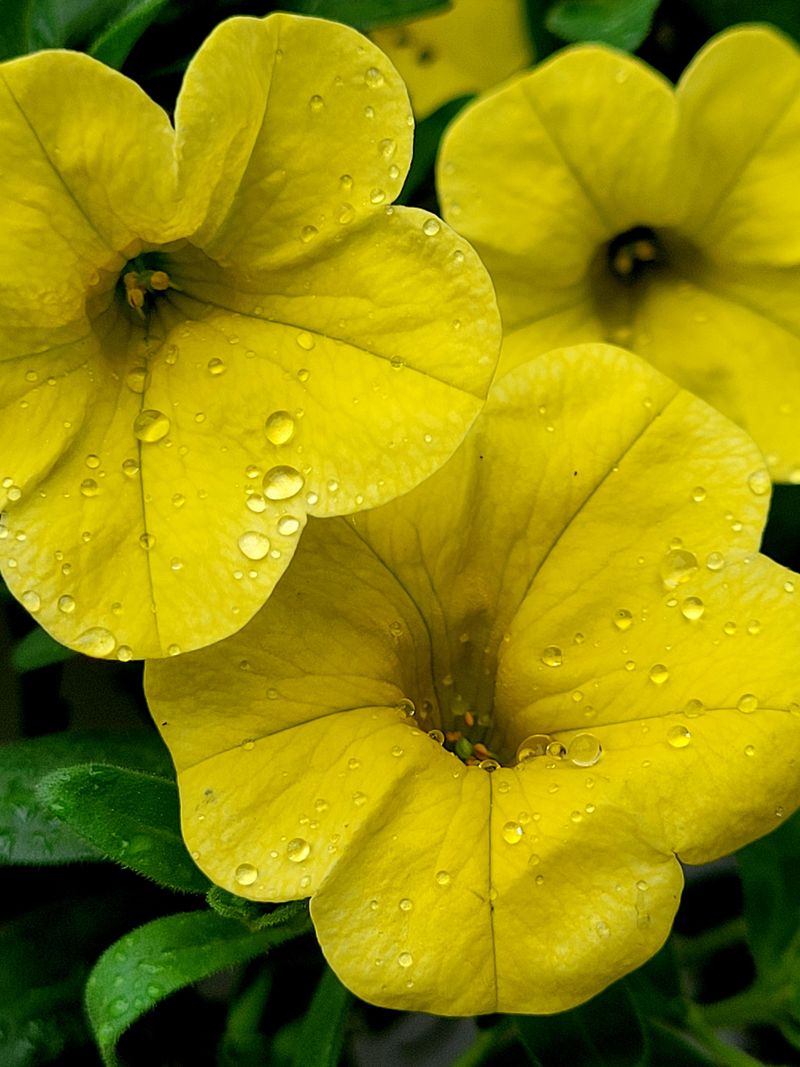
Too much water at the roots can actually make your petunias stickier on the outside. It sounds counterintuitive, but overwatering creates internal stress that ramps up trichome secretion.
When roots sit in waterlogged soil, the plant experiences physiological stress similar to drought conditions. The plant responds by activating defense systems, including increased sap production from trichomes.
Overwatered petunias often look slightly limp or yellowed while also feeling unusually tacky. That combination of symptoms is a helpful clue that watering habits need adjustment.
The excess moisture also raises the humidity directly around the plant’s base and foliage. That localized humidity feeds back into the sap secretion cycle described in the previous section.
Gardeners sometimes water petunias daily out of habit during hot weather. However, petunias generally prefer to dry out slightly between watering sessions to stay at their healthiest.
A good rule of thumb is to water deeply but infrequently. Check the top inch of soil before watering and hold off if it still feels damp from the last session.
Reducing overwatering does not remove trichome stickiness entirely because the hairs are always active. However, it can bring the stickiness back to a normal, manageable baseline level.
Think of overwatering as accidentally pressing the plant’s panic button. Adjusting your watering schedule is one of the simplest ways to help your petunias grow well again.
7. Poor Airflow Worsens The Feel
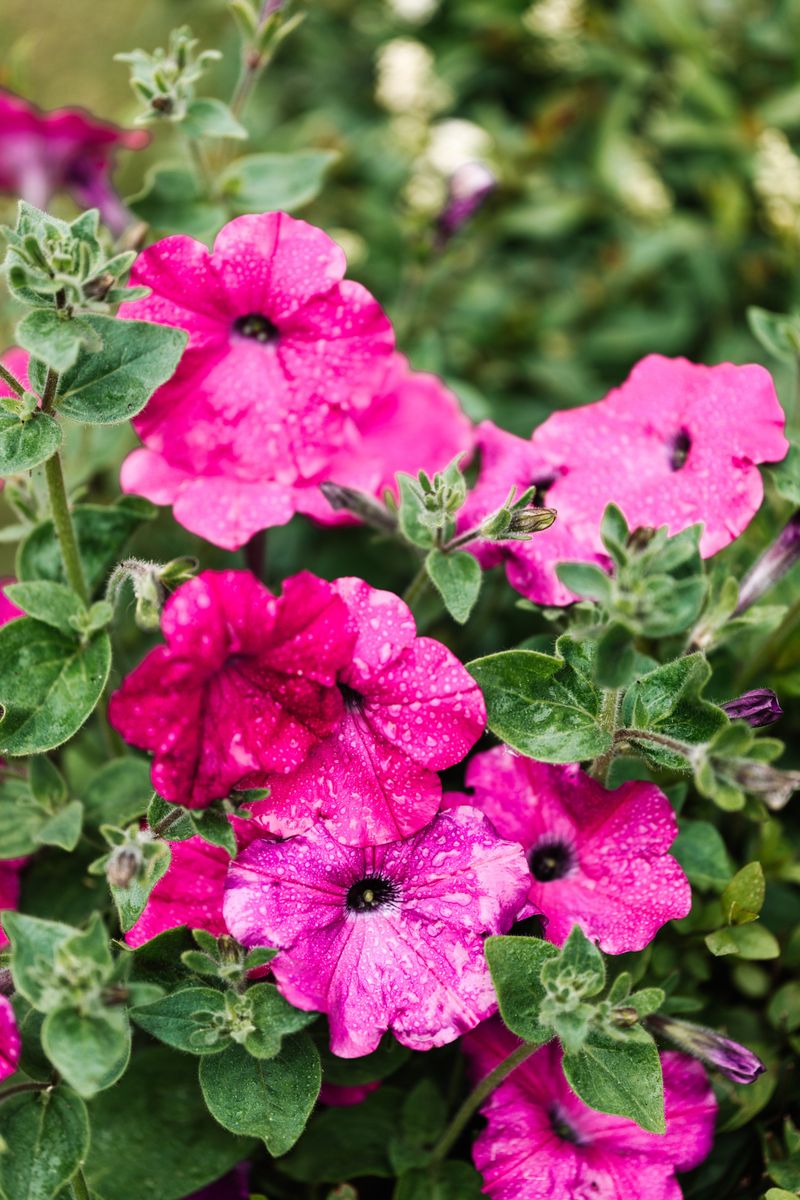
Squeeze too many petunias into a tight space and you will notice something fast. The plants in the center of a crowded bed feel far stickier than those along the open edges.
Poor airflow traps moisture around the foliage, creating a microclimate of elevated humidity. That trapped humidity triggers the same sap-boosting response described with general humidity conditions.
Crowded plants also compete for light, which stresses them further. A stressed petunia ramps up its chemical defenses, including trichome secretion, as a survival response to unfavorable conditions.
Spacing petunias appropriately for their variety, often around 12 inches apart, allows air to move more freely between stems. That simple step dramatically reduces the localized humidity that worsens stickiness and disease risk.
Container gardeners face this problem most often when planting too many seedlings per pot. A hanging basket crammed with six plants will feel far tackier and be far more prone to problems than one with three.
Good airflow also helps dry the leaf surface faster after rain or irrigation. Faster drying means the sap does not accumulate as heavily on any single surface area.
Pruning leggy or overlapping stems is another effective solution for improving airflow within the plant itself. Trimming opens up the interior canopy and lets breezes move through more efficiently.
Giving petunias room to breathe is one of the most underrated gardening tips out there. Better spacing means a stickiness level you can live with and a plant that genuinely thrives all season.
8. Certain Varieties Bred Extra Sticky
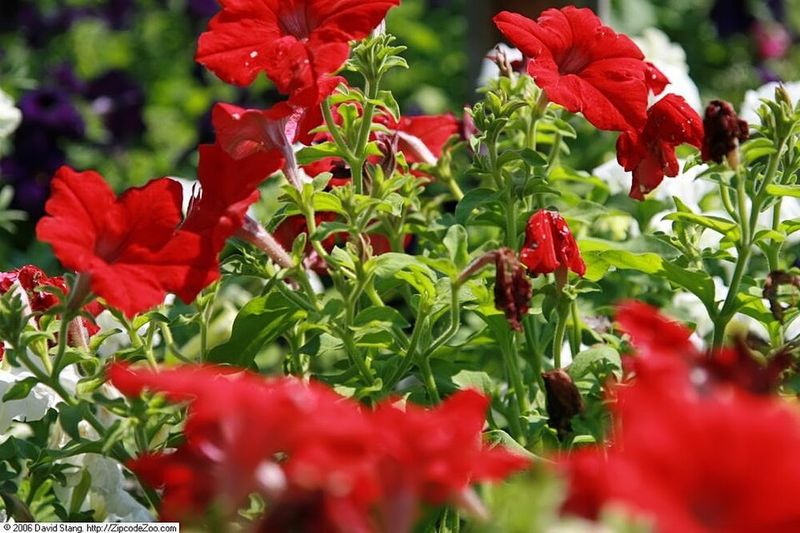
Not all petunias are created equal when it comes to stickiness. Plant breeders have, sometimes intentionally and sometimes as a side effect, developed varieties with dramatically different trichome densities.
Grandiflora petunias, known for their large blooms, are often described as having denser trichome coverage than smaller-flowered types. That extra coverage makes them noticeably stickier to the touch on warm days.
Wave petunias, the popular spreading ground-cover type, are also generally considered on the stickier end of the spectrum. Their vigorous growth habit comes paired with robust trichome production across every stem and leaf.
Breeders who focus on pest resistance sometimes select for higher trichome density as a desirable trait. A stickier plant tends to show more natural resistance to common pests.
On the other hand, some newer compact or miniature varieties have been selected for tidier, less tacky foliage. These types suit gardeners who want the beauty of petunias without the sticky hands.
Reading variety descriptions before purchasing can help you match the plant to your preferences. Look for terms like “vigorous,” “spreading,” or “large-flowered” as clues to higher stickiness potential.
Heirloom petunia varieties, which are closer to wild species, are often considered among the stickiest. Their trichomes have not been softened by generations of ornamental breeding focused on appearance over function.
Whether you prefer a sticky defender or a tidier bloomer, there is a petunia variety for you. Understanding why petunias become sticky helps you choose the right plant for your garden more easily.