The Native Michigan Secret To Building Soil That Handles Summer Heat
Michigan gardeners spend countless hours watering and babying plants through summer heat, often without realizing the real issue sits beneath the surface entirely.
Soil that struggles to hold moisture forces plants into constant stress, no matter how often you reach for the hose.
What if the fix had nothing to do with watering schedules at all, and everything to do with something growing naturally right in your own backyard?
Native plants have quietly solved this problem for thousands of years, long before anyone thought to bag and sell soil amendments.
Understanding how they do it reveals a surprisingly simple approach most gardeners have never considered trying themselves. Once you see how this natural process actually works, you’ll wonder why more people aren’t already using it.
It could completely change how much effort your garden demands once the hottest days of summer arrive.
1. Grow Deep Rooted Natives
Picture a plant that reaches farther underground than it stands above the surface. Many Michigan natives do exactly that, sending roots down five to fifteen feet into the earth.
Those long roots do more than anchor the plant. As they push through the ground, they loosen packed dirt and leave behind tiny tunnels once older roots break down.
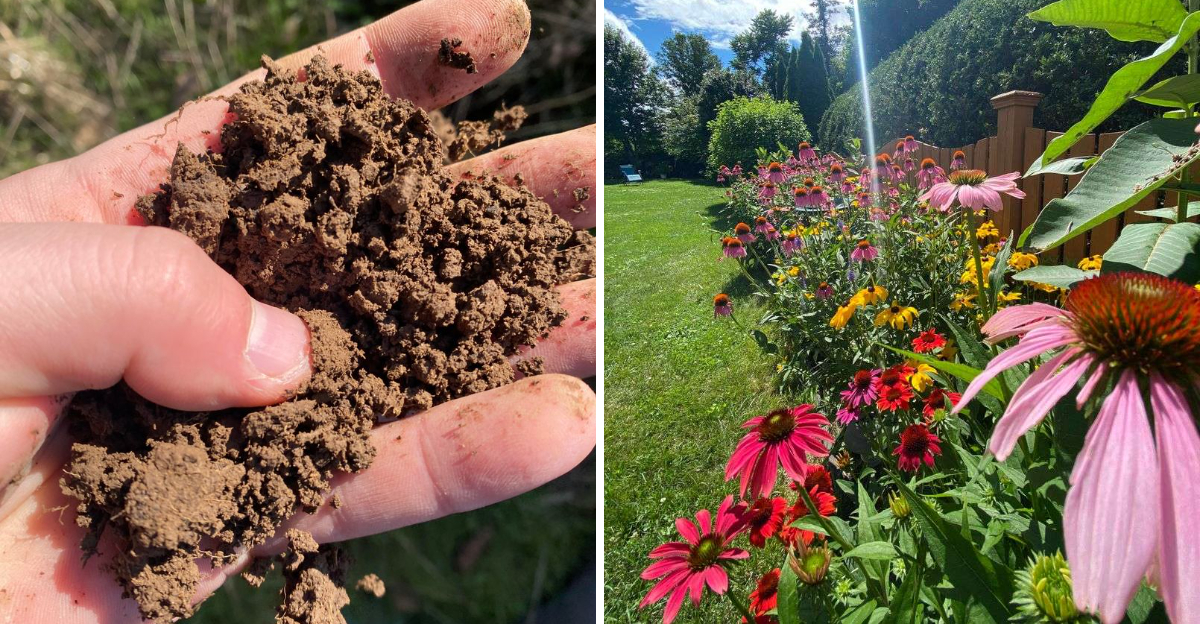
Over the years, this steady work turns hard, tired soil into something soft and crumbly.
Deep roots also reach water and nutrients that shallow garden plants never touch. That means a native plant can stay green during a dry spell while pulling minerals up from far below, spreading them into the topsoil where other roots can use them.
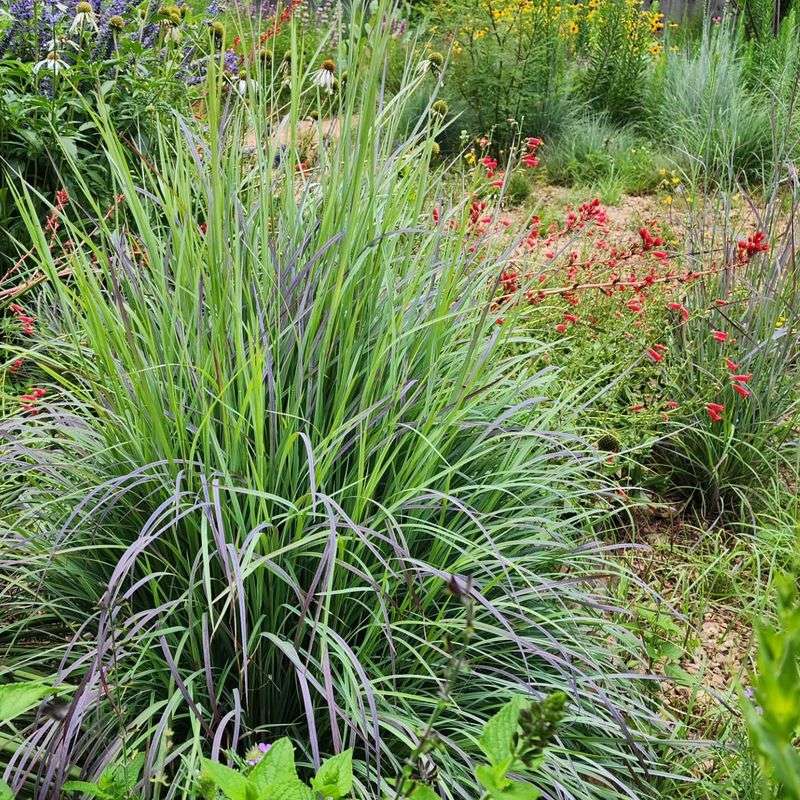
Little bluestem, prairie dropseed, and purple coneflower are classic examples that thrive across Michigan. Plant a few, and you start a slow underground project that improves your garden with almost no effort from you.
The trick is patience. In the first year, natives often look small on top because they spend their energy building roots you cannot see.
By the third year, that hidden work pays off with strong plants and richer ground.
Think of each deep rooted native as a tiny helper working around the clock. It softens soil, feeds the earth, and prepares your garden to handle whatever summer throws at it.
Start with a handful of tough species, and you build resilience one root at a time.
2. Prairie Plants Handle The Heat
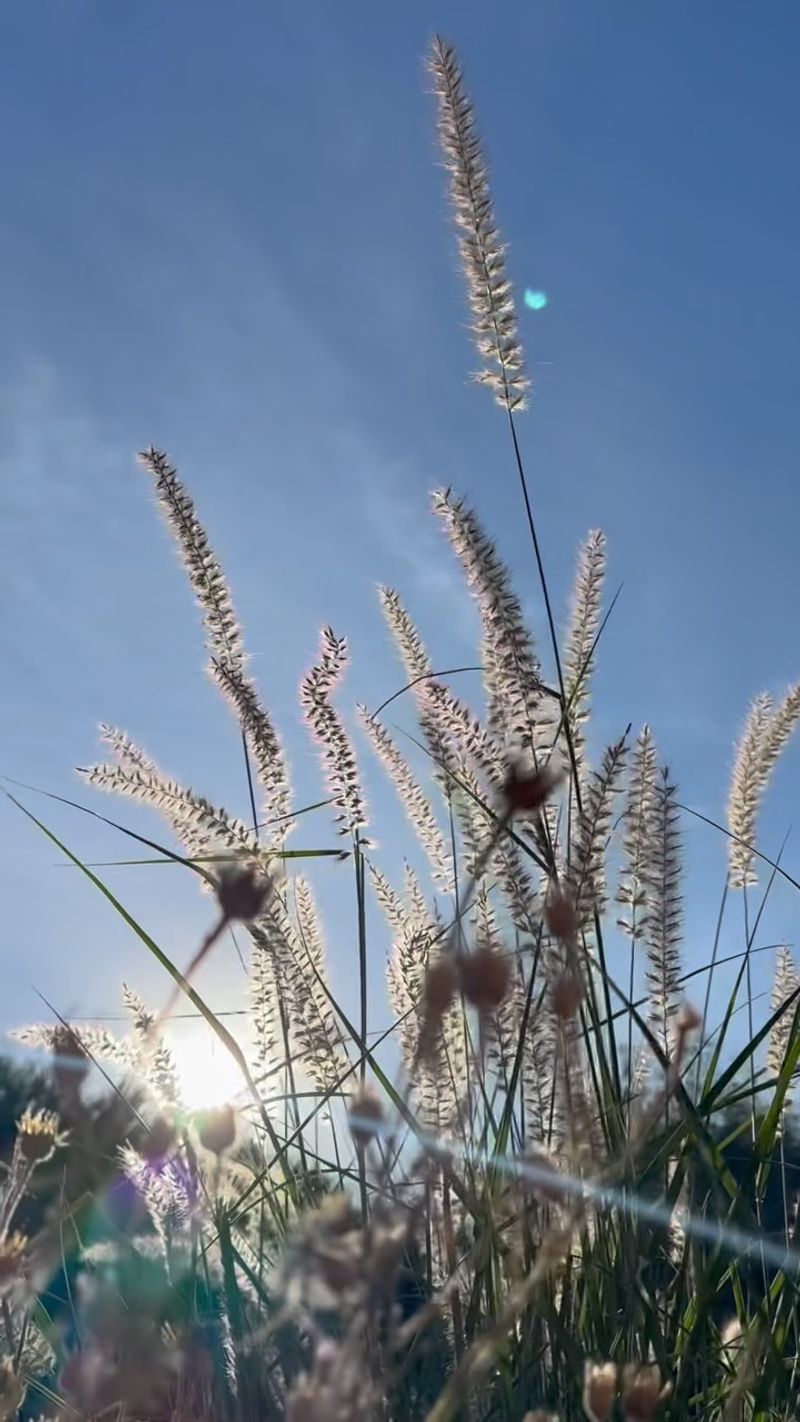
Long before neat lawns and flower beds, wide open prairies covered parts of Michigan. The plants that grew there learned to thrive under blazing sun and long dry stretches.
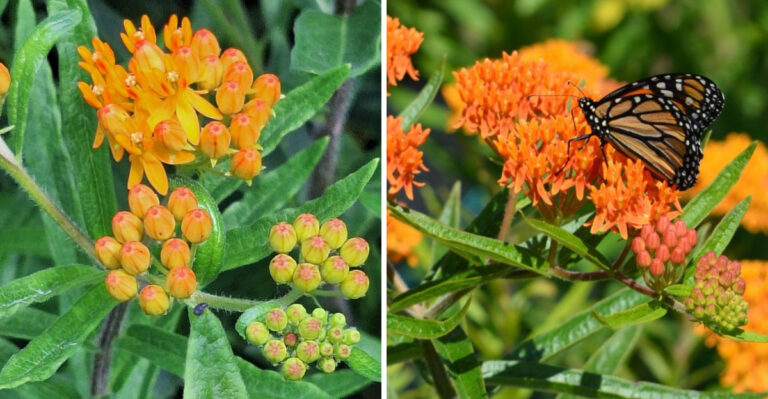
That history still lives in prairie natives today. Species like black eyed Susan, butterfly milkweed, and switchgrass carry built in tricks for handling heat that garden store flowers often lack.
Some have narrow or waxy leaves that lose less water. Others hold their moisture deep in tough roots, ready to pull it up when the topsoil bakes. A few even grow tiny hairs on their leaves to reflect sunlight and stay cooler.
Because these plants evolved in tough conditions, they rarely need pampering. Once their roots settle in, they can go weeks without extra watering and still bloom bright and strong.
Your Michigan Garden Changes Every Week. Your Plan Should Too.
Gardening in Michigan changes quickly throughout the season. Every Friday you’ll receive a simple weekly plan showing exactly what to plant, prune, fertilize, harvest, and protect so you never miss the right timing.
Prairie natives also feed pollinators when other flowers fade in the heat. Bees, butterflies, and birds flock to them, turning your hot summer garden into a busy, colorful spot.
Another bonus is toughness against pests and disease. Plants suited to the local climate tend to shrug off problems that stress out fussier imports.
To get the best results, group several prairie species together so they support each other and shade the soil between them. That mimics the natural prairie and helps the whole planting stay cool.
Choosing heat loving natives means less worry during July and August. Instead of fighting the sun, you work with plants that were made for it, and your garden rewards you with easy beauty all summer long.
3. Keep The Soil Covered
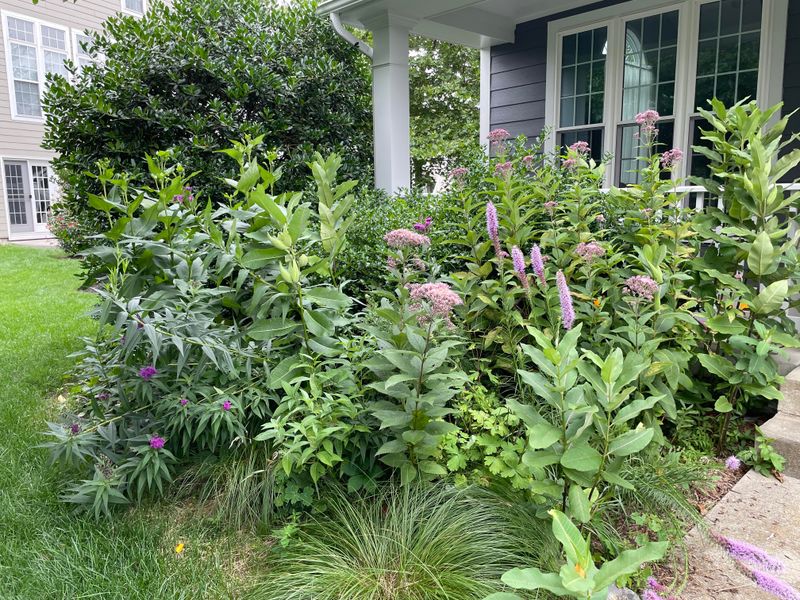
Bare dirt in the middle of summer bakes like a cookie sheet left in the oven. The top layer dries out fast, cracks, and loses the moisture your plants desperately need.
Covering that soil changes everything. A layer of mulch or a carpet of living plants shades the ground, keeps it cooler, and slows down evaporation on hot days.
Mulch works like a blanket. Wood chips, shredded leaves, or straw block the sun, hold in moisture, and break down over time to feed the soil below. As a bonus, mulch smothers many weeds before they start.
Living cover is just as powerful. Low growing natives and ground cover plants spread their leaves over open spaces, protecting the surface and adding roots that keep building healthy soil.
Covered soil also stays home during storms. Instead of rain splashing and washing dirt away, the cover softens each drop and lets water soak in gently.
You will notice the difference when you dig. Under mulch or plants, the soil stays dark and damp, while nearby bare spots feel dry and dusty just an inch down.
For best results, keep a few inches of mulch around your natives and fill gaps with spreading plants instead of leaving open ground. Refresh the mulch once a year as it breaks down.
Think of soil cover as free air conditioning for your garden. It guards moisture, cools roots, and keeps the whole system working smoothly through the toughest heat Michigan can send your way.
4. Better Soil Holds More Water
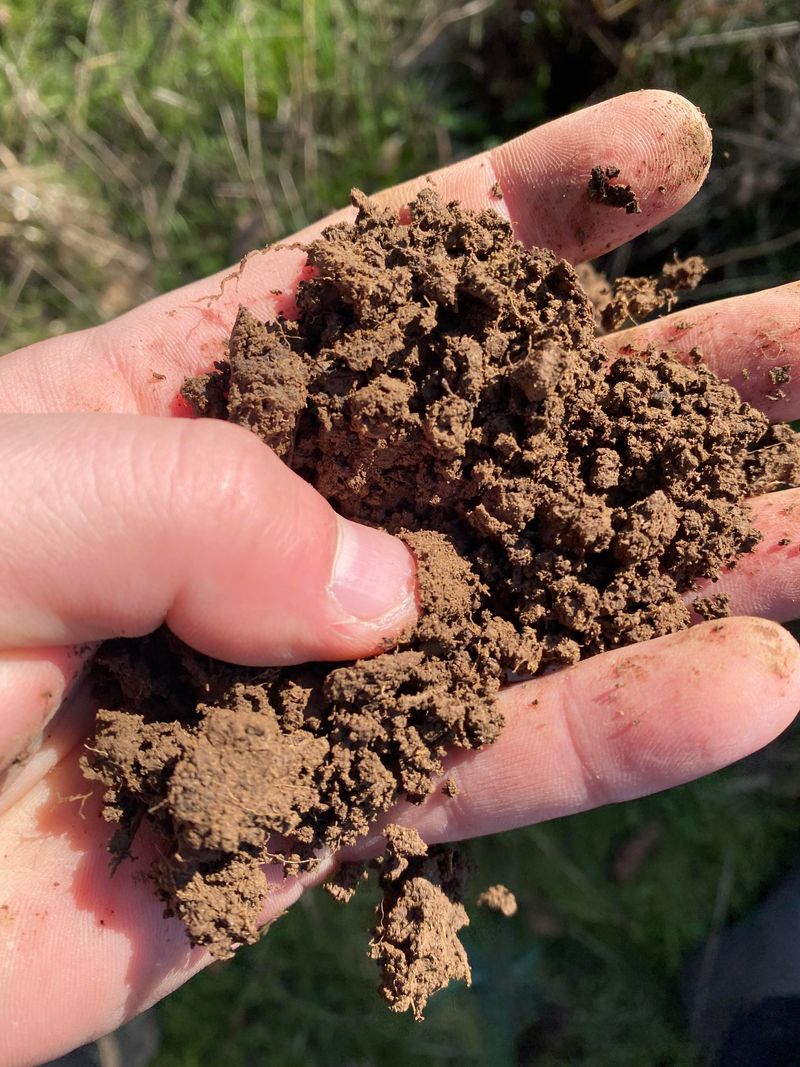
Grab a handful of great garden soil and it feels dark, soft, and slightly damp, almost like chocolate cake. That texture is the key to surviving summer heat.
Healthy soil is full of organic matter, which comes from broken down leaves, roots, and other plant material. This spongy stuff acts like a giant sponge, soaking up rain and holding it for the plants to sip on later.
Soil structure matters too. When tiny particles clump into little crumbs, they leave gaps that hold both air and water. Roots love this mix, and helpful soil creatures like earthworms move through it with ease.
The more organic matter you add, the more water your soil can store. Studies show that even a small increase in organic content lets soil hold thousands of extra gallons of water per acre.
For a home garden, that means fewer wilting plants on scorching days. You can build this richness by adding compost, leaving fallen leaves in beds, and letting native plants shed their material naturally.
Every bit of decaying plant matter feeds the soil and boosts its water holding power. During a heat wave, this stored moisture becomes a lifeline. While bare, sandy ground dries out fast, spongy soil stays cool and damp several inches down.
Focus on feeding your soil instead of just watering your plants. When the ground itself can hold moisture, your garden becomes far more forgiving, and you spend less time dragging the hose around in the heat.
5. Roots Open The Soil
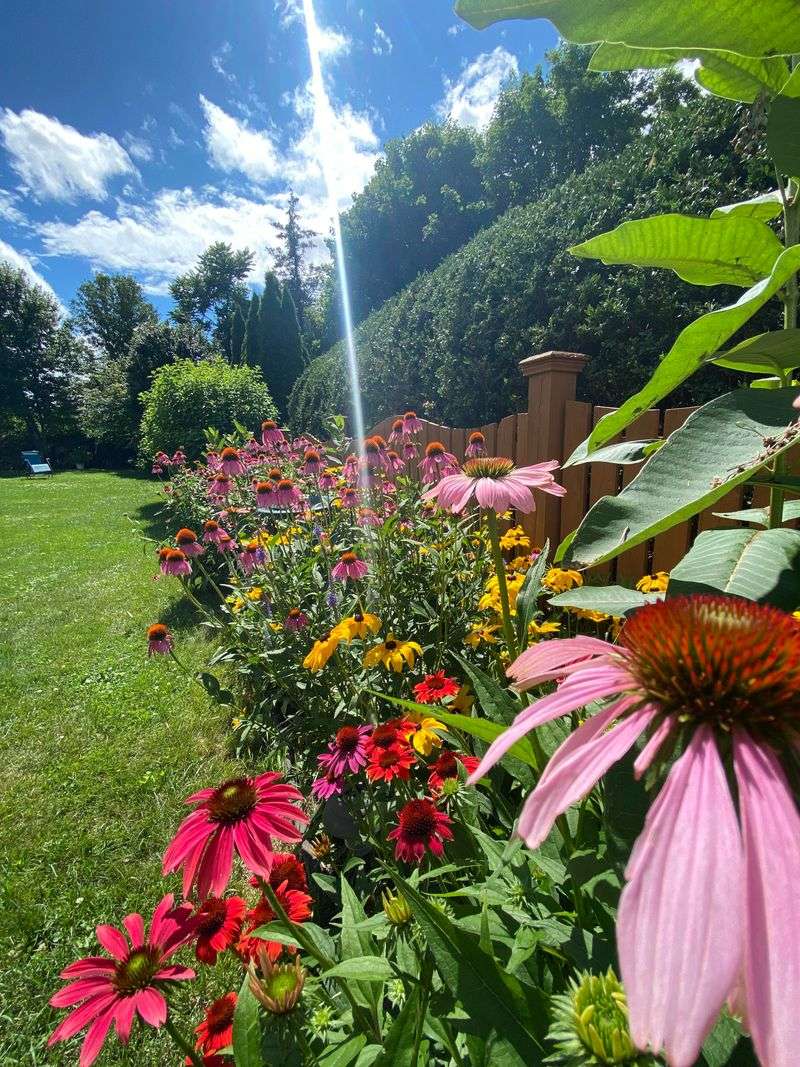
Ever watched rain run off a hard patch of ground instead of soaking in? That runoff wastes water and leaves your plants thirsty even after a storm.
Native roots fix this problem in a clever way. As they grow and later break down, they carve open channels through the soil.
These little pathways act like straws that guide rainwater down deep instead of letting it slide away across the surface.
When water travels farther into the ground, it gets stored where roots can reach it during dry weeks. Your garden ends up with a hidden reserve that shallow rooted lawns and beds simply cannot build.
Deep rooted natives are especially good at this. Their thick, far reaching roots create bigger and longer channels than most garden flowers.
Over several seasons, the whole area under your plants becomes more like a sponge and less like a sidewalk.
This process also helps stop puddles and erosion. Instead of water pooling on top and washing soil away, it sinks in gently and stays put. That protects both your plants and the shape of your garden beds.
You can boost the effect by avoiding heavy foot traffic and skipping unnecessary tilling, which can crush those tunnels. Let the roots do their quiet digging.
Once you understand how roots open the soil, every rainfall becomes a chance to fill your underground water bank. That stored moisture is what carries native plants through the hottest, driest part of a Michigan summer.
6. Leave Healthy Roots In Place
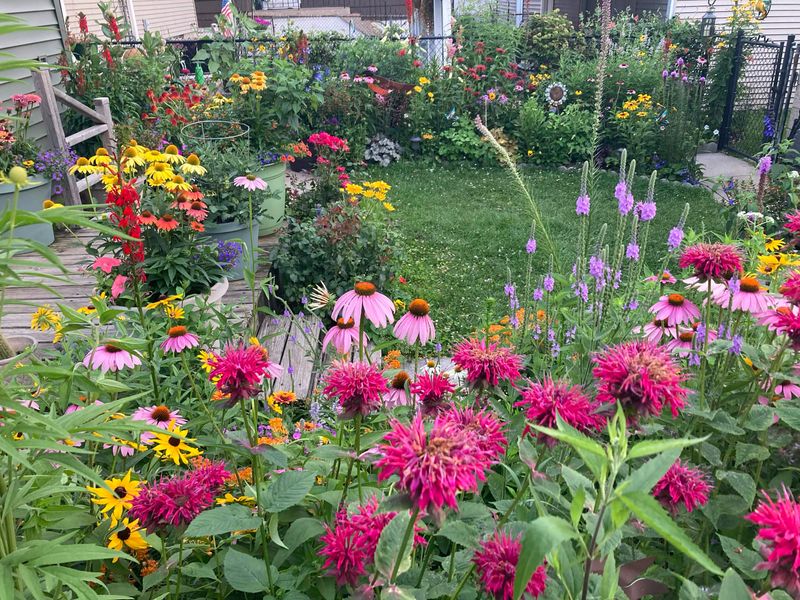
When a plant finishes its season, gardeners often yank out every root and toss it away. That habit actually throws out one of the best soil builders you have.
Roots left in the ground keep working long after the plant above fades. As old roots slowly break down, they turn into rich organic matter that feeds the soil and holds moisture.
Those breaking down roots also leave behind open channels, just like living ones do. Air, water, and new roots follow these paths, keeping the soil loose and full of life.
Living roots pull their weight too. They release sugars that feed helpful fungi and bacteria, and these tiny partners help plants gather water and nutrients in return. It is a busy underground trade network you never see.
By cutting plants at the base instead of pulling them, you protect this whole system. The soil structure stays intact, and the leftover roots become food for next season.
This approach is especially handy with tough native grasses and flowers that regrow each year. Their sturdy root masses store carbon and keep the ground stable through winter and into the next warm season.
You also avoid the crumbly, torn up look that comes from ripping roots out. Your beds stay firm, smooth, and ready to grow.
Give roots the credit they deserve and let them finish their job below the surface. Every root you leave in place adds to the slow, steady building of soil that laughs at summer heat.
7. Match Natives To Your Soil
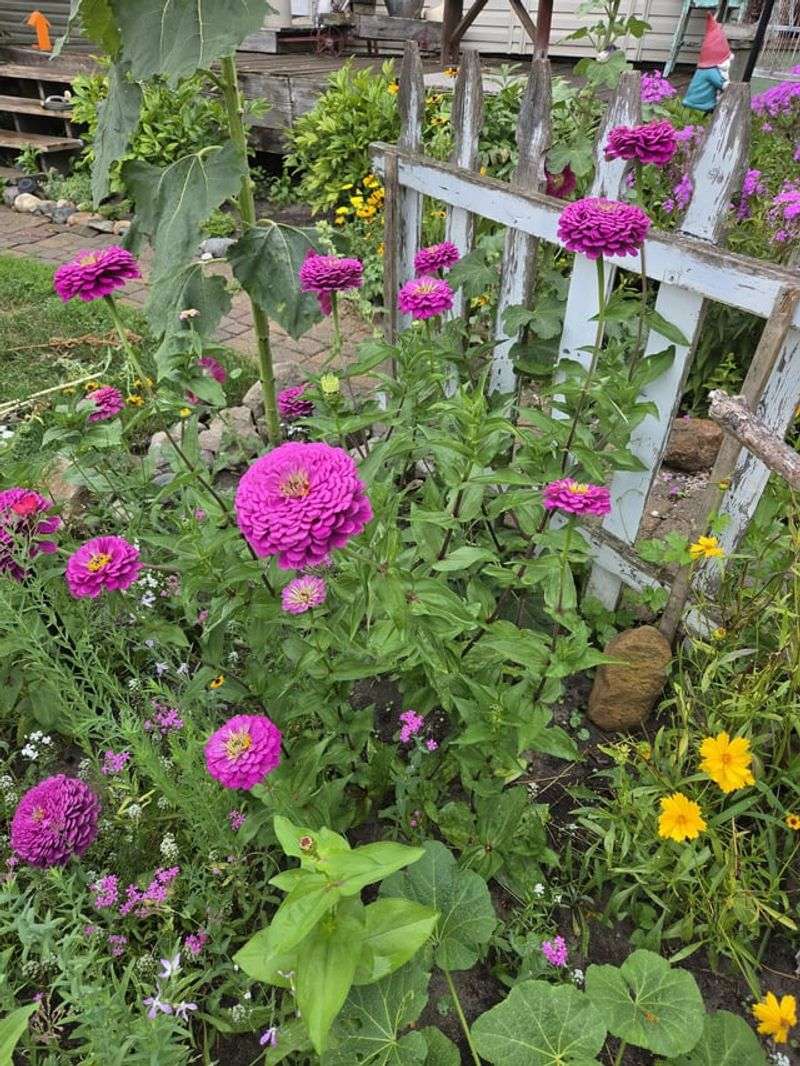
Not every corner of your yard is the same, and native plants know it. A spot in full sun with sandy soil is a whole different world from a shady, damp low area.
Choosing natives that already like your conditions saves you endless struggle. A plant that loves dry, sunny ground will thrive there without fuss, while one meant for wet shade would sulk and fade.
Start by watching your space. Notice where puddles form, where the sun beats down all day, and where the ground stays cool and moist. These clues tell you what each area really offers.
Michigan has plants for every setting. Butterfly weed and little bluestem love hot, sandy sun, while cardinal flower and blue flag iris enjoy soggy, shady edges. Matching them correctly means healthier plants and richer soil.
When a plant fits its home, its roots grow strong and deep, doing all the soil building work we talked about. A mismatched plant stays weak and never delivers those benefits.
You also water less and fuss less. Well matched natives handle normal weather swings on their own, so you spend more time enjoying the garden than fixing it.
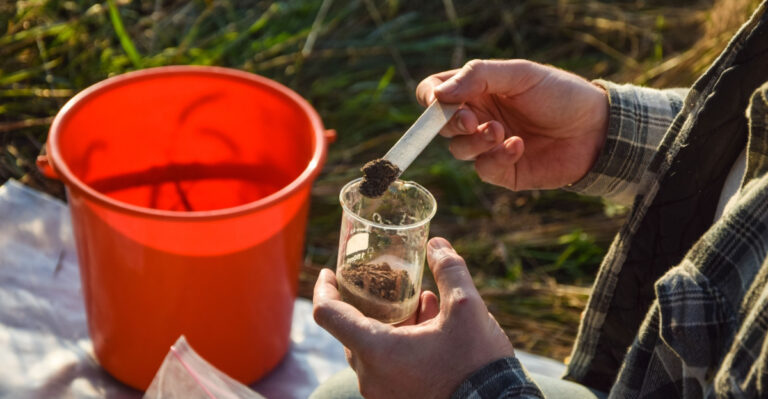
A quick soil test can reveal whether your ground is sandy, clay heavy, or loamy, plus how acidic it is. That simple step guides smarter plant choices.
Pair the right plant with the right place and nature does the heavy lifting. Your reward is a tougher garden and soil that keeps improving through every summer.
8. Build Better Soil Over Time
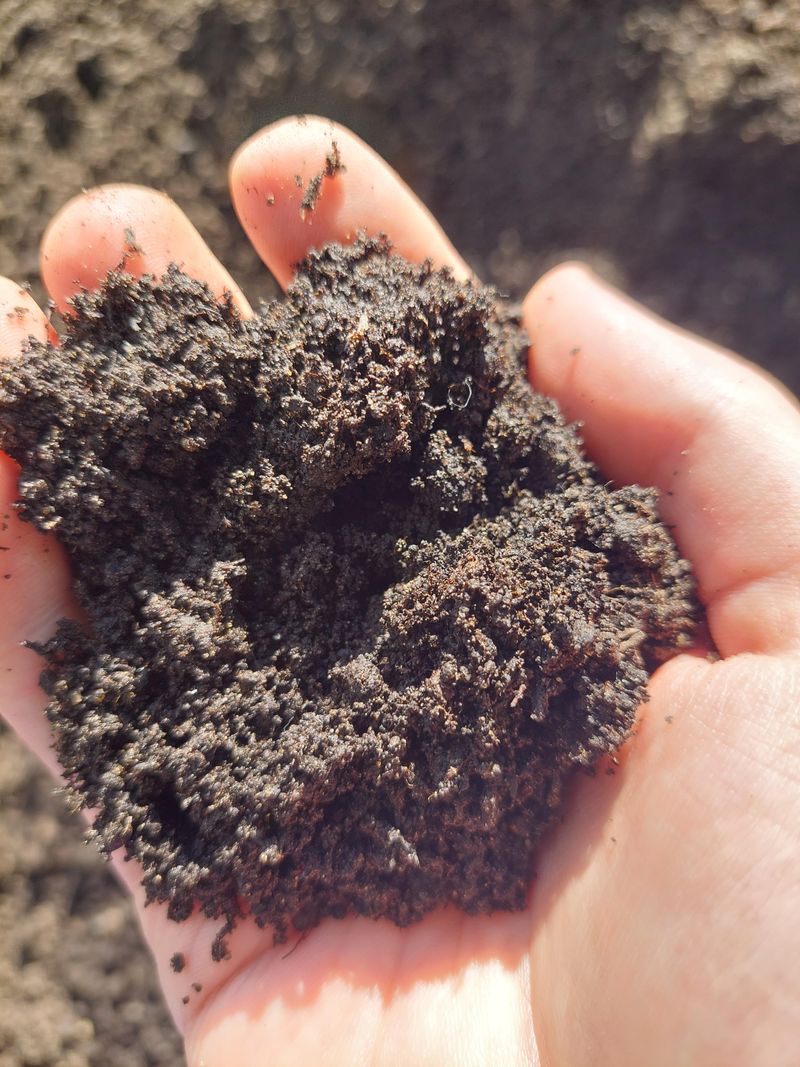
Great soil does not appear overnight, and that is actually good news. It means every season you keep at it, the ground under your feet gets a little better.
Native plants improve soil slowly and steadily. Each year their roots dig deeper, drop more organic matter, and feed more soil life, stacking small wins into a big change over time.
The secret is teamwork among a few simple habits. Add compost when you can, water wisely instead of soaking, and disturb the soil as little as possible so those helpful root channels and creatures stay safe.
Tilling might feel productive, but it breaks apart the crumbly structure and chases off earthworms and fungi. Letting the soil rest keeps that quiet building work going strong.
Patience pays off in visible ways. By the second or third year, you will notice darker soil, healthier plants, and beds that stay moist longer during hot spells.
Layering methods brings the fastest results. Deep rooted natives loosen the ground, mulch protects the surface, and compost adds a boost, all working together toward richer earth.
You do not need fancy tools or a huge budget. Steady care and the right plants do most of the work while you simply keep the system going.
Look at soil building as a long friendship with your garden rather than a one time chore. Season after season, your ground grows softer, spongier, and better prepared for summer heat, rewarding your patience with a landscape that thrives when the sun turns fierce.