Why Every Arizona Front Door Deserves A Rosemary Bush This Monsoon Season
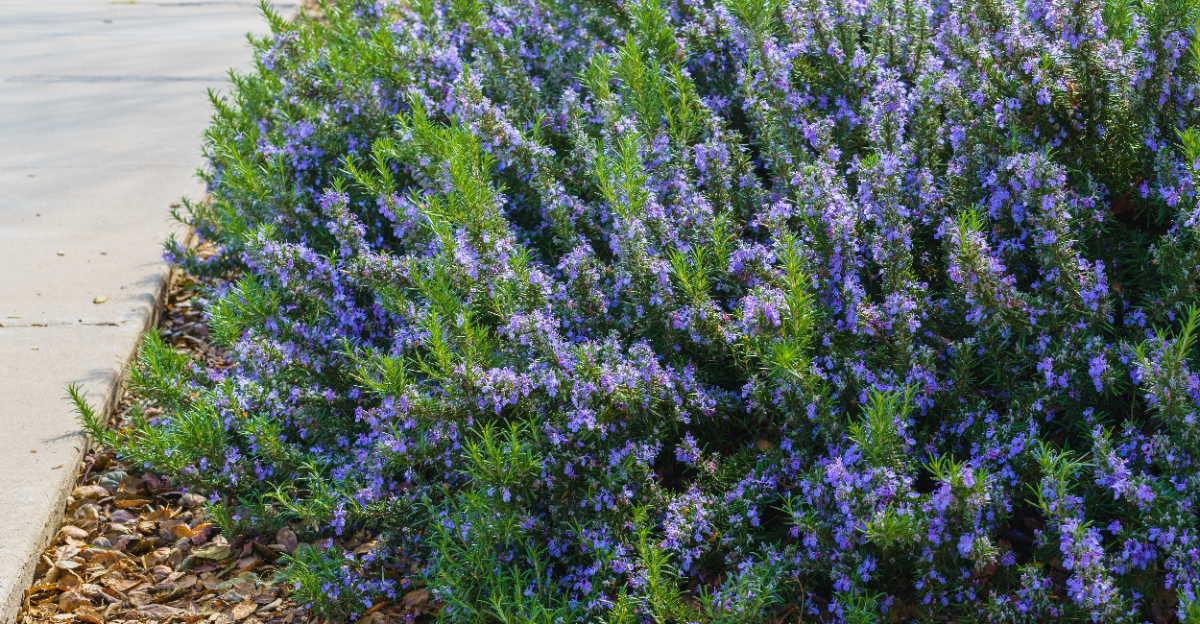
Put rosemary beside your front door, and the entrance can suddenly feel more welcoming. The plant brings texture and fragrance without demanding an elaborate garden setup.
Monsoon season adds another reason to give this familiar herb a prominent place. Rosemary appreciates sunshine and fast-draining soil, making placement especially important when summer rain arrives.
Your Arizona entryway can benefit from greenery that looks polished while still feeling relaxed and natural. Rosemary fits that role beautifully without overwhelming a space.
Every pass through the doorway can release its scent when you brush the foliage. That simple moment gives the entrance a character.
Good looks are only part of its appeal during this season.
Before picking a planting spot, consider what rosemary needs to stay attractive when monsoon moisture changes the usual routine.
1. Rosemary Handles Hot Sunny Entryways Better Than Many Herbs
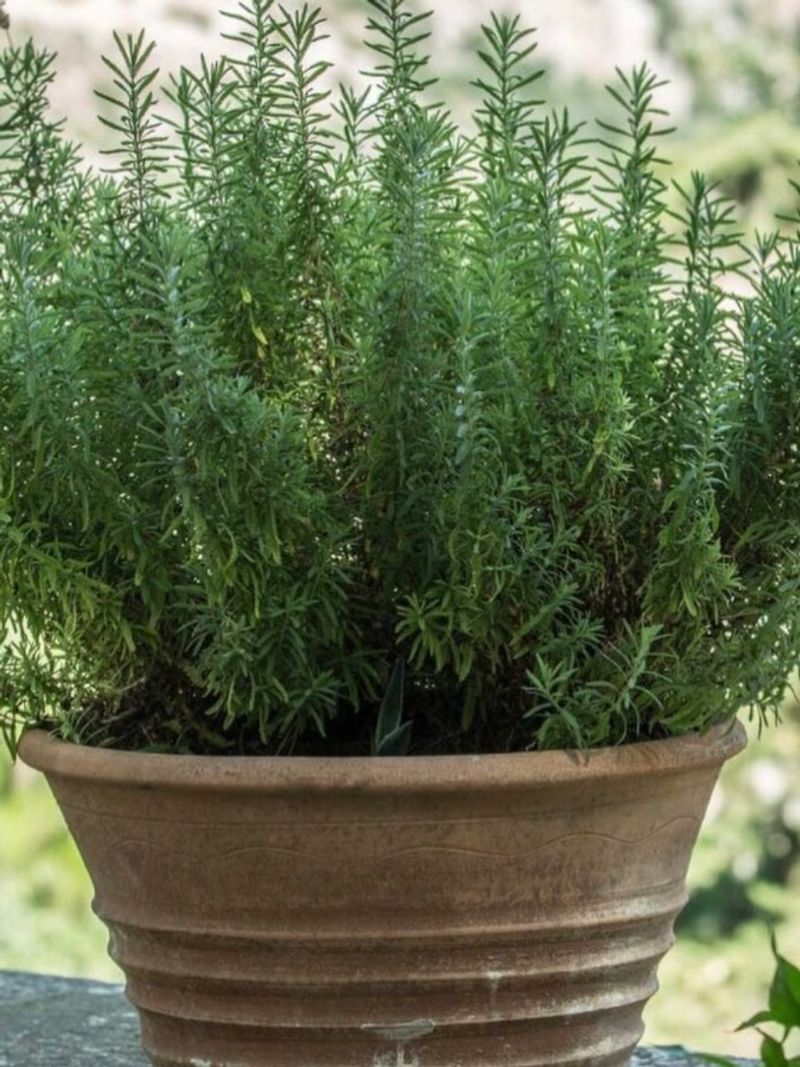
Most herbs fold under a blazing summer sun. Rosemary does not.
Planted near a southwest-facing entryway, it can handle full sun exposure that would stress basil or parsley within days.
Rosemary is native to the Mediterranean coast, where rocky soil, intense heat, and low rainfall are normal. That background makes it surprisingly well-suited to hot entryways in the desert Southwest.
It does not need shade cloth or afternoon cover to stay healthy.
Front doors in sunny desert neighborhoods often face west or south. Those spots get punishing afternoon heat that limits plant choices.
Rosemary thrives in exactly that kind of bright, open exposure.
One thing to keep in mind: even heat-tolerant plants need time to settle in. Newly planted rosemary benefits from regular watering during the first few weeks.
Once roots are established, it needs far less attention.
Upright varieties like Tuscan Blue grow tall enough to frame a doorway without crowding it. Trailing types like Prostratus work well in low borders along a walkway.
Both handle sun without much fuss.
Picking the right spot still matters. Avoid planting too close to a wall that reflects extra heat.
A foot or two of clearance gives the plant room to breathe and air to circulate around the foliage.
2. Summer Rain Means Rosemary May Need Less Extra Water
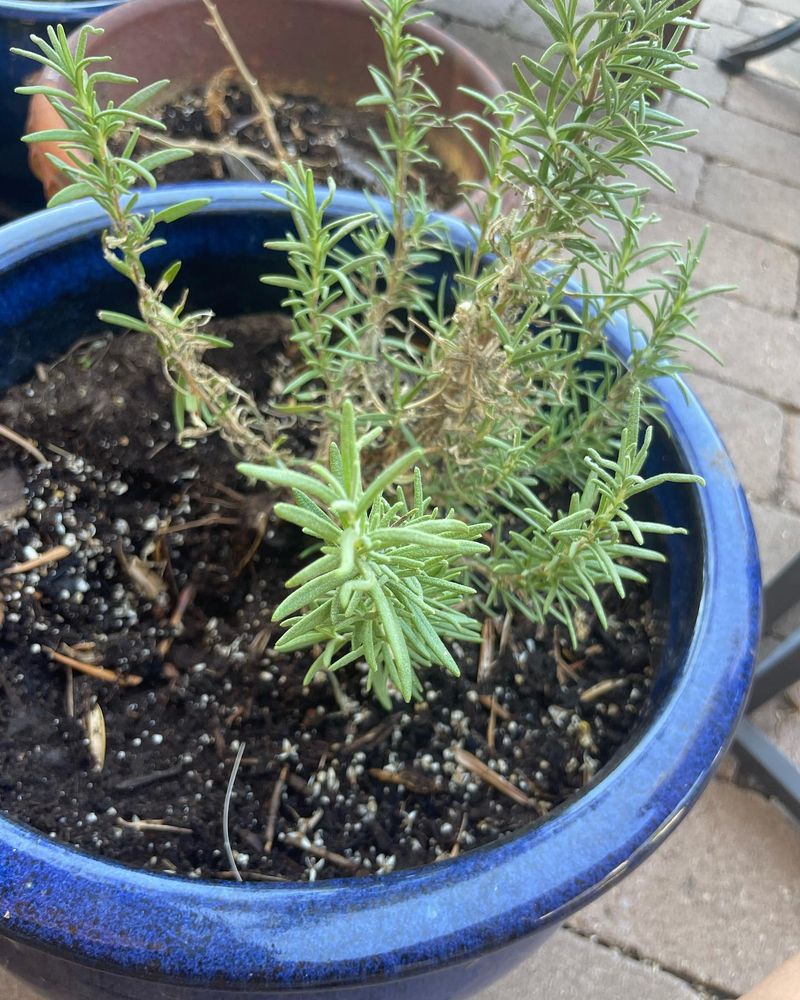
Monsoon storms hit fast and dump a surprising amount of water in a short window. For established rosemary, that rain can cover most of its moisture needs during peak storm months.
Arizona monsoon season typically runs from mid-June through September. During that stretch, storms roll in regularly, sometimes dropping an inch or more of rain in a single afternoon.
Rosemary does not need heavy watering when that kind of rainfall is already happening.
Overwatering is actually a bigger risk than drought for rosemary. Soggy roots cause root rot faster than dry heat does.
Backing off the hose during active storm weeks helps the plant stay healthier overall.
A good way to judge watering needs is to check the soil a few inches below the surface. If it feels damp, skip the irrigation that day.
If it feels bone dry, a slow, deep watering helps roots reach down further.
Your Arizona Garden Changes Every Week. Your Plan Should Too.
Gardening in Arizona changes quickly throughout the season. Every Friday you’ll receive a simple weekly plan showing exactly what to plant, prune, fertilize, harvest, and protect so you never miss the right timing.
Drip systems on timers can be adjusted seasonally. Cutting back the run time during monsoon months saves water and protects the plant from getting too much moisture at once.
Established rosemary in desert landscapes can sometimes go a week or more between waterings during active storm periods. Every yard is different, so check soil conditions rather than following a fixed schedule.
3. Its Strong Scent Makes Every Entrance More Inviting
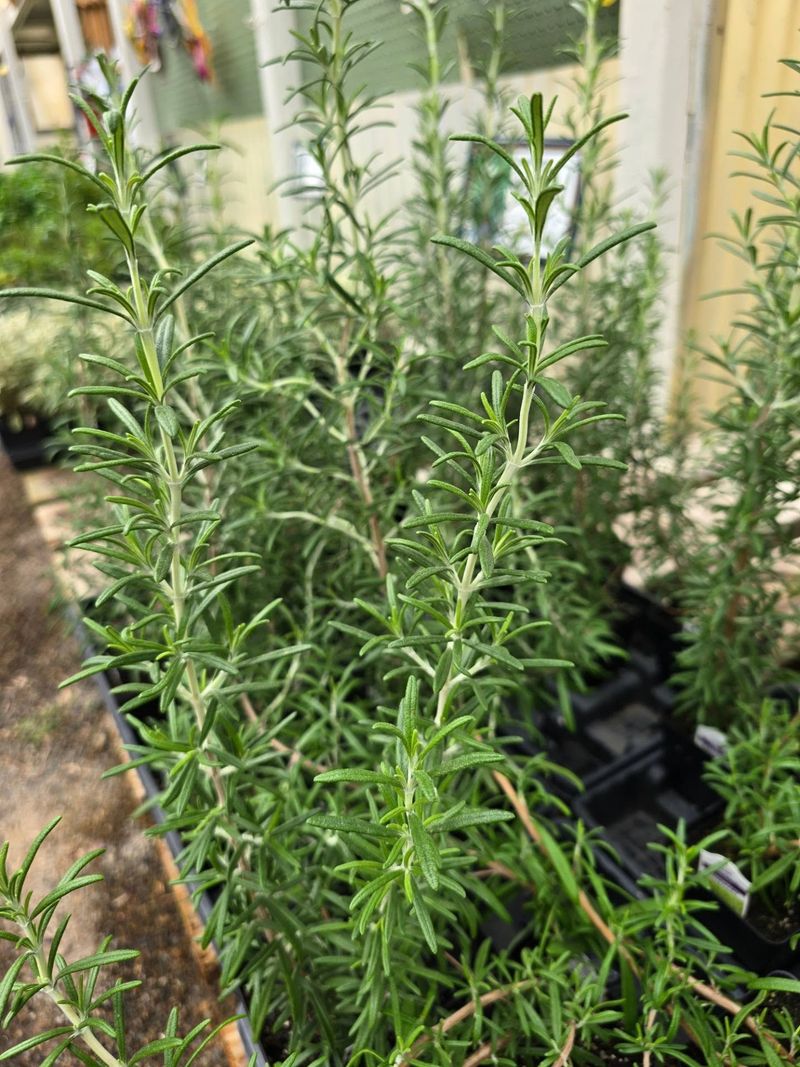
Walk past a healthy rosemary bush and you notice it immediately. That sharp, piney fragrance hits before you even reach the door.
Few plants deliver that kind of sensory welcome at an entryway.
Rosemary releases its scent most noticeably when leaves are brushed or when warm air moves through the branches. On hot desert afternoons, just a light breeze can carry the aroma toward the front door.
After a monsoon rain, the smell intensifies in a way that feels clean and earthy.
Scent matters more at an entryway than most people think. A welcoming smell creates a positive first impression before anyone even steps inside.
Rosemary does that job without needing sprays, candles, or anything artificial.
Planting rosemary within arm’s reach of the door path makes the most of this benefit. When visitors brush past it, the fragrance releases naturally.
Even a small bush positioned near a walkway edge delivers noticeable scent.
Some people find the smell useful beyond curb appeal. Rosemary is sometimes used in cooking, so having a bush near the front door also means fresh sprigs are easy to grab when needed.
Keep in mind that scent intensity varies by variety. Salem and Tuscan Blue tend to have stronger fragrance than some compact types.
Choosing a fragrant variety makes the biggest difference at an entryway.
4. Small Flowers Can Bring Pollinators Close To The Front Yard
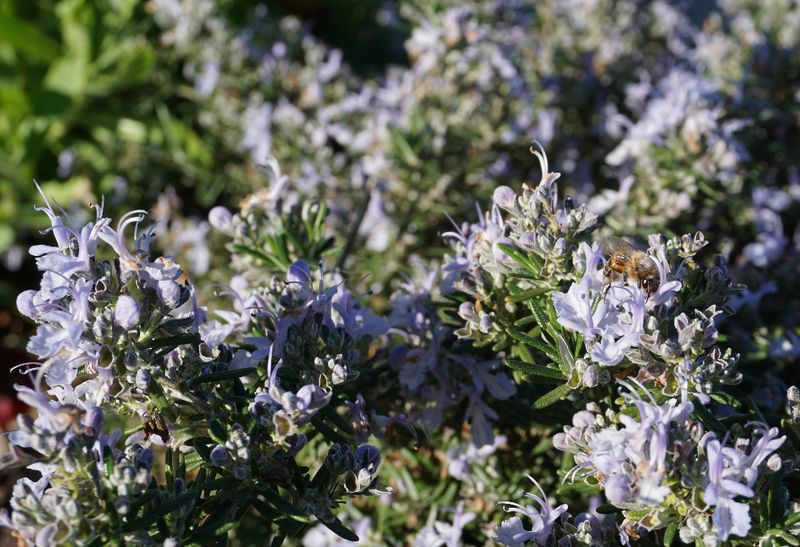
Rosemary blooms are small, but pollinators notice them. Bees especially tend to visit rosemary flowers regularly when they are in season.
Having that activity near the front yard adds life to an otherwise quiet entryway.
In desert climates, flowering plants that attract native bees are genuinely useful. Native bees help pollinate nearby plants and contribute to a healthier yard overall.
Rosemary is one of the easier ways to support that without adding complicated plants to the mix.
Bloom timing varies by variety and local conditions. In warmer desert zones, rosemary can flower during late winter and again in spring.
Some varieties push out blooms more than once a year, though this depends on the specific plant and how it is cared for.
Flower color ranges from pale lavender to deeper blue-purple, depending on the cultivar. Even a modest number of blooms gives bees something to visit.
Butterflies occasionally stop by as well, though bees tend to be the more consistent visitors.
Avoiding heavy pruning right before bloom season helps preserve the flowers. If trimming is needed, doing it right after a bloom cycle gives the plant time to set new growth before the next flowering period.
Planting rosemary near other flowering desert plants can create a small pollinator corridor in the front yard. Even a modest grouping of native-friendly plants draws more activity than a single bush alone.
5. Evergreen Foliage Keeps The Entry Looking Full Year Round
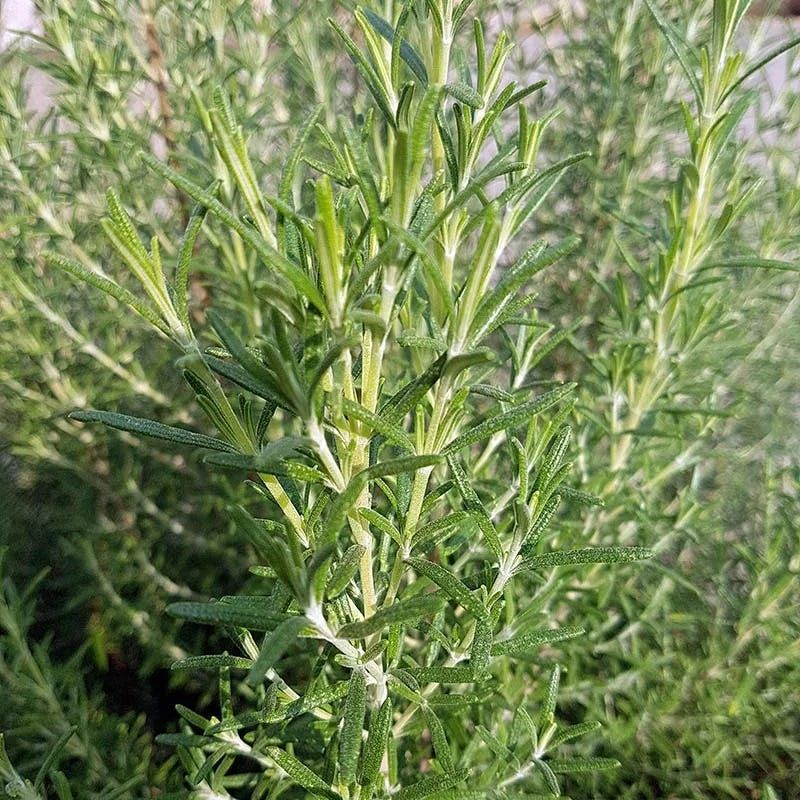
One of the most practical things about rosemary near a front door is that it stays green. Unlike seasonal flowers that fade or shrubs that drop leaves in fall, rosemary holds its foliage through every month of the year under typical desert conditions.
Curb appeal matters even when you are not actively gardening. A bare or scraggly entryway looks neglected, even if the rest of the yard is clean.
Rosemary fills that space with dense, textured greenery that looks intentional and cared for.
In desert Southwest neighborhoods, winters are mild enough that rosemary rarely faces freezing stress. Hard freezes can occasionally damage foliage in colder inland areas, so planting in a spot with some wall protection helps reduce that risk.
The needle-like leaves stay a consistent deep green through summer heat and winter cool. Wind does not bother it much.
Dust rinses off after rain. It holds its shape reasonably well between pruning sessions.
From a landscaping standpoint, having at least one evergreen anchor near the entryway creates visual consistency. Seasonal flowers can rotate around it, but the rosemary gives the space a reliable base that looks good without constant replanting.
Compact varieties work well in smaller entry spaces. Larger upright types make a stronger visual statement beside a wide front door.
Matching the variety size to the space keeps the look balanced and tidy.
6. Fast Draining Soil Becomes Crucial During Monsoon Storms
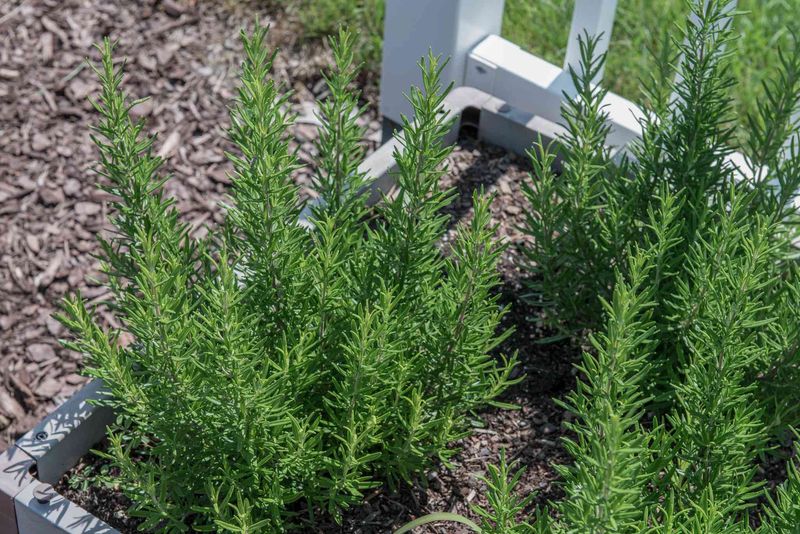
Monsoon storms do not ease in gently. They drop large amounts of water fast, and soil that cannot drain quickly turns into a soggy mess that stresses most plants.
Rosemary is no exception.
Standing water around rosemary roots for even a short period can lead to root rot. Well-draining soil is not optional for this plant.
In heavier clay soils, amending with coarse sand or decomposed granite before planting makes a real difference in how the roots hold up during storm season.
Desert soils vary widely across different neighborhoods and elevations. Some yards have naturally sandy, fast-draining ground that suits rosemary without much prep.
Others have compacted or caliche-heavy layers that slow drainage considerably.
Raised beds or mounded planting spots help in areas where drainage is questionable. Even raising the planting area by a few inches can reduce how long roots sit in wet conditions after a storm.
Gravel mulch on top also helps water move away from the crown of the plant.
Checking drainage before planting is worth the effort. Dig a hole about a foot deep, fill it with water, and watch how fast it drains.
If water sits for more than an hour, the spot likely needs amendment or a better location.
Proper drainage setup done before monsoon season is far easier than trying to fix a struggling plant mid-storm season. A little soil prep upfront saves a lot of trouble later.
7. Simple Care Keeps Rosemary Looking Good After Monsoon Season
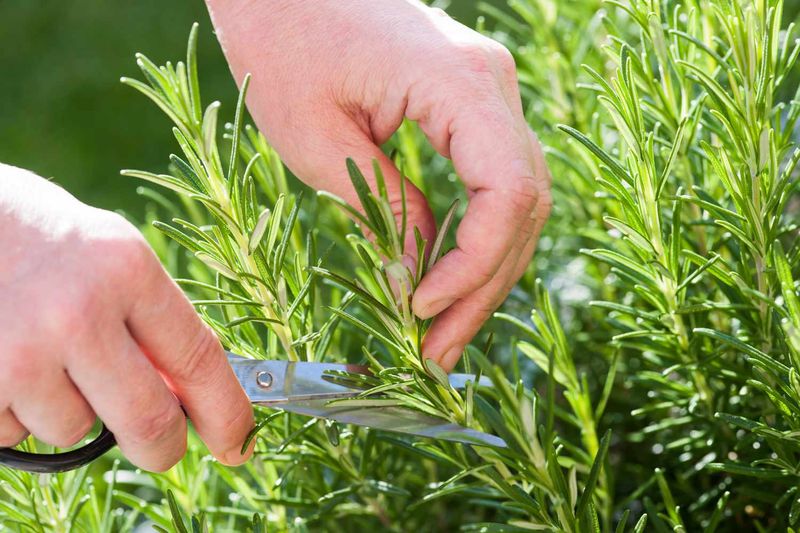
Once monsoon season winds down, rosemary usually needs just a little attention to stay looking sharp. A light trim and a check of the soil situation are often all it takes to keep the plant tidy heading into fall.
Pruning right after the storm season helps remove any leggy or overgrown branches that spread out during the wet months. Rosemary grows faster when it gets consistent moisture, so monsoon rains can push new growth in different directions.
A clean trim brings the shape back without stressing the plant.
Avoid cutting back more than a third of the plant at once. Rosemary does not always recover well from heavy pruning.
Light, regular shaping is gentler and keeps the bush looking fuller over time.
Fertilizing is not usually necessary after monsoon season. Desert soils combined with storm moisture often give the plant enough nutrients to stay healthy.
Adding too much fertilizer can push soft, weak growth that does not hold up well in dry heat.
Checking the base of the plant after heavy rains is a good habit. Soil that has shifted or piled up around the crown can hold moisture against the stem longer than is ideal.
Clearing that away gently keeps airflow around the base.
Post-monsoon care in the desert does not need to be complicated. Consistent light maintenance keeps rosemary looking good through fall and into the cooler months ahead.