The Real Reason Your Missouri Tomatoes Look Fine At Dusk But Wilted By Morning
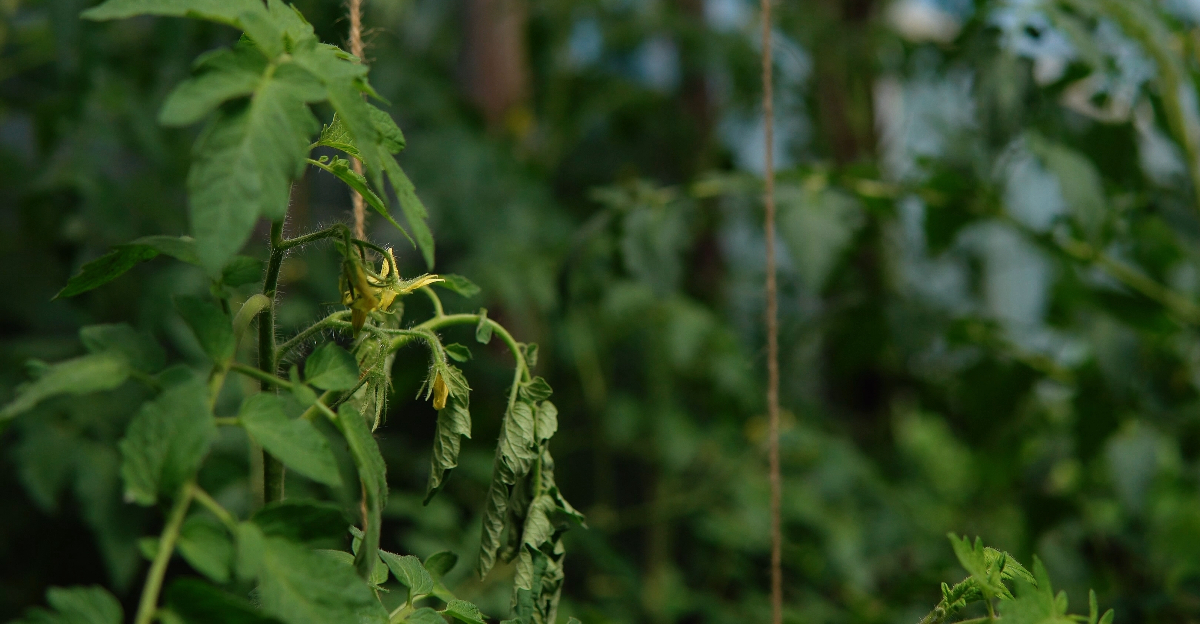
Nightfall changes everything for your tomato plants. Yesterday you saw them stand tall and thriving.
Something shifts when darkness falls over your Missouri garden. Change arrives for your plants unnoticed. Pests move too slowly to explain your setbacks. Disease alone cannot explain what you saw.
Temperature swings across Missouri test your plants most. Moisture clings to your leaves long after sunset.
Fungal spores activate the instant you sleep. Roots feel strain while your stems appear perfectly untouched.
Wind and humidity challenge your plants in ways you miss. Nutrients shift underground, invisible yet costly to your roots.
Cells inside your leaves react before symptoms ever appear. Growers near you report similar trouble within hours.
Science explains part of what you see, not all. Your plants send signals you have never learned to read.
Answers exist, hidden in details you have overlooked completely. Tomorrow night decides whether your tomato plants hold on.
Missouri’s Humid Nights Trap Excess Soil Moisture
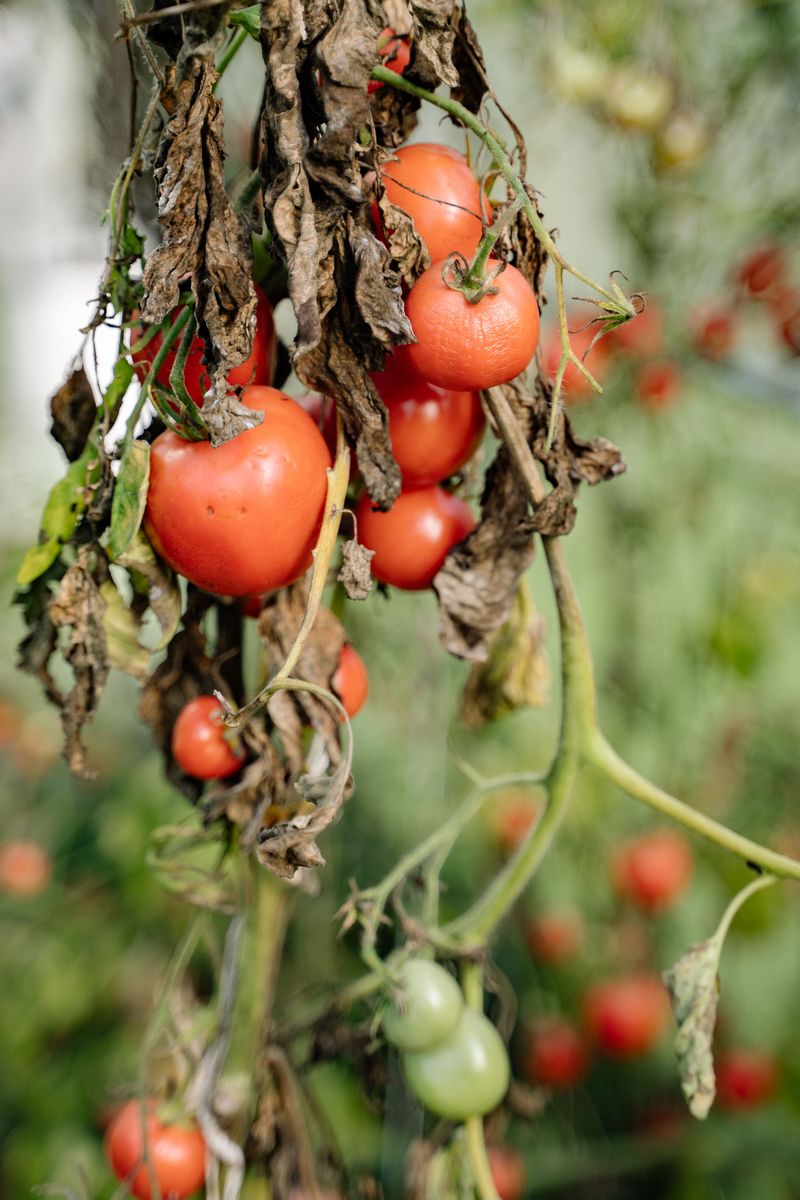
Nighttime in a Missouri garden feels like stepping into a sauna. The air gets thick, the soil stays warm, and moisture has nowhere to go.
When humidity levels stay high after sunset, water cannot evaporate from the soil properly. That trapped moisture surrounds the roots and creates an oxygen-poor zone underground.
Roots need oxygen just as much as water to function. When the soil stays waterlogged overnight, roots start struggling to pull nutrients up through the plant.
By morning, the plant looks wilted even if the soil feels wet. That is the confusing part that trips up most gardeners.
Missouri summers are notoriously humid, with overnight humidity often remaining very uncomfortably high. That level of moisture in the air keeps the soil surface sealed, trapping heat and water together.
The wilting you see at dawn is actually the plant responding to root stress, not drought. Adding more water at that point makes the problem significantly worse.
A simple fix is to improve airflow around your plants by pruning lower leaves. Raised beds also help because they drain faster than flat ground after dark.
Mulching with straw or wood chips can regulate soil temperature overnight. Cooler soil allows better oxygen exchange and healthier root function by morning.
Pay attention to where your garden sits in the yard. Low-lying spots collect cold, moist air overnight and stay wetter longer than elevated garden beds do.
Bacterial Wilt Thrives In Warm Missouri Soil
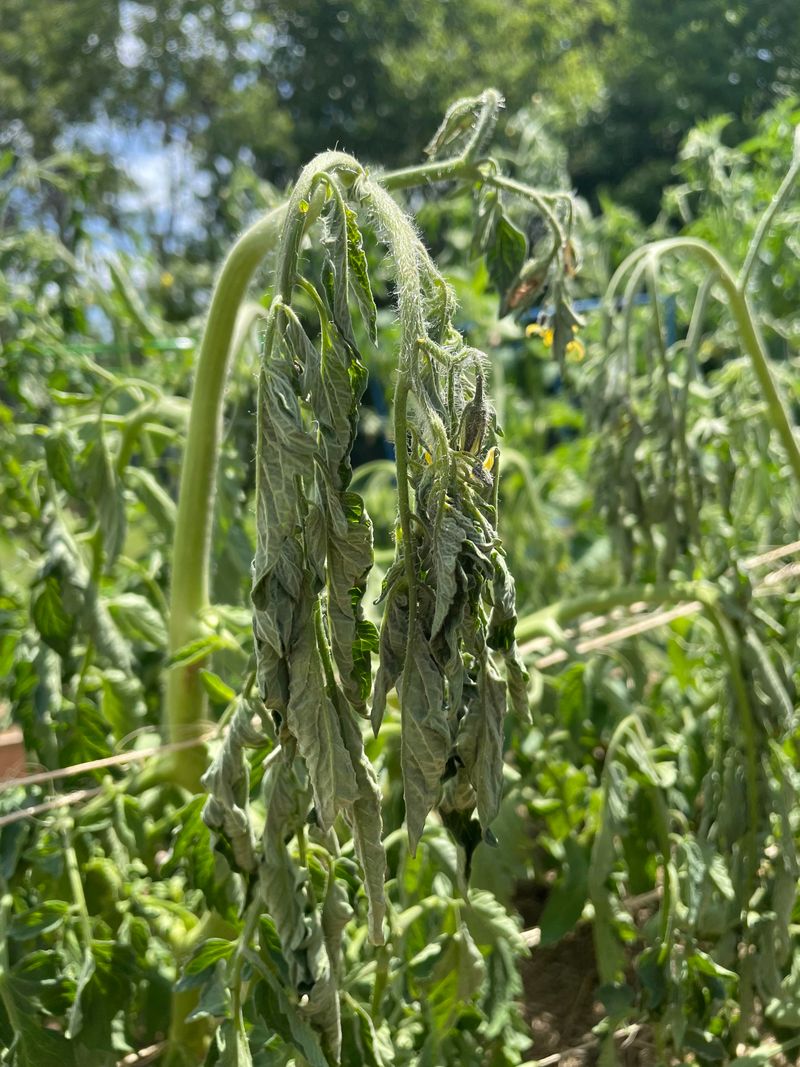
Bacterial wilt is sneaky, fast, and seriously harmful to a tomato crop. One day your plants look healthy, and the next morning they have wilted completely.
This disease is caused by a bacteria called Ralstonia solanacearum, which lives in warm, moist soil. Missouri’s summer conditions are practically a welcome mat for this pathogen.
The bacteria enter through the roots and spread up through the plant’s water-conducting system. Once inside, they block the flow of water and nutrients from reaching leaves and stems.
A quick test can help you identify bacterial wilt on your Missouri tomatoes. Cut a stem near the base, hold the two pieces close together in water, and watch for cloudy, thread-like strands pulling between them.
Your Missouri Garden Changes Every Week. Your Plan Should Too.
Gardening in Missouri changes quickly throughout the season. Every Friday you’ll receive a simple weekly plan showing exactly what to plant, prune, fertilize, harvest, and protect so you never miss the right timing.
Those threads are bacterial colonies, and they confirm the infection. No amount of extra watering will save a plant that has reached this stage.
The bacteria spread through contaminated soil, infected transplants, and even garden tools. Cucumber beetles actually spread a different bacterial wilt disease affecting cucumbers and squash instead.
Controlling cucumber beetles early in the season is one of the best preventive steps. Row covers and neem oil sprays can reduce beetle populations before they spread infection.
Crop rotation is essential for breaking the bacterial cycle in your garden soil. Avoid planting tomatoes or peppers in the same spot two years running.
Varieties bred for other resistances, like Mountain Fresh Plus, offer different benefits. Healthy soil biology also helps suppress harmful bacteria naturally over time.
Fusarium And Verticillium Wilt Take Hold Fast
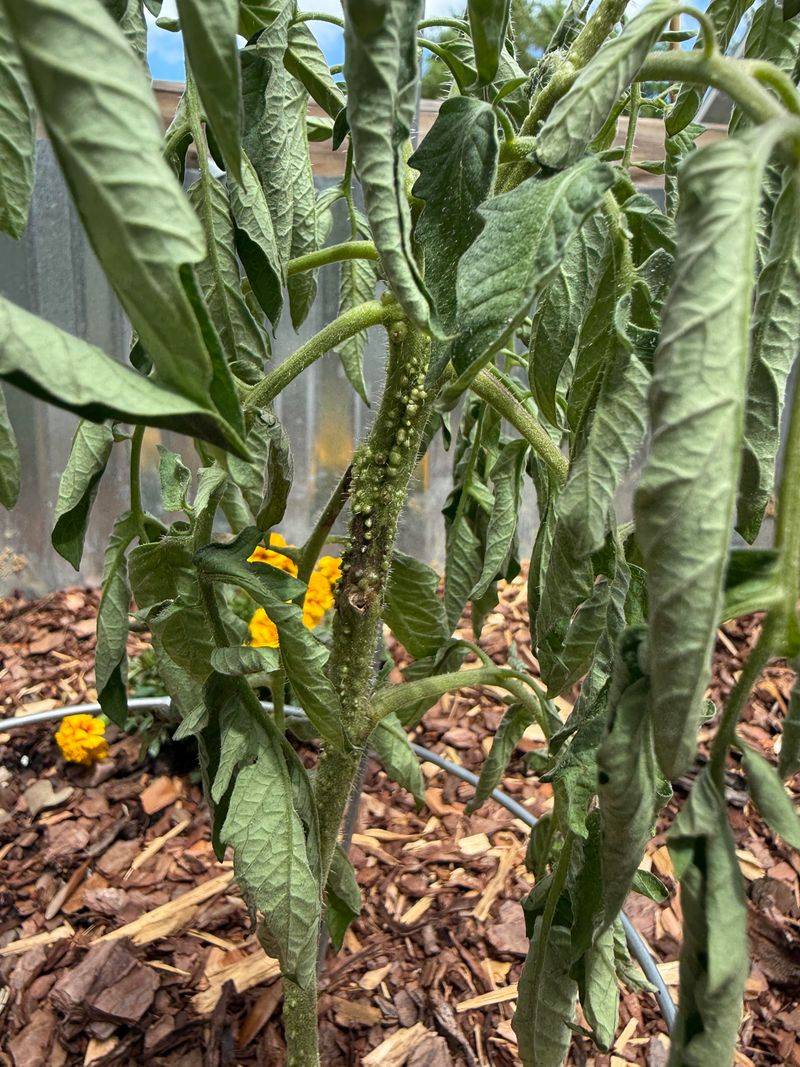
Fusarium and Verticillium are two soil-borne fungi that affect tomatoes from the ground up. Both cause wilting that appears suddenly and gets worse as temperatures rise through the day.
Fusarium wilt is more common in warmer Missouri soil, while Verticillium tends to appear when soil stays cool. Both fungi invade root tissue and then colonize the plant’s vascular system.
Once inside, the fungi produce toxins that block water movement through the stem. The plant responds by wilting, usually starting on one side or with the lower leaves first.
Slicing a stem lengthwise will reveal brown or tan streaking inside the tissue. That discoloration is a clear sign that one of these fungi has taken hold.
Fusarium can survive in garden soil for many years without a host plant present. That means even a season without tomatoes does not fully clear the infection from your beds.
Soil solarization is a powerful technique for reducing fungal populations before planting. Cover moist soil with clear plastic sheeting for four to six weeks during Missouri’s hottest summer stretch.
The trapped heat builds up enough to reduce fungal spore counts significantly. Combine this method with crop rotation for the best long-term protection available to home gardeners.
Look for seed packets or transplants labeled with the letters F and V after the variety name. Those letters indicate resistance to Fusarium and Verticillium, making them a smart choice for Missouri gardens.
Keeping soil pH between 6.5 and 7.0 also reduces Fusarium activity noticeably. A simple soil test kit from your local garden center can guide your amendments accurately.
Root Damage From Missouri’s Clay-Heavy Soil
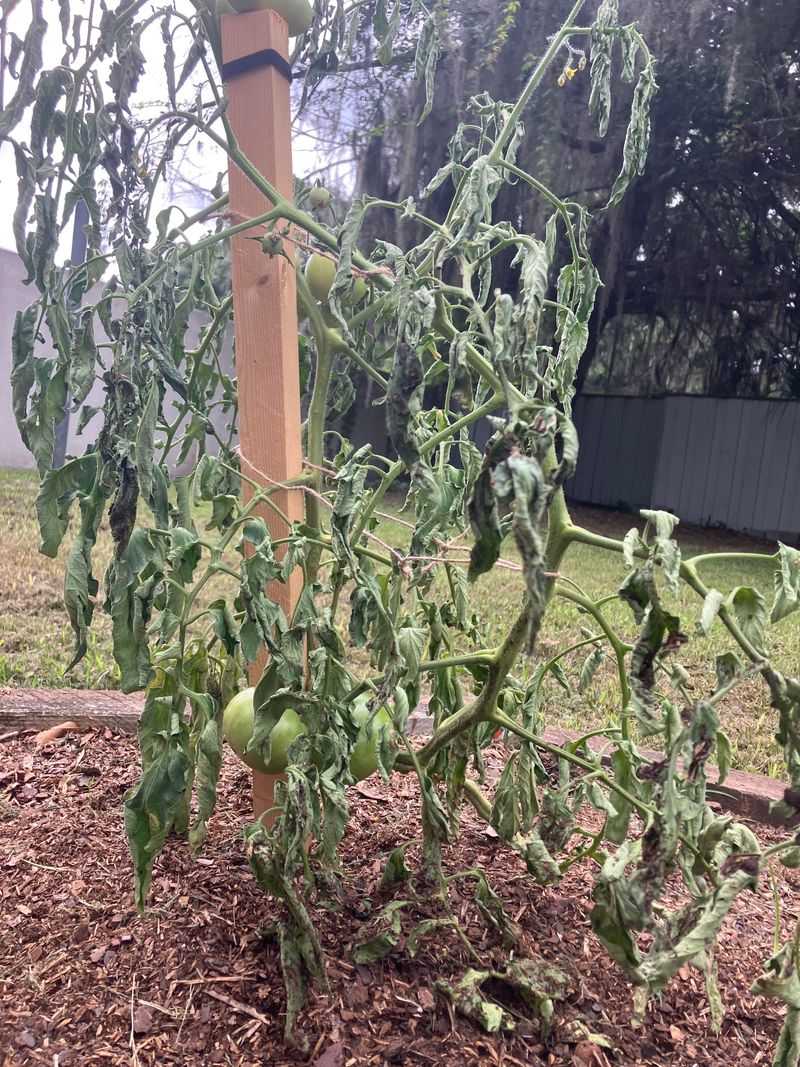
Missouri clay soil looks rich and dark, but it can limit oxygen to your roots. Clay particles pack together tightly, especially after rain, leaving little room for roots to breathe or expand.
When roots cannot spread outward, the plant struggles to absorb enough water and nutrients. That stress shows up as wilting in the morning, even when the soil feels moist to the touch.
Clay soil also drains poorly, which means water sits near the root zone for hours after watering. Roots sitting in standing water lose oxygen and begin to break down over time.
Compaction makes this problem worse because foot traffic and heavy rain press clay particles even closer together. Avoid walking near the base of your plants to protect the soil structure around them.
Working compost into clay soil is one of the most effective long-term fixes available. Organic matter opens up the soil structure, improves drainage, and feeds beneficial microbes that support root health.
Adding perlite to planting holes helps break up clay density at the root level, though sand needs care. Adding a moderate amount of perlite per planting hole can improve drainage speed.
Raised beds filled with a mix of topsoil, compost, and perlite completely bypass the clay problem. Many experienced Missouri gardeners swear by raised beds for growing tomatoes successfully every season.
Deep tilling before planting loosens compacted layers that roots cannot penetrate on their own. A garden fork works better than a rototiller for breaking up clay without destroying soil structure.
Sudden Temperature Swings Stress Plant Roots
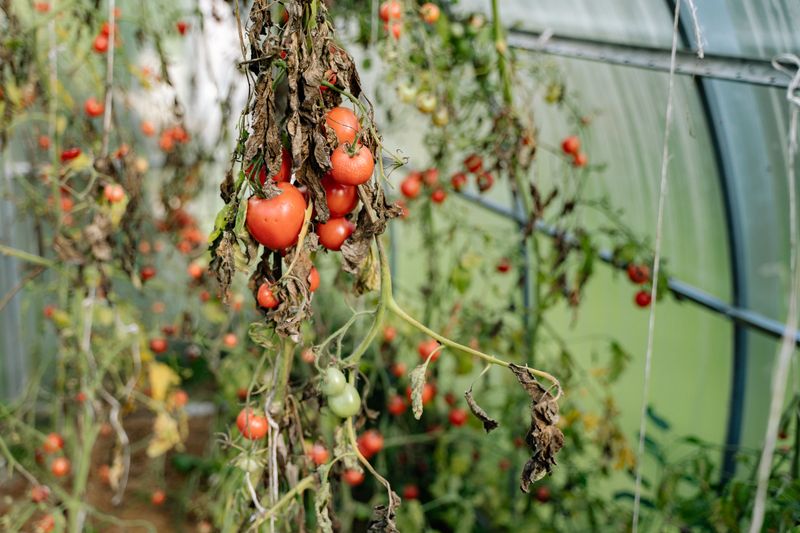
Missouri weather rarely stays the same for long. Temperatures can often swing significantly and quickly between a warm afternoon and a cool, breezy night.
Those dramatic shifts put serious stress on tomato root systems. Roots are sensitive organs, and sudden cold after a warm day slows their ability to absorb water efficiently.
When root function slows overnight, the plant cannot replace the water it loses through its leaves. By morning, that water deficit shows up as wilting across the entire plant.
This type of stress is called temperature-induced wilt, and it looks almost identical to disease-related wilting. The key difference is that temperature-stressed plants often perk back up once the morning sun warms the soil.
If your plants recover by mid-morning without any intervention, temperature shock is likely the culprit. Plants affected by fungal or bacterial issues rarely bounce back that quickly or completely.
Protecting roots from temperature swings starts with consistent mulching around the base of each plant. A three-inch layer of straw or shredded leaves acts as insulation, keeping soil temperature more stable overnight.
Row covers made of lightweight fabric can also buffer overnight temperature drops without blocking daytime light. Remove them each morning once outside temperatures rise enough to prevent overheating fully.
Watering in the early morning rather than evening helps roots stay hydrated through cooler nights. Cold water applied at night can increase stress on roots in already-stressed plants during Missouri’s unpredictable spring and summer seasons.
Overwatering Mistakes Common In Missouri Gardens
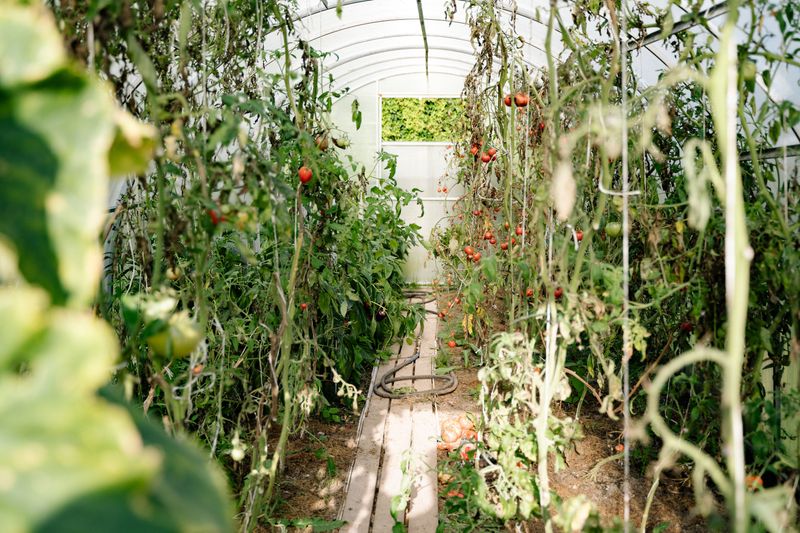
Overwatering is the most common mistake Missouri home gardeners make, and it causes wilting just as often as drought does. More water does not always mean a healthier plant.
When soil stays saturated, roots cannot access oxygen trapped between soil particles. Oxygen-deprived roots stop functioning normally, and the plant then shows widespread wilting symptoms.
The tricky part is that overwatered tomatoes look almost exactly like underwatered ones. Both show drooping leaves and limp stems, which sends most gardeners reaching for the hose again.
Checking soil moisture before watering is the single most important habit you can build. Push your finger two inches into the soil near the base of the plant and feel for moisture at that depth.
If the soil feels damp at two inches, skip the watering session entirely. Tomatoes prefer a consistent wet-dry cycle rather than constant saturation throughout the root zone.
Missouri’s summer rain patterns already deliver significant moisture to garden beds. Supplemental watering on top of heavy rain events pushes most soil types well past their drainage capacity.
Installing a rain gauge in your garden gives you an accurate picture of weekly rainfall totals. One inch of rain per week is typically enough for established tomato plants in most soil types.
Drip irrigation is a smarter delivery method than overhead sprinklers for Missouri tomatoes. It puts water directly at the root zone and reduces the surface moisture that encourages fungal growth overnight.
Your Missouri tomatoes deserve water that actually helps them thrive, not water that may not be reaching them effectively.